Most People Have The Process Backwards
Results, Motivation, Action—Actually, the process works the other way.
By
November 28, 2026


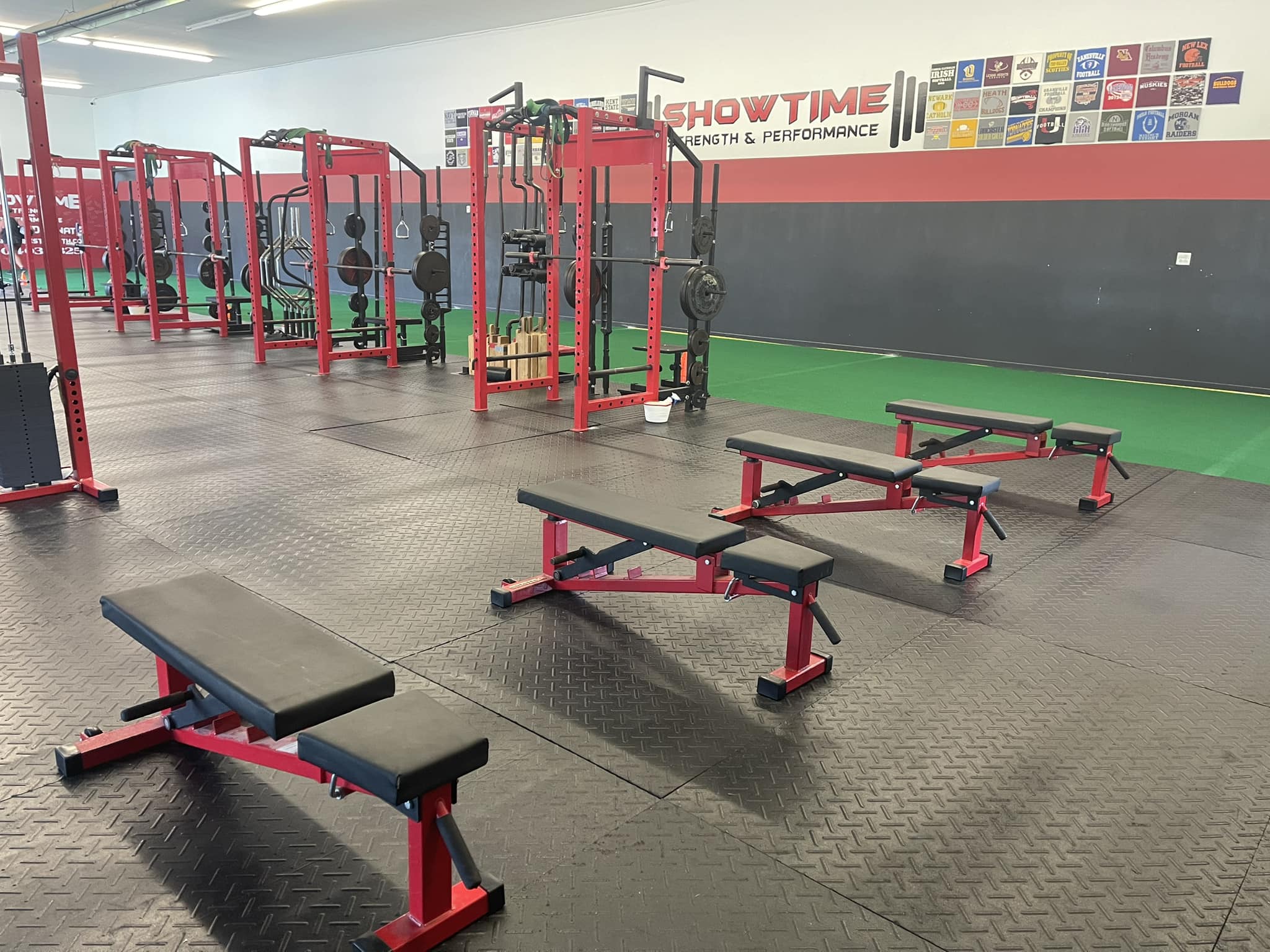
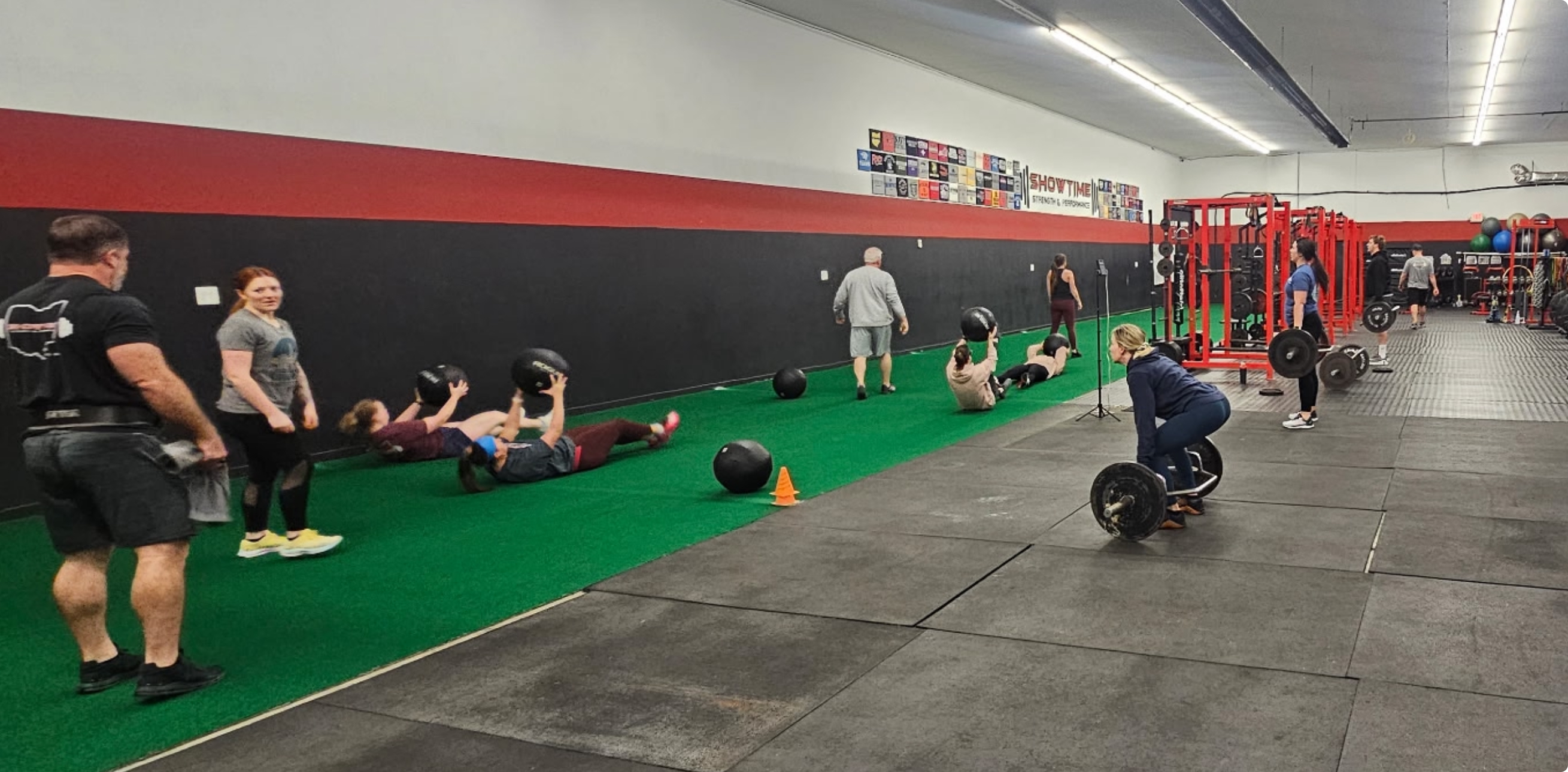
Most people start with the finish line. They pick a number on the scale, a clothing size, or a lift they want to hit and then try to force their way there with motivation. They overhaul their diet, train every day, and expect life to make room for the plan. That approach often works for a little while. Then work gets busy, sleep suffers, a family obligation comes up, or the plan becomes too demanding to maintain. When progress stalls, people assume they lack discipline. Usually, the problem isn’t a lack of commitment. It’s that the process is backwards. A result is an outcome. You can’t directly control it day to day. What you can control are the actions that make the outcome more likely: showing up for training, eating in a way that supports your needs, recovering, and adjusting when real life gets in the way. At Showtime Strength & Performance, we believe strength and confidence grow from consistent, purposeful work. If you want health and fitness to last, build the process first.
Start with the life you want and not just a number
A goal can be motivating, but it needs a reason behind it.
Maybe you want to feel stronger carrying groceries, have more energy at the end of the workday, keep up with your kids, or feel more capable as you get older. Those reasons matter because your plan has to serve your life, but not take it over.
Try finishing this sentence:
“I want to improve my health and fitness so I can…”
Make the answer personal. Then use it to guide your choices. A goal that matters to you is more useful than one you chose because someone else said you should.
Work backward from the outcome to the actions
Say your long-term goal is to get stronger. That’s the destination, not the daily plan.
Ask:
A practical process might be: schedule two or three training sessions, prepare what you need the night before, record your workouts, and review your progress every few weeks. The exact plan will depend on the person. The important part is that it is clear, realistic, and repeatable.
Make the plan fit your actual week. A plan that only works during a perfect week isn’t a solid process. Before you commit, look at your calendar, responsibilities, energy, and experience. Start with a manageable amount of training rather than building a routine that competes with everything else in your life.
Decide in advance:
For example: “I’ll train after work on Monday and Thursday. If I can’t make Thursday’s session, I’ll do a shorter workout at home on Saturday.” That kind of flexibility isn’t lowering your standards. It’s making the plan resilient.
Focus on behaviors you can control
Scale weight, body composition, and performance numbers can be useful measures, but they don’t change on command. Your daily actions are more directly within your control.
Choose a few behaviors to track, such as:
Keep the list short enough that you’ll actually use it. Tracking is meant to help you learn, not give you another reason to feel guilty. Plan for obstacles before they happen. Everyone encounters friction. The useful question isn’t “How do I make sure nothing goes wrong?” It’s “What will I do when something does?”
Use an if-then plan:
A backup plan turns a setback into a decision you’ve already prepared for.
Review the process, not just the result.
Once a week, take a few minutes to ask:
If you’re not progressing, don’t immediately assume you need to work harder. The schedule may be unrealistic, the steps may be unclear, or the plan may need to change. Adjust the process based on what you learn. Progress is built between the big moments. A health and fitness goal is rarely achieved through one perfect week. It’s built through ordinary choices repeated over time and through returning to the plan after life interrupts it.
Set a meaningful direction.
Choose a process you can sustain.
Track the actions that matter.
Review, adjust, and keep going.
Don’t just chase the outcome.
Build the process that makes the outcome possible.