How Many Times A Week Should You Exercise
How Many Times A Week Should You Exercise
By
February 8, 2026
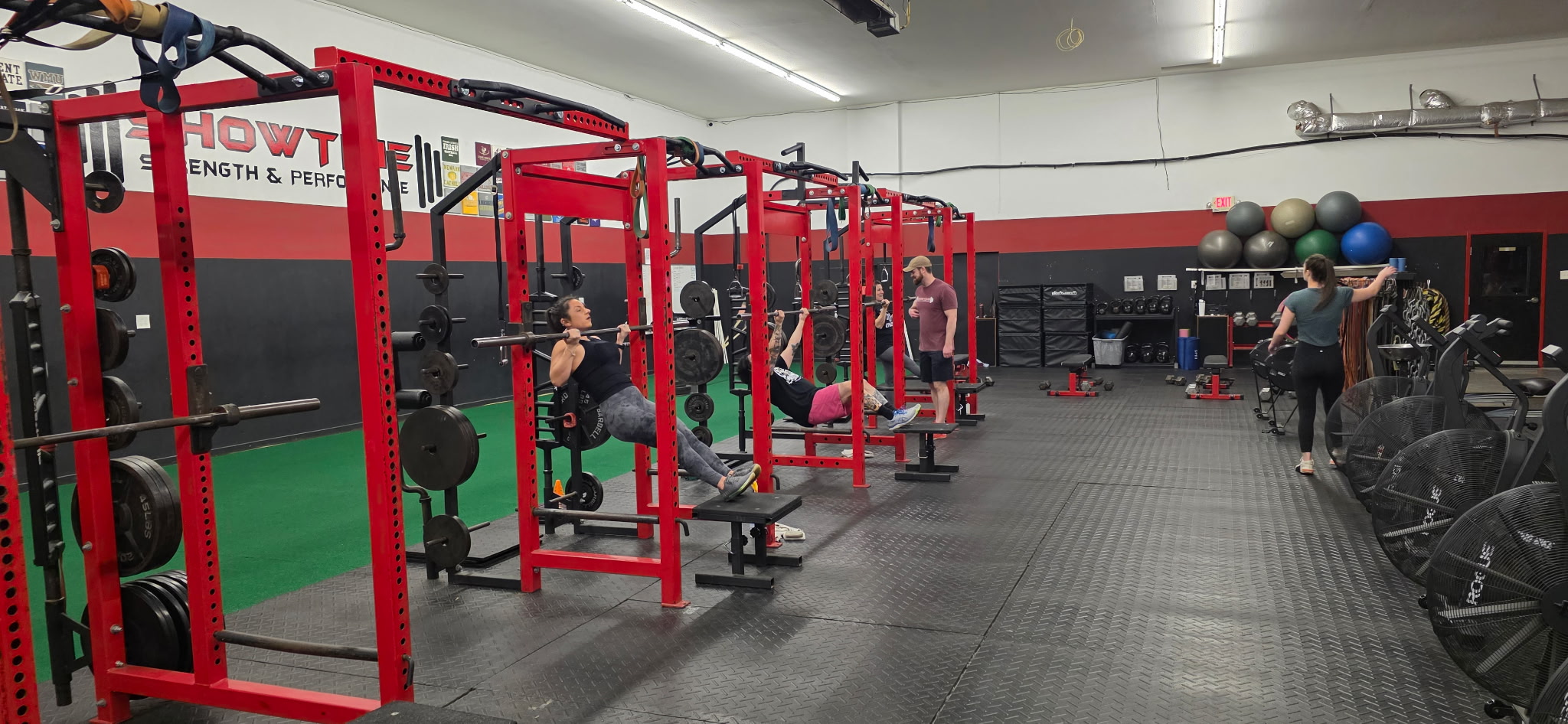

How Many Days a Week Should you Exercise?
This is a common question for people new to exercise and fitness. We all want to make progress towards our goals without over doing it and risking injury. When we start something new, there’s a level of excitement that comes with something being fresh. If we approach our training plan correctly, then we can use that excitement to accelerate our progress. If we get carried away with the excitement, we’ll miss signs leading up to potential issues. Like most things in health and fitness, there isn’t a clear answer that applies to everyone. Insert the famous phrase “It Depends”. While most people aren’t excited to hear ”it depends”, let’s look at the factors to help you decide what is right for you.
It Depends Factors
There are more factors that we can put into this, but this list will give you a beginning overview of factors to think about. Writing these lists out can be beneficial in helping people think rationally about what they’re up against in making a positive change. No matter our current state, our body doesn’t like change. By starting any change process, we’re adding stress to our system. If we use an inappropriate amount of change, we can underwhelm or overwhelm our system which steers us away from the change we want.
One Day a Week Probably Isn’t Enough
Simply put, one training session a week doesn’t create enough stimulus to create a change to the body. It also doesn’t help us create a habit of strength training. By only using one session a week, it’s hard to learn movement patterns and then progress them enough to make a difference. Imagine this as essentially starting over every week instead of each session building into a bigger effect. Once you have developed a base, use two to four training sessions a week. One session a week can be beneficial for a busy phase of life. A good example would be a youth athlete in season or an adult working extra hours to make a big deadline. While not optimal, it can work to maintain some of the progress, but we can’t expect progress during these phases.
Two Days a Week Benefits
For most adults and youth athletes that haven’t been training, two days a week is a great start point. This works for people because it allows us to create a consistent schedule like Monday and Wednesday or Tuesday and Thursday. We set this schedule and it leaves time for recovery. We can add additional movement outside the gym like a walk, bike ride or swim. This helps to create routine and prevent the feeling of starting over new each week. Two days a week will not get you to the Mr. Olympia stage, but it will help to establish a foundation. For youth athletes, two times a week is great for middle school age and high school athletes just starting. People training twice a week can see benefits for well over a year, but eventually more stimulus will be needed either with another training session in the gym or creating fun physical activity outside of the gym like hiking, biking, or recreation sports.
Three Days a Week
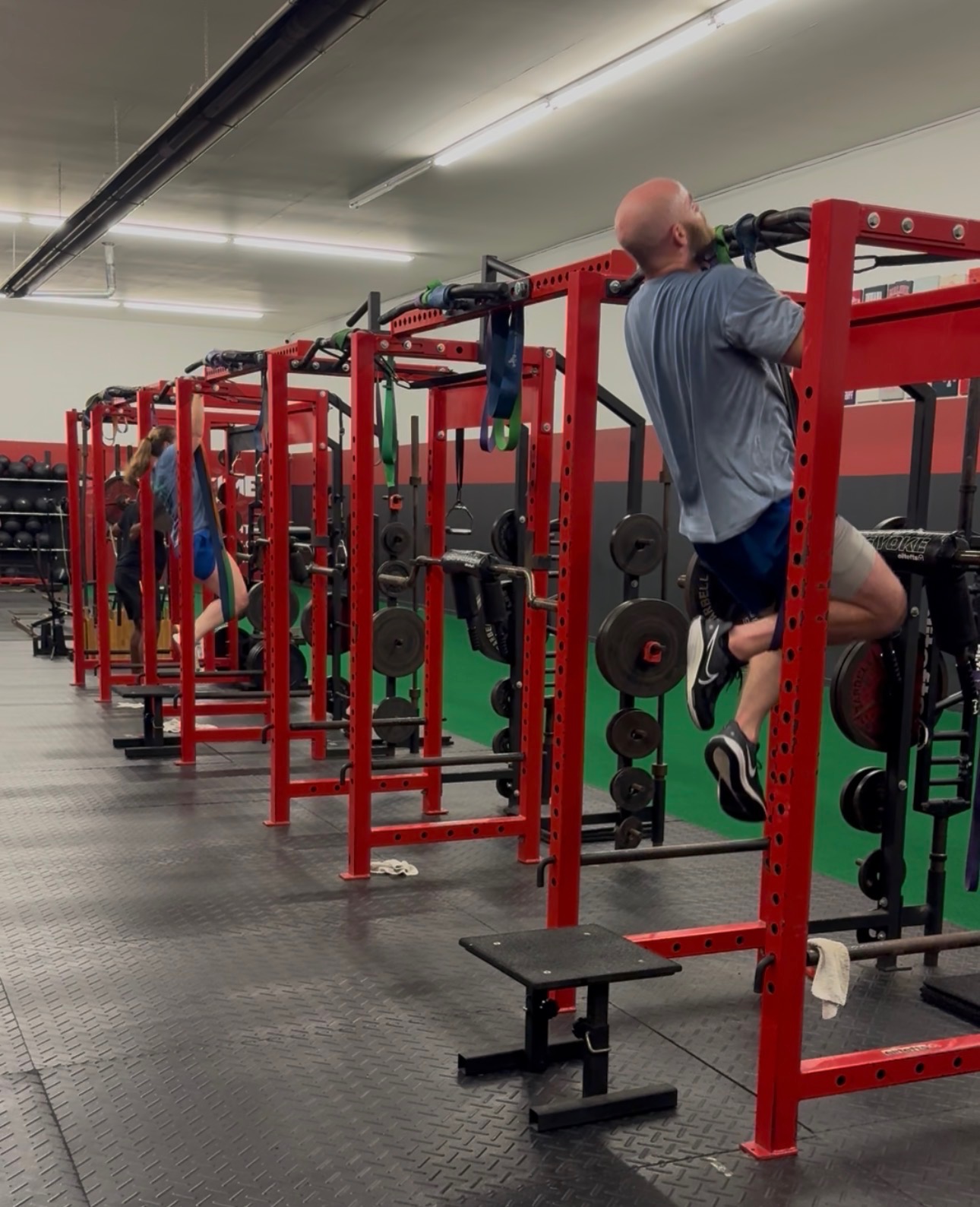
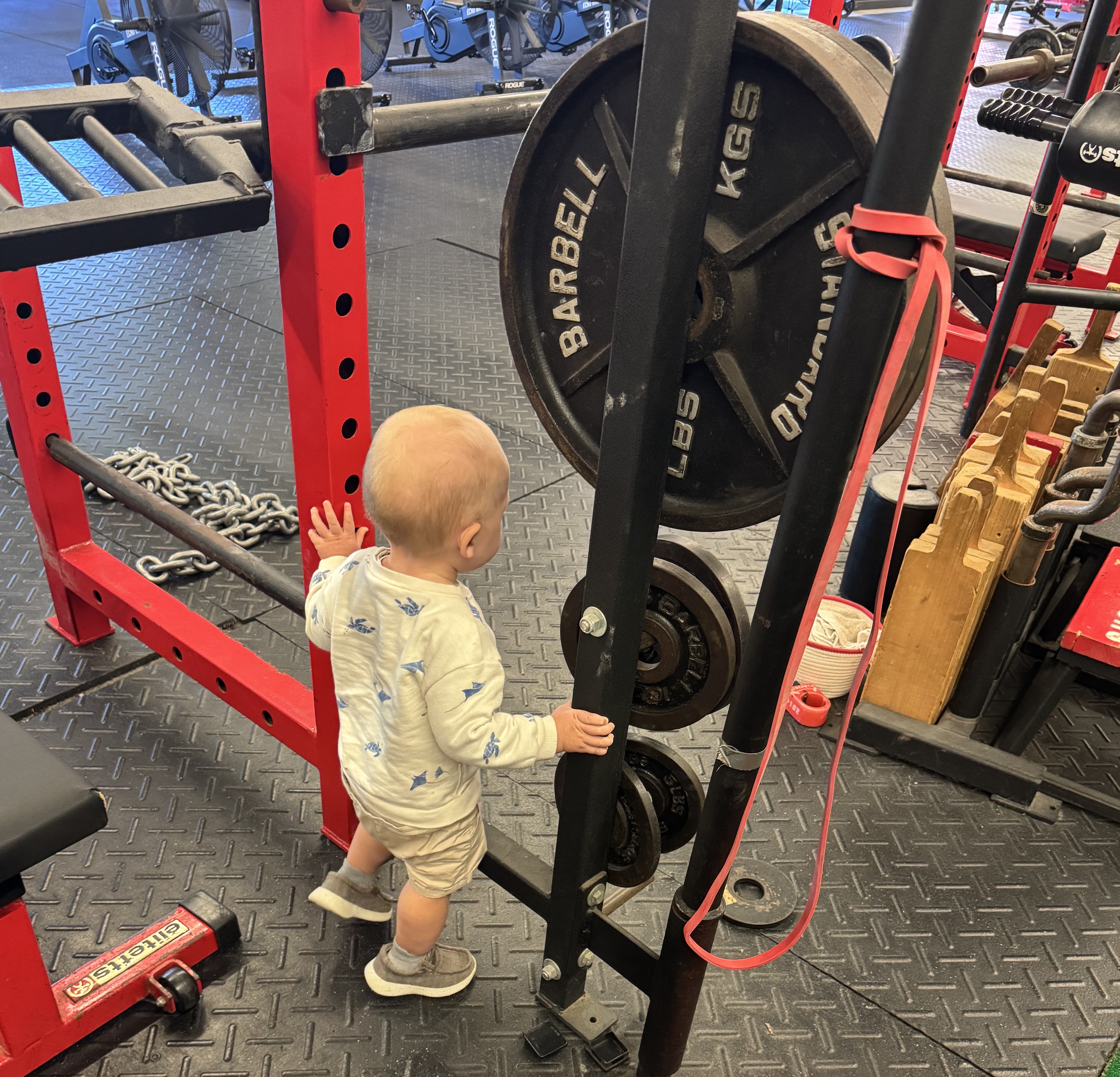
In our experience, three strength training sessions each week is a sweet spot for most people. The schedule helps to create a rhythm. Most people will follow a schedule like Monday/Wednesday/Friday or Monday/Tuesday/Thursday. This planning helps to spread the sessions out on a weekly basis which aids in recovery. The frequent stimulus helps to promote strength and muscle growth. Three training sessions a week still allows for activity outside of the gym. This is where we want to see most of our adult clients and our high school athletes. For middle school aged athletes, this can become overwhelming to maintain. Since our son was born two years ago, dropping to three weekly sessions has been one of the better training decisions I’ve made in my adult life.
Four/Five Days a Week
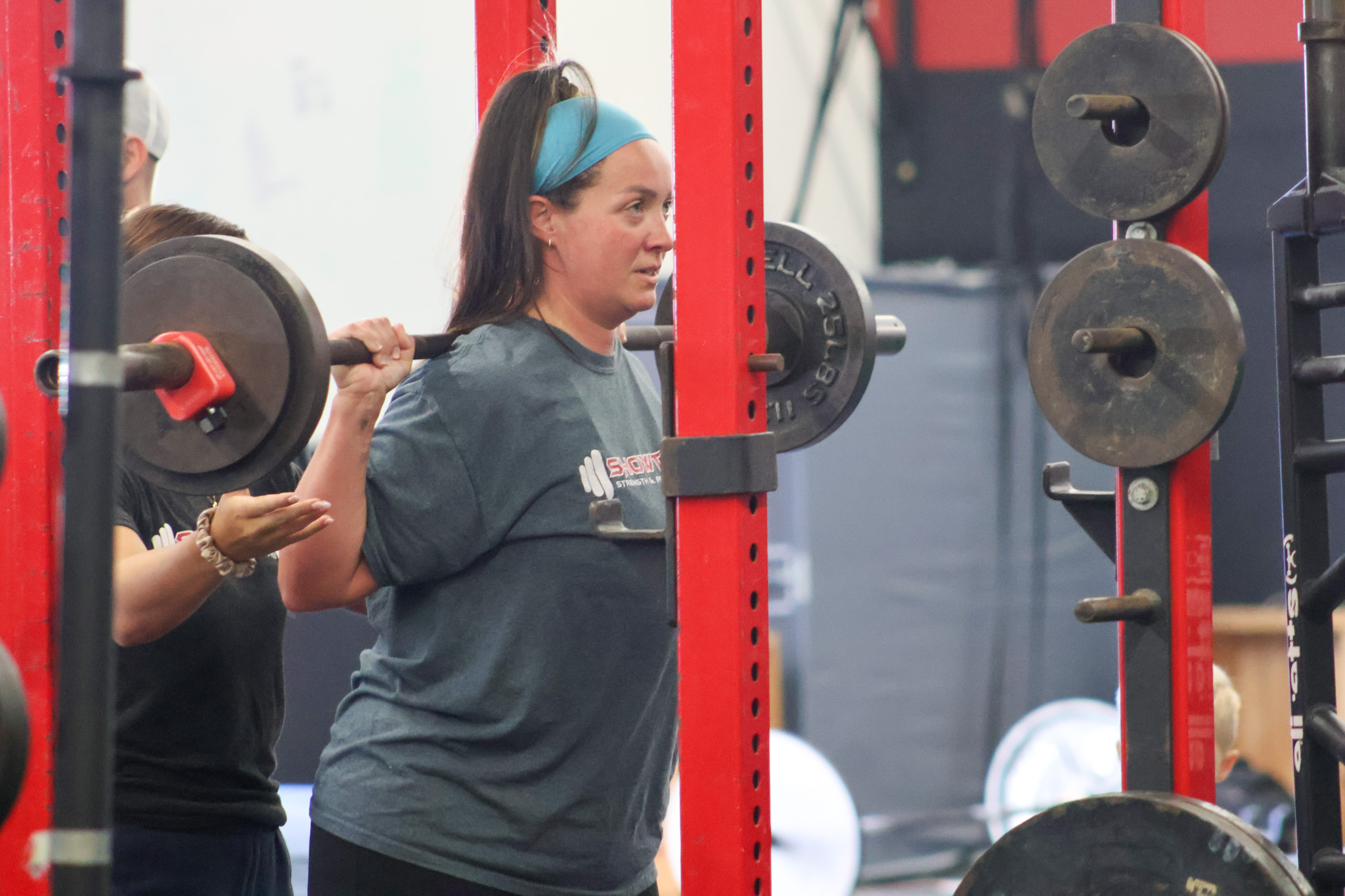
The only people we suggest training this frequently are people who have a very large base of training or have a specific high level goal to achieve. For most adults, this begins to interfere with family and career commitments. For most athletes, it begins to interfere with their practice sessions where they refine their skills. If you decide to train four days on a weekly basis, it would be wise to have one of those sessions be a conditioning or active recovery session. If you decide to train four to five sessions weekly, become good at auto regulating your training and the weights you use. This means being aware and making adjustments on the fly so you can promote recovery when needed or raise intensity when possible. Failure to do so can lead to an increased risk of injury.
Take Aways












.png)



















%20copy.jpeg)











.jpeg)


%20copy%202.jpeg)


