Nutrition Essentials: Understanding Food Labels
Understanding Your Food Labels Gives You a Better Understanding of Your Nutrition In Real Time
By
December 13, 2025
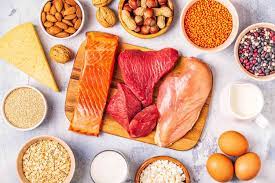

Navigating the grocery store can be overwhelming, especially with the myriad of food products lined up on the shelves, each boasting claims of health benefits. Understanding food labels is crucial for making informed dietary choices and selecting products that align with your health goals. In this blog, we will break down how to read food labels effectively, highlighting what to look for and what to avoid to help you make healthier decisions. It’s important to understand that food companies constantly test different labels with different verbiage to grab your attention and your wallet. If you don’t believe me, remember that smoking was once associated with healthy weight management. Having a better understanding of food labels can help you make better informed choices for your health and finances. It’s also important to know that places like Costco and discount stores like Dollar Tress will also have different size packaging to persuade the consumer to buy a certain product even though it’s at a lower value than the traditional grocery store.
Understanding the Basics of Food Labels
Food labels provide essential information about the nutritional content of a product. These labels typically include the serving size, calories, and a breakdown of macronutrients (fats, carbohydrates, and proteins) as well as vitamins and minerals. The ingredient list is in order of quantity meaning that the first few ingredients make up a majority of the product. Familiarizing yourself with these sections is key to deciphering what you’re consuming. A common pitfall with nutrition labels can be understanding serving sizes in items like sprays, sauces, seasonings, and oils. Many people will use seasonings very liberally because they label has a low number of carbs. What they fail to understand is the container has 300-500 servings meaning that the amount of additional sugar they’re adding to an otherwise healthy meal is substantial. Another factor to be aware of is knowing if the label is in cooked or uncooked quantities when referring to the nutrition facts. A good practice is to prep your meals for a few weeks following food labels to have a better understanding of calories and macronutrients you’re truly taking in.
Key Components to Look For
4. Vitamins and Minerals
Labels often highlight some essential vitamins and minerals. Aim for products high in nutrients like calcium, vitamin D, potassium, and iron, which are crucial for overall health.
Common Misleading Claims to Watch Out For
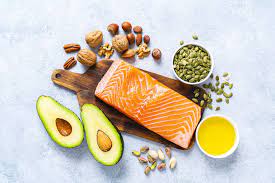
5. Protein. We’ve become obsessed with protein to where we now label bread, potato chips, fries, cookies, and much more as protein packed. This is marketing tricking us to pay more for a snack that isn’t conducive to our health. Stick to the foods that are known for their quality protein content and have your snacks sparingly, but don’t kid yourself on their value.
The Ingredients List: What to Avoid
The ingredients list provides a detailed account of everything included in a product. Ingredients are listed in order by weight, from largest to smallest. Here are several items to watch out for:
Decoding food labels is an essential skill that can significantly impact your dietary choices. By understanding what to look for and what to avoid, you can make informed decisions that support your health and well-being. The next time you’re at the grocery store, take the time to read the labels, and don’t hesitate to choose products that best align with your nutritional goals. Informed choices lead to healthier lifestyles.




















.png)

























%20copy.jpeg)

















.jpeg)


%20copy%202.jpeg)


