What Most Adults Are Missing in Their Training Program
Enhance your Training Plan
By
March 8, 2026


Most adults start training for the right reasons. They want more energy, less pain, more strength, a body that keeps up with their kids, and allows them to stay active for decades. Sadly, many training programs miss some of the most important elements of human performance. Instead of building a well-rounded body, they focus on isolated exercises, machine circuits, or repetitive cardio.
The result?
Adults may work hard in the gym only to still feel stiff, unbalanced, slow, or limited in everyday life. At Showtime Strength & Performance, we focus on training the body the way it was designed to move ; powerfully, efficiently, and across multiple movement patterns. When adults incorporate a few key elements into their training, the difference in strength, durability, and confidence can be dramatic.
Here are four things most adults are missing in their training program.
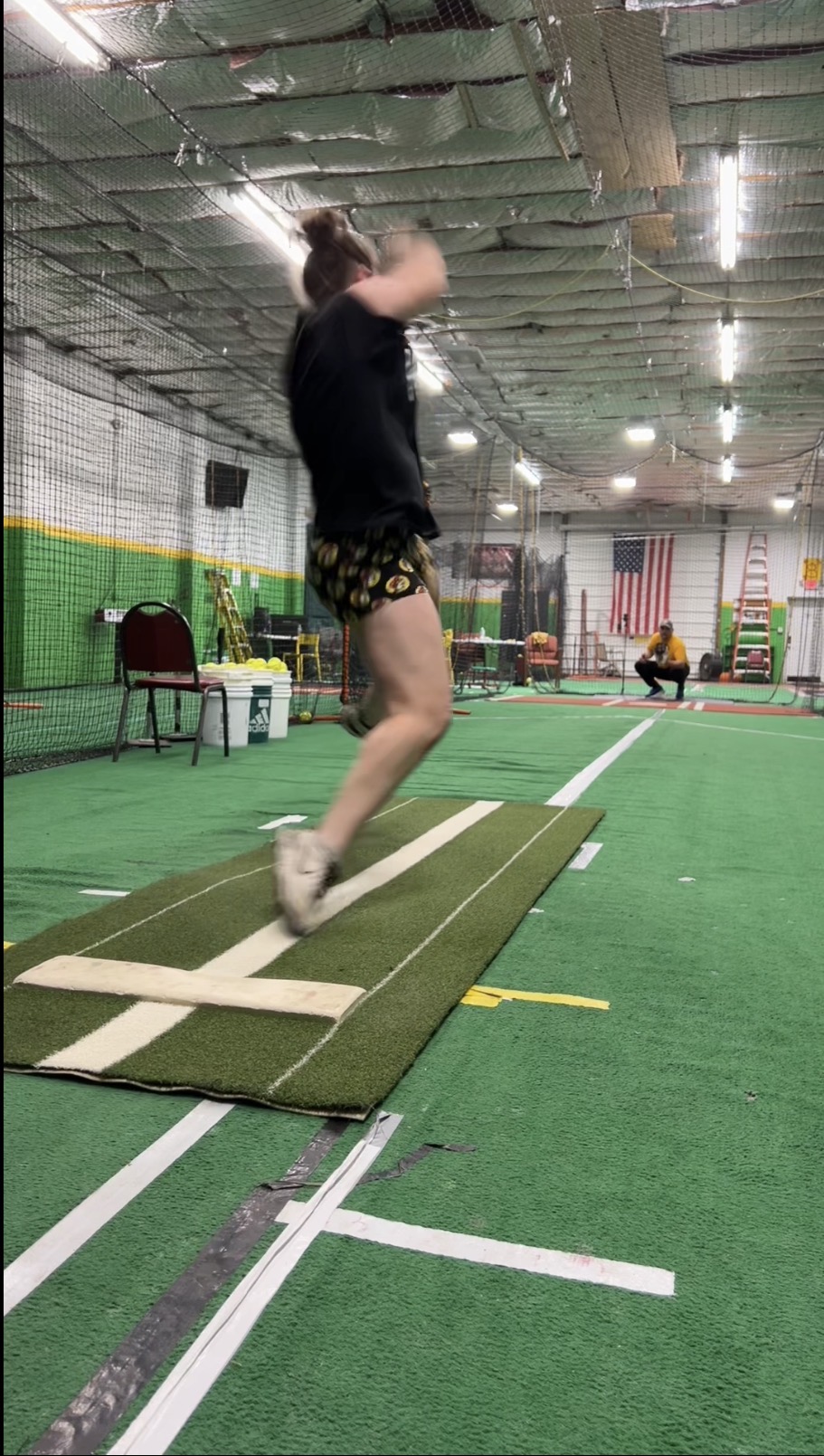
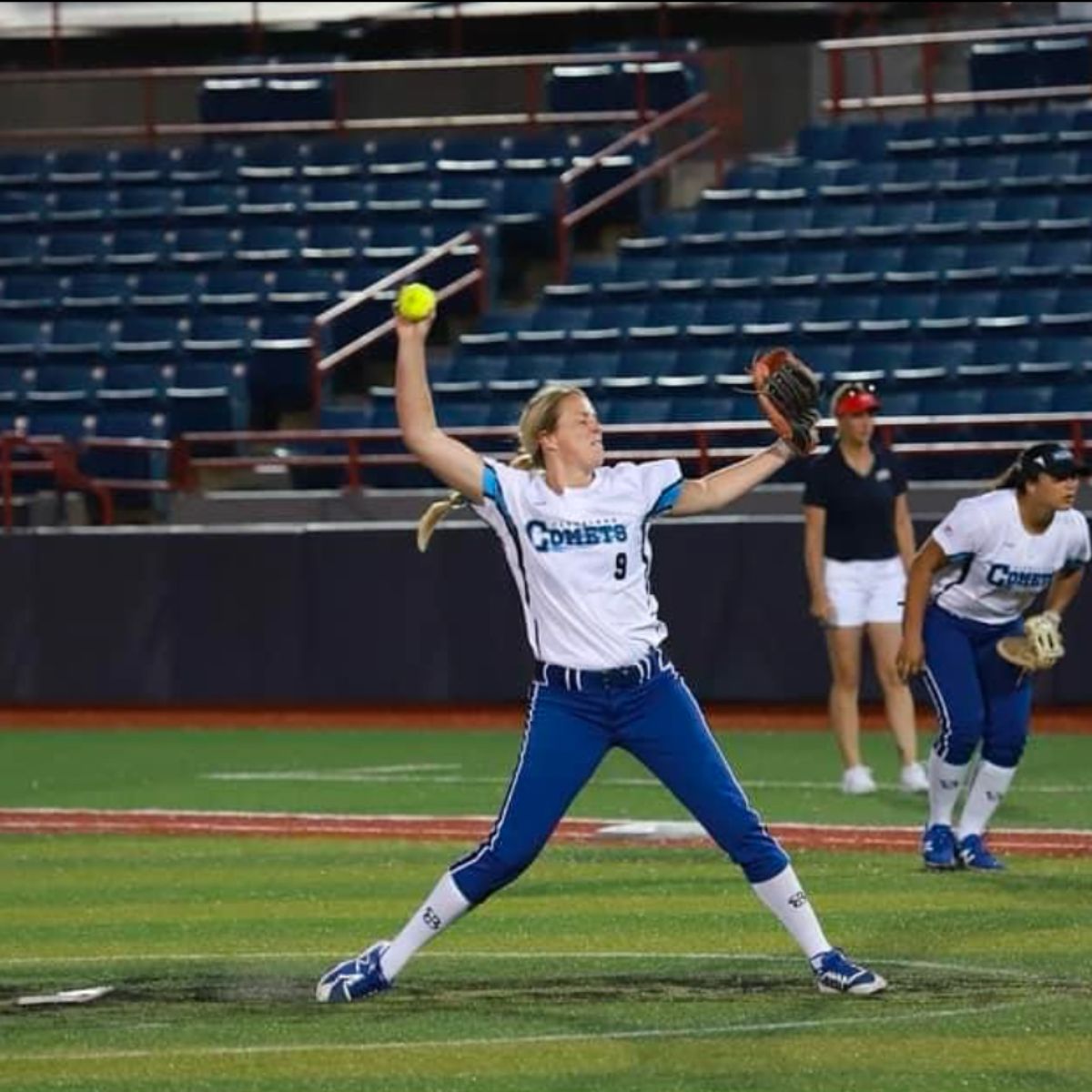
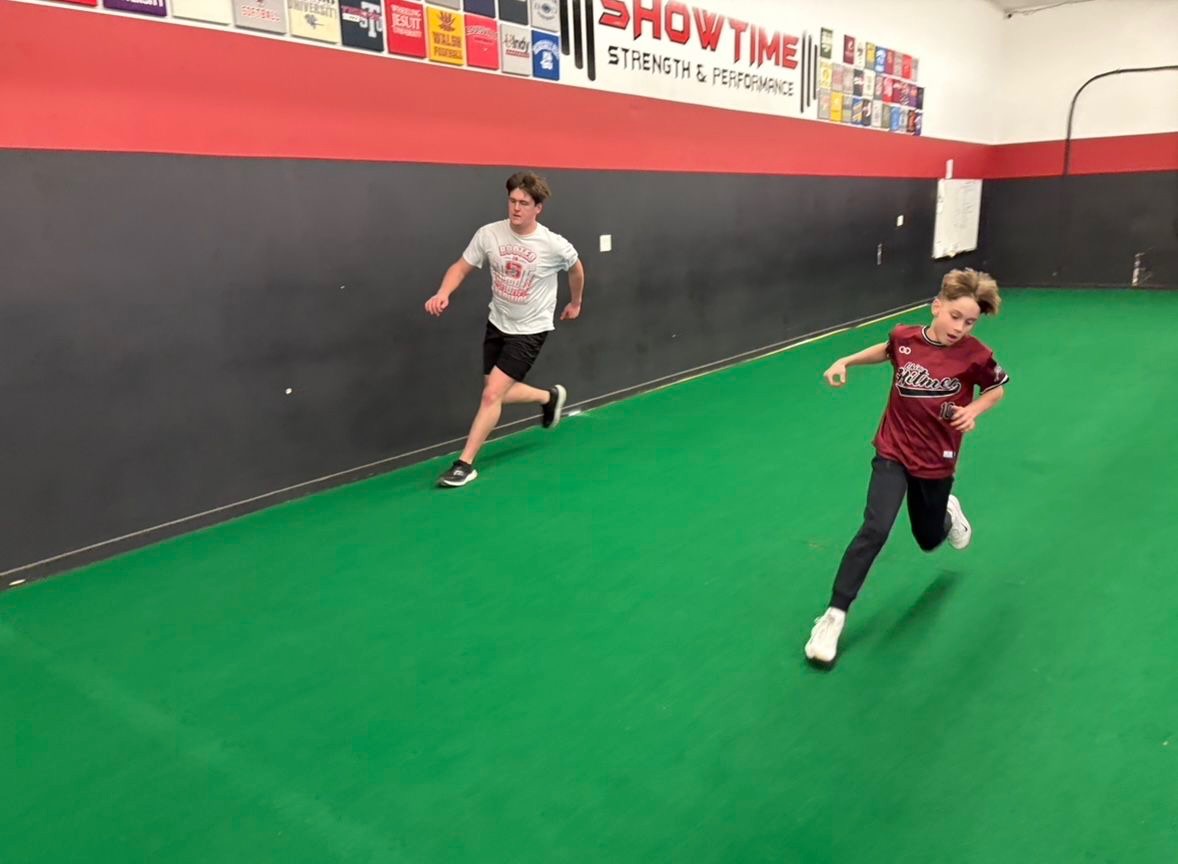
Many adults stop training for power as they get older, even though power is one of the most important qualities for long-term function. Power is the ability to produce force quickly. It shows up in everyday life when you:
Catch yourself during a fall
Jump or change direction
Lift something quickly
React to a sudden movement
Unfortunately, traditional strength training often becomes slow and controlled without ever practicing speed or explosiveness. Research shows that power declines faster with age than maximal strength, which is one reason why power training is critical for maintaining function and preventing falls later in life (Reid & Fielding, 2012).
Power training does not mean dangerous or reckless movements. It simply means including exercises that allow you to move weight quickly and explosively with good mechanics.
Examples of Power Exercises:
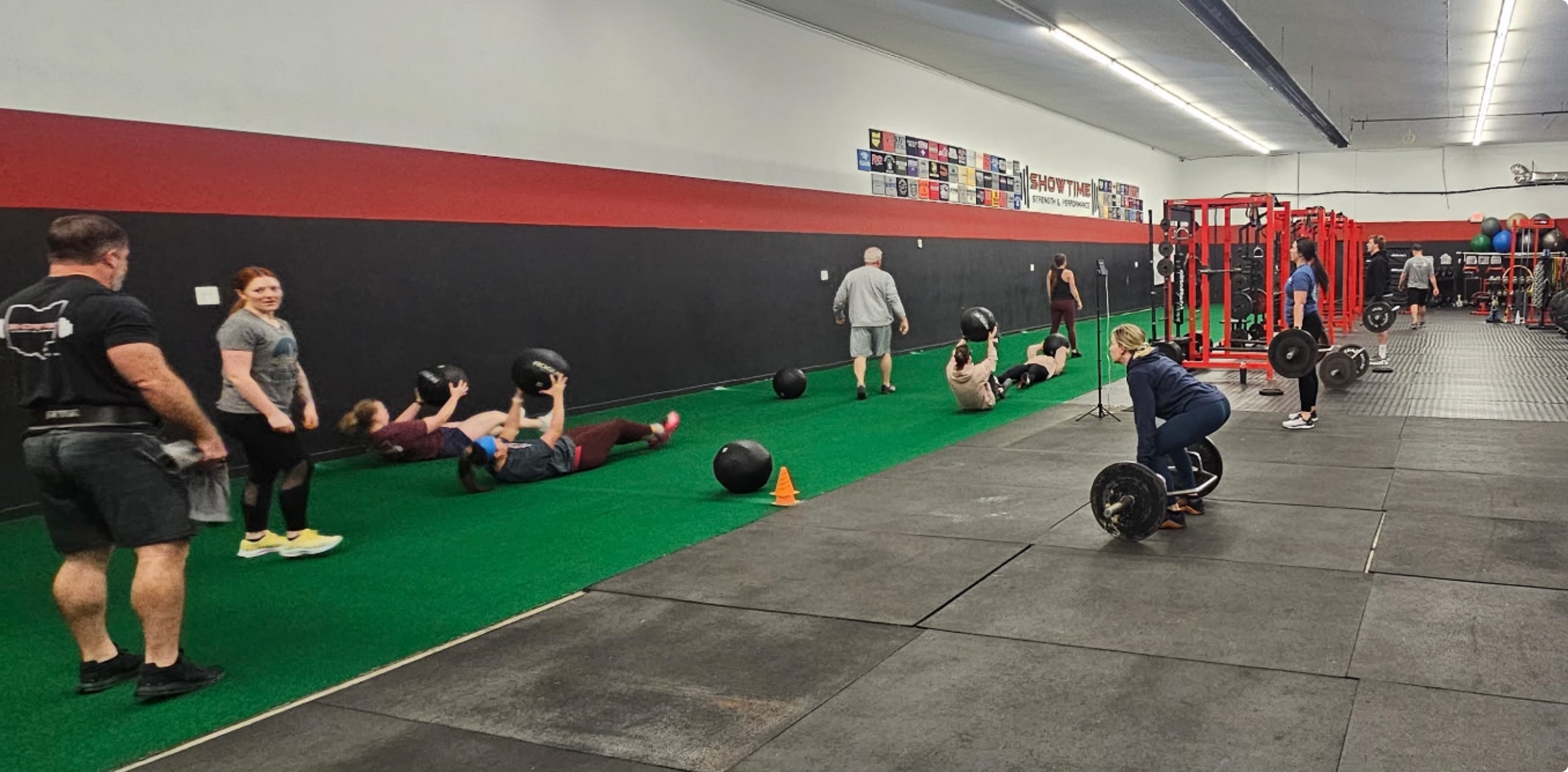
Medicine ball throws
Box jumps or low-impact jumps
Kettlebell swings
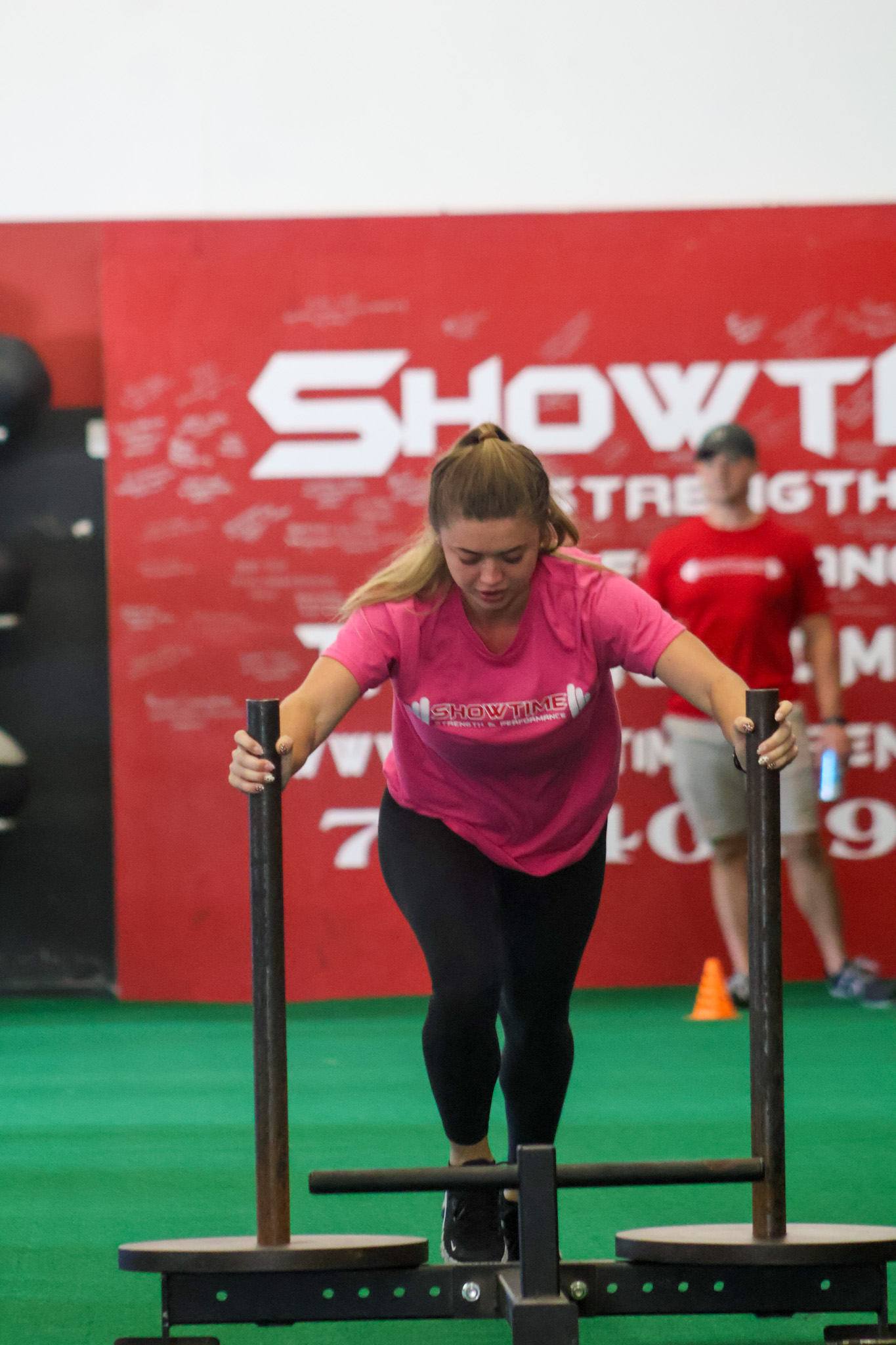
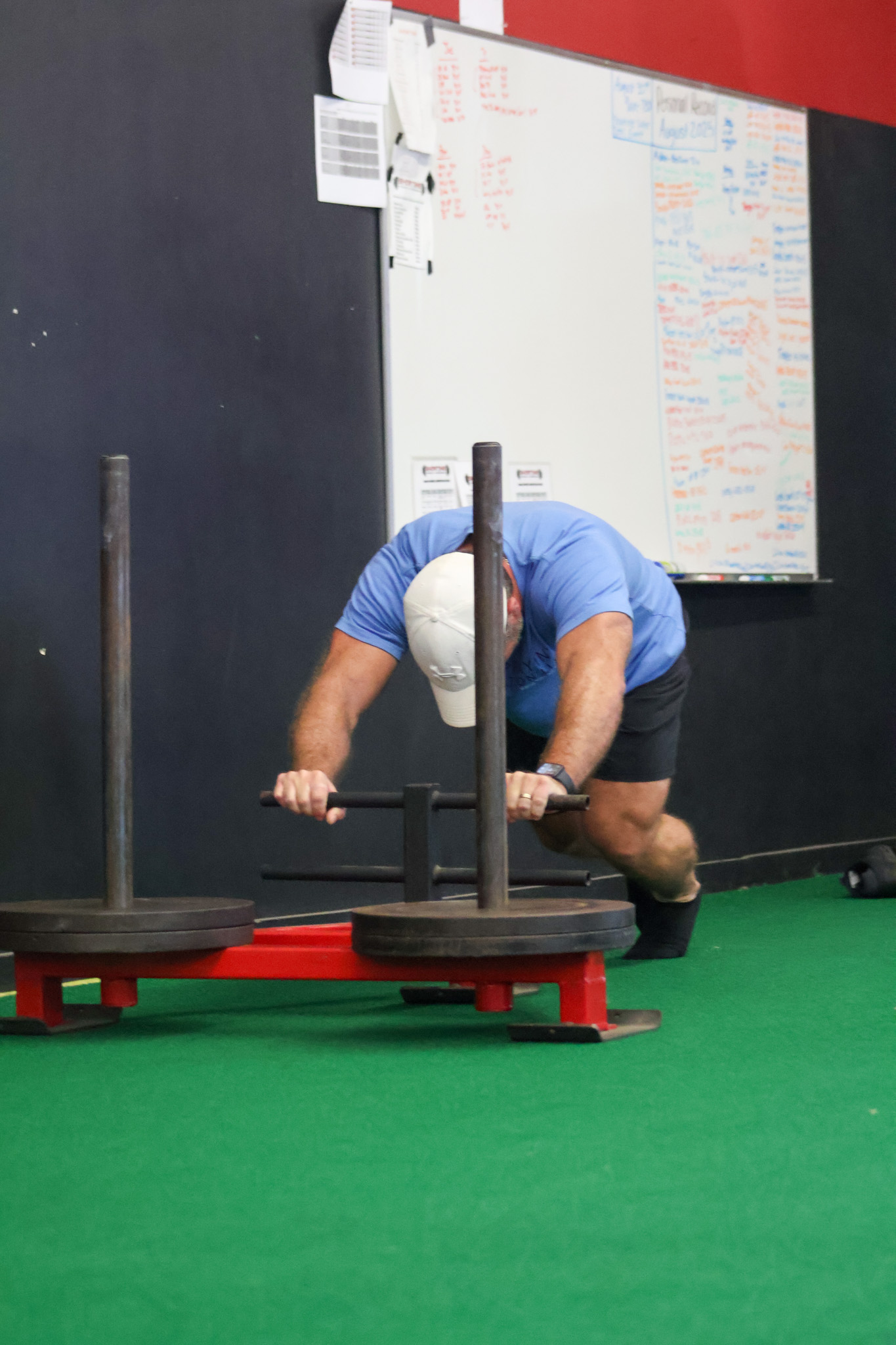
Explosive sled pushes
Even small doses of power work can dramatically improve athleticism and confidence in movement.
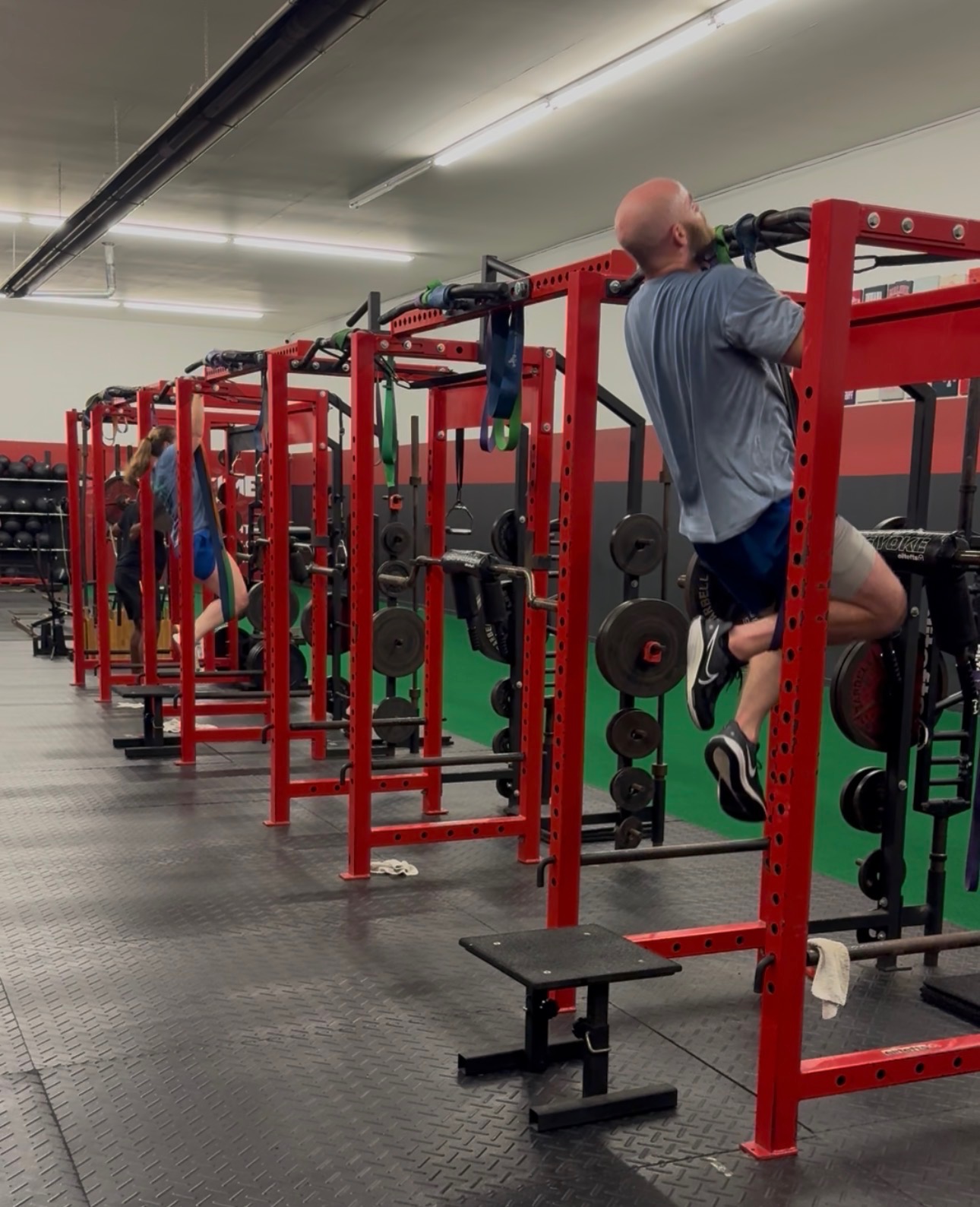
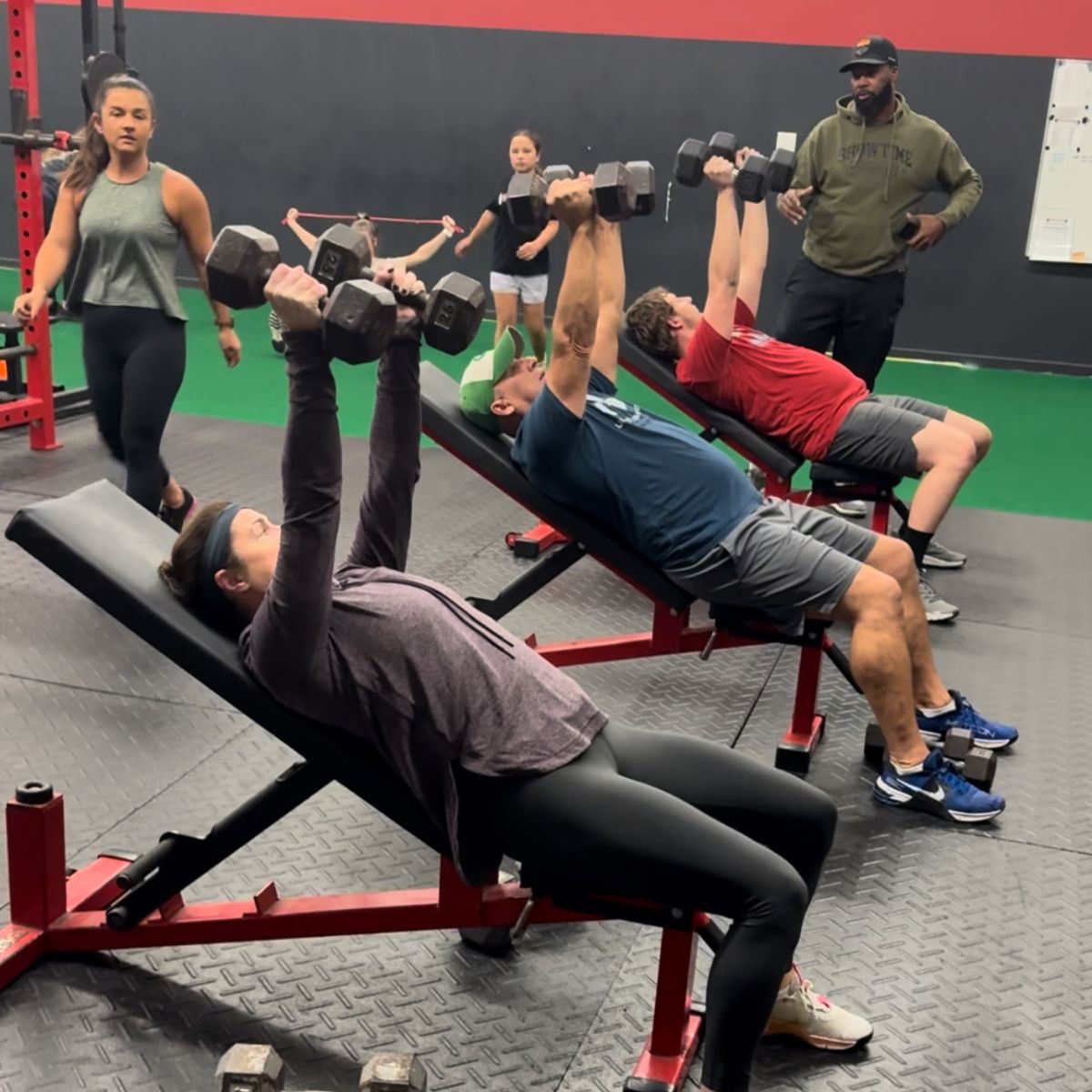
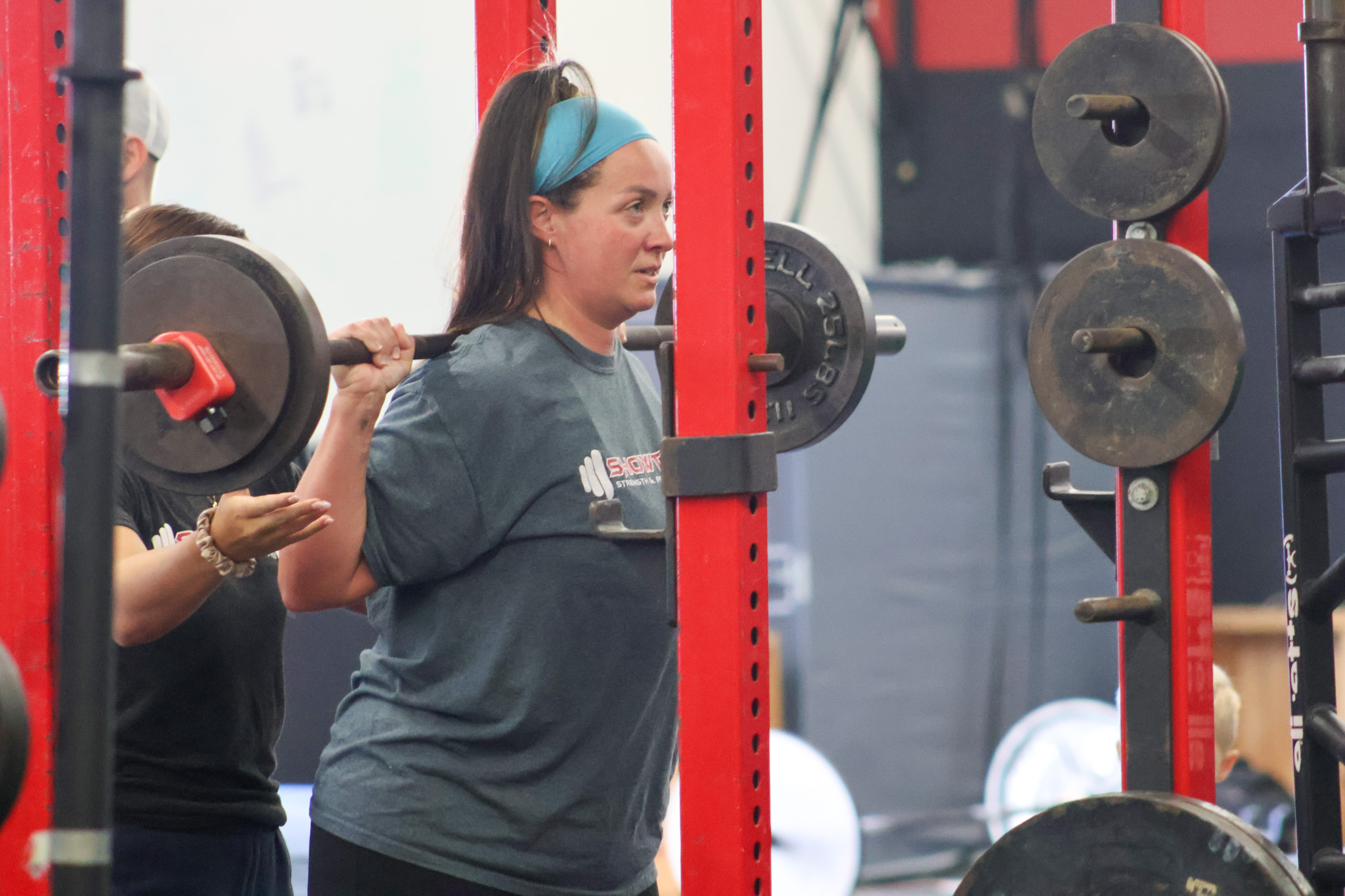
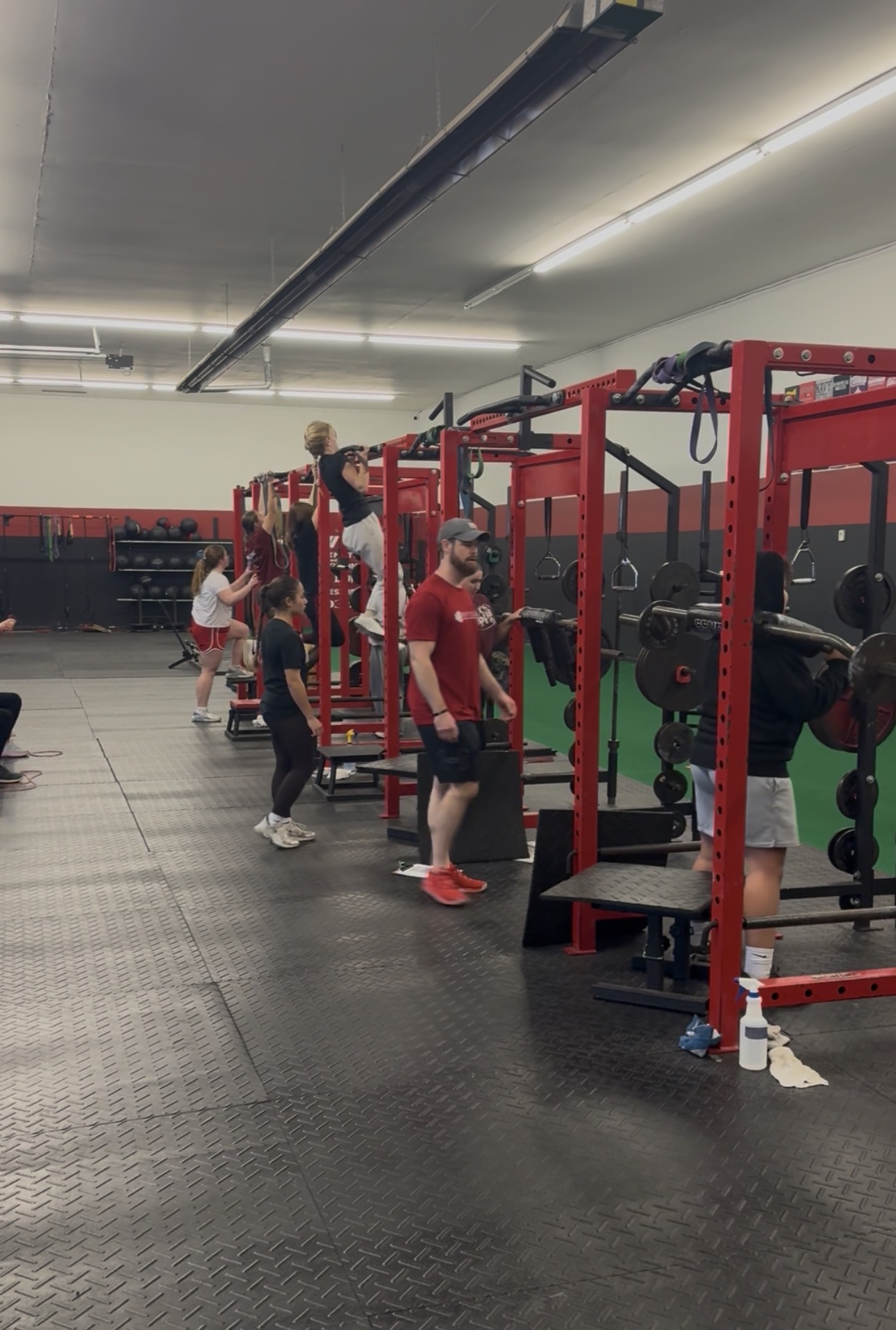
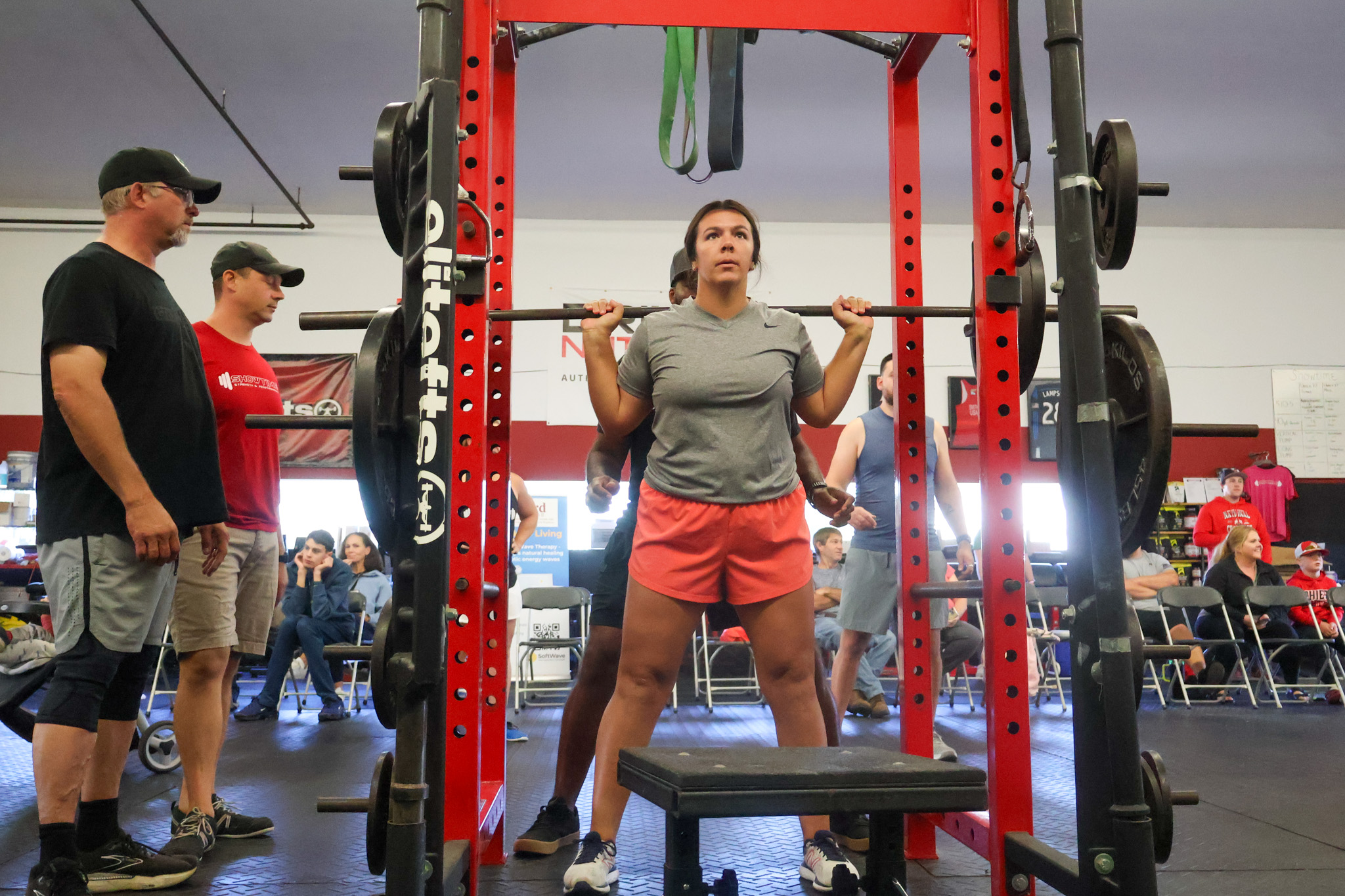
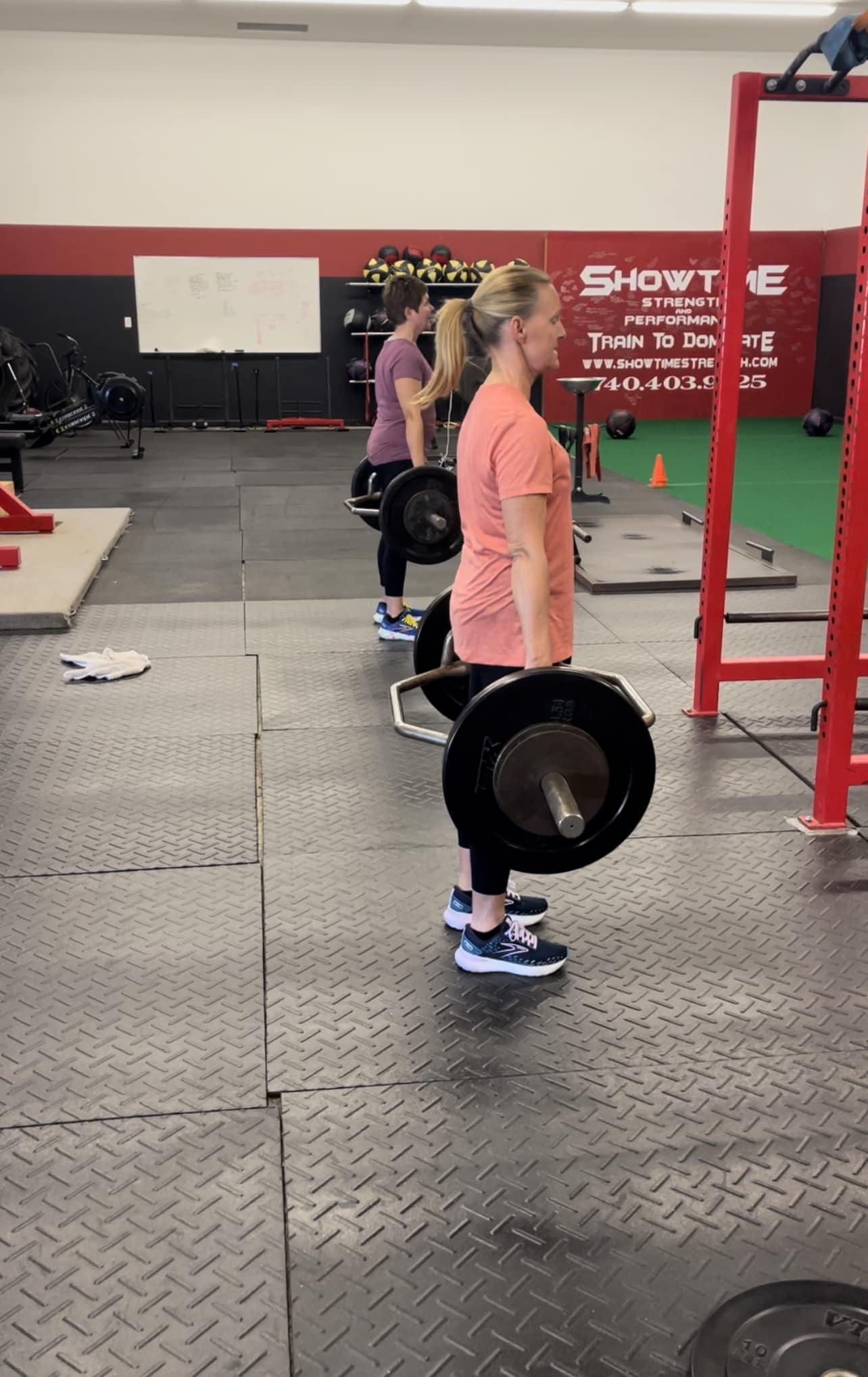
Another common mistake is building workouts around isolated machine exercises. Machines can have their place, but the human body was designed to move as a coordinated system. Training individual muscles in isolation often misses the bigger picture. Compound movements train multiple joints and muscle groups at the same time. These exercises build real-world strength that carries over to daily life.
Some of the most effective compound movements include:
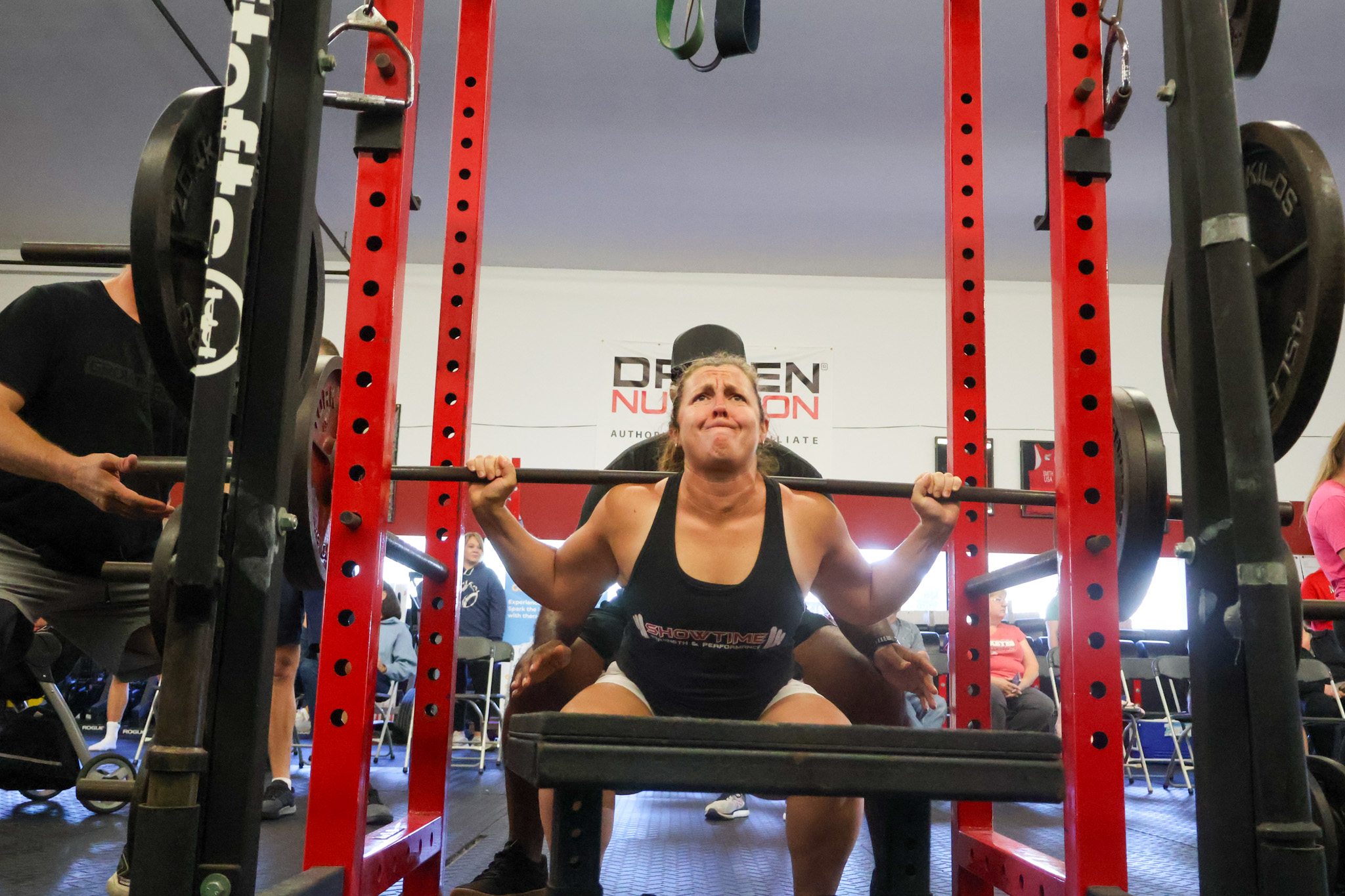
Squats
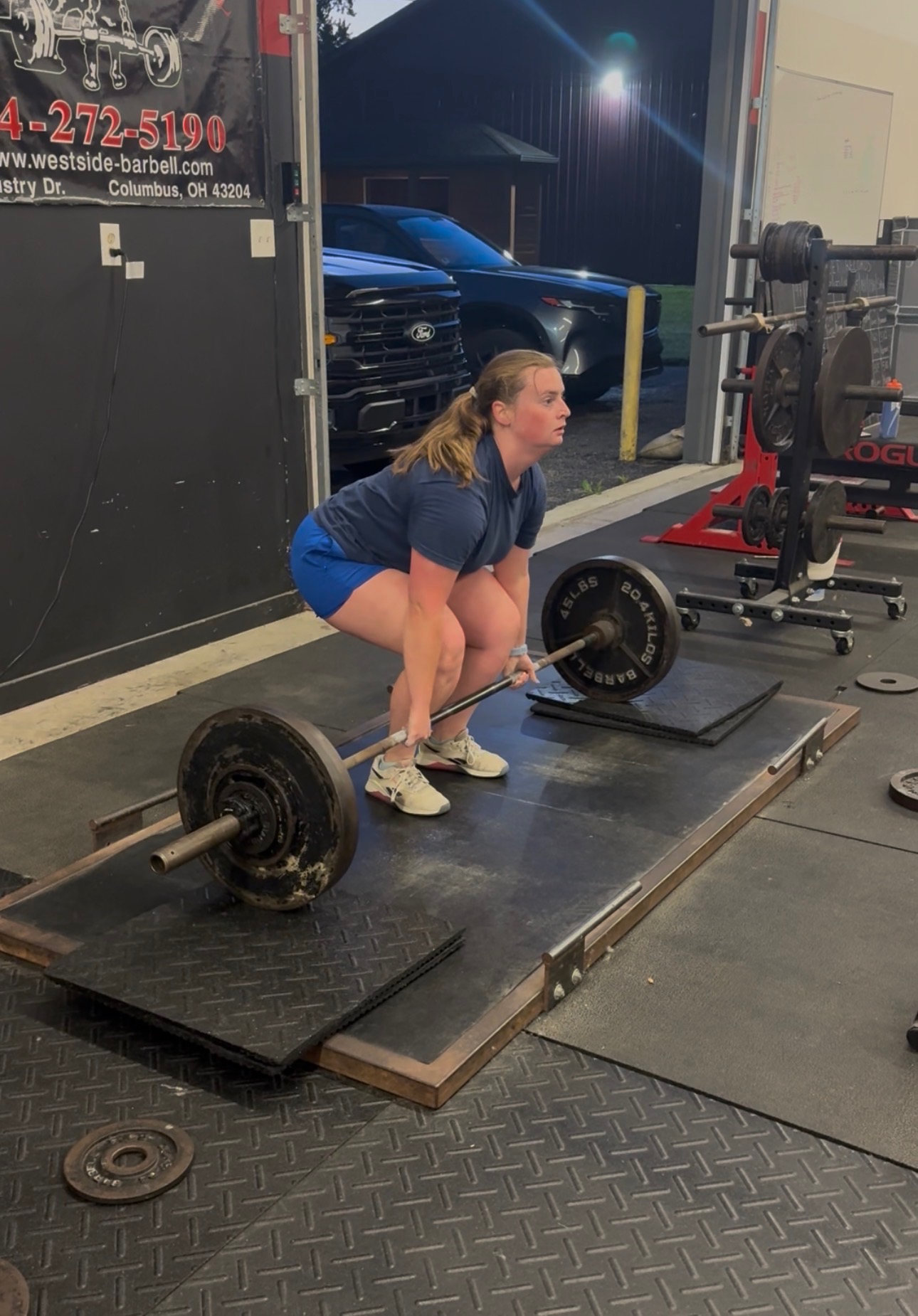
Deadlifts or hinges
Pressing movements
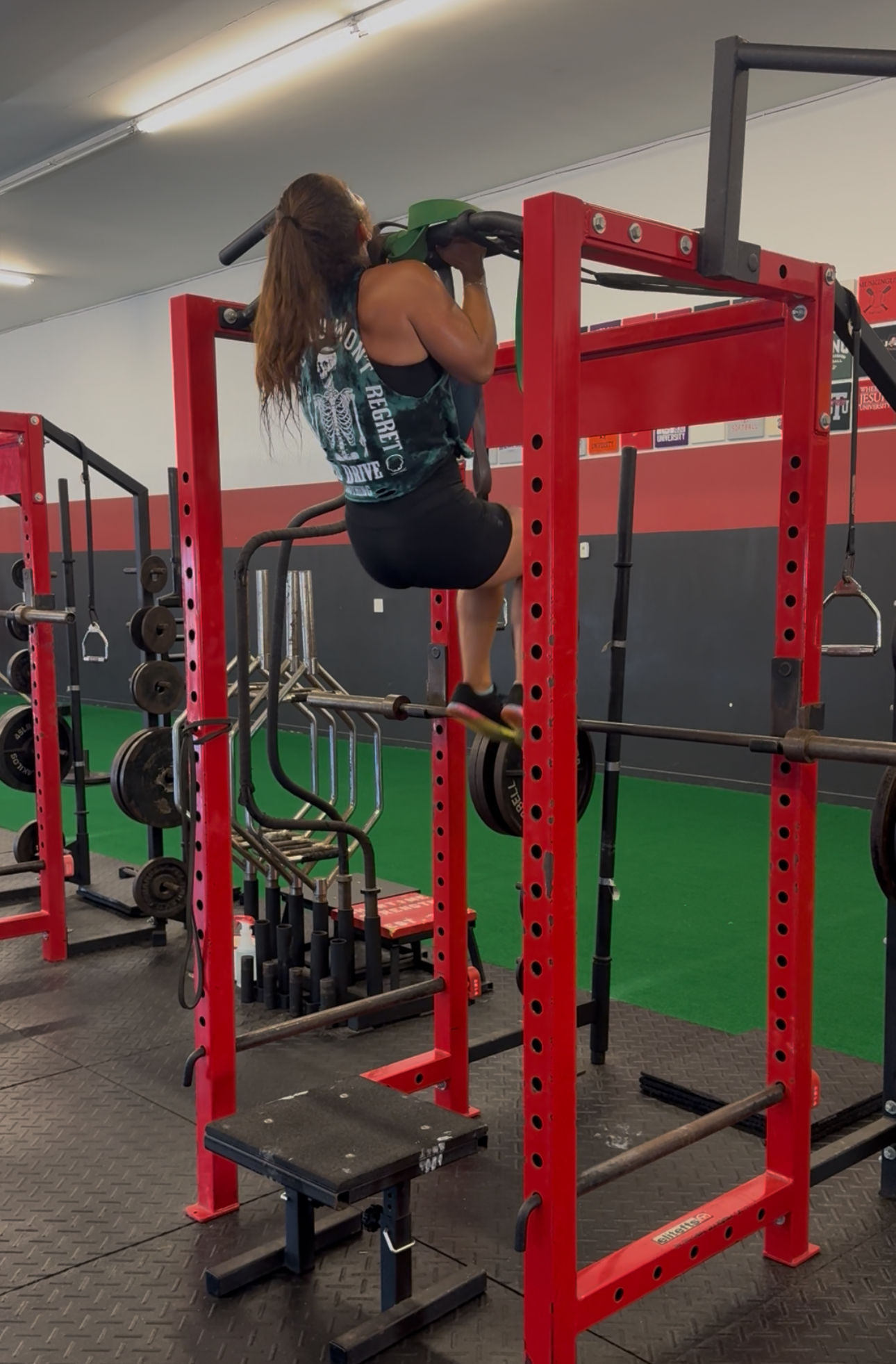
Pulling movements
Loaded carries
Research consistently shows that multi-joint resistance training improves strength, functional performance, and muscle development more efficiently than isolated exercises alone (Kraemer & Ratamess, 2004). For busy adults, this approach is also far more time efficient. Instead of doing ten separate exercises, a few well-chosen compound lifts can train the entire body.
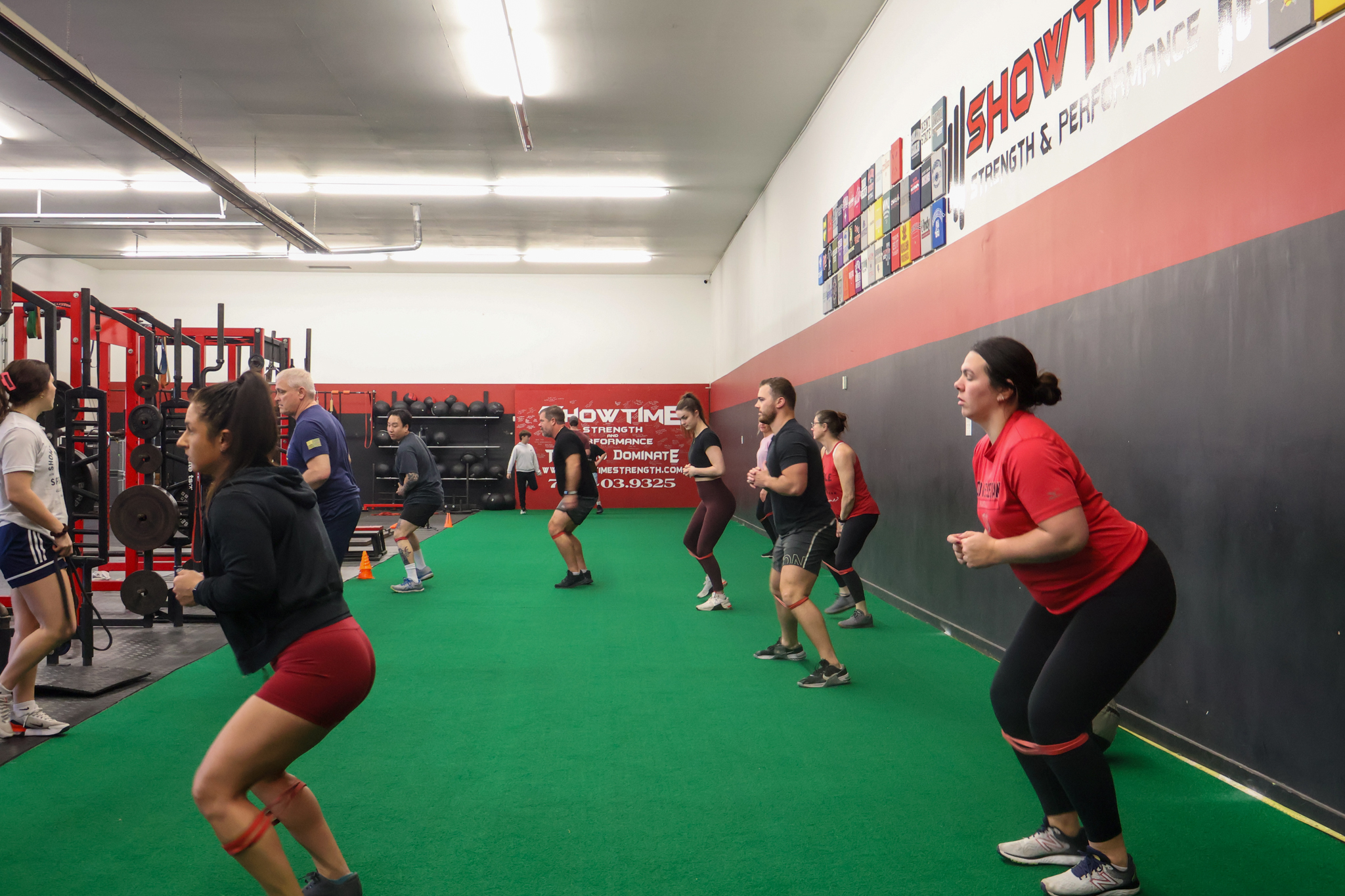
Many training programs only focus on movement in a single direction : forward and backward. Everyone knows that real life rarely works that way. The human body moves in three primary planes of motion:
Sagittal plane : forward and backward movements (squats, lunges, running)
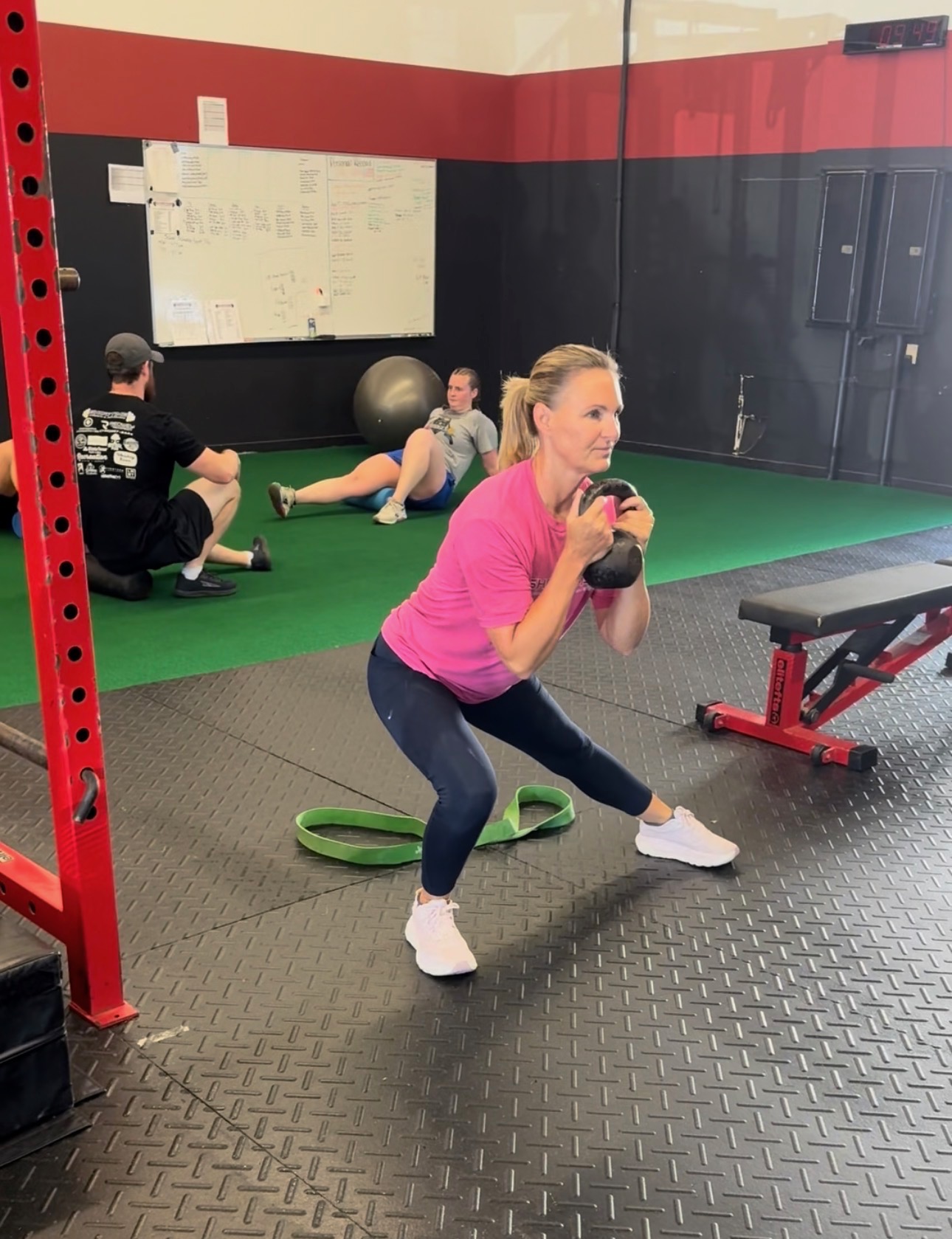
Frontal plane : side-to-side movements (lateral lunges, shuffles)
Transverse plane : rotational movements (throwing, twisting)
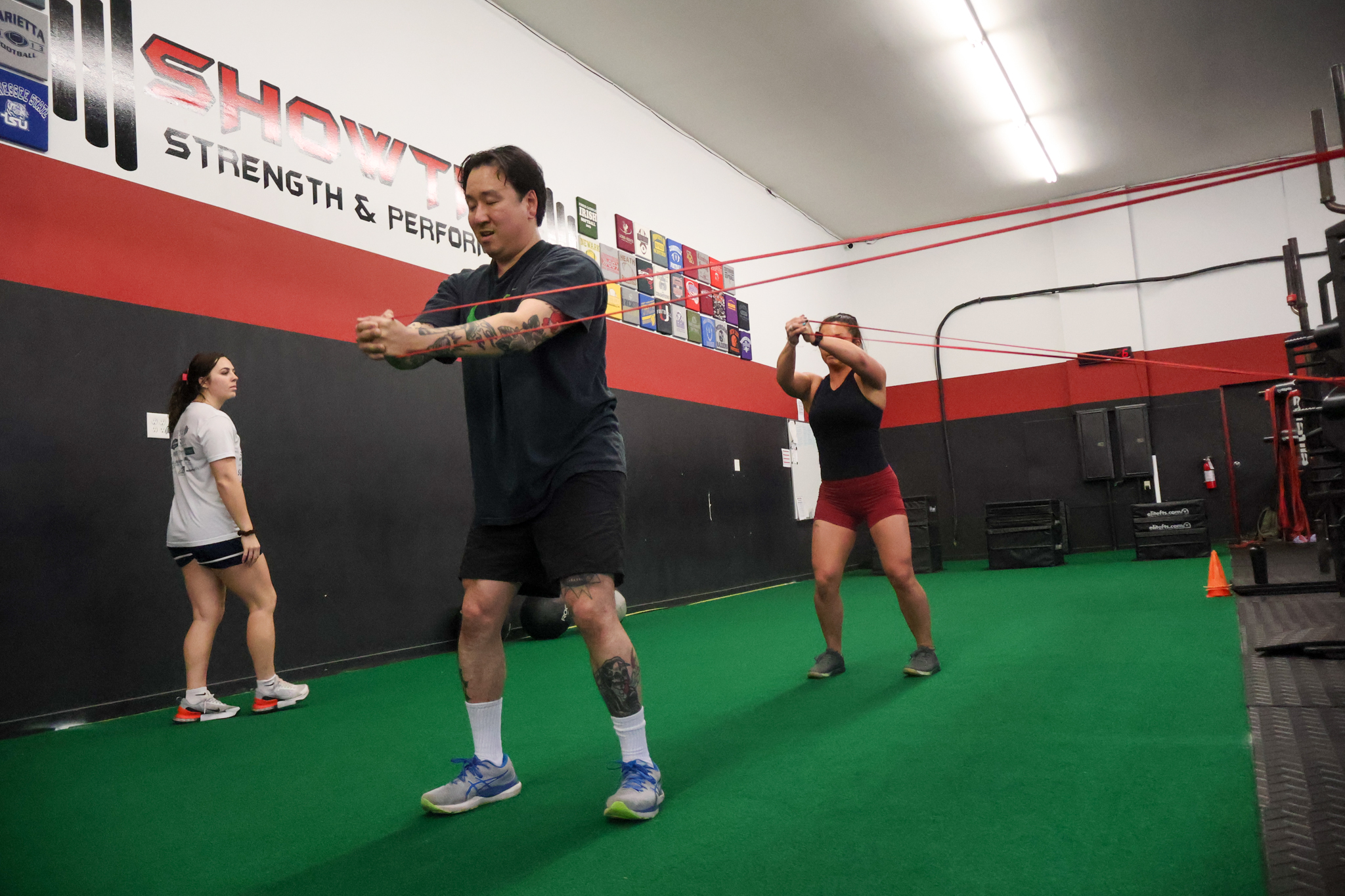
If training only occurs in one plane, athletes and adults alike can develop strength in one direction but weakness and instability in others. Incorporating movements across multiple planes helps develop:
Better joint stability
Improved coordination
Reduced injury risk
Greater athleticism
Examples include:
Lateral lunges
Rotational medicine ball throws
Single-leg movements
Anti-rotation core work
Training the body in multiple directions helps prepare adults for the unpredictable movements of everyday life.
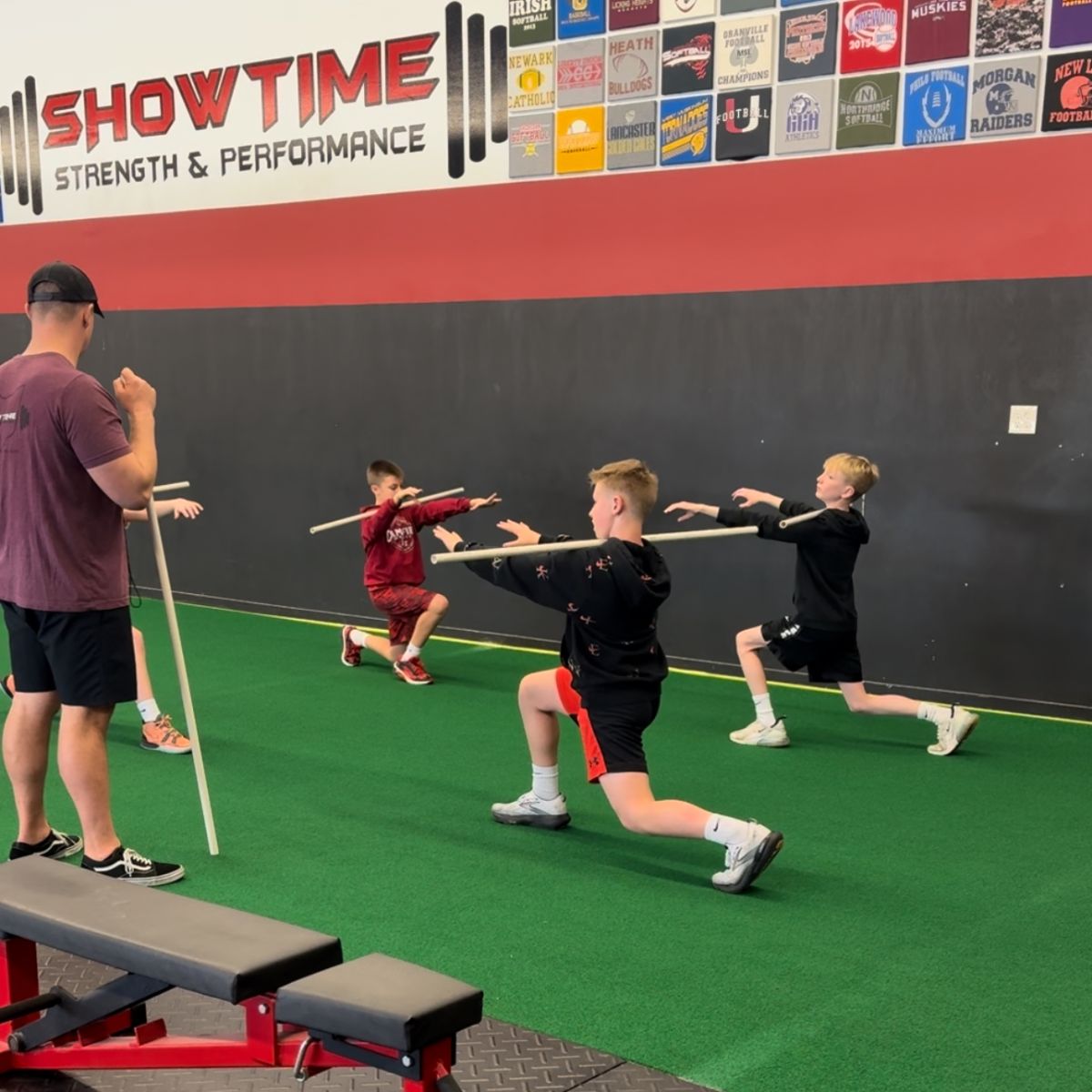
Strength without mobility often leads to stiffness, poor movement quality, and increased injury risk. At the same time, mobility without strength lacks stability and control. The key is developing strength through full ranges of motion while also improving balance and joint control. Balance and mobility training improve how the body coordinates movement and stabilizes joints during activity. Research shows that balance training can significantly improve stability and reduce fall risk, particularly as people age (Granacher et al., 2011).
Practical ways to incorporate this include:
Single-leg exercises
Split squats
Controlled mobility drills
Carries and stability work
These exercises challenge the body to stabilize while moving, which builds resilience and confidence.
Tactical Application: How Adults Can Improve Their Training
If you want a more complete and effective training program, start by adding these elements:
1. Include power exercises 1–2 times per week
Medicine ball throws, kettlebell swings, or low-impact jumps.
2. Build workouts around compound lifts
Squats, hinges, pushes, pulls, and carries should be the foundation.
3. Train in multiple directions
Add lateral lunges, rotational movements, and anti-rotation core work.
4. Prioritize single-leg and stability exercises
Split squats, step-ups, and single-leg RDLs improve balance and joint health.
5. Maintain mobility through movement
Train through full ranges of motion and include targeted mobility drills.
When these elements are combined, adults develop strength, coordination, and resilience, not just muscle.
Training should do more than burn calories. It should help adults move better, feel stronger, and stay capable for decades. By including power development, compound movements, multi-planar training, and balance and mobility work, adults can build a body that is not only strong—but also adaptable and durable. At Showtime Strength & Performance, our goal is to help people train in a way that supports real life. Strength, movement quality, and long-term health are not separate goals—they are built together through smart, well-rounded training.
References
Reid, K. F., & Fielding, R. A. (2012). Skeletal muscle power: A critical determinant of physical functioning in older adults. Exercise and Sport Sciences Reviews.
Kraemer, W. J., & Ratamess, N. A. (2004). Fundamentals of resistance training: Progression and exercise prescription. Medicine & Science in Sports & Exercise.
Granacher, U., et al. (2011). Effects of balance training on postural control and fall risk in older adults. Sports Medicine.




.png)











%20copy.jpeg)






.jpeg)


%20copy%202.jpeg)


