Aspects of a Complete Training Program for Adults
Don't fall into common training traps
By
March 15, 2026
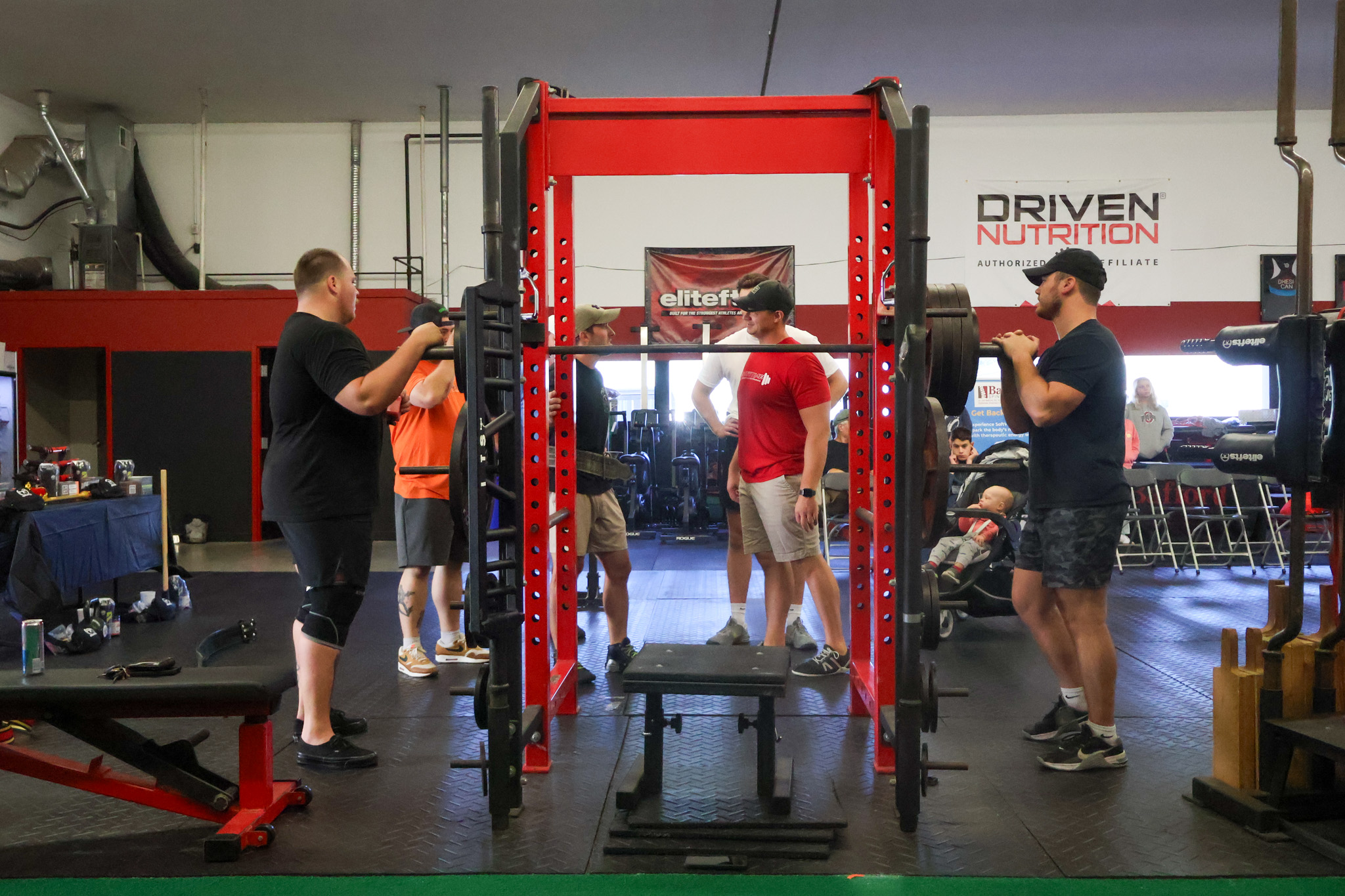

As I creep into the later part of my 30s, it becomes easy to become a victim to your own training plan. If you’re like me, you prefer the traditional barbell lifts of squat, bench, and deadlift. Others might enjoy the intensity of a Crossfit workout, and some people love training on machines in a circuit fashion. All of these methods have a time and place, but when we only use one modality we teach our body to accommodate to the stimulus while we lose other abilities. This is why we see people in their 40s who spend all of their time in the gym, but walk as swiftly as a bundle of 2x4s. They’ve lost their natural gait pattern, their shoulders are pulled forward from years of pressing and a lack of pulling, and why do conditioning when you have a car to get places. At different parts of my life, I’ve ignored most of these parts in some capacity. Luckily time and reflection in your training log helps you to see patterns and bring awareness to what is and what isn’t working. Throughout your annual plan there can be different seasons of emphasis, but we should always have a base that is our normal to come back to and then adjust up or down.
Warm Up
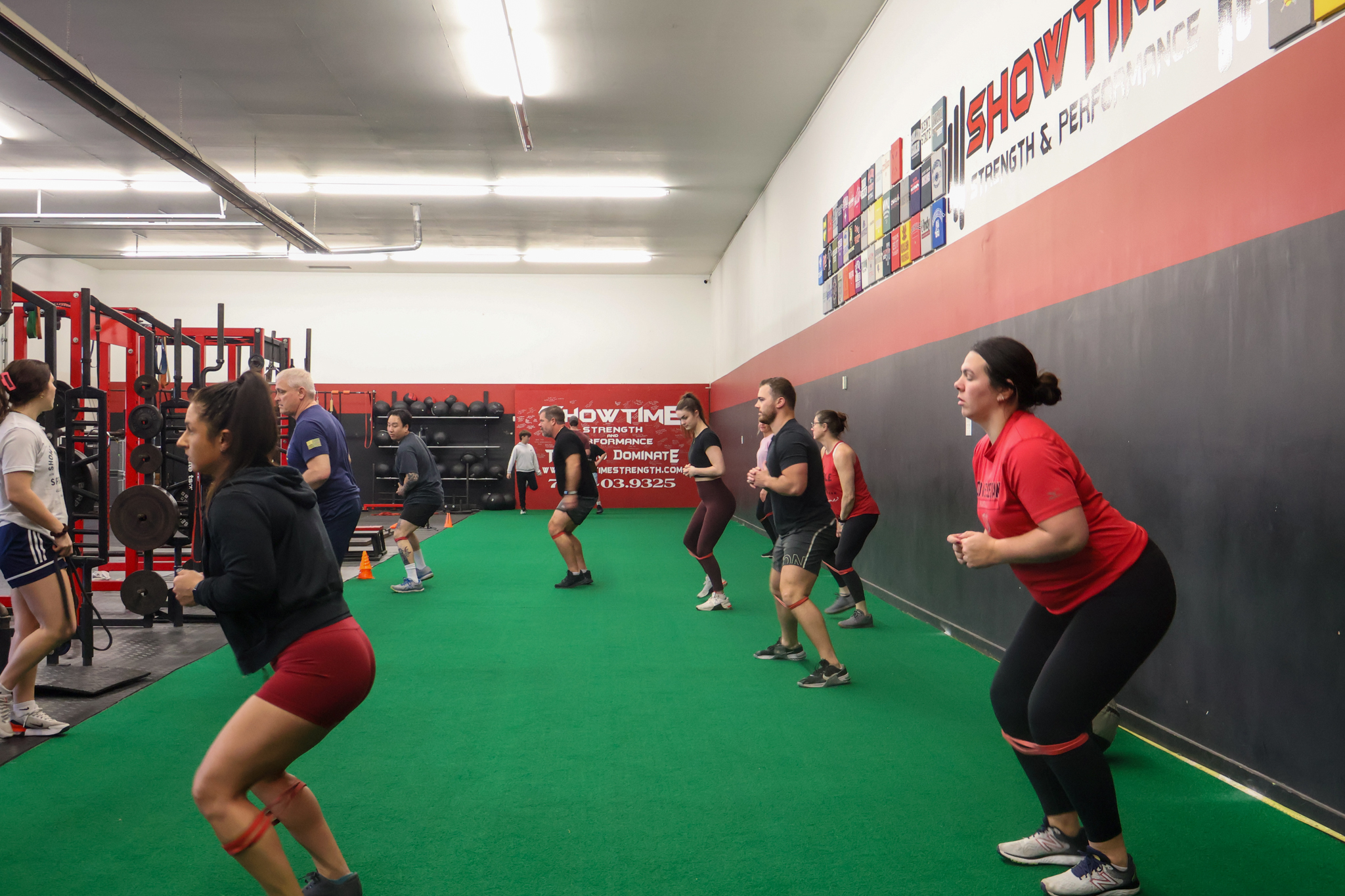
This is the one that most guys in their 20s skip only to realize in their 30s that they should’ve kept it in there. We view warm ups in three ways and they’re all helpful and really take minimal time. Your entire warm up process shouldn’t go over 15 minutes generally or 20 max if recovery is the main driver of the phase.
Total Warm Up Time : 10-15 Minutes
Quick Movement or Power Training
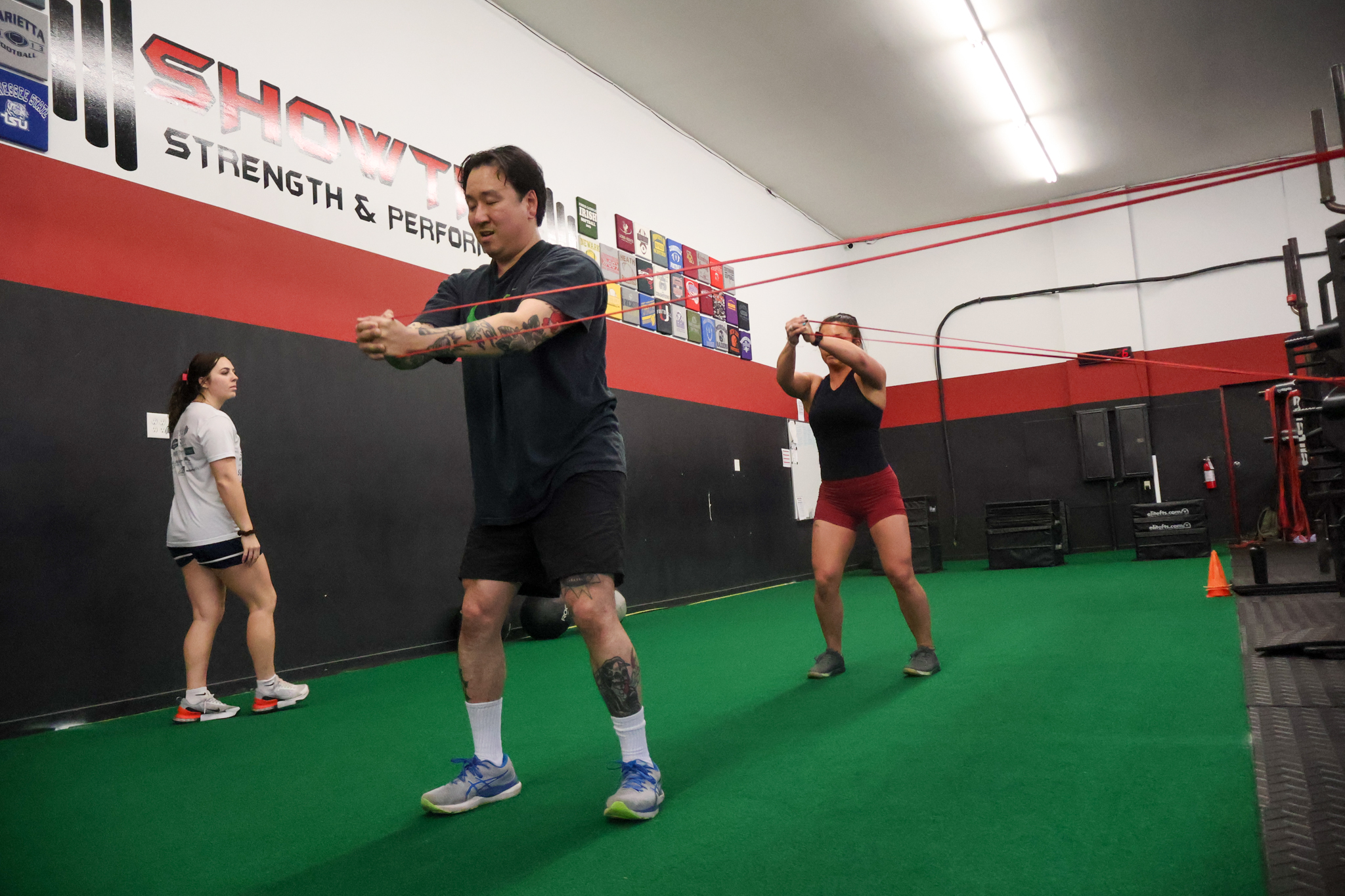
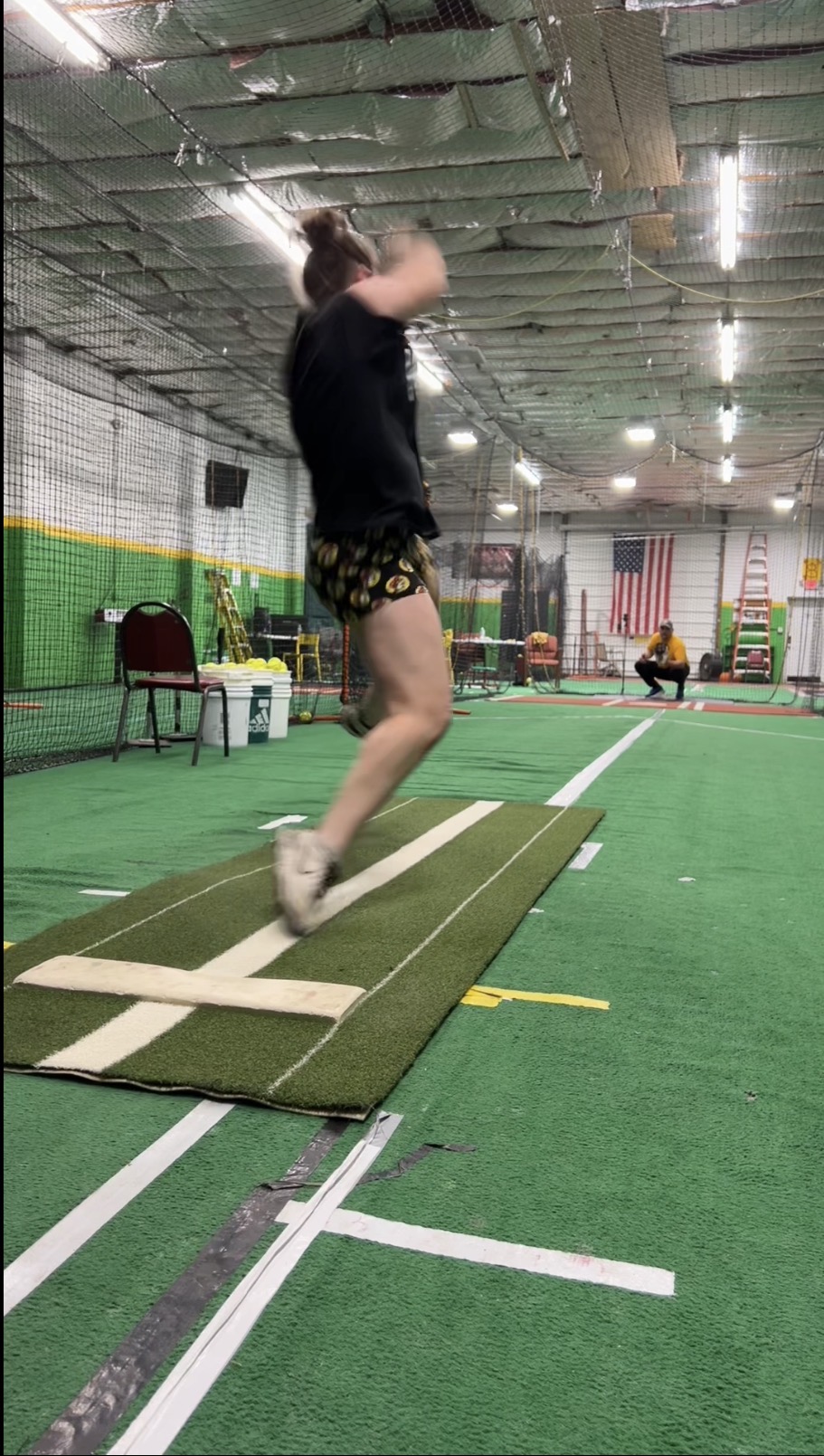
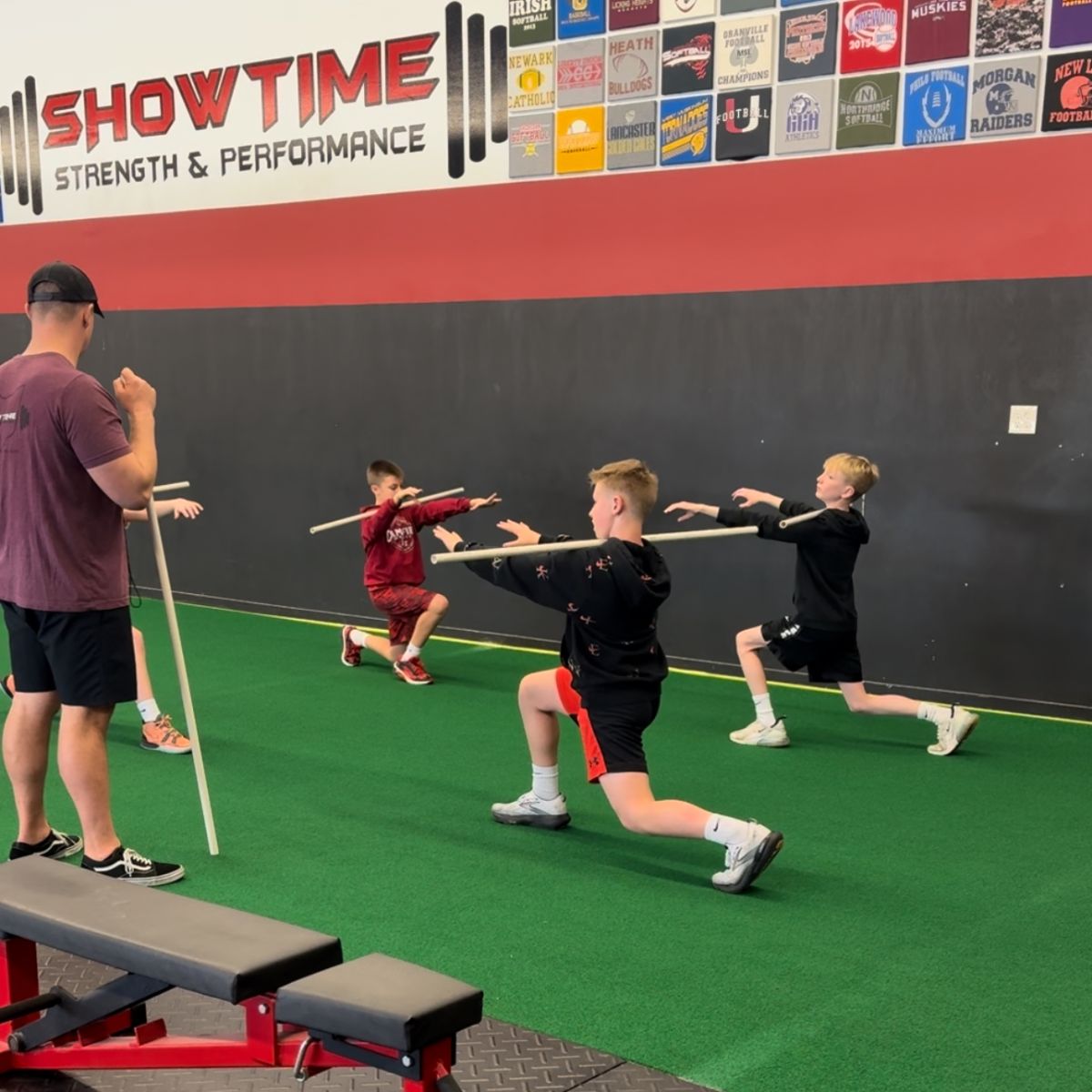
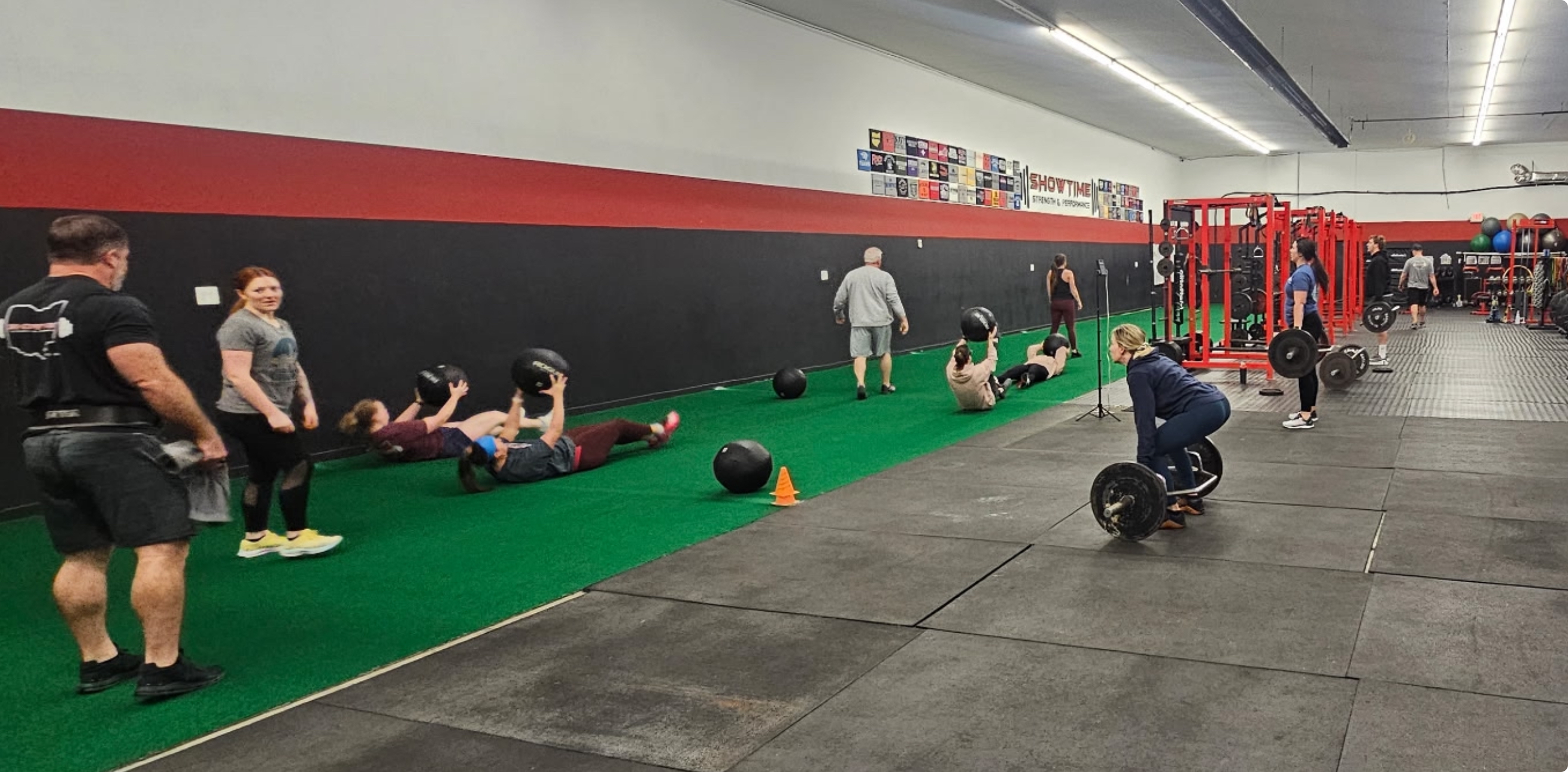
This is one that most adults skip over. It’s also one of the biggest differences in how we train at Showtime. When people quit moving their feet, they lose the ability. This over time can lead to cognitive decline and create an injury risk as we get older. These can be low level to very complex depending on ability. Some examples :
Line Jumps (Forward, Backward, Lateral, Single Leg)
Med Ball Throws (Forward, Backward, Vertical, Rotational)
Deceleration (Snap Downs, Depth Landings,
Jumps (Seated, Box, Broad, Laterally, Rapid, Single Leg)
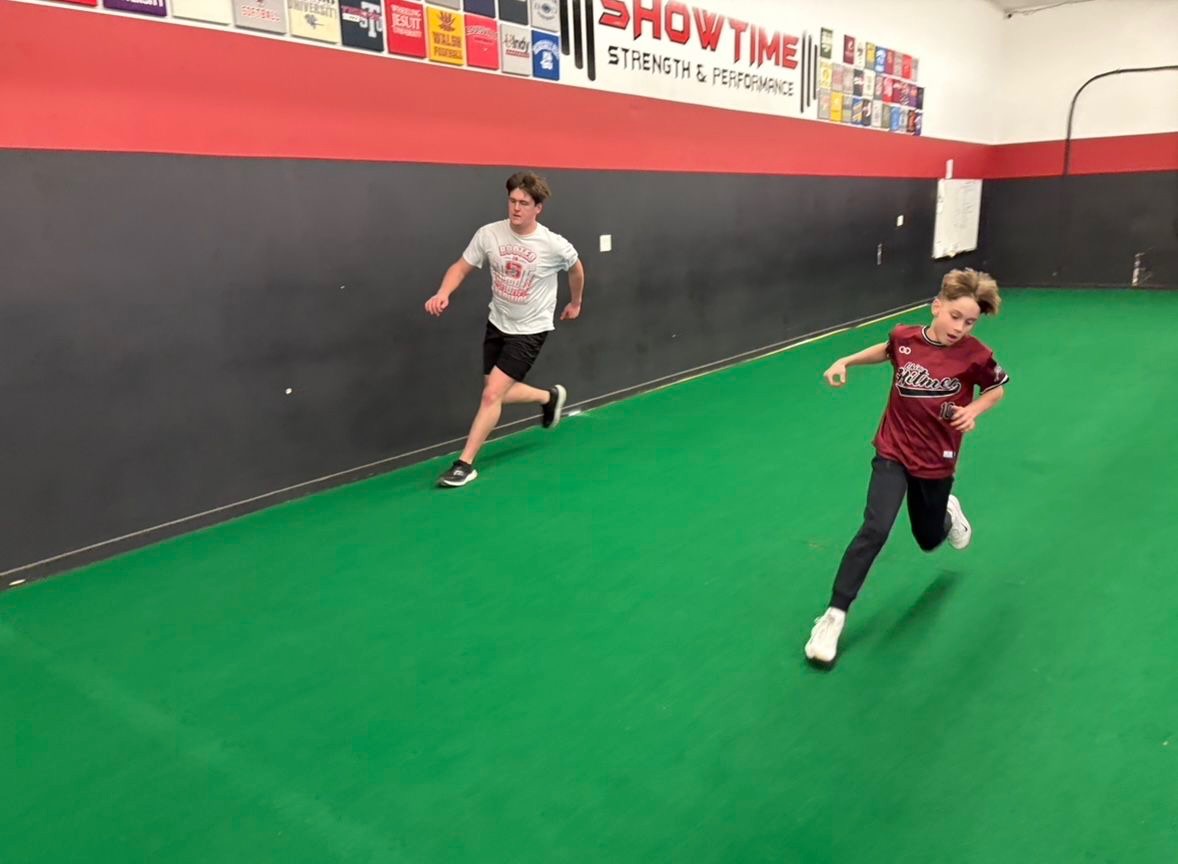
Agility (Ladder Drills, Shuttle Runs, Plate Hops)
Olympic Lift Variations (High Pulls, DB Snatches, Cleans, Clean Pulls)
This is one of the best things to keep you feeling young and help you prevent common aging injuries.
Total Power Training Time : 10 Minutes
Strength
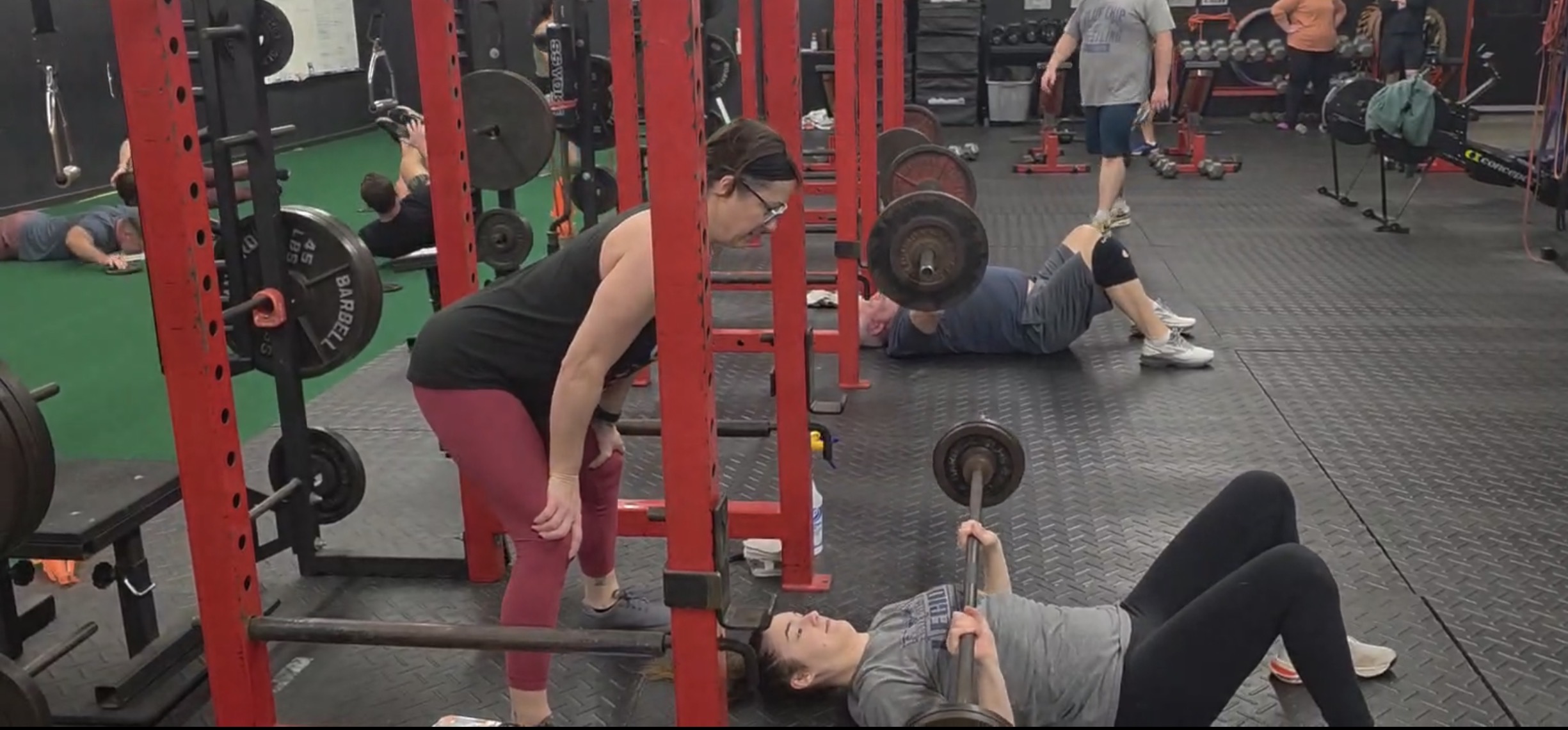
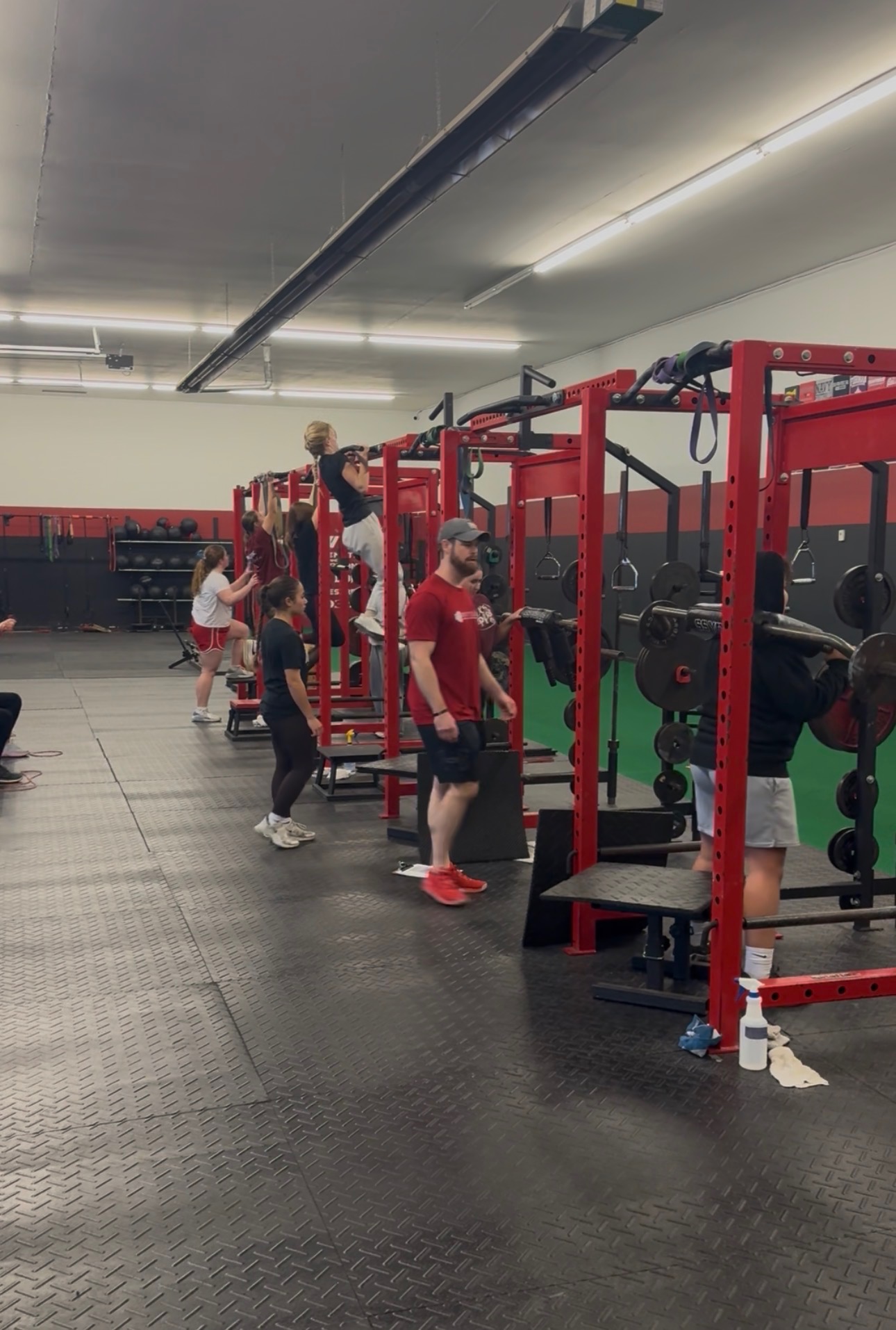
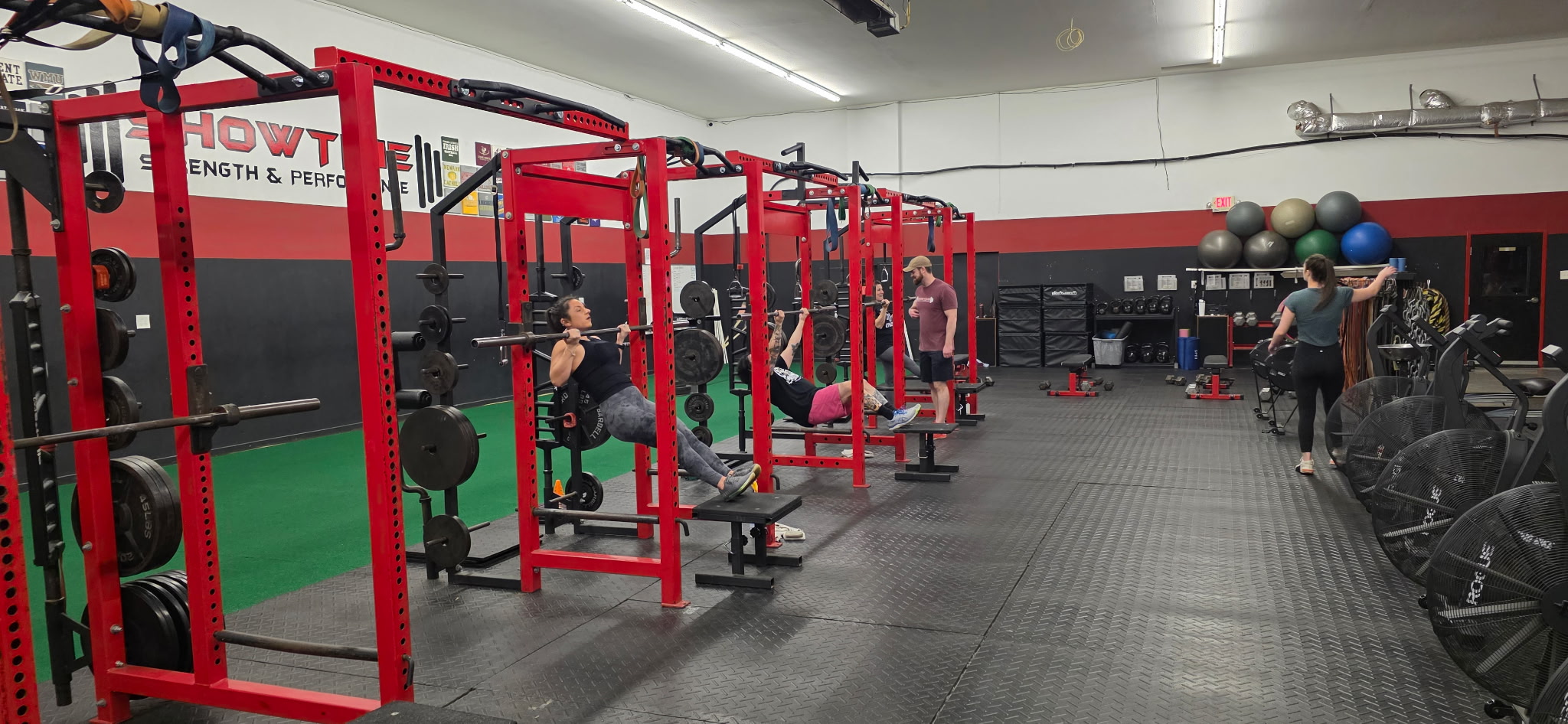
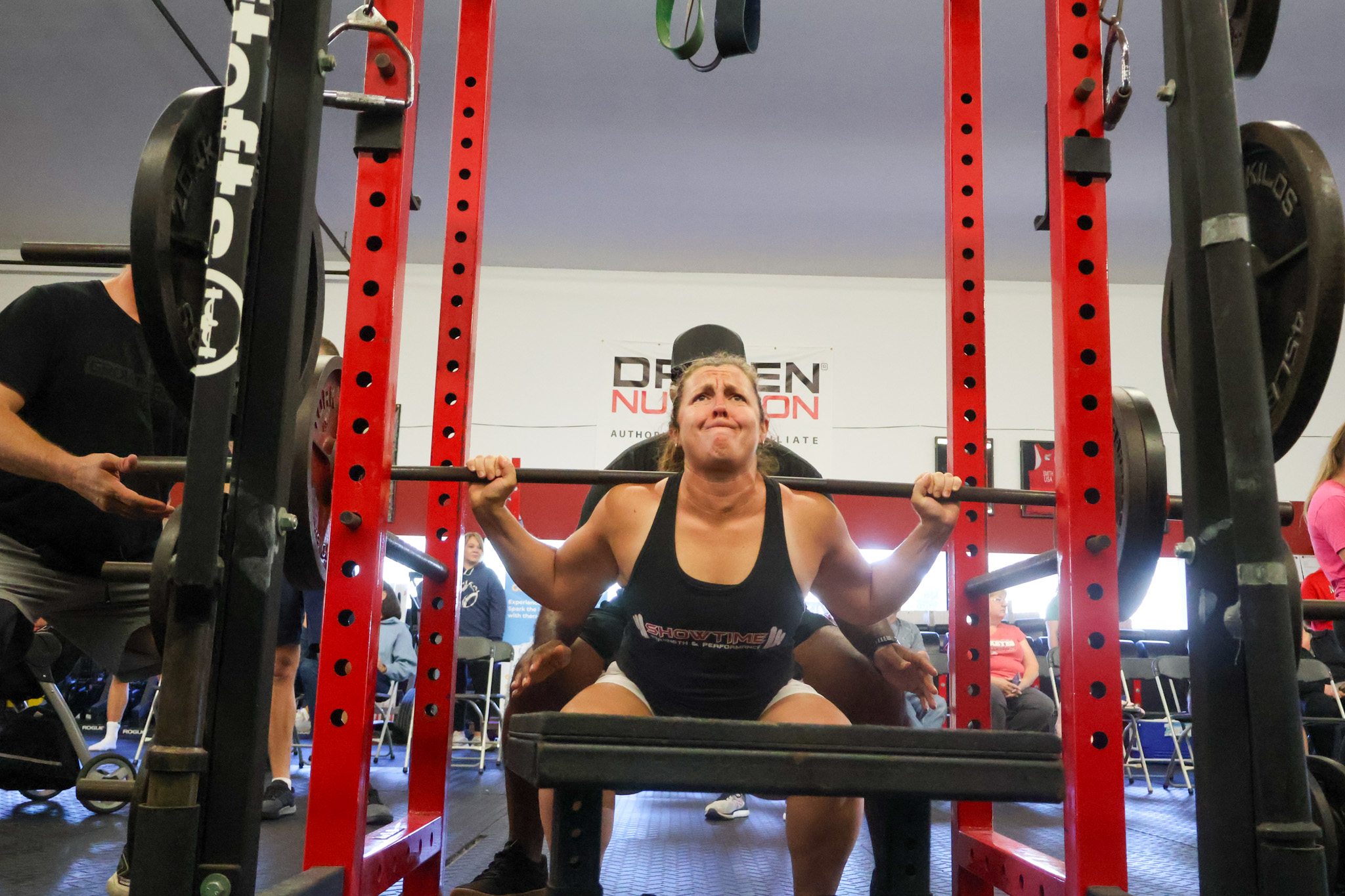
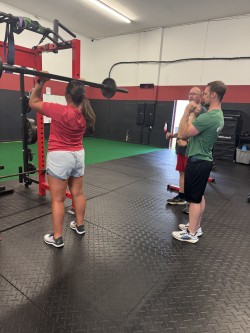
We use a full body training routine because we find it works best for most real people that are limited on time. For most people a routine like this would be simple and beneficial.
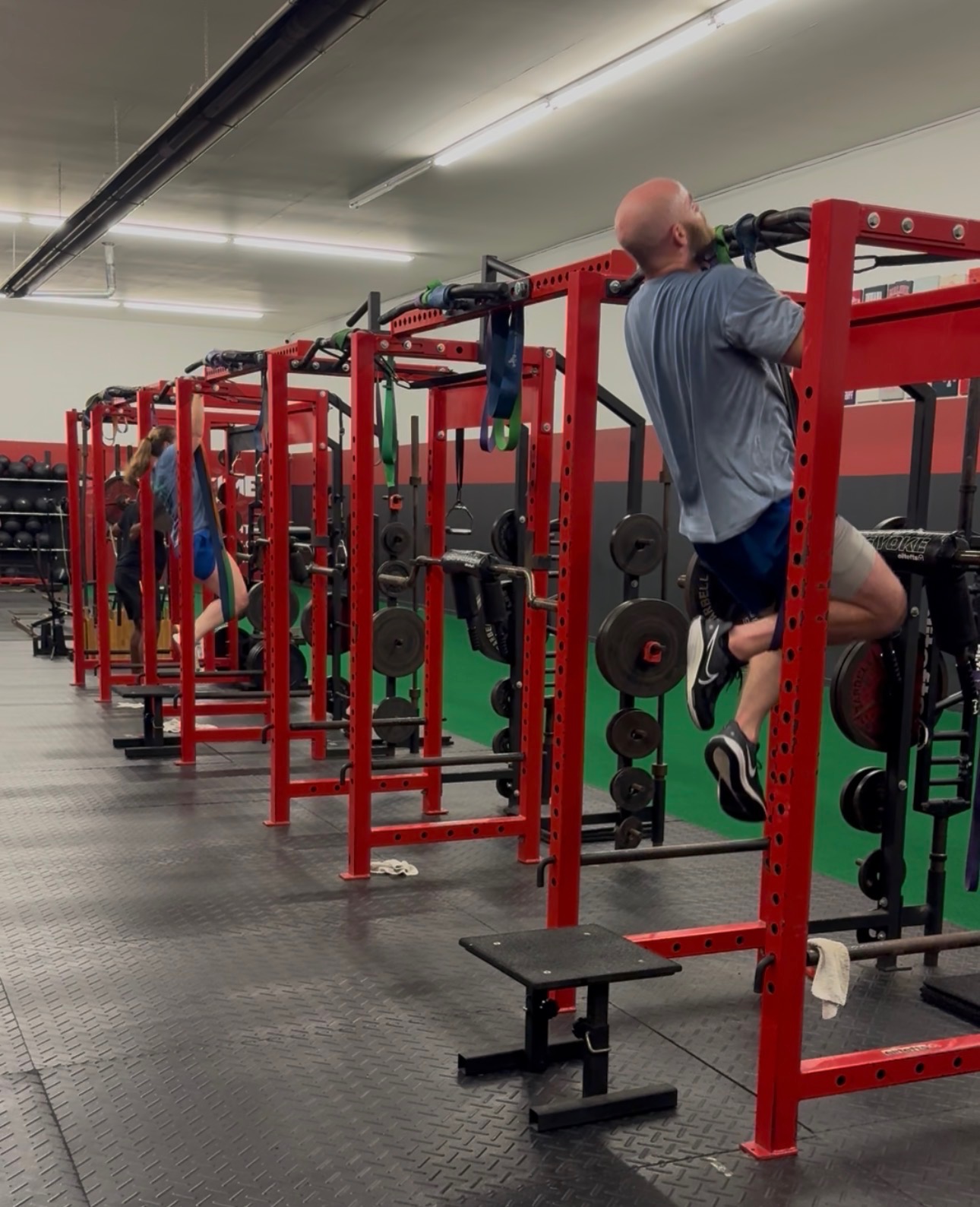
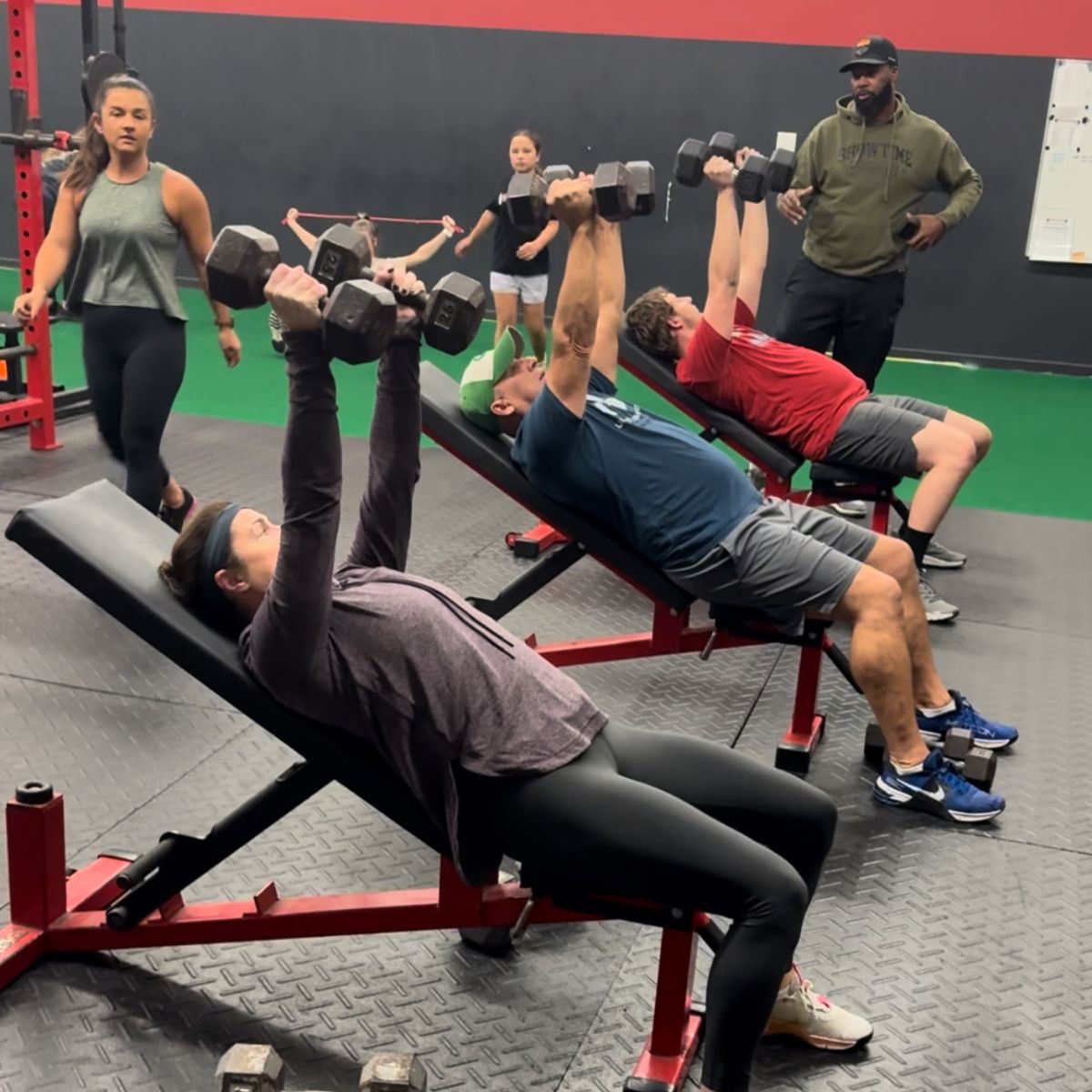
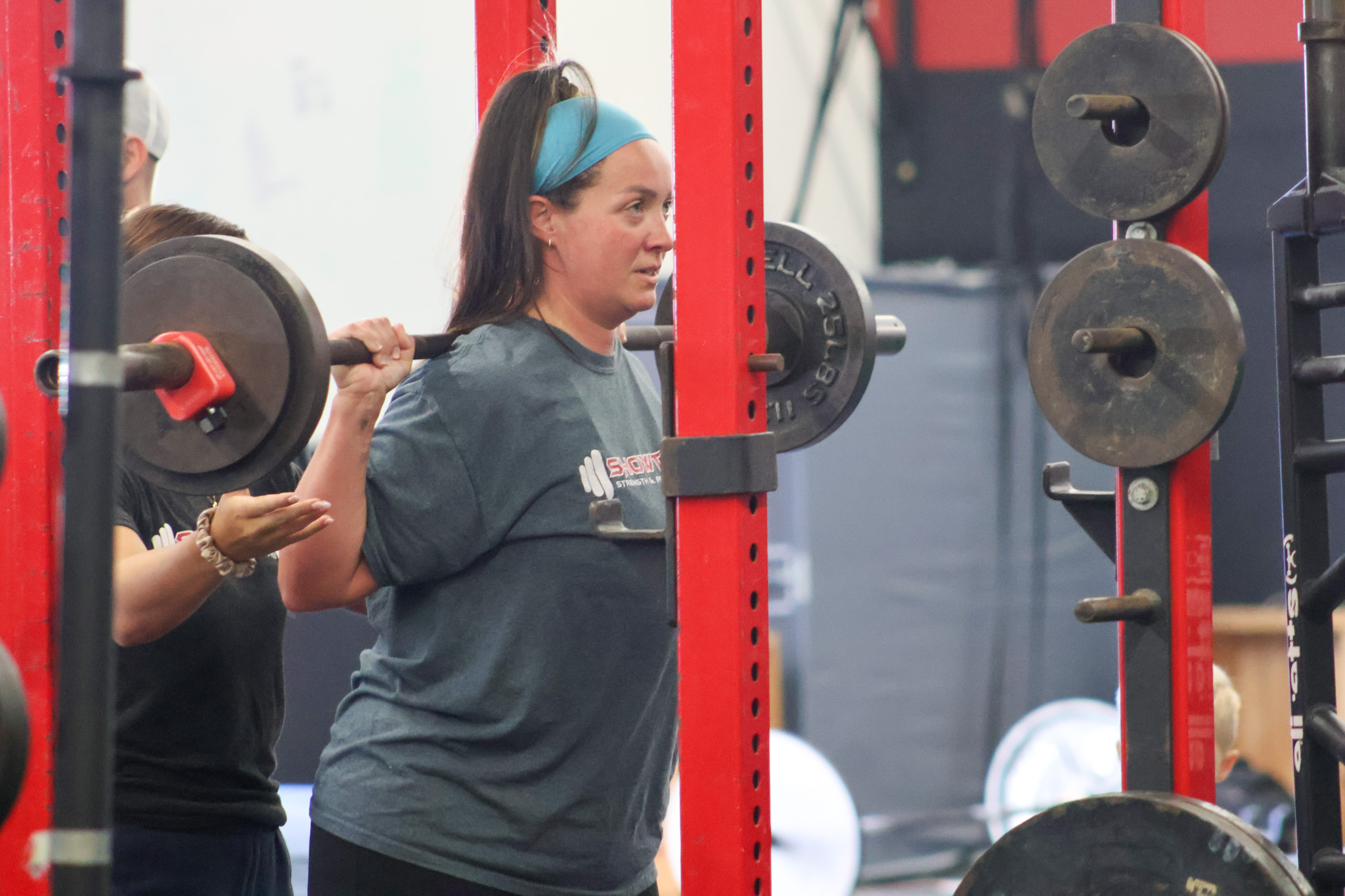
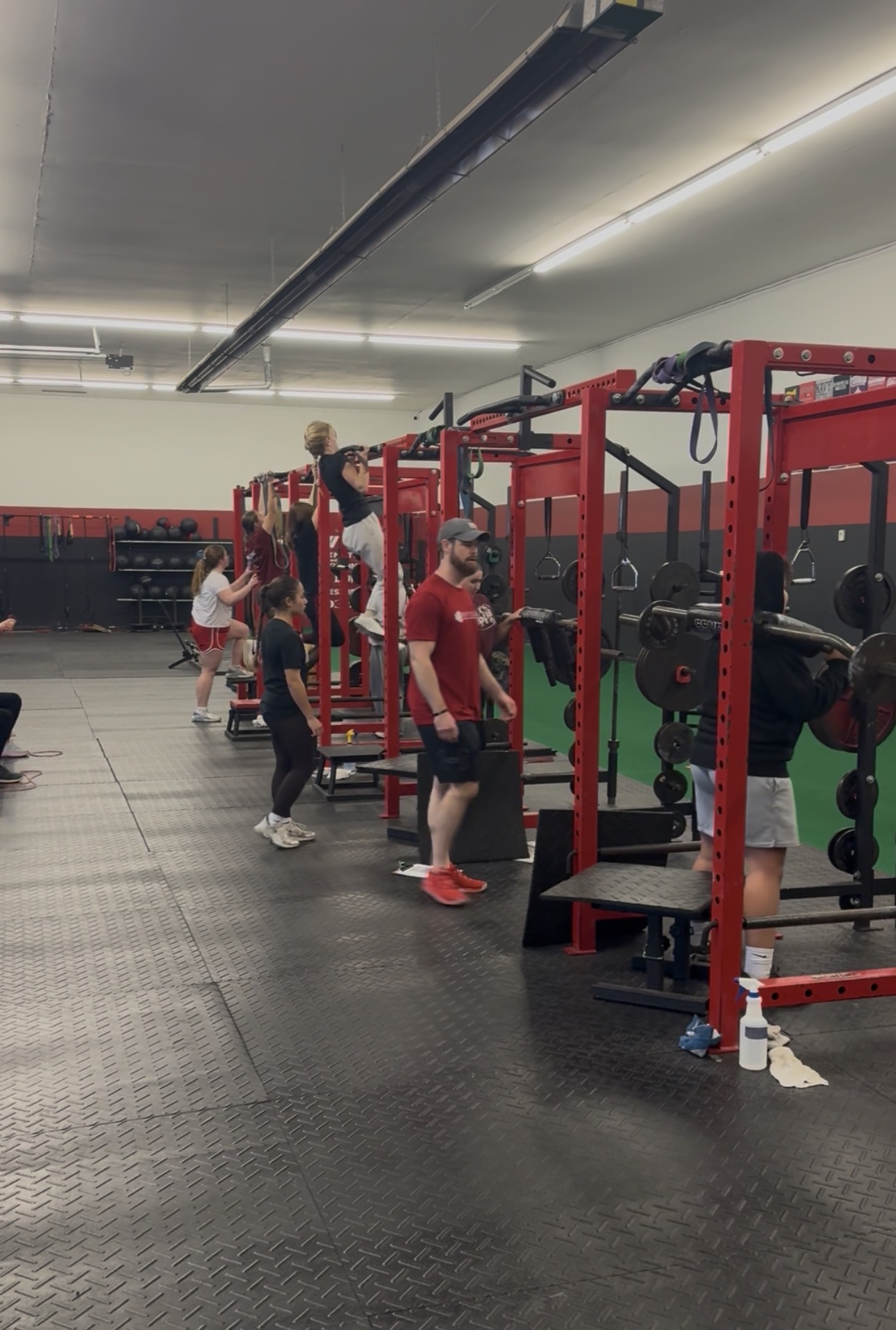
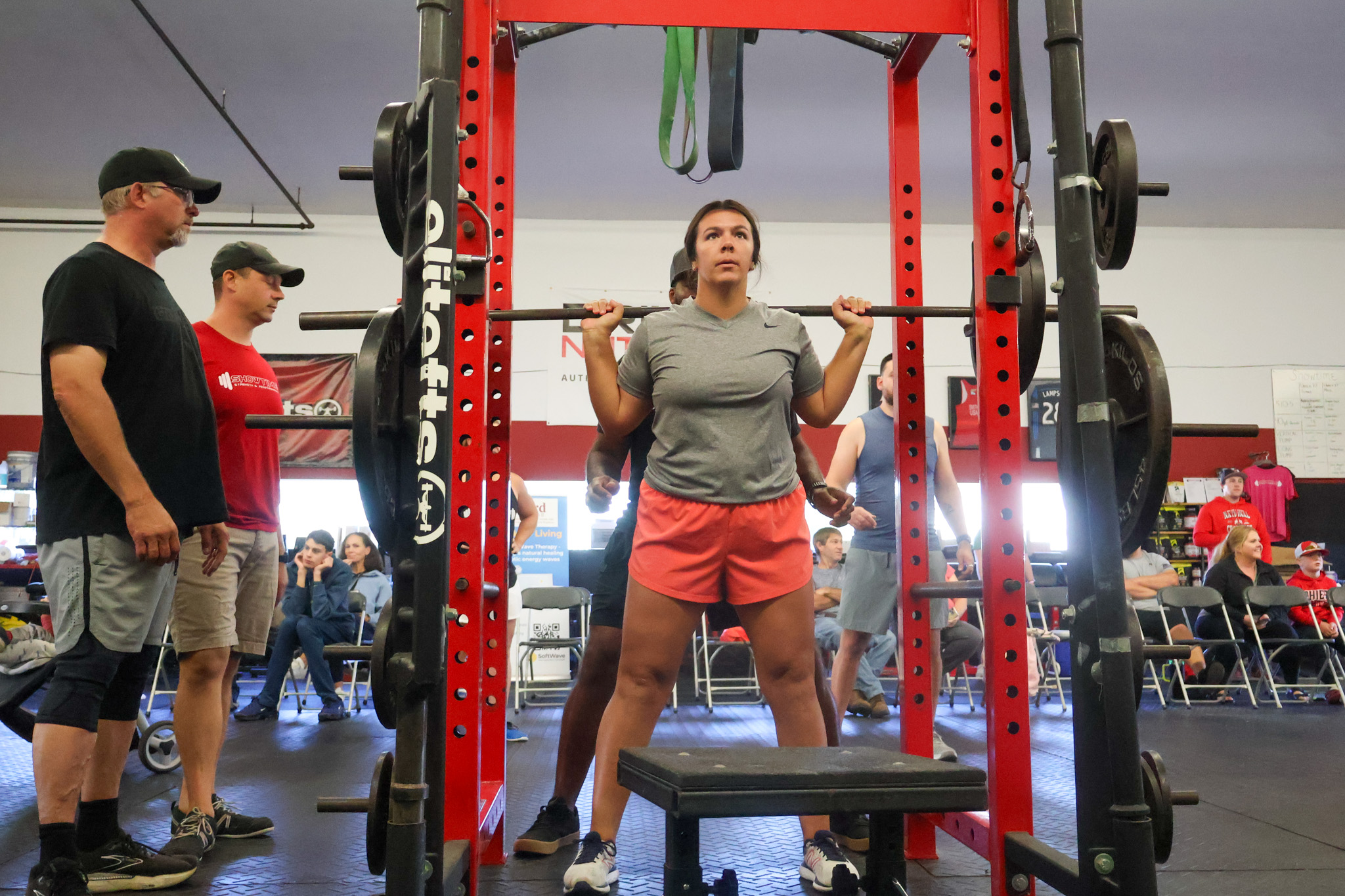
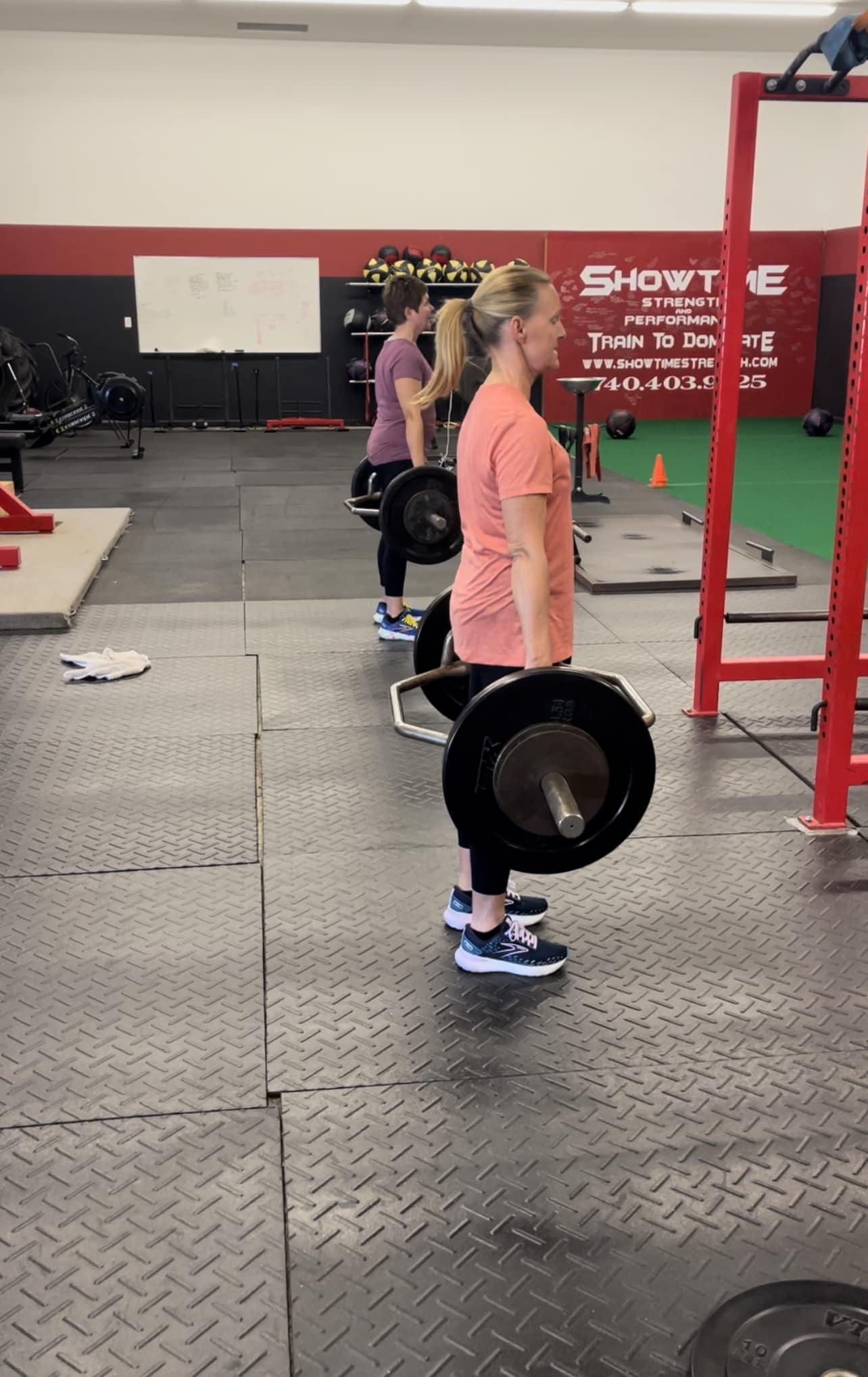
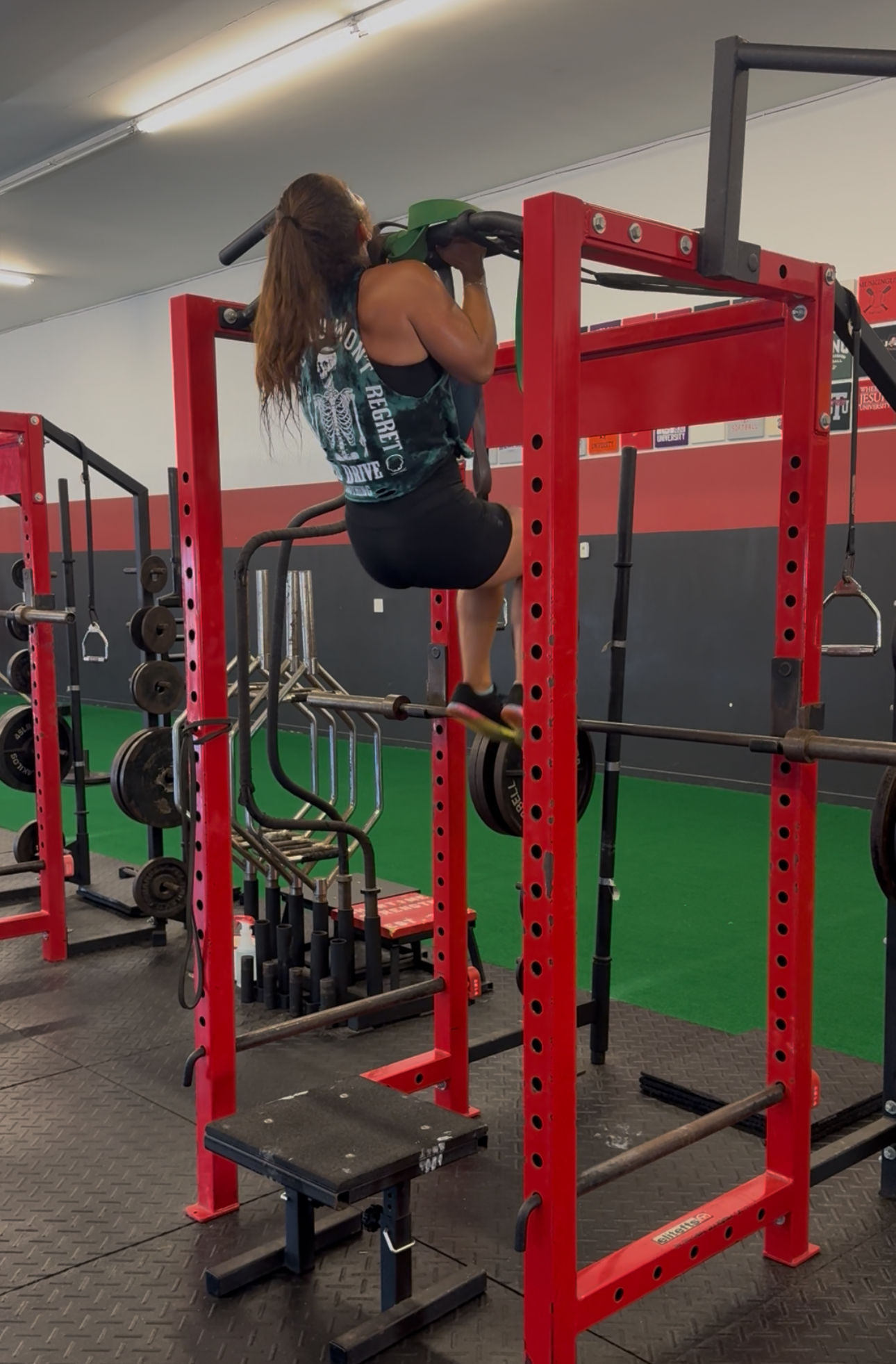
Main Lift (Squat, Bench, Deadlift, Press) for 3-5 sets of 5-10 reps paired with an accessory like Pull Ups, Pull Apart, Back Extension for 3-5 sets of 5-15 reps.
Accessory Cluster- Push/Pull/Single Leg or Core 2-4 sets and 8-15 reps.
Circuits could look like :
Push Ups/ Pull Ups/ Leg Raises
Split Squat/ Rows/ DB Presses
DB Squat/ Glute Ham Raise/ Ab Wheel
Total Strength Time : 30-40 Minutes
Conditioning
This is a low hanging fruit like the power training for adults. Most people will skip this section and over the years watch their heart rate and waist increase. Your heart is a muscle and should be trained like any other muscle. For some, the pace of the training sessions can produce a condition effect but many can’t train in that fashion. This leaves a few options at the end of the session.
1- LISS (Low Intensity Steady State)
This could be up to 20 minutes at the end of the session trying to maintain a certain pace or heart rate and will often help promote recovery. Here are some options :
Bike
Row
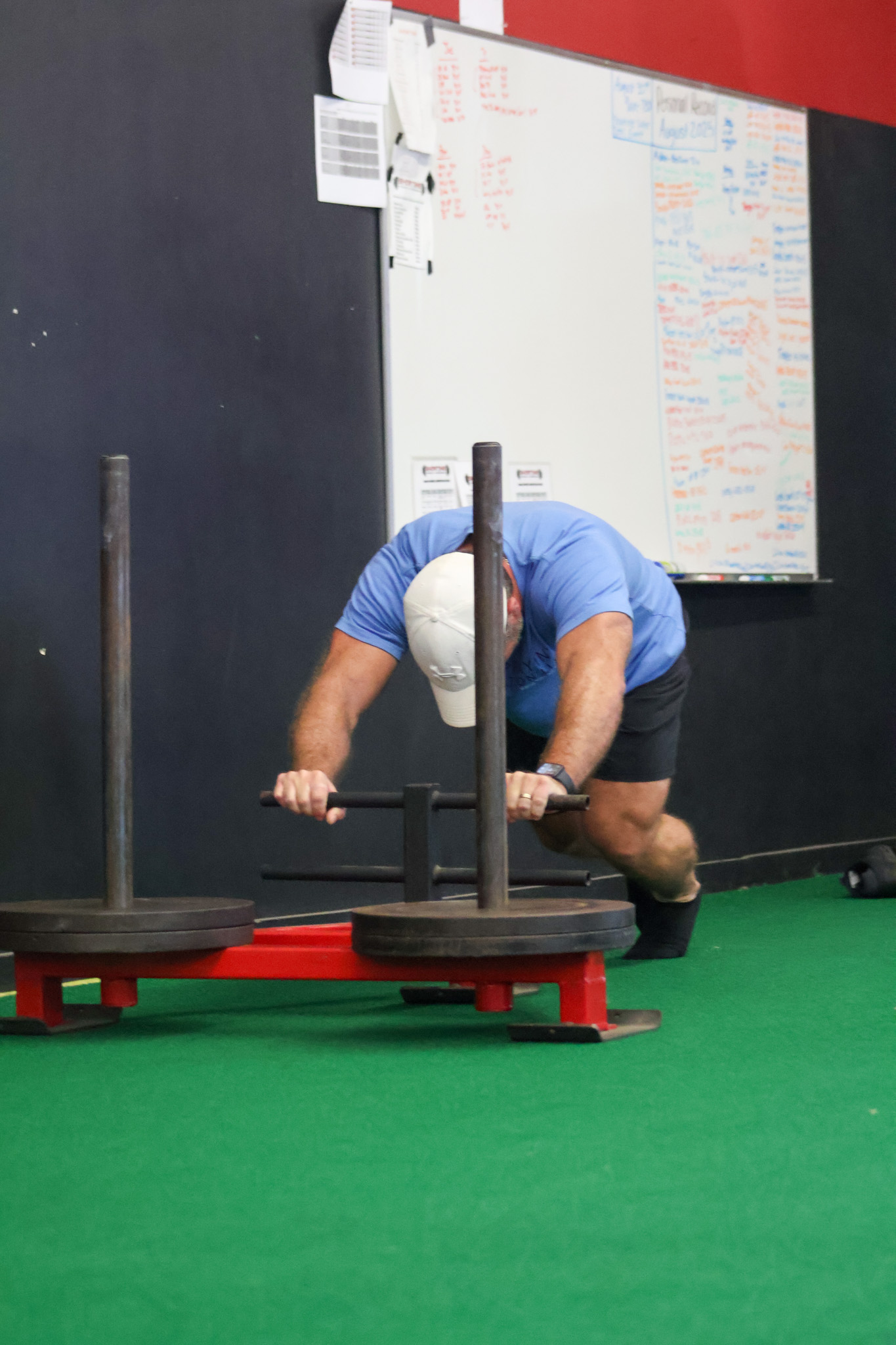
Sled Drag
Battle Ropes
Walk
2- HIIT (High Intensity Interval Training)
These are popular because they’re quick and highly effective. Not every conditioning session should be HIIT and if you don’t have a solid aerobic base then these can quickly lead to overtraining.
Popular Intervals
10 sec sprint : 20 sec coast
15 sec sprint : 20 sec coast
30 sec sprint : 30 sec coast
Number of rounds depends on your current ability, but generally I wouldn’t go over 10 intervals.
3- Loaded Conditioning
This is probably my favorite form of conditioning. You can do a mix of the two methods above based on the day. Examples include
Farmers Walk
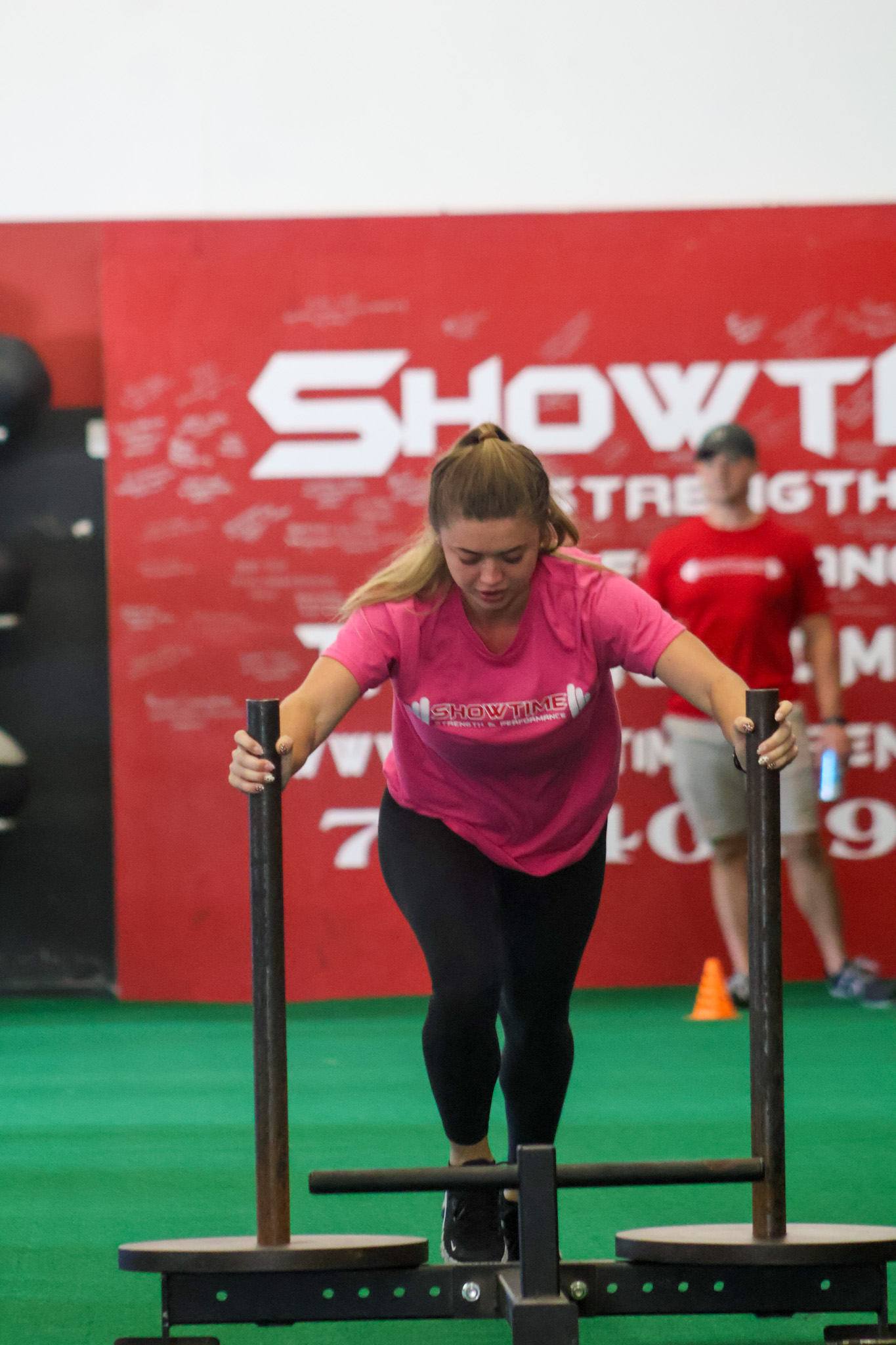
Sled Pushes
Sled Drags
Sandbag Carries
Stadium Walks
Vary the weight, distance, load displacement, and time to quickly have a large selection of conditioning protocols.
Training in this fashion will help you build variety in your exercise and movement patterns to help you build resilience as you age. If you’re currently missing one of two of these in your training, start with adding very little into your program and see how you recover from the addition. Generally, it’s a good idea to remove something from your training if you’re adding something new in. Using this framework allows you to adjust training as needed in each season to fulfill your goals without ever taking time off. If you’re unsure where to begin with your training, reach out to have our coaches help you make sense of training to your goals.




.png)












%20copy.jpeg)






.jpeg)


%20copy%202.jpeg)


