5 Ways to Ruin Your Fitness Progress
Avoid these mistakes to make greater long term progress
By
January 4, 2026
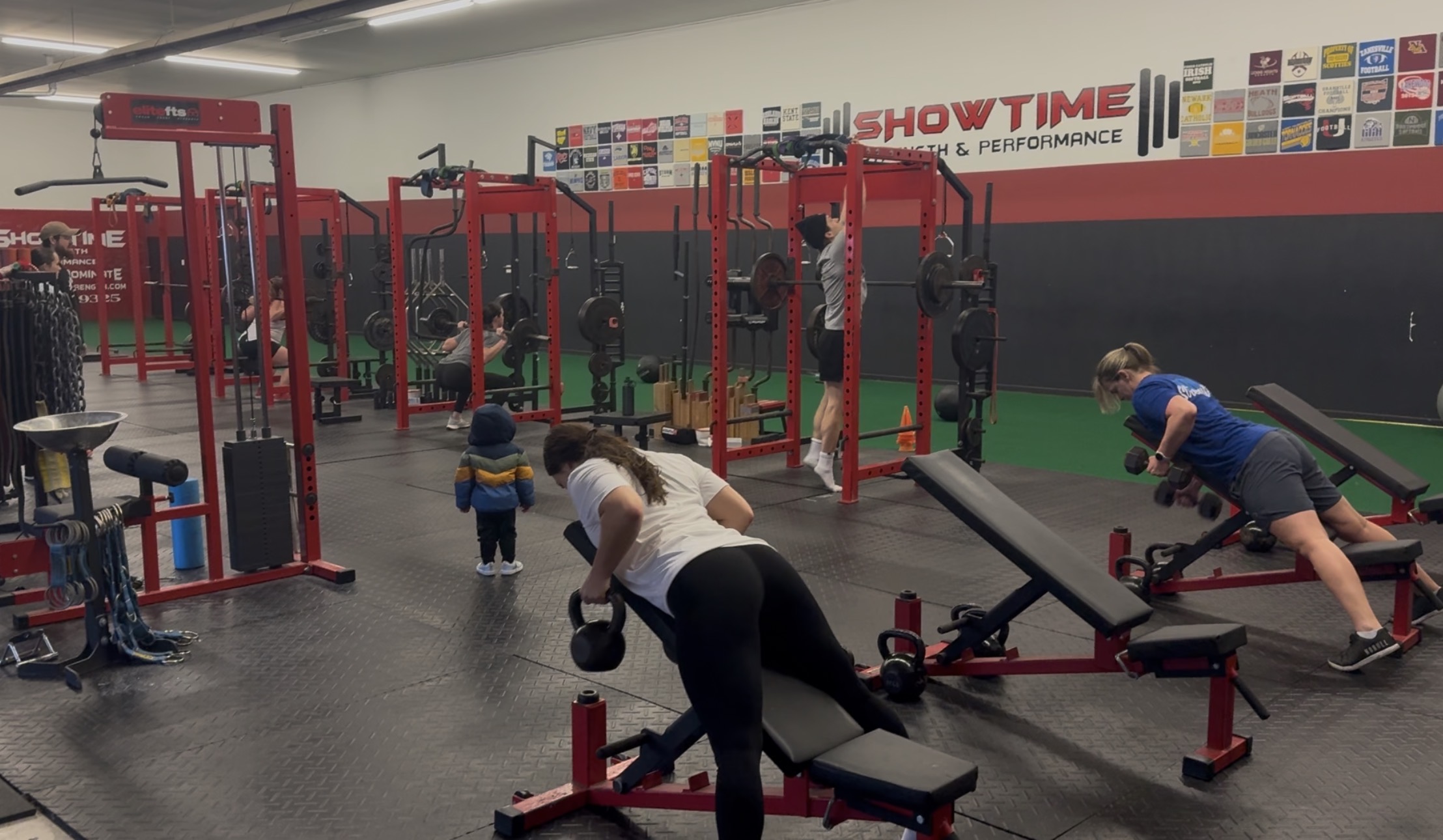

Most people don’t fail in fitness because they’re lazy. They fail because they follow bad advice, chase shortcuts, or expect perfection from themselves. If you’re newer to strength training, working out can already feel intimidating. The last thing you need is to fall into traps that sabotage your progress. There are plenty of social media accounts pushing shortcuts, new miracles, and little more than empty promises. Many people are trying their best, but become overwhelmed and discouraged leading to a spiral of negative feelings. Use this year as a good time to begin a new process that will create long term change instead of being fixated on immediate results.
Chasing Perfection Instead of Consistency
If your plan only works when life is perfect… it won’t work. Missing one workout doesn’t ruin progress. Quitting because you missed one workout does. Eating some treats one night doesn’t mean you ruined nutrition. Simply thinking of doing a little better a little more frequently over time compounds into a lot of results.
What to do instead
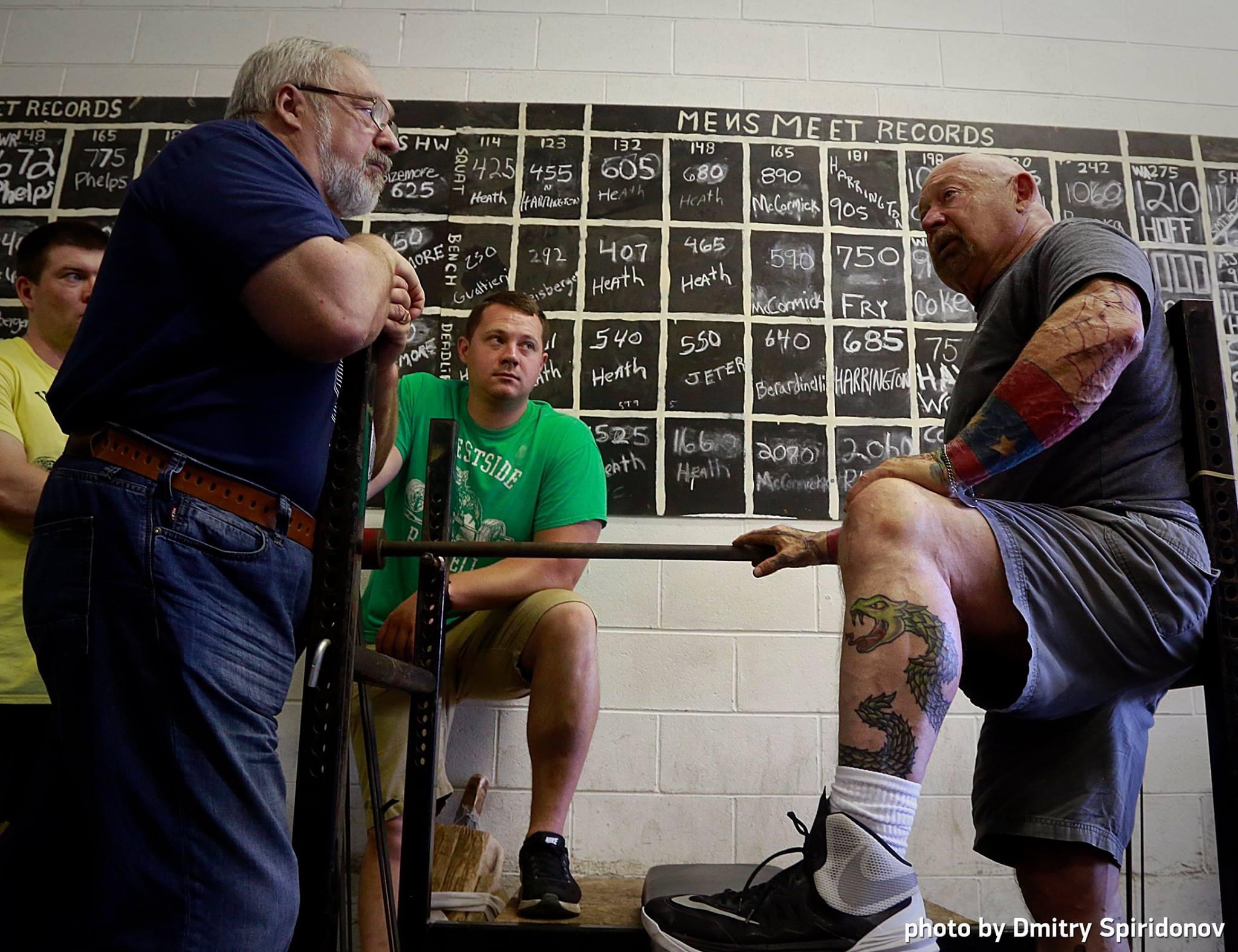
Aim for two to three strength sessions per week. This isn’t as exciting as telling people about your extreme workout every day, but it helps you gain traction to make life changing habits. I always remember the guys at the local YMCA when I began strength training as a teenager. They trained at the same time on the same days year round. They never did anything extreme, but they had the habit of showing up and they were physically ahead of most others their age.
Show up even when motivation is low. Motivation is fleeting, but showing up creates discipline and becomes part of your routine. It helps you create an identity as someone who works out on a routine. When I look at our clients who have gotten the best long term results, it’s the ones who show up on the same schedule week after week, year after year. They don’t adjust times or days unless absolutely necessary. If they train twice a week, they’re sure to get their two sessions in. Consistency beats intensity every time. Intensity makes for good clips on social media, but consistency is what transforms people.
Doing Random Workouts With No Plan
Jumping from program to program, copying social media workouts, or training based on mood leads to one thing. I genuinely feel bad for the younger generation getting into strength training now. In the early 2000s, strength magazines came out once a month which helped people follow a training plan for at least four weeks. Now, people are bombarded on a daily basis with the best new workouts, best exercises, and it create confusion. This leads to zero long-term progress. Most people feel the need to change programs too frequently to make progressions or regressions as needed. Strength grows when you repeat the basics and gradually improve them.
What to do instead
Repetition builds confidence. Confidence builds results.
Training Hard, But Recovering Poorly
If you’re always sore, exhausted, or in pain , you’re not recovering. And if you’re not recovering, you’re not progressing. Most people need to recover from their lifestyle more than their strength training routine. Adults already deal with stress, poor sleep, and long work days. Your training should make you feel better — not wrecked.
What to do instead
Remember: progress happens when you recover — not when you suffer.
Letting the Scale Control Your Mood
The scale is one metric, not the only metric. Other metrics we can track to gauge improvement are mood, energy, how clothes fit, blood pressure, resting heart rate, annual blood work etc. Many times people will become emotional by the number on the scale. This creates an additional layer of stress that isn’t beneficial to success or happiness. Body weight can fluctuate 2–5 pounds per day from salt, stress, hormones, water, digestion, and sleep. If you judge success only by the number, you’ll constantly feel discouraged. It’s also important to remember that body composition improvement is what most people are seeking more than just a lower number on the scale. When focused on losing or gaining weight, I track my weight daily and take the weekly averages so I can get a better gauge of how my weeks are looking over time. When weighing yourself, it’s important to use the same standards. For many, it’s easiest to wake up, use the bathroom and weigh in then. This keeps it consistent and shows your bodyweight without activity or various food and fluids in your system.
Trying to Do Everything at Once
All-or-nothing thinking ruins more progress than anything else. People will overhaul their workouts, diet, sleep, and lifestyle overnight only to burn out in two weeks. Health and fitness should fit into your life, not take it over.
What to do instead
Pick 1–2 habits and own them:
Small wins stacked over time lead to real change.
Final Thoughts : Progress Is Built, Not Discovered
You don’t need to be perfect. You don’t need to look like a fitness model. And you definitely don’t need to “earn” your place in the gym.
You just need:
✔ A simple plan
✔ Support
✔ Patience
✔ Consistency
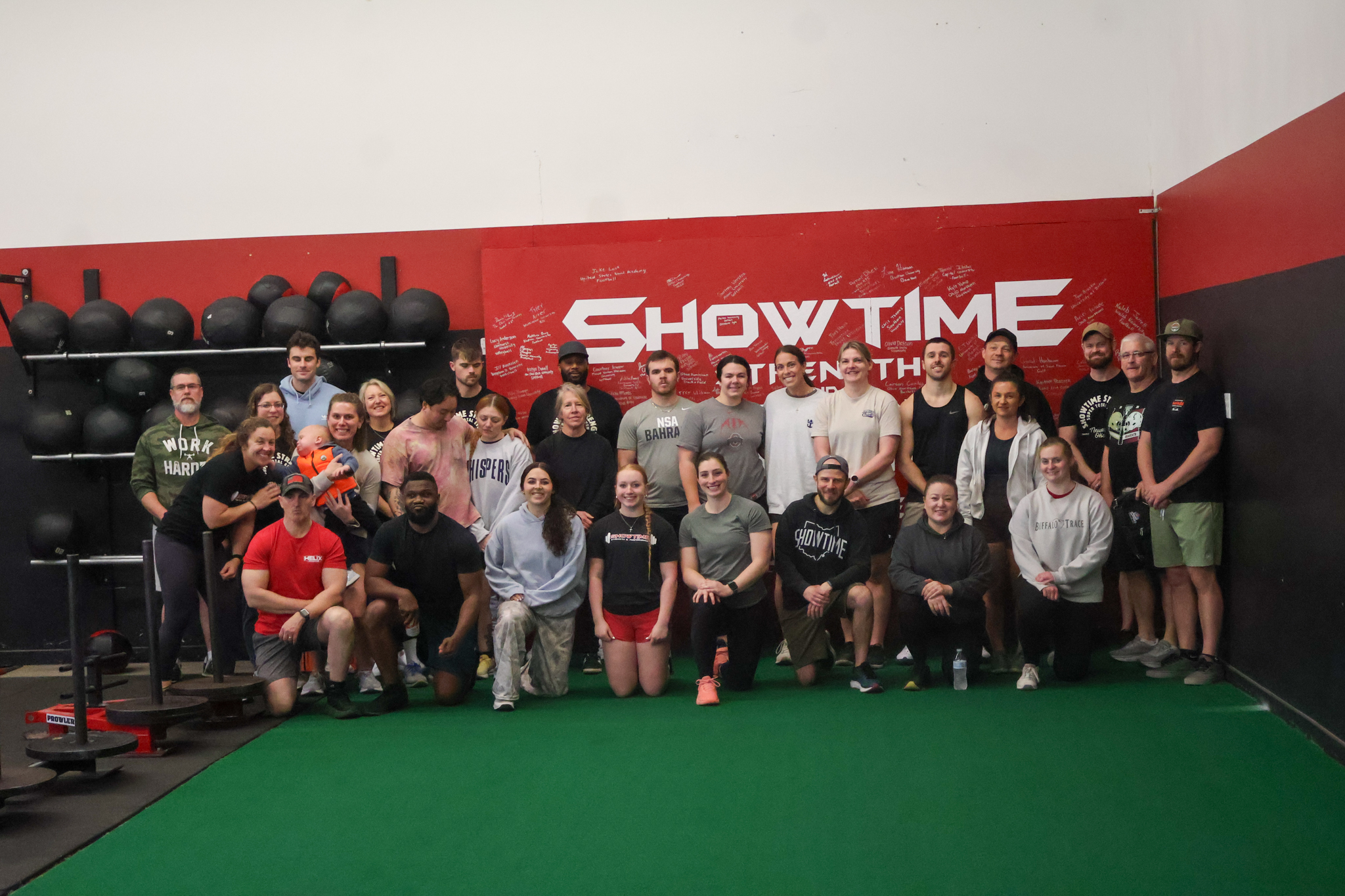
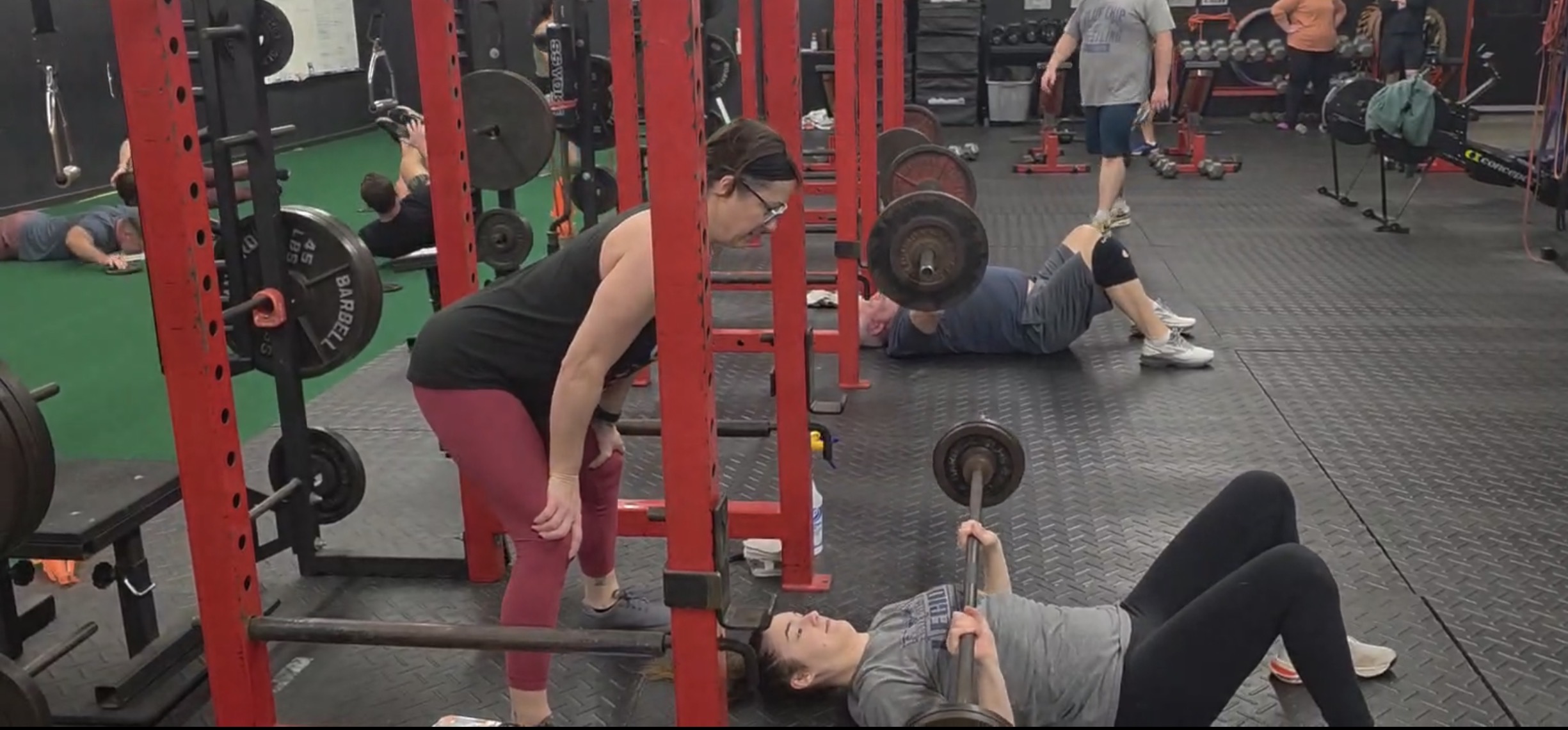
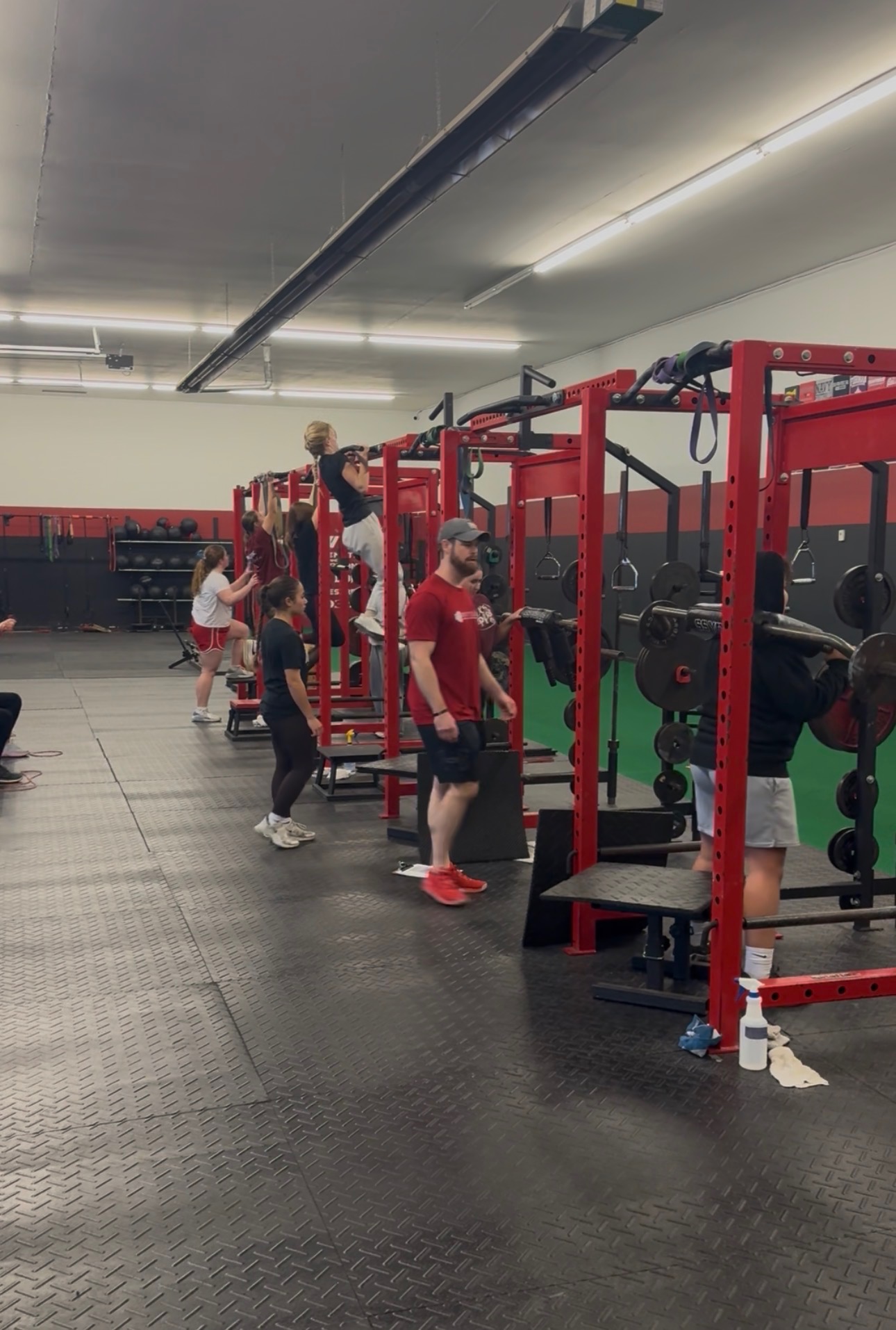
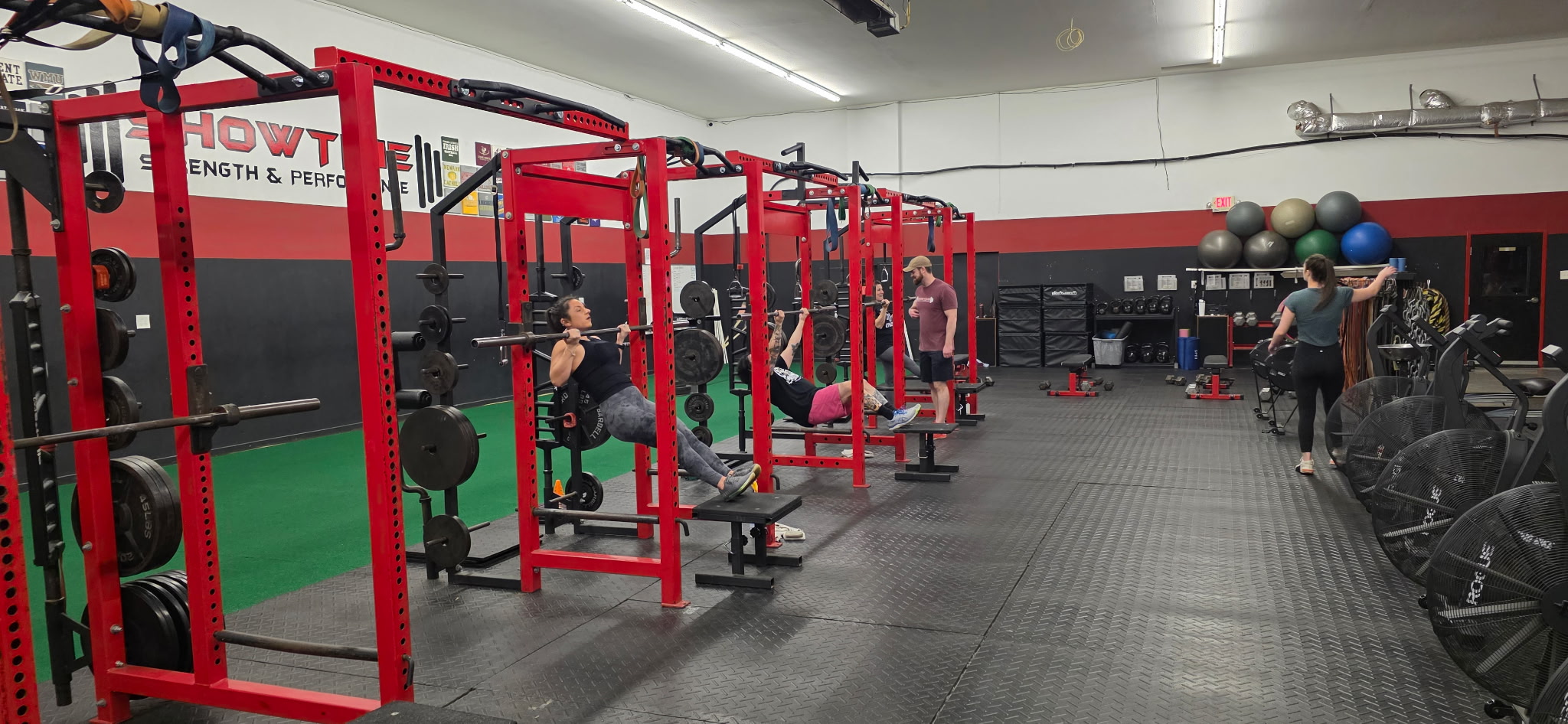
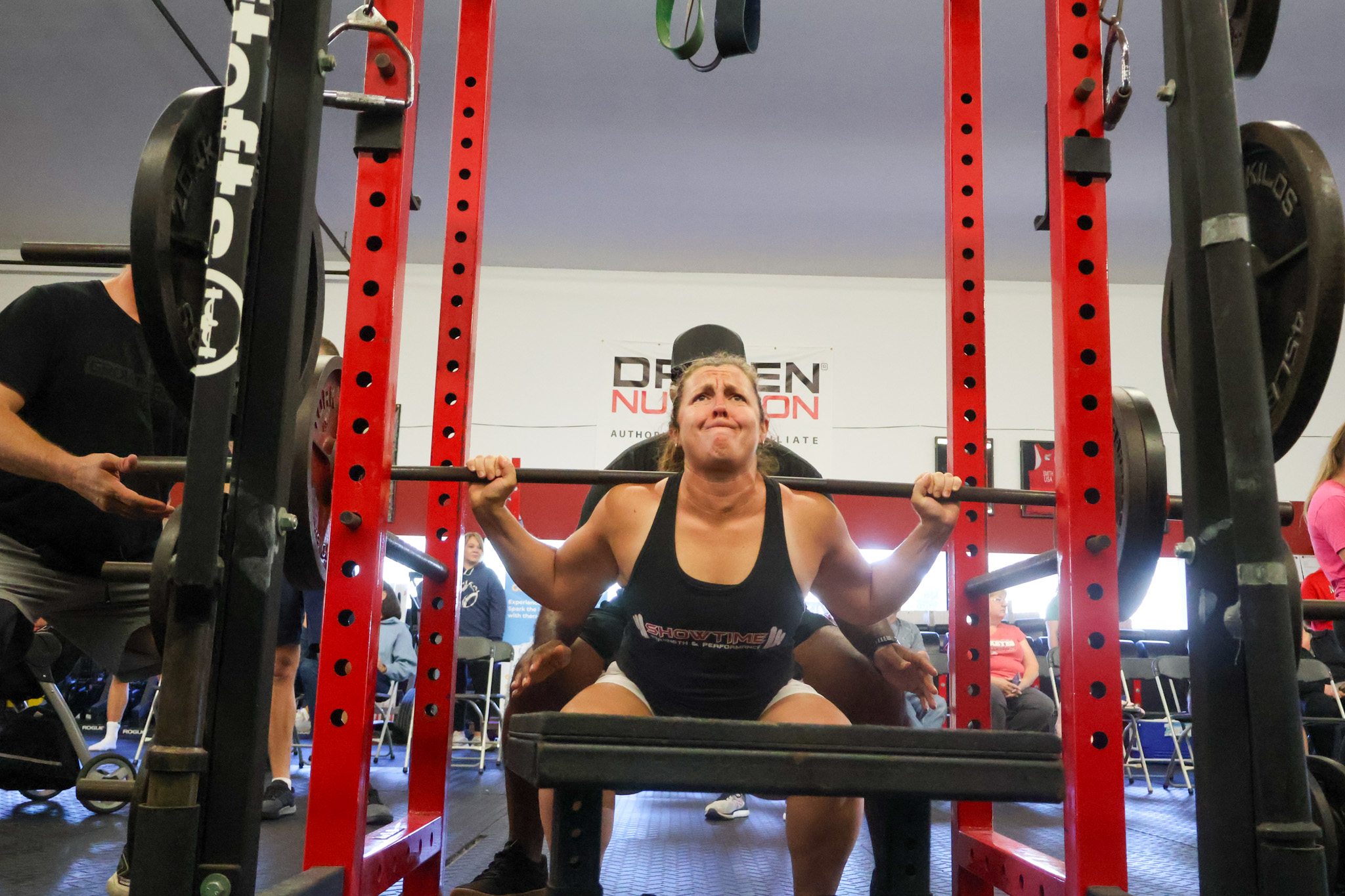
That’s what we focus on at Showtime Strength & Performance — helping real people get stronger, healthier, and more confident… without the intimidation, gimmicks, or pressure.
If you’re ready to start , even if you don’t feel “fit enough” yet , we’d love to help guide you.
You bring the effort.
We’ll bring the plan.










.png)














%20copy.jpeg)








.jpeg)


%20copy%202.jpeg)


