I Lost Weight…Now What?
I Lost Weight…Now What?
By
January 16, 2026


Something we often hear from people outside of our gym is that they’ve lost weight; but they don’t feel how they expected to feel, and they don’t know what to do next. It’s important that we acknowledge the difference in losing weight and improving body composition. Dan John jokingly says, “If you want to lose weight, cut off one limb”. This is a joke that paints the picture that improving health is more than reducing one number. If reducing scale weight was the most important piece, every contestant from the Biggest Loser would’ve kept their weight off, and sailed off into a sea of happiness. For anyone who saw the documentary in 2025, it wasn’t quite the end result. This is seen also with financial targets people set. They set big goals and hit the mark only to realize they still feel as if something is missing. Often, if we achieve something, we discredit the achievement by saying things like “anyone could have done it” or “it’s not a big deal”. Losing weight is a great step towards improving your health, but let’s look at what you can do once the weight is off.
Increase Strength and Muscle
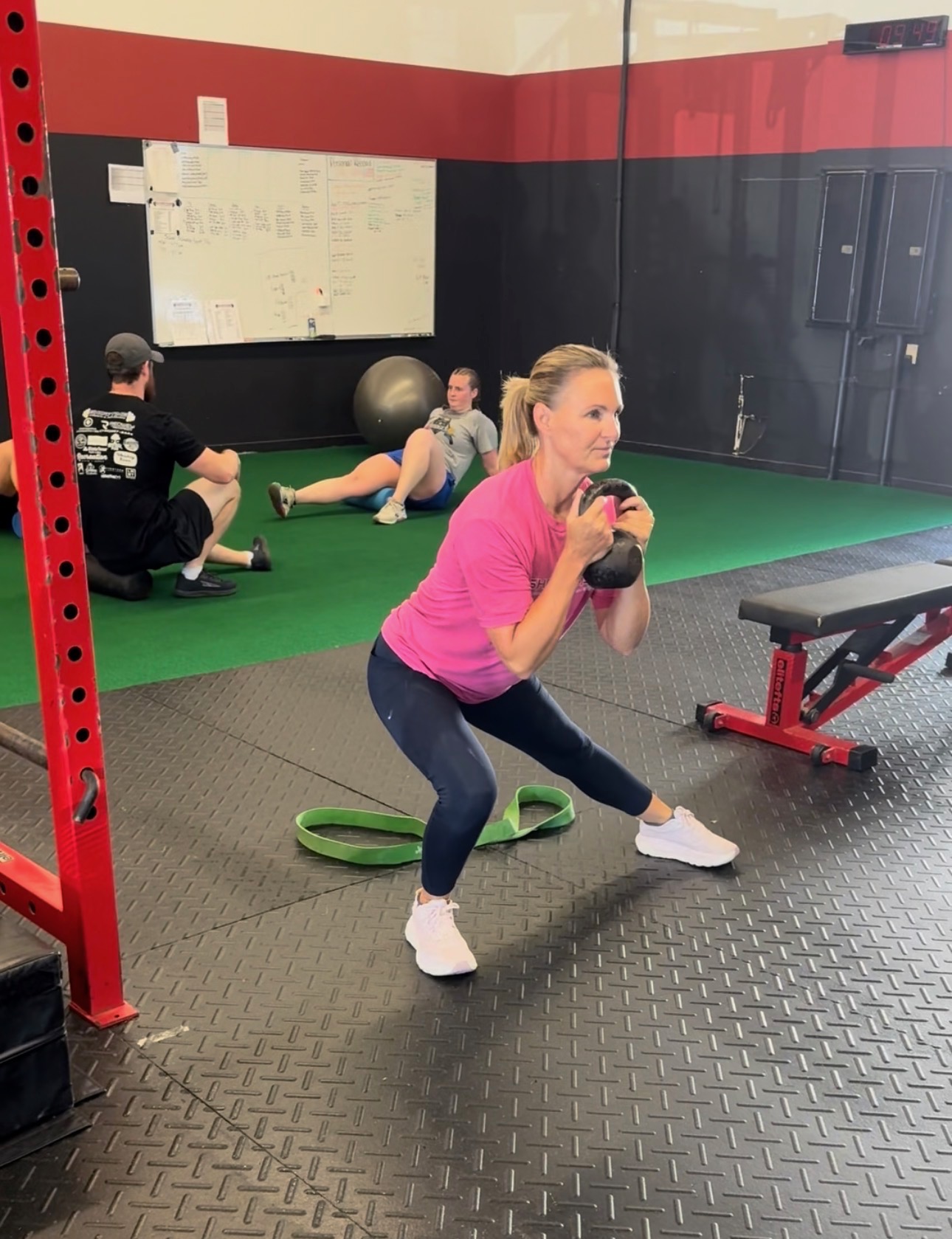
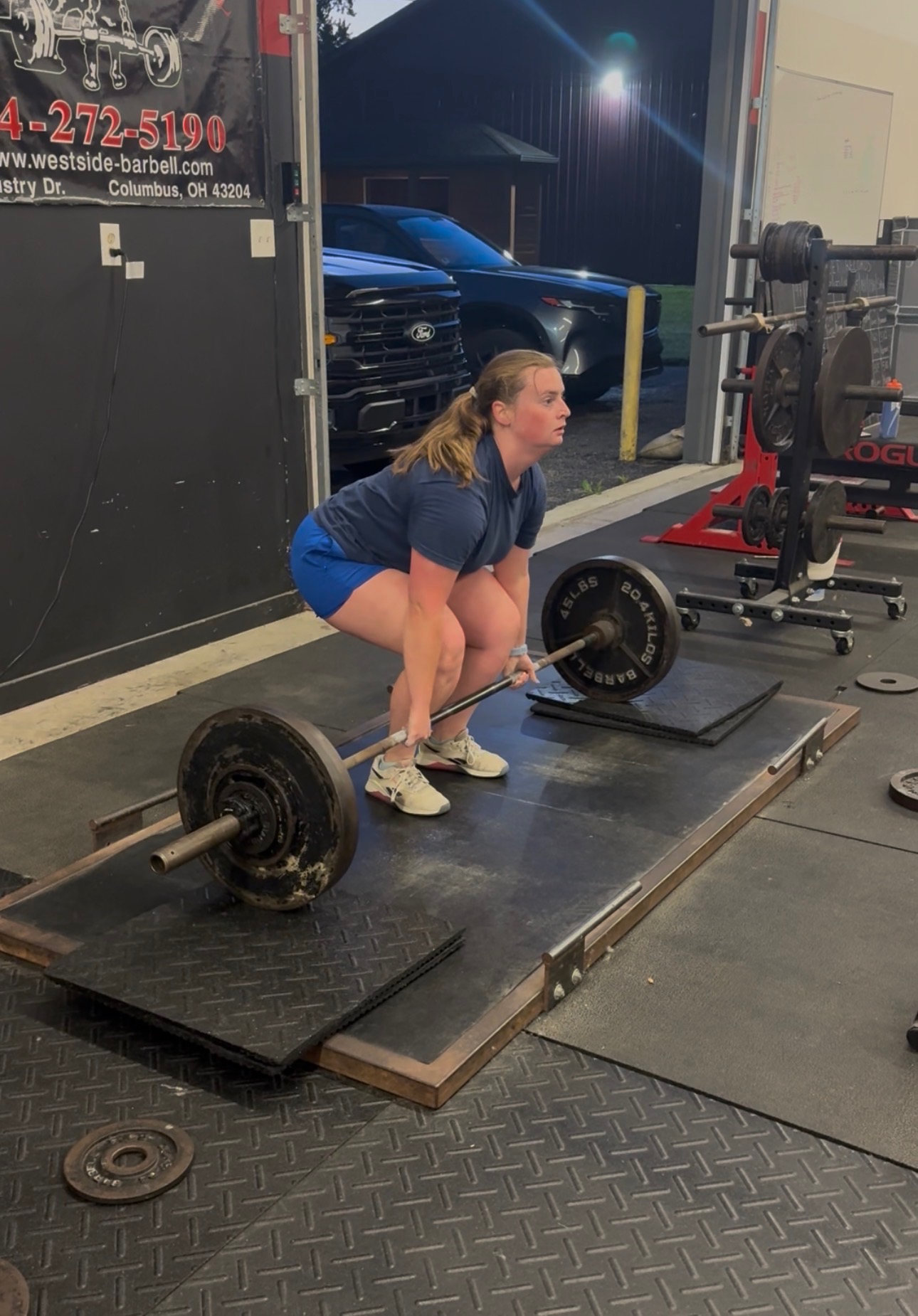
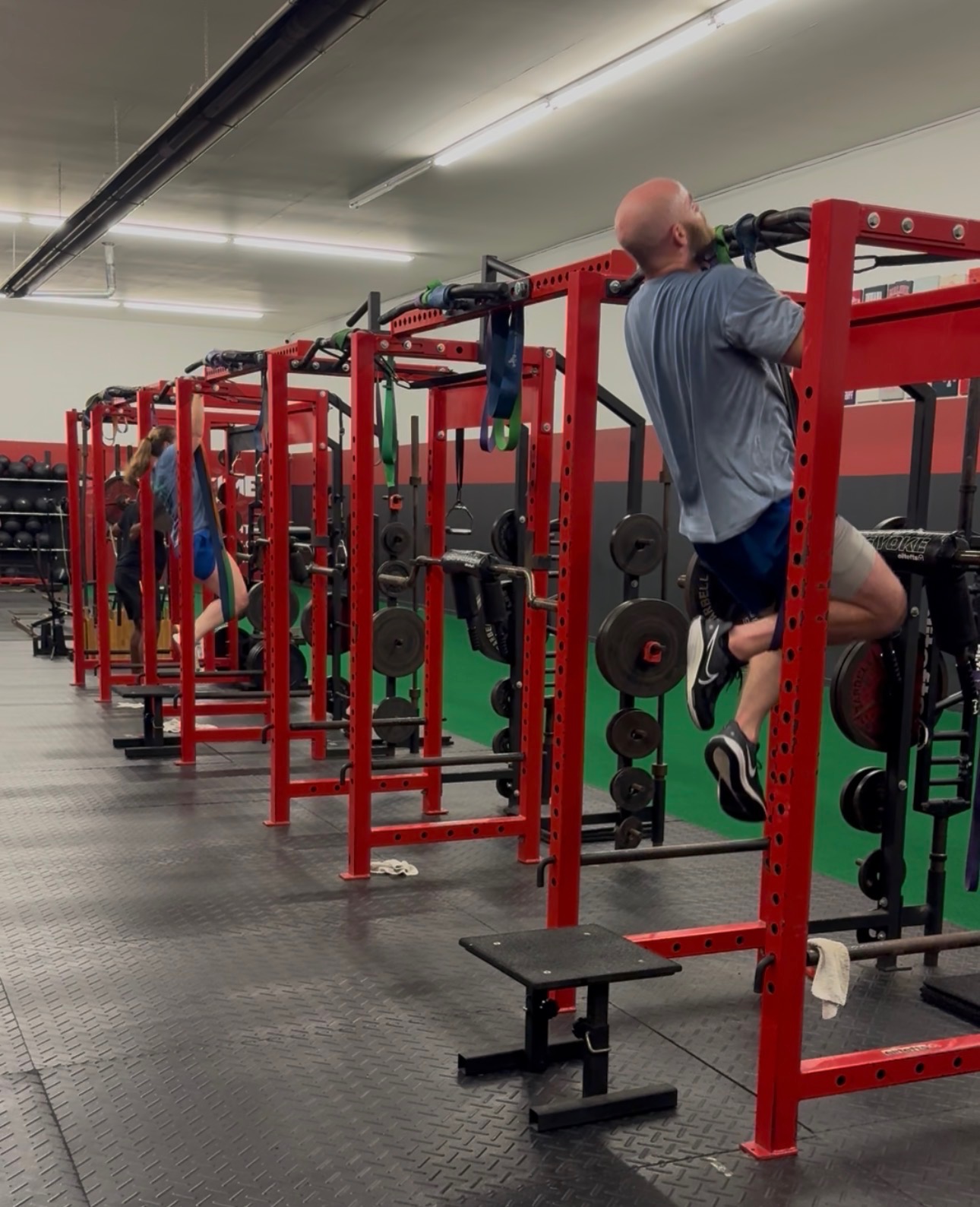
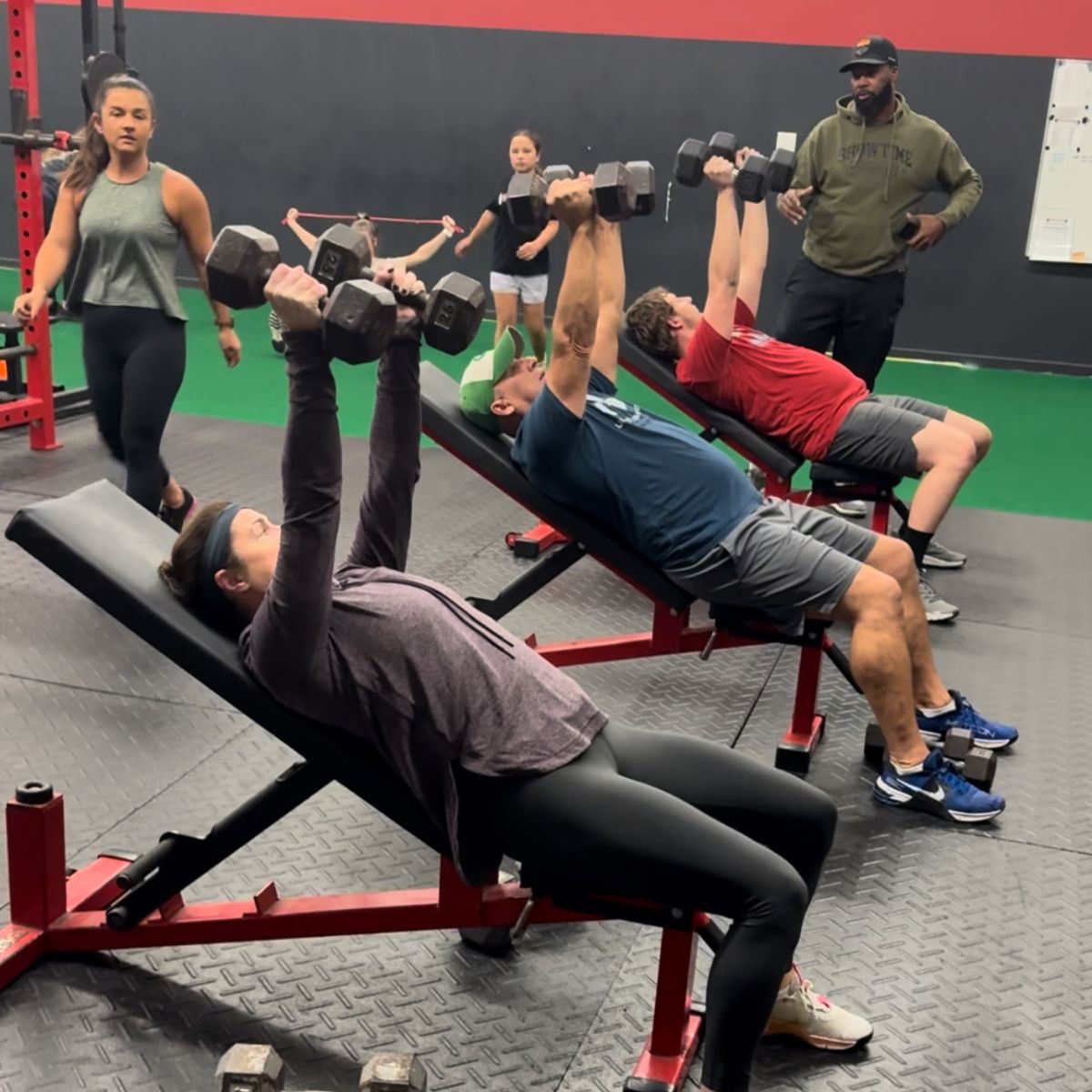
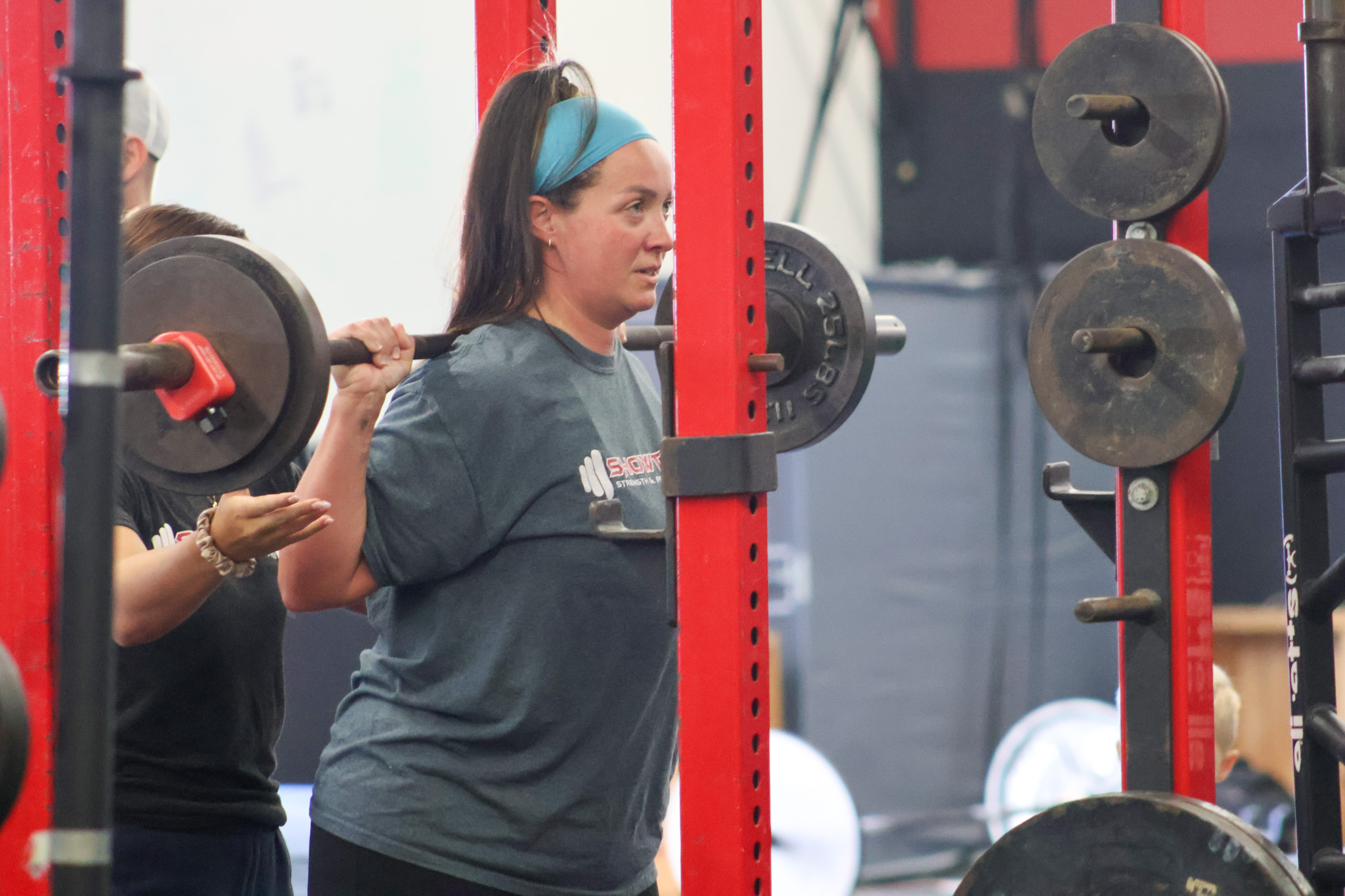
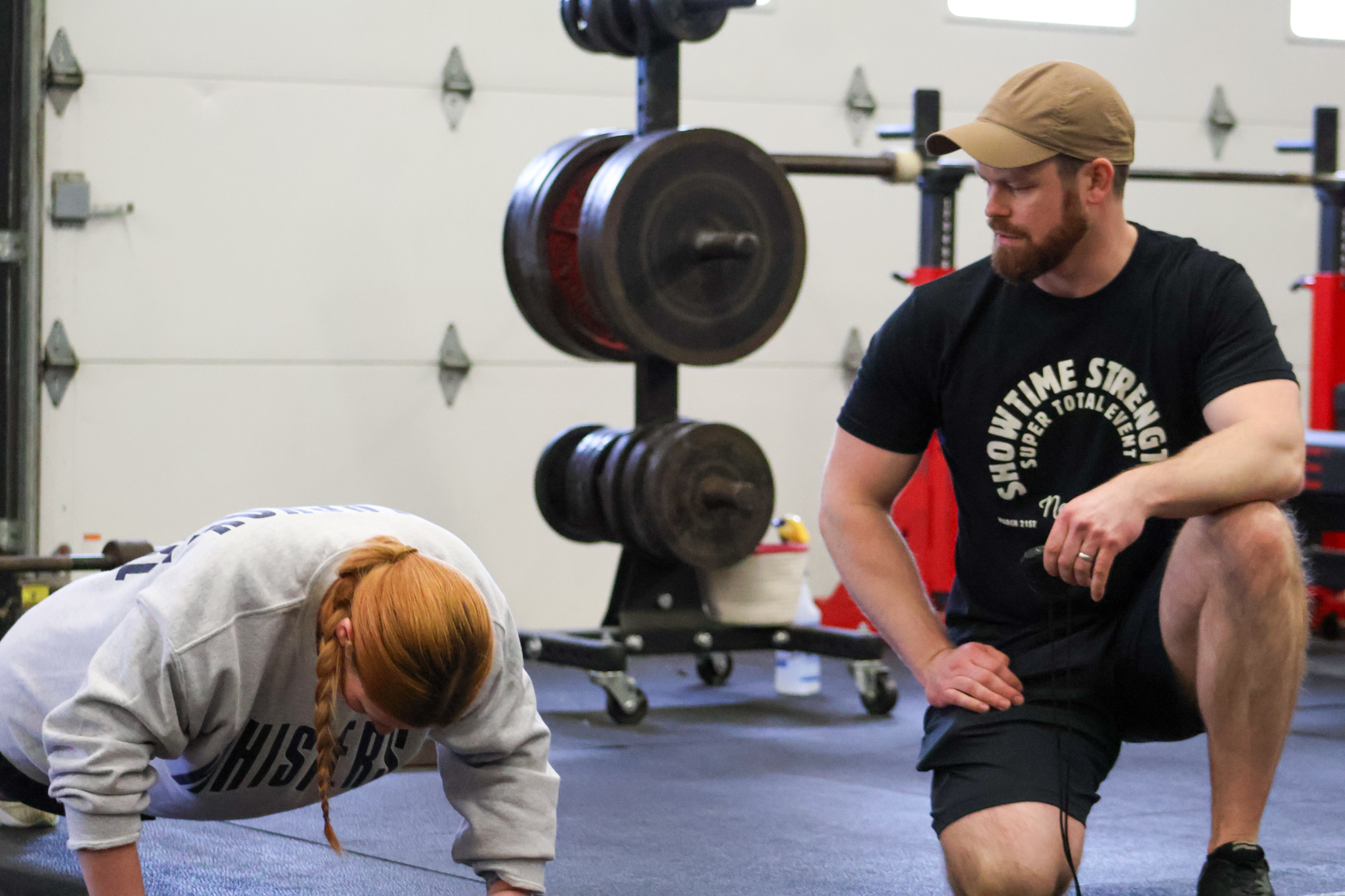
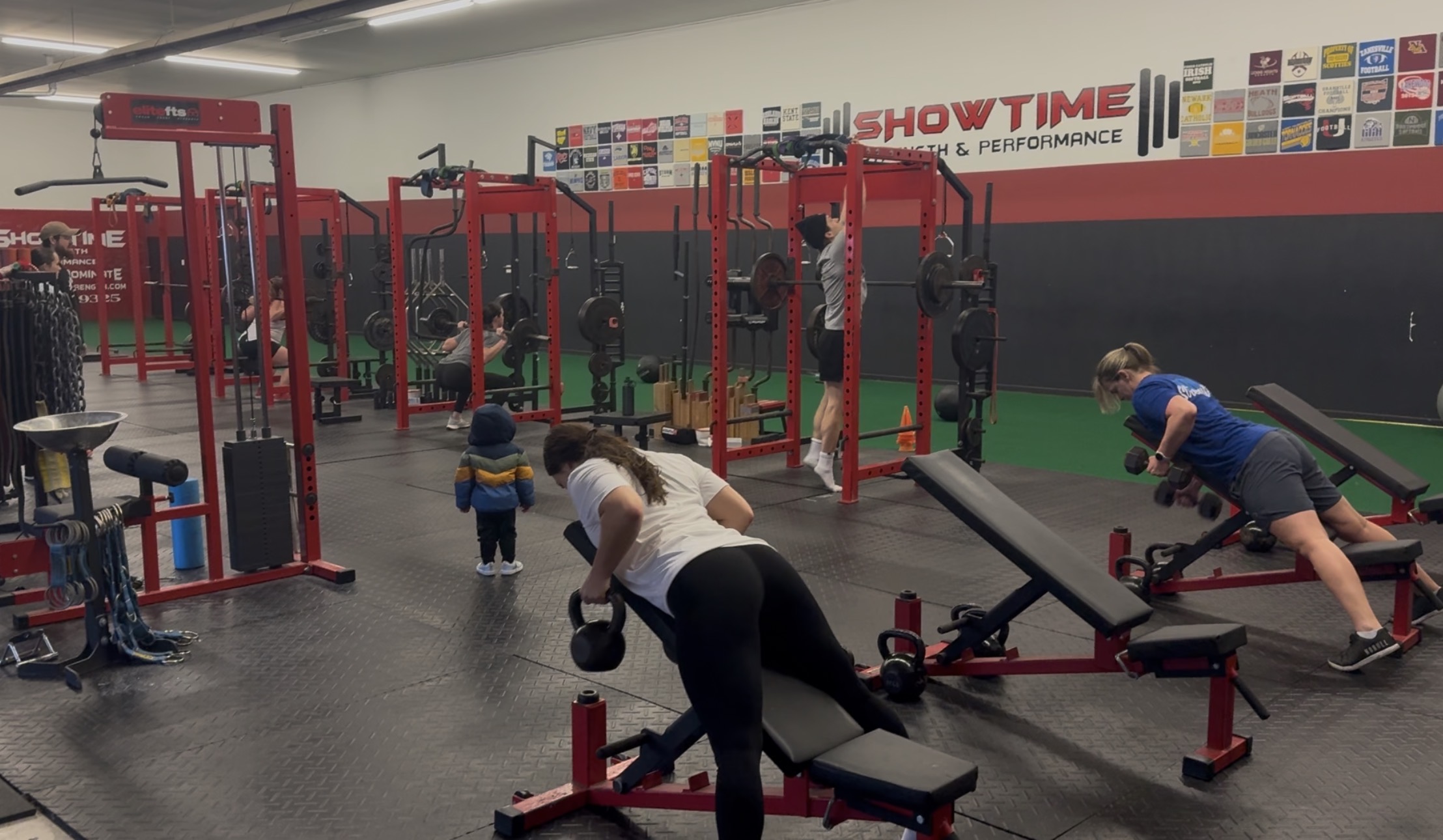
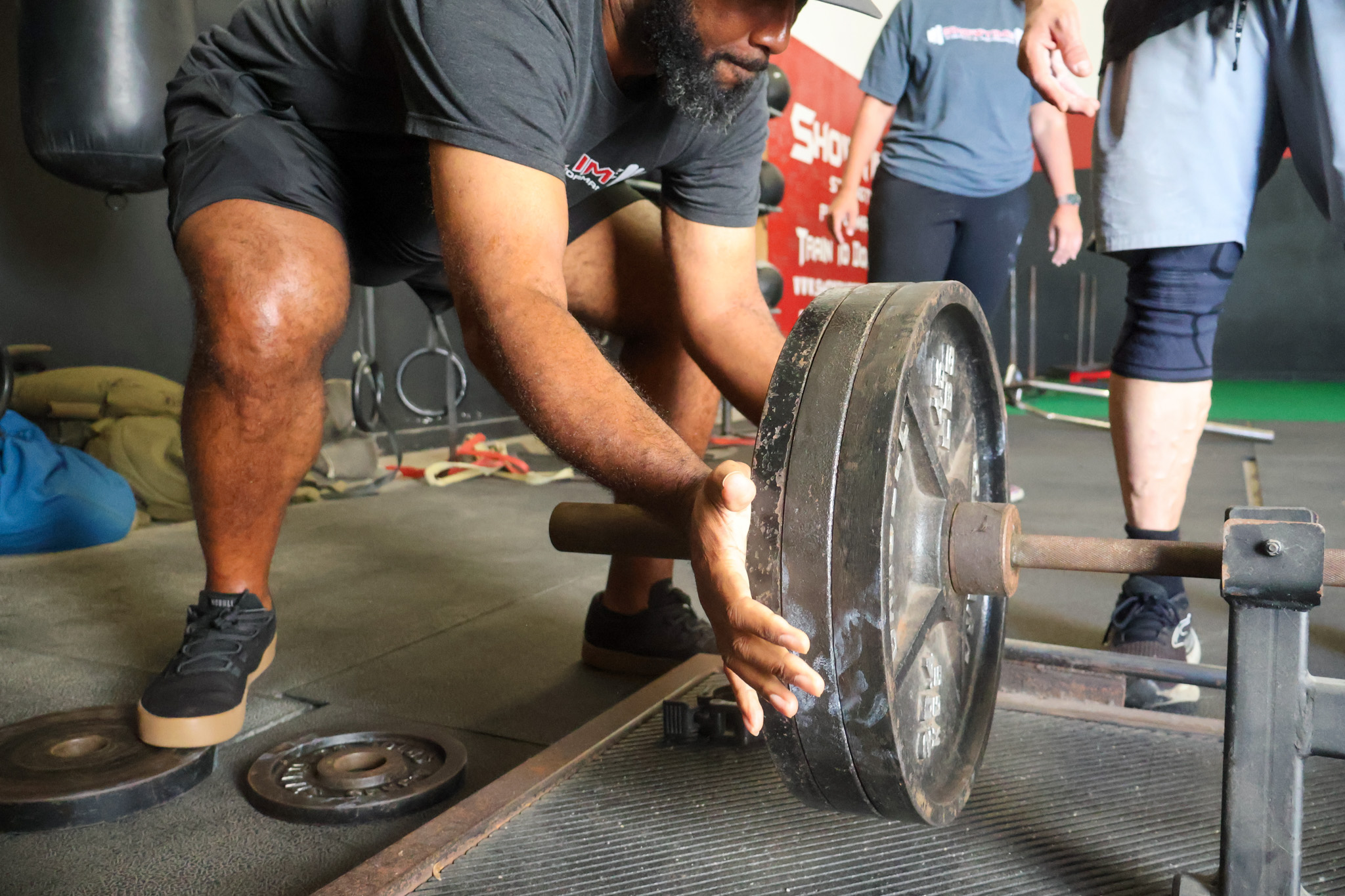
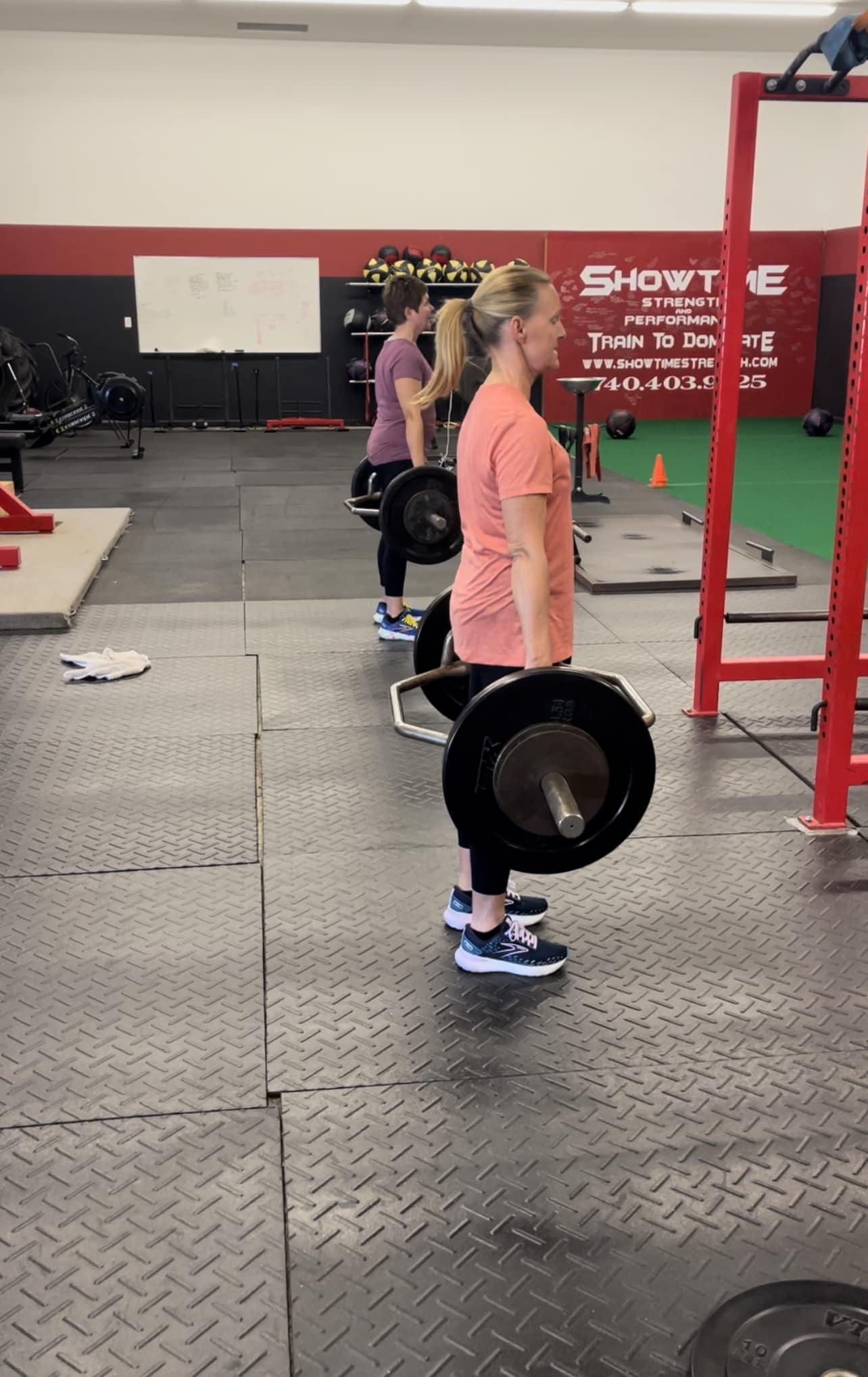
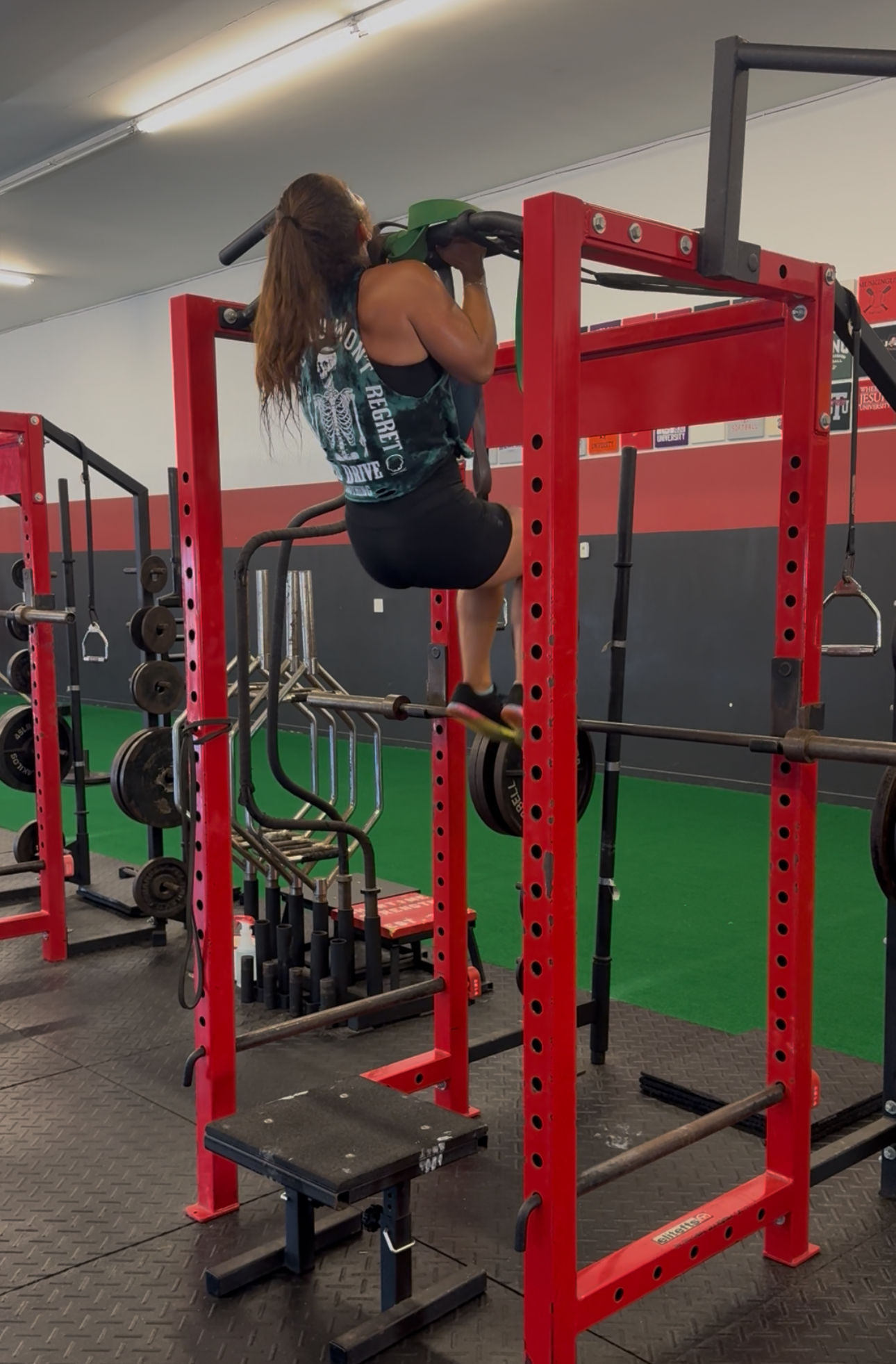
Anytime you lose a significant amount of body weight, you will lose muscle mass. How much muscle mass is lost depends on a number of factors like how extreme caloric restriction was, age, strength during deficit, and any supplements or medications. Once we’ve stripped some excess body weight off, it’s a good idea to focus on building some strength and muscle to protect your body. Carrying excess body weight is hard on joints, but having low levels of strength and muscle leaves joints without support increasing the risk of injury as we age. Building strength and muscle is an insurance policy against risk of injury from daily living. It helps to improve cognitive function, balance, endurance, and helps us to keep doing the things we enjoy the most. If you didn’t prioritize strength training during your weight loss phase, this should be your first stop. You’ll never regret building a stronger life.
Shift Nutrition Focus
Your nutrition habits shouldn’t be the same for twelve months each year. Many people will stall their progress because they constantly try eating in a caloric deficit year round. At some point we need a caloric surplus to build strength, energy, and repair. This doesn’t mean you have to follow a bulk/cut cycle like some gym goers. Simply shift the focus to a slight caloric increase and maybe increasing your protein or carbohydrate intake. This could align with different seasonal training goals. I prefer to strength train heavier in winter months, leading to more carbohydrates. In the summer months, I prefer more outdoor endurance-based activities like mountain biking and trail running which leads to me eating a little lighter and more focus on fruits and vegetables. If during your weight loss you noticed that you struggled with some aspect of nutrition, even if it’s preparation or cooking meals that you actually enjoyed eating, then this could be an opportunity to refine these skills.
Mental Adjustments
Once we’ve established a new baseline, it’s time to create some buffers that we can work within and feel comfortable. As an example, if you lose 100 pounds total, are you comfortable if you gain 10 pounds back without having a mental struggle about it? Create ranges for your weight and also your activity and constantly evaluate if it’s working for you, helping you, and sustainable. This is something competitive bodybuilders do a great job of because they acknowledge that they can’t live at under 5% body fat and knowing that it will also stunt their progress of building more quality muscle. In some seasons of life, the minimum effective dose is what we need. These mental adjustments are more difficult the more rapid the weight loss is. This is because the more rapidly we lose the weight, the more skills we’re trying to develop at a rapid pace. Something that helped me is realizing that there is no timeline or finish line. You only lose if you quit. Giving yourself more time makes it easier to see what changes are helping and which ones we need to get rid of. Always taking notes can be beneficial before, during, and after weight loss to track things like energy, mood, and strength.
Enhance Social Health
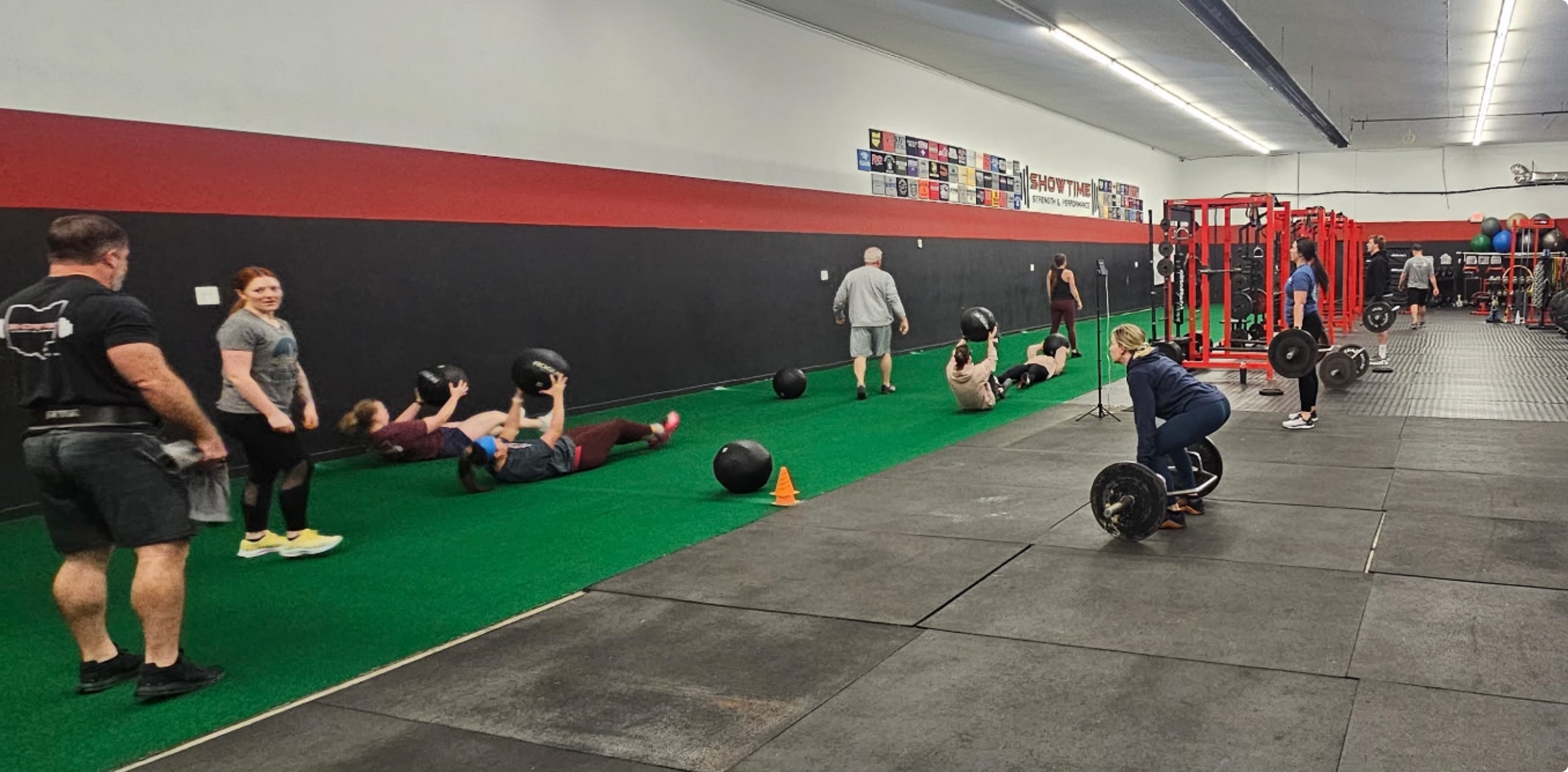
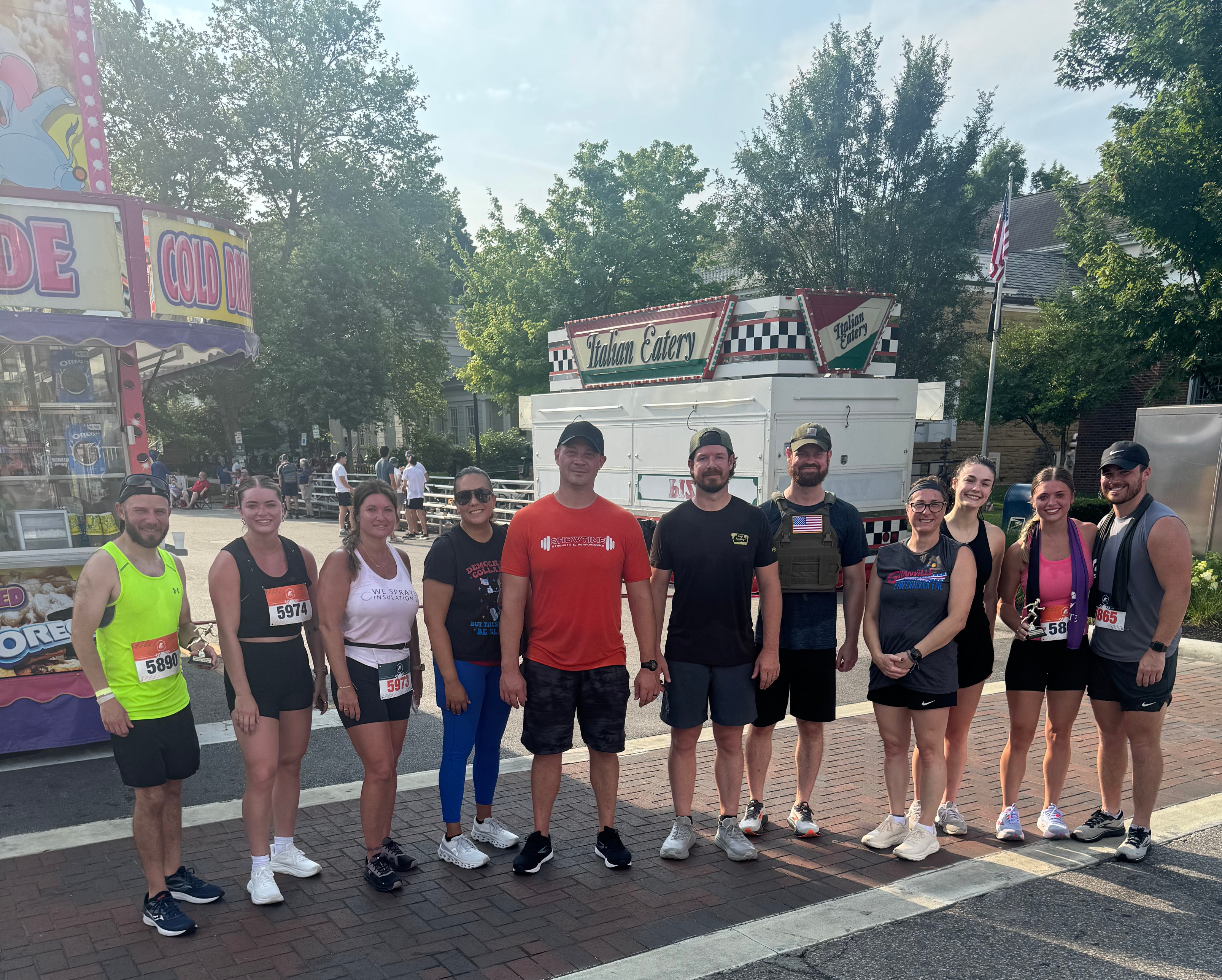
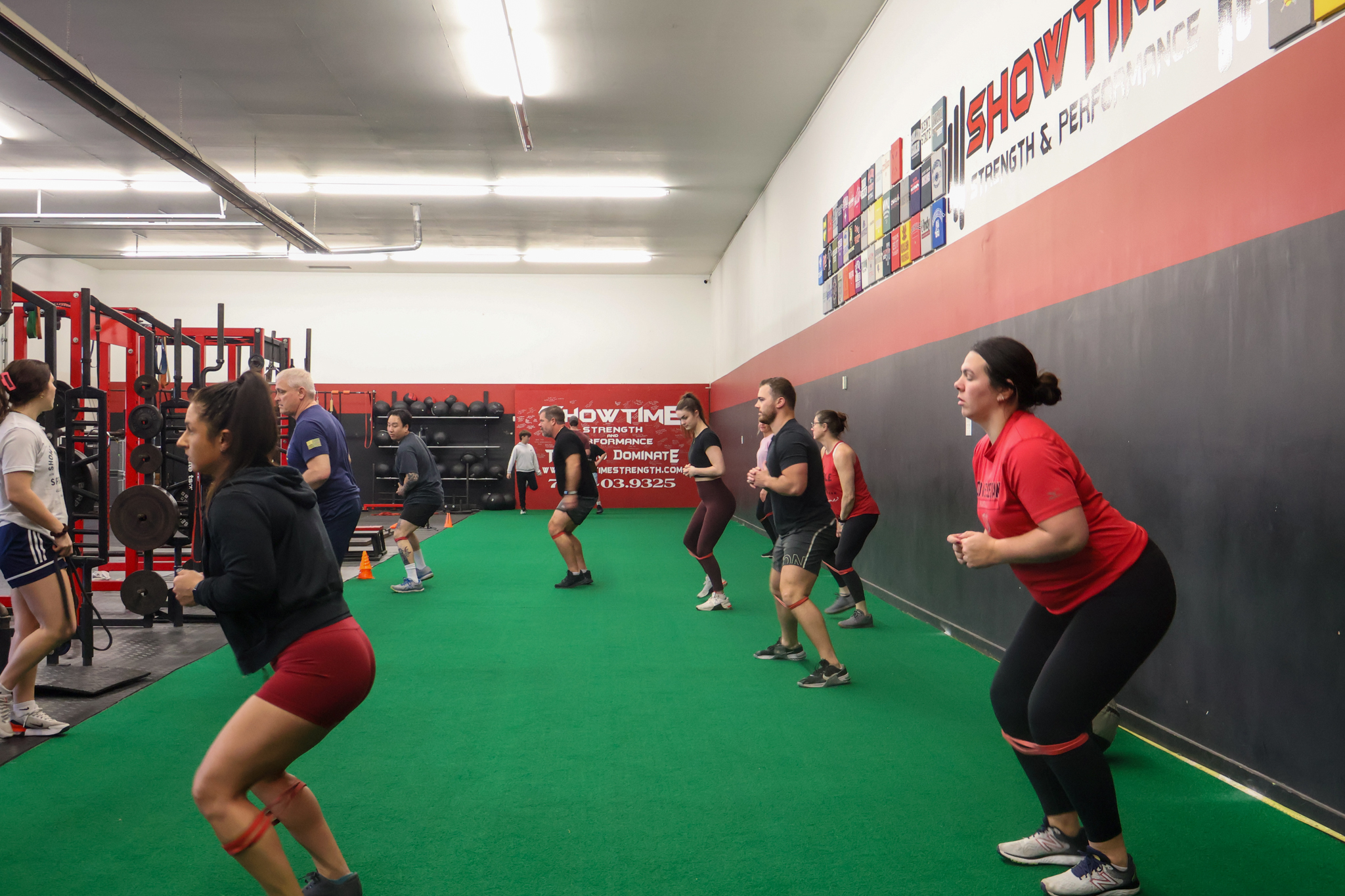
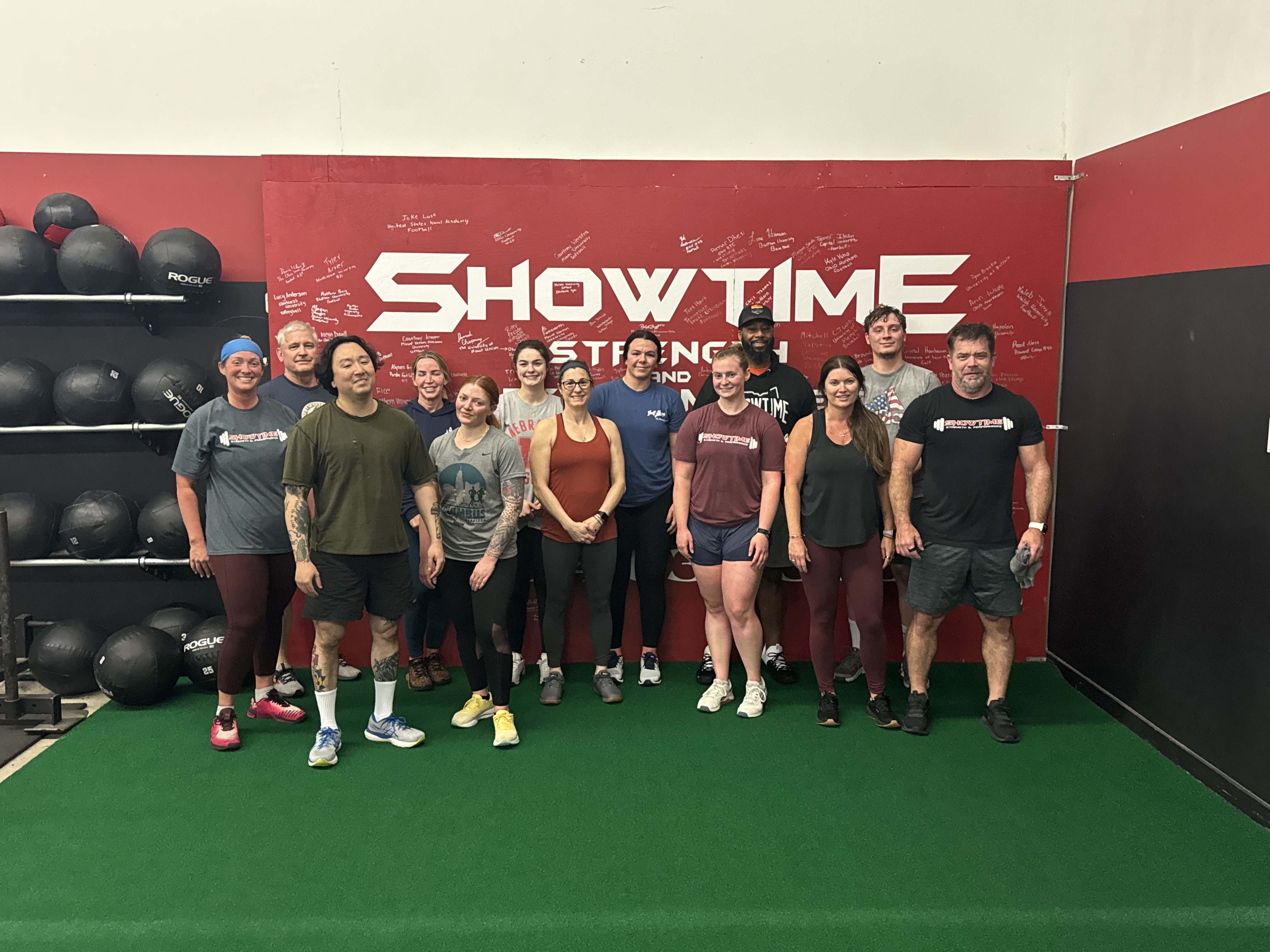
Social health and connections sometimes gets left behind in pursuit of weight loss because people feel like it’s easier to isolate and not be around temptations. This strategy can work, but if we achieve our physical health goals at the sacrifice of having people to enjoy our physical health with then we’ve missed the point. Joining a new social setting can be stimulating and make you a more interesting person. If you have a spouse or kids, maybe this is an opportunity to include them in the healthier habits you’ve developed like cooking or exercise. Without people to form close connections with, optimal health can’t exist.
The great news is we can always adjust our approach to match our goals depending on the season we’re in. If you have the same goals all the time, you probably haven’t been very dedicated to them so it might be time to adjust. The people we work with that have the most long term success have fallen in love with the process and just let the outcome be a by-product of their efforts.




.png)










%20copy.jpeg)






.jpeg)


%20copy%202.jpeg)


