Why Strength Training Is Safe for Kids (Backed by Research)
Lifting weights for kids is not only safe, but very beneficial
By
March 1, 2026
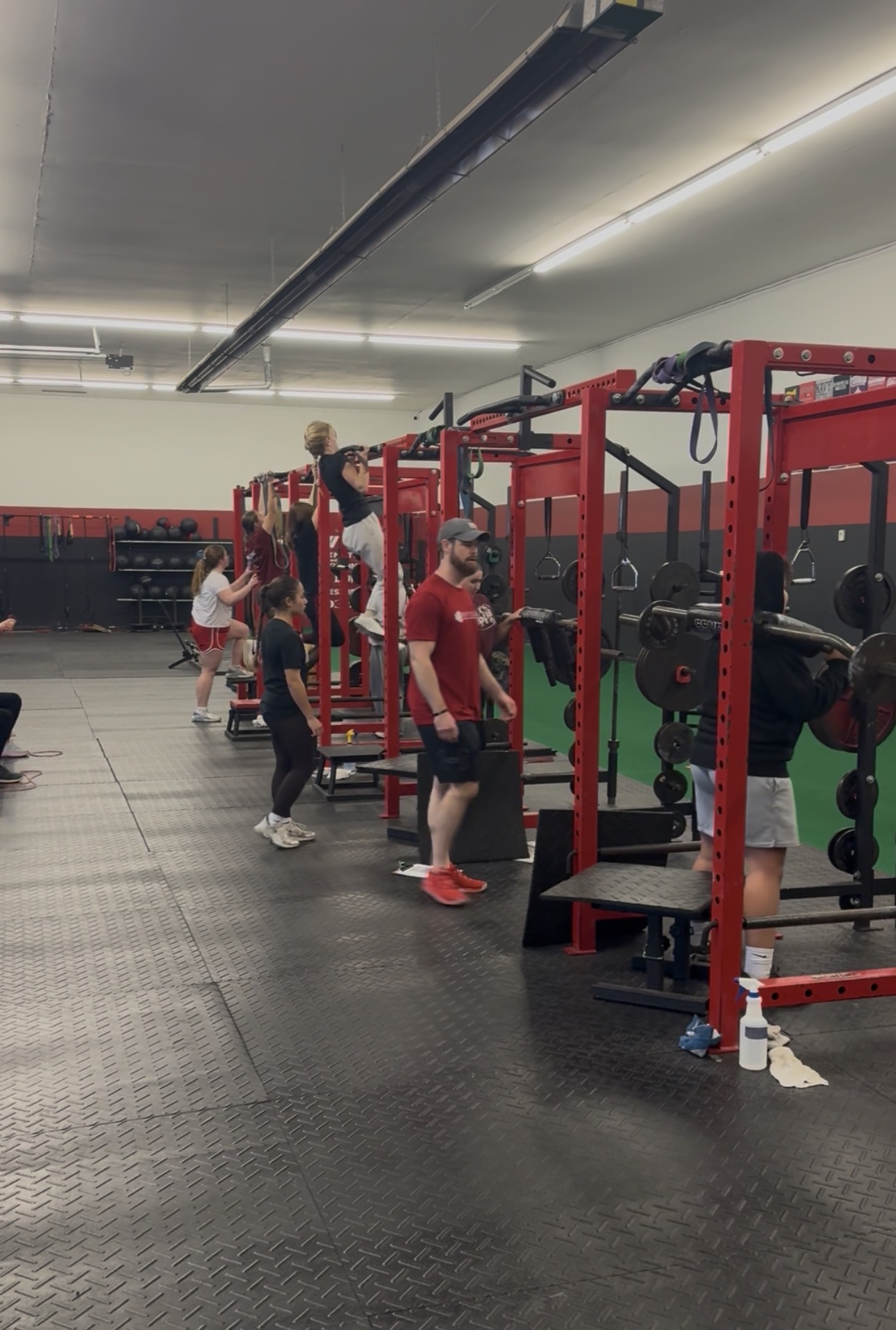

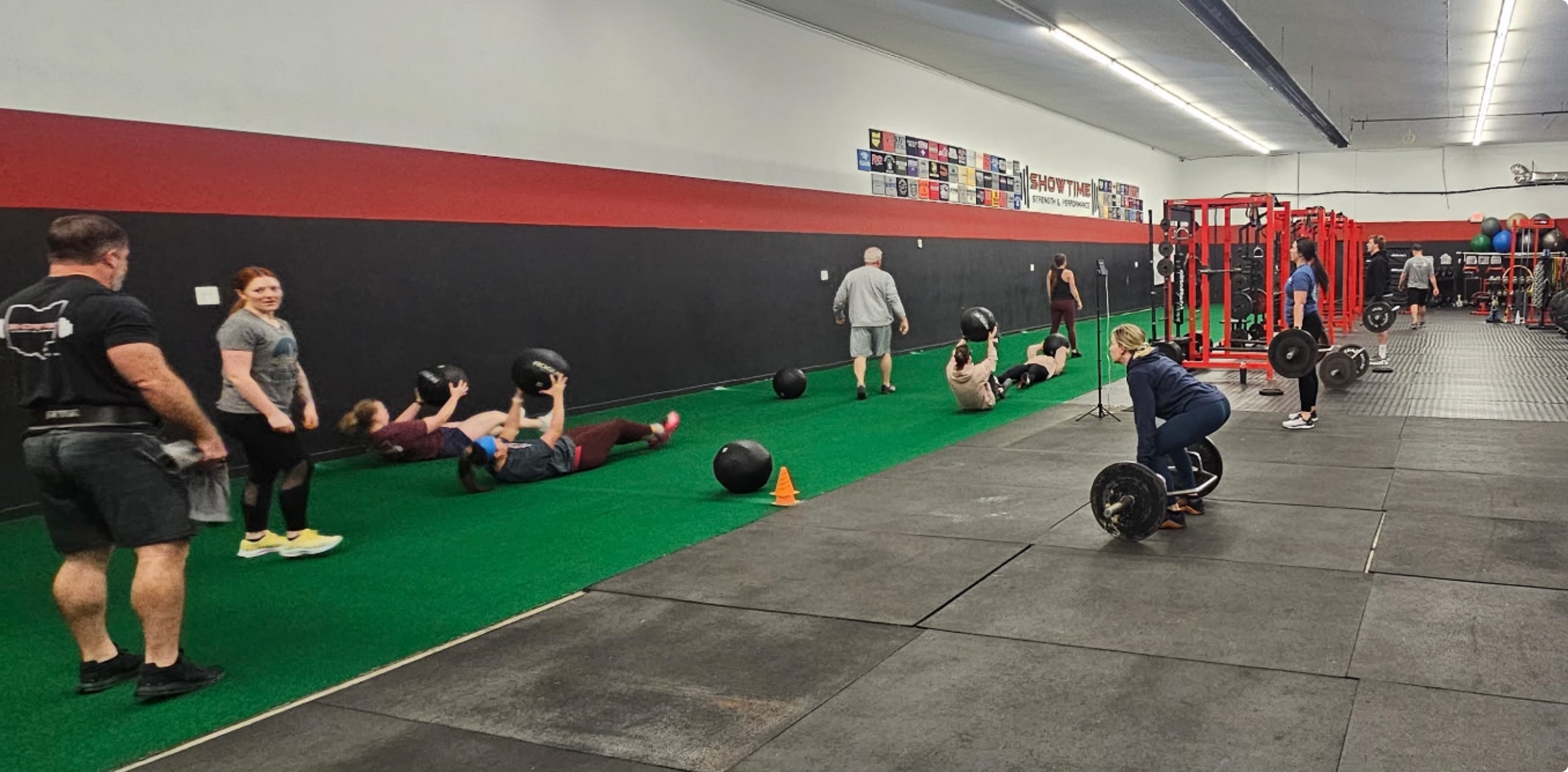
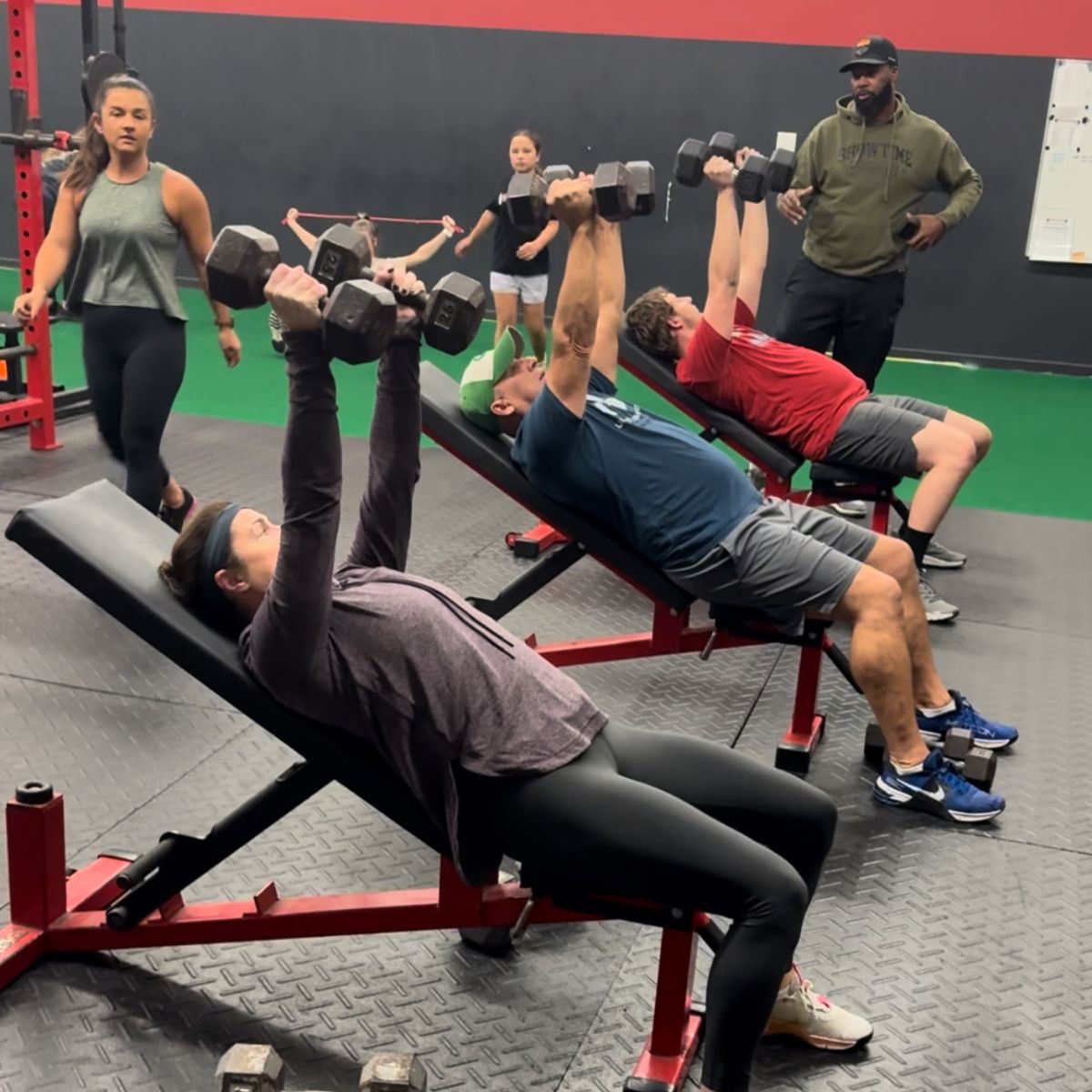
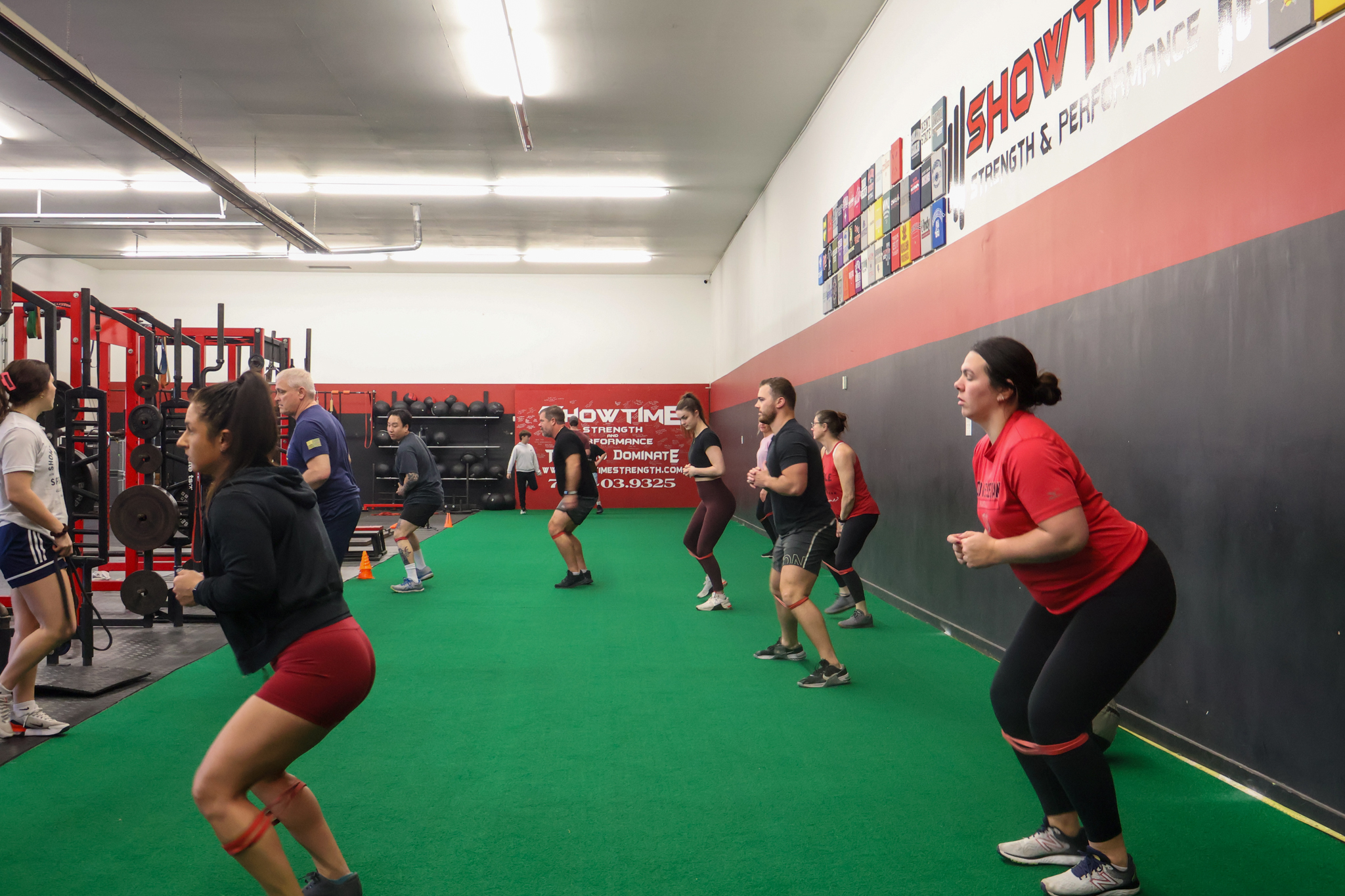
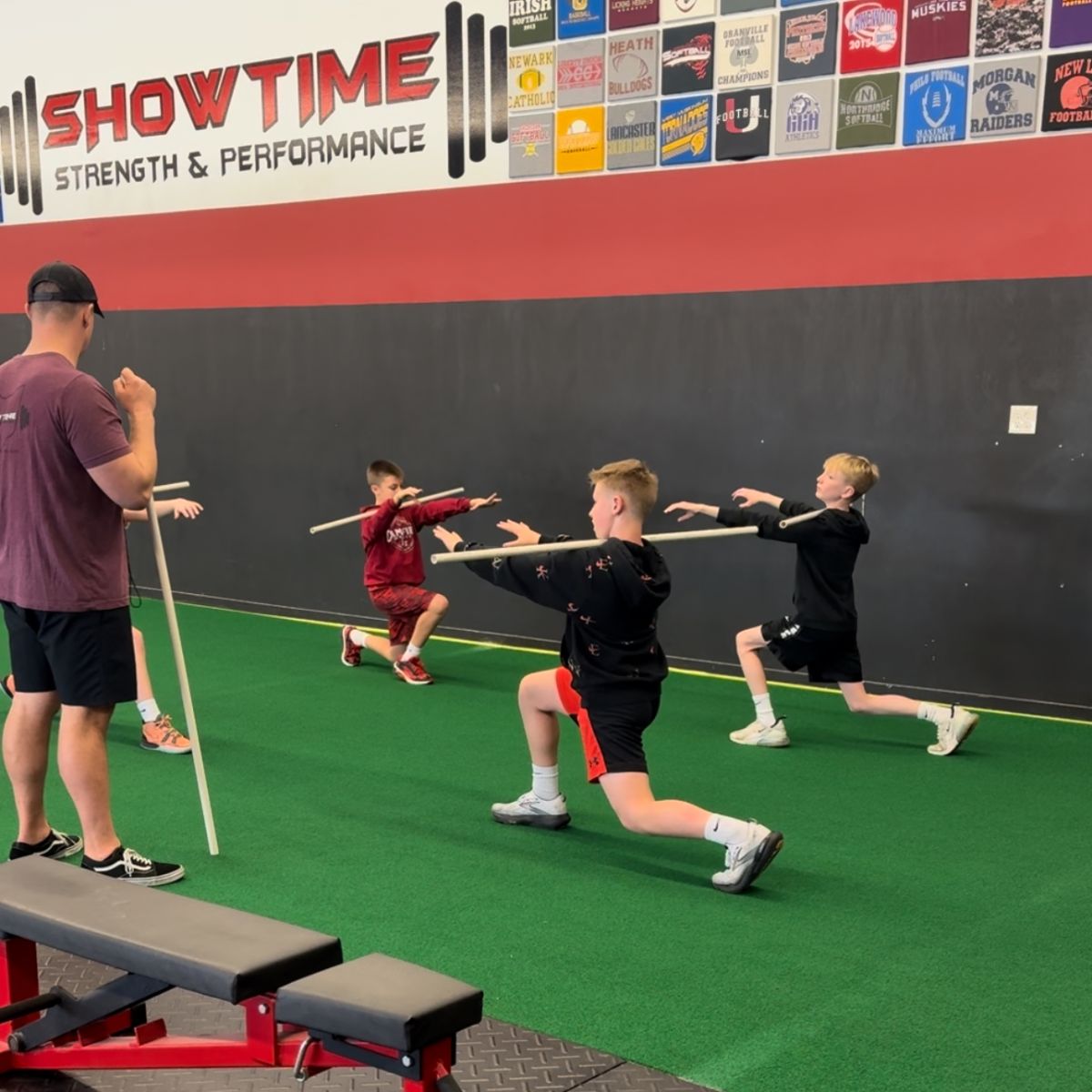
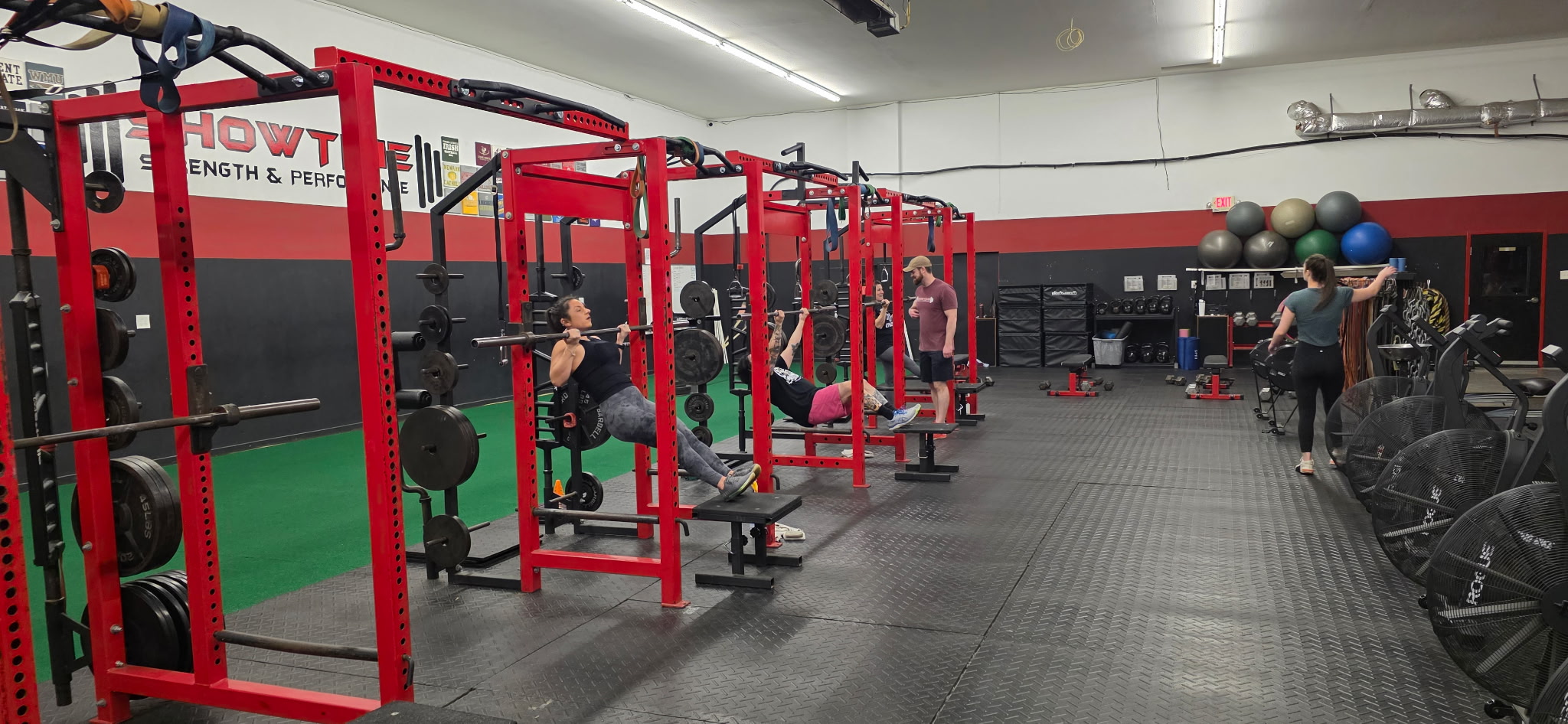
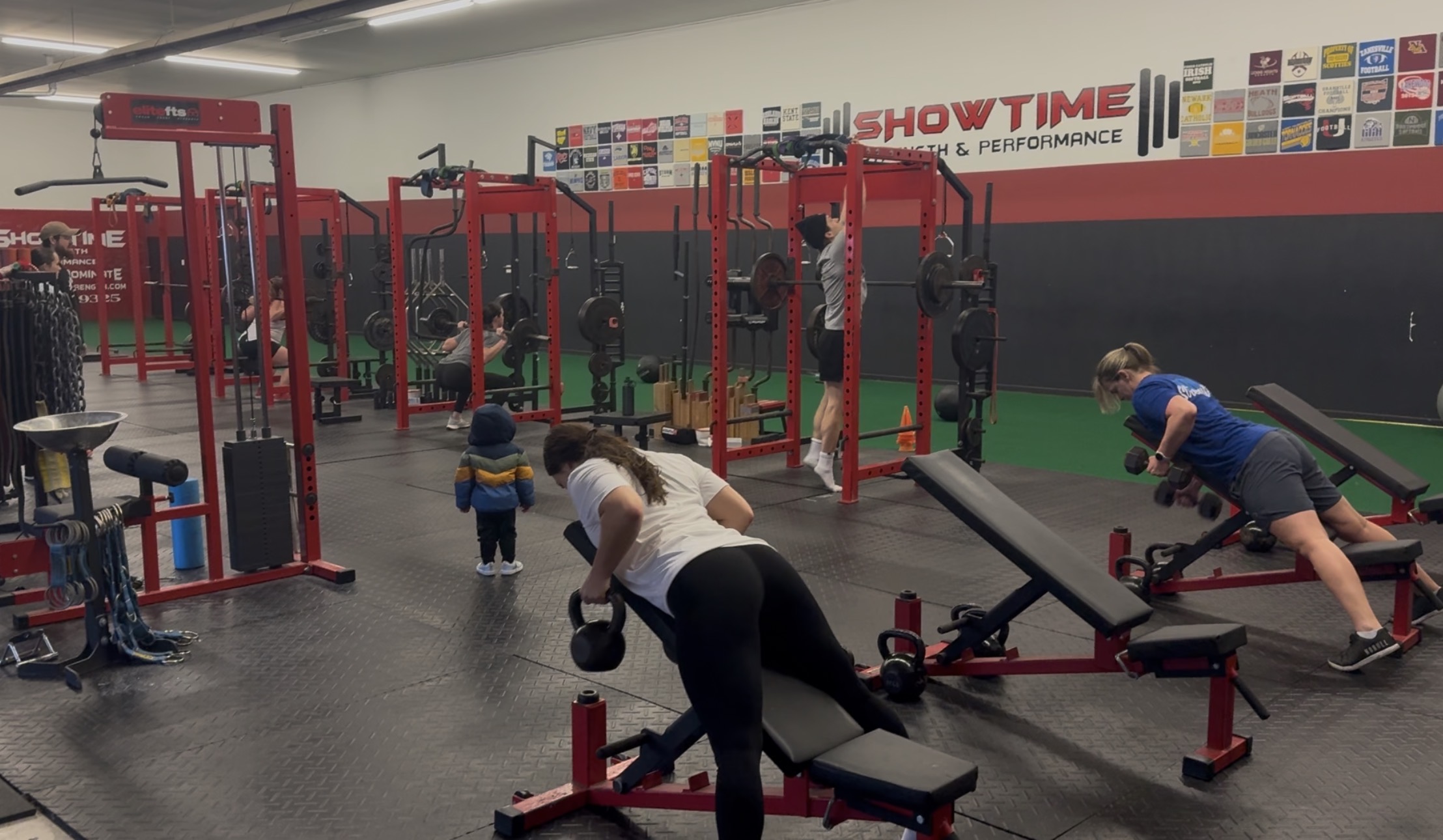
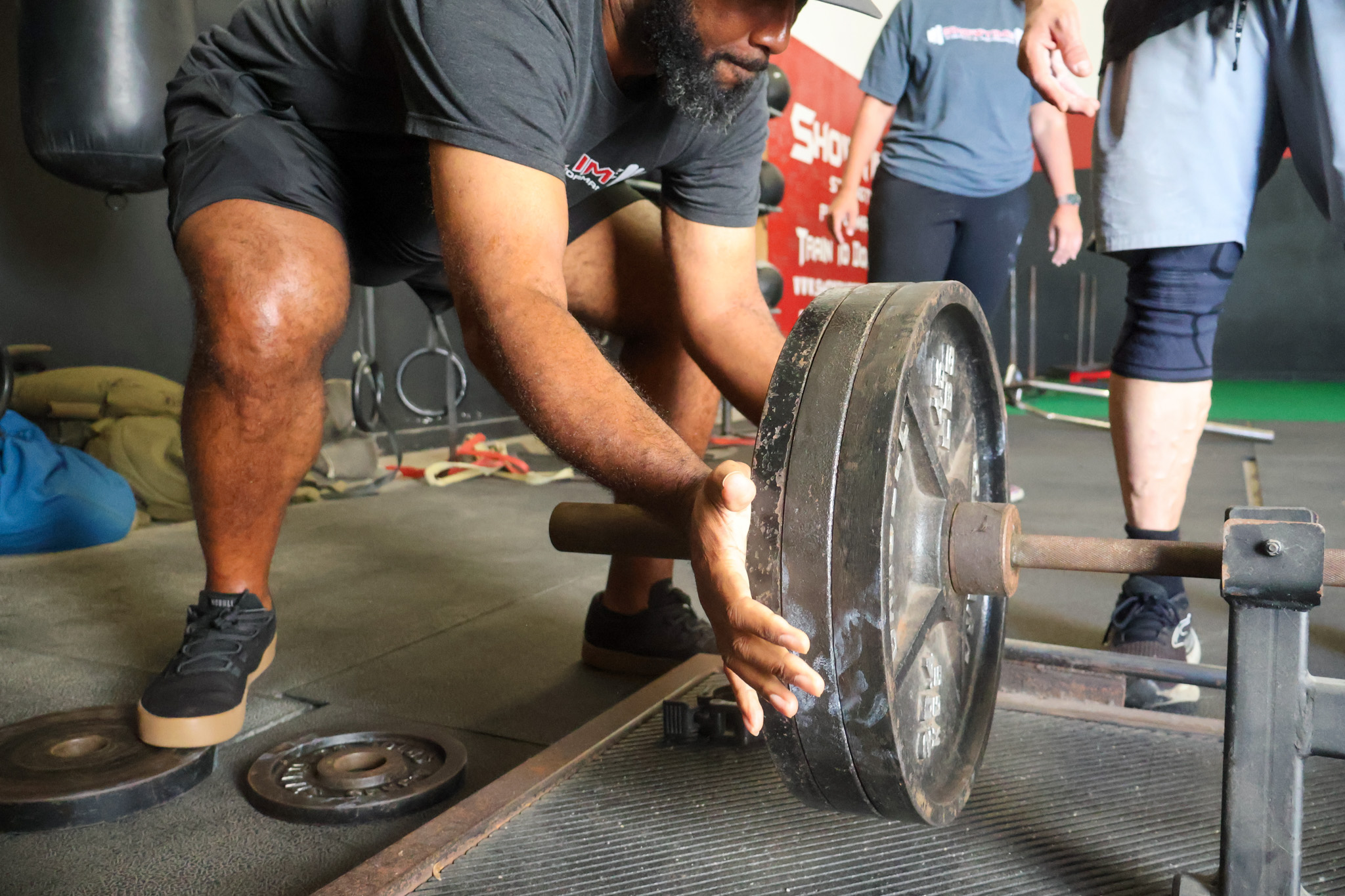
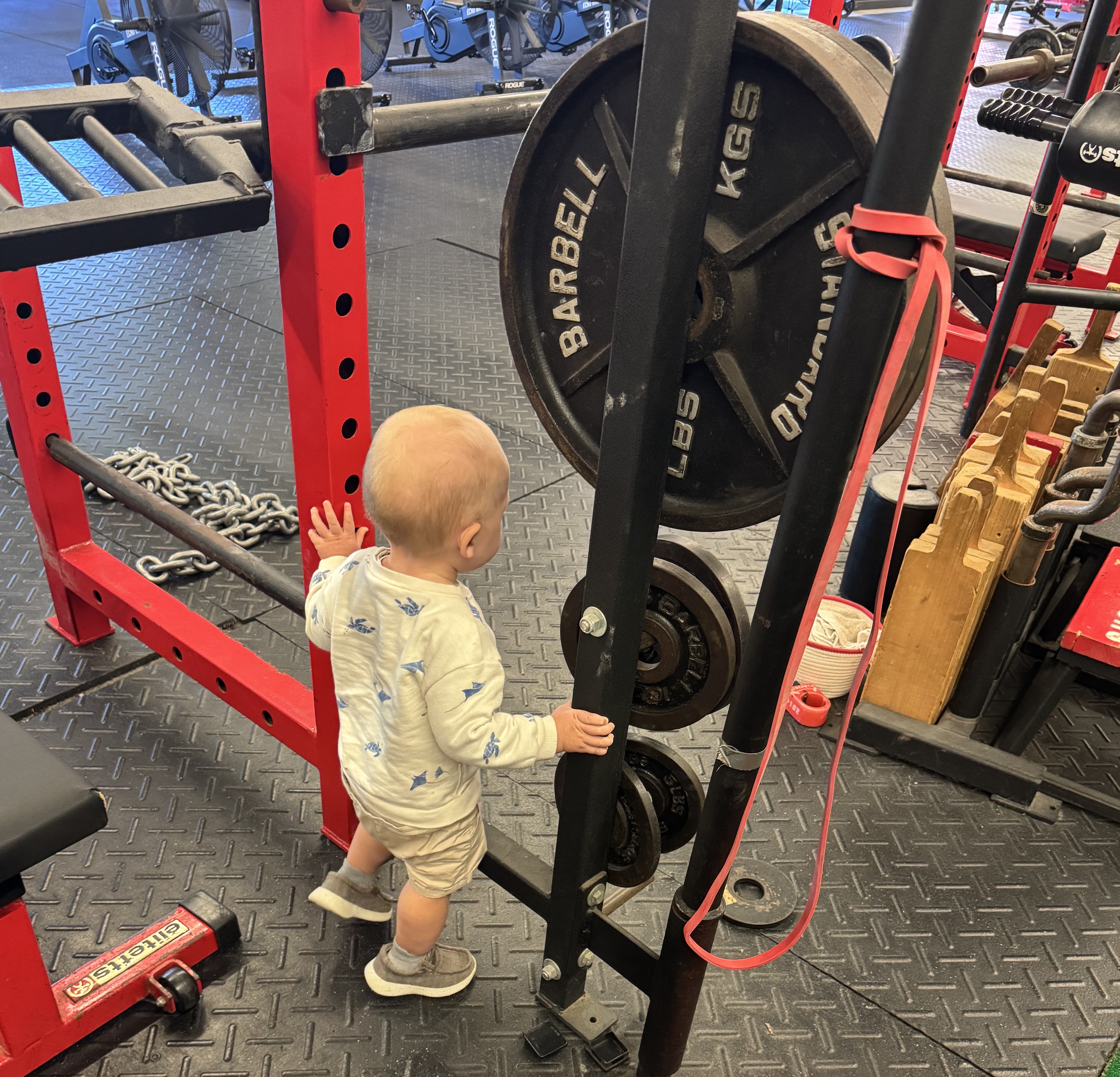
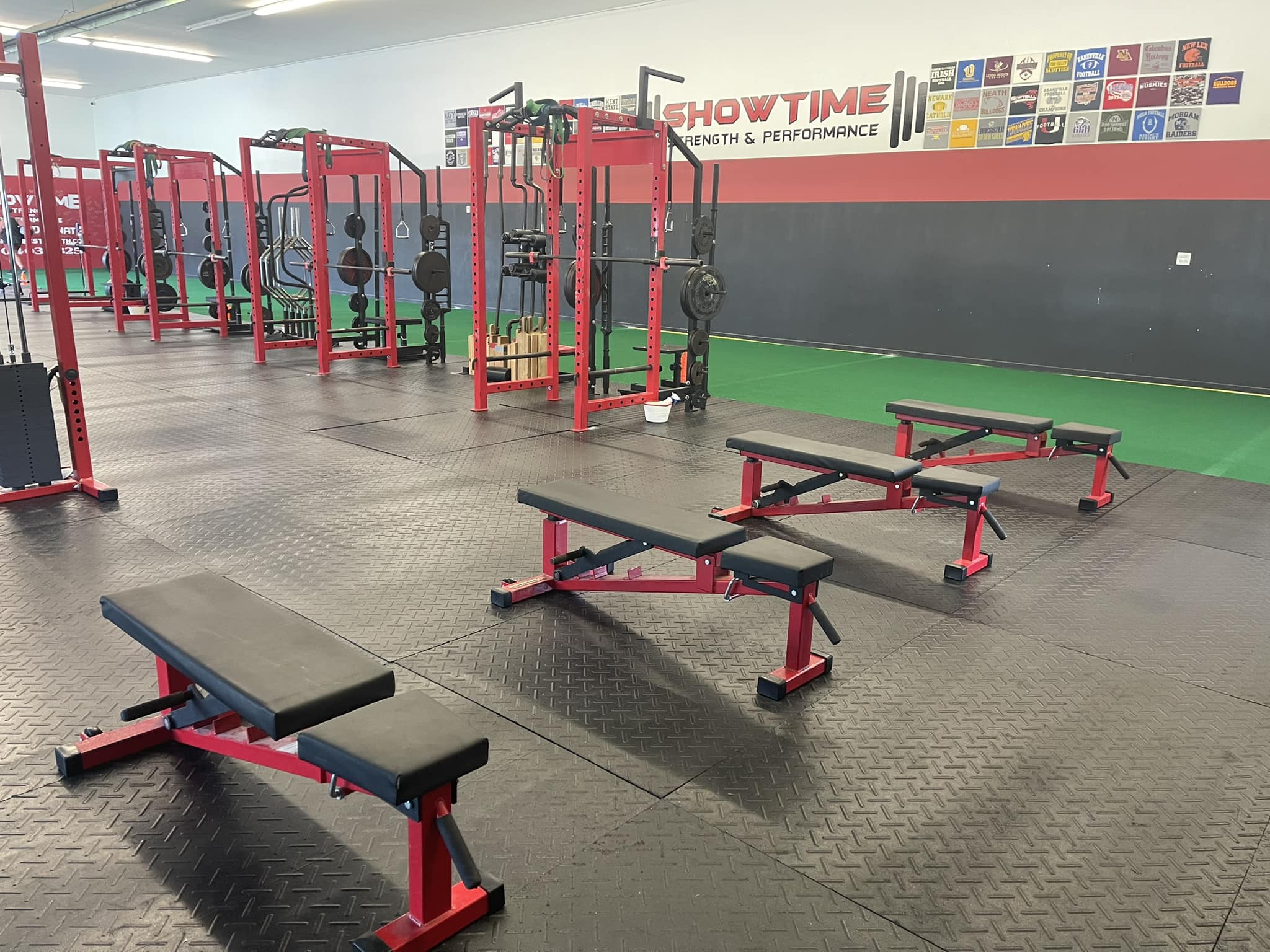
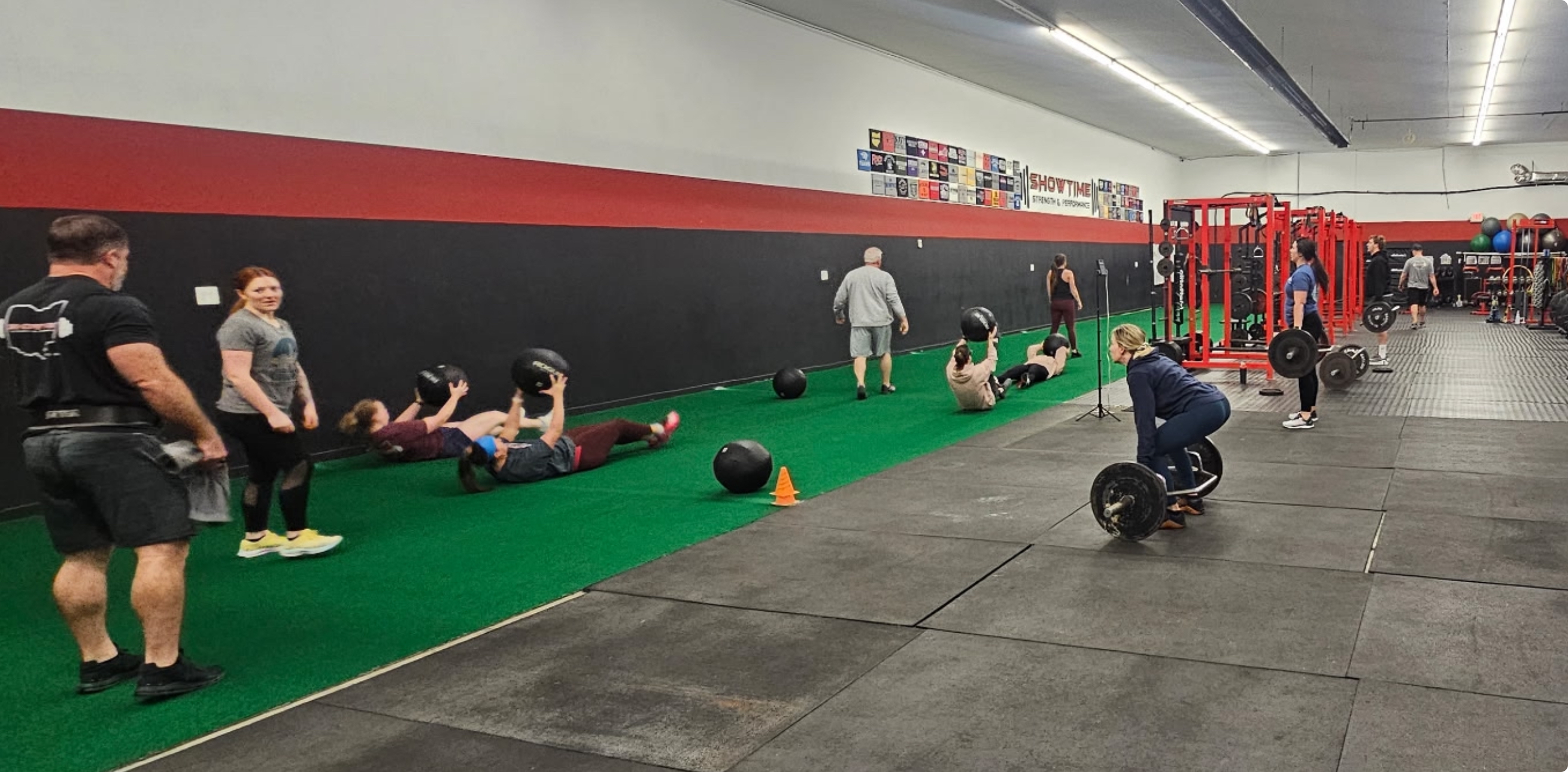
For years, parents were told that lifting weights would “stunt growth” or damage a child’s joints. That myth has stuck around far longer than the science supports. The reality? When properly coached and age-appropriate, strength training is not only safe for kids — it’s one of the most beneficial tools we have to build strong, confident, resilient athletes. At Showtime Strength & Performance, we treat youth training as skill development, not max-out sessions. The goal isn’t lifting heavy. The goal is building a foundation.
1. Research Shows Youth Strength Training Has a Low Injury Risk
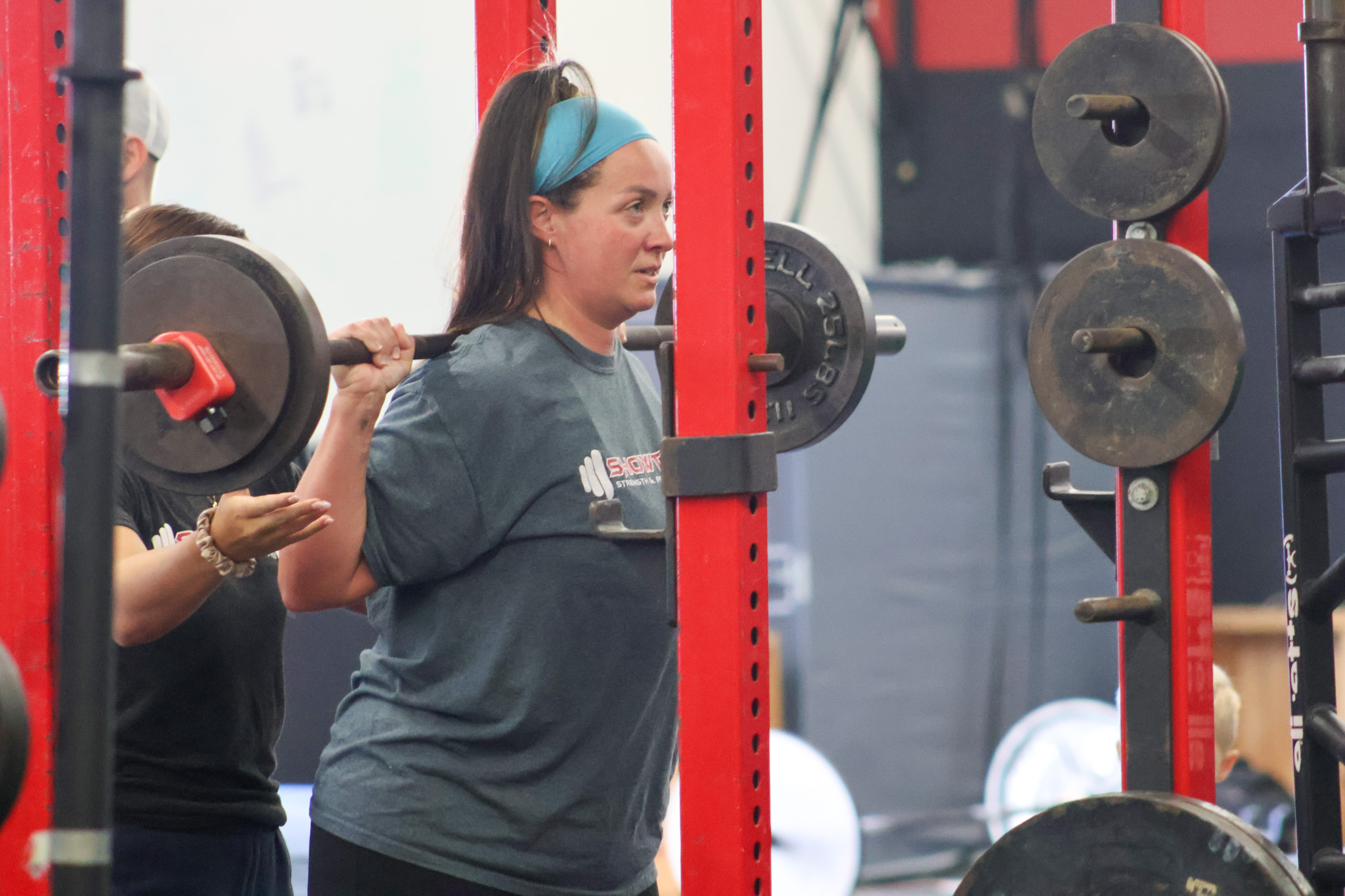
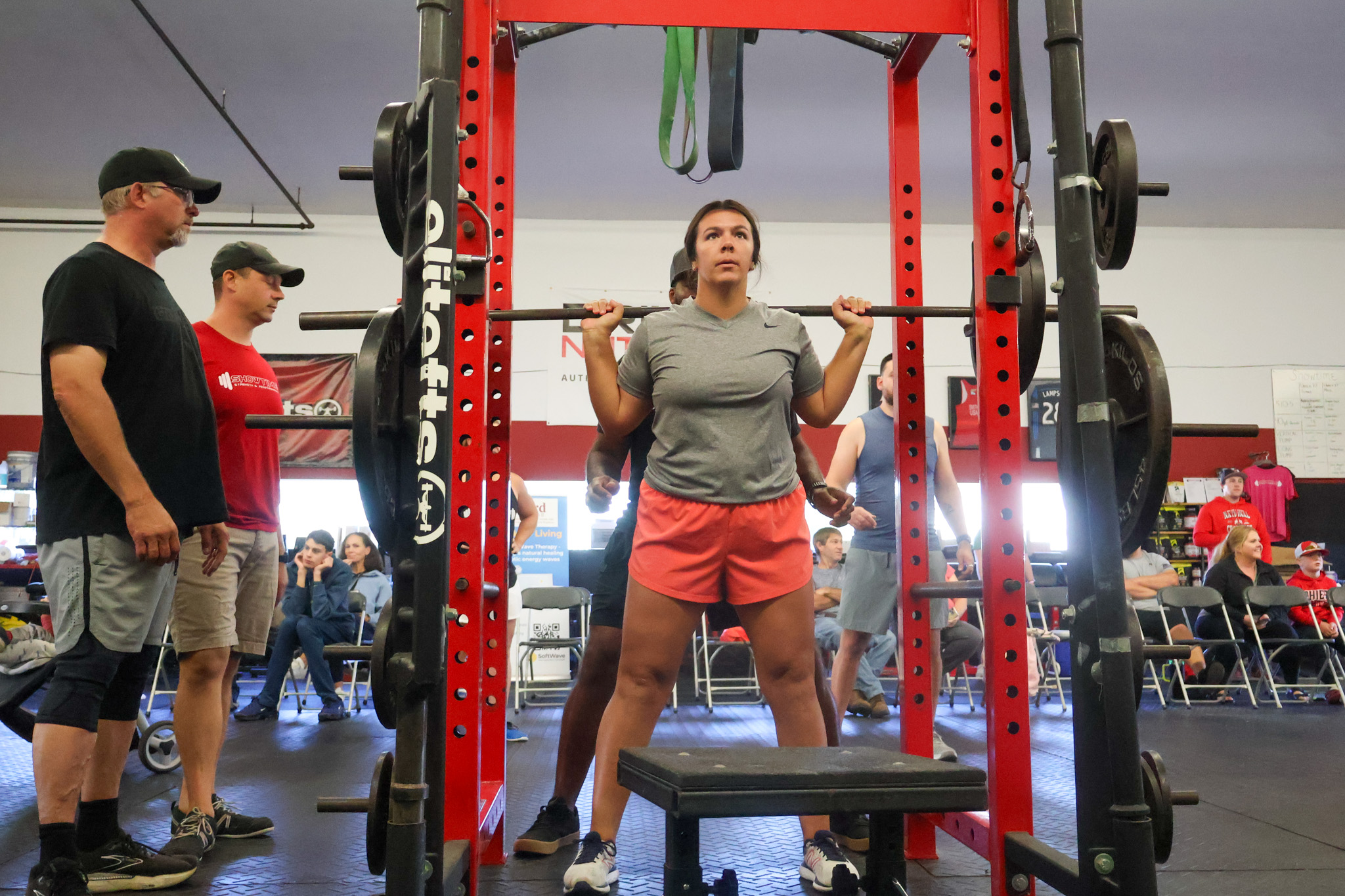
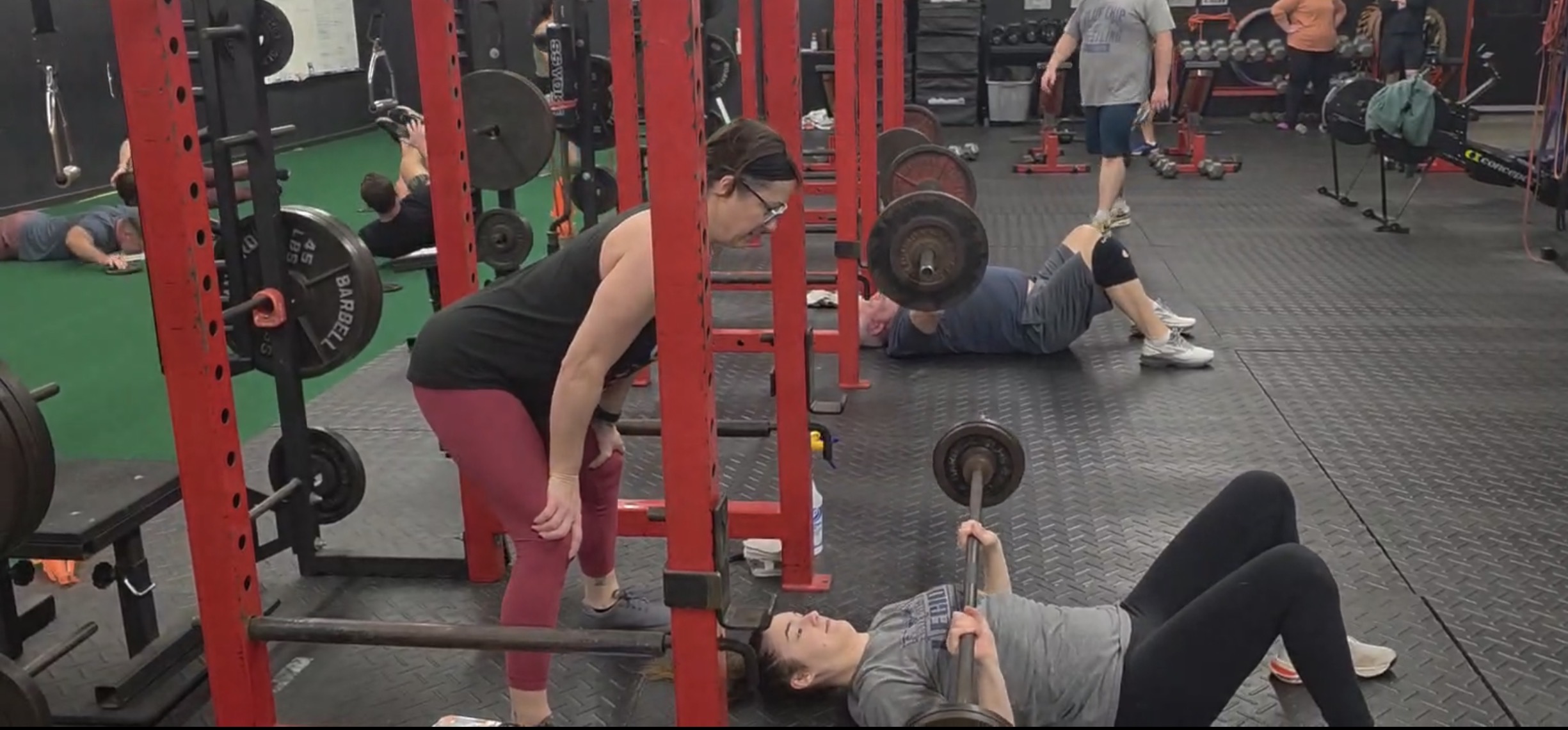
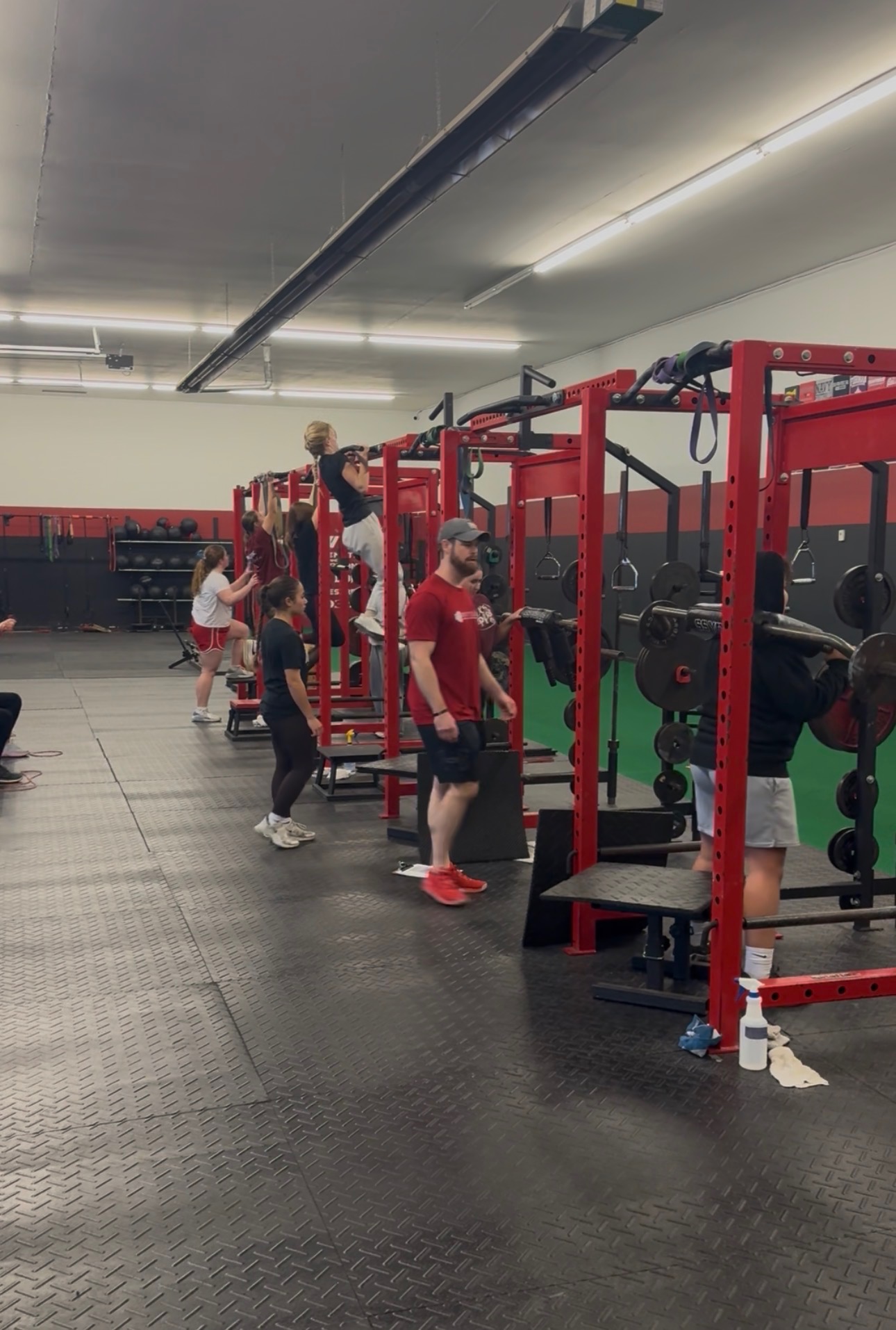
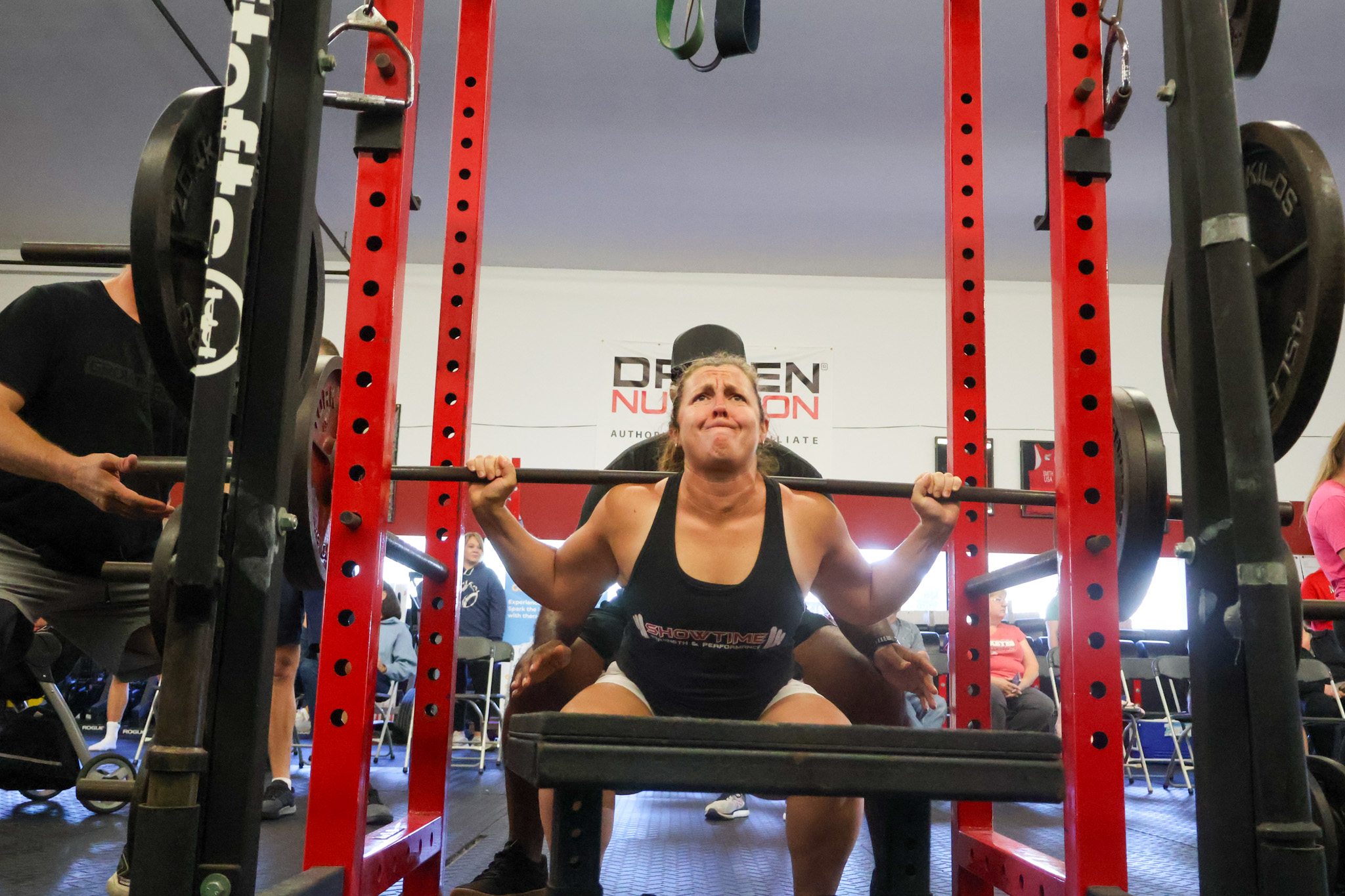
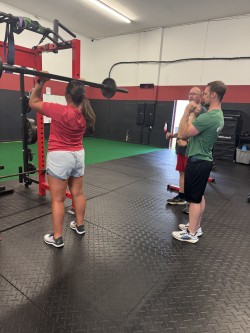
Position statements from organizations like the National Strength and Conditioning Association (NSCA) and American College Sports Medicine (ACSM) show that supervised youth resistance training programs have very low injury rates. Often lower than traditional youth sports like football or soccer. Most injuries historically associated with weight training occurred in unsupervised settings or from misuse of equipment, not from structured programs. When strength training is supervised, technique-driven, and progressive, it becomes one of the safest physical activities a child can participate in. The key variable isn’t age , but it’s coaching quality and program design.
2. Strength Training Improves Bone Density and Musculoskeletal Health
Youth and adolescence are prime windows for building bone mass. Research published in journals such as the American Academy of Pediatrics supports resistance training as a way to enhance bone mineral density and strengthen connective tissue during growth years. That matters because stronger bones, tendons, and ligaments reduce the likelihood of fractures and overuse injuries later in sport. Rather than harming growth plates, appropriately loaded resistance training actually stimulates healthy development. In other words, strength training builds the armor young athletes need for the demands of competition.
3. Strength Training Enhances Movement Quality and Injury Prevention
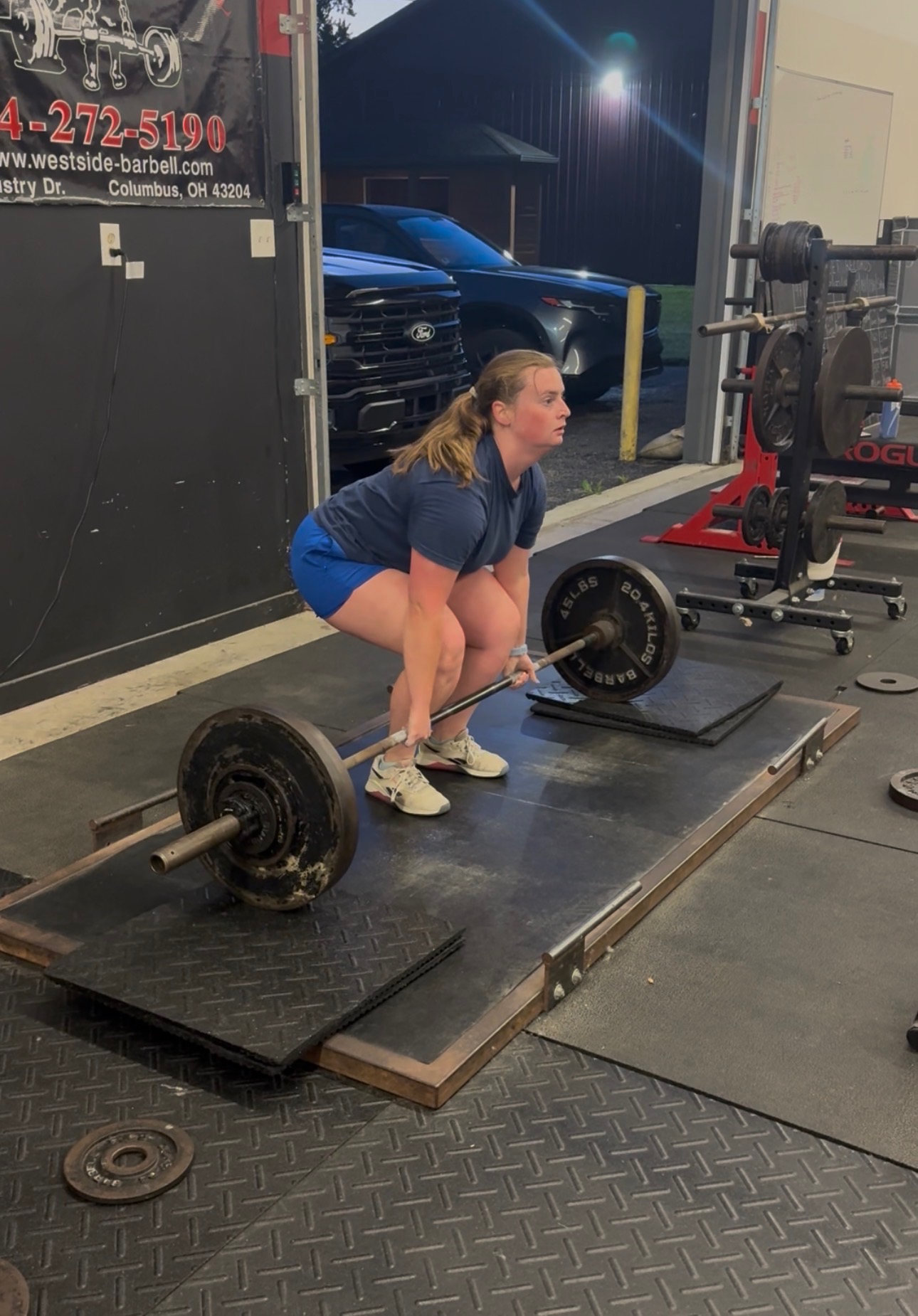
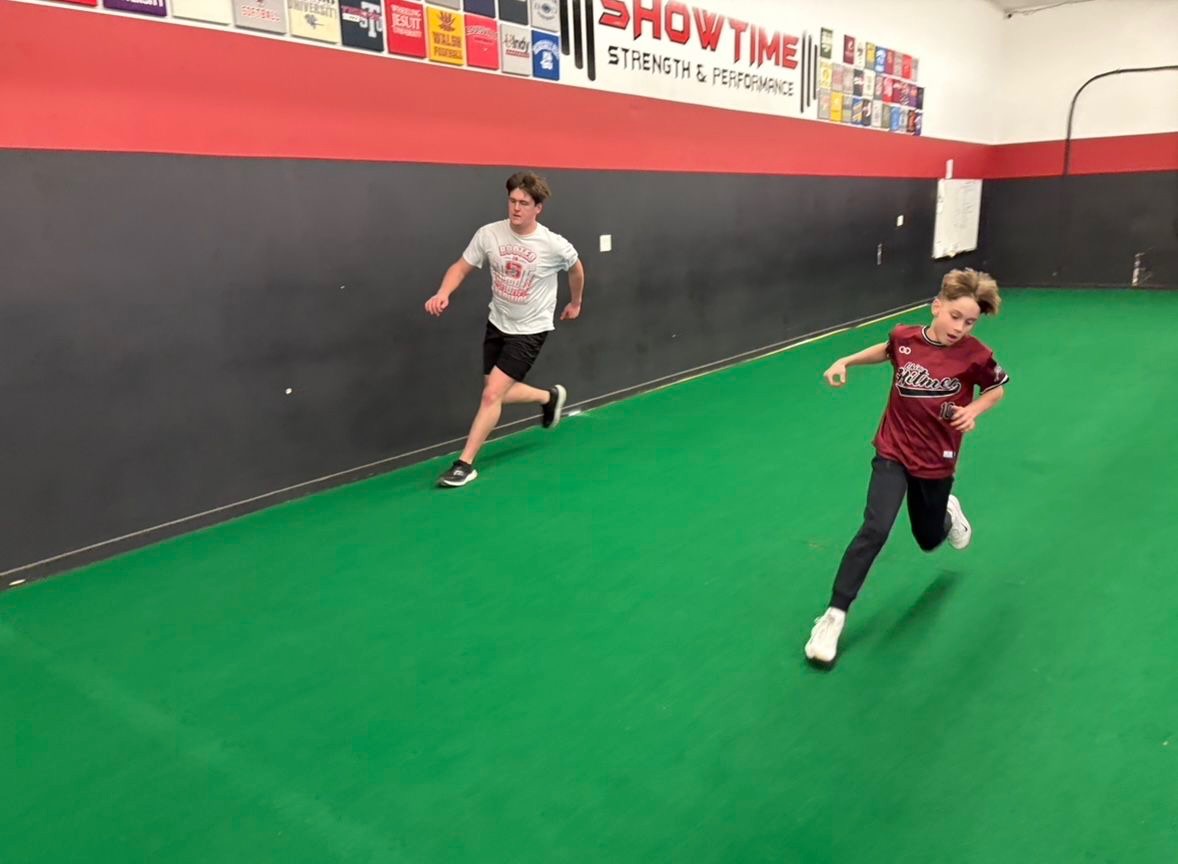
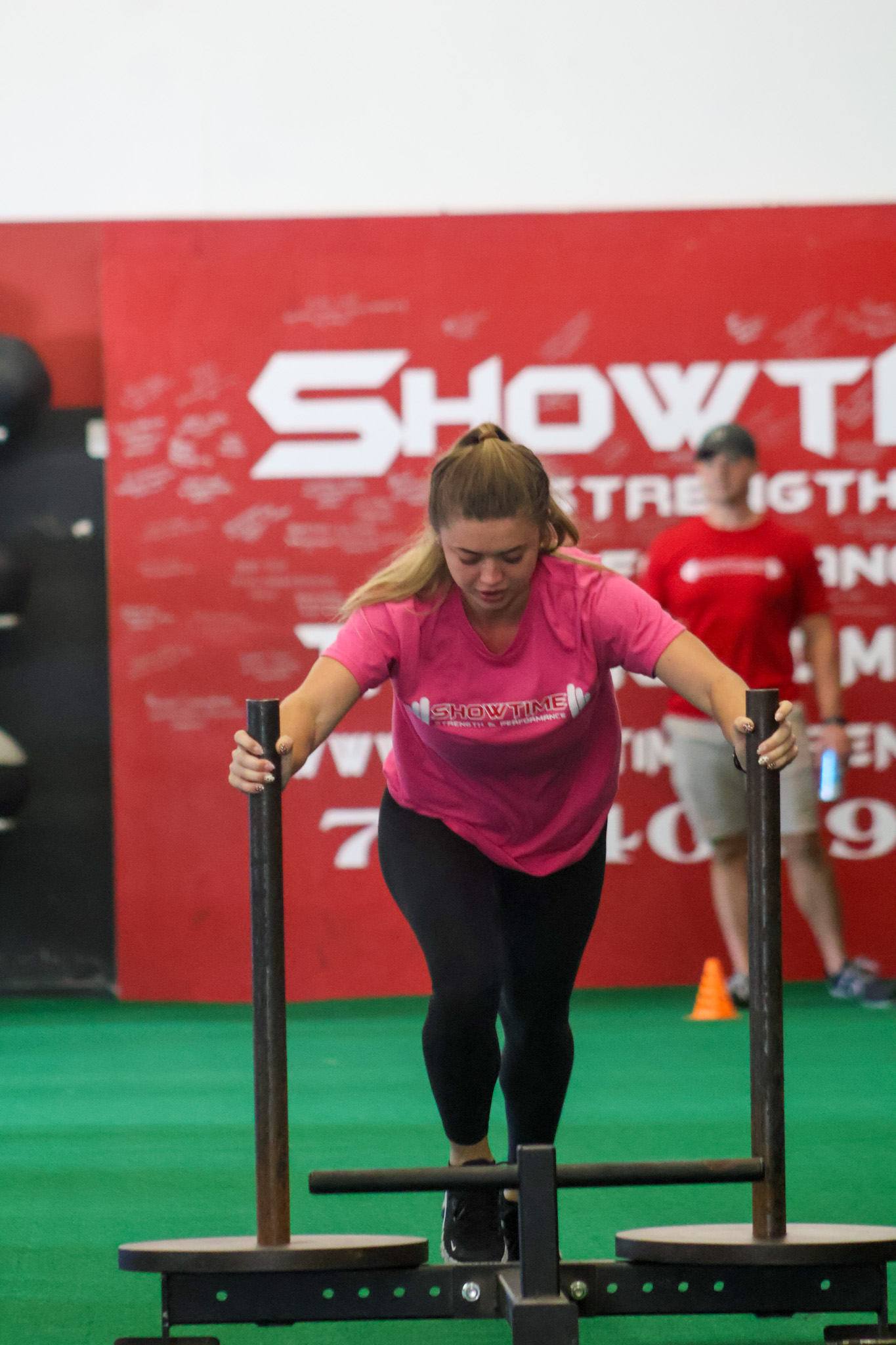
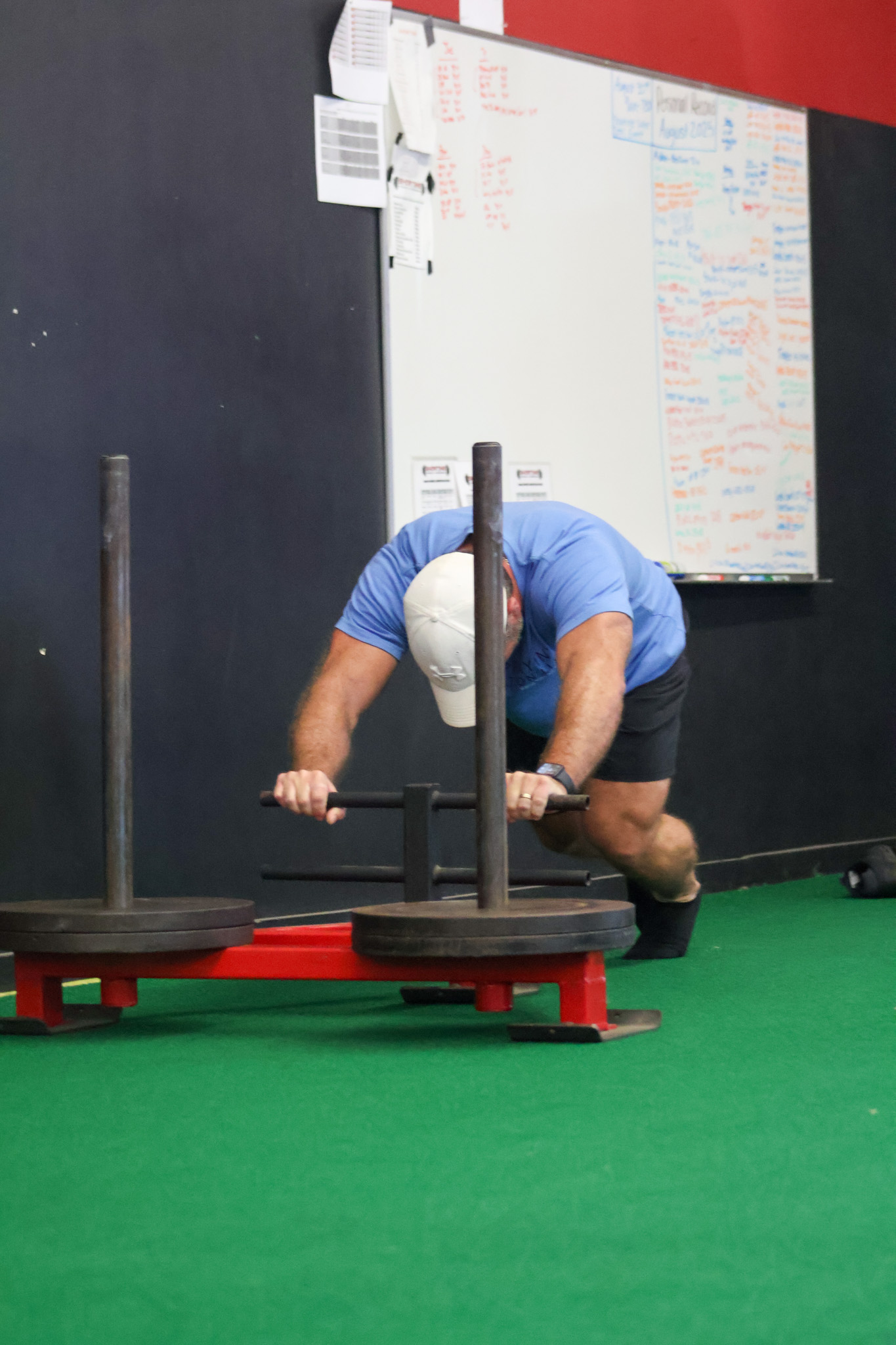
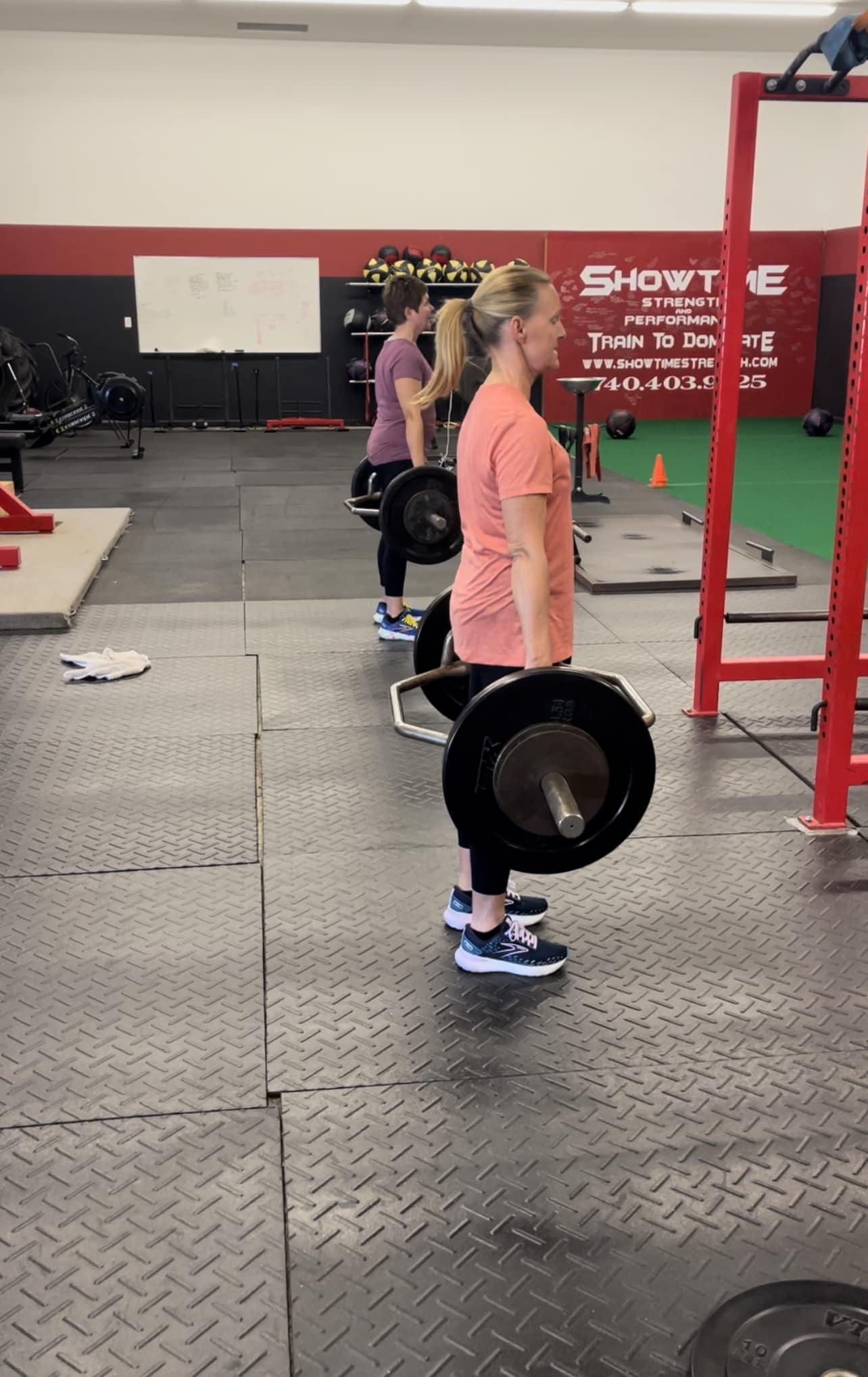
Many youth injuries stem from poor mechanics such as landing with knees collapsing inward, lacking core control, or not being able to decelerate properly. Strength training teaches foundational movement patterns like squatting, hinging, pushing, pulling, bracing, and sprinting. When kids learn how to control their bodies, they move more efficiently. Better movement equals better performance and fewer preventable injuries. Strength training isn’t just about muscles; it’s about coordination, balance, and control.
Tactical Action Steps for Parents
Conclusion The myth that strength training is unsafe for kids has been replaced by decades of evidence showing the opposite. When coached correctly, it builds stronger bones, healthier joints, better coordination, and more resilient athletes. At Showtime Strength & Performance, we don’t rush the process because we teach it. Because the goal isn’t just to make stronger athletes today. It’s to build confident, capable movers for life.









.png)













%20copy.jpeg)








.jpeg)


%20copy%202.jpeg)


