GLP-1 Medications Are a Powerful Tool, Not a Standalone Solution
How to maximize GLP-1 medications
By
January 10, 2026
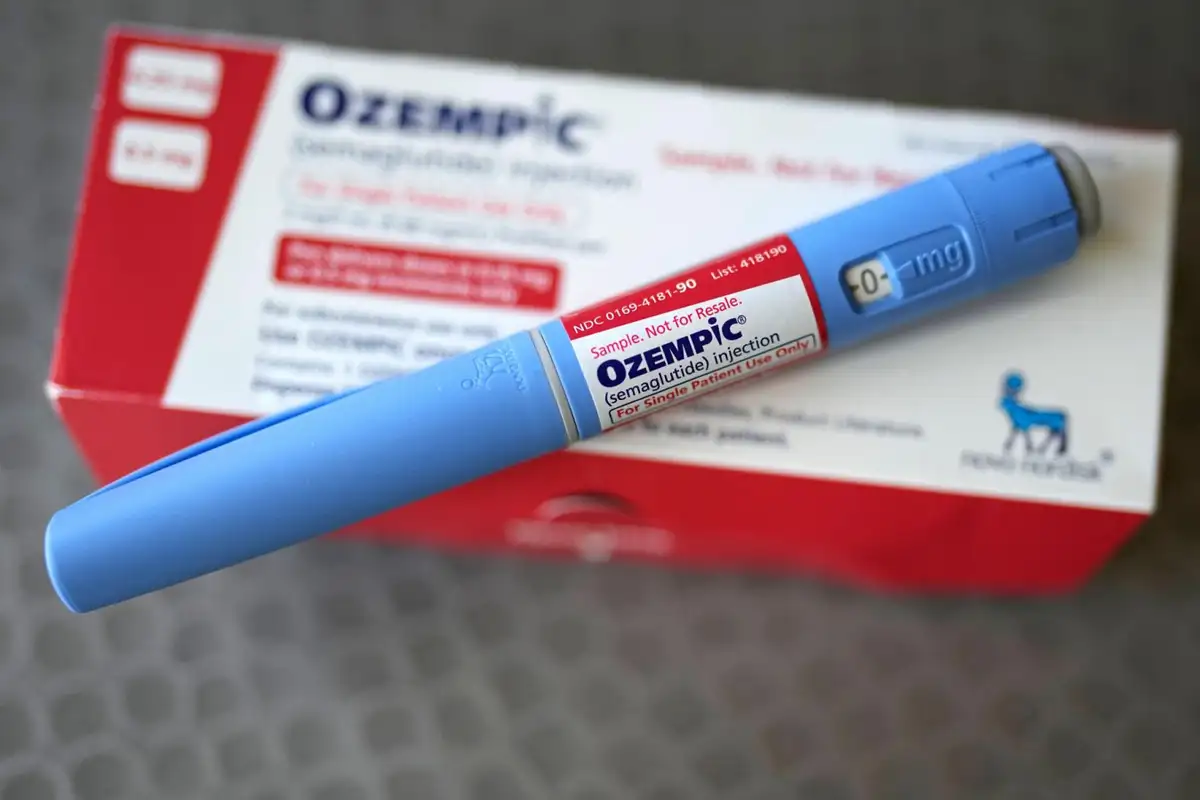
A major new analysis published in the British Medical Journal shows that many people who stop taking weight-loss medications including GLP-1 receptor agonists like Wegovy, Ozempic, Zepbound, and Mounjaro — tend to regain most or all of the weight they lost within about 18 months to two years after stopping treatment. The review, which included 37 studies and over 9,300 participants, found that weight tends to return at a fairly steady rate once medication stops. In addition to the weight gain, other health risk factors like blood pressure and lipid profiles returned to pre medication status. This news has sparked a lot of headlines saying “weight returns fast,” “benefits vanish after quitting,” and more — but there’s a deeper and more constructive story here about how medication can support transformations, when paired with the right lifestyle habits.
GLP-1 Medications: How They Help
First, it’s important to understand what these medications actually do:
In other words, these medications remove major biological barriers to weight loss that a lot of people struggle with, especially the hunger and cravings that derail so many diet plans. What the new research highlighted is that once the medication is stopped, the weight regulation doesn’t magically fix itself. Your body still has metabolic and hormonal mechanisms that want to restore lost weight. That’s not a medicine failure, it’s a reflection of how chronic and complex obesity and weight regulation really are.
Medications Work Best With Lifestyle Changes
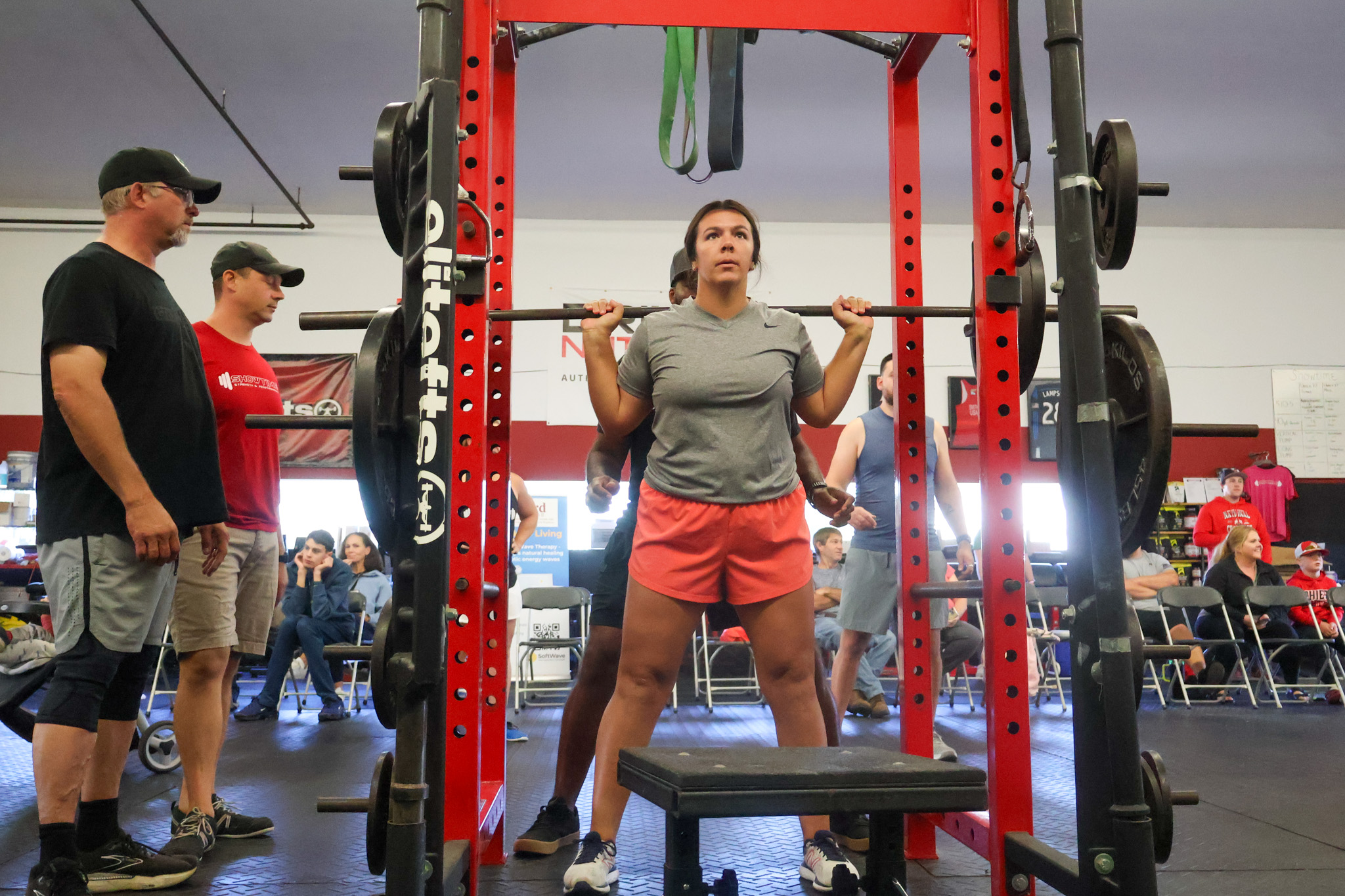
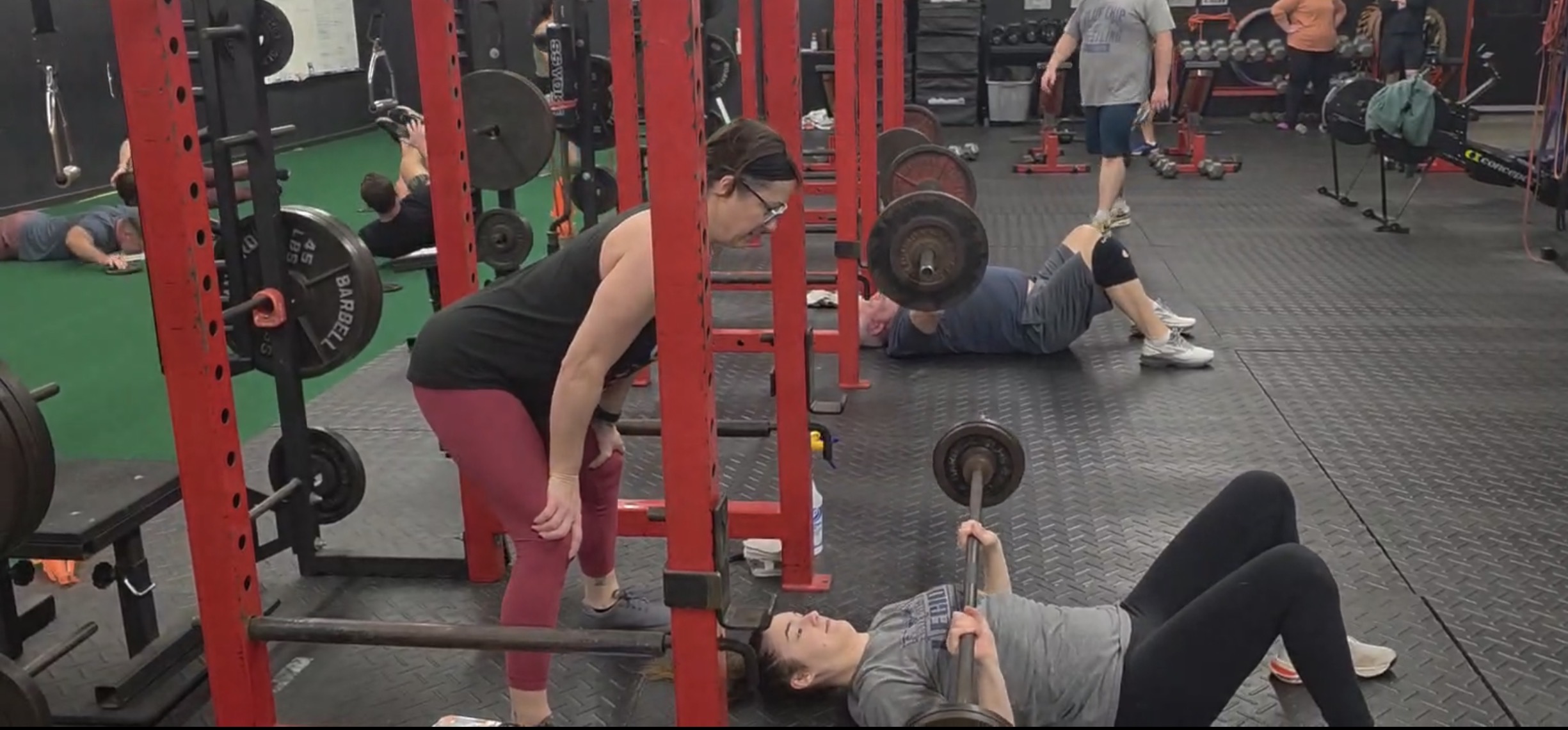
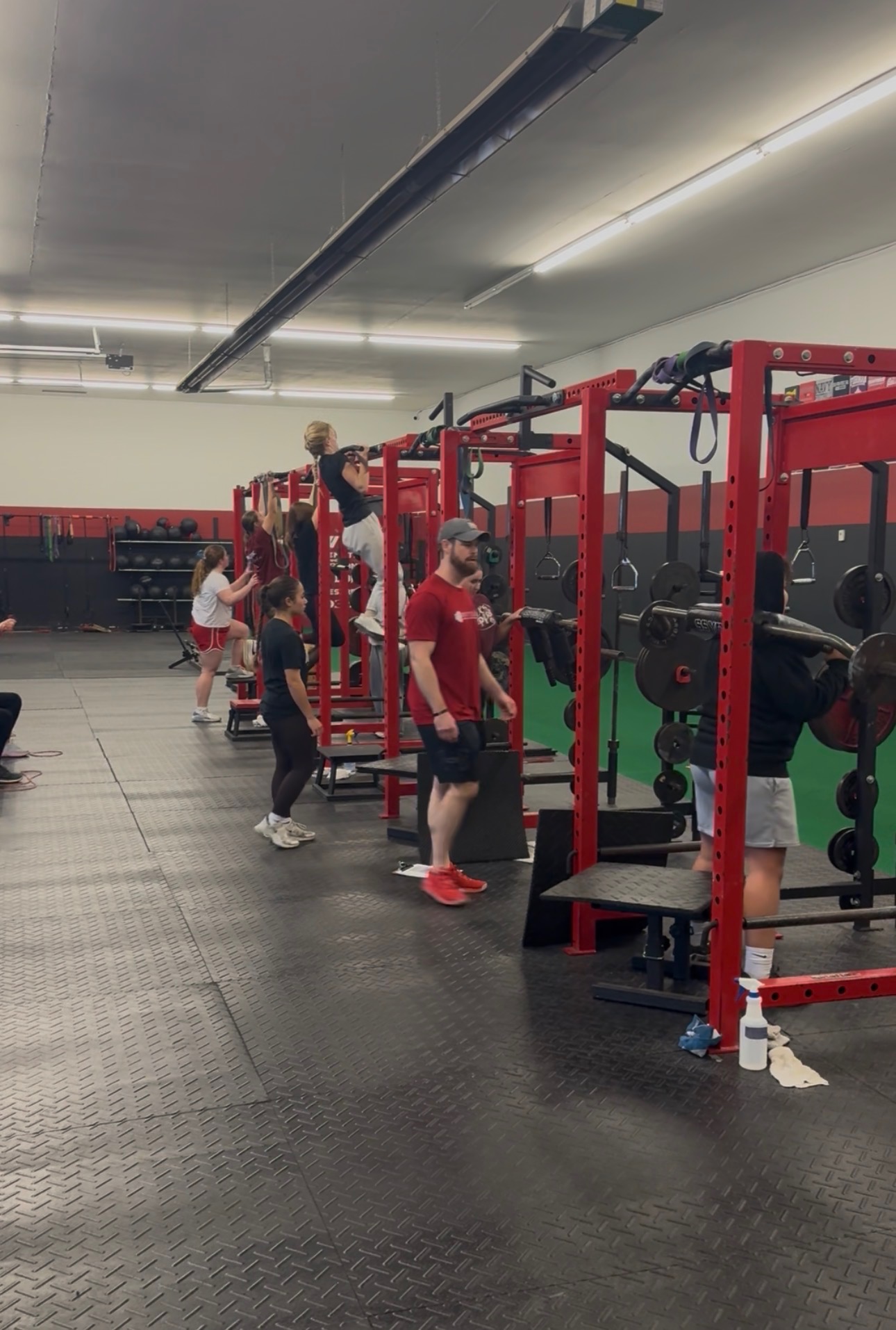
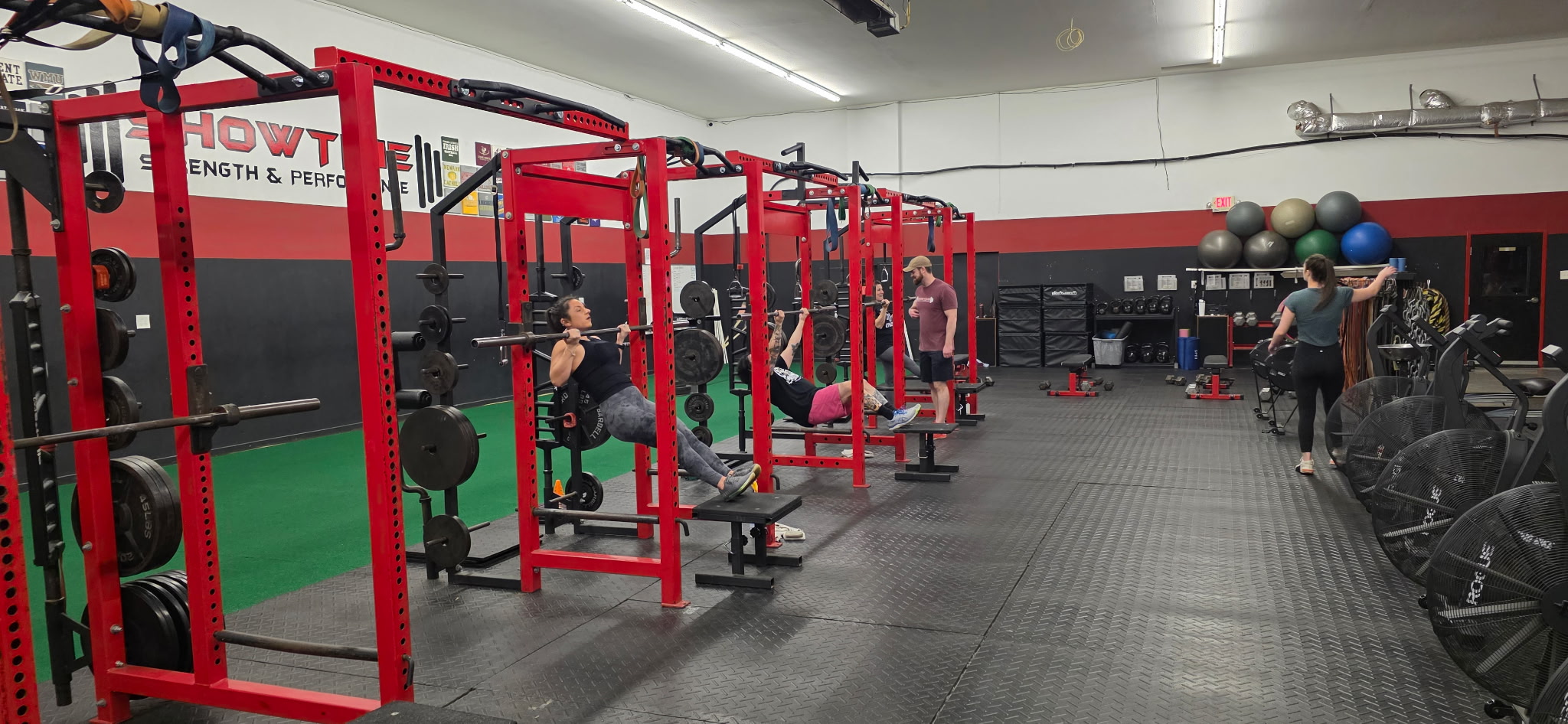
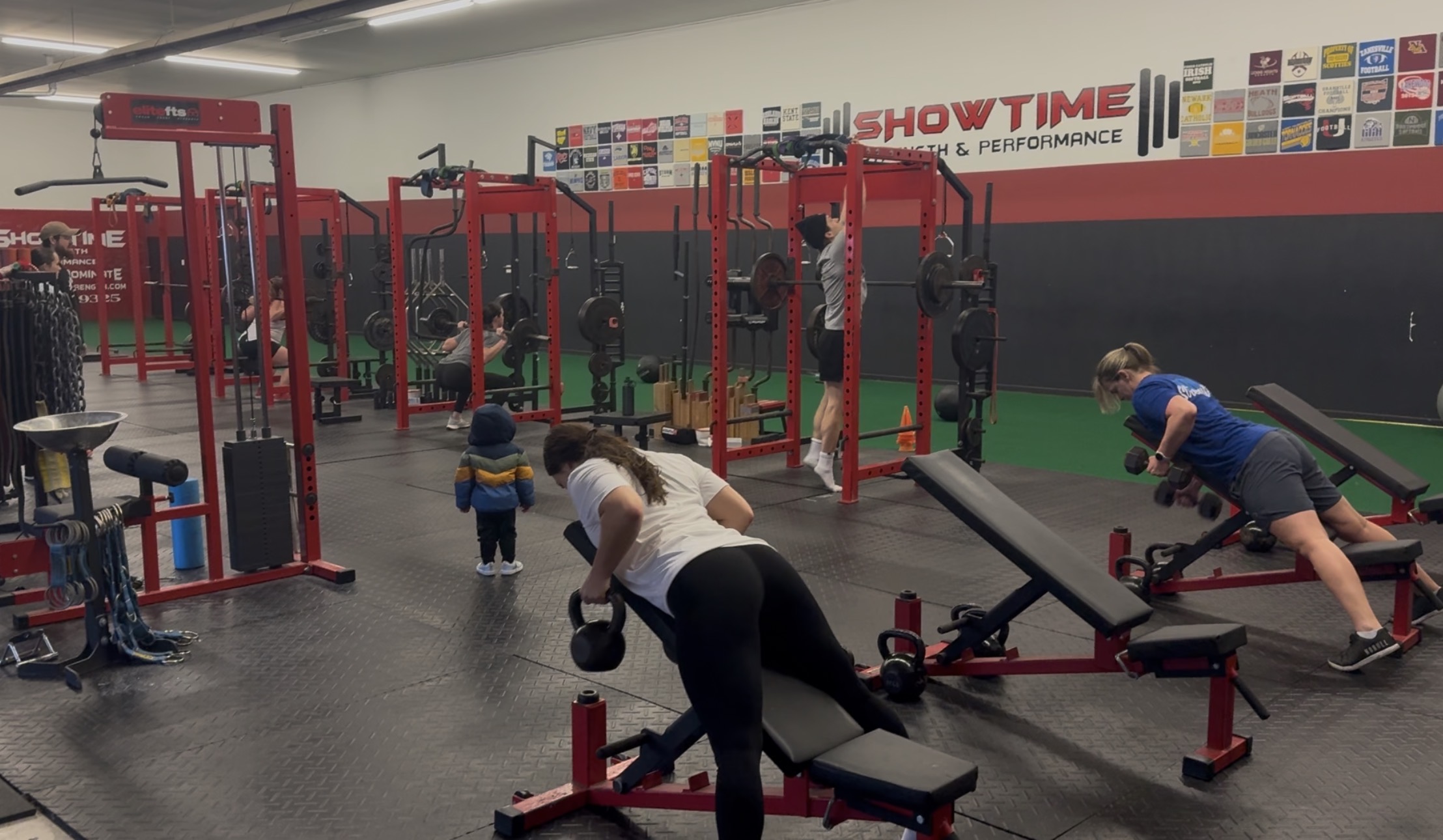
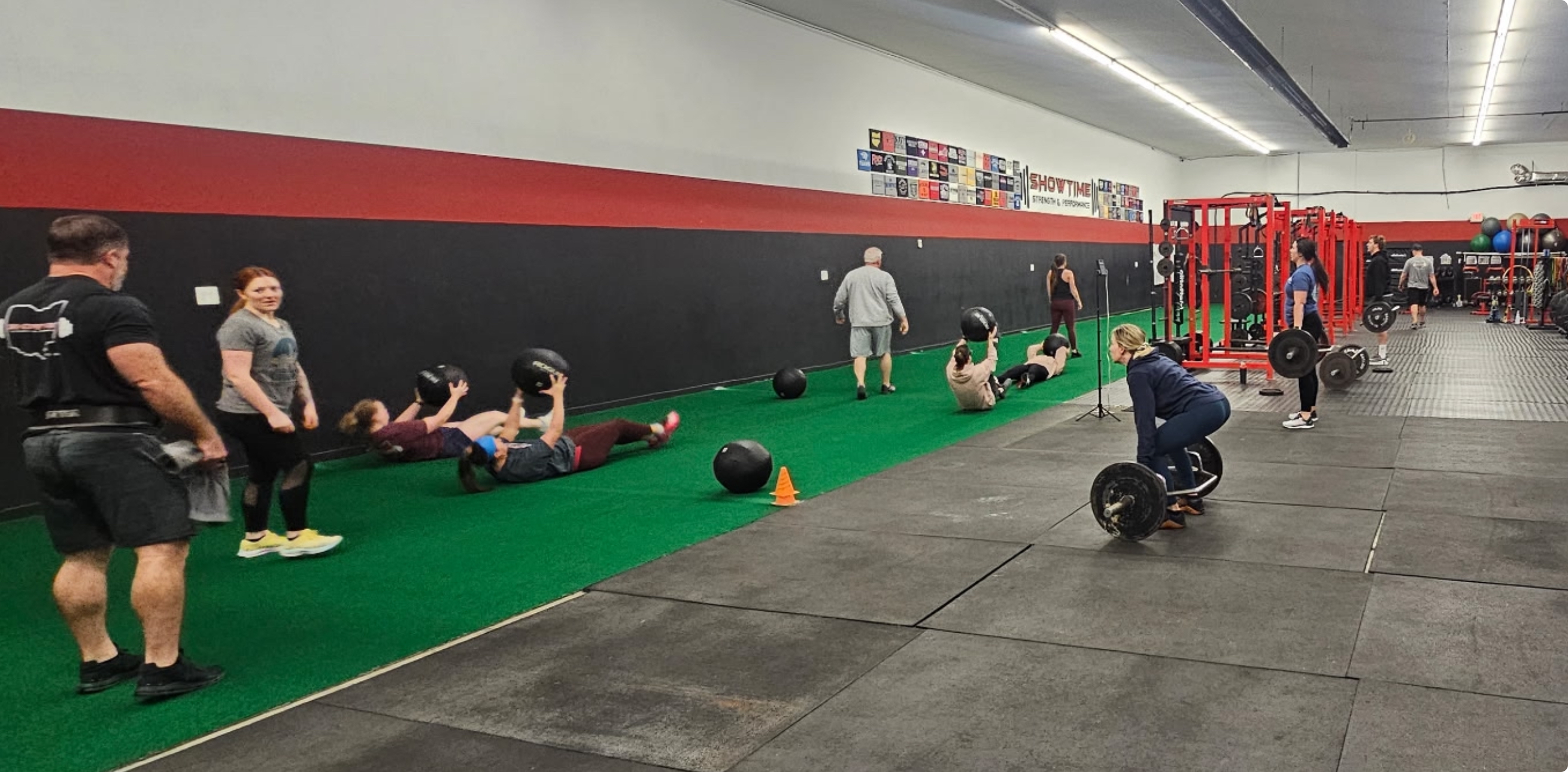
Here’s where the Strength & Performance philosophy ties in perfectly: medication can give you a head start, but durable results come from building sustainable habits.
1. Strength Training Preserves Muscle and Metabolic Rate
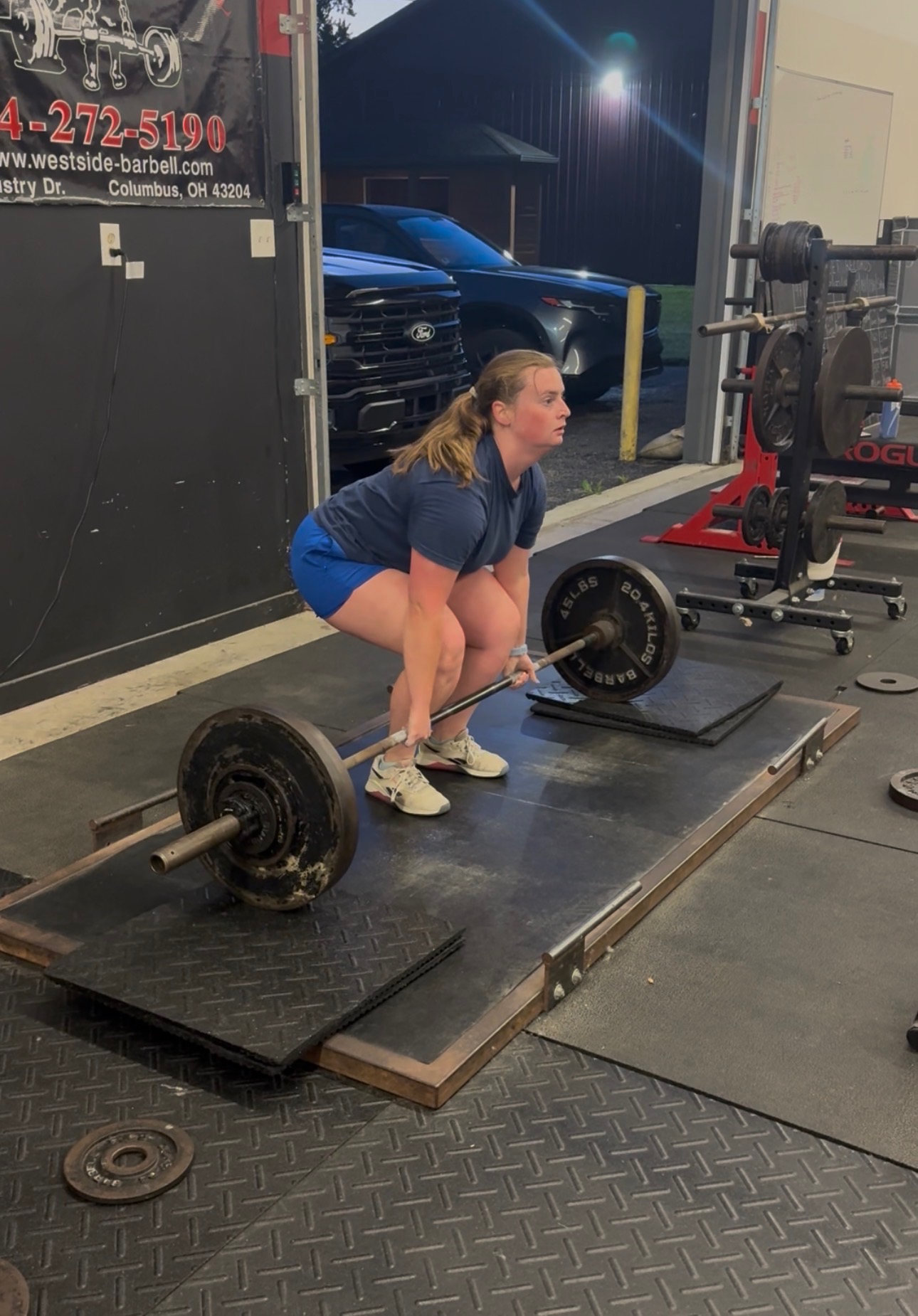
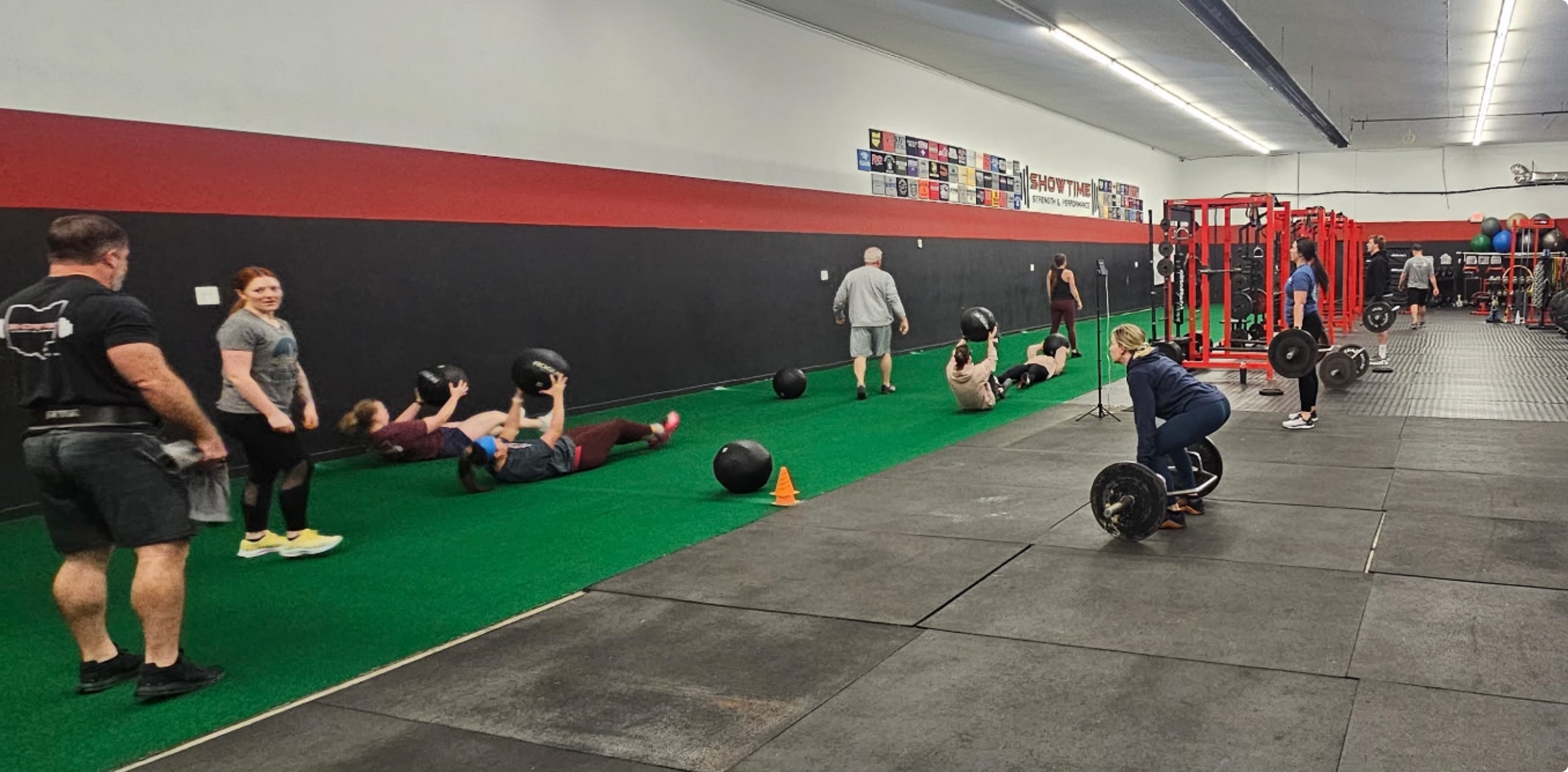
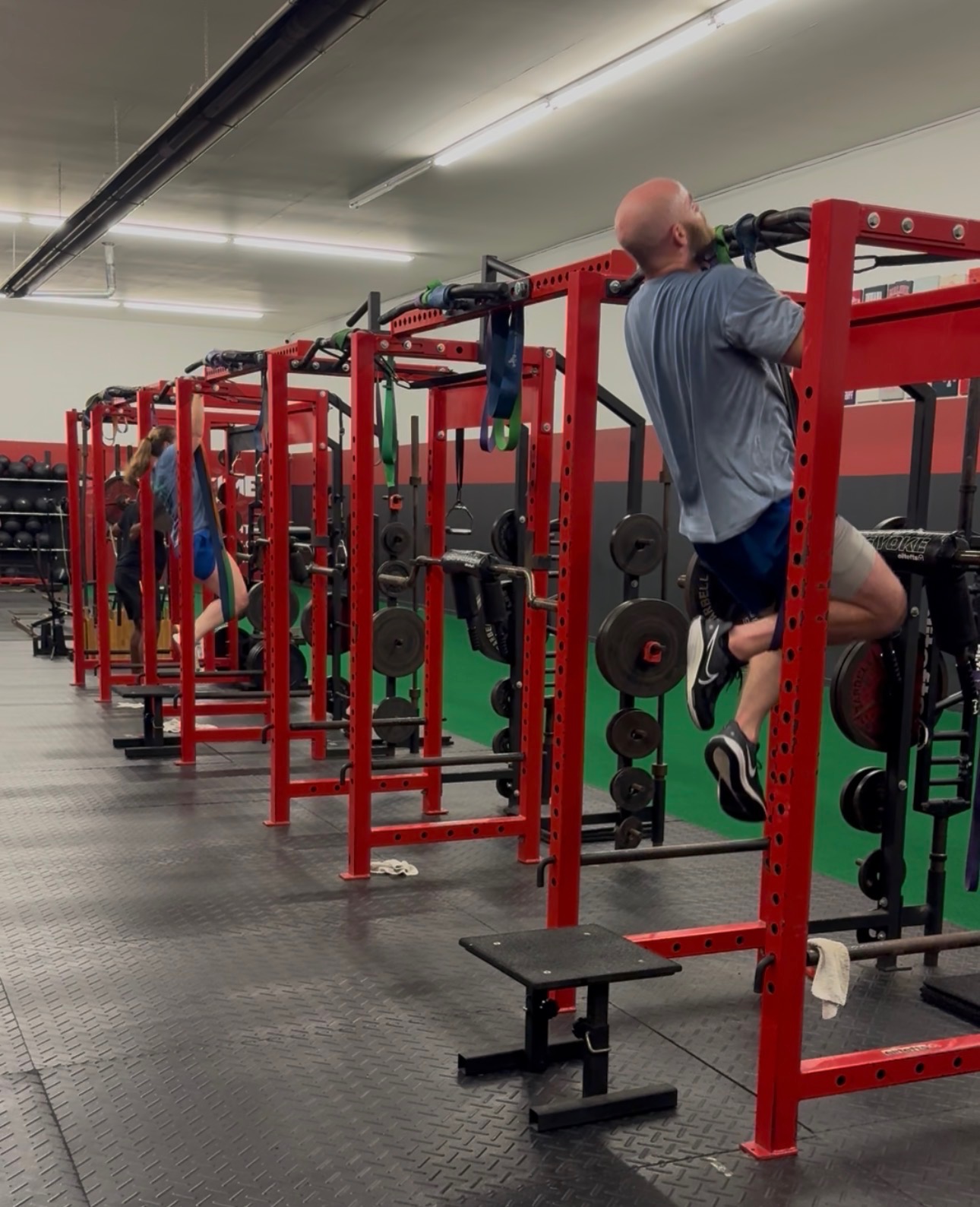
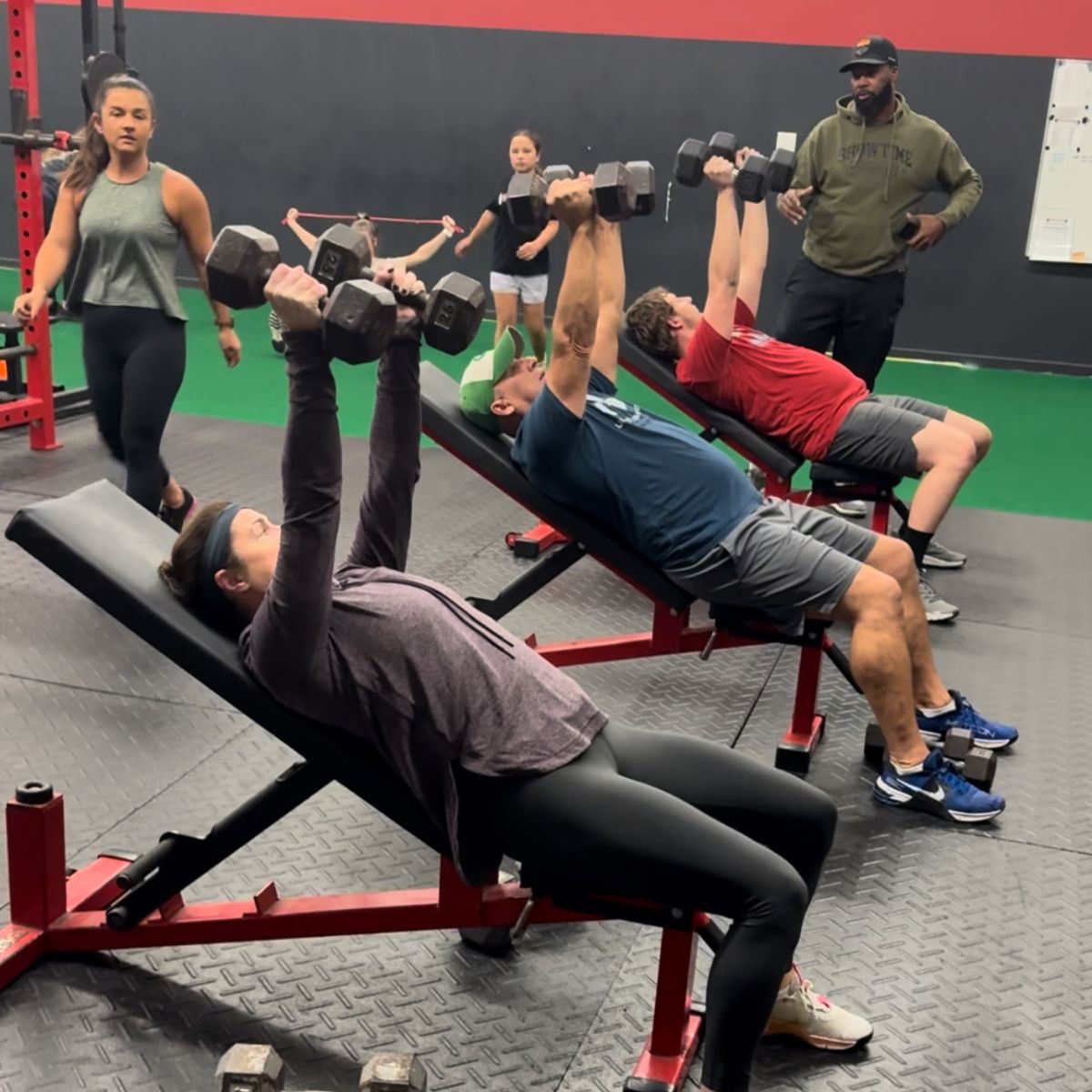
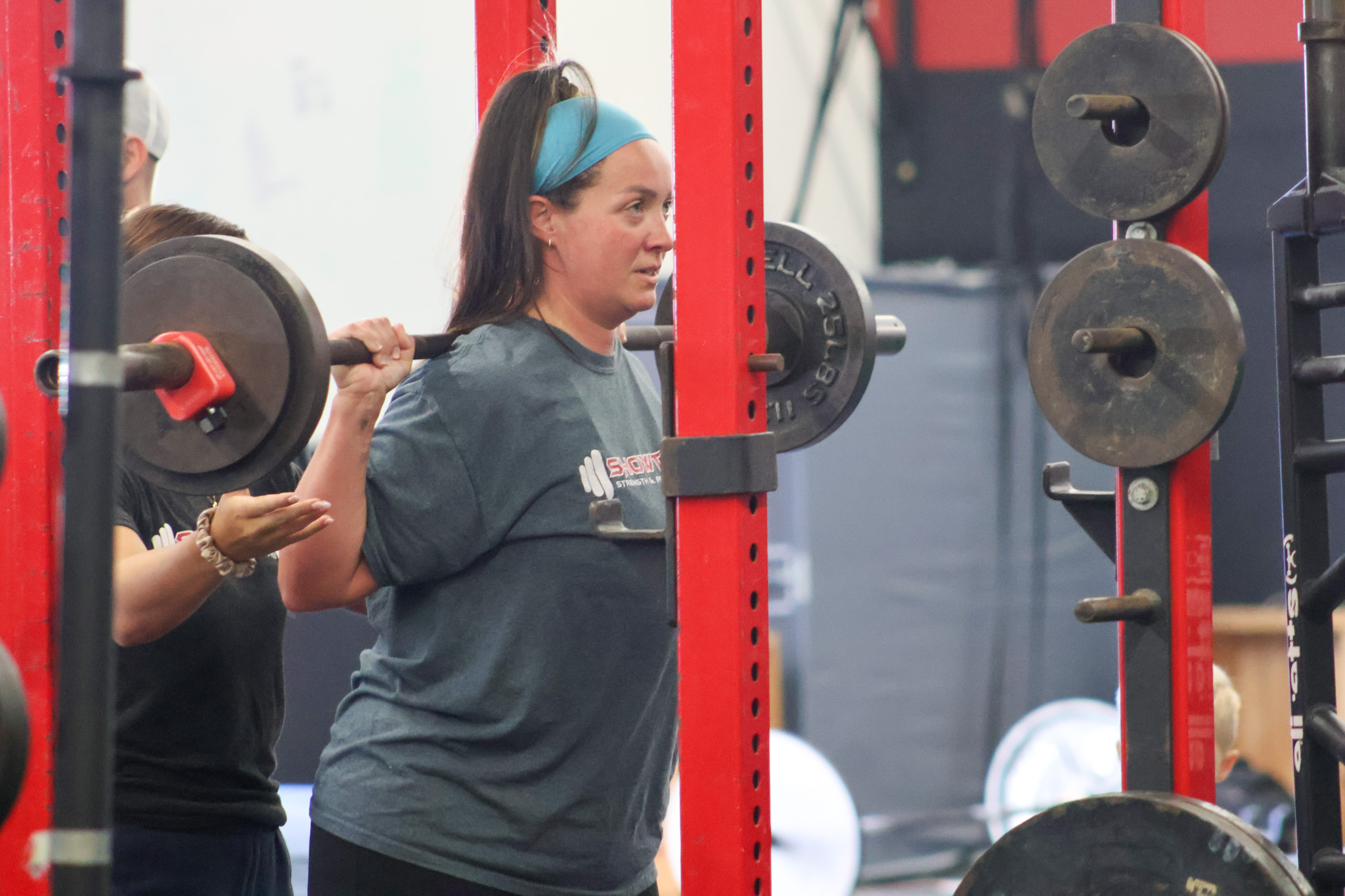
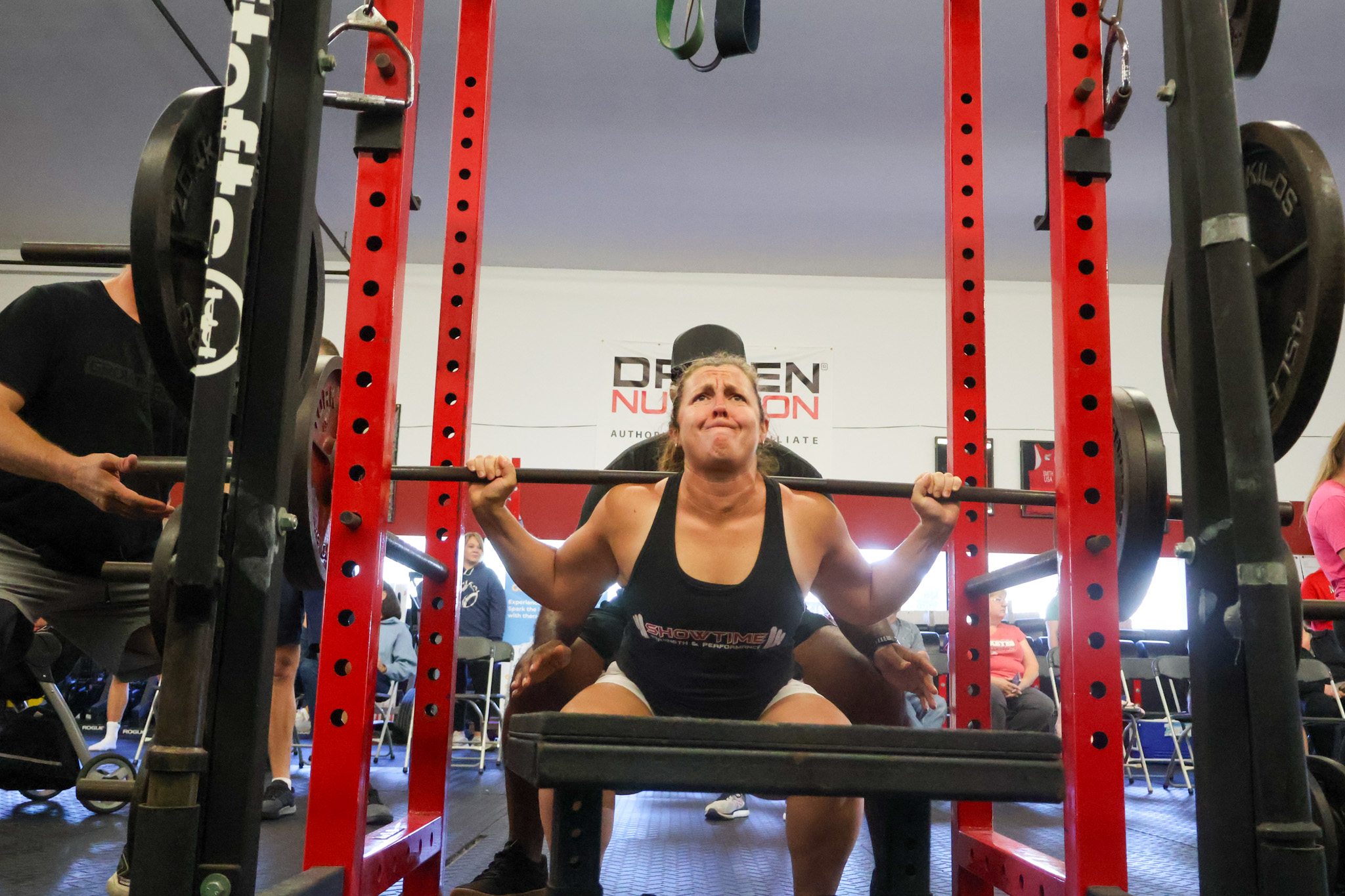
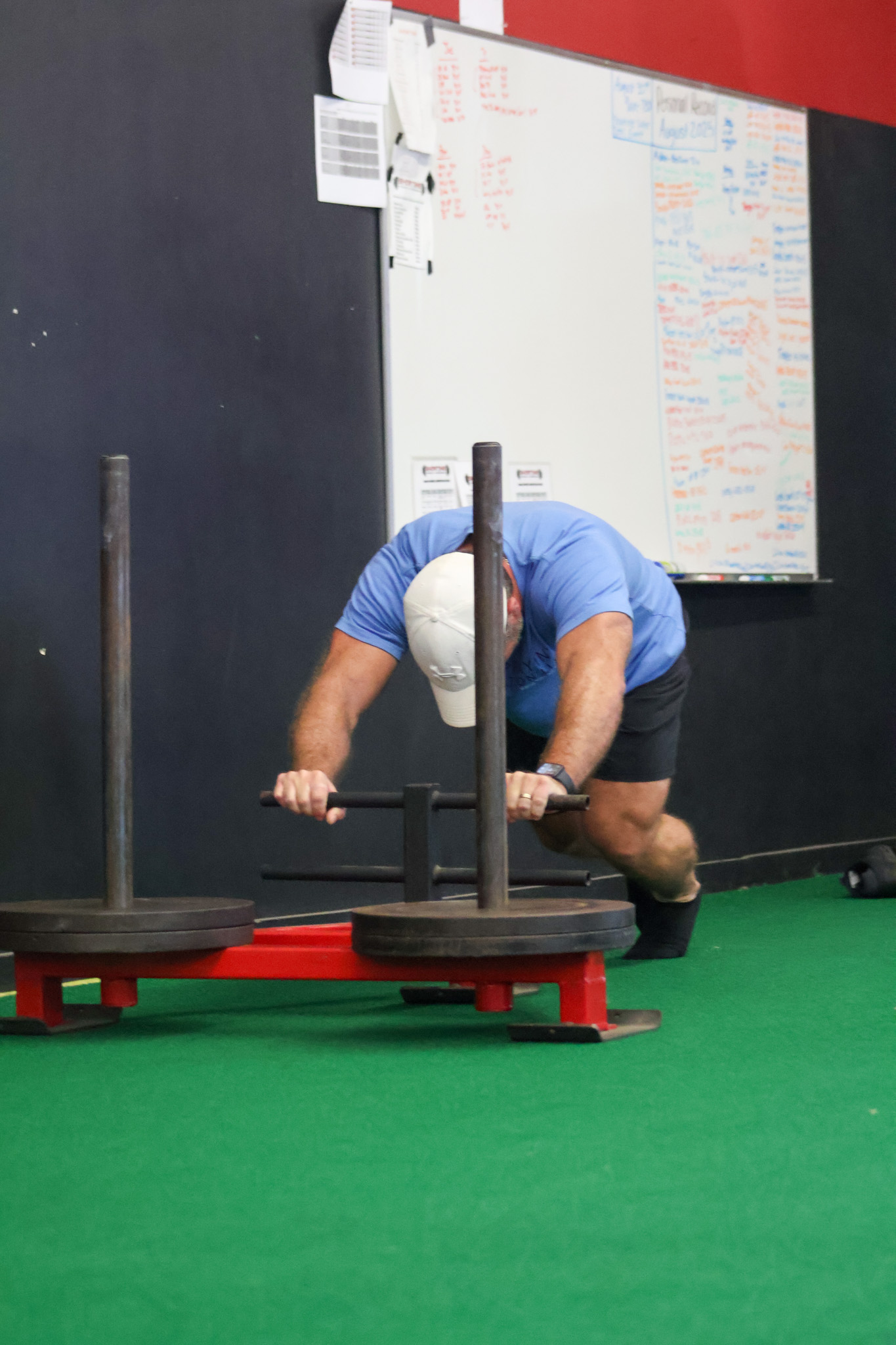
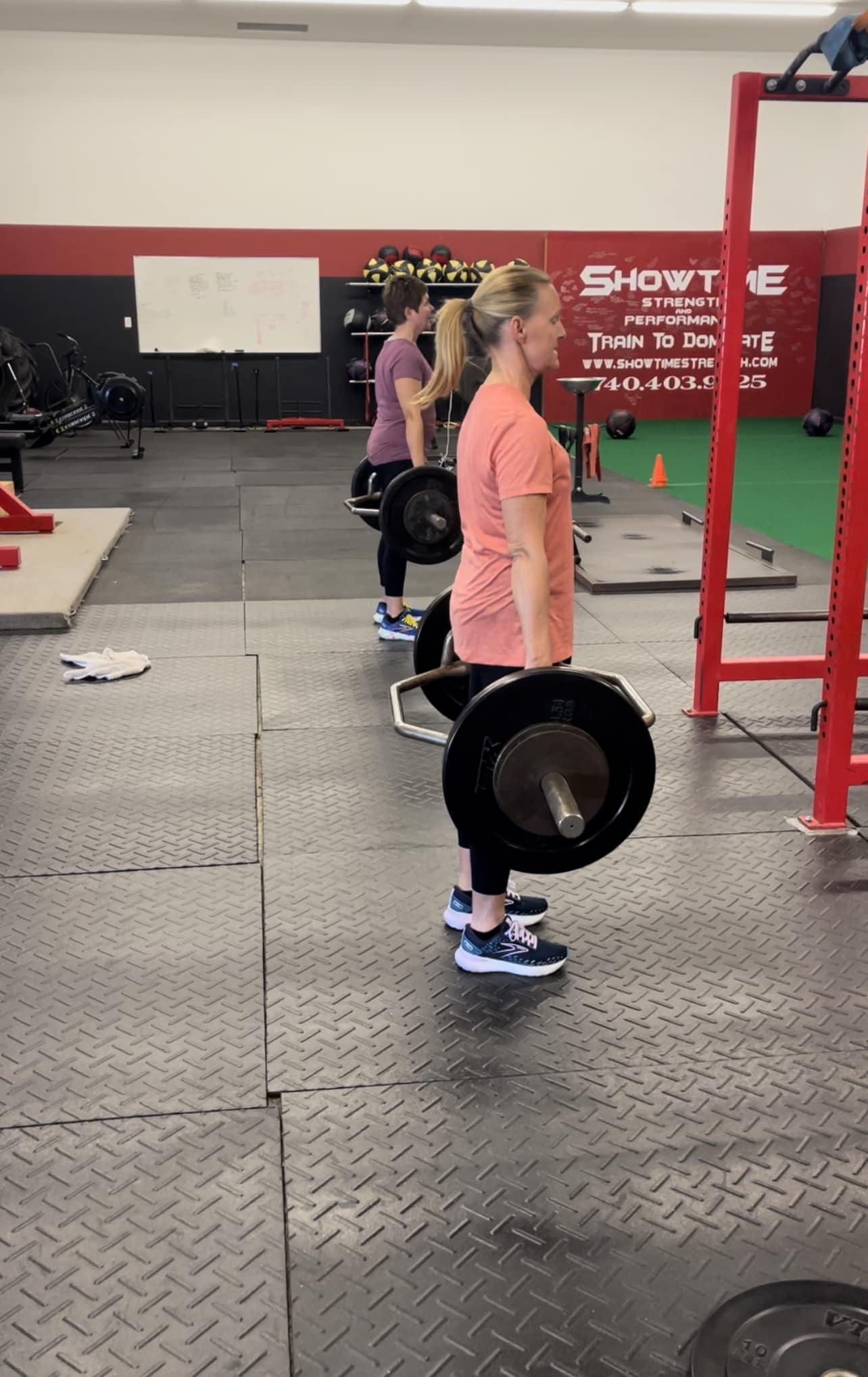
When people lose weight quickly, they often lose muscle as well as fat. Strength training protects and could even increase muscle mass. This helps to slows metabolic adaptation and helps make your body stronger after weight loss. This makes it easier to maintain a lower body weight long term.
2. Nutrition Shapes Long-Term Success
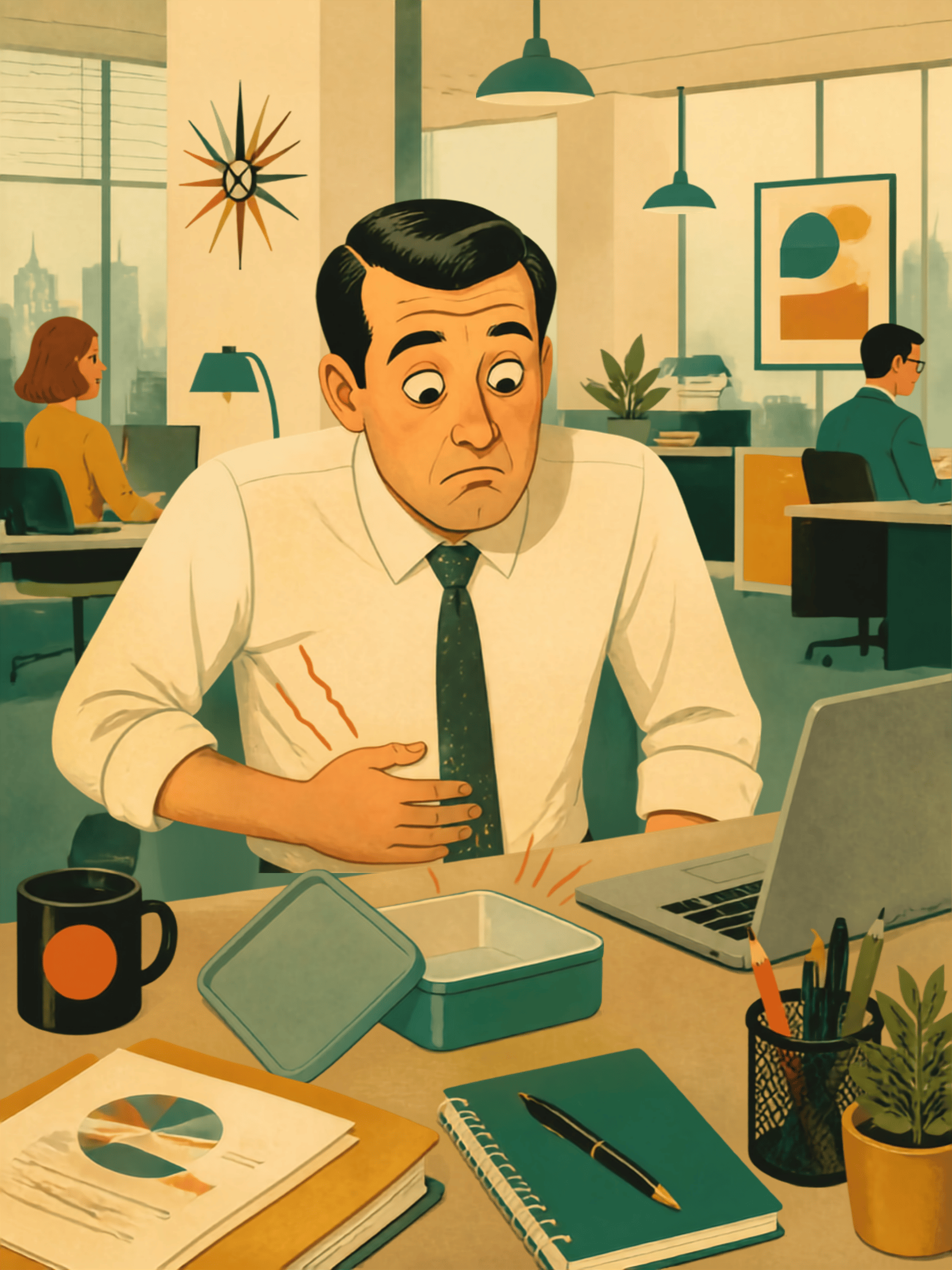
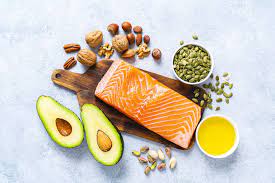
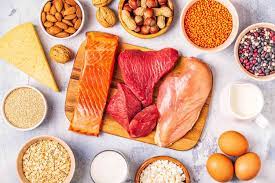
While GLP-1 drugs help you eat less by reducing hunger, the quality of what you eat still matters. Eating real, nutrient-dense foods supports blood sugar control, reduces inflammation, and gives your body the fuel it needs to recover from workouts and sustain energy.
3. Sleep Is a Metabolic Lever
Poor sleep drives hunger and cortisol up, even if you’re taking medication. Sleep is when we recover and grow from all the demands of daily life and training. Any time you want to improve digestion or body composition, sleep is a critical tool.
4. Stress Management Protects Mind and Hormones
Living in a state of chronic stress limits our ability to get the results we want. While stress is a natural response and even beneficial to our survival and performance, living with chronic stress wrecks our daily health and wellness. Stress management is a critical part of our health and wellness plan.
Medication Isn’t a Stand Alone, It’s a Support System
Think of GLP-1 drugs like training wheels on a bike: they help you get momentum and build confidence by removing some major barriers to change, but if you take the training wheels off without strengthening your legs and balance, you’re likely to wobble. When used with consistent training, smart nutrition, good sleep, and stress resilience, these medications aren’t just tools for weight loss, they can be bridges to building a healthier physical identity. The weight you lose while on medication becomes easier to maintain when you’ve built the strength, habits, and systems that support your new body.
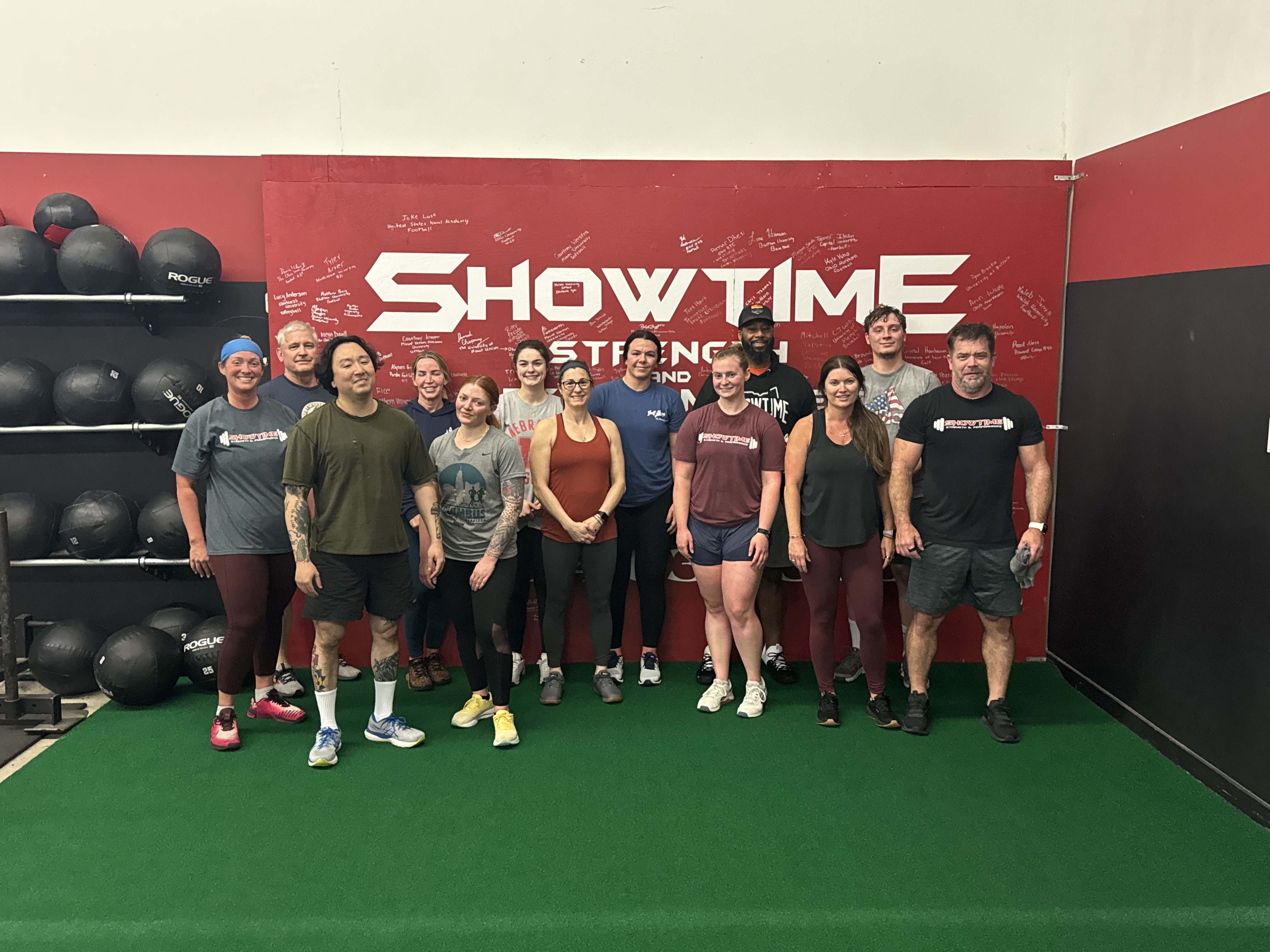
Key Takeaway for Our Showtime Team
Your body doesn’t just need a tool to shrink, it needs a system to thrive. Medications can support that journey, but your habits are the true foundation of lasting change.







.png)















%20copy.jpeg)






.jpeg)


%20copy%202.jpeg)


