In-Season Training Considerations for Youth Athletes
In-season training for young athletes is about three things:
- Preserve performance
- Reduce injury risk
- Keep development on track.
Too often, we panic and either kill preseason progress with excessive volume or let training take a back seat and lose all progress. Here’s a detailed, data-backed blueprint you can apply to athletes from early adolescence through high school.
Why In-Season Training Matters
Youth athletes are still in developmental windows. Strength and movement patterns built now transfer to long-term athleticism (Faigenbaum et al., 2009). While they’re in-season, sport practices and games create fatigue and increase injury risk. Proper in-season programming preserves neuromuscular qualities and reduces overuse/injury rates while acknowledging schedule constraints (Rønnestad et al., 2020; Myer et al., 2011).
Key Considerations
- Prioritize quality over quantity. Low-volume, high-intent strength sessions maintain strength better than high-volume endurance work during season (Ahtiainen et al., 2003). For youth, preserve gains with 1–2 strength focused sessions each week.
- Account for maturation. Physical and mental maturation affects coordination and injury susceptibility. Emphasize movement quality, landing mechanics, and load management rather than chasing heavy loads (Lloyd et al., 2014).
- Use neuromuscular training to reduce injury risk. Programs that combine strength, plyometrics, balance, and technique reduce ACL and lower-limb injuries in youth athletes (Myer et al., 2005; Hewett et al., 2006).
- Manage total workload (training + competition). Monitor session intensity and fatigue, minutes played, and non sport stress such as school and social. High spikes in workload predict injury; smooth progression and in-season maintenance are protective (Gabbett, 2016).
- Preserve speed and power. Sprint and jump qualities decline quickly without stimulus. Short, high-quality sprint and power work once per week maintains these attributes (Haff & Nimphius, 2012).
Practical Programming Principles
- Frequency: 1–2 strength sessions per week for in-season maintenance; add a third session only if competition load is low and recovery is good.
- Intensity: Focus on sub-maximal strength (70–85% 1RM equivalent) and explosive intent for power work. Use lower volume: 2–4 sets of 3–6 exercises, 2-5 reps for strength, 3–5 reps for power/olympic variations or loaded jumps.
- Volume: Keep total weekly strength volume to roughly 60–80% of preseason peak. Prioritize compound movements that transfer to sport.
- Session length: 20–40 minutes, Short, focused sessions fit around practices and school.
- Timing: Avoid heavy sessions 24–48 hours before key competitions. Use early-week maintenance after a game-heavy weekend.
- Recovery and Autonomy. Let players report fatigue; adjust loads or substitute mobility/recovery on high-fatigue days.
Movement and Exercise Selection
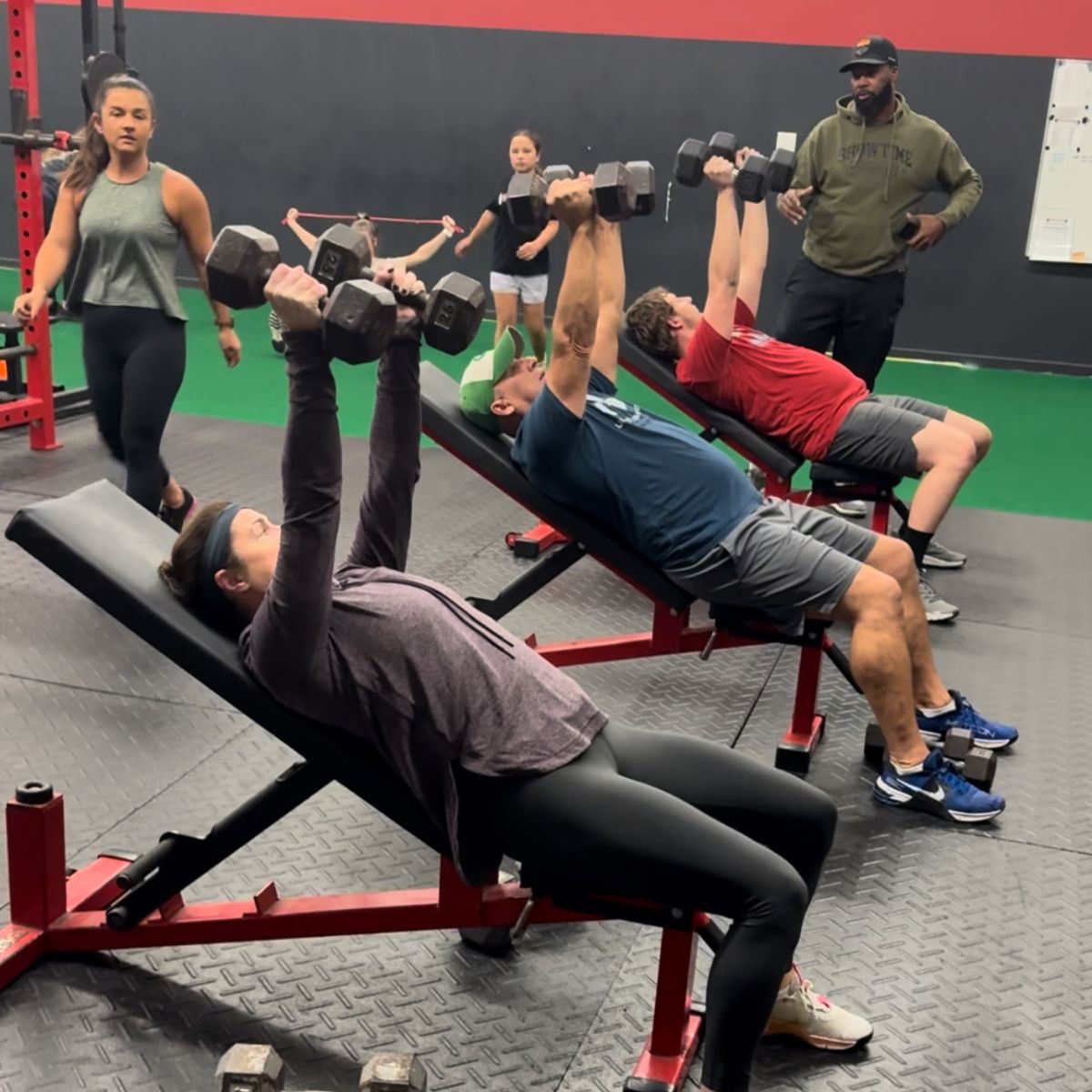
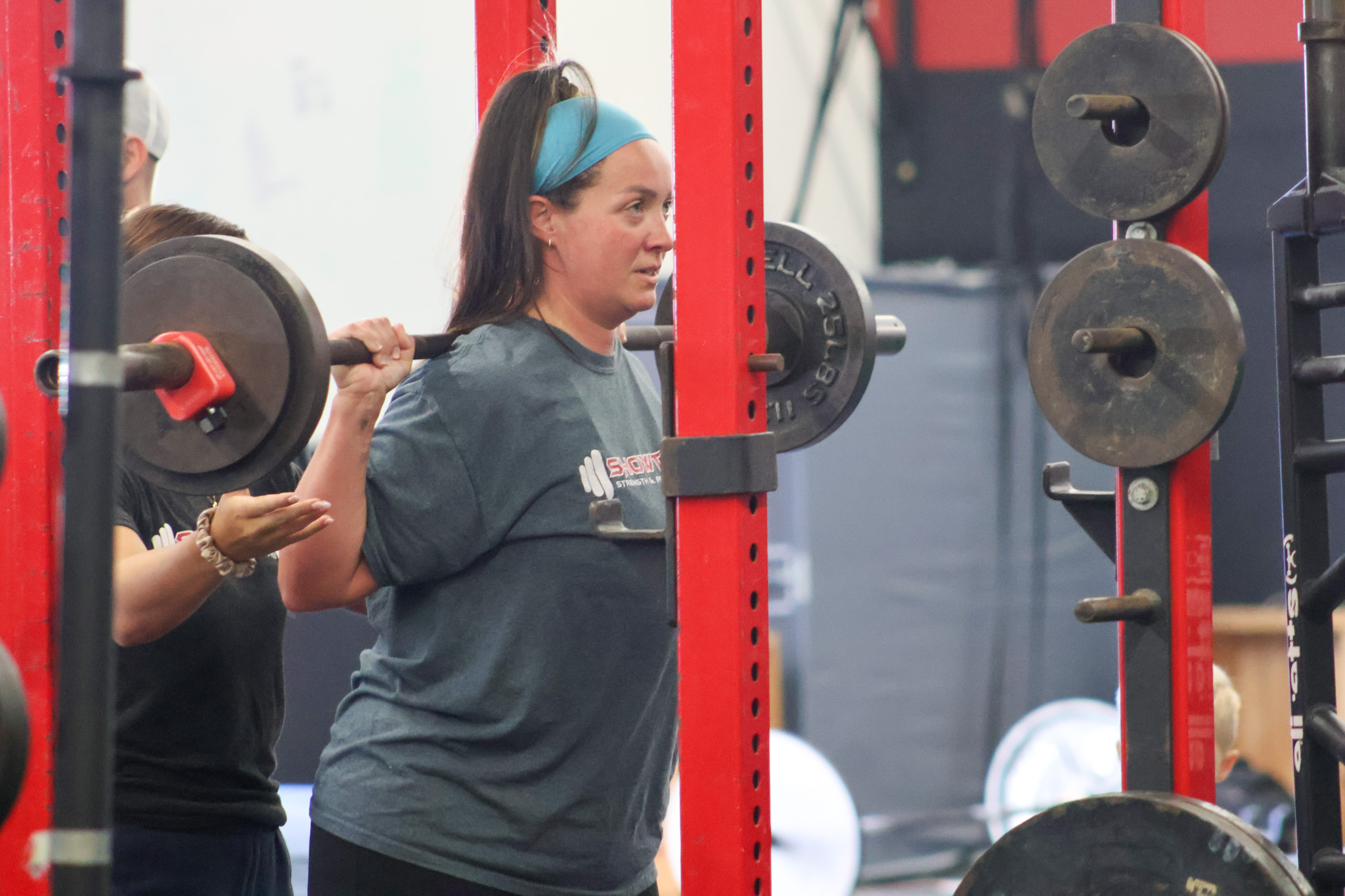
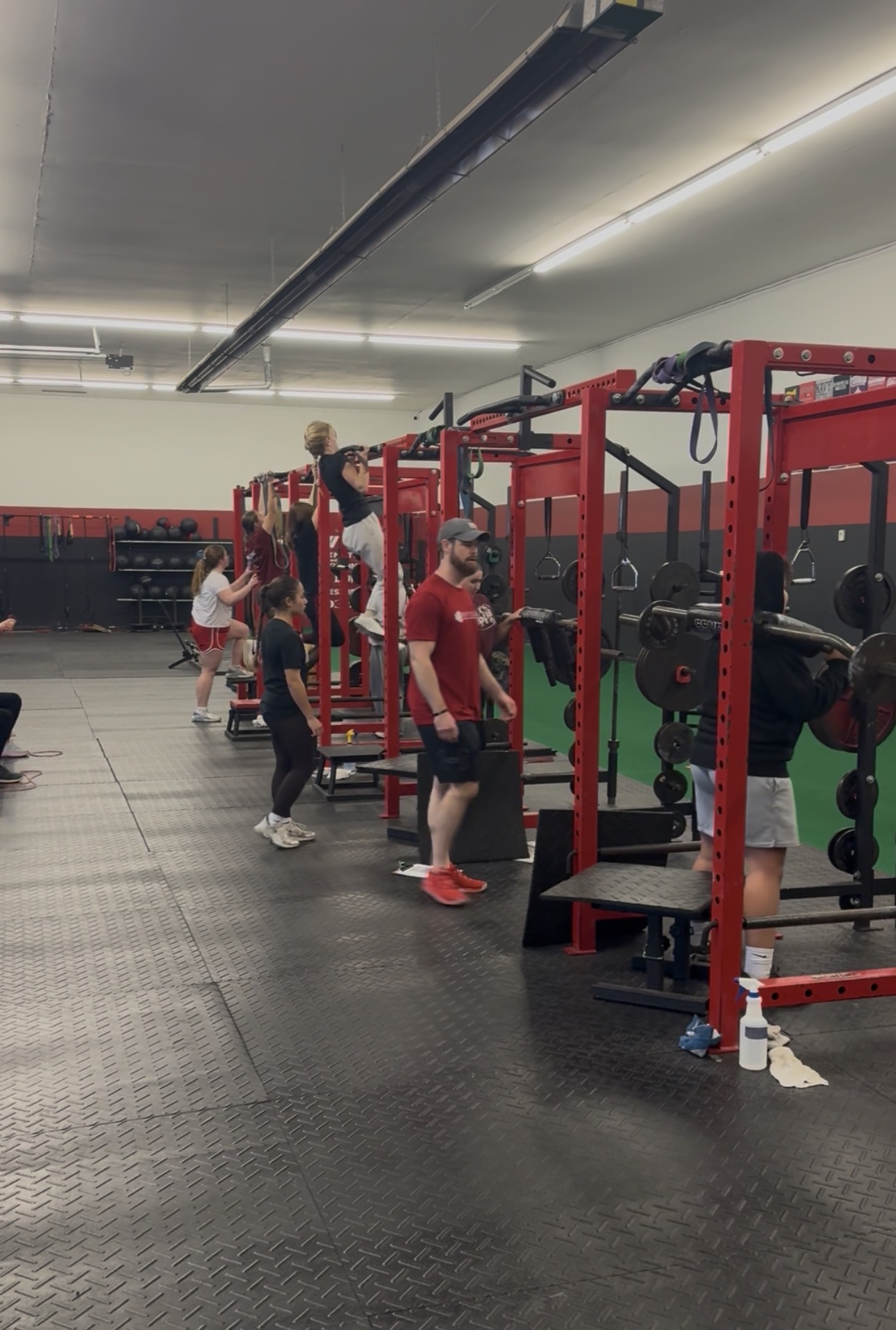
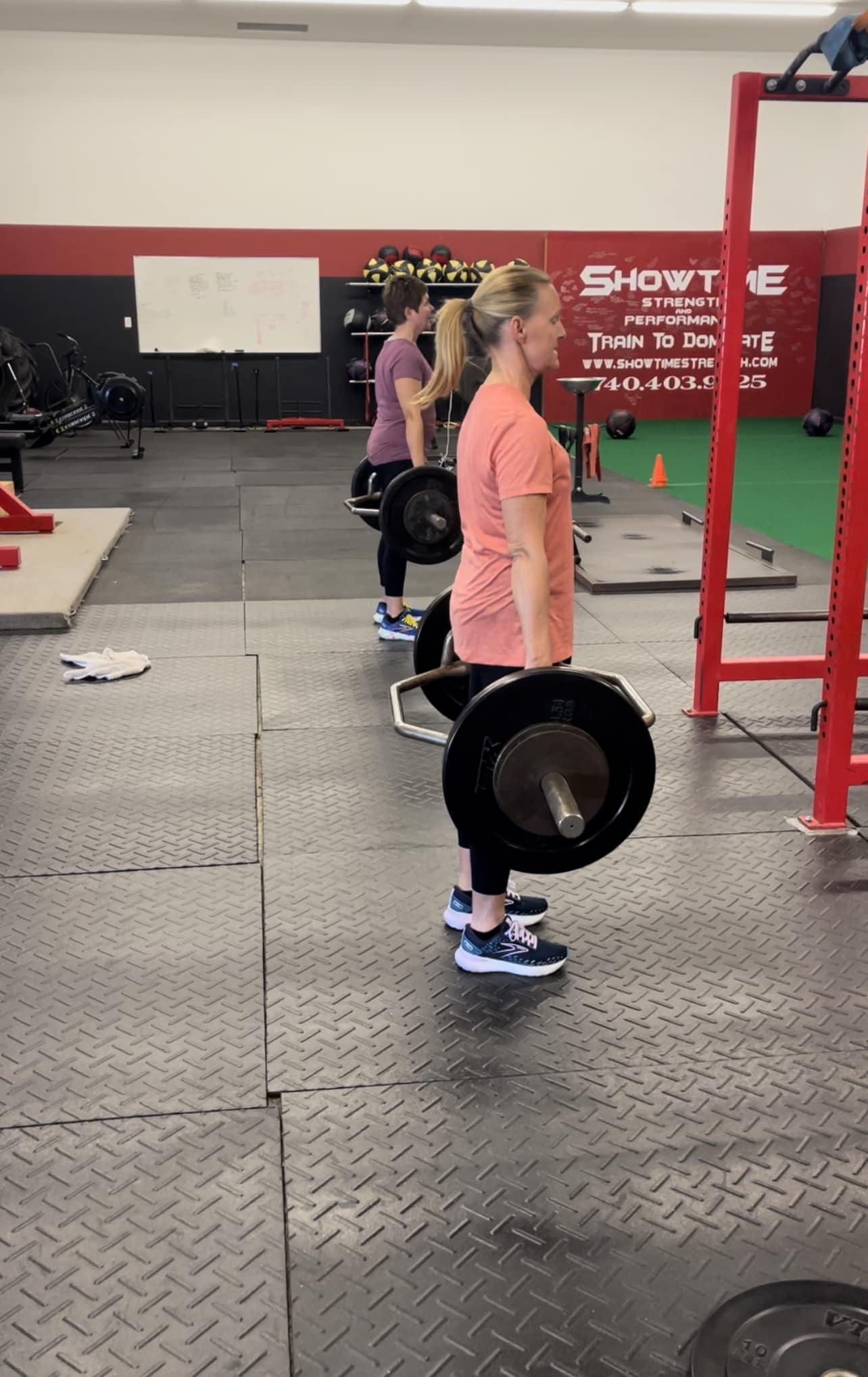
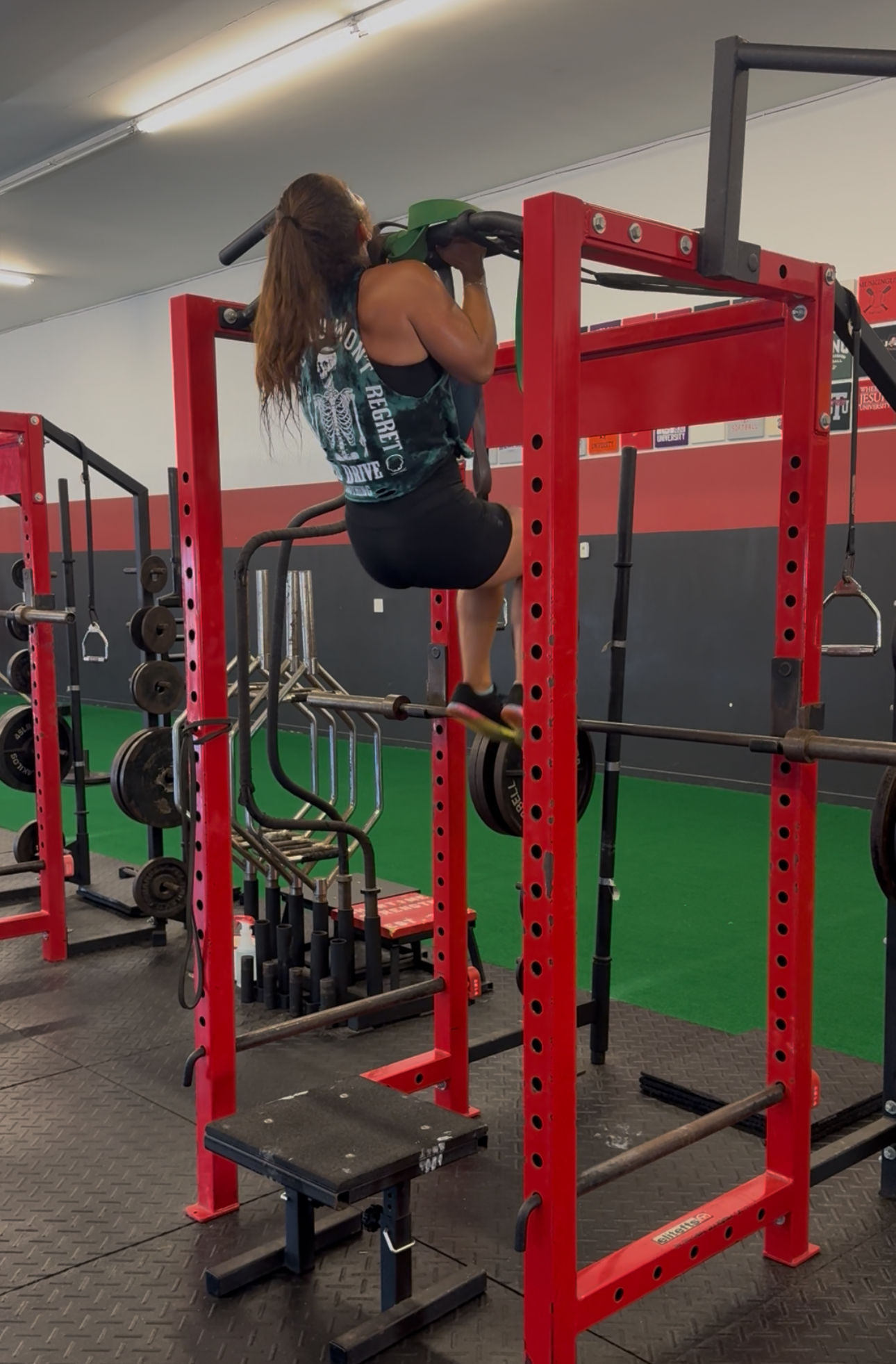
- Foundational lifts: Squat variations, hinge patterns (Romanian deadlift, kettlebell swing), push (bench/push-up variants), pull (rows, chin-ups), core anti-rotation/anti-extension.
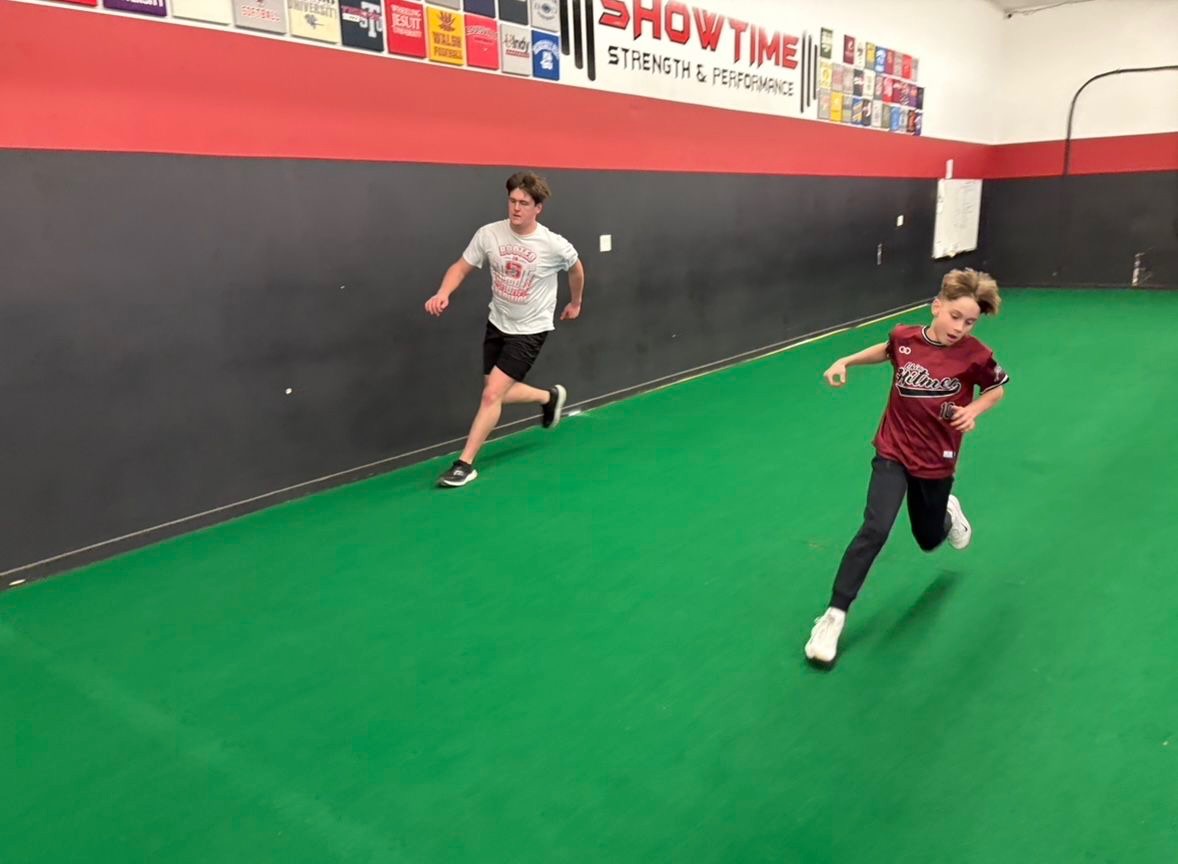
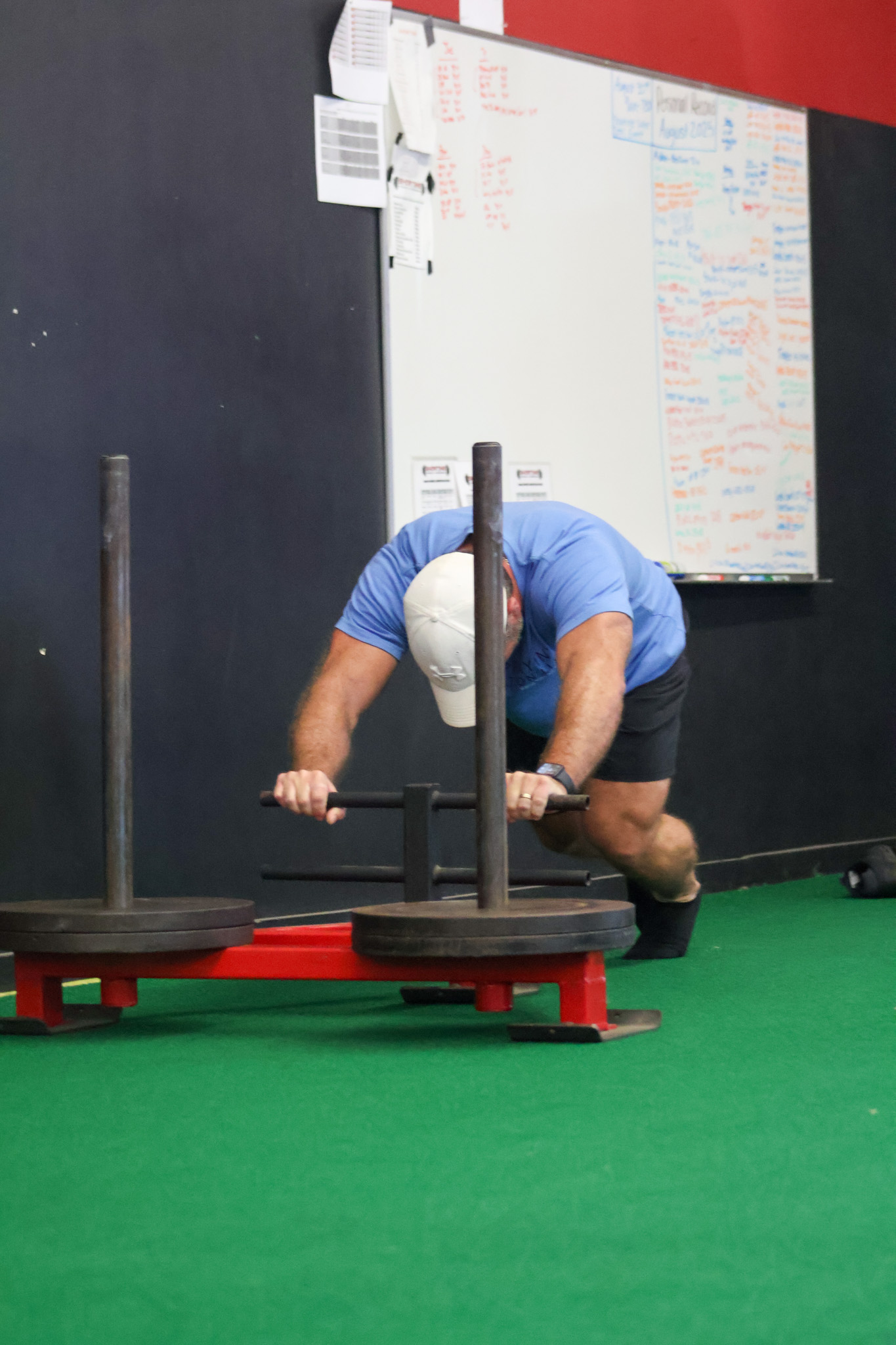
- Speed and power: Short sprints (10–30 m), sled pushes, med-ball throws, drop jumps with few reps and full recovery.
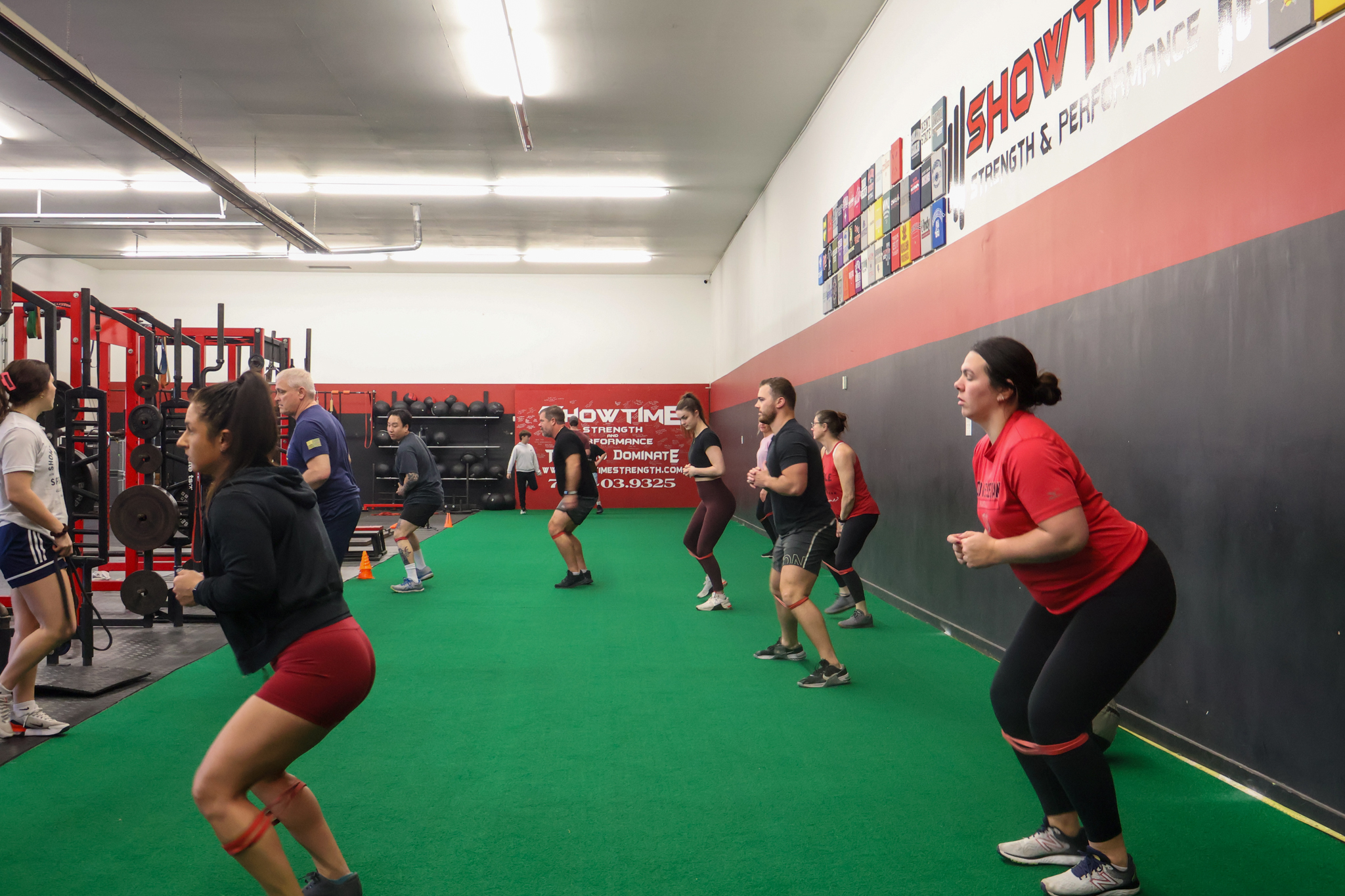
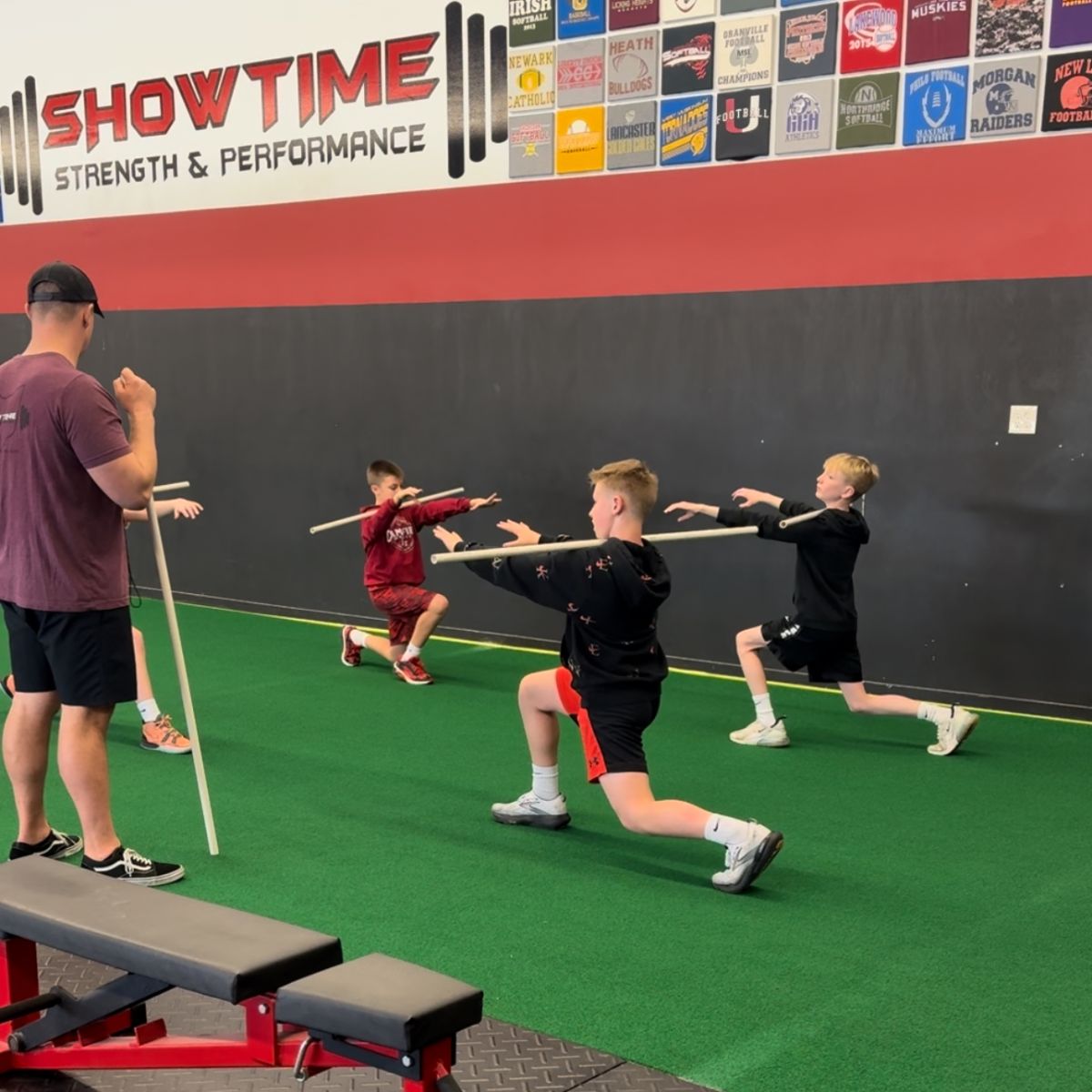
- Injury prevention: Single-leg RDLs, split squats, lateral lunges, glute ham raises, hypers, balance and agility drills with technical focus.
- Conditioning: Sport-specific conditioning integrated with technical work. Most conditioning work should be done in sport.
Monitoring and Adjustments
- RPE (rate of perceived exertion) : Use session RPE (0–10) to track internal load. Aim for gradual changes; avoid sudden load increases over 5%
- Objective markers: Jump height, sprint splits, bar speed, and grip strength can let you know if there’s a recovery issue.
- Subjective: Sleep, mood, soreness scale. If two or more markers are poor, reduce intensity/volume and emphasize recovery.
Sample In-Season Plan (Weekly Template)
Assume game on Saturday. Keep sessions short, high-quality.
Monday — Capacity & Recovery
- Warm-up: Dynamic Warm Up/Mobility
- Explosive/Prep: Med Ball Chest Pass 3x5 reps, Plank x 30 seconds
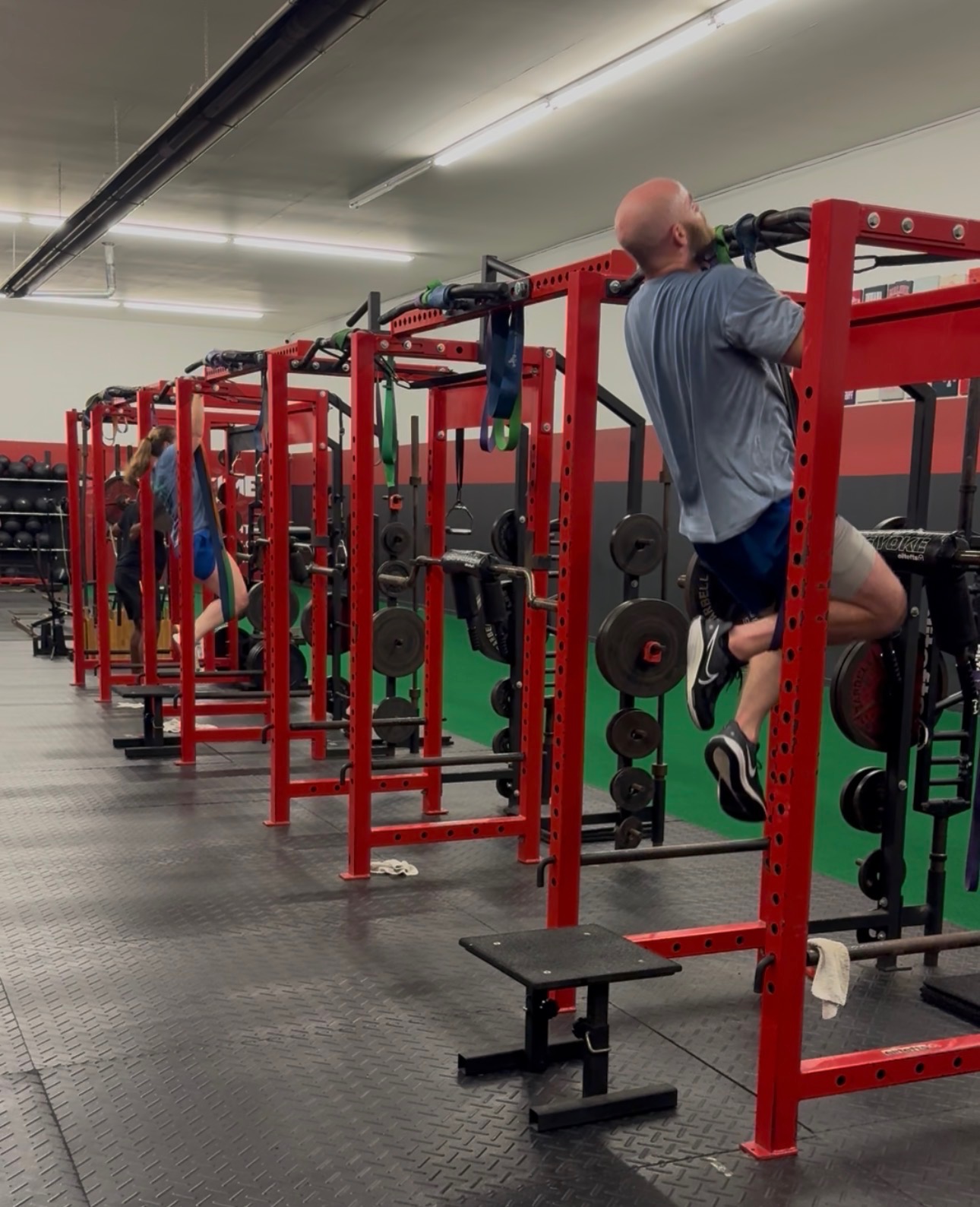
- Strength (20–25 min): 3-5 sets x 5-8 reps Squat Variation (RPE 6-8), 4-8 reps Pull Up/Pull Down variation , Push Up 8-15 reps
- Finish: Stretch/Preventative exercises specific to athlete/sport
Wednesday — Power & Movement Quality
- Warm-up: Dynamic Warm Up/Mobility
- Power (15–20 min): 6 x 10-20 yard sprints full recovery;
- Seated Box Jump 3x5/Lying Med Ball Pass 3x5
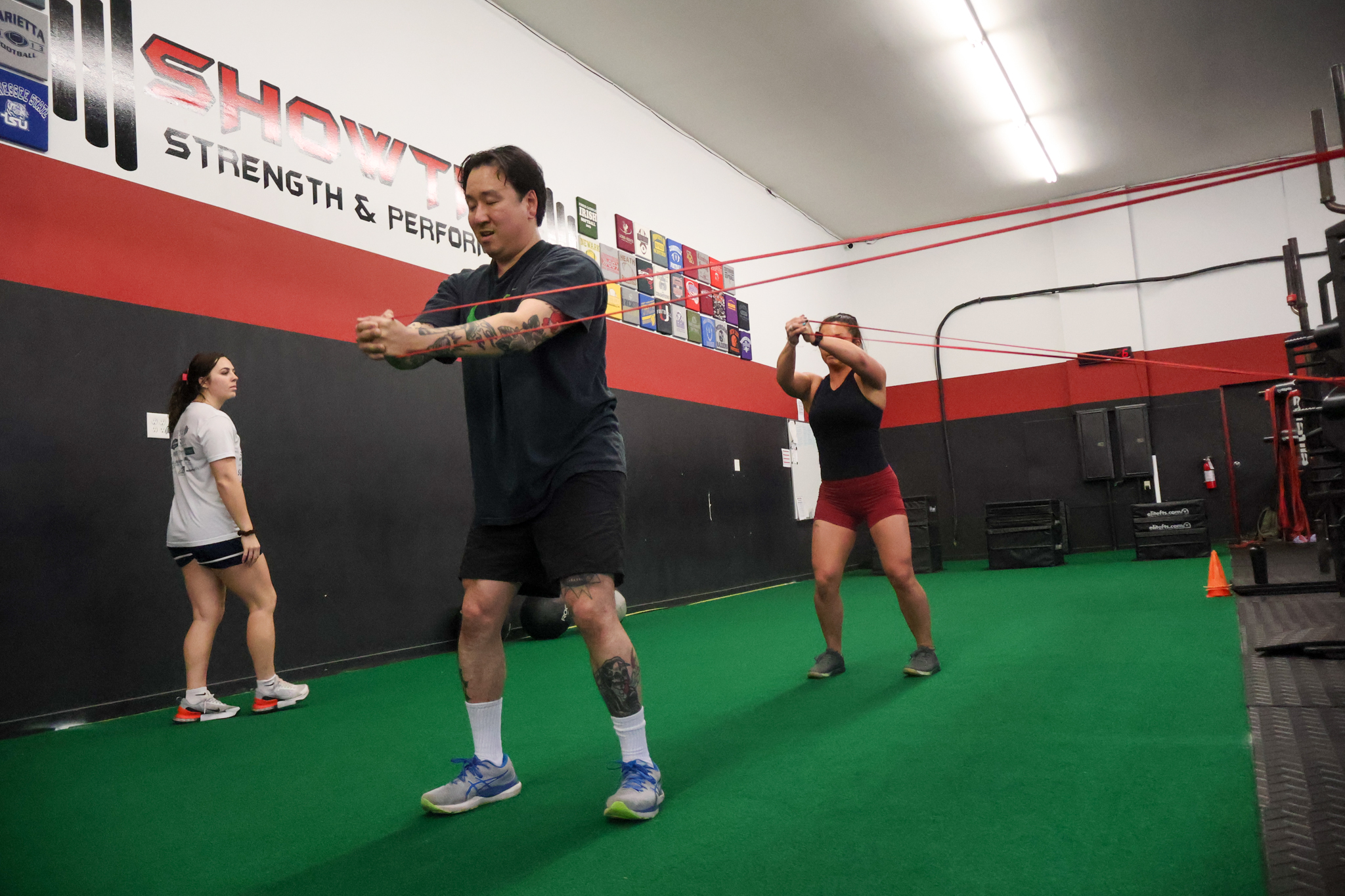
- Finish: Band Pallof Anti-rotation exercises 1-2 sets
Friday — Activation & Pre-game
- Light session (15 min) or optional mobility: movement prep, submaximal sprint pickups, 2 x 8 banded lateral walks, activation glute bridges, light technical throwing/kicking
- Keep intensity low; prioritize readiness
Notes on Volume and Youth Specifics
- 11–13 years: emphasize skill, movement variety, light-to-moderate load, more reps at lower intensity.
- 14–16 years: emphasize control, exercise technique, reduce eccentric overload during growth spurts; closely monitor soreness and coordination.
- 16+: can tolerate heavier loads if technique is mastered, but still prioritize in-season maintenance.
Conclusion
In-season training for youth isn’t about maximum hypertrophy or heavy PR attempts, it’s about preservation, injury prevention, and consistent development. Keep sessions short, purposeful, and athlete-monitored. Build neuromuscular resilience, protect maturation, and maintain speed and power with focused, low-volume stimulus. Be flexible: the schedule, minutes played, and individual readiness dictate the plan.
6-week Mini-Plan
- Weeks 1–6: 2 strength sessions/week (Mon: strength + power; Wed: speed/power + injury prevention). Fri: activation before games.
- Load: Maintain 70–85% of preseason intensity, reduce volume by 15-30% vs. preseason peak.
- Monitoring: Weekly session RPE; jump test every 2 weeks; reduce load if RPE/game minutes spike or jump drops >5%.
- Deload: If congested schedule (2+ games/week), switch to 1 maintenance session + daily 8–12 min movement prep/activation.
References (select)
- Faigenbaum AD, et al. Pediatrics. 2009.
- Lloyd RS, et al. Strength & Conditioning Journal. 2014.
- Myer GD, et al. J Athl Train. 2011; Am J Sports Med. 2005.
- Gabbett TJ. Br J Sports Med. 2016.
- Haff GG, Nimphius S. Strength Cond J. 2012.




.png)











%20copy.jpeg)





.jpeg)


%20copy%202.jpeg)


