Avoid these Common Training Mistakes to Reduce Injury
Avoid these mistakes, avoid injuries
By
March 1, 2026
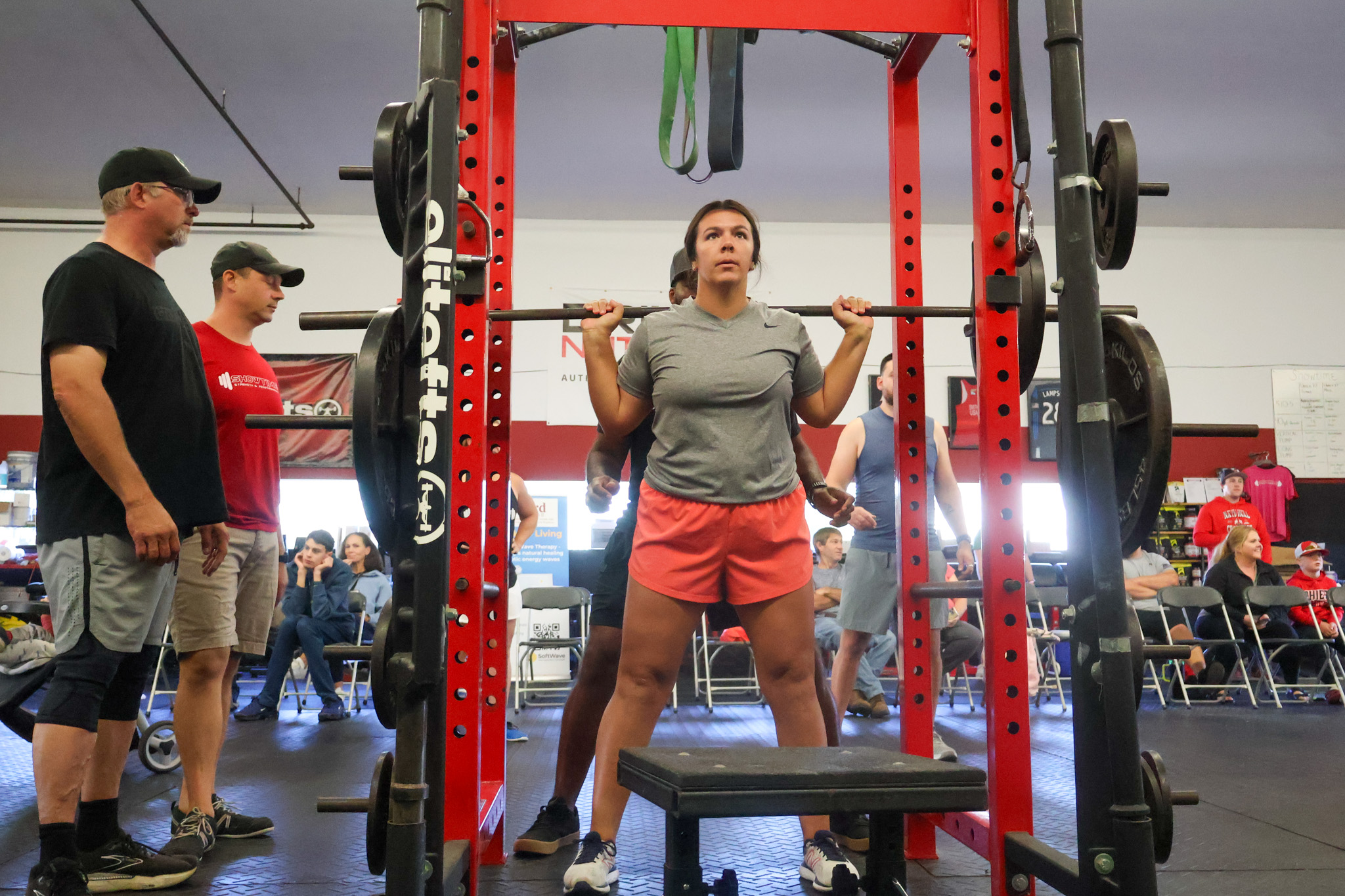

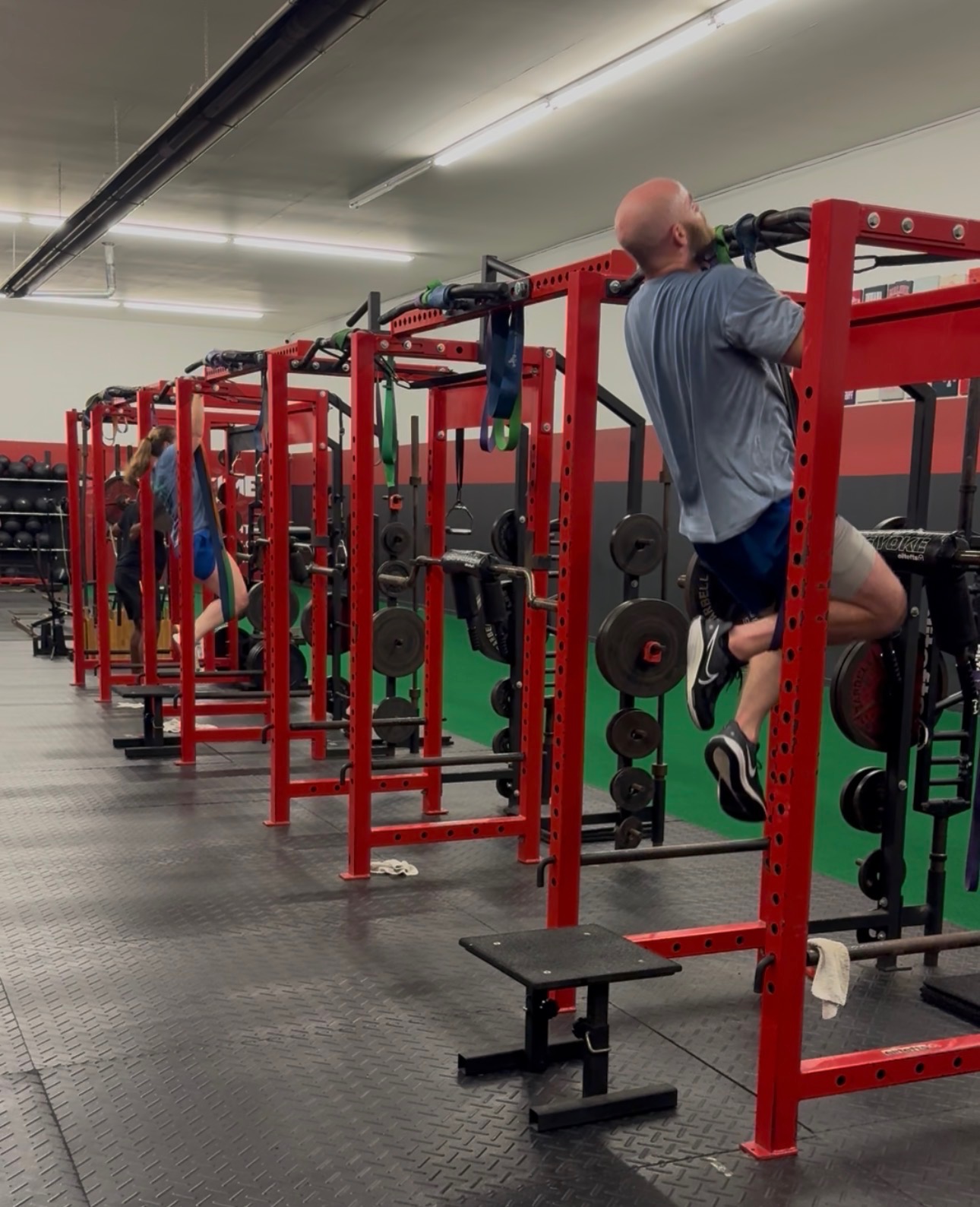
One of the fastest ways to derail training progress and motivation is to get hurt while training. Most training related injuries don’t come from the big accidents that we often hear about or see in viral clips online. They come from small mistakes repeated over time. At Showtime, we teach athletes and adults how to make strength training part of the long term healthy lifestyle. This makes training an asset that gives you consistency and control instead of chaos added to your life. Strength training should be a large net positive to your life and not break you down. Here’s how we help people avoid common training mistakes that lead to injury which then keeps them from making the progress they desire.
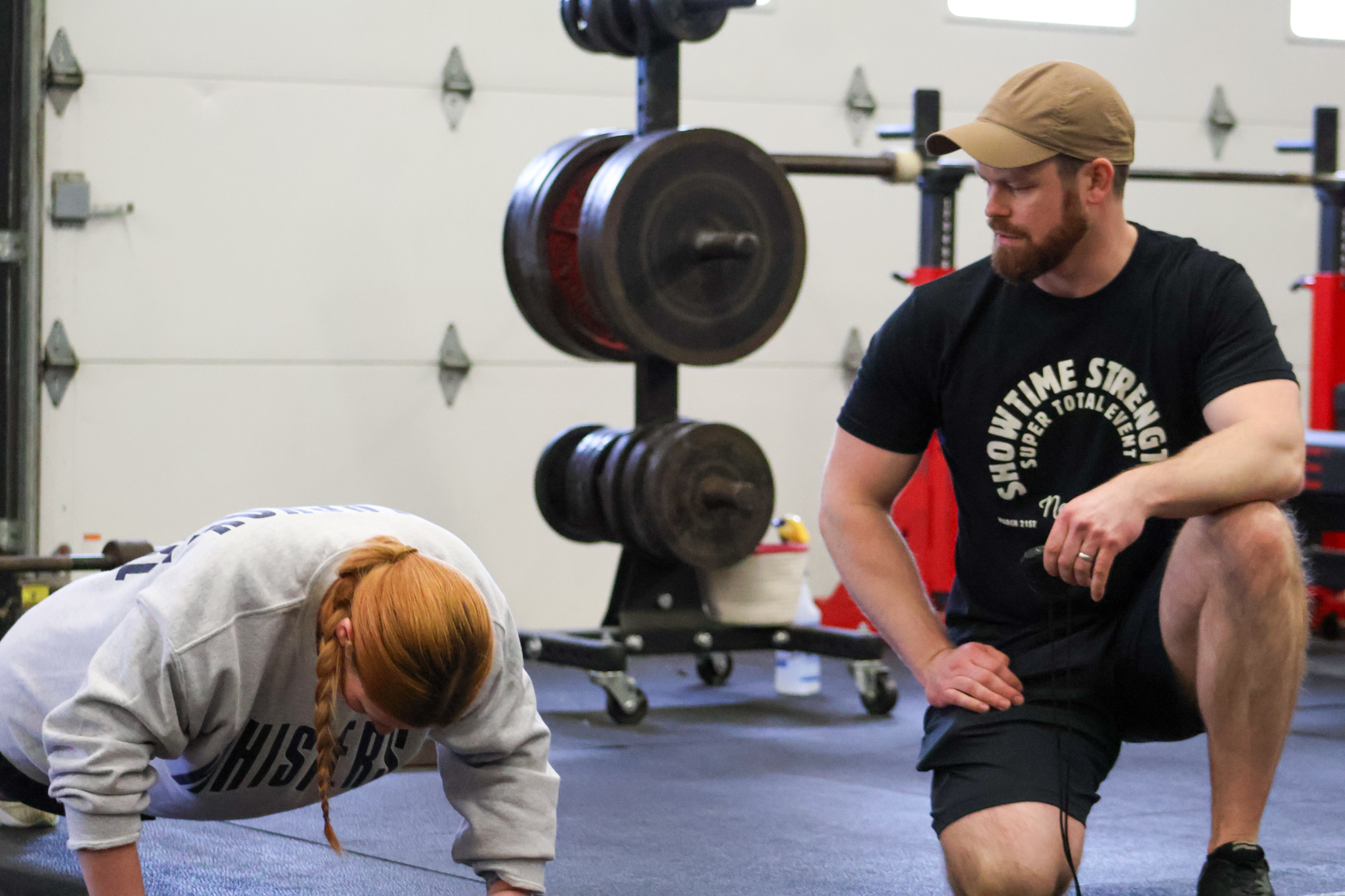
Learn Proper Technique
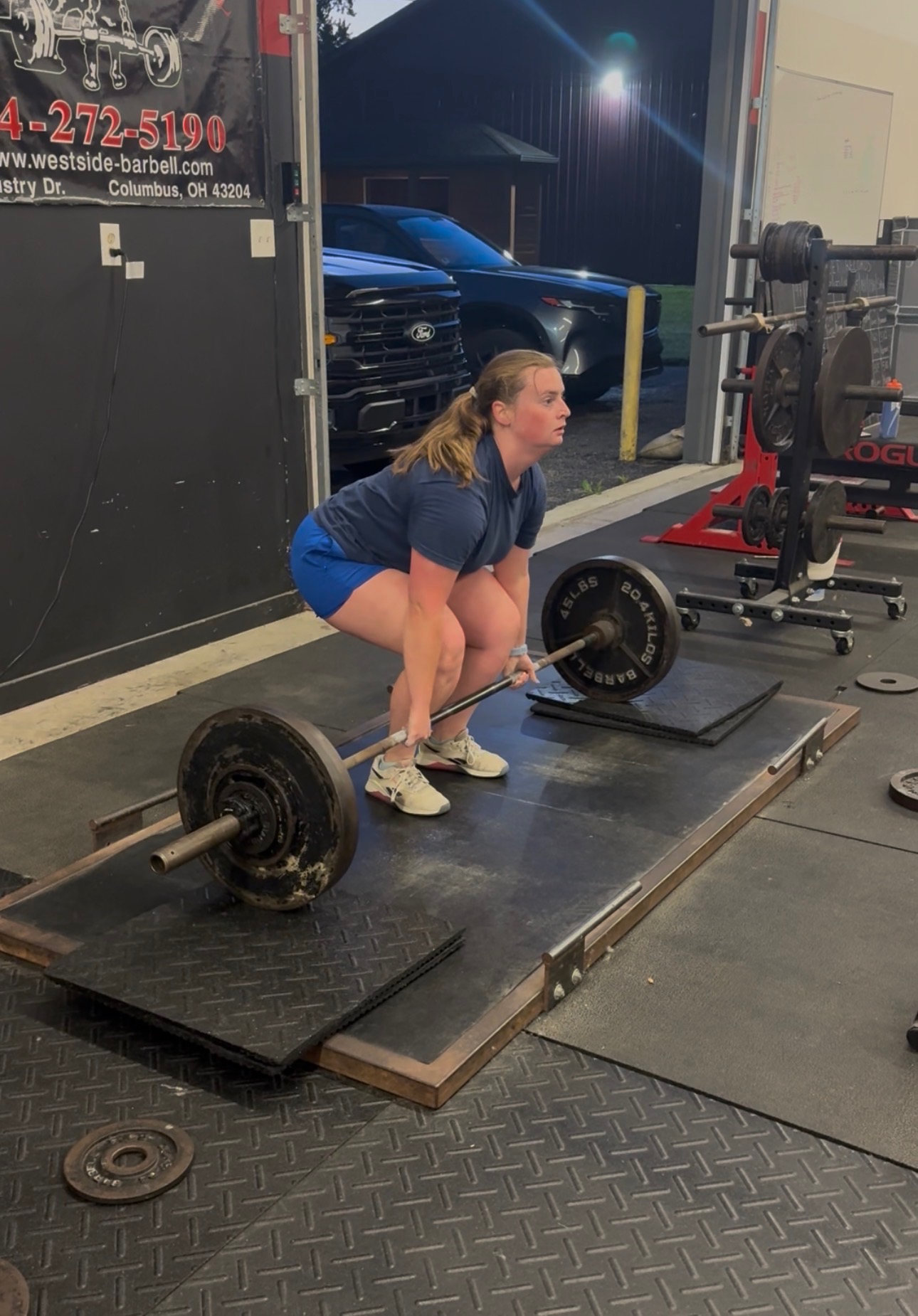
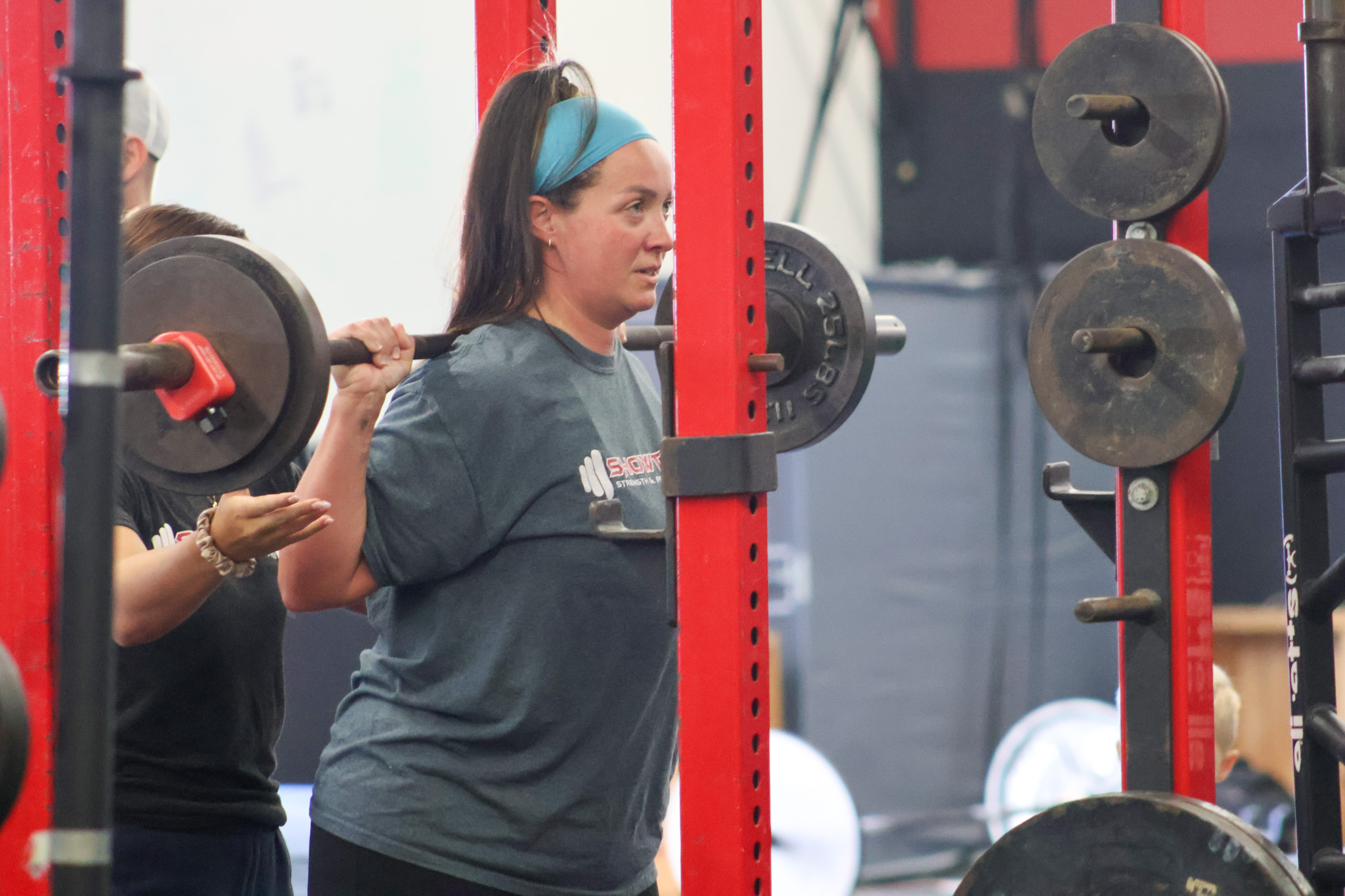
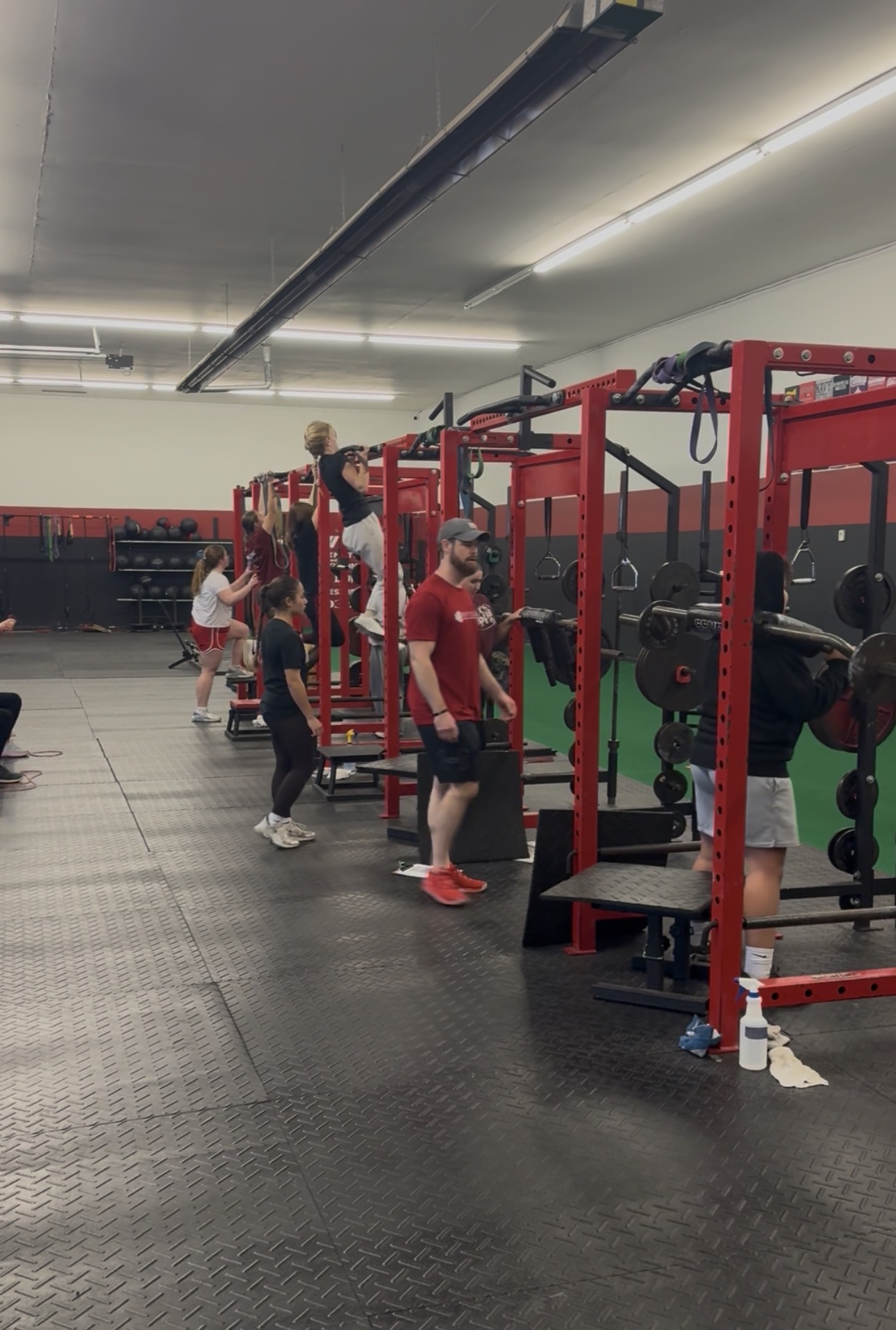
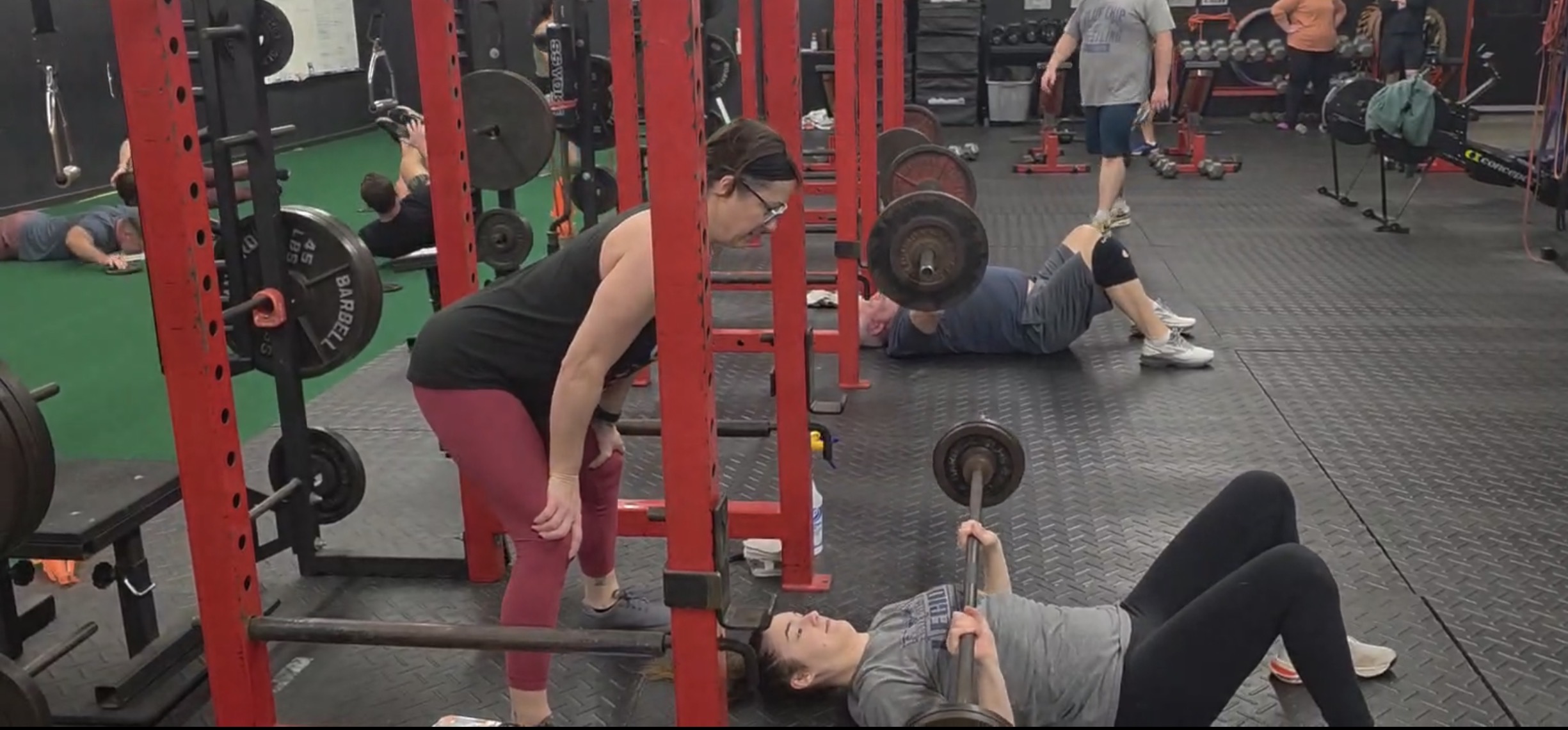
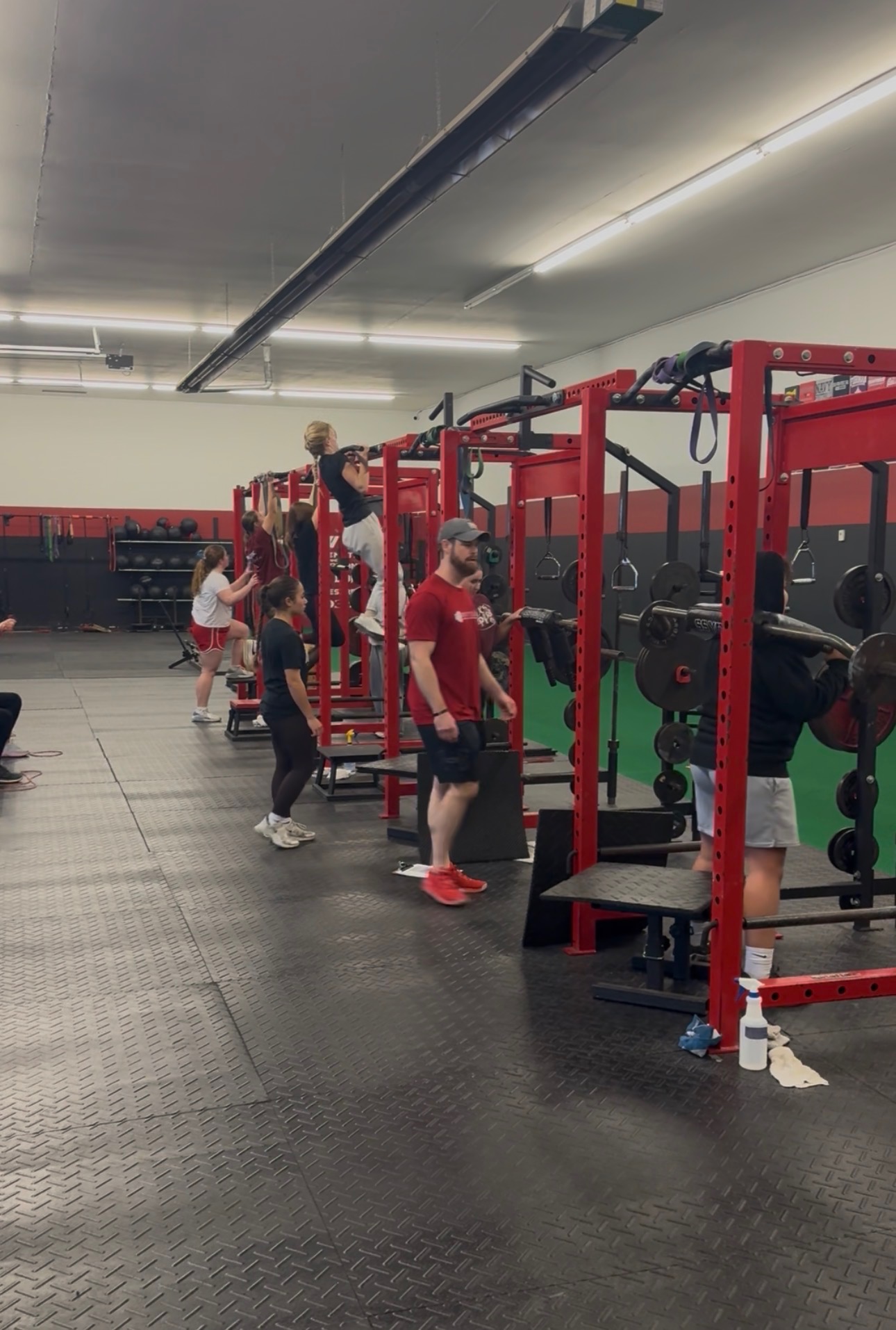
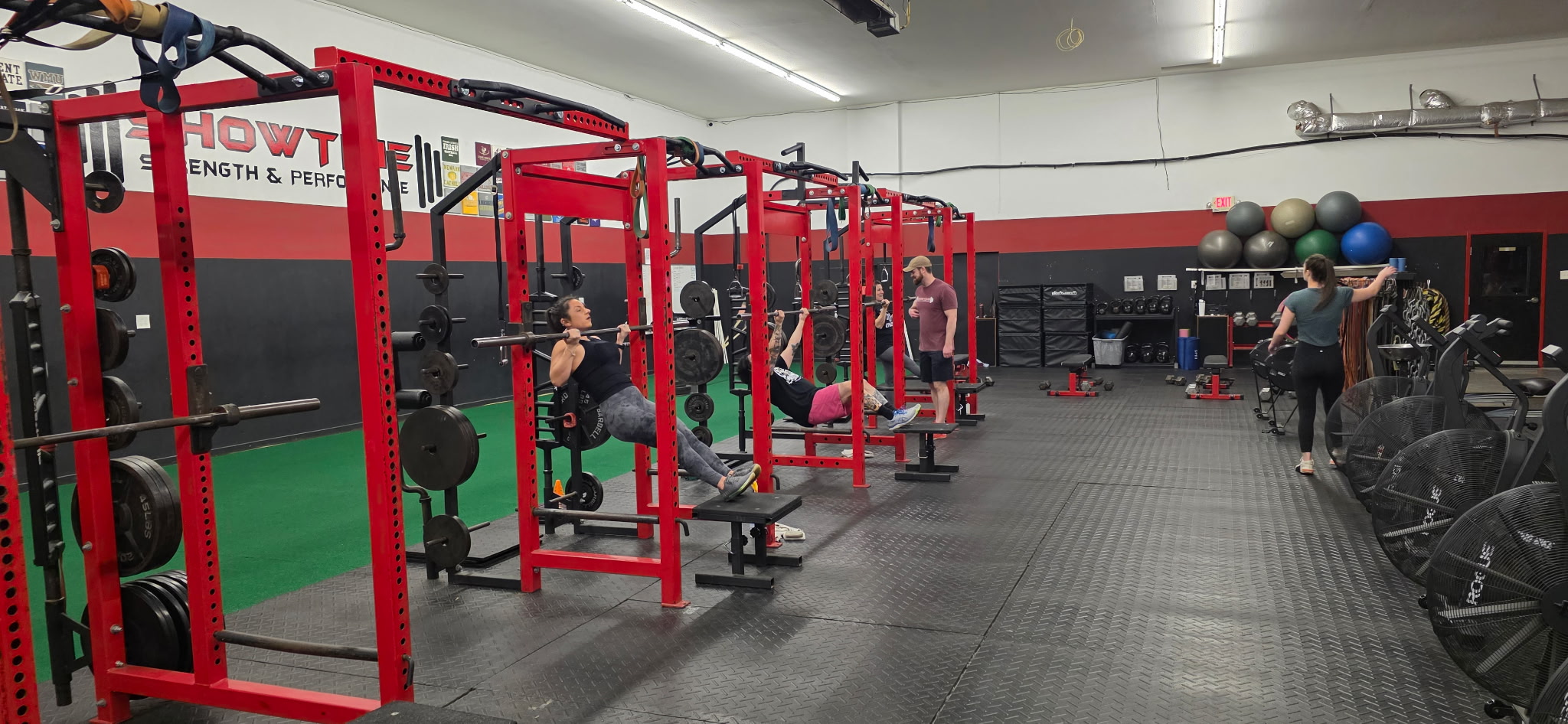
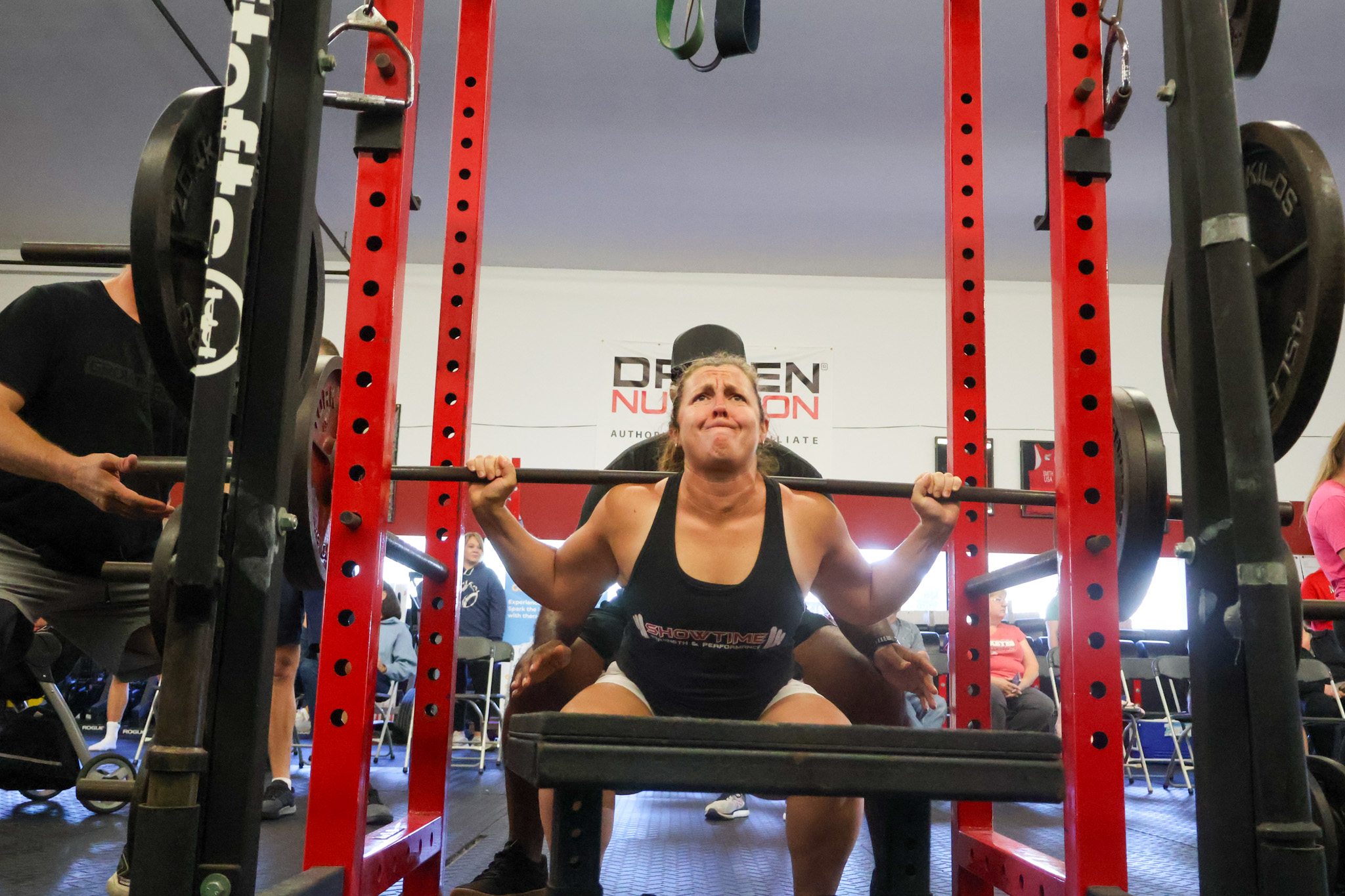
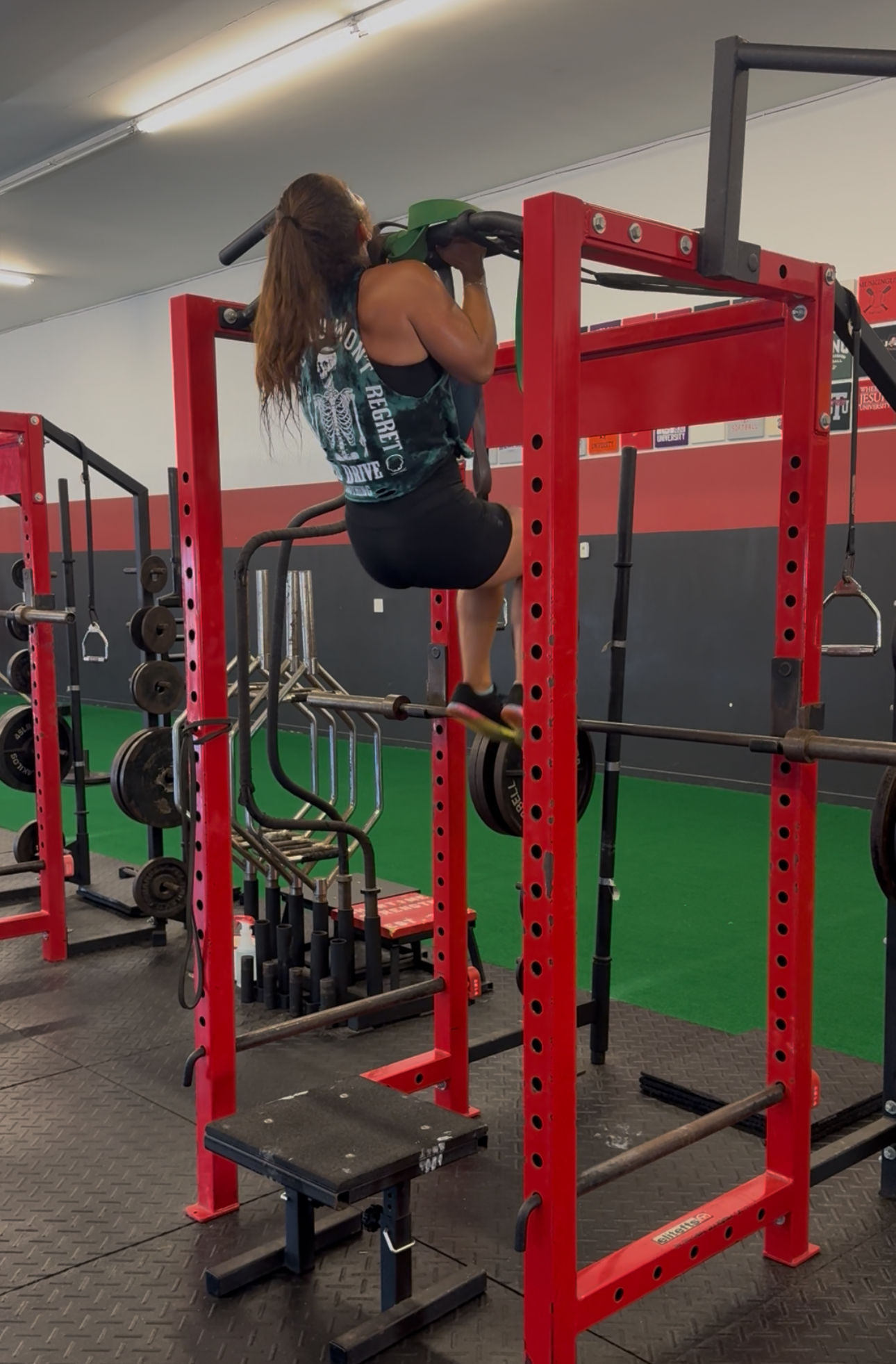
One of the biggest mistakes many adults make in the gym is chasing quick numbers. Not shocking, this seems to be worse with men. What’s interesting on the form of technique, I saw the world’s best to every lift weights want constant feedback on how to improve their technique to optimize their efficiency, but many people at the local gyms discount the effect of proper technique. Progressive overload is critical to making long term progress, but it’s only effective if we load muscles, joints, and bones correctly. When we don’t have optimal loading patterns, then we create over compensation leading to support muscles to act as primary movers which over time exceeds their capacity and leads to injury. The best way to learn this is to find a qualified coach to help you learn and feel proper technique on the lifts you want to learn. This helps you avoid learning poor patterns that you have to work around in the future. Proper technique isn’t the most exciting thing to talk about, but it will accelerate your progress and if you become injured then you have added something to work around the rest of your life.
Good - Watch movement tutorials online and practice by yourself
Better - Have your training partner watch the tutorials and help critique movement
Best - Work with a professional coach for a few sessions to show and watch technique
Warm Up your Body
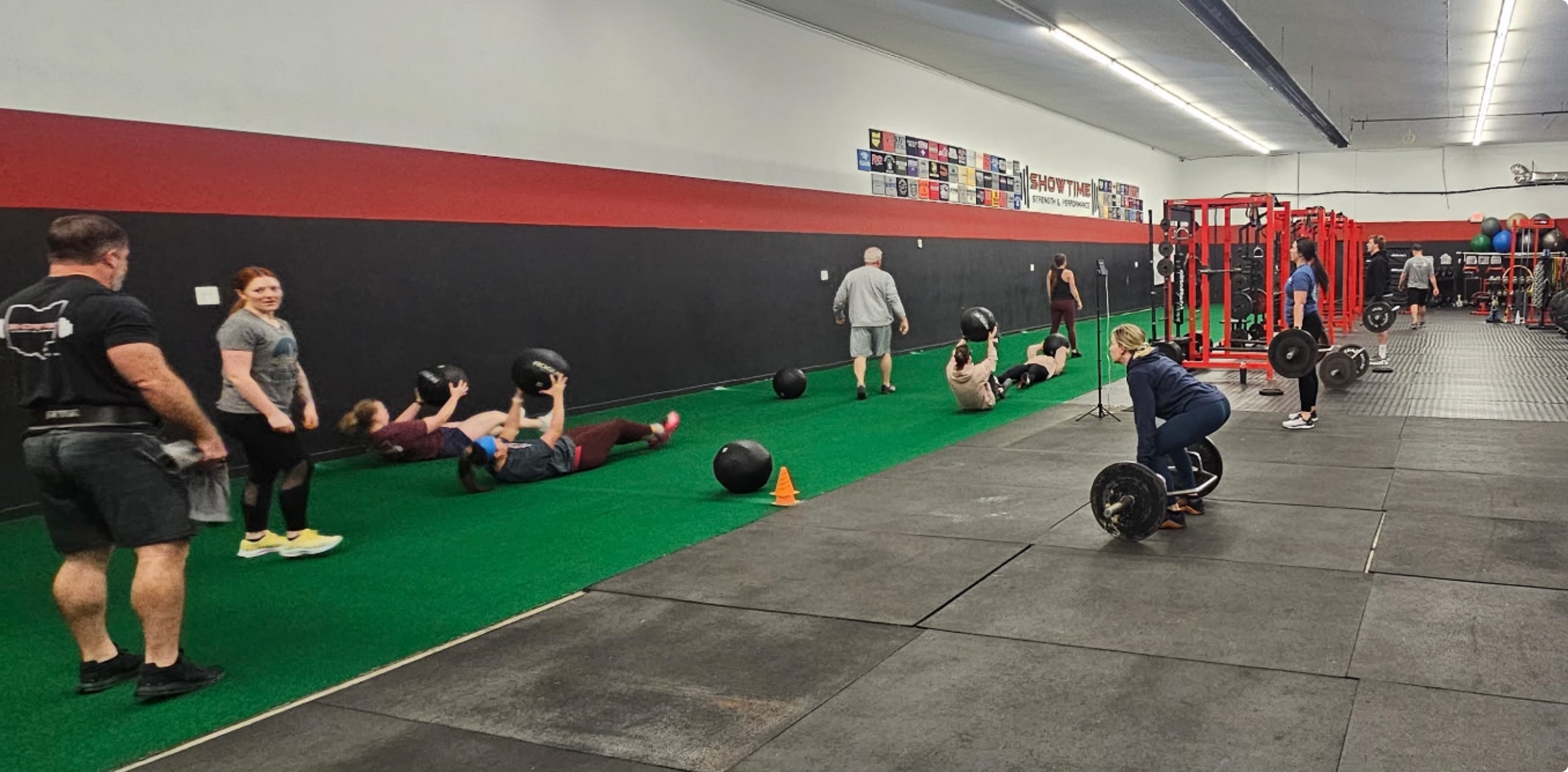
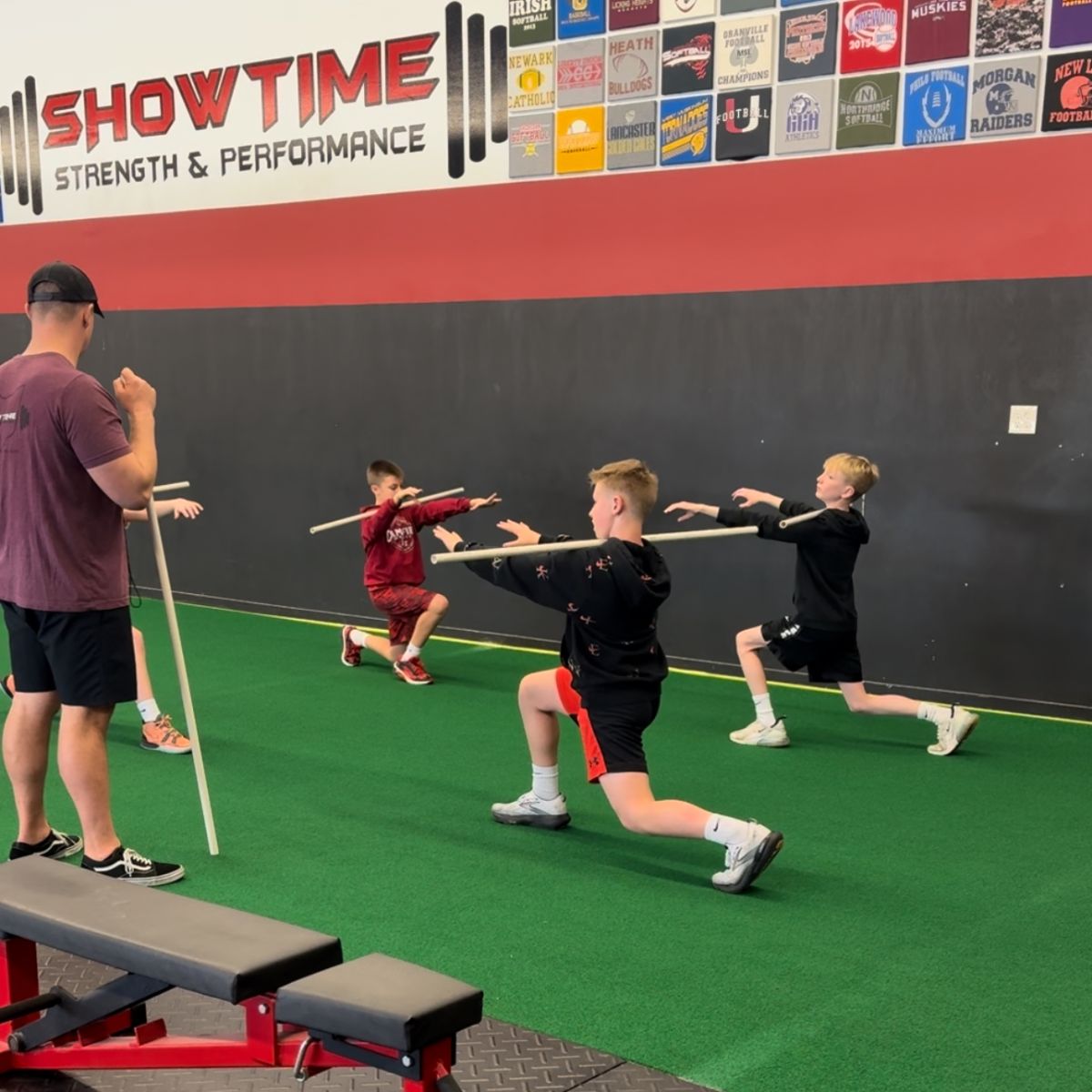
Skipping your warm ups or rushing into heavy lifting is asking for something bad to happen. Maybe not this workout, but over time it catches up. Ask anyone who has lifted for multiple decades the difference in their warm up now compared to a couple of decades ago. Over time, we are forced to learn that the prep for your body is as important as the main training. This helps our our joints, tendons, and nervous system to prepare for the stress of training and will help aid in recovery after the session. Dynamic warm ups help to improve muscular temperature, joint mobility, and neural activation. This all leads to higher performance output and lower injury risk. Your warm up can be brief but it needs to happen.
Good - 3-5 minutes of movement (jumping jacks, jog, bike)
Better - Foam Roll, static stretch exercises
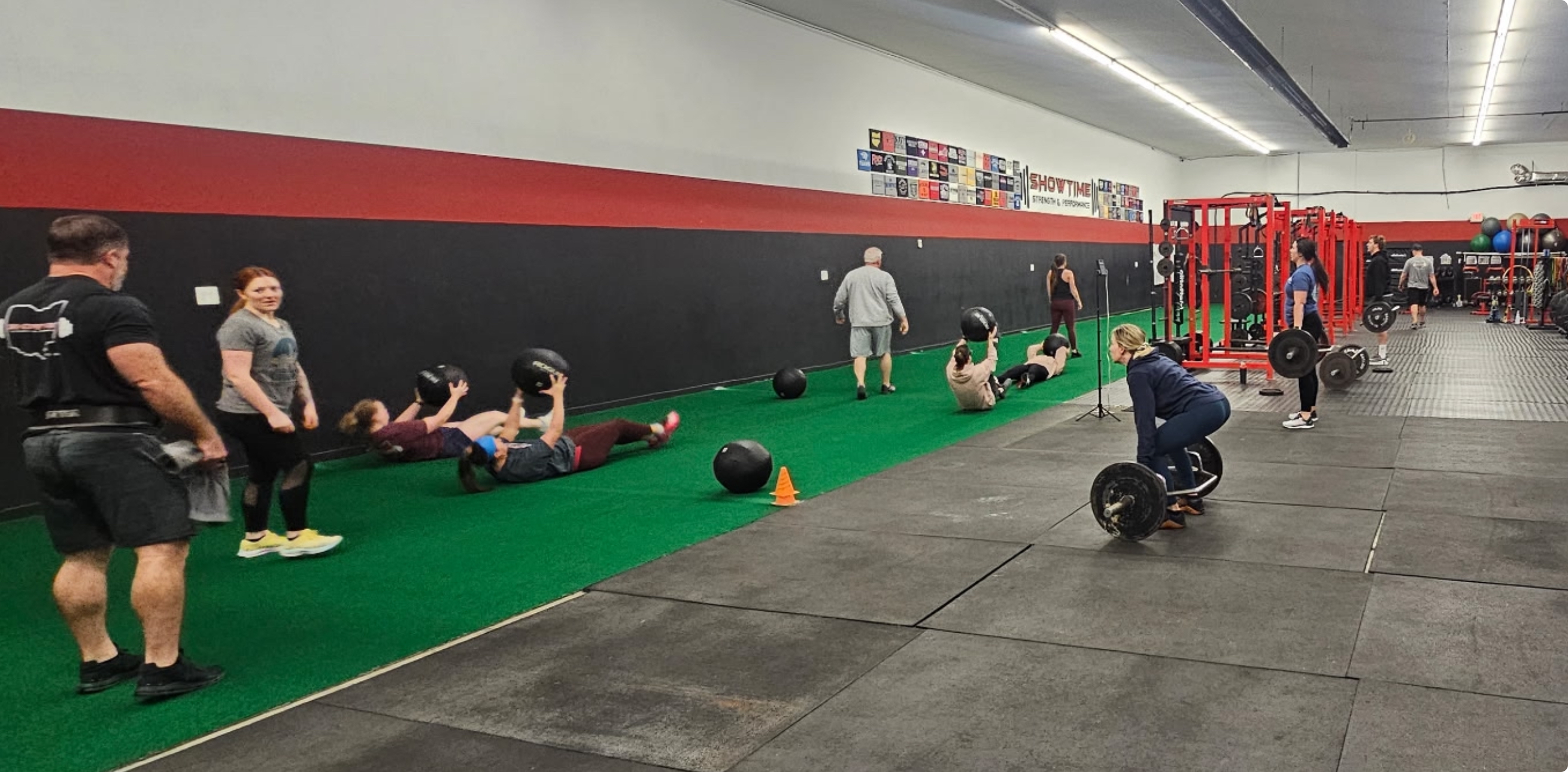
Best - Foam roll, dynamic exercises focused on full range of motion, finish with a ballistic exercise like kettlebell swings, jumps, or medicine ball throws
Consistency over Intensity
Myself included, we tend to forget that our training timeline is forever. This reminder should help us to remember that we simply need to build a little each training session, not have a home run each session. Intensity can only be dialed up once a foundation of consistency has been established. Intensity is a great tool when used at specific times to create a specific response. This is why we can’t add 5lbs to the bar each week, but instead we need to find other means of increasing strength whether it’s increasing training volume, adjusting tempo, or increasing rate of force development. If we get in our vehicle and drive full speed with no breaks or adjustment to road conditionings, eventually our car will wreck or blow up. Our body is the same way.
Improper Loading
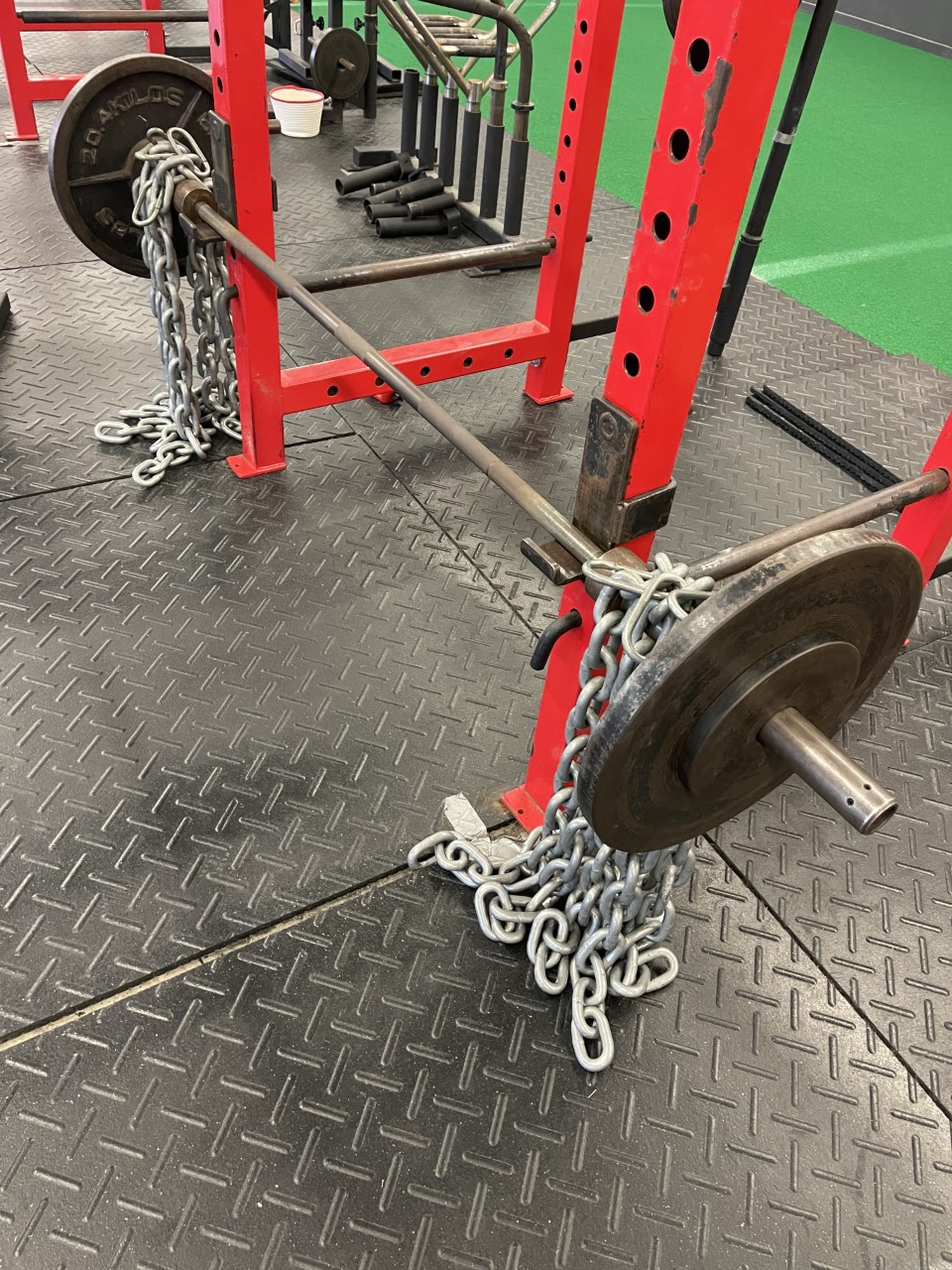
This seems like common sense, but using loads that exceed current capacity is the single biggest cause for why technique breaks down, compensation happens, leading to injury. People will say things like “my technique feels great until I get to a certain weight”, but neglect this signal that the weight is too heavy for them to maintain proper technique. If you find a weight where technique goes out the window, simply reduce the weight to where you feel comfortable and competent and perform repeated sets for a number repetitions that keep you out of a fatigued state. We can’t improve technique in a fatigued state. Loading is one of the reasons we work to remind each person that they are on their own journey and adding weight to keep up with others will never yield the desired results.
Lack of Variation
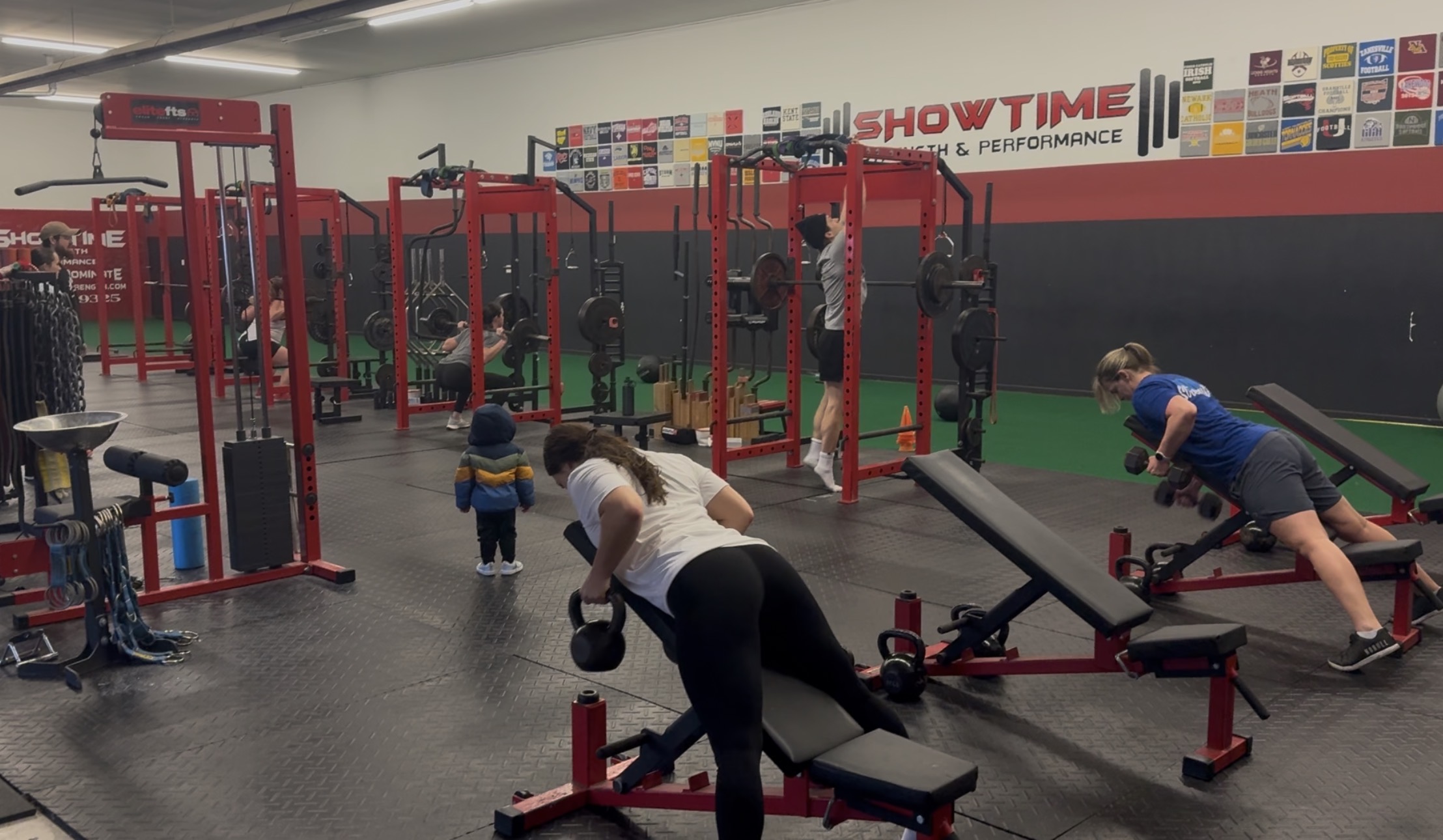
When we think of variation in exercise, it can be much more subtle variations than we realize. Simply changing the bar placement, hand placement, range of motion, angles, tempos all give us variety to load a different stress which can change how much weight we lift and how the movement pattern is performed. We should have a solid foundation of technique that never goes away, but as you advance you will need variety to prevent overuse injuries. The more tools in your training box the less wear and tear on joints and it will also bring excitement to your training. If we consistently do the same thing and expect different results we will become frustrated with the results.
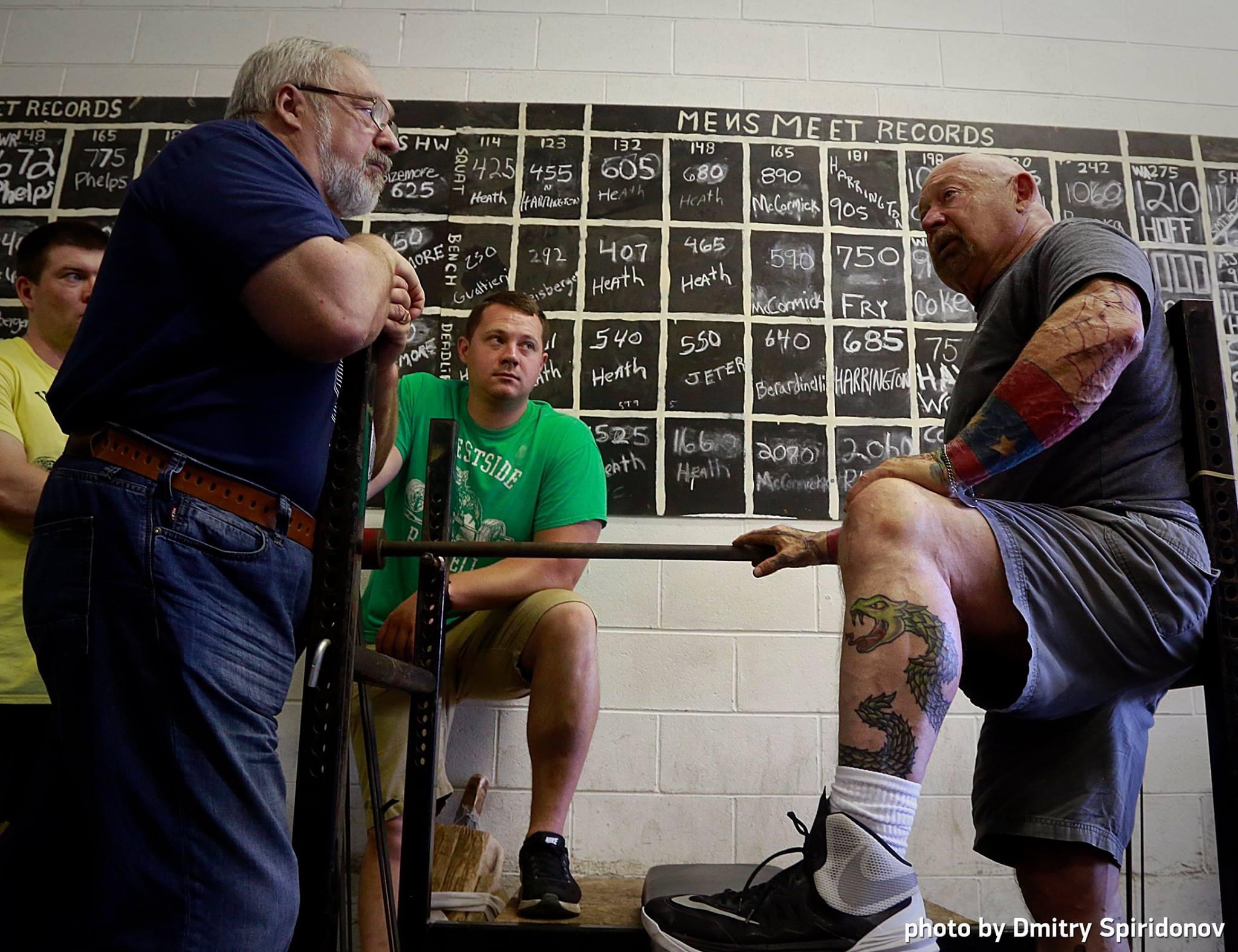
When I look back over 25 years of lifting weights, the amount of debt I owe to Bill Sanders who taught us proper lifting technique and made it a priority becomes larger. Many of the other lessons outlined in this article I had to learn the hard way over time. Injuries can happen while lifting, but they shouldn’t be a common part of your training plan. If you feel unsure where to begin due to fear of injury or have had previous injuries, reach out to us to learn more about how you can get maximum benefit from strength training while reducing risk of injury.












.png)















%20copy.jpeg)










.jpeg)


%20copy%202.jpeg)


