Youth Nutrition Basics: Fueling Practice and Play
Nutrition is critical youth athletic performance
By
March 18, 2026
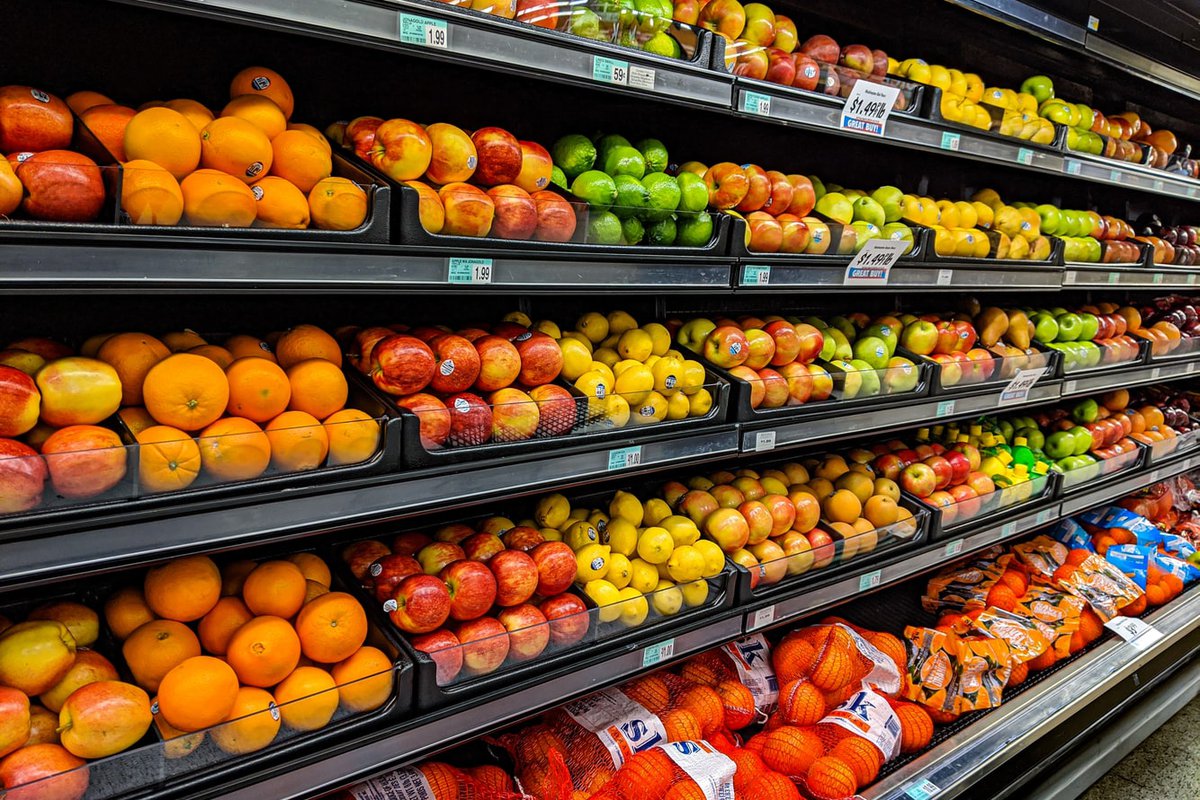

Good nutrition is foundational for young athletes in supporting growth, cognitive function, training adaptations, and recovery. Unlike adults, children and adolescents need food primarily to support growth and development as well as activity, so fueling strategies should prioritize adequate total energy, balanced macronutrients, meal timing around activity, and simple, family-friendly practices that promote consistency and lifelong healthy habits.
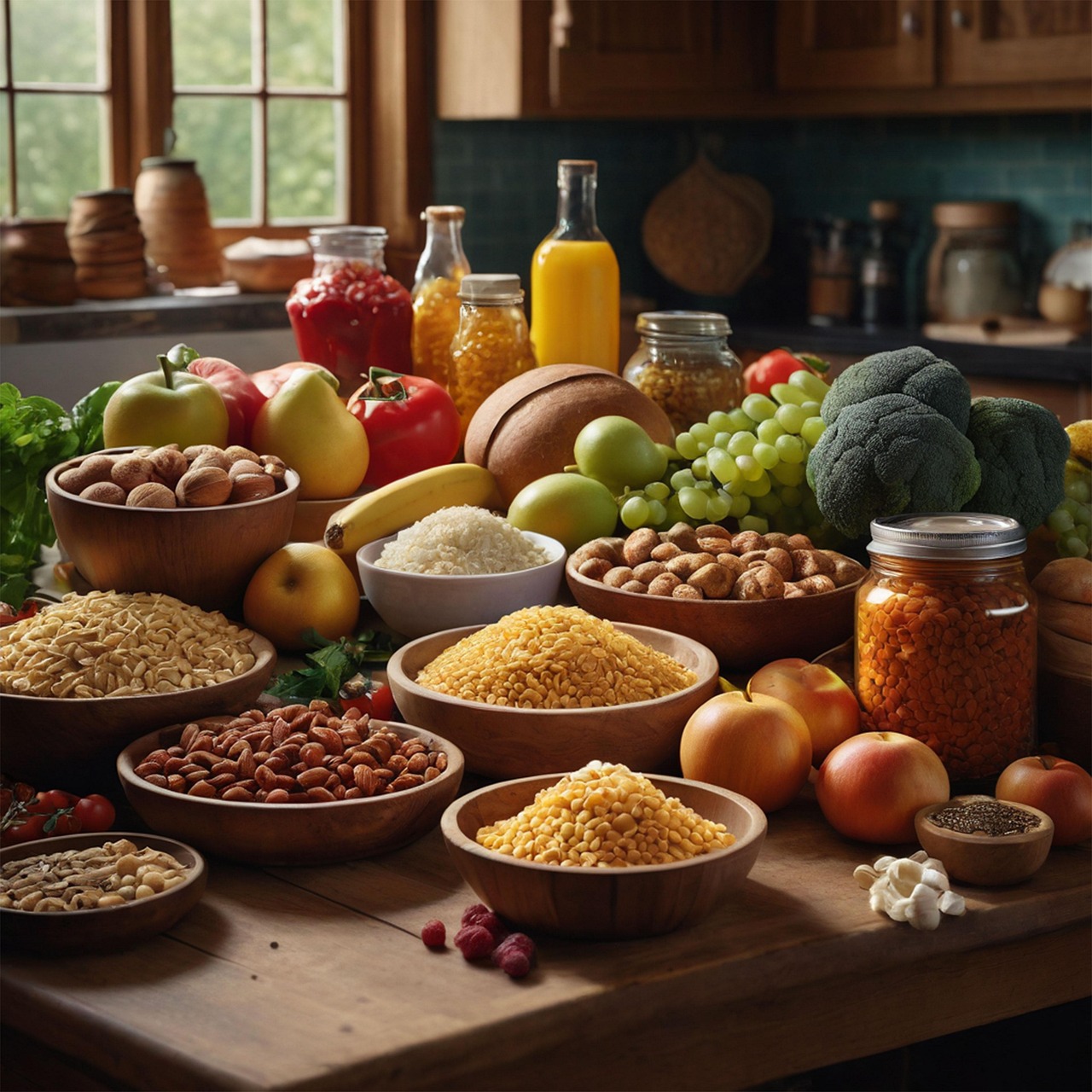
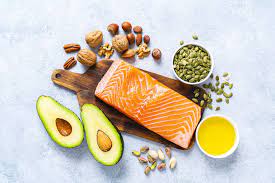
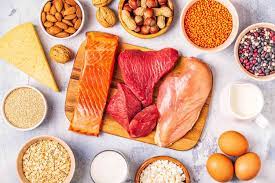
The primary goal is to meet total energy needs to support growth plus training load. Under-fueling reduces performance, impairs recovery, and can negatively affect growth and hormonal development. Carbohydrates are the main fuel for most practices and games; they should supply the bulk of daily intake from whole grains, fruits, vegetables, and dairy. Protein supports tissue growth and repair. Some general recommendations for active youth range roughly .7grams/lb of bodyweight each day depending on training intensity and growth phase. This should come from varied sources (lean meats, dairy, eggs, beans, tofu, nuts). Dietary fats are essential for energy density and fat-soluble vitamin absorption; include sources like avocados, olive oil, nuts, seeds, and fatty fish a few times per week [1,2].
Timing matters for comfort and performance. A pre-practice meal 1–3 hours before activity should be carbohydrate-focused, moderate in protein, and lower in fat/fiber to reduce GI upset—for example, toast with peanut butter and banana or yogurt with fruit. For sessions under 60 minutes, water is typically sufficient; for prolonged or intense sessions (>60–90 minutes) or those in heat, include a carbohydrate-electrolyte drink or easy-to-eat carbohydrate (fruit, sports gel) to maintain blood glucose and delay fatigue. Post-activity, aim for a carbohydrate-plus-protein snack within 30–60 minutes to replenish glycogen and support recovery—options like chocolate milk, yogurt with fruit, or a turkey sandwich work well. Consistent meal spacing through the day (breakfast, lunch, dinner, plus snacks) helps maintain energy for school and training [1,3].
Keep strategies simple and family-centered. Model balanced meals, involve kids in shopping and cooking, with focus on whole foods rather than supplements. For picky eaters, prioritize frequently offered healthy options and add calorie-dense, nutrient-rich snacks (nut butter, smoothies, trail mix). Monitor growth, energy levels, training performance, mood, and sleep rather than obsessing over macronutrient percentages. Watch for red flags such as excessive fatigue, frequent illness, poor growth trajectory, or disordered eating behaviors—and consult a pediatrician or registered dietitian when needed. Special considerations include food allergies, vegetarian/vegan diets (ensure adequate iron, B12, vitamin D, and protein variety), and cultural food practices—adapt recommendations to be realistic and respectful [2].
Tactical Application
Provide parents and coaches with a simple, flexible daily template and a portable game-day checklist:
Youth nutrition for sport should be practical, flexible, and centered on meeting total energy needs with balanced macronutrients and sensible timing around activity. Emphasize whole foods, consistent meal patterns, and family involvement rather than quick fixes or excessive restriction. When in doubt, especially with growth concerns, persistent fatigue, or restrictive eating you should seek guidance from a pediatrician or pediatric sports dietitian to tailor plans safely.
References












.png)














%20copy.jpeg)













.jpeg)


%20copy%202.jpeg)


