Managing Growth Spurts: Training Adjustments for Rapidly Growing Kids
Managing Growth Spurts: Training Adjustments for Rapidly Growing Kids
By
March 11, 2026

Managing Growth Spurts: Training Adjustments for Rapidly Growing Kids
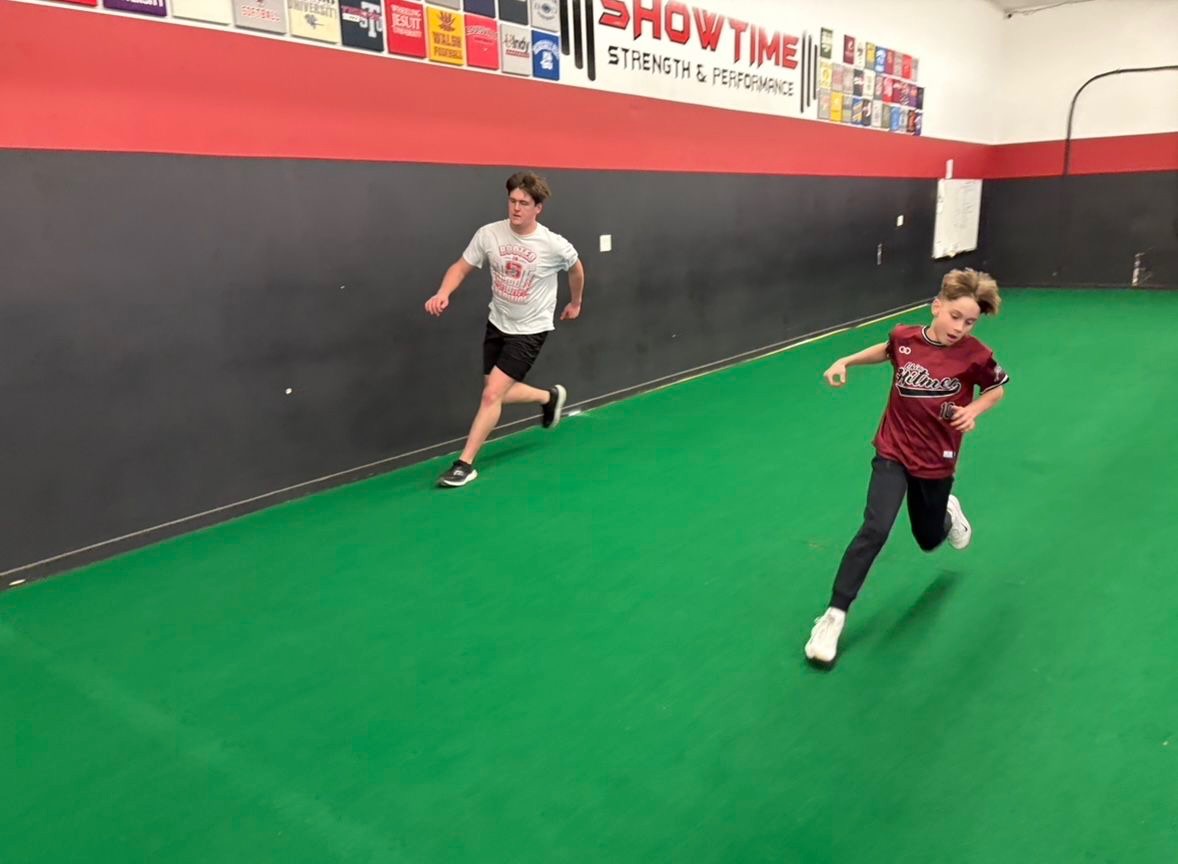
Growth spurts are periods of rapid increases in height and mass. These are a normal part of development, but present practical challenges for young athletes, their coaches, and parents. During peak height velocity (PHV), typically occurring earlier in girls than boys, rapid changes in bone length, muscle-tendon unit stiffness, and limb proportions can temporarily reduce coordination, alter biomechanics, and increase susceptibility to both acute and overuse injuries. Coaches who recognize these phases and deliberately adjust training can protect athletes, maintain progress, and foster long-term development rather than prioritizing short-term performance gains.
How Rapid Growth Impacts Movement, Strength, and Injury Risk
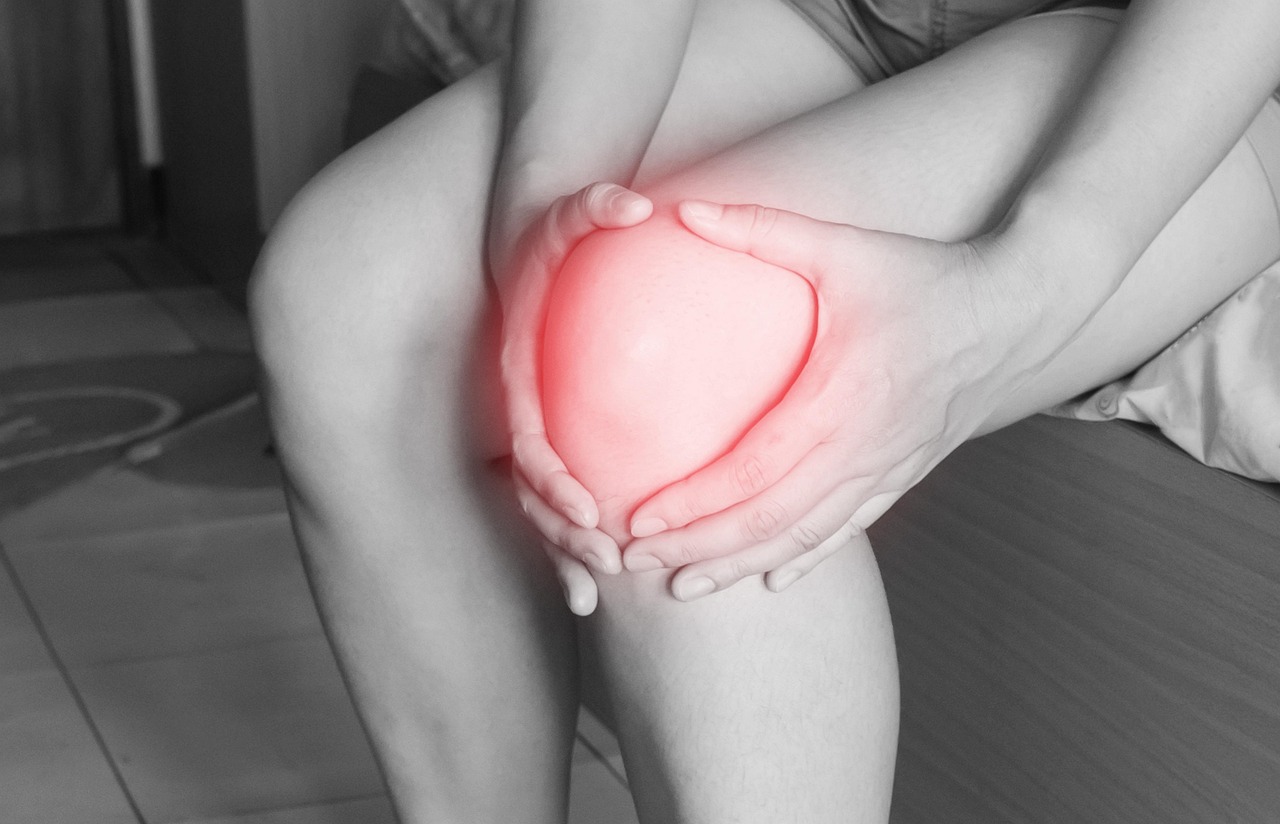
When limbs lengthen quickly, the neuromuscular system must re-learn movement patterns. Muscle strength may lag behind bone growth, creating relative muscle weakness and increased strain on tendons and growth plates (apophyses). This mismatch contributes to common adolescent conditions such as Osgood–Schlatter disease, Sever’s apophysitis, and increases the risk of non-contact injuries due to compromised coordination and altered force vectors around joints. Additionally, changes in center of mass and limb moment arms can temporarily degrade sprint mechanics, jump technique, and cutting ability. Recognizing declines in movement qualityrather than assuming reduced effort is critical. Most athletes are often doing their best with a changing body.
Training Principles to Prioritize During Growth Spurts
• Shift the training focus toward movement quality, neuromuscular control, and resilience. Reduce emphasis on maximal loads, high-volume plyometrics, and intense competition until coordination stabilizes. Instead, prioritize:
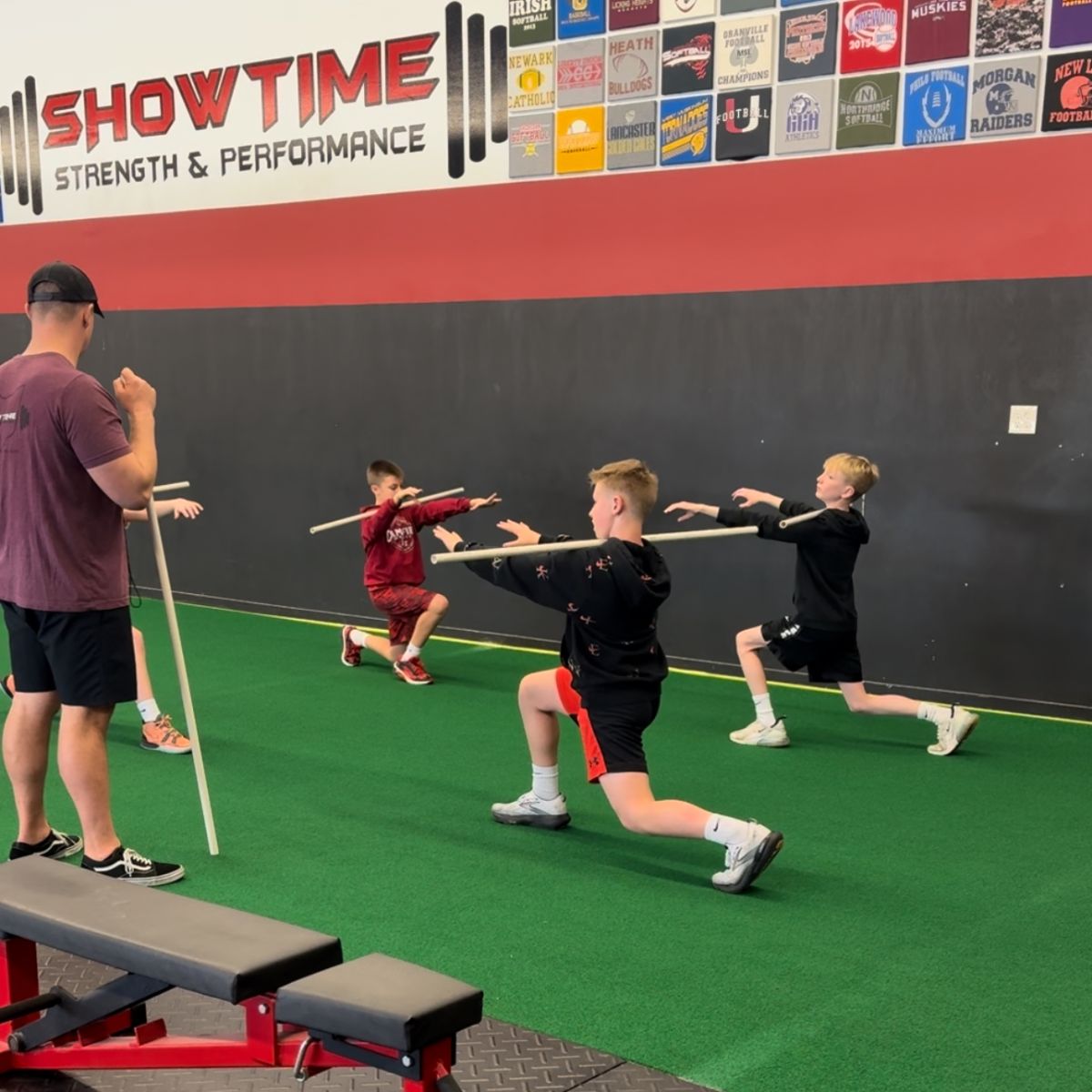
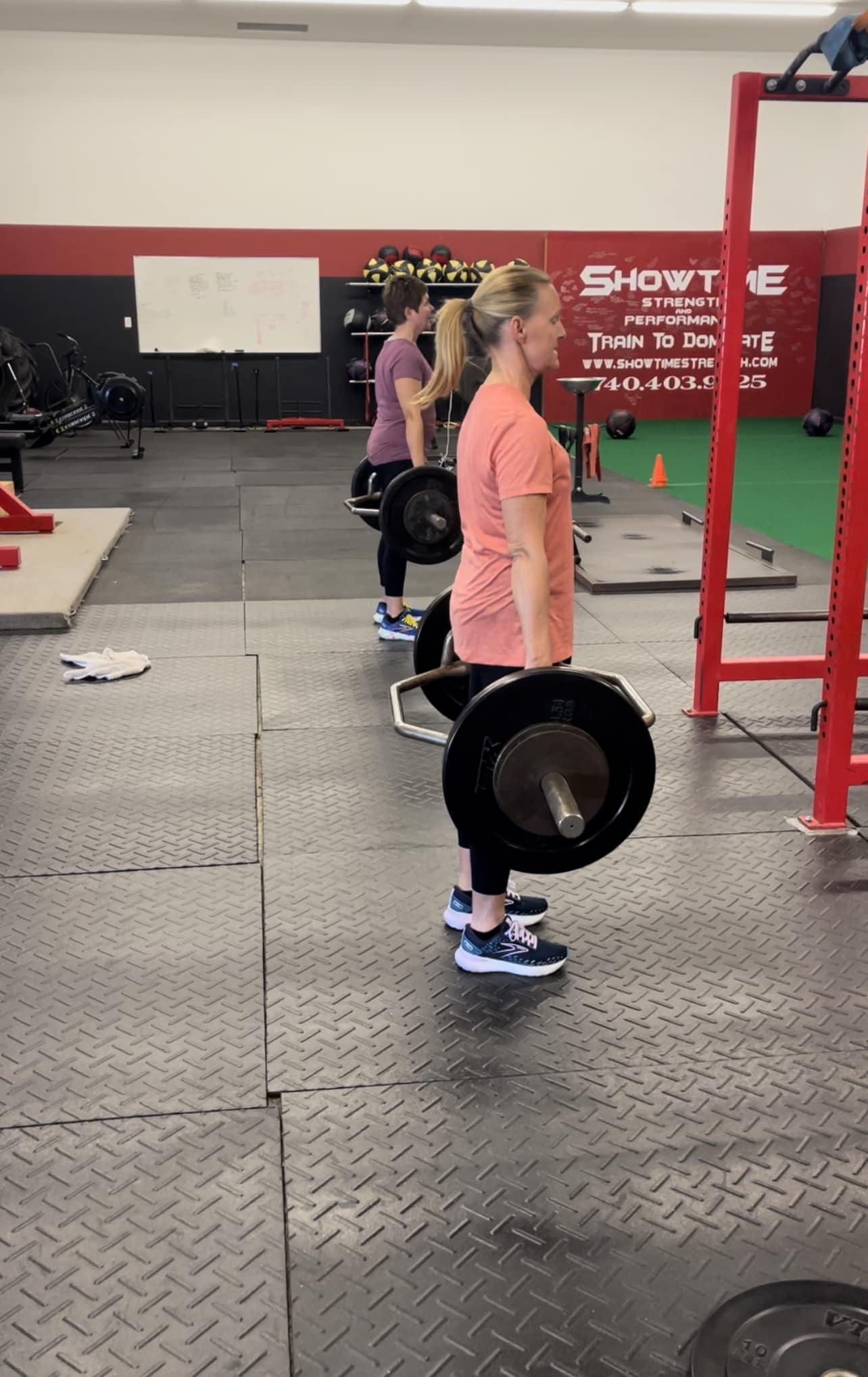
• Fundamental movement retraining: slow, controlled practice of squat, hinge, lunge, push, pull, and anti-rotation patterns to reinforce biomechanics under new proportions.
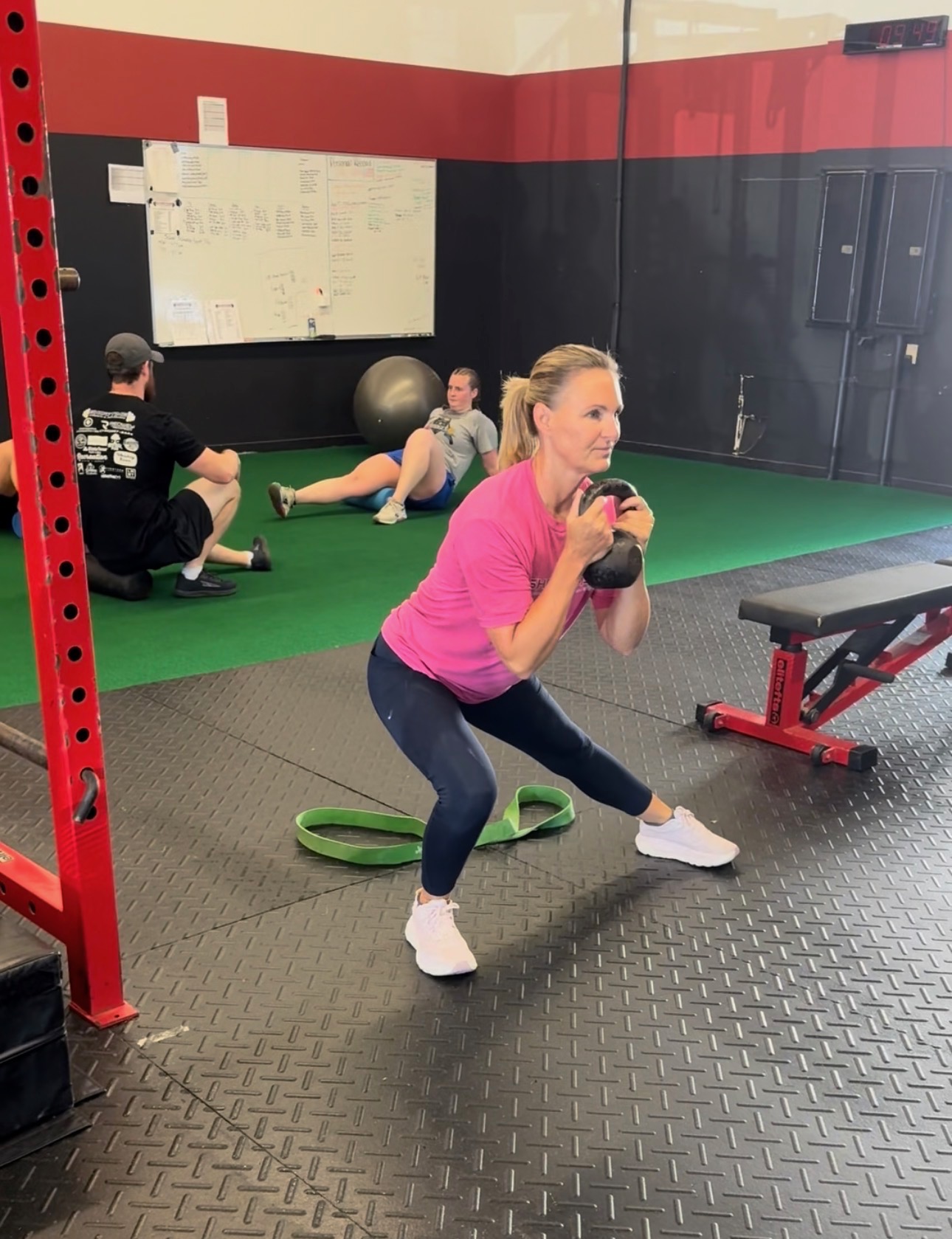
• Unilateral and stability work: single-leg strength and balance drills address asymmetries that become more pronounced during growth and reduce load on vulnerable structures.
• Mobility and tendon-loading progression: guided flexibility and gradual eccentric loading (e.g., controlled Nordic negatives, slow step-downs) to adapt tendons to increased length and stress.
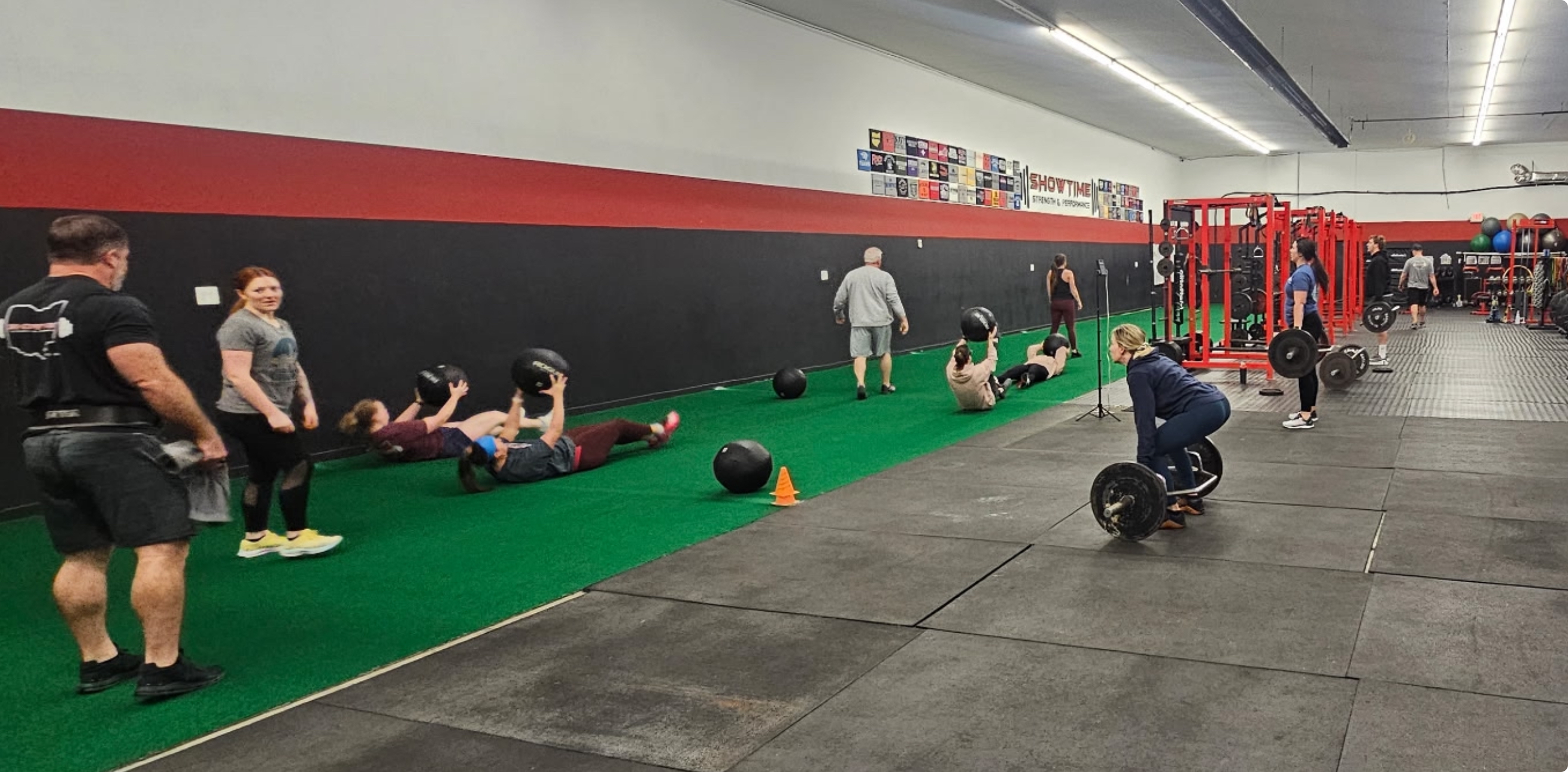
• Volume modulation and recovery: reduce high-impact repetitions and allow extra recovery, recognizing that sleep, nutrition, and load management significantly influence adaptation and injury risk. These principles preserve athletic qualities (power, speed, endurance) through low-risk modalities—e.g., medicine ball throws, resisted sled pushes, tempo runs—that maintain stimulus without compounding joint stress.
Active monitoring is essential. Simple, low-burden tools like monthly standing height measurements, session RPE, tracking pain or soreness, basic movement screens (single-leg squat, overhead squat, drop-jump landing observation), and coach/parent feedback help to identify when an athlete is undergoing rapid growth or struggling with coordination. Open communication among coaches, parents, and athletes promotes timely adjustments: if an athlete reports anterior knee pain or exhibits poor landings, reduce high-impact work and introduce targeted pre-hab. Use objective triggers for temporary program changes (e.g., height increase >2–3 cm in one month, persistent decline in movement quality, or >10–20% change in jump height) to avoid subjective overreaction while remaining responsive. When possible, collaborate with physiotherapists or sports medicine professionals for persistent pain or suspected growth-plate pathology.
Tactical Application
Implement a 4-week "Recalibration Block" whenever an athlete meets one or more practical triggers (height gain ≥2–3 cm/month, parent/athlete report of rapid growth, or clear decline in movement quality). Sample structure:
• Week objectives: prioritize neuromuscular control, bi lateral and unilateral strength, mobility, and gradual tendon loading; reduce high-impact and maximal-load work.
Session design (3 sessions/week)
• Warm-up (10 min): Dynamic Warm Up, Low Intensity Jumps or Throws, and Core Stabilization or any pre-has specific to the athlete.
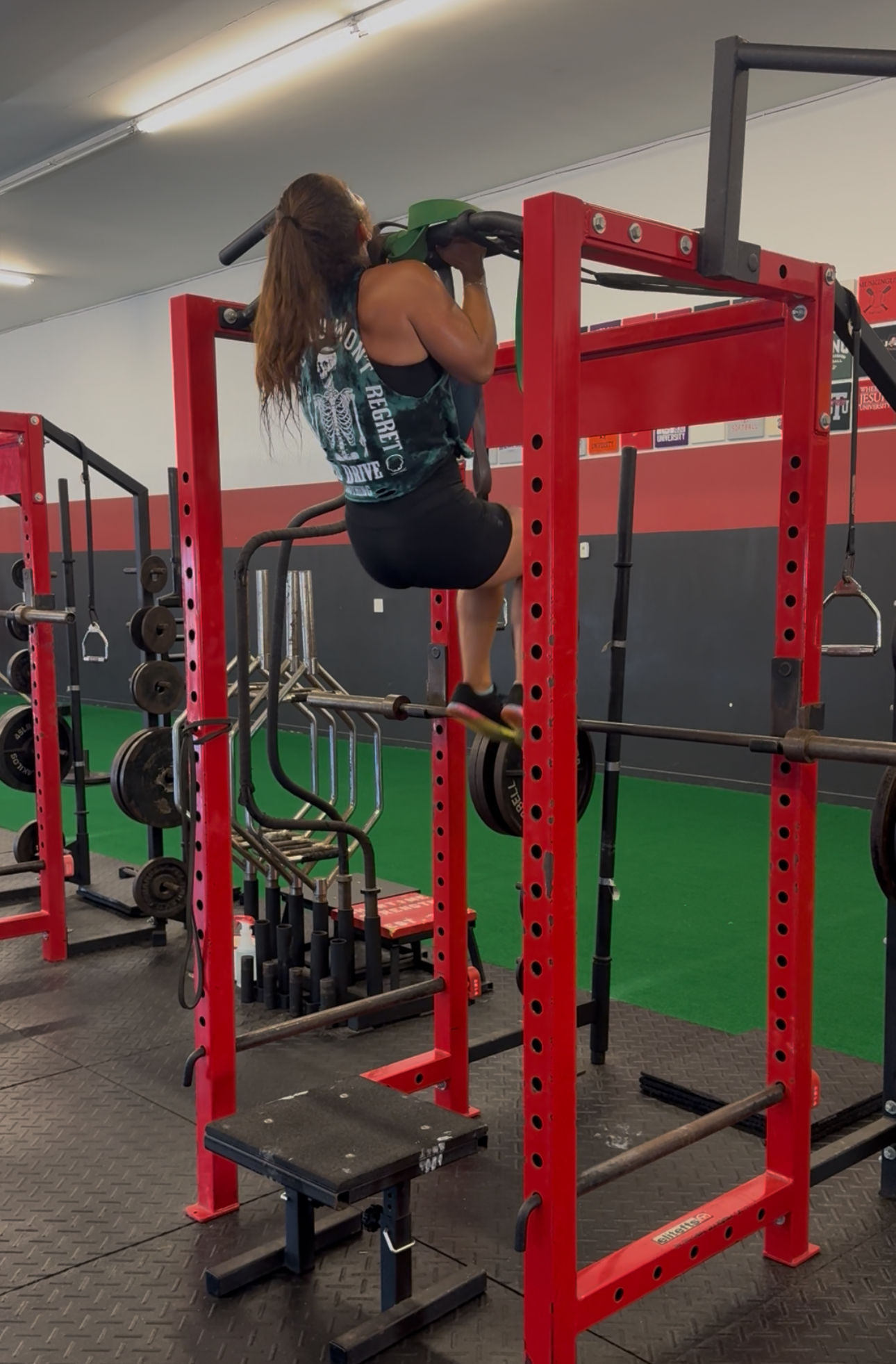
• Core block (20–25 min): 3-5 Sets of 3-6 Reps of Main Lift (Squat/Press/Pull), Horizontal/Vertical Pull 3-5 Sets of 4-8 reps, Posterior Chain or Posterior Shoulder/Arms 3-5 Sets of 5-10 reps, Core Stabilization
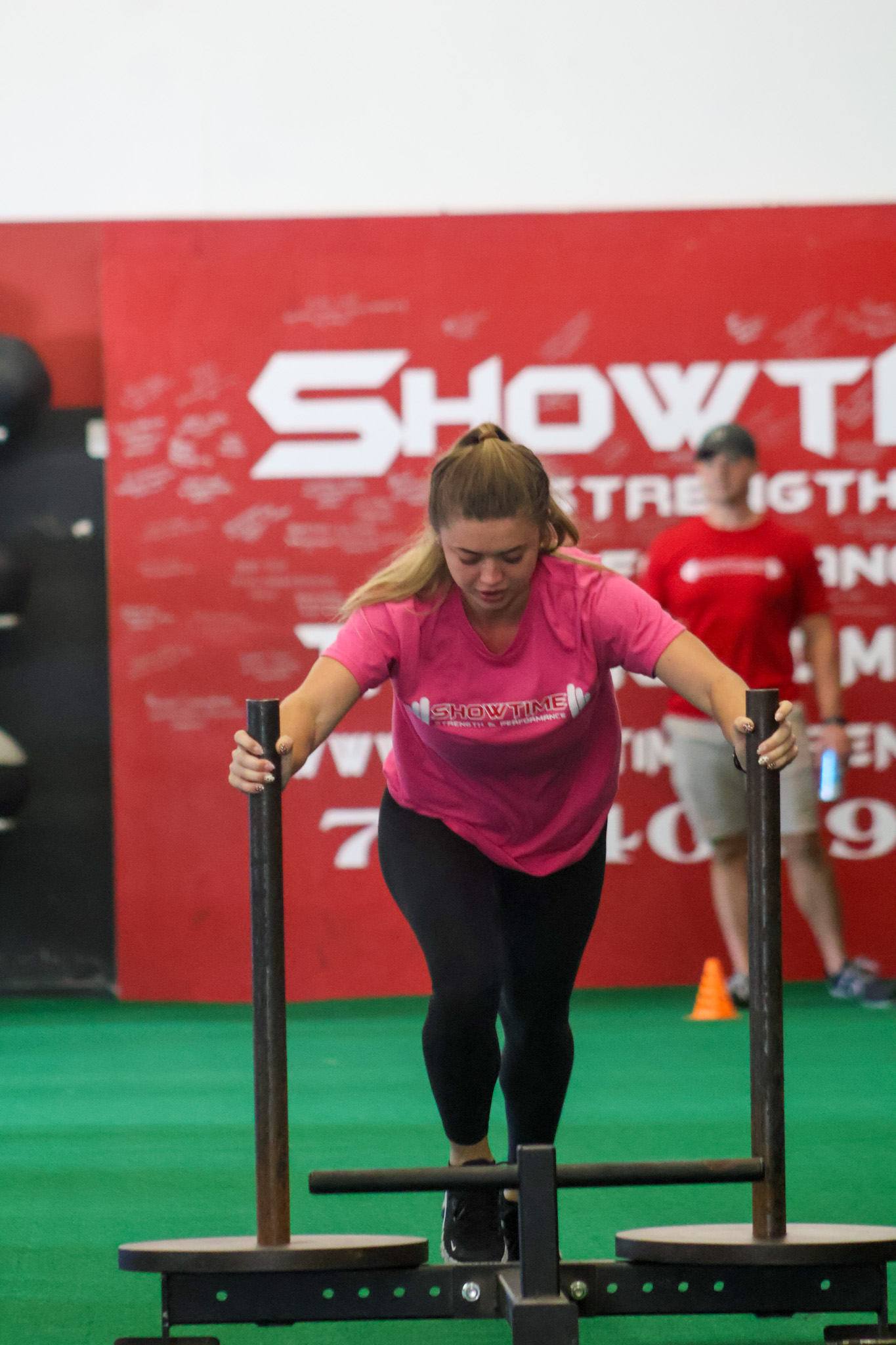
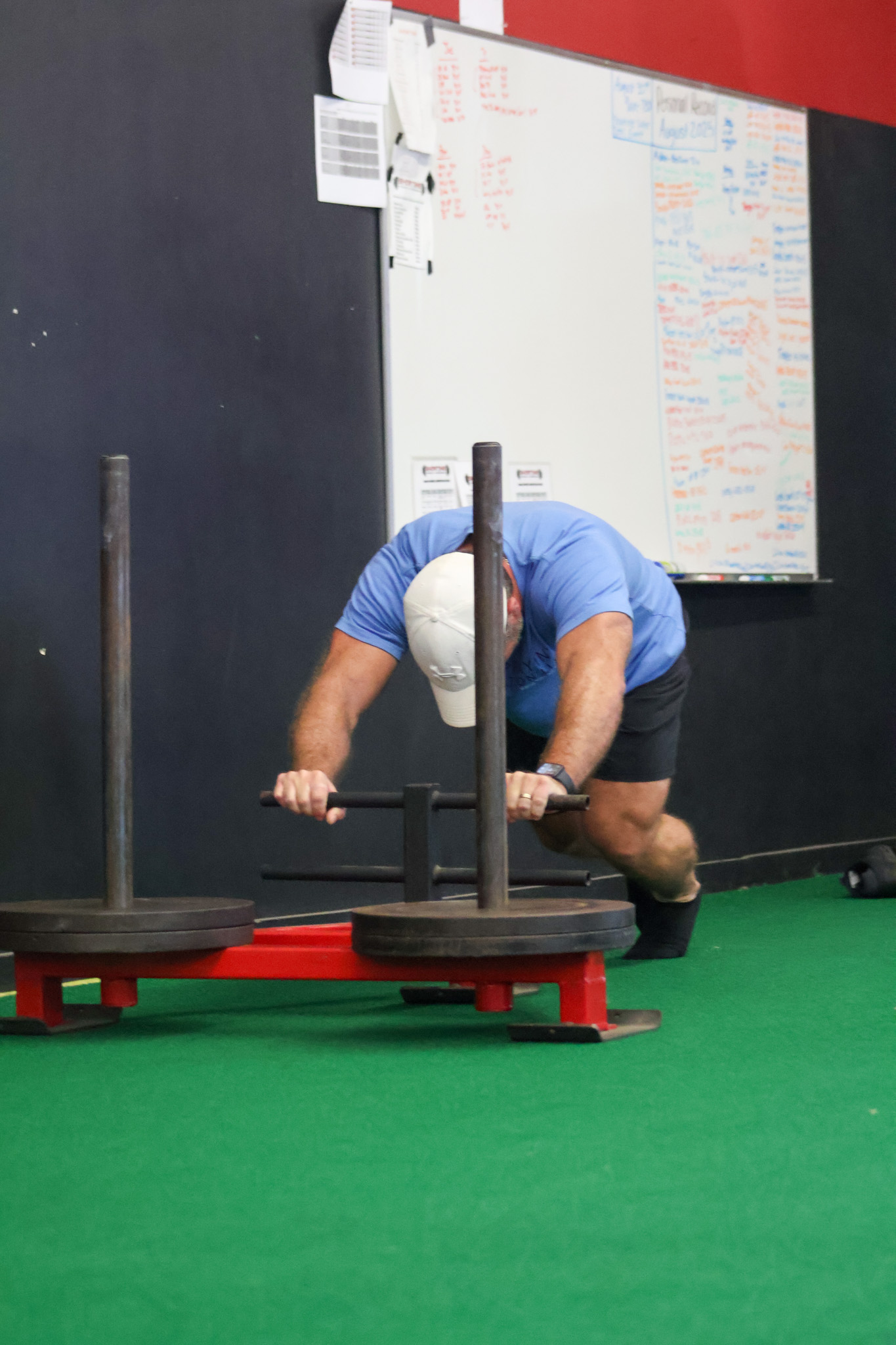
• Conditioning (10–15 min): Prowler Pushes, Sled Drags, Carries, Marches, Bike, Battle Ropes
• Cool Down (5–10 min): Band Stretch, ankle/hip strength, and 2–3 mobility drills.
• Load guidance: reduce plyometric volume by ~50%, avoid maximal Olympic lifts and heavy near-max squats; keep RPE moderate (5–7/10).
• Recovery and monitoring: schedule an extra rest day if subjective fatigue increases; document height and simple movement screen weekly. This block sustains conditioning while prioritizing safe neuromuscular adaptation as the athlete reorganizes movement around a changing body.
Growth spurts are a predictable, manageable phase in youth athletic development. Rather than viewing them as setbacks, coaches and parents should treat rapid growth as a cue to adjust priorities. Favoring movement quality, unilateral strength, gradual tendon loading, and measured volume, while closely monitoring signs of pain or dysfunction. With structured recalibration, open communication, and sensible load management, young athletes can navigate growth spurts safely and continue long-term progress toward athletic potential.
References
1. Malina RM, Bouchard C, Bar-Or O. Growth, Maturation, and Physical Activity. Human Kinetics; 2004.
2. Lloyd RS, Oliver JL. Strength and Conditioning for Young Athletes: Science and Practice. Routledge; 2012.
3. Myer GD, Faigenbaum AD, Cherney SM, et al. “When to Initiate Integrative Neuromuscular Training to Reduce Sports-Related Injuries and Enhance Fitness in Youth?” Curr Sports Med Rep. 2011;10(3):155–166.






.png)











%20copy.jpeg)






.jpeg)


%20copy%202.jpeg)


