Incorporating Mobility and Flexibility Into Youth Training Programs
Mobility and Flexibility Foundational Components for Youth Athlets
By
April 7, 2026


Mobility and flexibility are foundational components of athletic development. While flexibility refers to the range of motion available at a joint, mobility combines that range with control and strength through that range. For growing athletes, promoting both mobility and flexibility improves movement quality, reduces injury risk, and supports skill acquisition across sports. Integrating simple, age-appropriate mobility practices into regular training, rather than treating them as optional add-ons which creates durable movement habits that carry into adolescence and beyond.
Prioritize movement quality over passive stretching
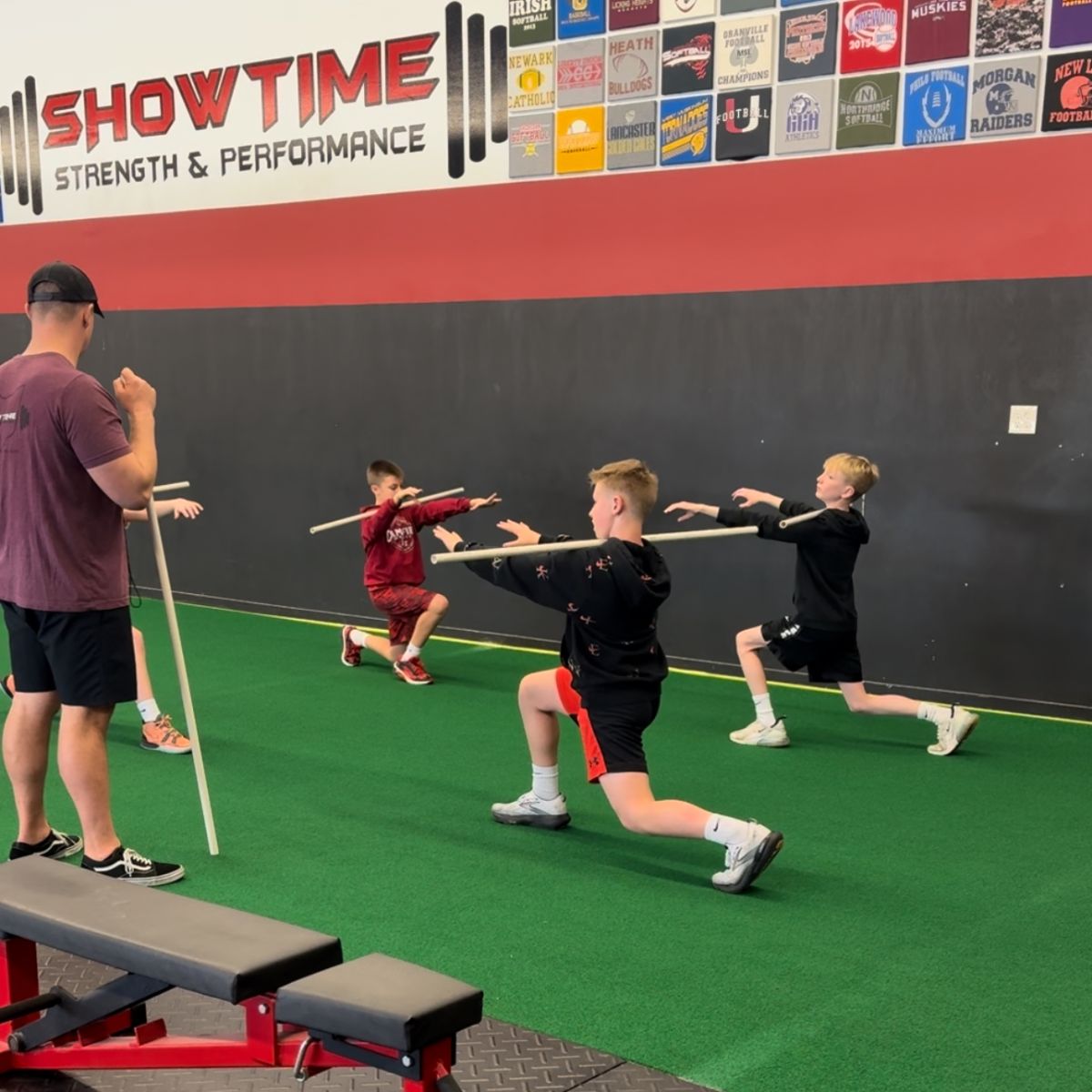
Static stretching has its place, but for youth athletes the priority should be controlled, active ranges of motion that integrate strength and proprioception. Passive, prolonged stretching can acutely reduce force output if performed immediately before high-power activity. Instead use dynamic mobility and active flexibility in warm-ups to prepare the body for practice (e.g., leg swings, hip CARs, inchworms). These drills rehearse sport-specific movement patterns while improving usable range of motion.
Tactical applications
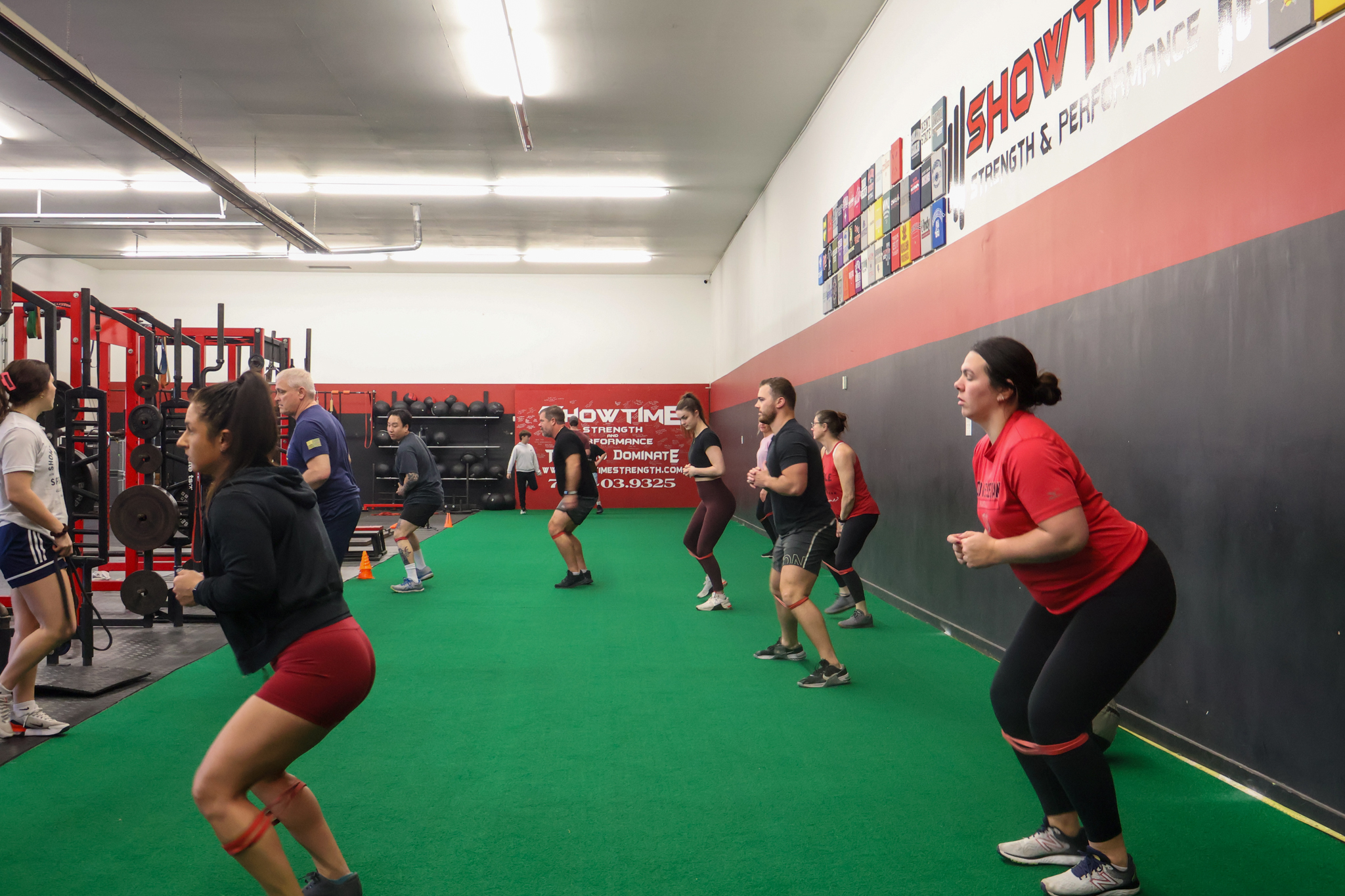
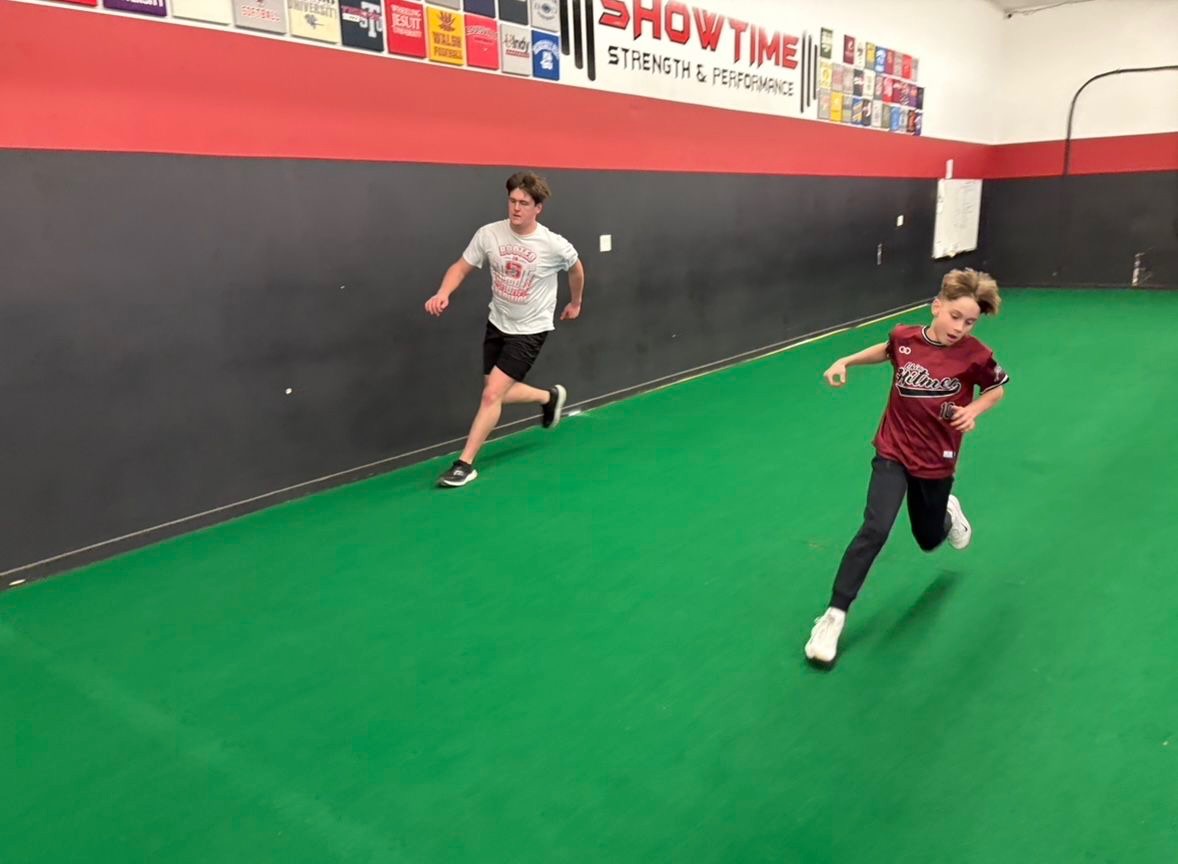
• Warm-up template (8–12 minutes): general aerobic activation (2–3 min), dynamic mobility circuit (6–8 exercises × 30–45 sec each) focusing on hips, thoracic spine, ankle dorsiflexion, and shoulder pathways, finishing with sport-specific movement (2–3 sets of low-intensity sprint or jump prep).
• Teach kids to move slowly through new ranges before increasing speed or load: for example, perform 6–8 slow inchworms with a focus on glute activation and hip hinge before progressing to explosive variations on later weeks.
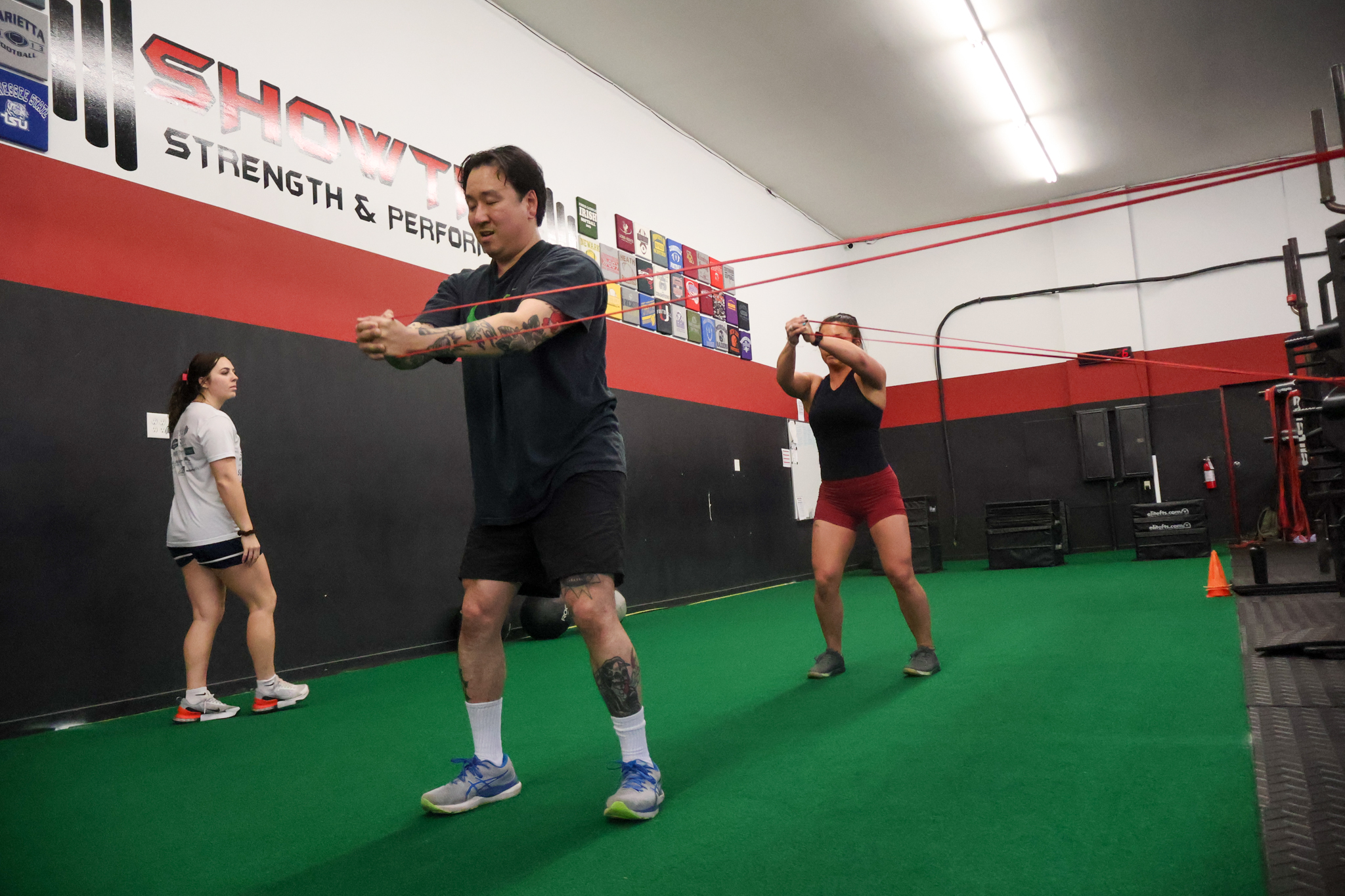
• Use active-assisted progressions (band-assisted dorsiflexion, partner-assisted shoulder mobility) to help athletes find and control new positions safely.
Address common youth tightness patterns with targeted, age-appropriate protocols
Growing athletes commonly display predictable areas of tightness: posterior chain (hamstrings, glutes), hip flexors, calves/ankles, and thoracic spine/shoulders—often driven by sport demands, prolonged sitting (school), or growth-related changes. Rather than generic stretching, apply assessments (simple range of motion checks, overhead squat observation, single-leg squat) to identify limiting areas and prescribe short, specific interventions that combine mobility, soft-tissue work, and strengthening through the new range.
Tactical applications
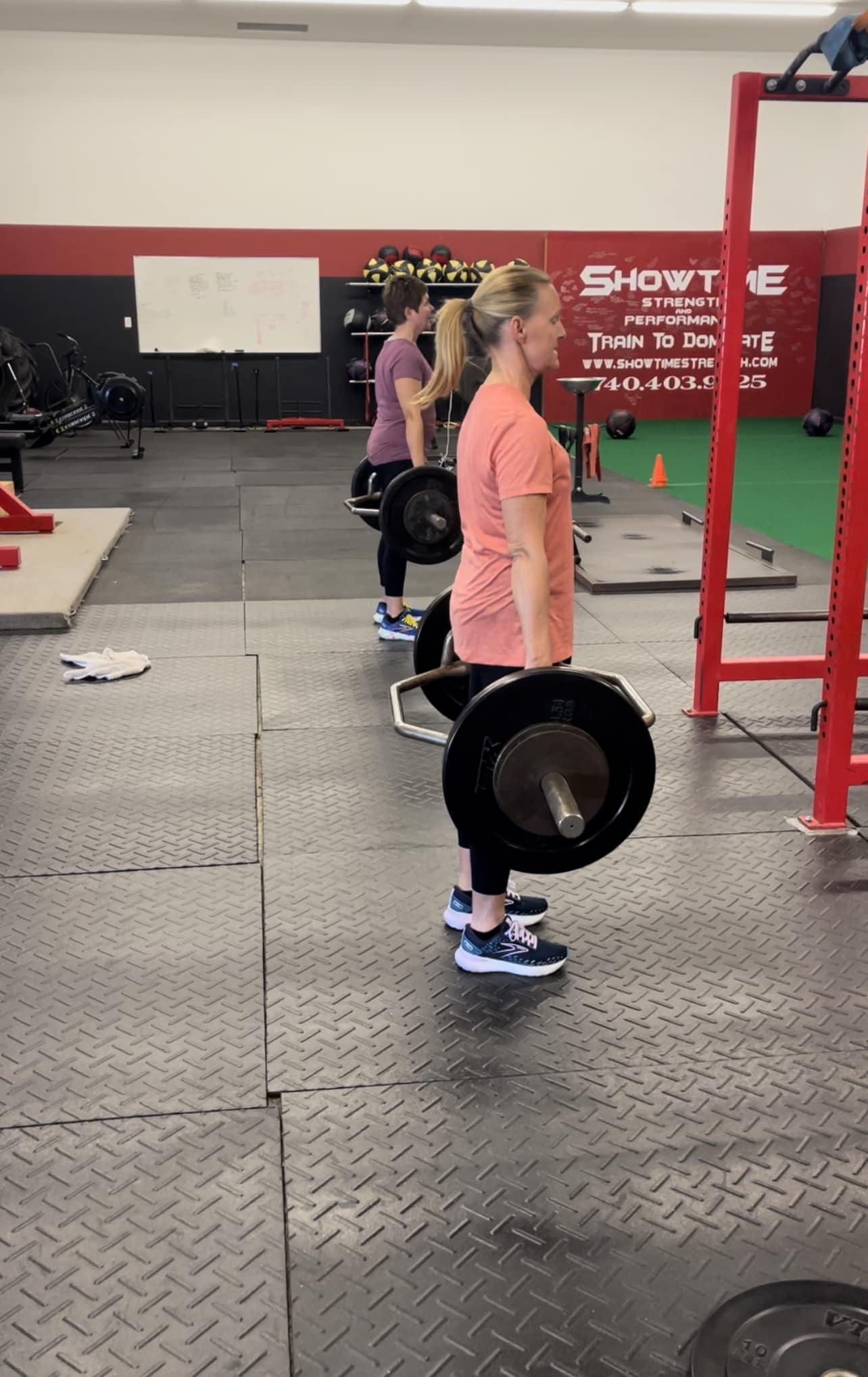
• Posterior chain protocol (3–4x/week, 6–8 min): foam-roll glutes/hamstrings (30–45 sec), active hamstring flossing (3 x 6–8 slow reps per side), Romanian deadlift progression (2–3 x 6–8 reps at bodyweight or light load) to build control through hip hinge range.
• Hip flexor/quad focus: kneeling hip flexor stretch with posterior pelvic tilt hold (3 x 20–30 sec), followed by resisted banded hip extension or glute bridges (3 x 8–12) to couple mobility with strength.
• Ankle dorsiflexion improvement: banded mobilization (2 x 30–45 sec), controlled knee-to-wall dorsiflexion reps (3 x 8–10) and single-leg balance reaches to consolidate ankle mobility in functional contexts.
• Keep sessions brief and consistent—5–10 minutes, 3–4 times per week has meaningful benefit for movement and injury risk reduction in youth populations.
Integrate mobility into skill work and long-term development
Mobility work isolated from sport can be less effective than mobility practiced within the context of athletic skills. Incorporate range-of-motion demands into technical drills and progressions so athletes learn to express mobility under load and at game-like speeds. Additionally, view mobility as a long-term, evolving element of LTAD (Long-Term Athlete Development): younger athletes benefit from playful movement exploration and many-directional movement, while adolescents require systematic mobility-strength pairings as they approach higher loads and specialization.
Tactical applications:
• Drill integration: pair mobility targets with skill sets (e.g., perform thoracic rotations and band pull-aparts before overhead passing or throwing; do ankle mobility drills immediately before cutting drills).
• Progressions: start with controlled, slow-range skill variations (e.g., step-downs, slow deceleration catches) and advance to reactive, high-velocity versions as control improves.
• Program design cue: include a mobility “checkpoint” twice per week where athletes work on individualized limitations (a 6–8 minute block within practice), and document improvements monthly (simple AROM or functional test) to guide progression and demonstrate value.
• Encourage movement variety: incorporate gymnastics-based play, crawling patterns, and unilateral hopping games for younger athletes to enhance exploratory mobility and coordination.
Mobility and flexibility are not optional extras; they are essential training elements that enable safe, efficient, and transferable athletic movement in youth. Emphasizing active, controlled mobility in warm-ups, prescribing targeted short protocols for common restrictions, and embedding mobility requirements into skill work help young athletes build robust, functional ranges of motion that support performance and reduce injury risk. Keep practices age-appropriate, brief, and consistent. Small, regular investments in mobility yield durable benefits across the athlete’s developmental timeline. For persistent limitations or pain, consult a pediatric physical therapist or sports medicine professional to rule out growth-plate issues or other pathology.







.png)











%20copy.jpeg)






.jpeg)


%20copy%202.jpeg)


