Building Blocks : Strength Training
Cover your basics for strength training
By
May 3, 2026
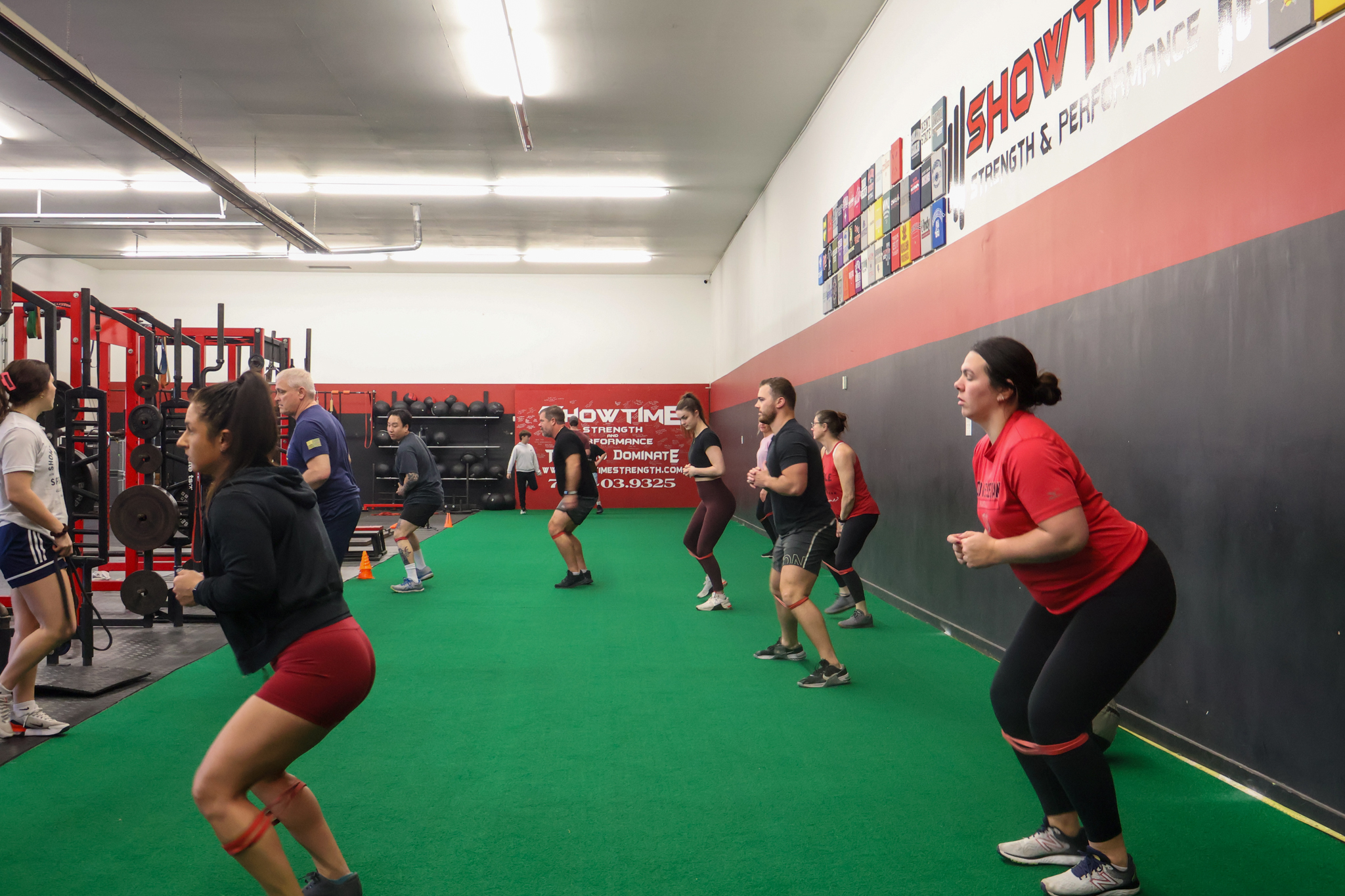

Strength training is the biggest lever someone can utilize to make a difference in their health and fitness goals regardless of goals or current ability. Strength training can look different for each individual, but using it is essential. The common problems people face when wanting to start strength training revolve around fear. Fear of doing the wrong exercise or program, fear of looking dumb in a public gym (this is more valid now with people recording others without permission), fear of injury, and fear of being sore. Honestly, these are all valid concerns and looking in as someone with no background could be very overwhelming now. Every week online there is a new video or post detailing an exercise you must include or not include in your routine. These videos provide sensation, but are generally like the sprinkles on top of ice cream and they’re just a little extra. Let’s break down strength training into digestible chunks so that anyone can begin strength training safely and with confidence for the long term. Spoiler ; there is no workout program that will get all your fitness goals achieved in 8-12 weeks.
Building Blocks : Schedule, ability, movement patterns, progression/regression, lifestyle
Schedule : This might be the most important in this entire list. Having a schedule of when you do the thing. My football coach who taught me how to lift weights did the best thing for me starting out. We had a schedule of lifting after school every Monday, Wednesday, and Friday. This removes the if, when, could, should from working out. Sadly for most adults, this means you’re choices are before work, during work if you have a flexible schedule, or after work. Before work is challenging at first because it means you’re at the gym by 5-6 am and if you have kids, after work is going to be a real challenge. Pick which one has the least amount of friction to help with consistency.
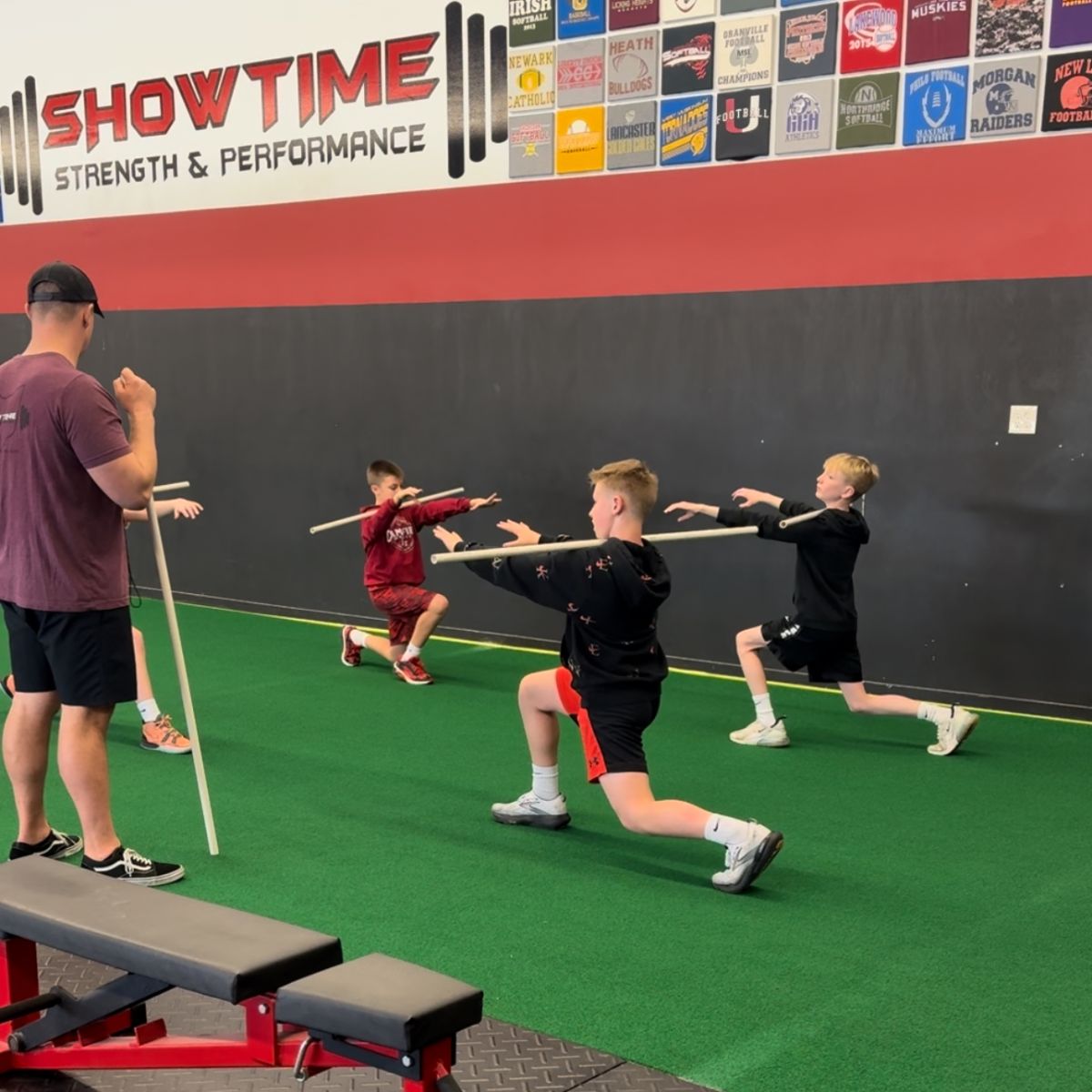
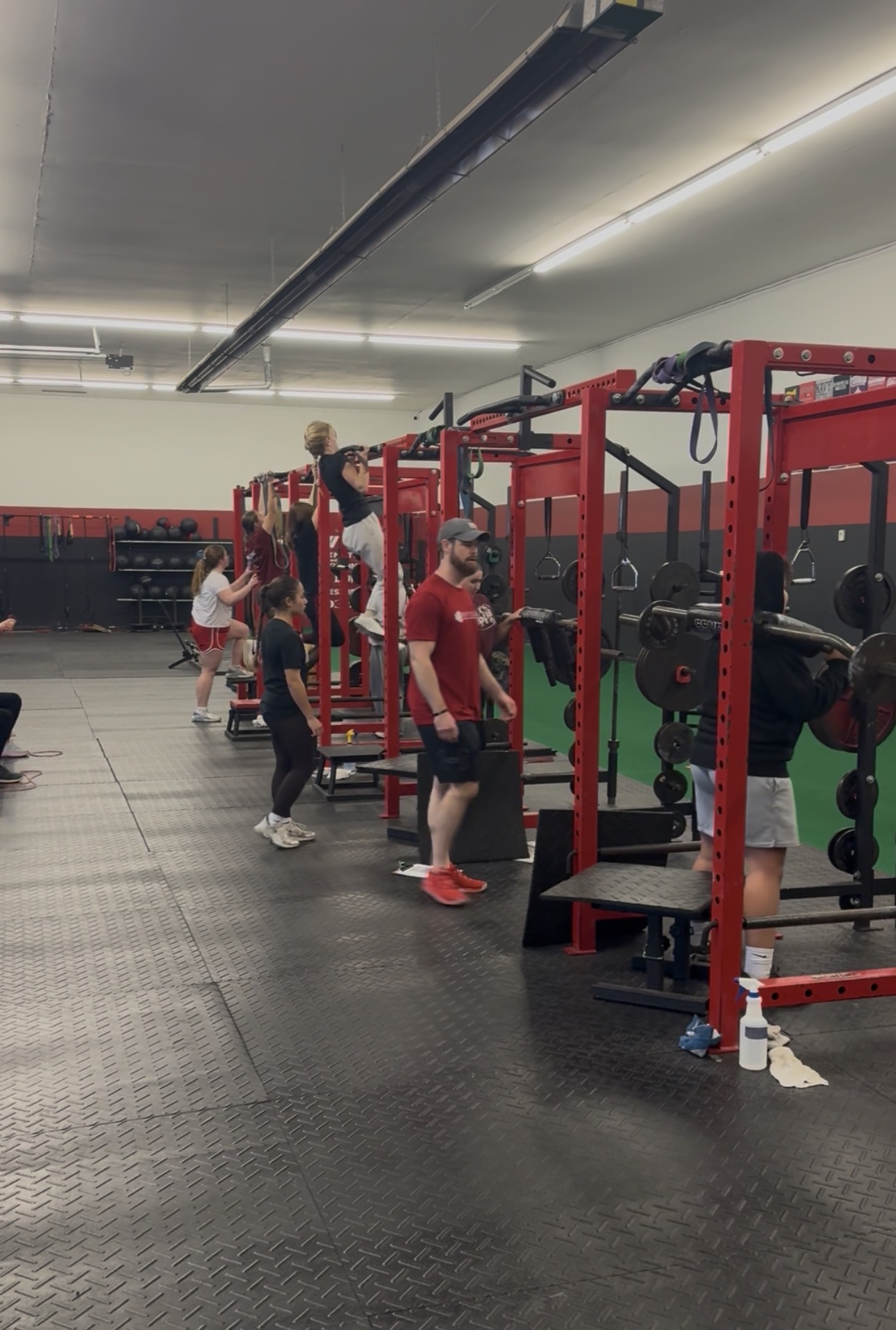
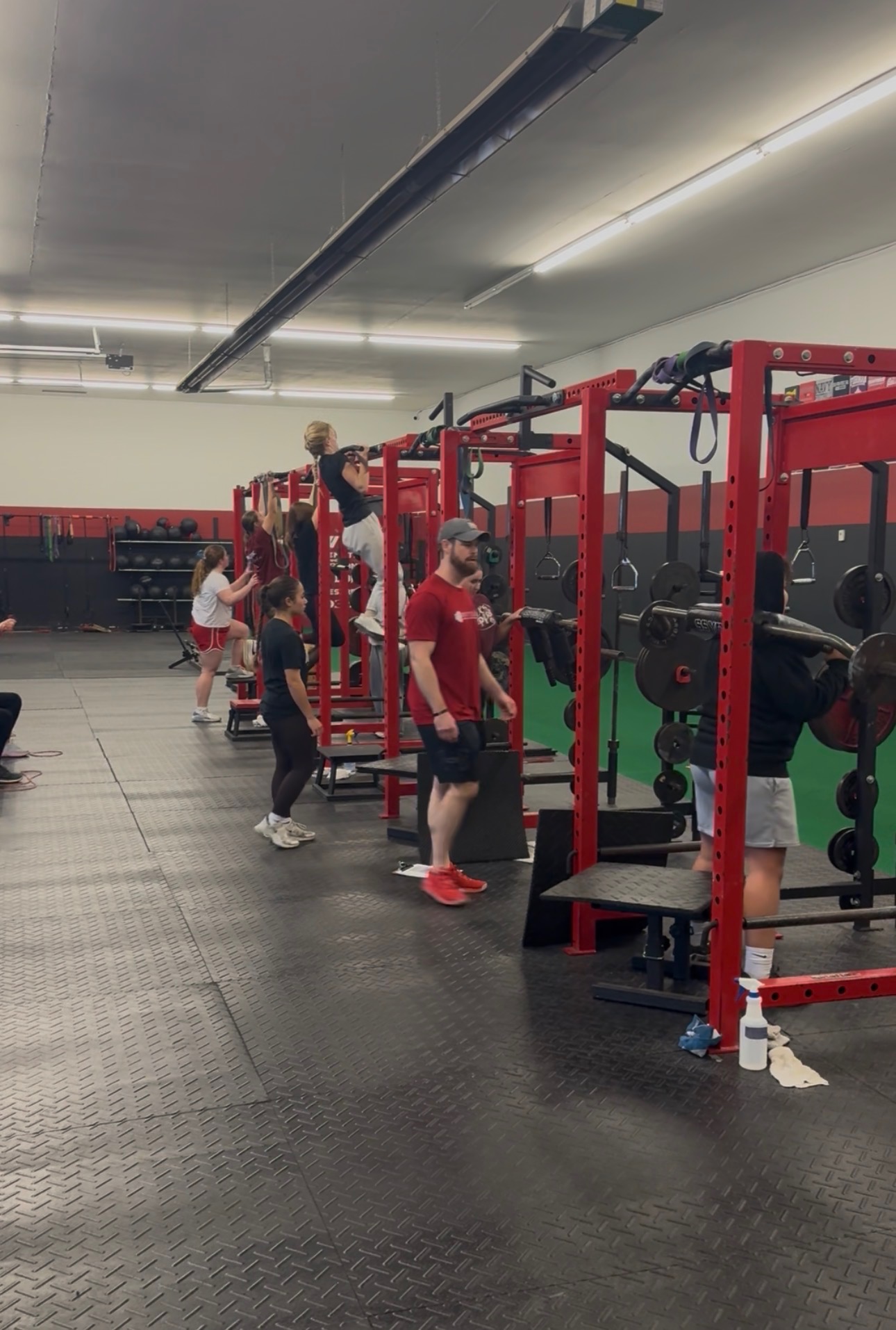
Ability : I remember reading the Arnold Encyclopedia and I decided Franco Columbo’s back workout was a good choice for me. In the warm up was several sets of pull ups and I quickly realized my ability didn’t match the program laid out. This is what happens to most people when they start out. They read something or a friend tells them to try something, but the task exceeds their current ability. This builds doubt and frustration and leads to people quitting. If you’re just starting out in a new endeavor, finding a professional coach can be a great asset because they can assess where you’re at now and help road map a reasonable progression.
Movement Patterns : Training is really just learning. There are essential movement patterns that once you learn those, pretty much everything else in the gym is based off of them.
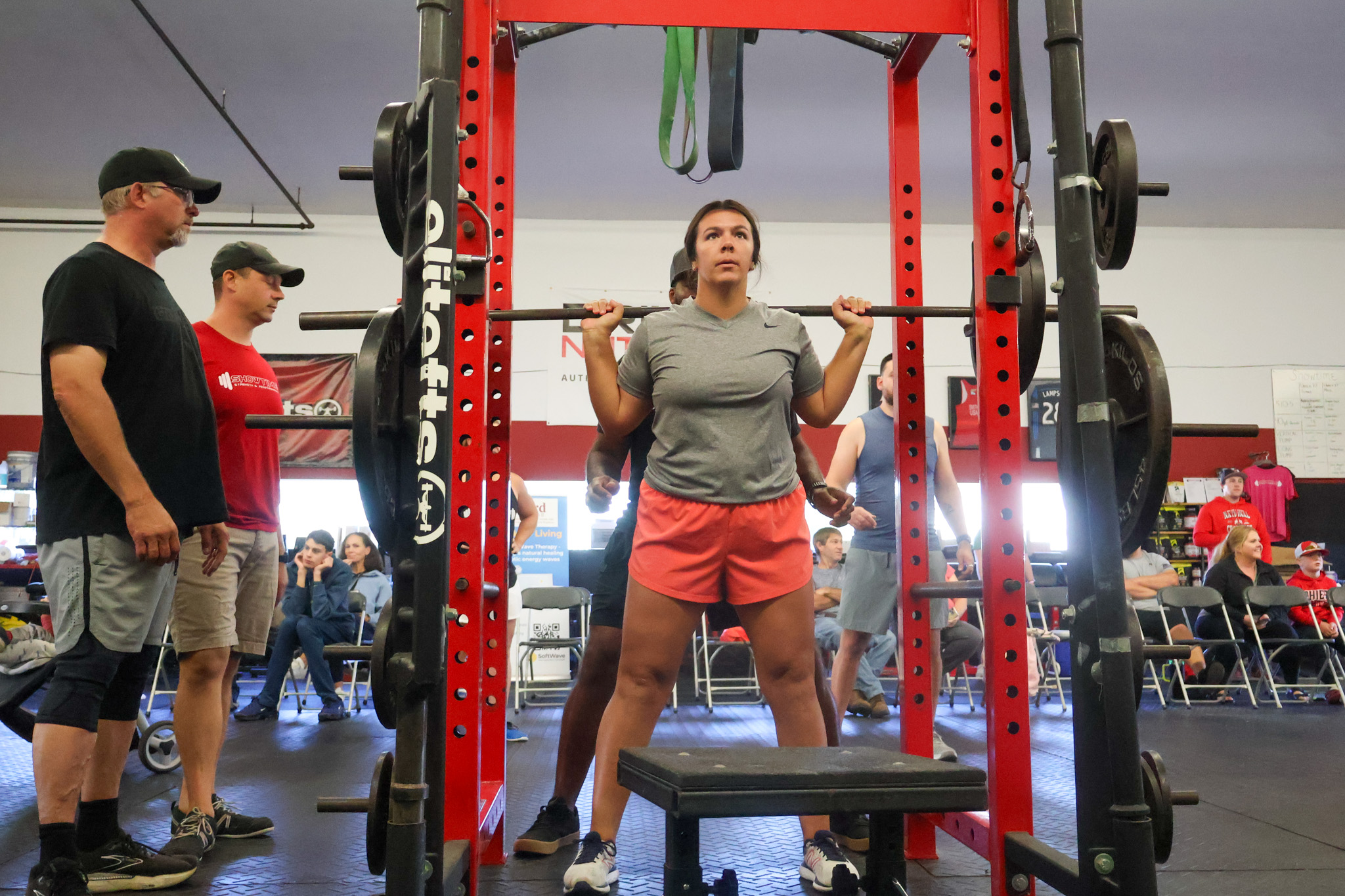
Squat - Sit down as low as you can
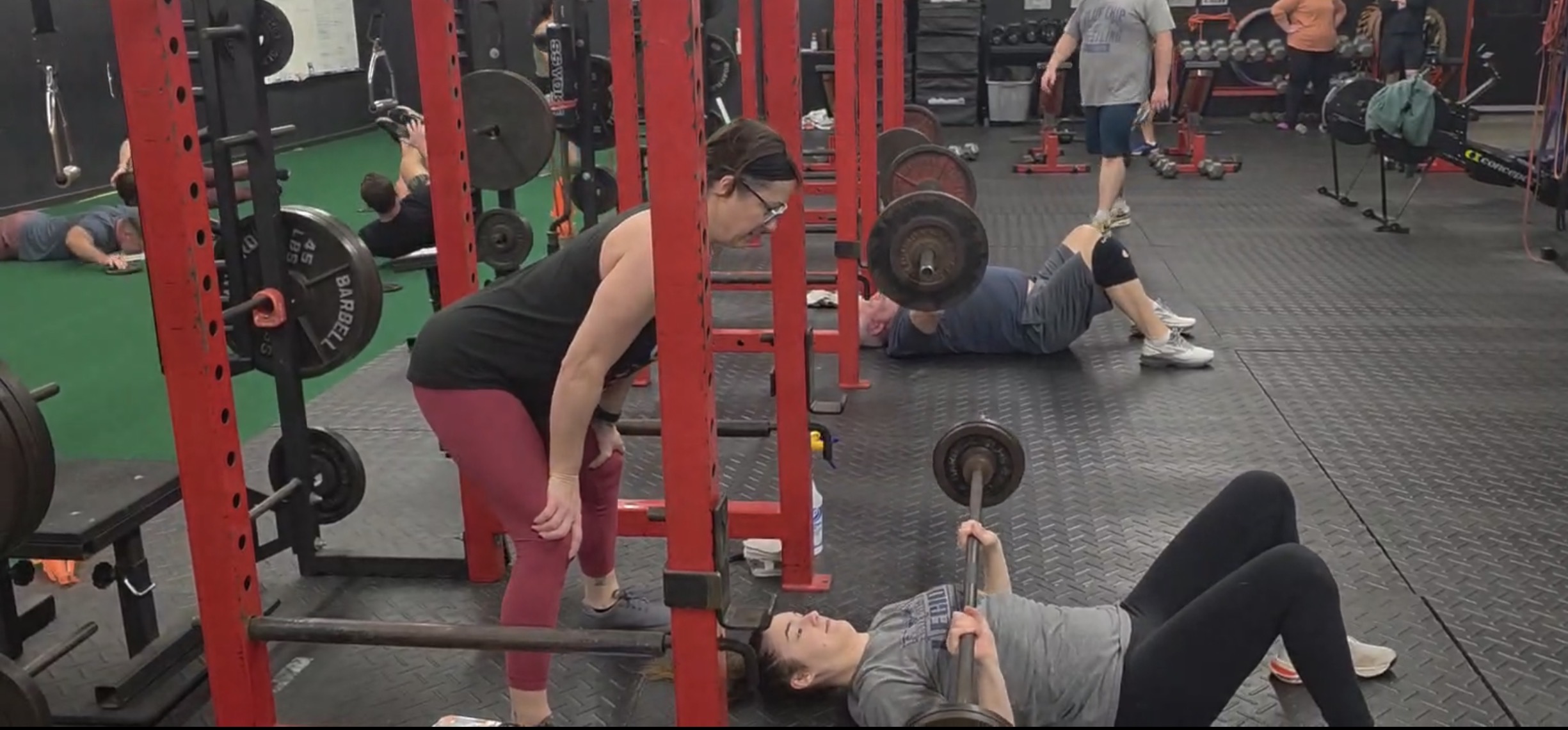
Push - Push something away from the body
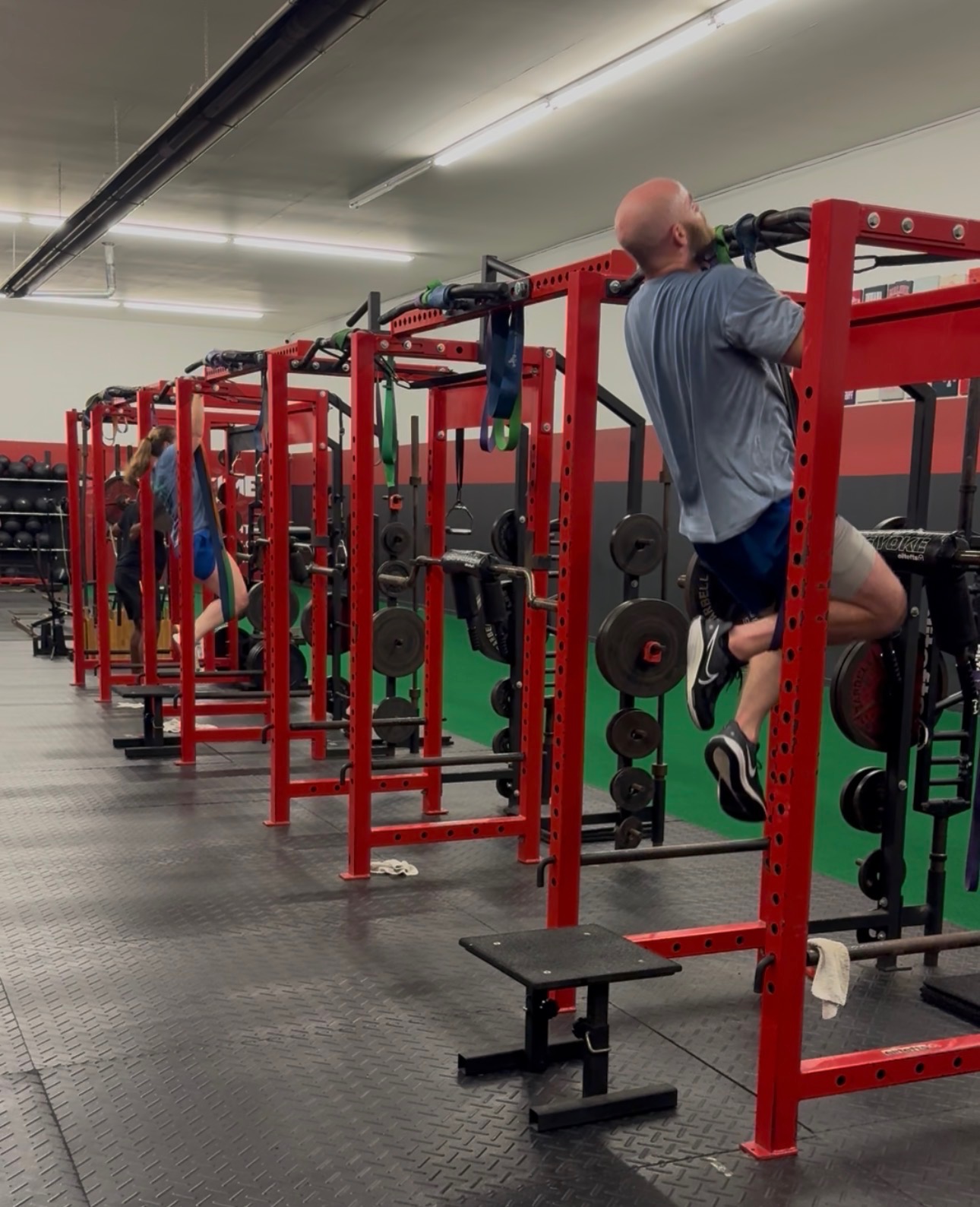
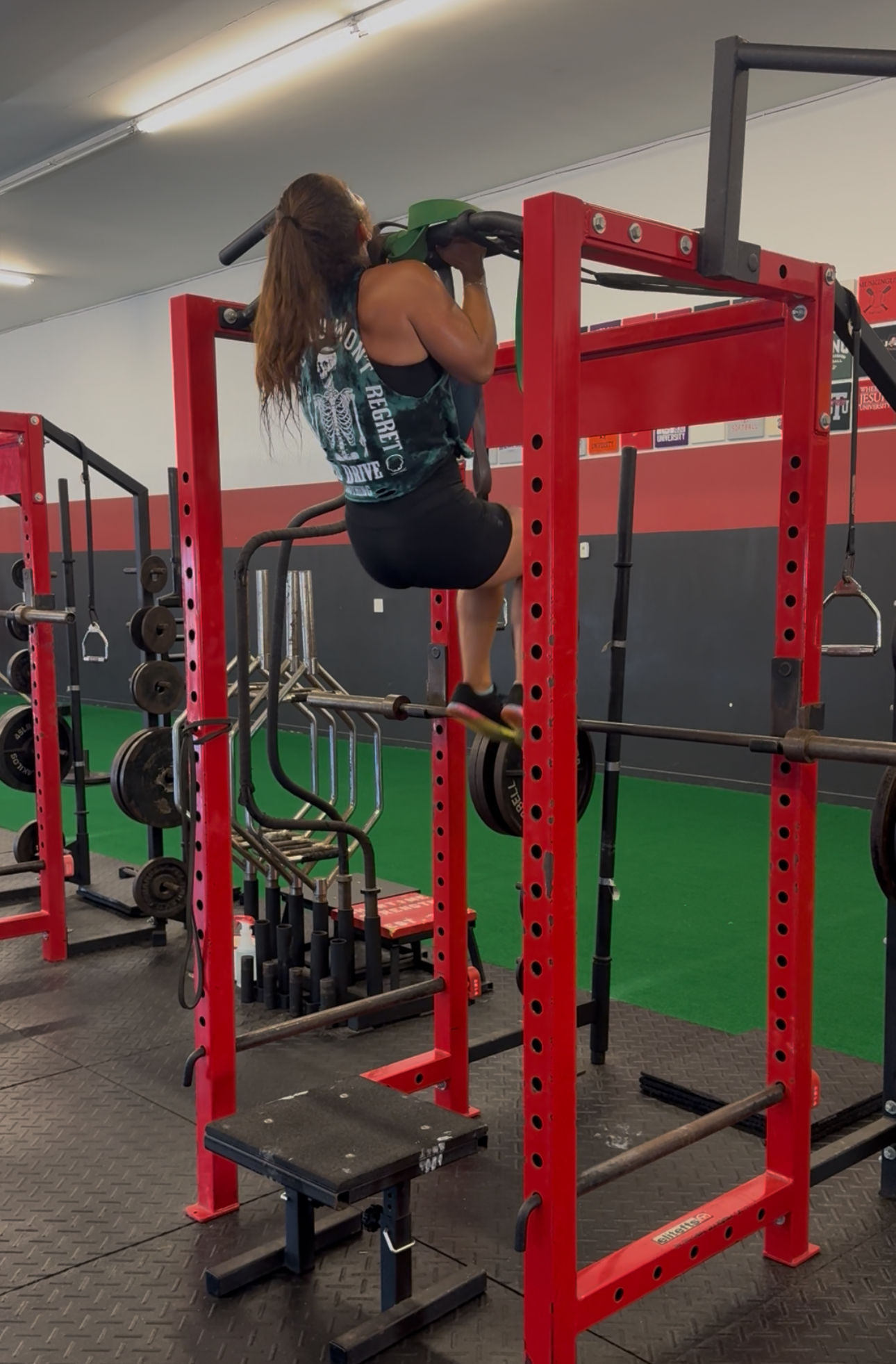
Pull - Pull something towards the body
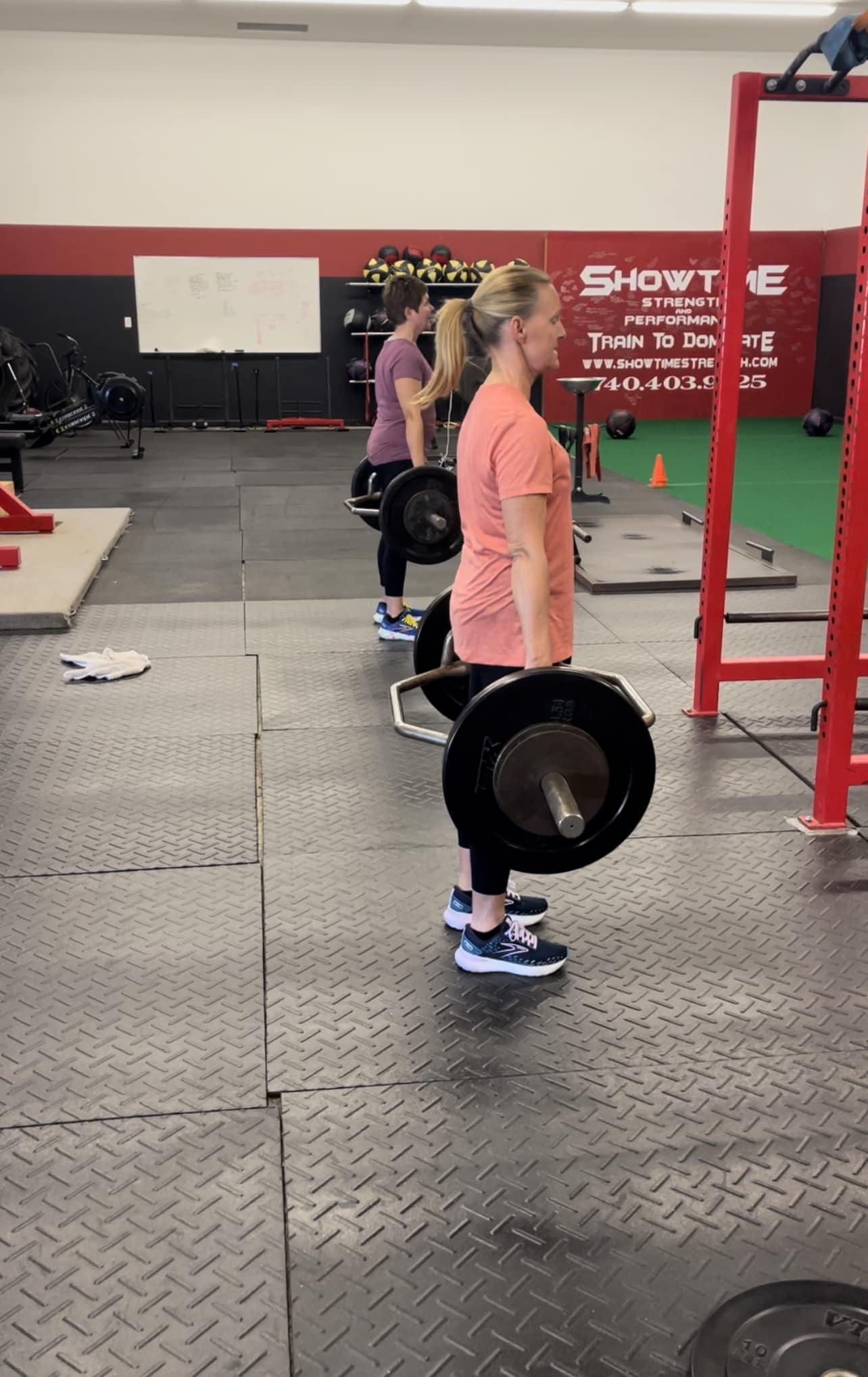
Hinge - Minimal knee bend, maximal posterior chain loading to protect back
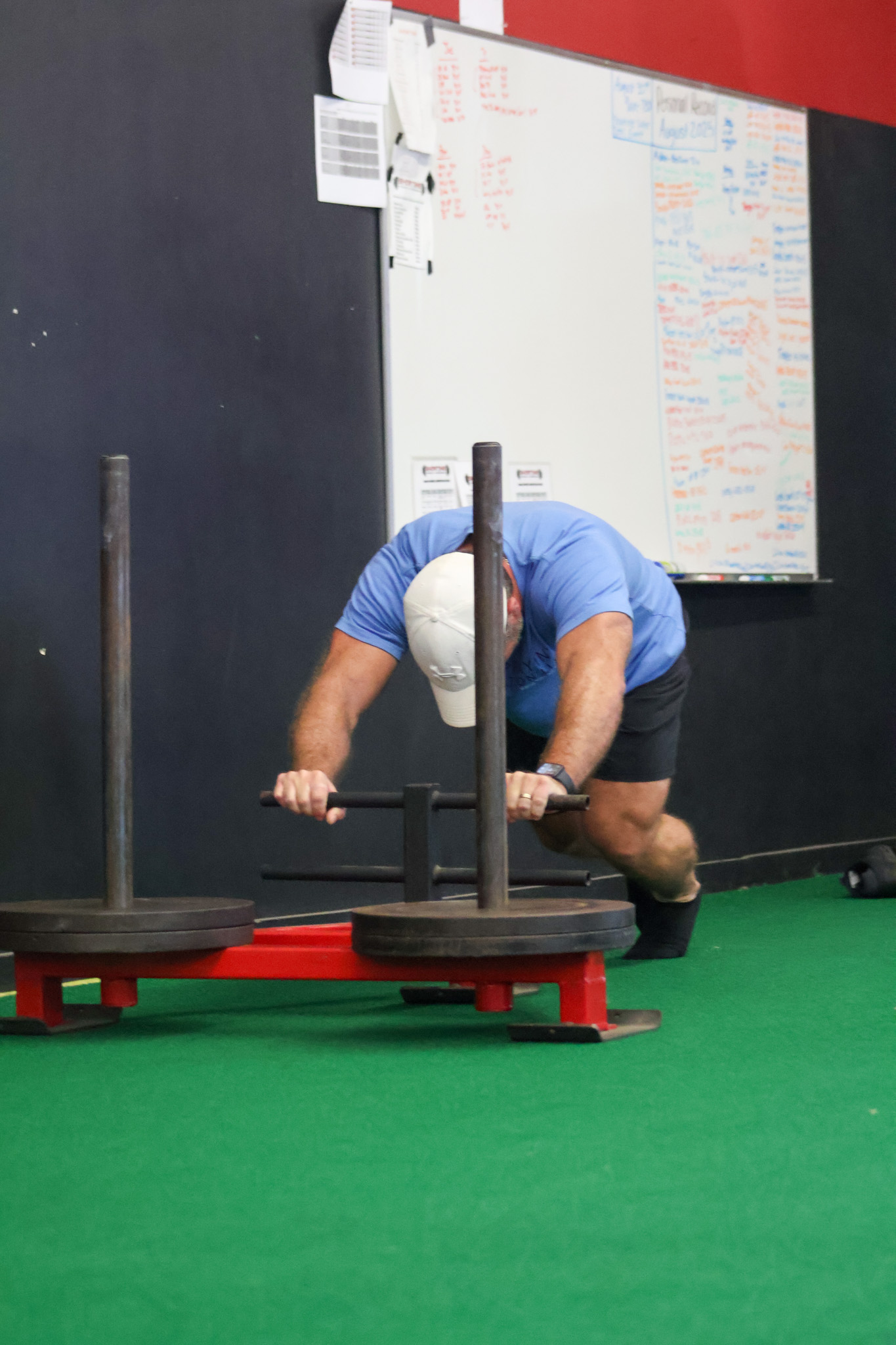
Carry - Pick something up and carry for distance or time
You then can break these up into vertical, horizontal, double or single limb, fast or slow etc. If you simply picked one exercise from each category every session and progressed it over time, you would have a pretty solid training program. This idea goes against the traditional body part split training routine, but that’s because our body was designed to work as one unit and not segmented.
Progressions/Regressions : Many people are using AI to generate their workouts. The ability to progress or regress an exercise is something I personally don’t believe AI will be able to process. There are many factors that go into deciding the next step for an exercise like was the movement done correctly, was there pain, did it cause stress, did the person like the exercise, was it too easy, was it too difficult, and did it effect the rest of the workout or following workouts? Many of these questions are based off of previous experience with injury and exercise. Someone who played sports might be able to progress exercises quicker than someone who didn’t because they have better body awareness. If you don’t progress an exercise, you don’t have enough stress to create a change, but if you progress too quickly then you increase risk of injury or over training.
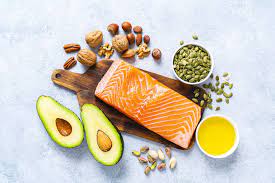
Lifestyle : A great training program is only as effective as what takes place outside of the training. This means sleep, stress management, nutrition, general activity and so on. If after each workout you treat yourself with a milkshake, you might be limiting the benefits from the workout. Our lifestyle habits play into everything like nutrition absorption, muscle growth, inflammation, cortisol and more. Don’t try to overhaul your entire lifestyle, but rather habit stack behaviors that are complimentary. As an example, drinking a protein shake after a workout.
Strength training is maybe the best miracle drug that can’t be replicated and sold. If all of the benefits were listed out and put into commercials, it would amaze people. If it’s not part of your routine, simply adding a few strength training sessions weekly can be life changing. Even starting with bodyweight exercises at home can be a huge catalyst for change. If the entire process seems overwhelming, reach out and one of our professional coaches will help you map out your plan to success.





.png)












%20copy.jpeg)







.jpeg)


%20copy%202.jpeg)


