Common Injuries for Softball Pitchers: Lower Back
Reduce Injury Risk and Improve Performance in Softball Pitchers
By
April 19, 2026

Common Injuries for Softball Pitchers : Lower Back
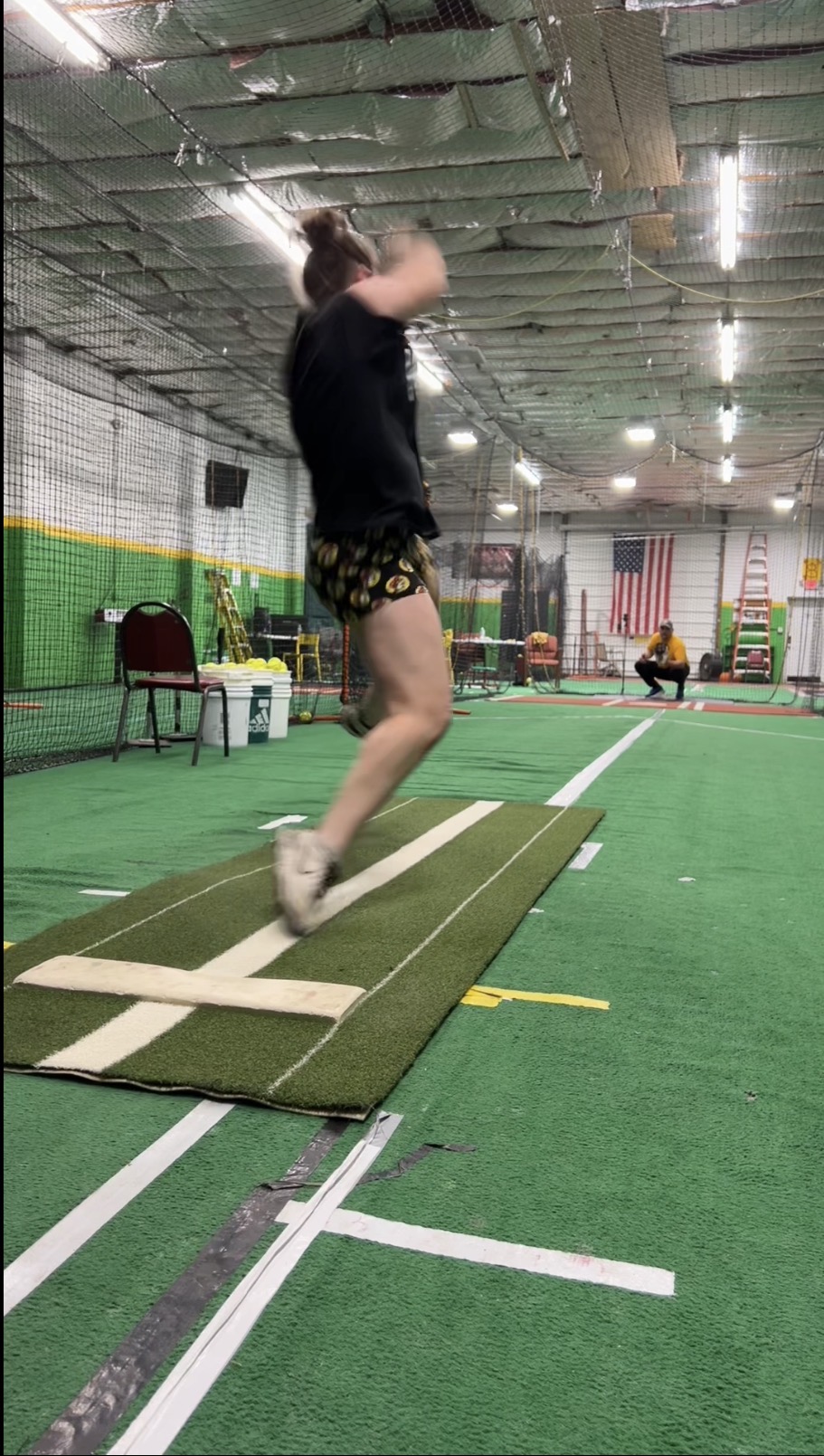
We’re the leader in helping softball pitchers get out of pain and improve performance. Over the last 15 years, we’ve seen many of the same movement problems creating injuries. The only difference is they’re now happening at a faster rate because the amount of games played is too high. This doesn’t allow for adequate training or rest and recovery. And in the demands of a growing body and it’s an open invitation for injuries in a one side dominated rotational sport. Our goal is to address these common issues and give potential solutions. If reading this you recognize a potential issue, please schedule a call with us to discuss so we can do a movement screen to assess injury risks.
Lower Back Pain
For pitchers who hit from the same side they pitch, this is very common. Your rotational pattern is only working in one direction creating one side that is good at creating power, but not good at slowing down (stabilizing). This leads to things like limited external rotation of the front hip which can lead to limited strength in the glutes and obliques.
Testing :
Elbow Plank- Watch for low back to favor pitching/hitting side
Side Plank - Be sure hips are stacked in line with glutes. Many athletes will rotate away from glutes using lumbar extension to hold position.
Pelvic Rotation- Many athletes will either be unable to rotate their pelvis without upper body support, rotate very rigidly, or be very limited in rotation to none pitching side.
Additional
An additional cause of low back pain in pitchers begins at the start of their motion. Many pitchers struggle to actually load their posterior chain (glutes, hamstrings, and low back) and because they have a weak core, their first motion is to go into lumbar extension because they can’t maintain a loaded position. This comes back to strength in the posterior chain and stability of the core muscles. We have been seeing more of this at an alarming rate. You do not want to get vertical to create rotational power.
Plank
Each athlete should be able to plank for at least 1 minute. There is no added benefit to doing planks over 2 minutes. If the athlete can’t, break it up into manageable periods of time. Everything from head to toe should be flexed and in a straight line without shaking. This is a very basic step 1.
Farmer’s Walk
Using dumbbells, kettlebells, hex bars, or any other implements. This can be done for time or distance.
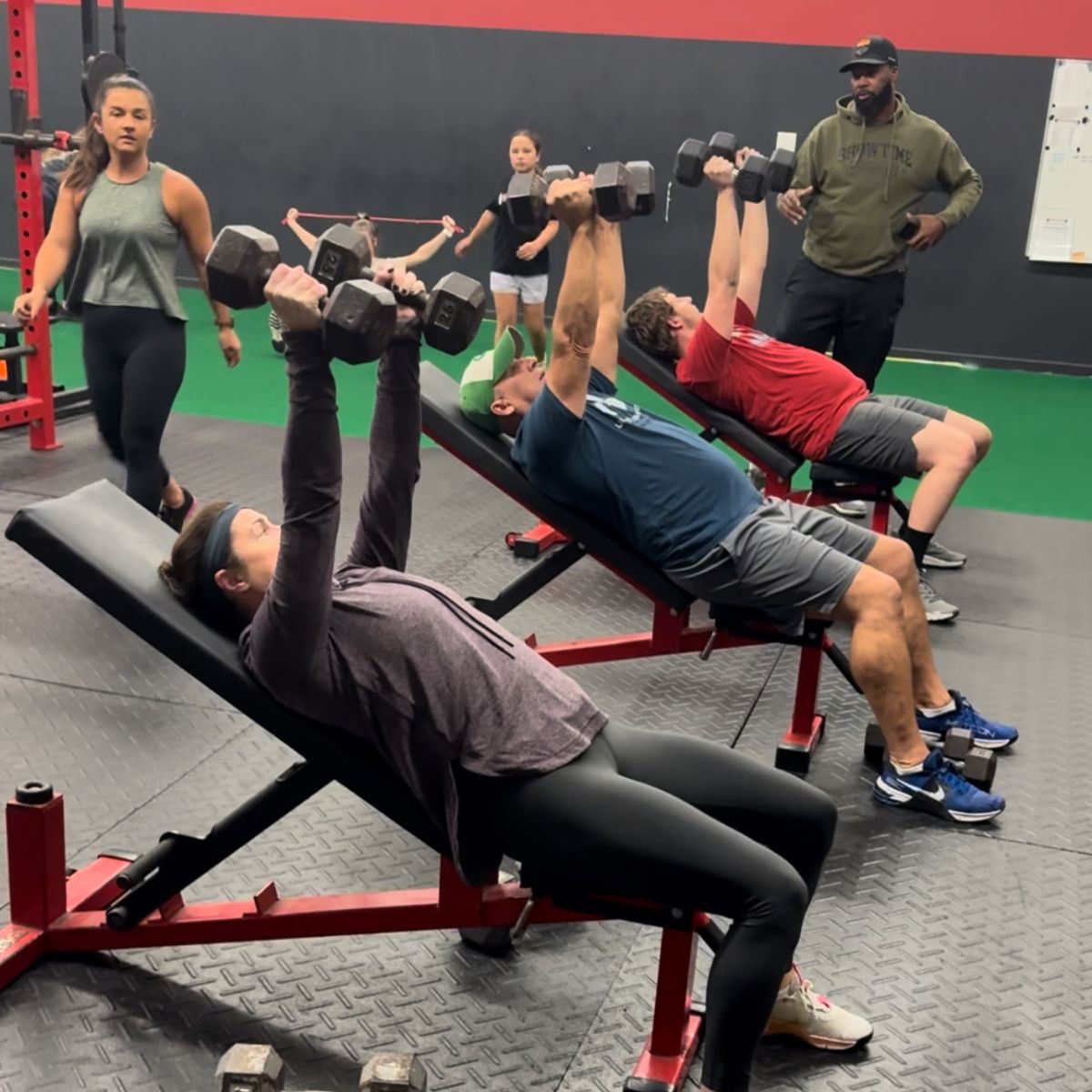
A standard we have at Showtime for every athlete and adult is 1/2 bodyweight in each hand for 40 total yards. Should be able to stand tall and flex everything while walking.
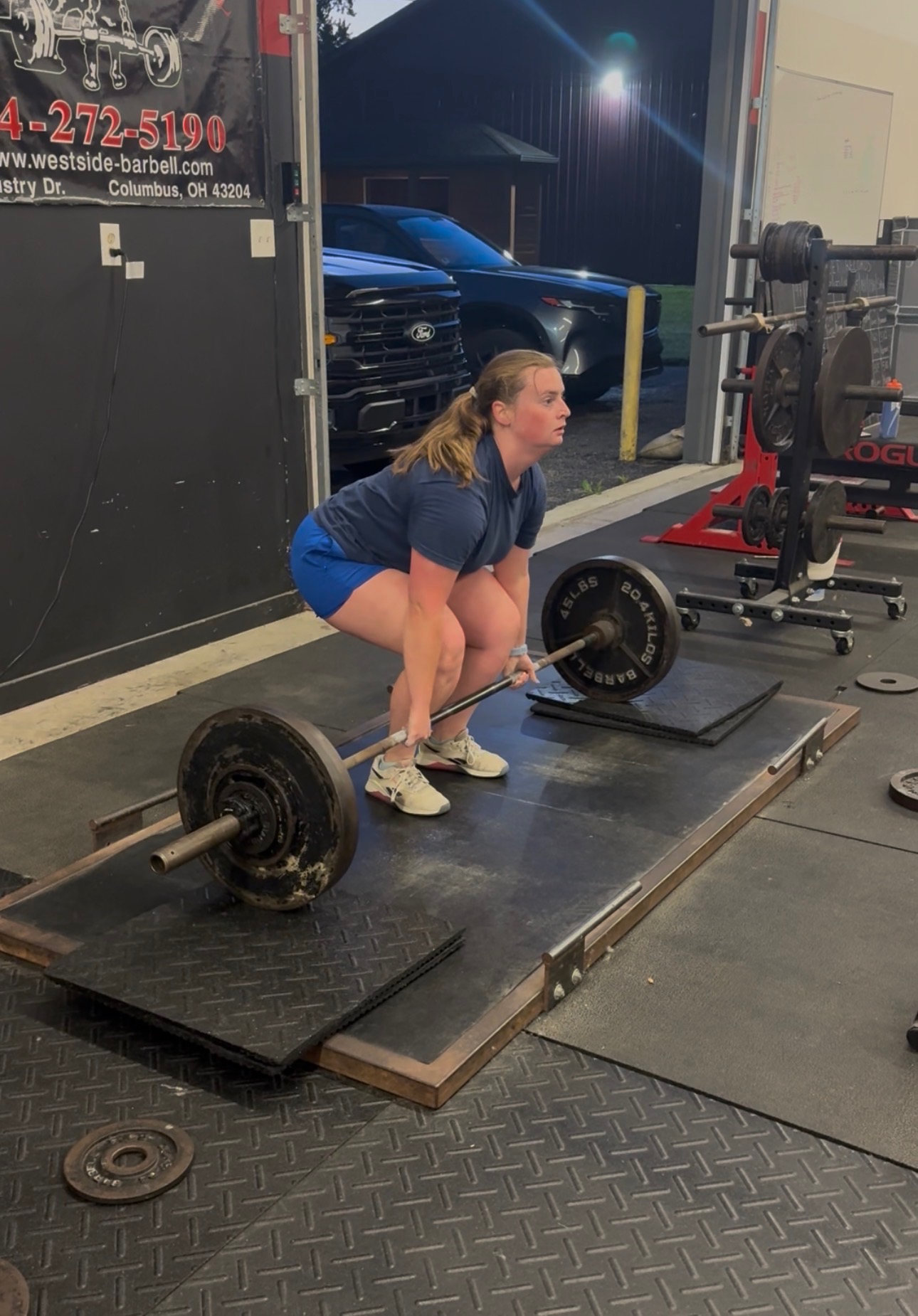
Deadlift
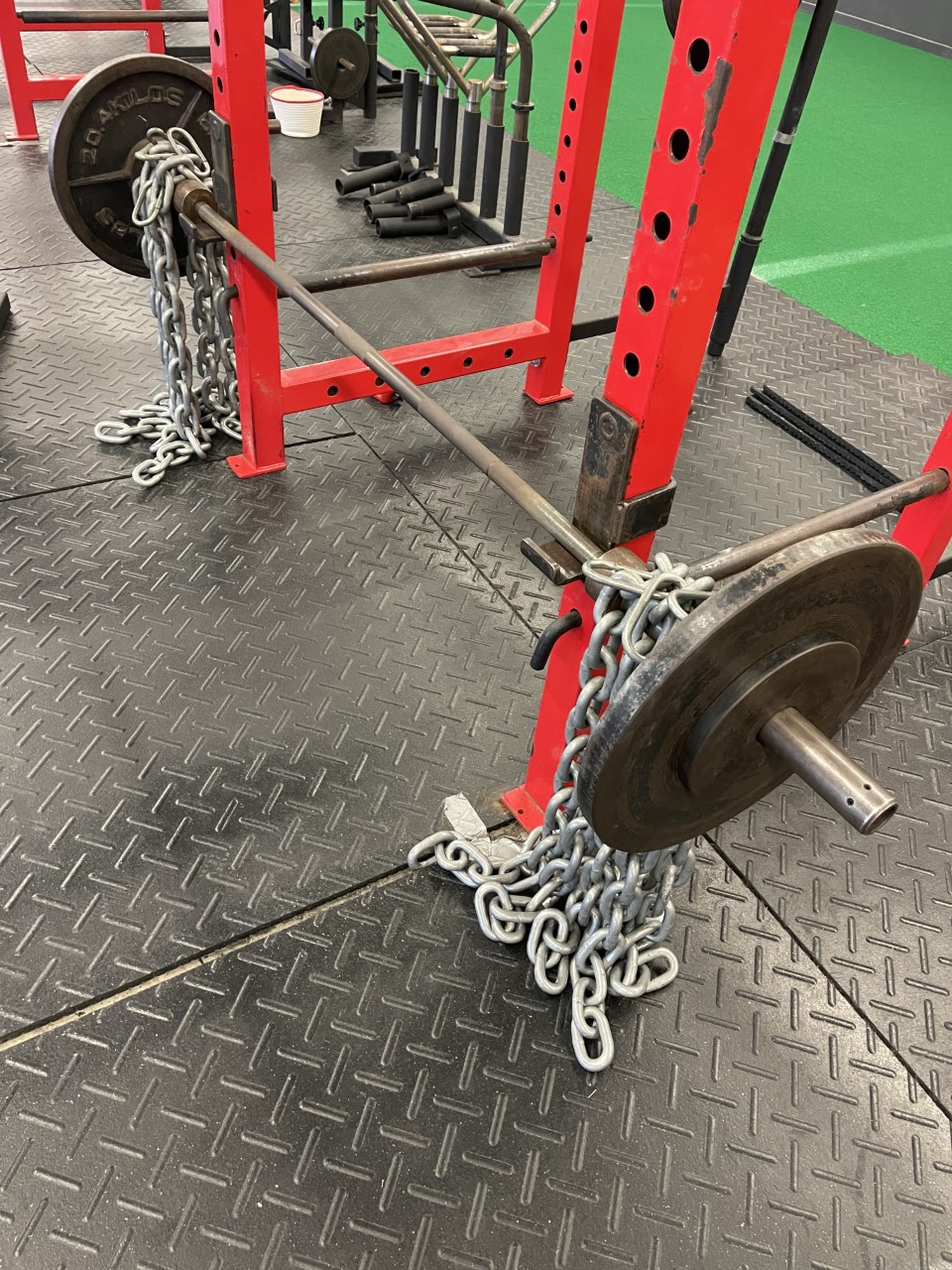
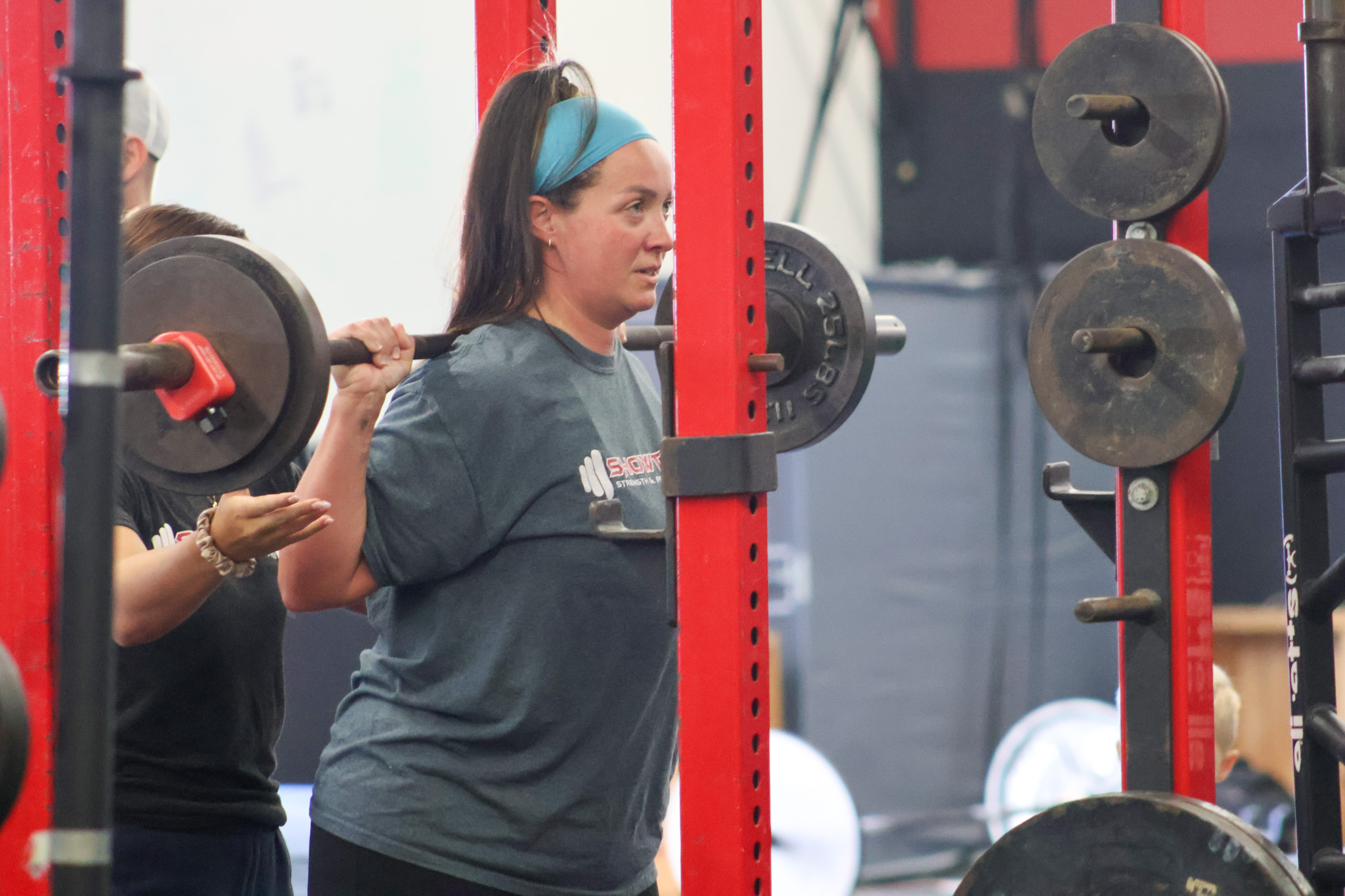
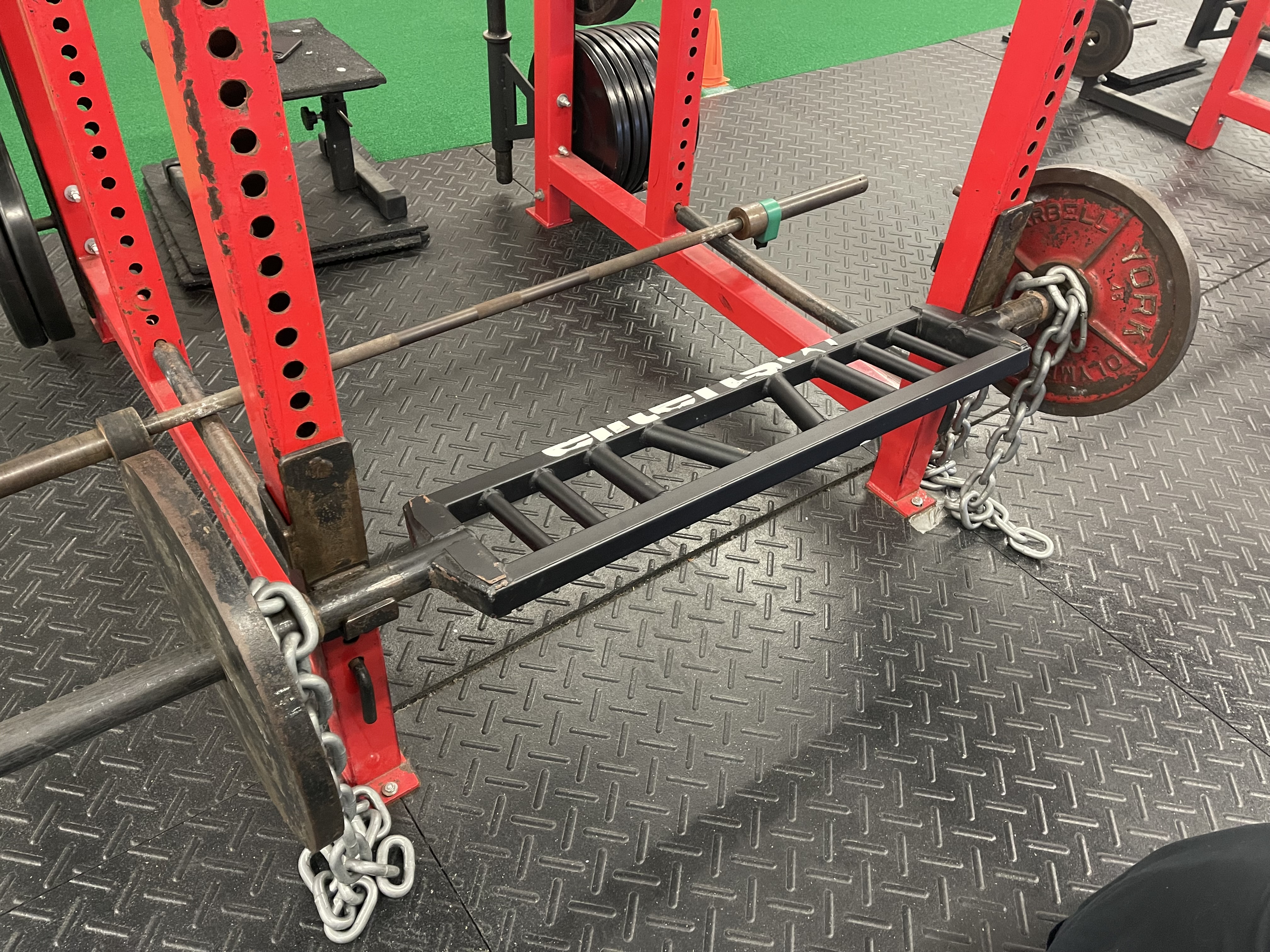
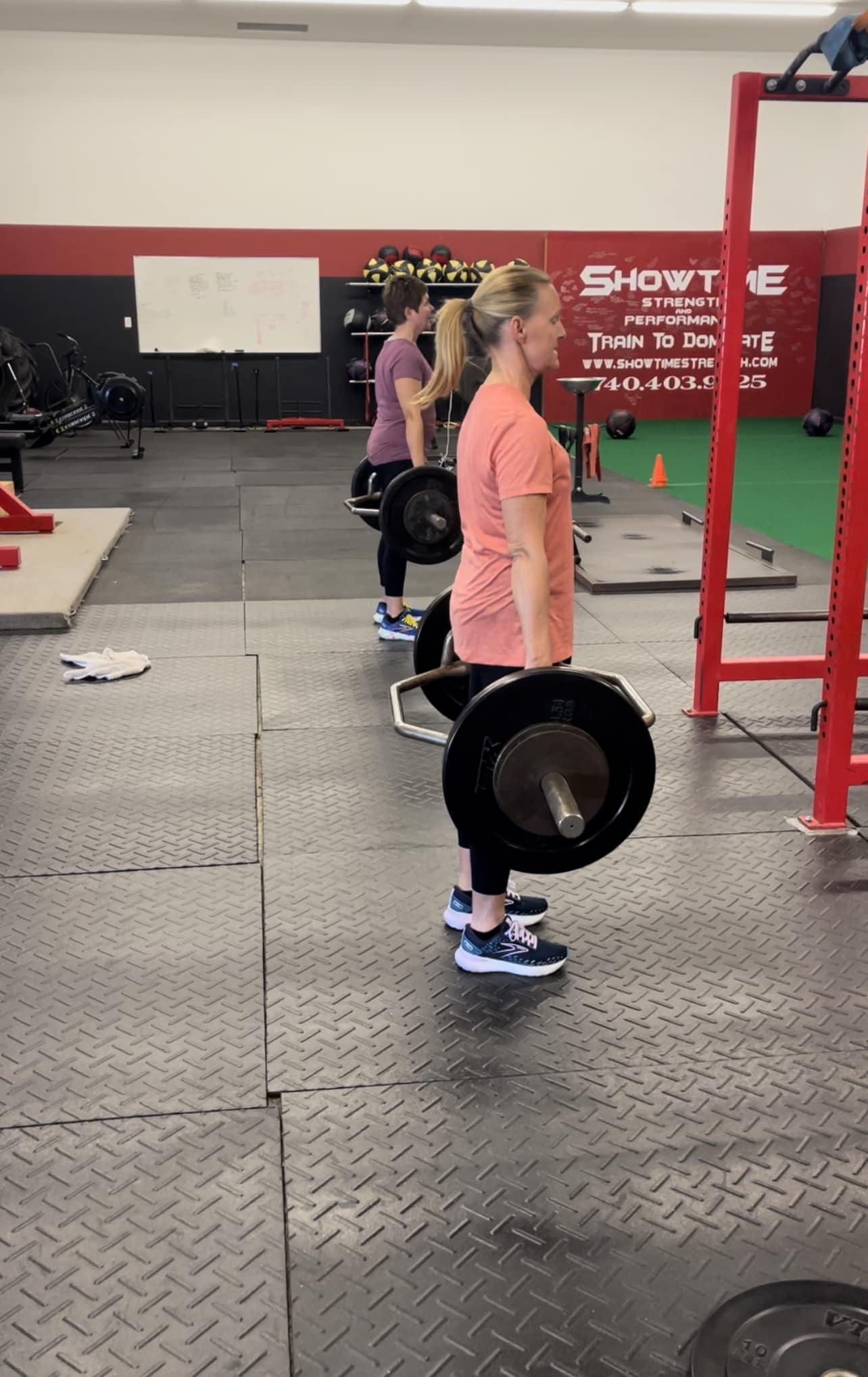
Our preferences are Hex Bar and Sumo Deadlift. These exercise build total body strength and will create a stronger core because you have to maintain posture during the pull. Anyone who has told you deadlifts are bad for you doesn’t know how to deadlift. Few exercises provide as much value.
45 Degree Back Extensions
Many times people will use exercises like Supermans or reverse hypers to train the lower back and create more issues because they’re aggravating an area that is already in spasm. Also, many people don’t have the strength in their glutes and hamstrings to perform those correctly so the lower back is the prime mover neglecting the other muscles.
When beginning, we will let the athlete hold the handles and do isometric reps to tolerance keeping the full focus on the glutes and out of the lower back. Once they can do isometrics for up to a minute, we will switch to a combination of reps with a shorter isometric.
This will not include sets and reps because we assess and take each pitcher case by case. We have standards we like to see each athlete at; but if there are limiting factors, then adjustments need made instead of forcing the plan.



.png)











%20copy.jpeg)







.jpeg)


%20copy%202.jpeg)


