The Power of Exercise for Kids with Autism
Sharing Strategies So The Gift Of Exercise Can Empower Everyone
By
May 16, 2026


The Power of Exercise for Kids with Autism
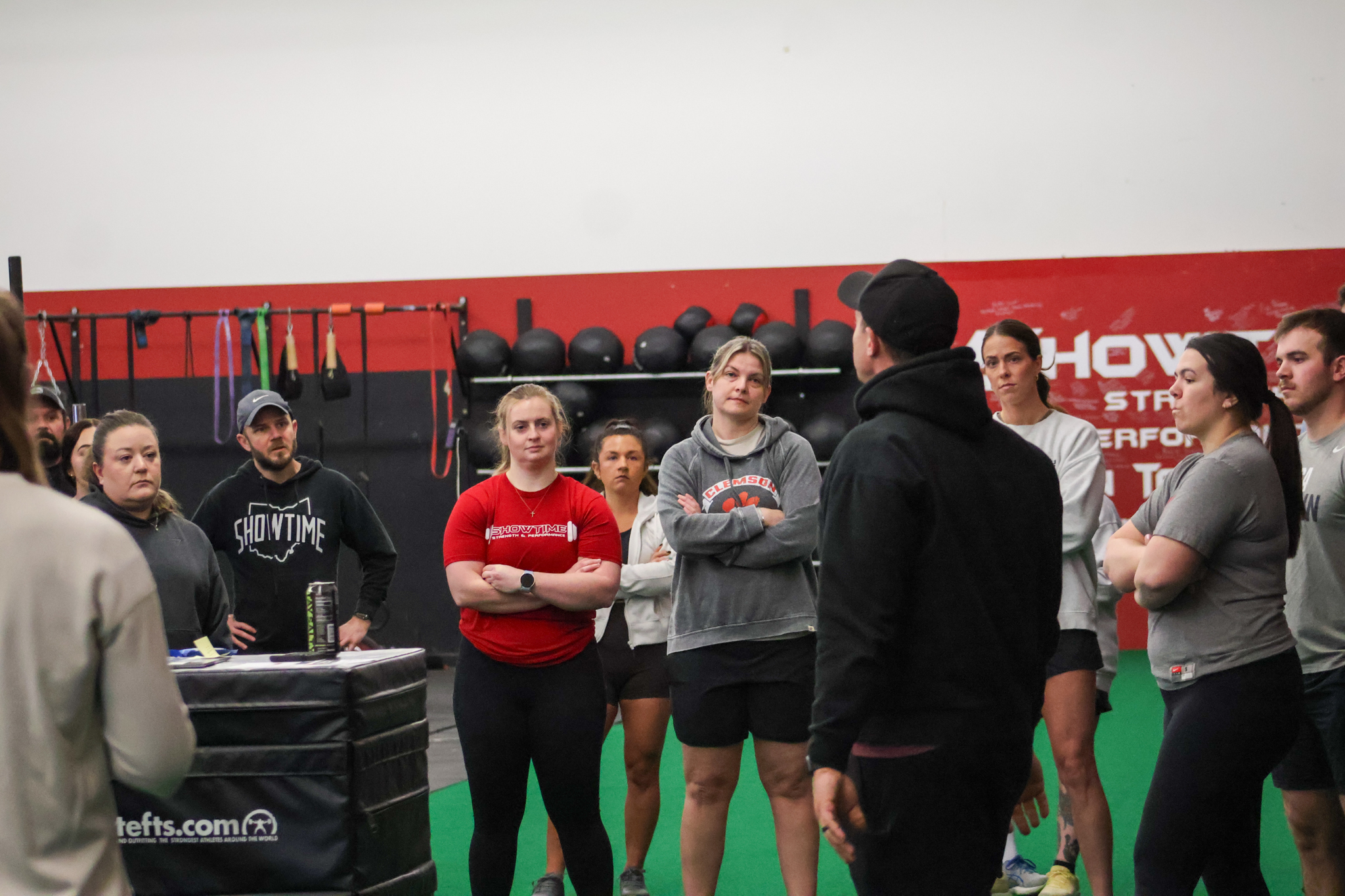
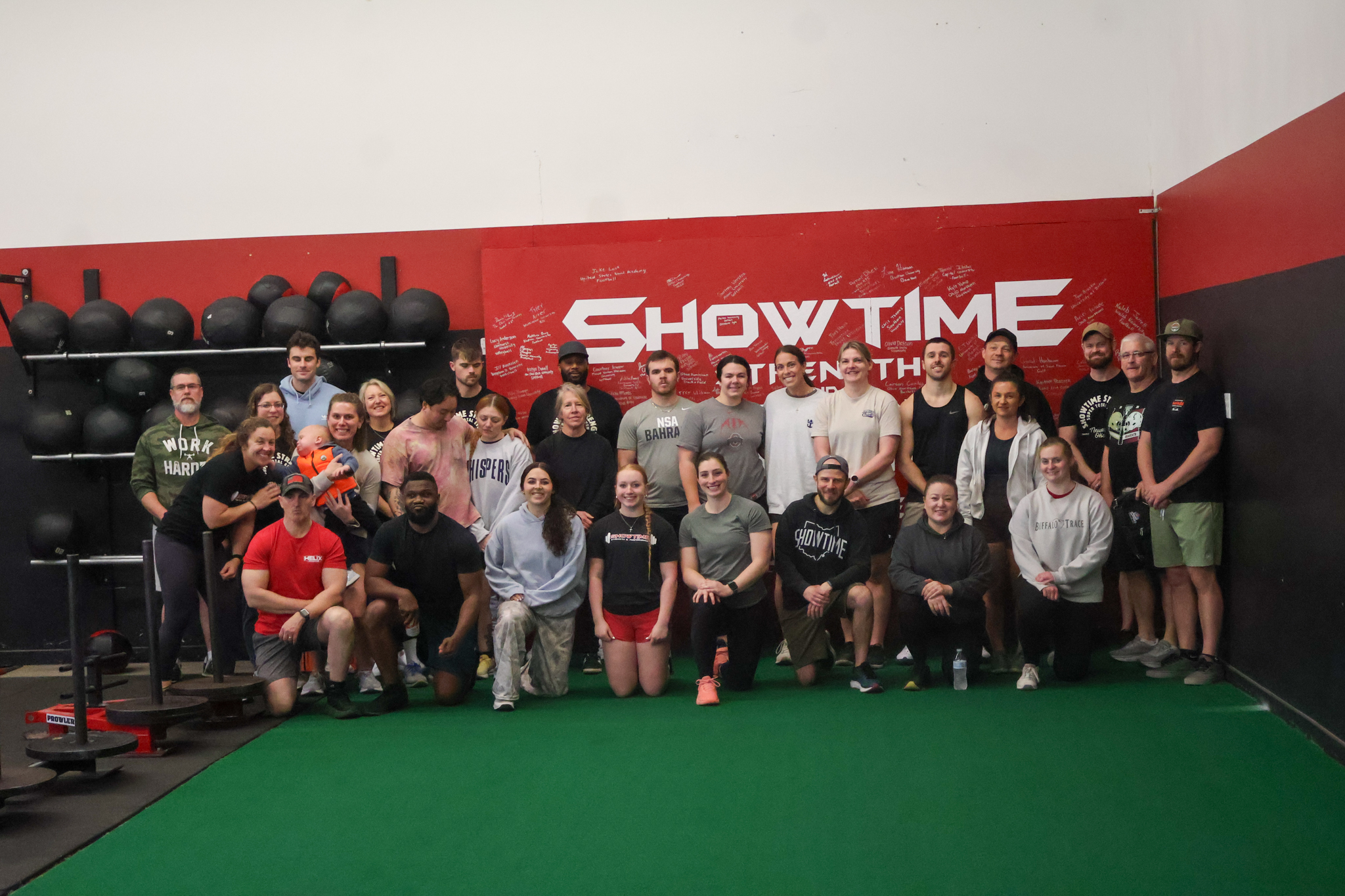
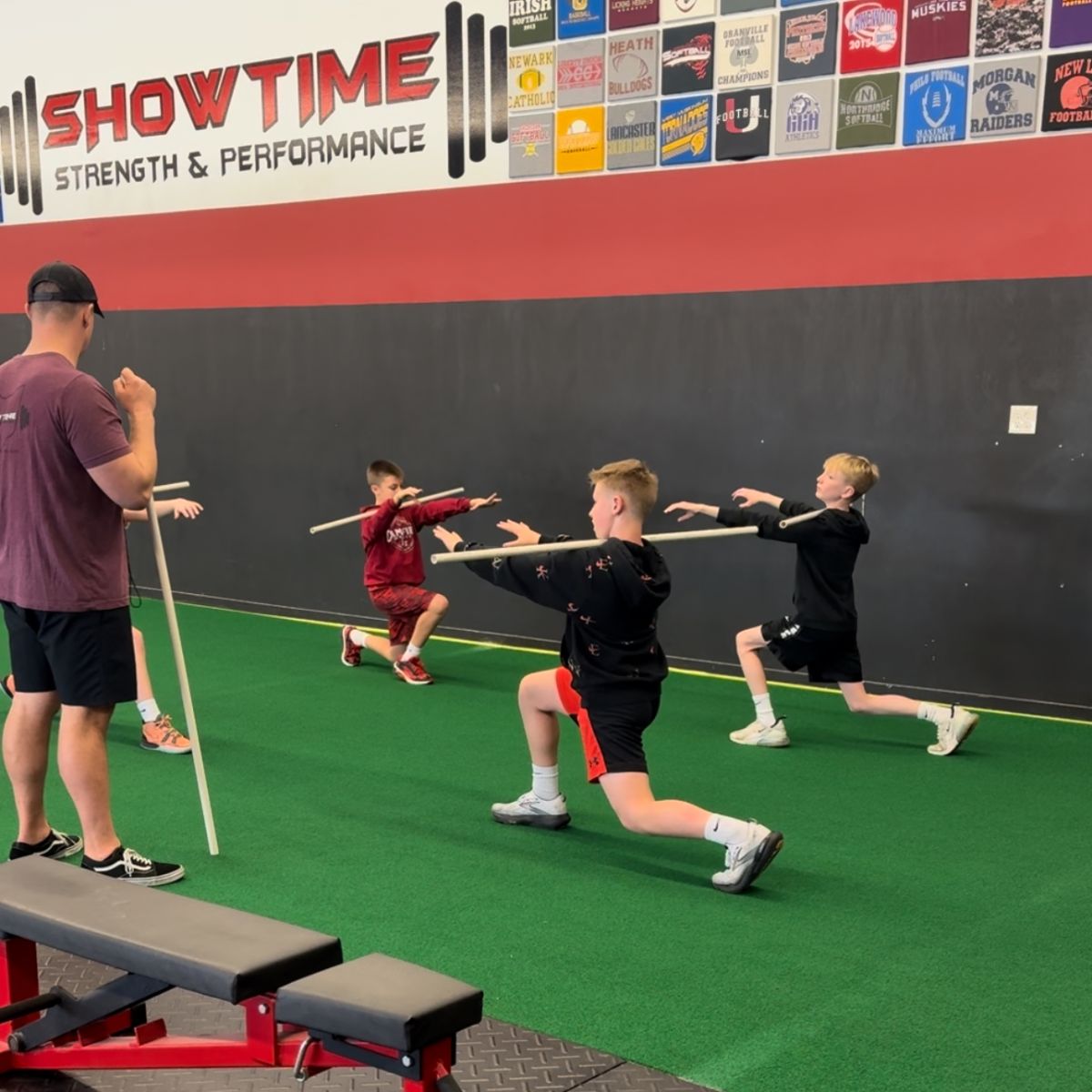
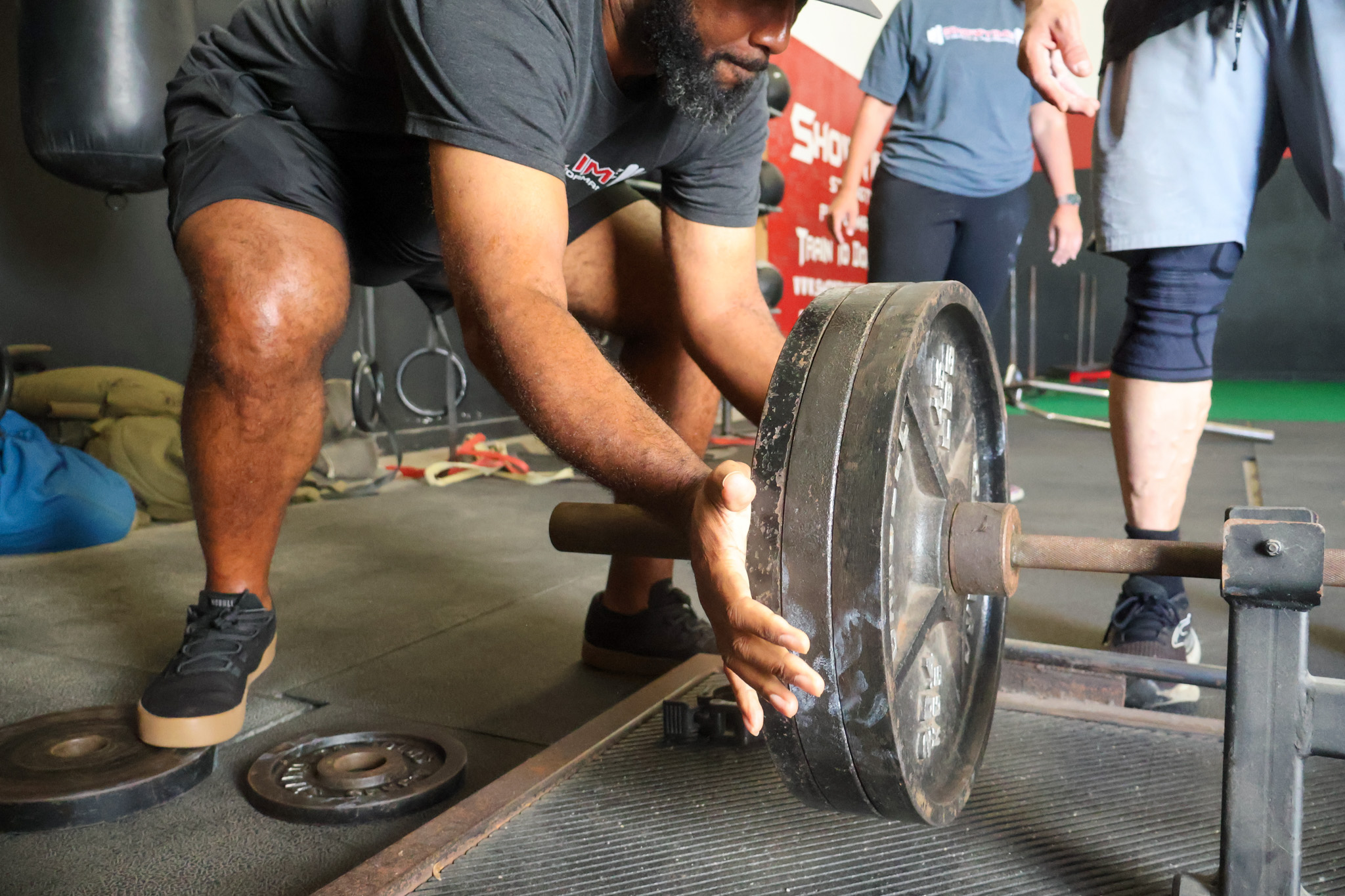
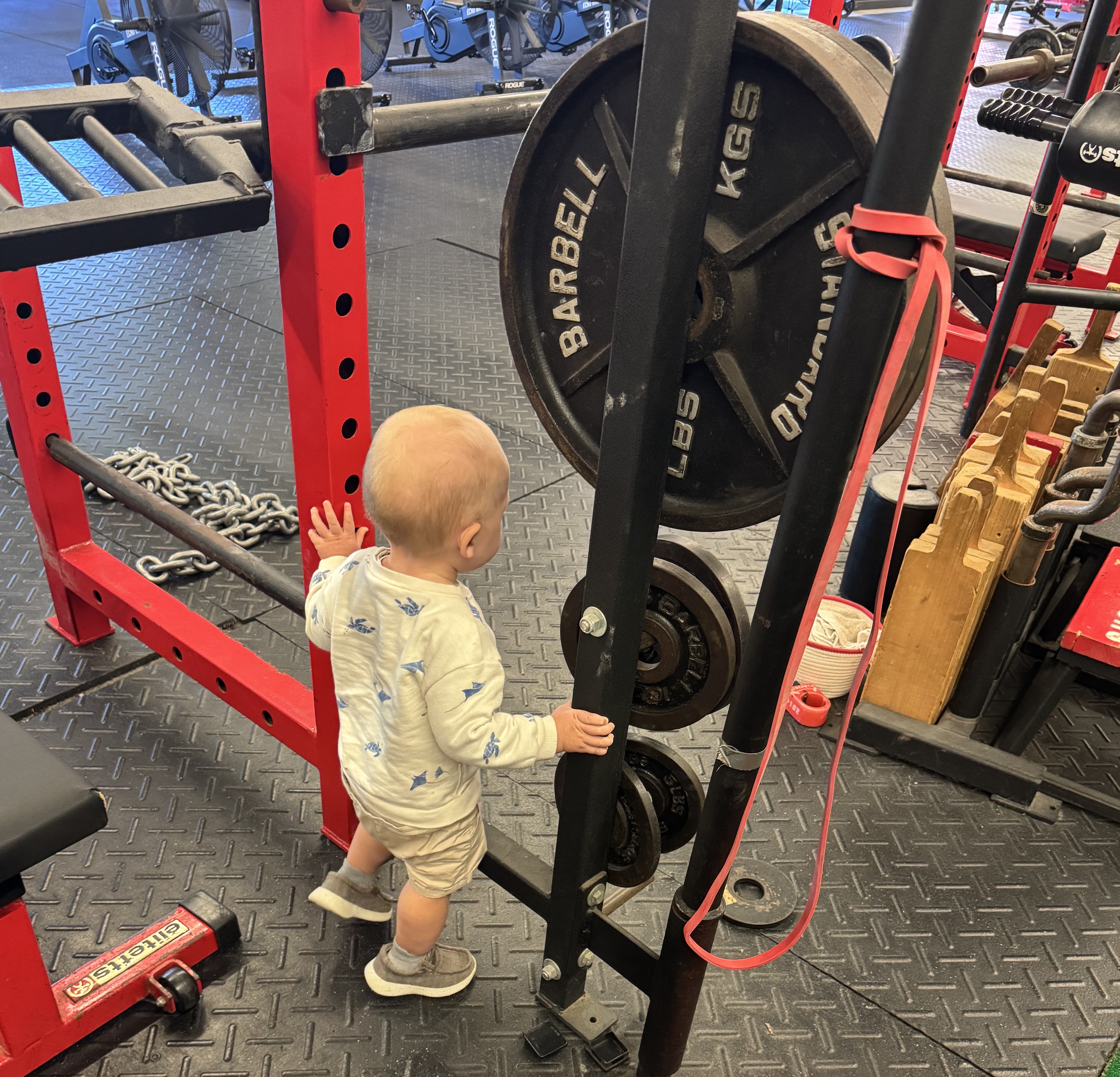
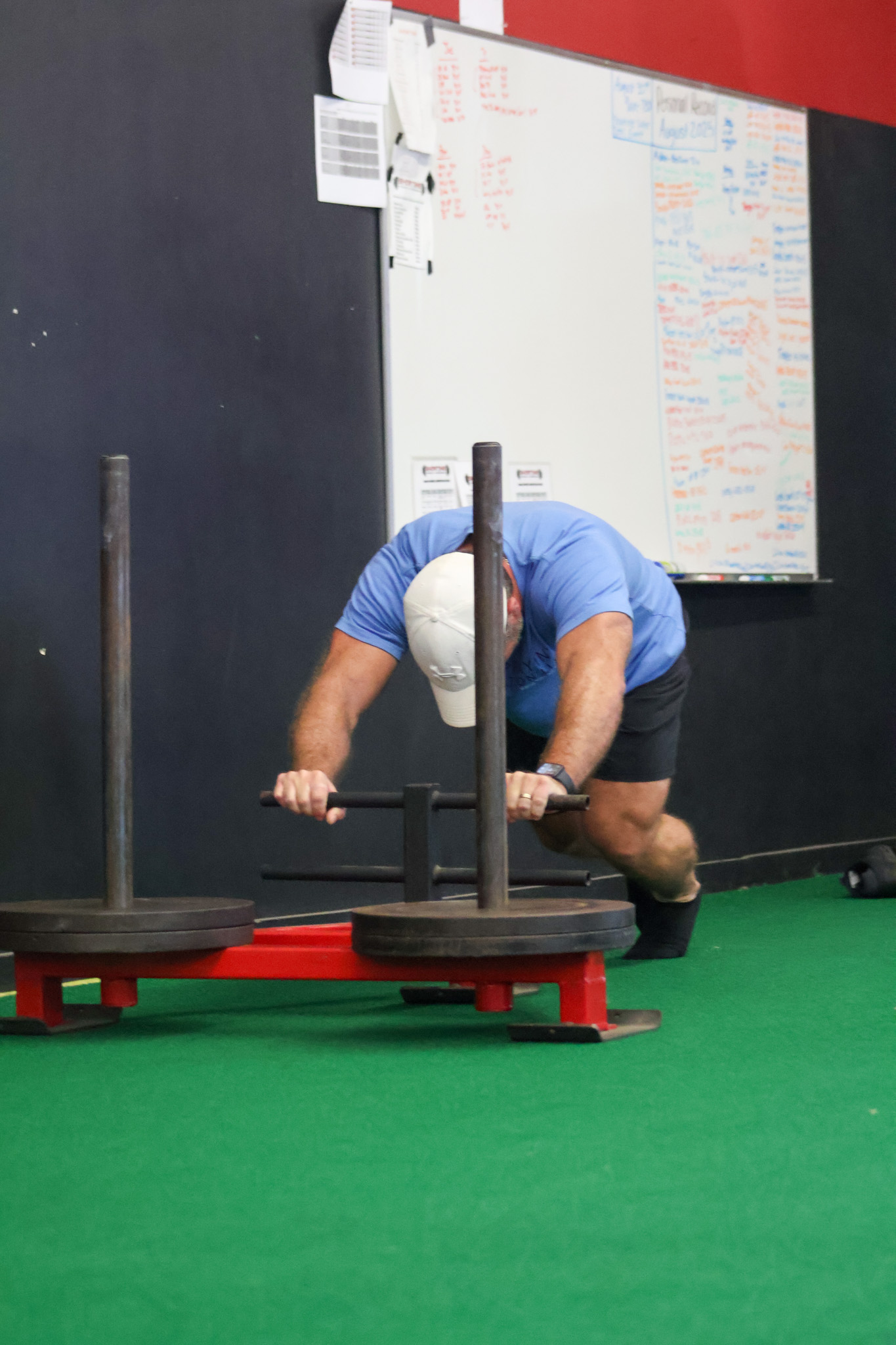
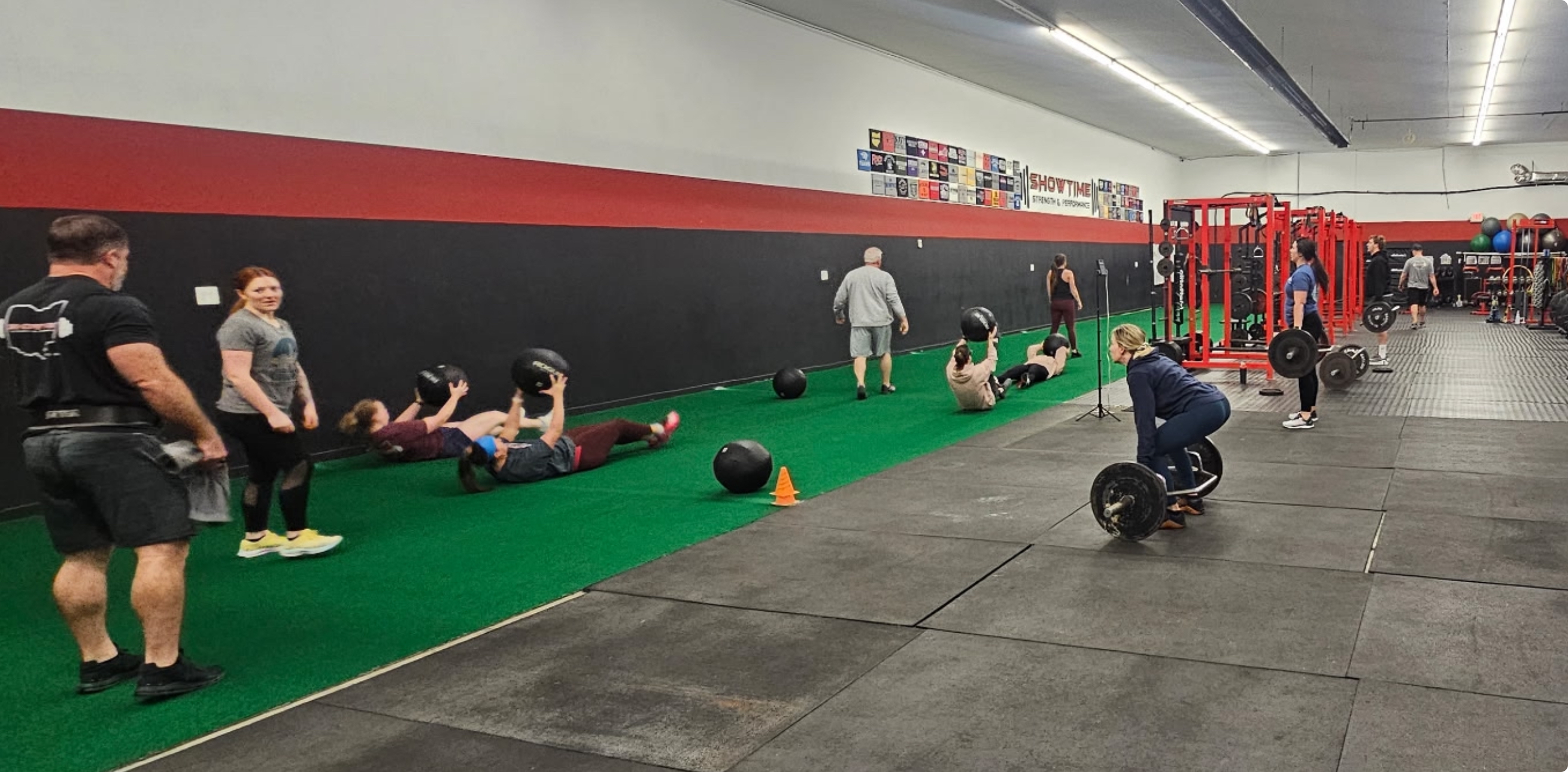
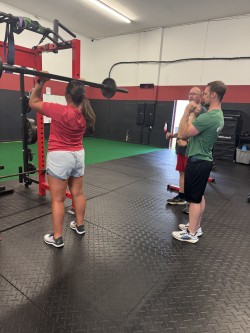
Physical activity does more than build strength. It can improve behavior, communication, mood, and daily functioning for children on the autism spectrum. At Showtime Strength, we believe movement-based programs tailored to each child’s needs can unlock progress across multiple areas of development. For the last several years, my wife, Claire, and I have been helping kids with ASD feel more comfortable moving their bodies. This is done both in an one-on-one and group setting. The results have been dramatic. Kids that were once afraid to exert energy are now jumping onto and off of objects, moving their body in different directions with control, and most of all having fun while doing it. There are still days we have to modify exercises, but the same thing happens with every person we train at Showtime. Exercise is an empowering gift. It is our goal that more people are able to experience that gift. Let’s now explore some of the benefits of exercise while giving you some practical examples and tips so it is safe and effective.
Improves Behavior and Reduces Challenging Symptoms
Exercise regulates sensory systems, reduces stress hormones, and provides predictable routines-all of which can lower anxiety, outbursts, and repetitive behaviors.
Exercise Examples:
Tip: Use a visual schedule and consistent cues so the child knows what to expect; start with short sessions and gradually increase duration
Boosts Social Skills and Communication
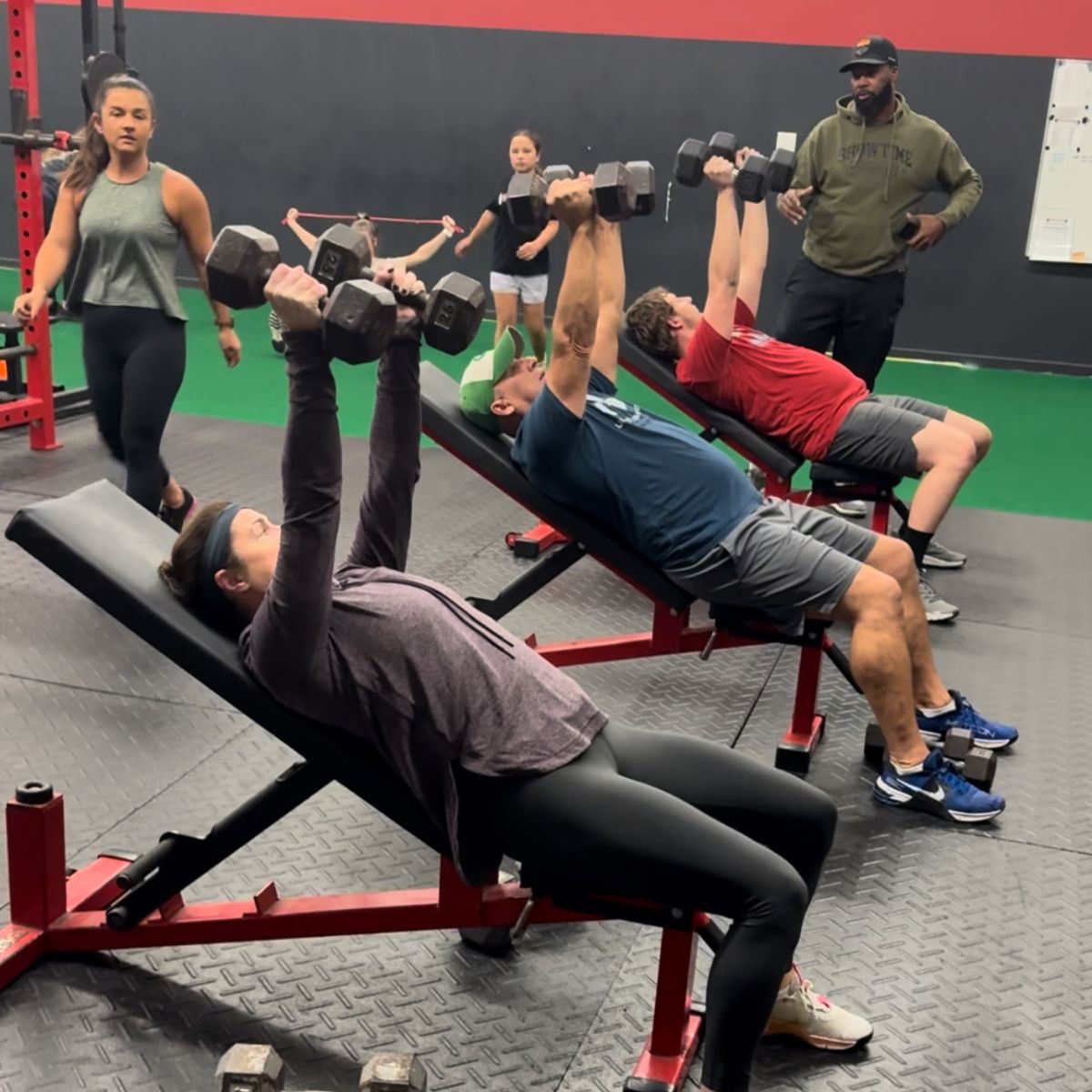
Group activities and partner drills create natural, low-pressure opportunities for turn-taking, eye contact, following instructions, and verbal or nonverbal communication.
Examples:
Tip: Keep group sizes small, assign clear roles, and coach social behaviors explicitly (e.g., “say ‘ready’ before passing”).
Supports Motor Skills, Coordination, and Daily Living
Strength, balance, and coordination exercises improve fine and gross motor control needed for self-care (dressing, handwriting) and classroom participation.
Examples:
Tip: Focus on repetitive, game-like practice; measure progress with simple, observable goals (e.g., “stand on one foot for 5 seconds”).
Implementation Guidance
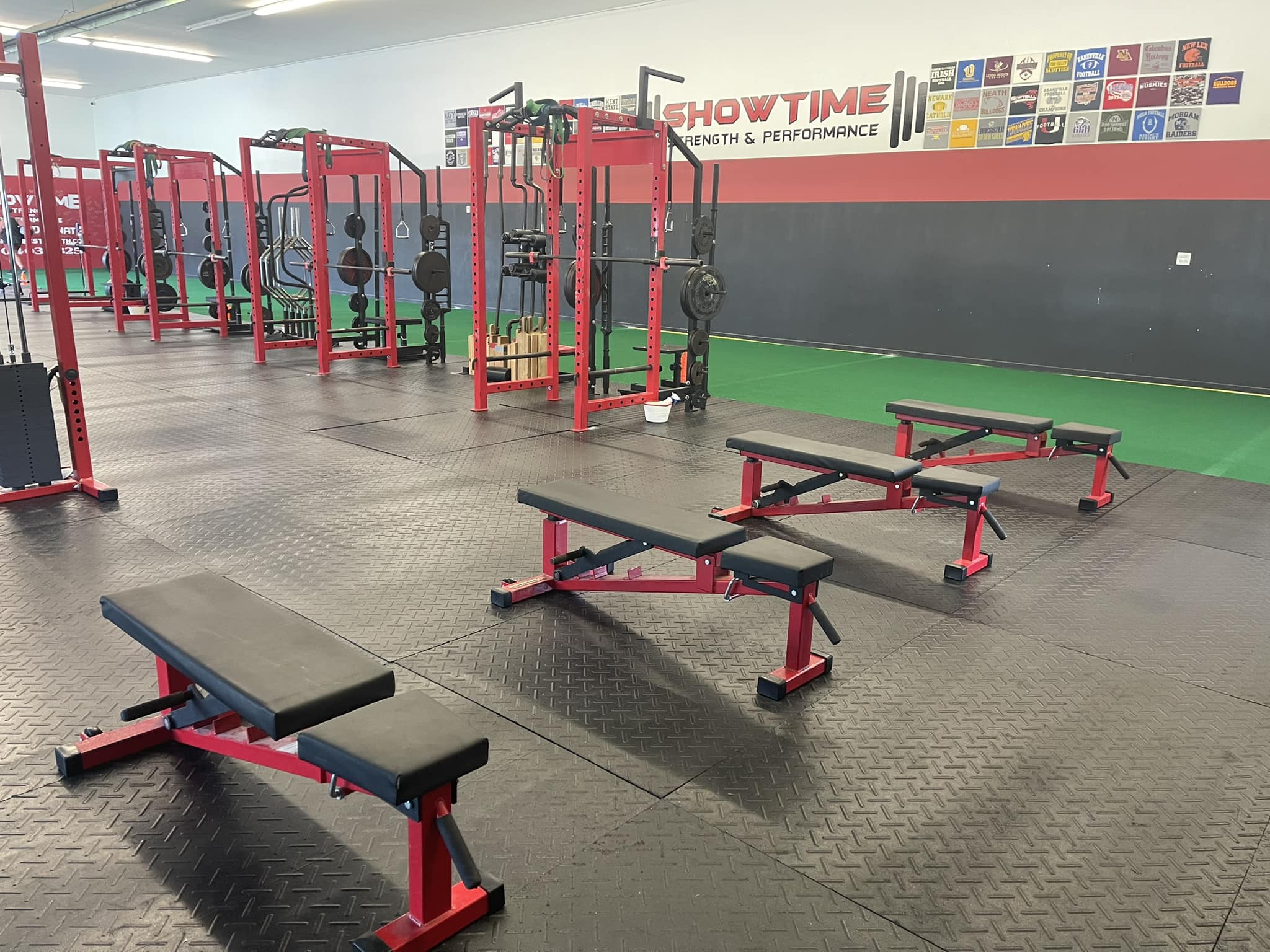
Exercise is a powerful, practical tool for helping children with autism thrive by improving behavior, social skills, motor abilities, and overall well-being. At Showtime Strength, we design accessible, enjoyable programs that meet each child where they are, turning movement into meaningful progress. If you’d like to see how exercise can help your child, feel free to reach out to lean more about working with our professional coaches.







.png)












%20copy.jpeg)








.jpeg)


%20copy%202.jpeg)


