Sleep and Performance: Optimizing Recovery for Youth Athletes
Sleep and Performance: Optimizing Recovery for Youth Athletes
By
March 22, 2026
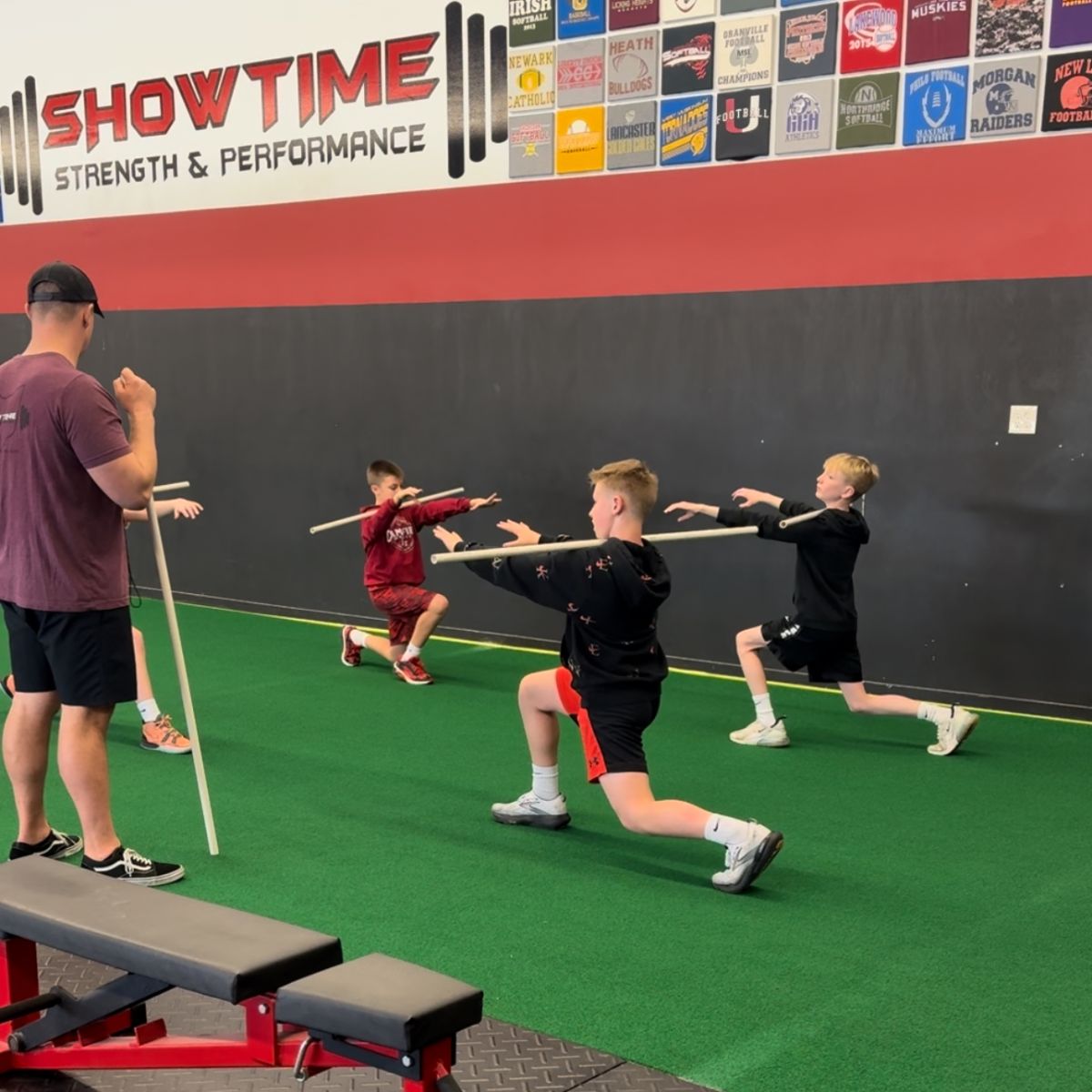

Sleep and Performance: Optimizing Recovery for Youth Athletes
Sleep is a cornerstone of recovery, growth, and performance for youth athletes. During sleep the body consolidates motor learning, releases growth hormone, restores glycogen, and repairs tissue. These processes are especially important for children and adolescents who are simultaneously growing and training. Insufficient or poor quality sleep impairs reaction time, decision-making, mood, and recovery, and increases injury risk. Coaches and parents who prioritize sleep can meaningfully boost training adaptations and long-term athlete development.
How Sleep Affects Physical and Cognitive Performance
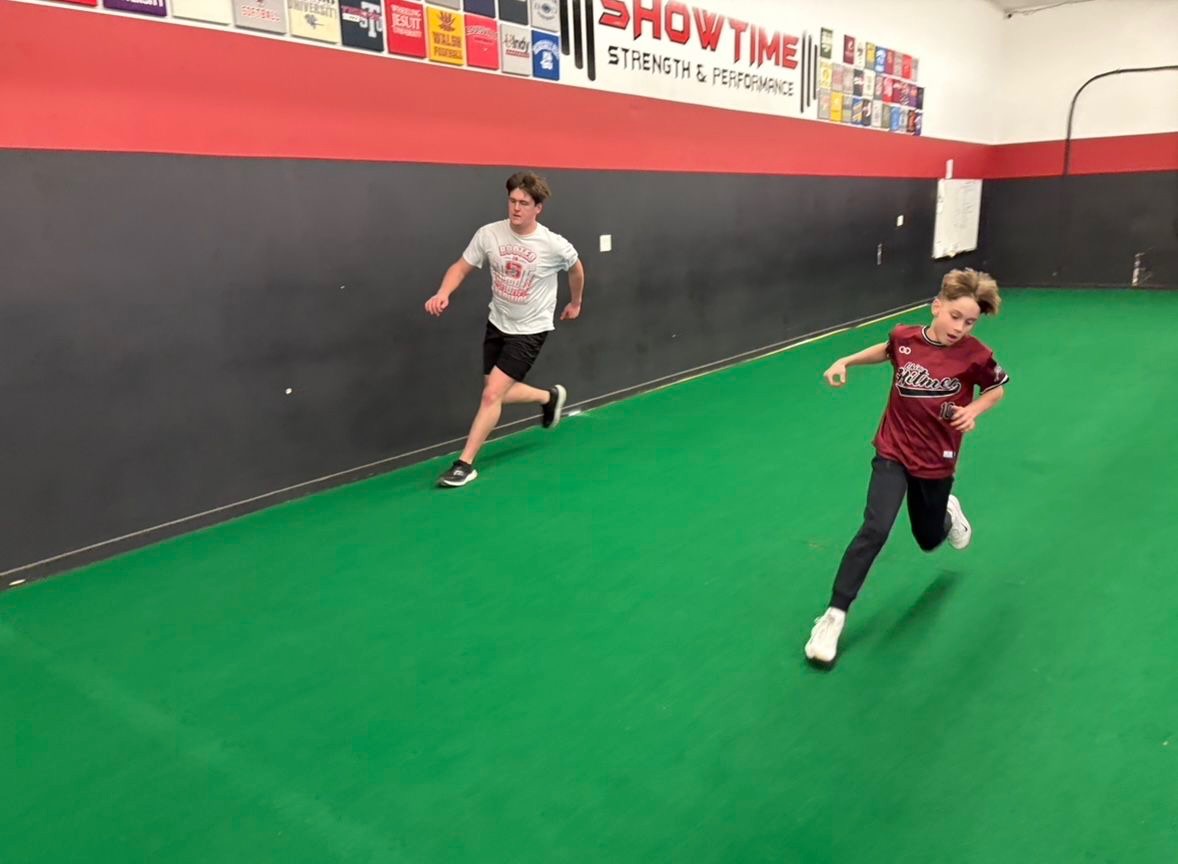
Sleep loss reduces speed, accuracy, and endurance while increasing perceived exertion. Laboratory and field studies show that partial sleep restriction negatively affects sprint times, skill execution, and cognitive tasks critical to sport (decision-making, attention, and reaction time) [1]. For youth athletes who already have developing neuromuscular systems, these deficits can translate into missed skill adaptations, poorer practice quality, and greater risk of non-contact injuries. Conversely, sleep extension interventions have improved sprint performance, shooting accuracy, and mood in athletic populations, demonstrating that extra sleep yields measurable, short-term performance gains [2].
Adolescent Sleep Biology and Practical Barriers
Adolescents experience a natural delay in circadian timing (they get sleepy later and wake later) and have high sleep need (8–10 hours), creating a mismatch with early school start times and evening training or screen use. This “perfect storm” of biological and social pressures often results in chronic sleep debt. Late-night homework, stimulating screen exposure, evening practices, travel for competitions, and caffeine use further fragment sleep. Recognizing these barriers is the first step: youth athletes typically need more—and more consistent—sleep than adults to support both growth and athletic demands [3].
Strategies to Optimize Sleep for Youth Athletes
Tactical Application : 7-Day Sleep Optimization Plan for Youth Athletes
Day 1: Baseline — record typical bedtime/wake time and total sleep.
Days 2–7: Shift bedtime earlier by 10–15 minutes each night until target duration is reached. Implement nightly wind-down (30–60 min), remove screens during wind-down, and ensure room is cool and dark. Add a 20–30 minute pre-training nap on heavy practice days. Avoid caffeine after 12pm. Coaches: avoid late-night high-skill sessions during the plan; for unavoidable evenings, provide a lighter technical session and schedule a recovery-focused morning the next day.
Day 7: Reassess sleep logs and training quality. If mood, performance, or injury risk remain concerns, continue the plan and consider professional evaluation.
Sleep is a high-impact, low-cost tool to enhance recovery, skill consolidation, and injury resilience in youth athletes. Meeting age-appropriate sleep duration, enforcing consistent schedules, implementing calming pre-sleep routines, and using strategic naps or sleep-extension interventions produce measurable performance and wellbeing benefits. Coaches and parents who make sleep a visible part of training plans will help young athletes train harder, learn better, and stay healthier over the long term.
References








.png)















%20copy.jpeg)












.jpeg)


%20copy%202.jpeg)


