The Power Of Connection
Human Connection Impacts Health and Fitness
By
July 18, 2026


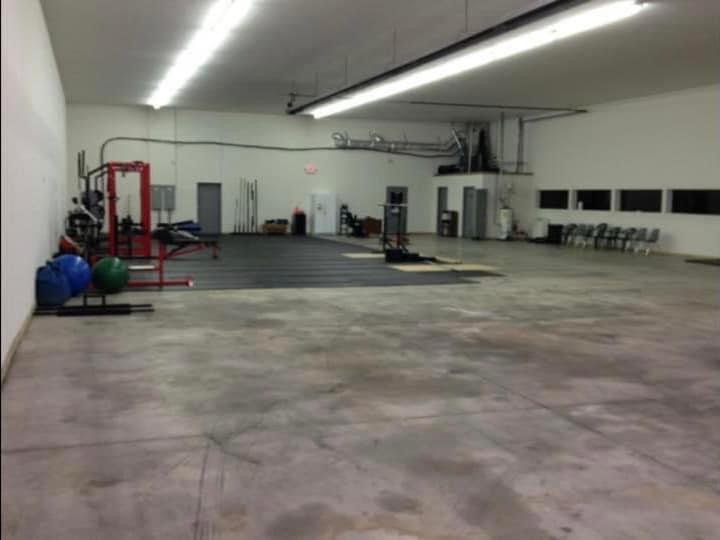
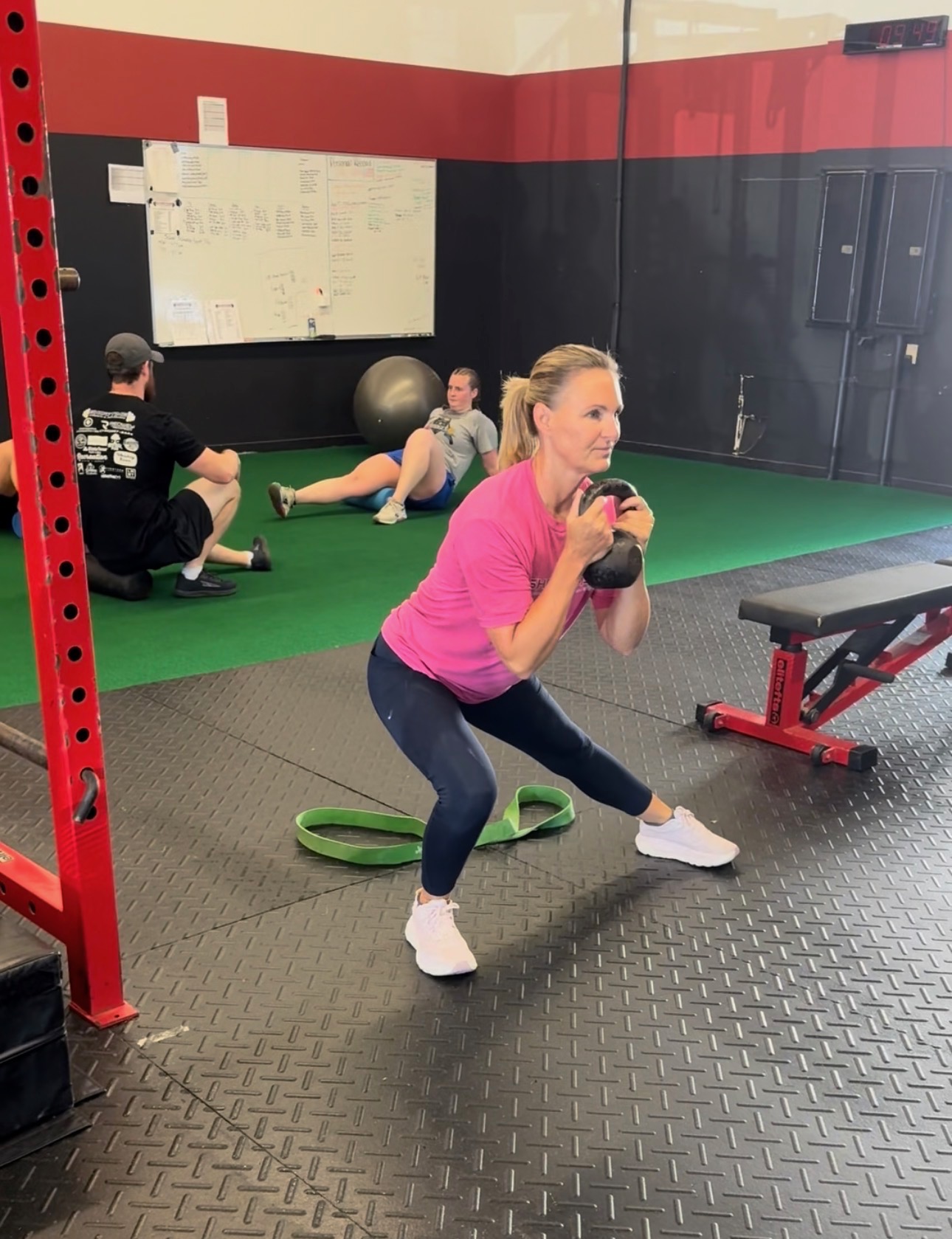
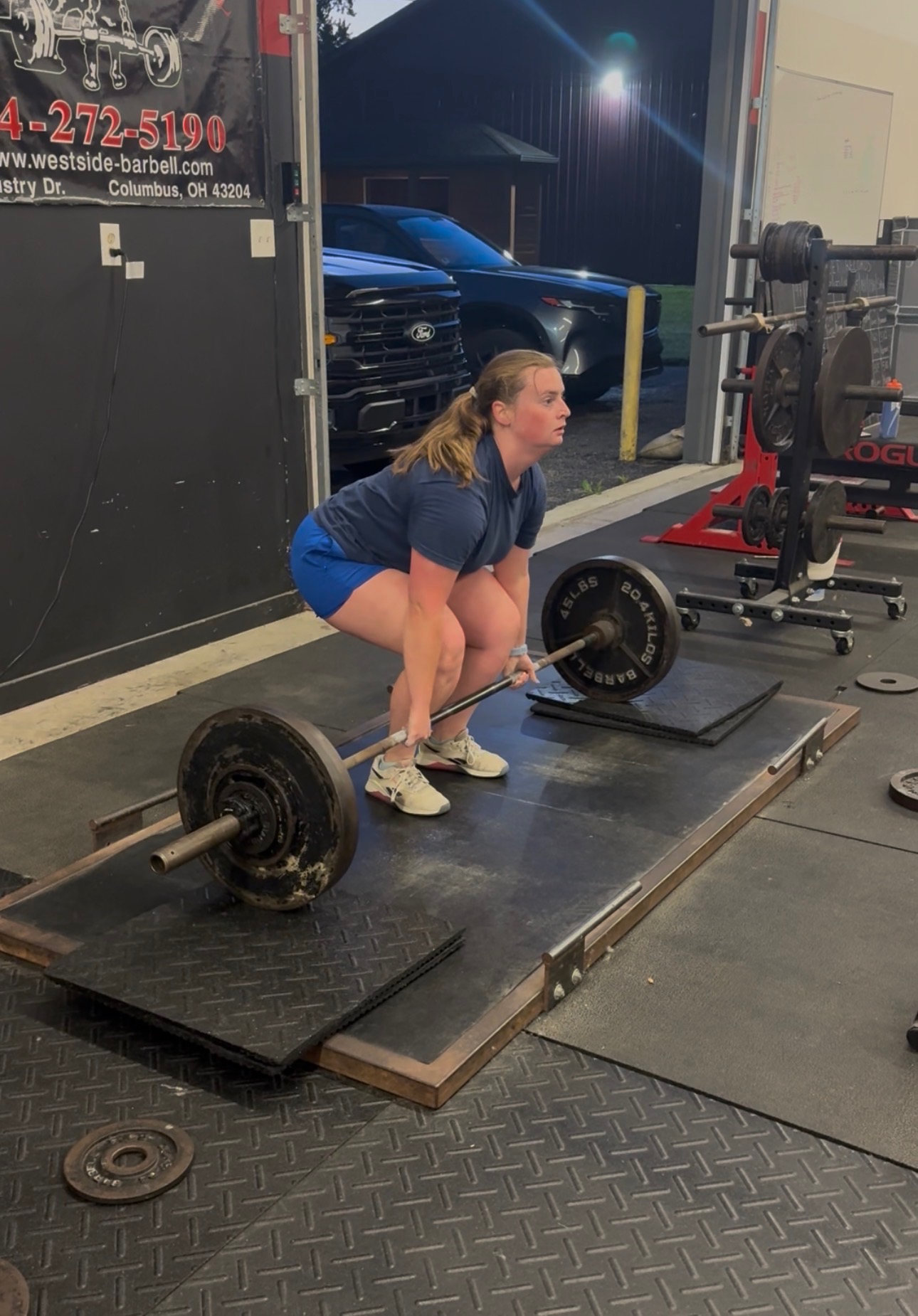
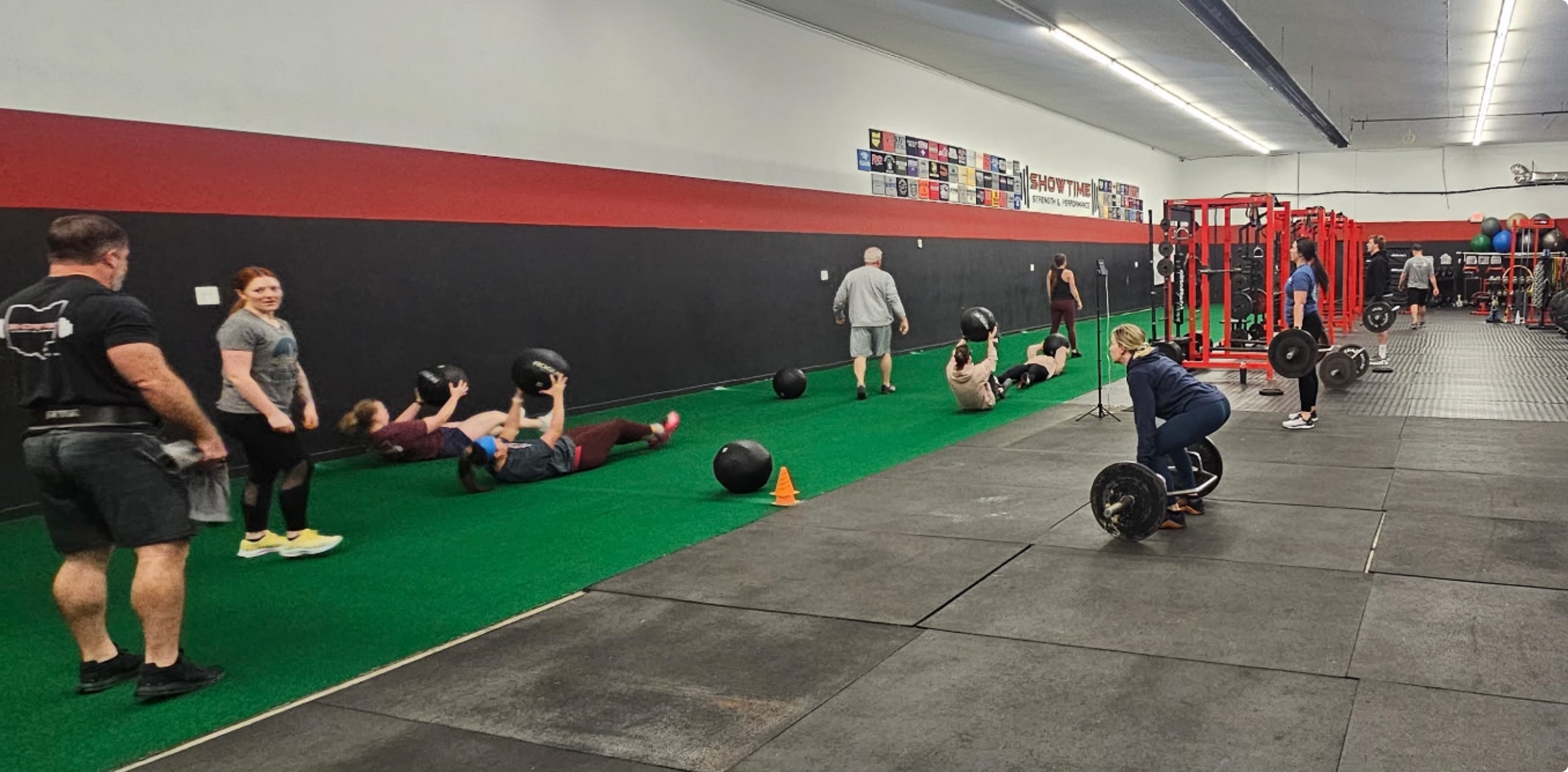
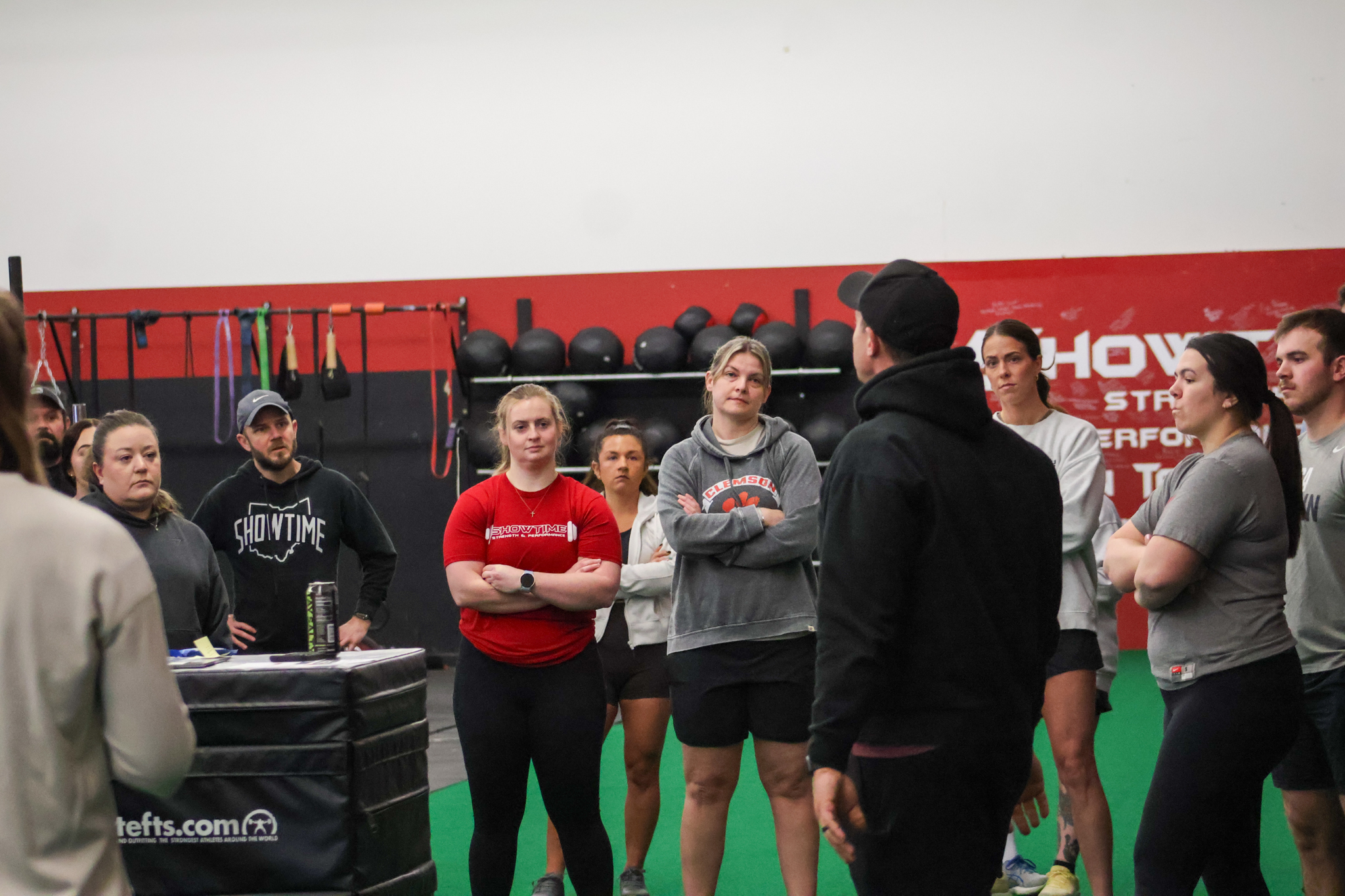
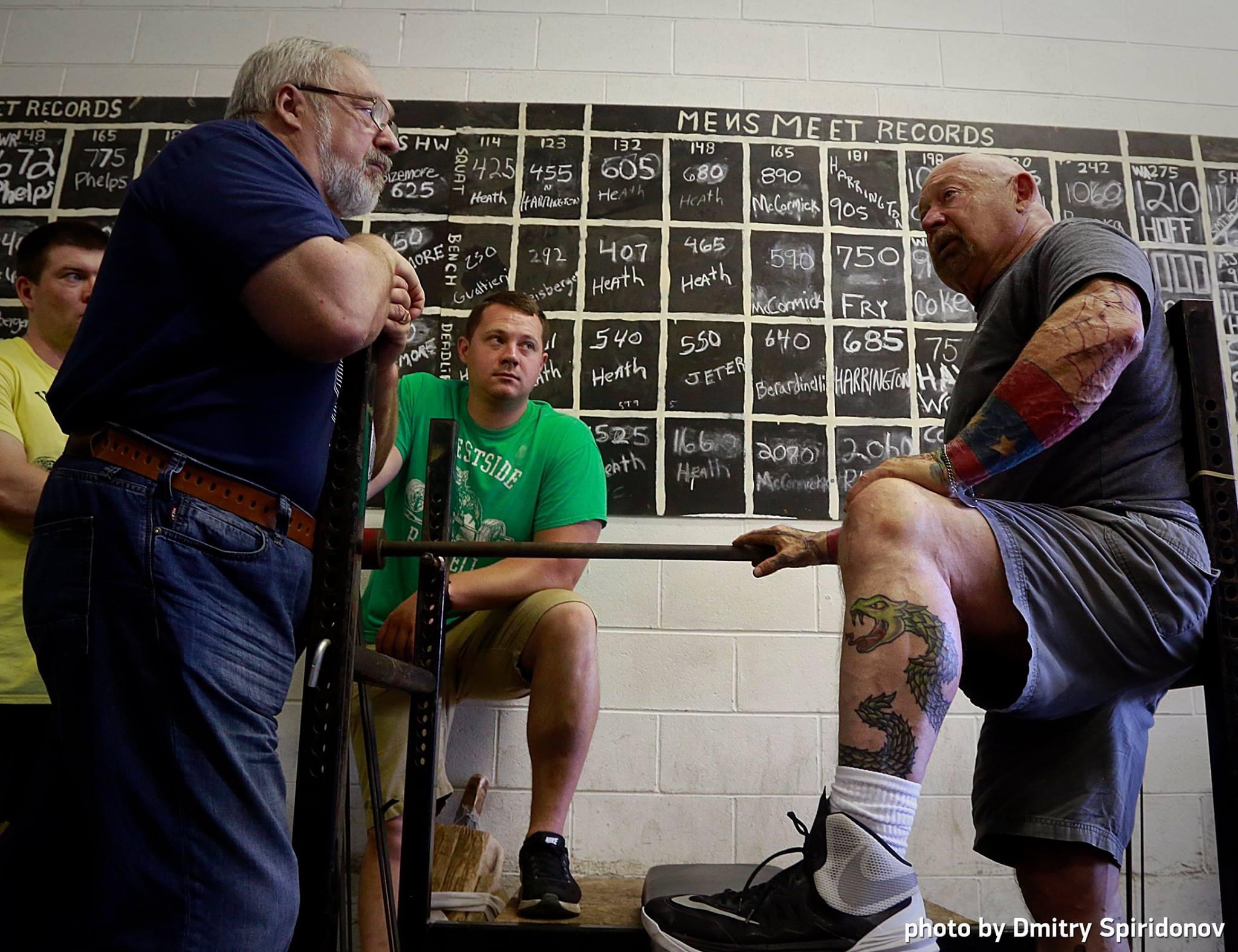
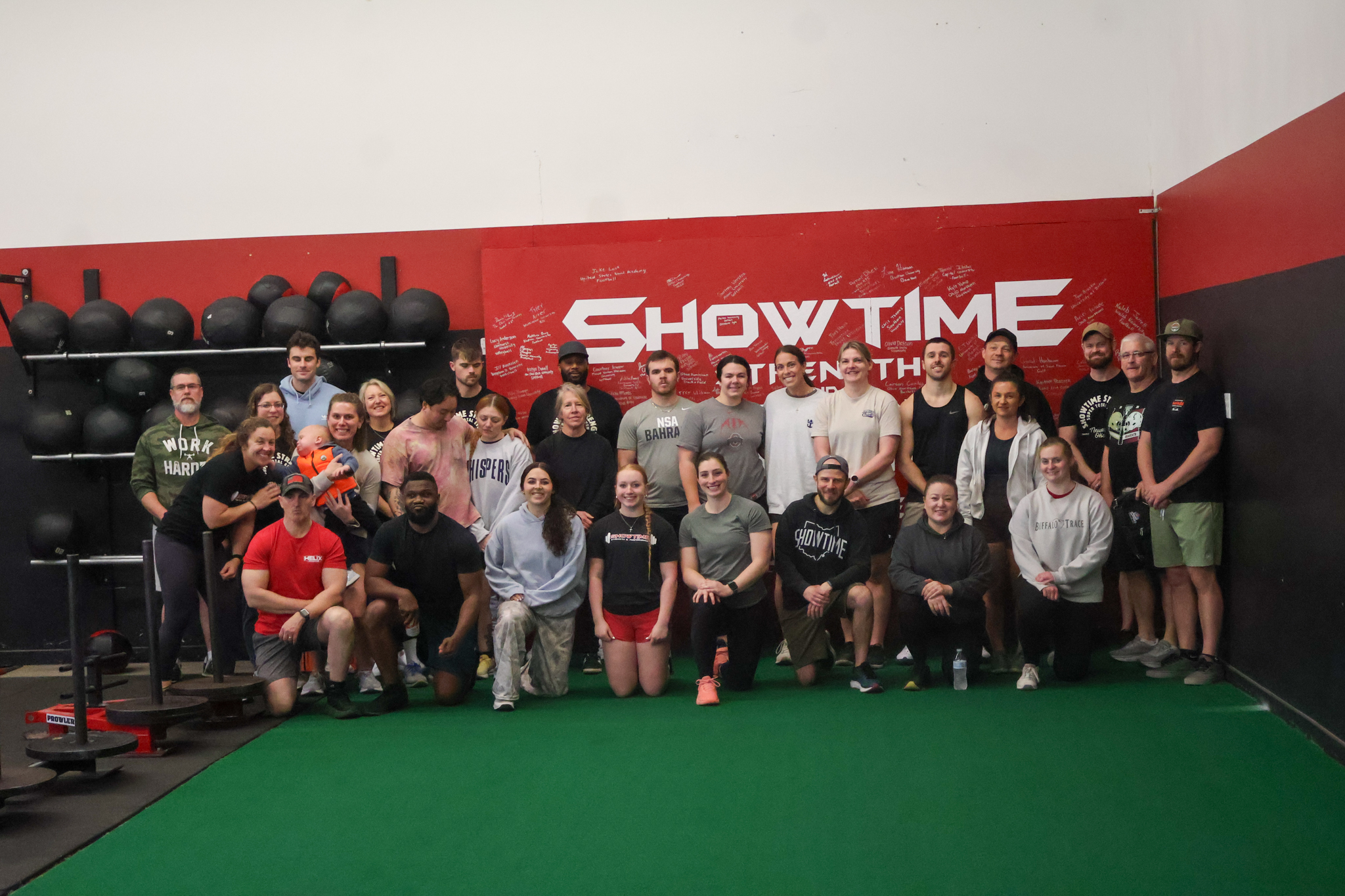
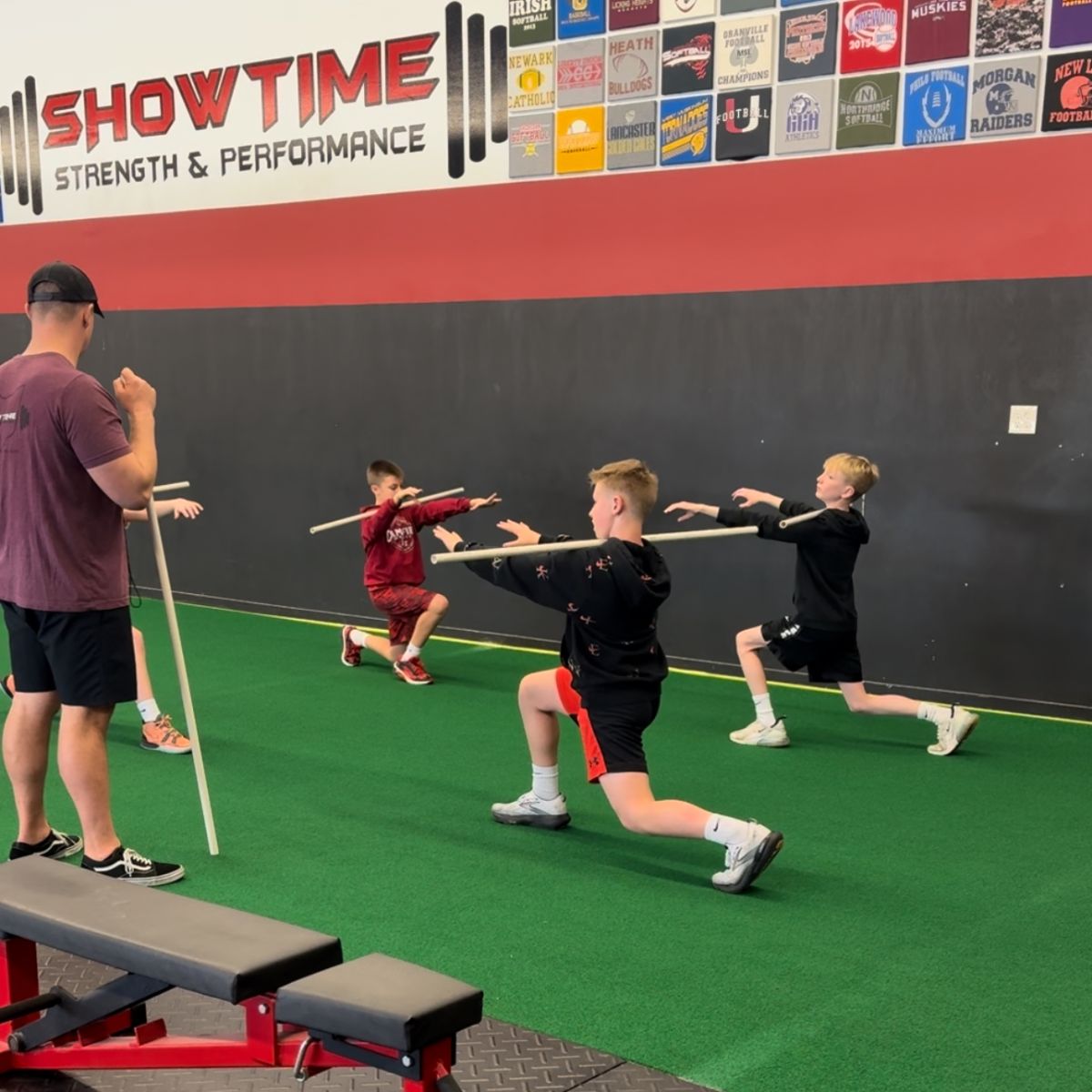
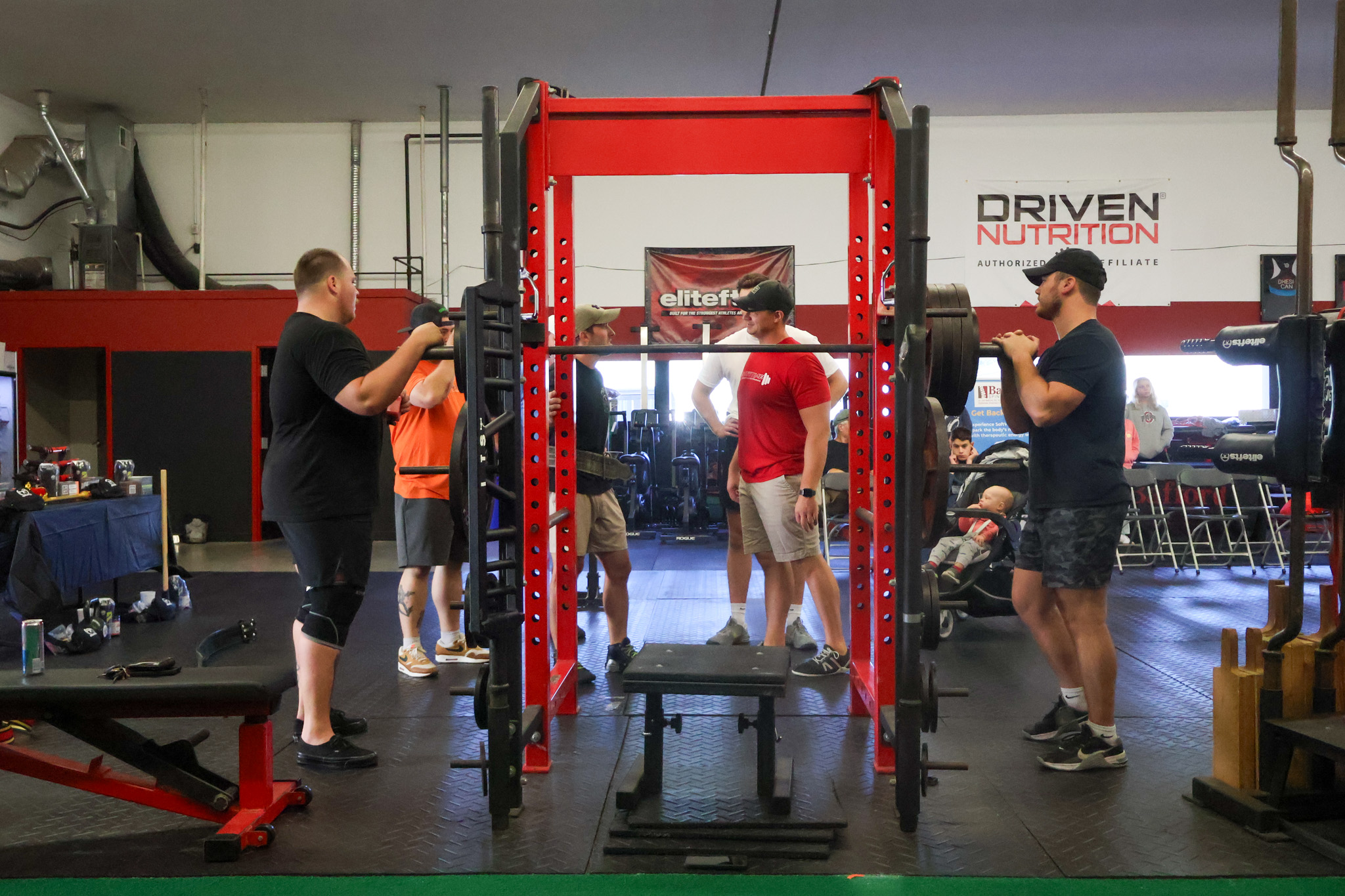
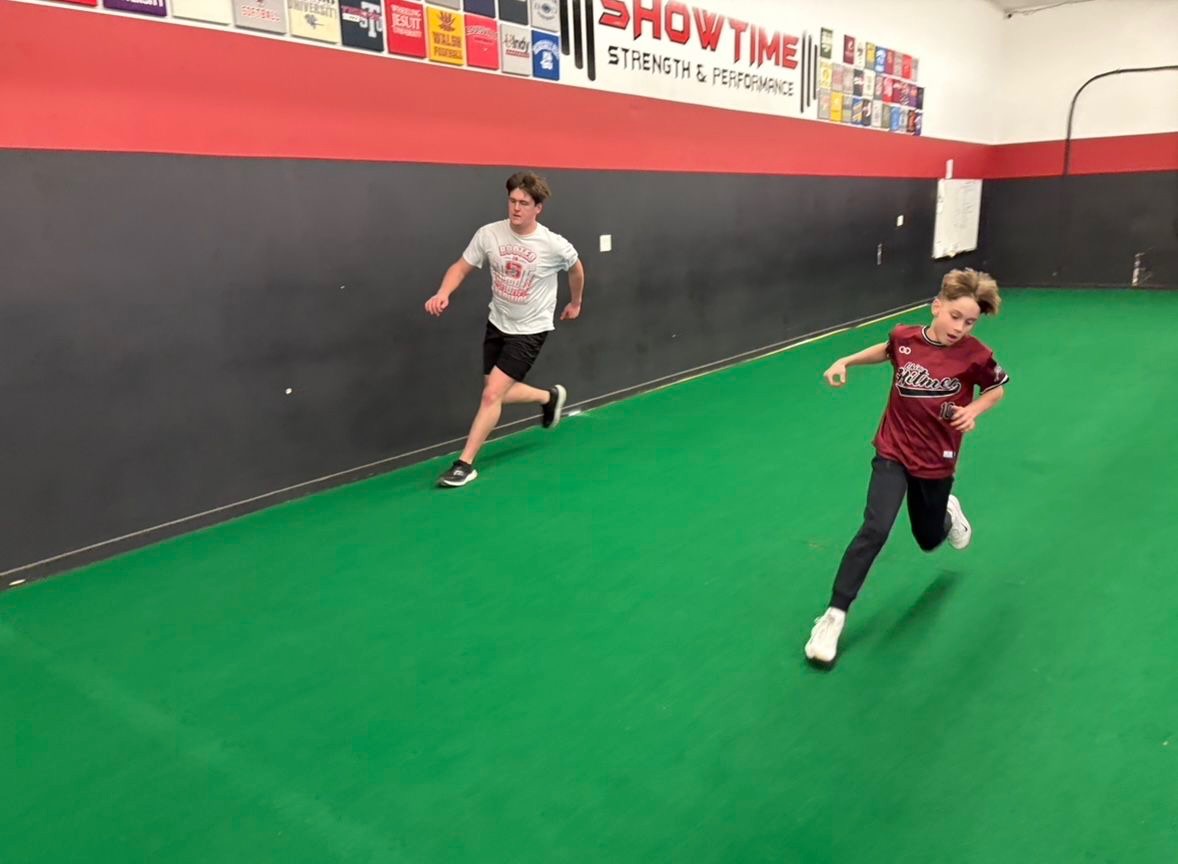
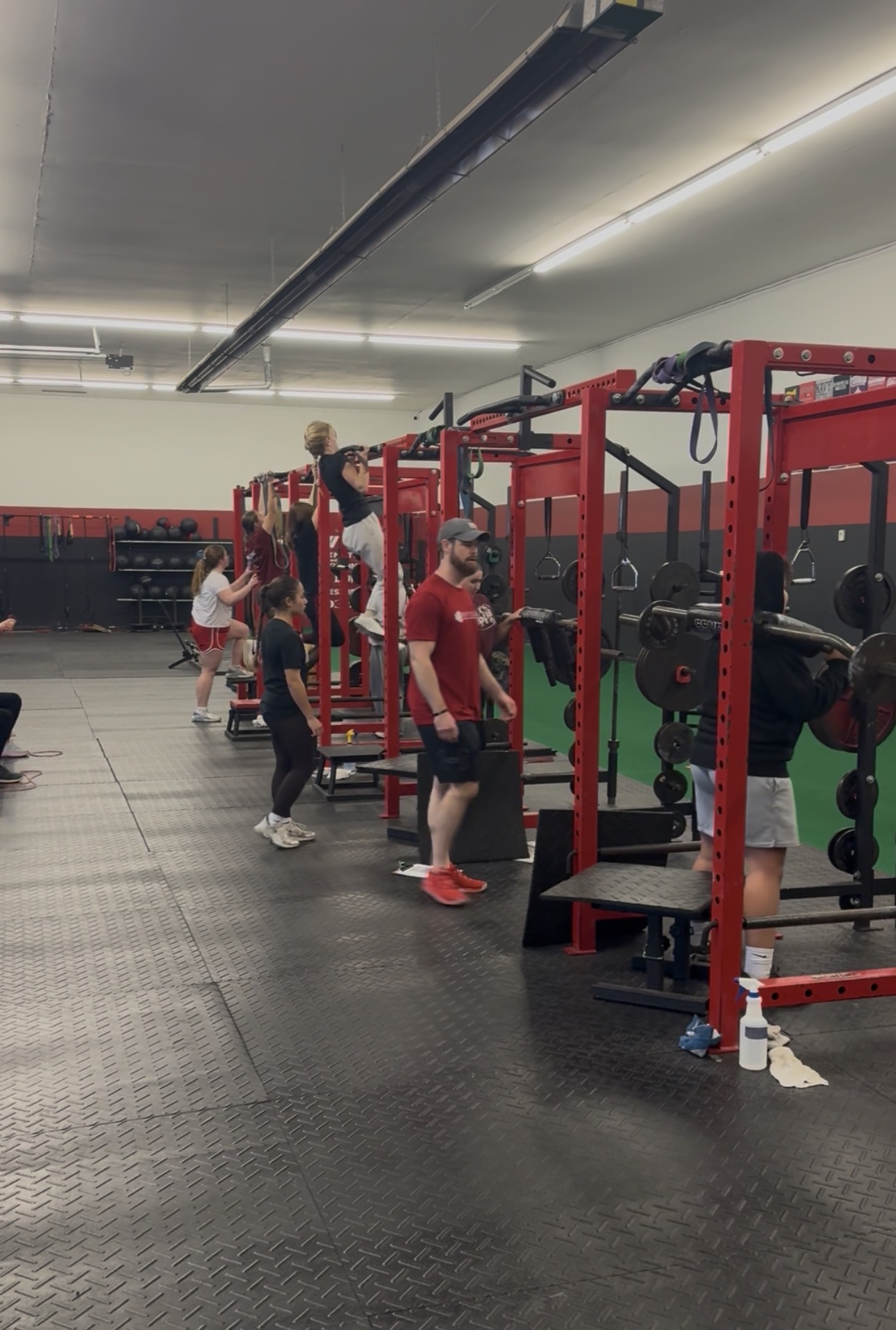
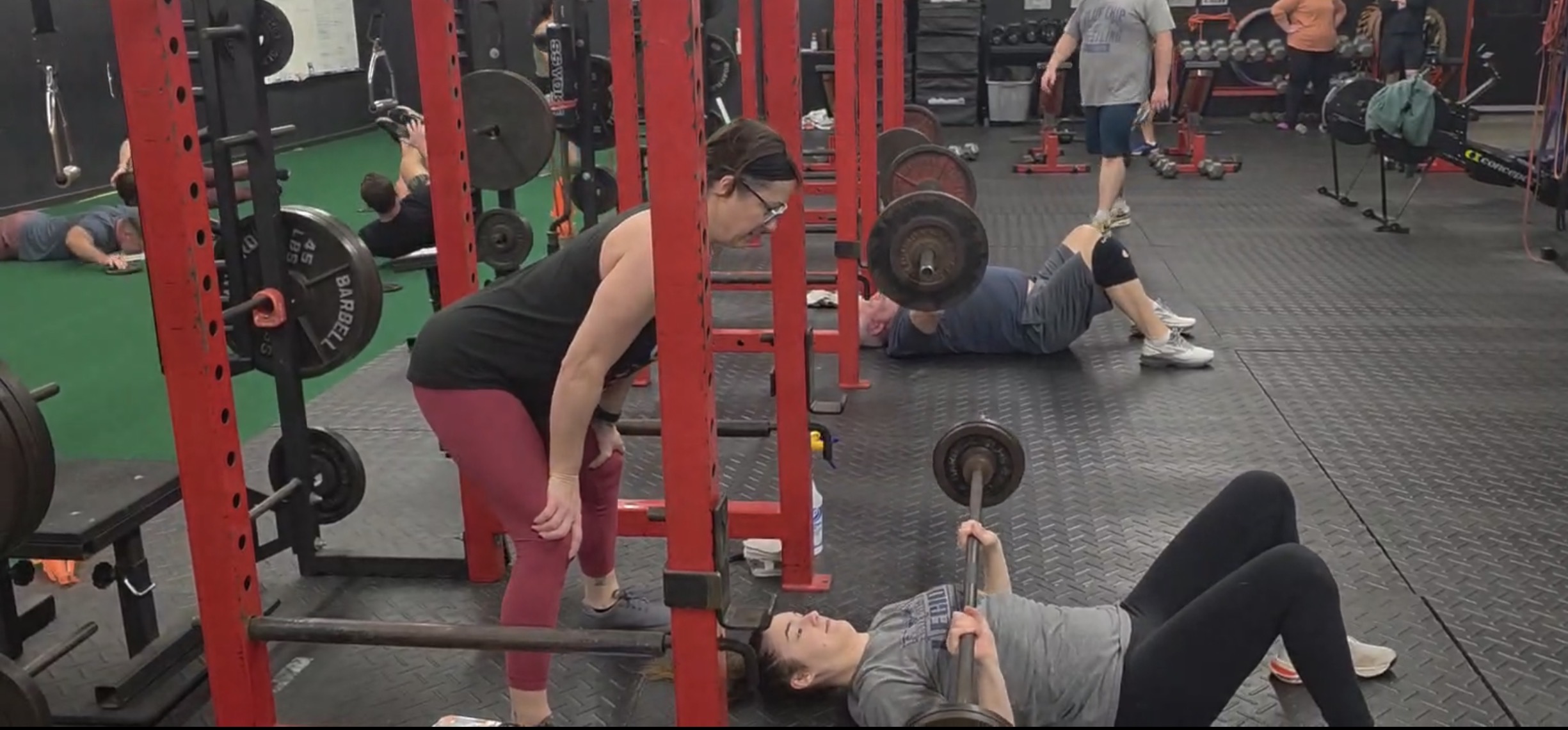
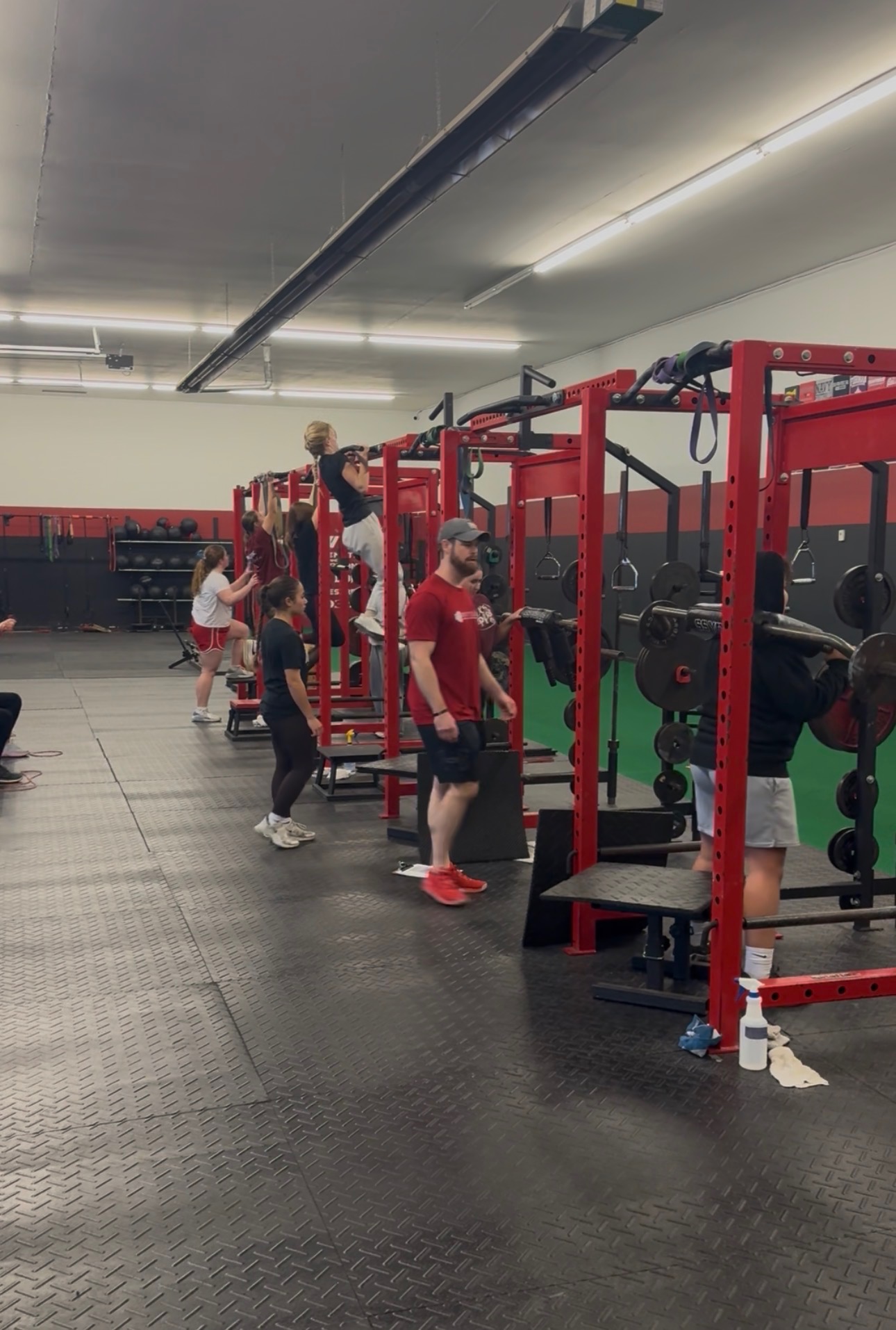
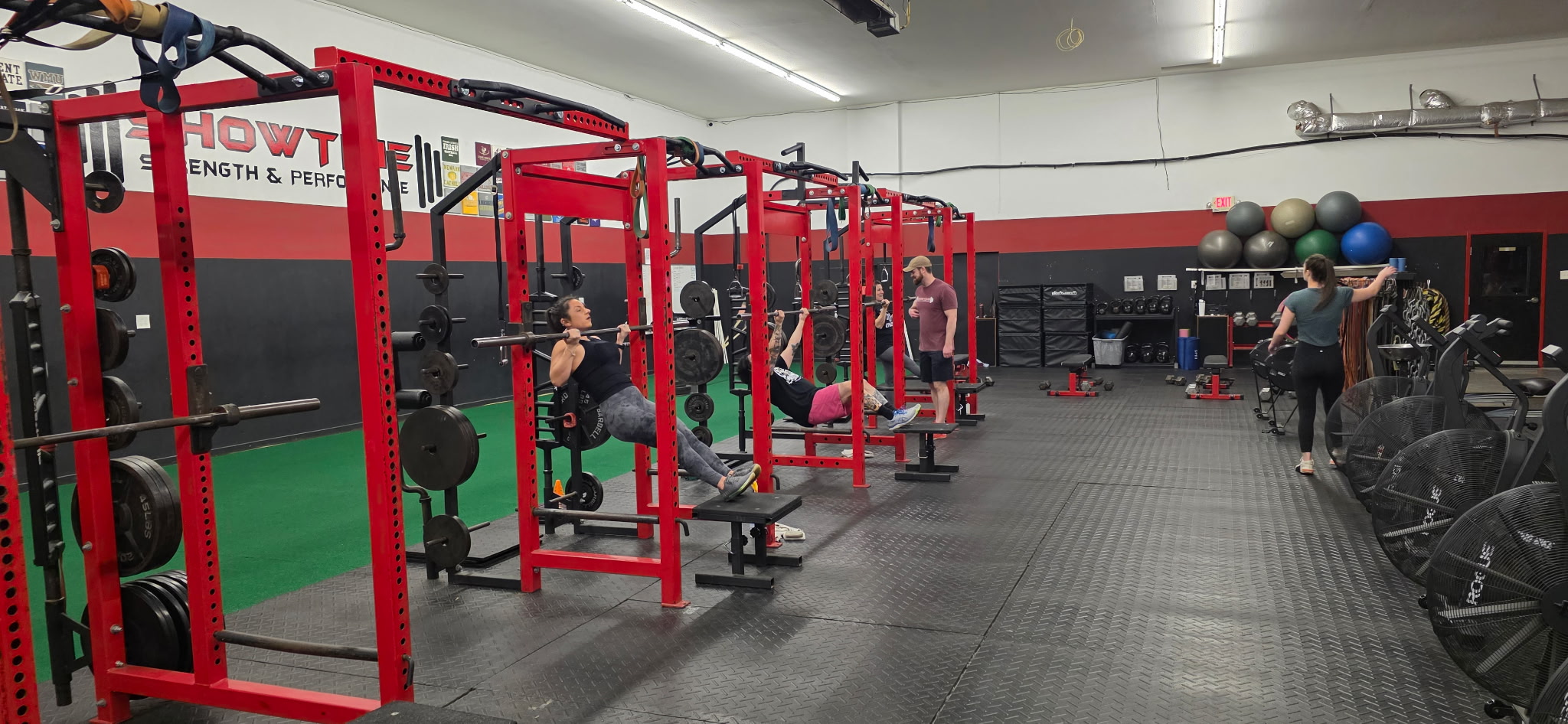
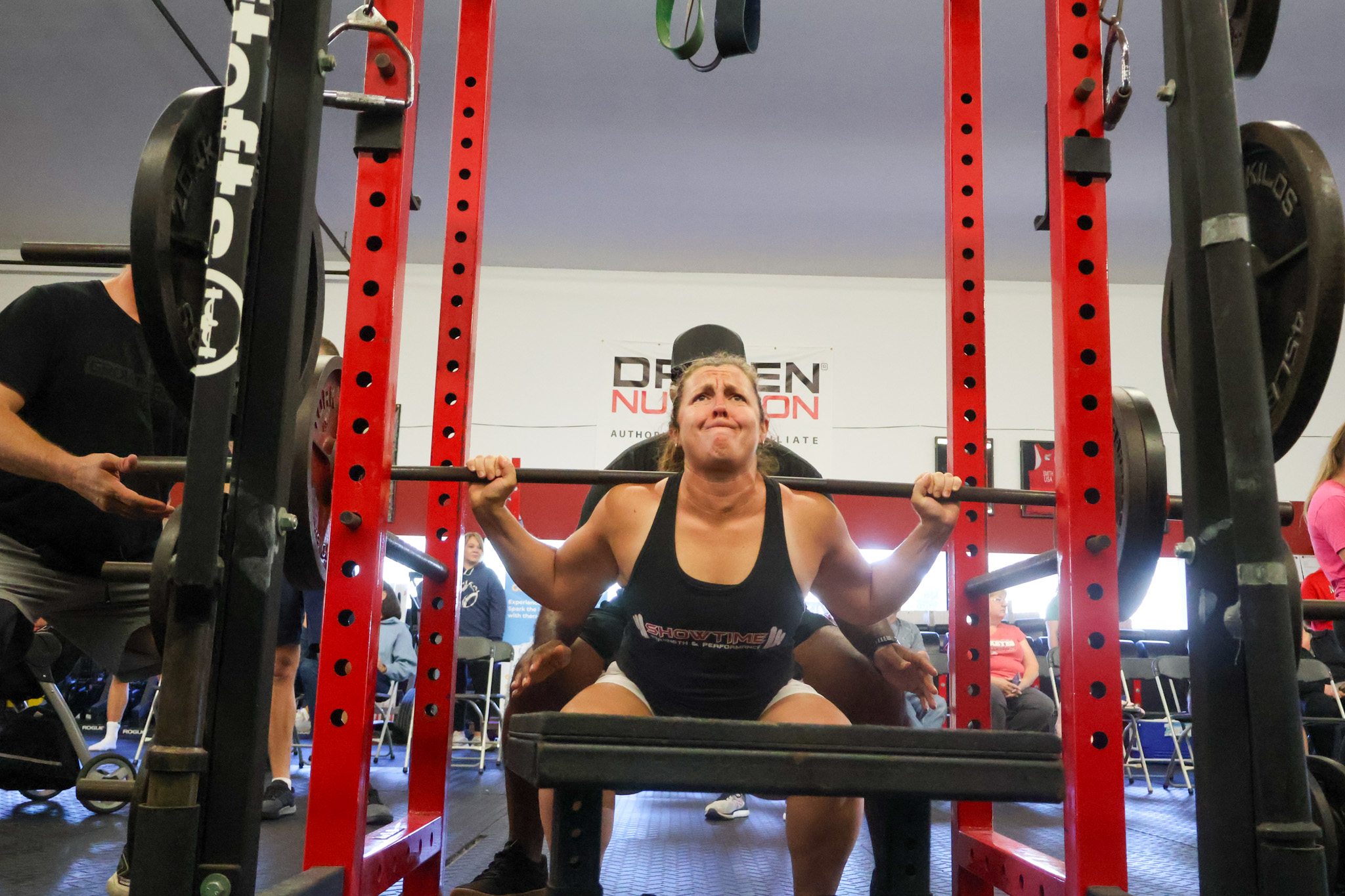
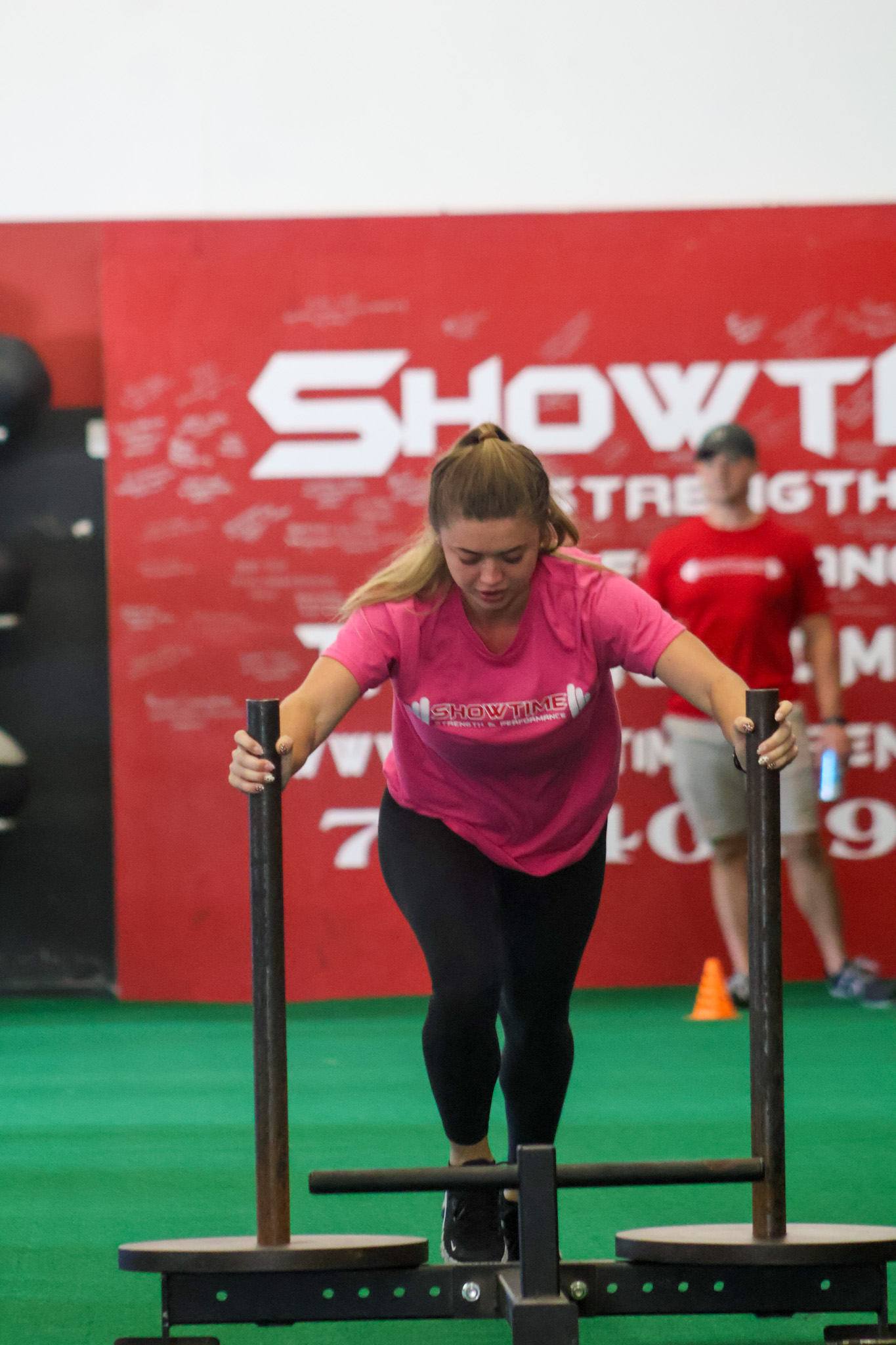
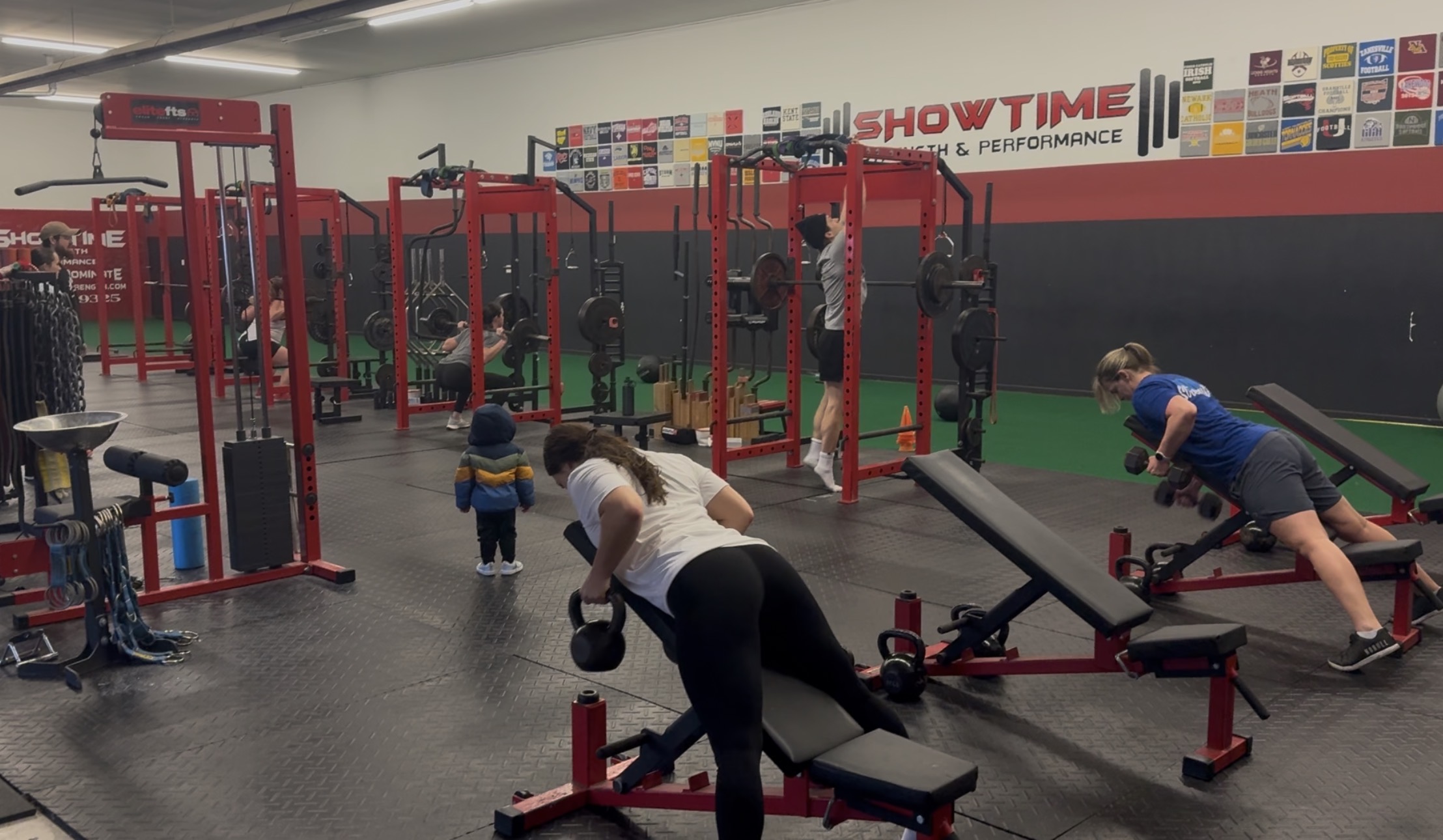
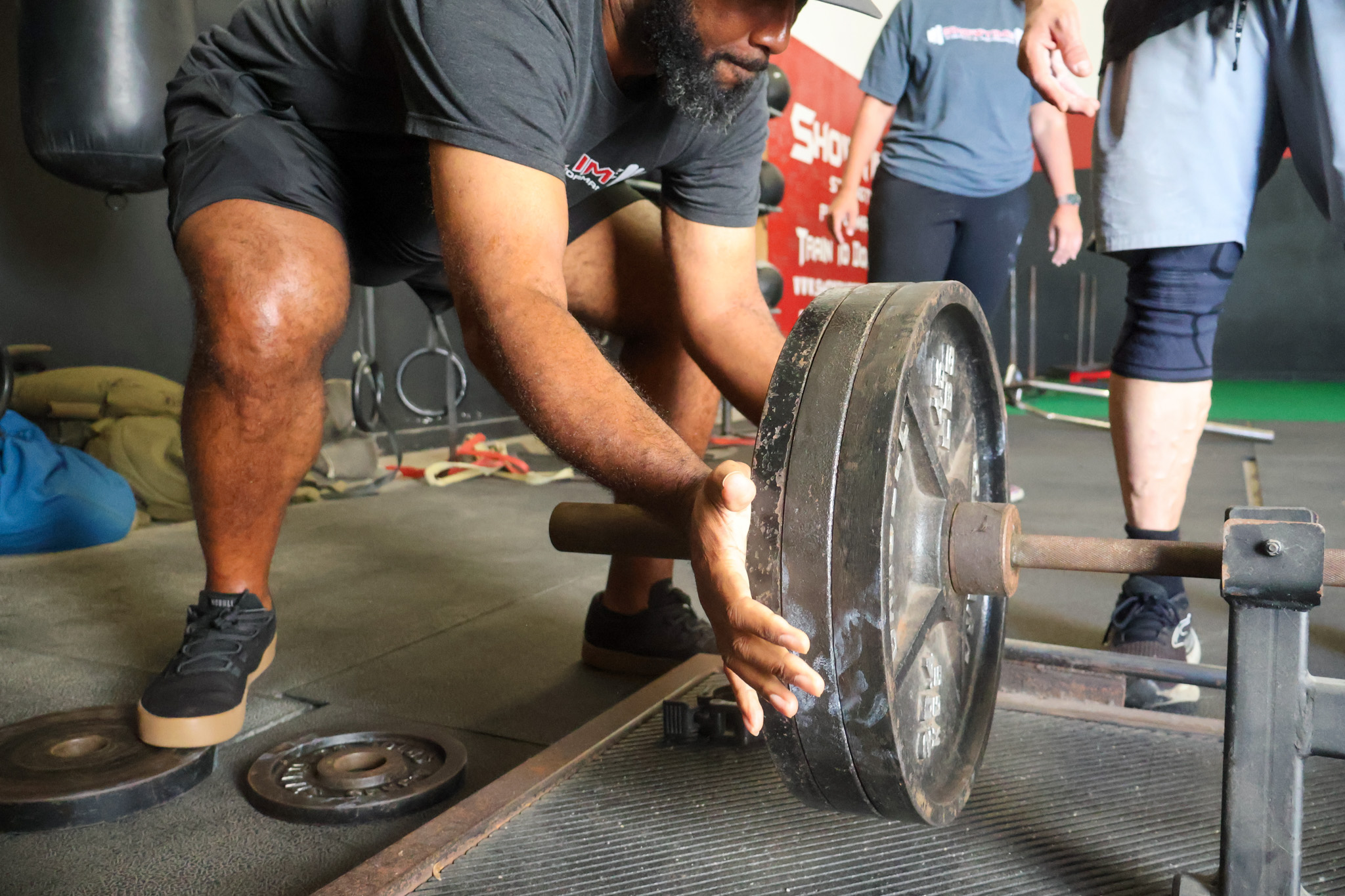
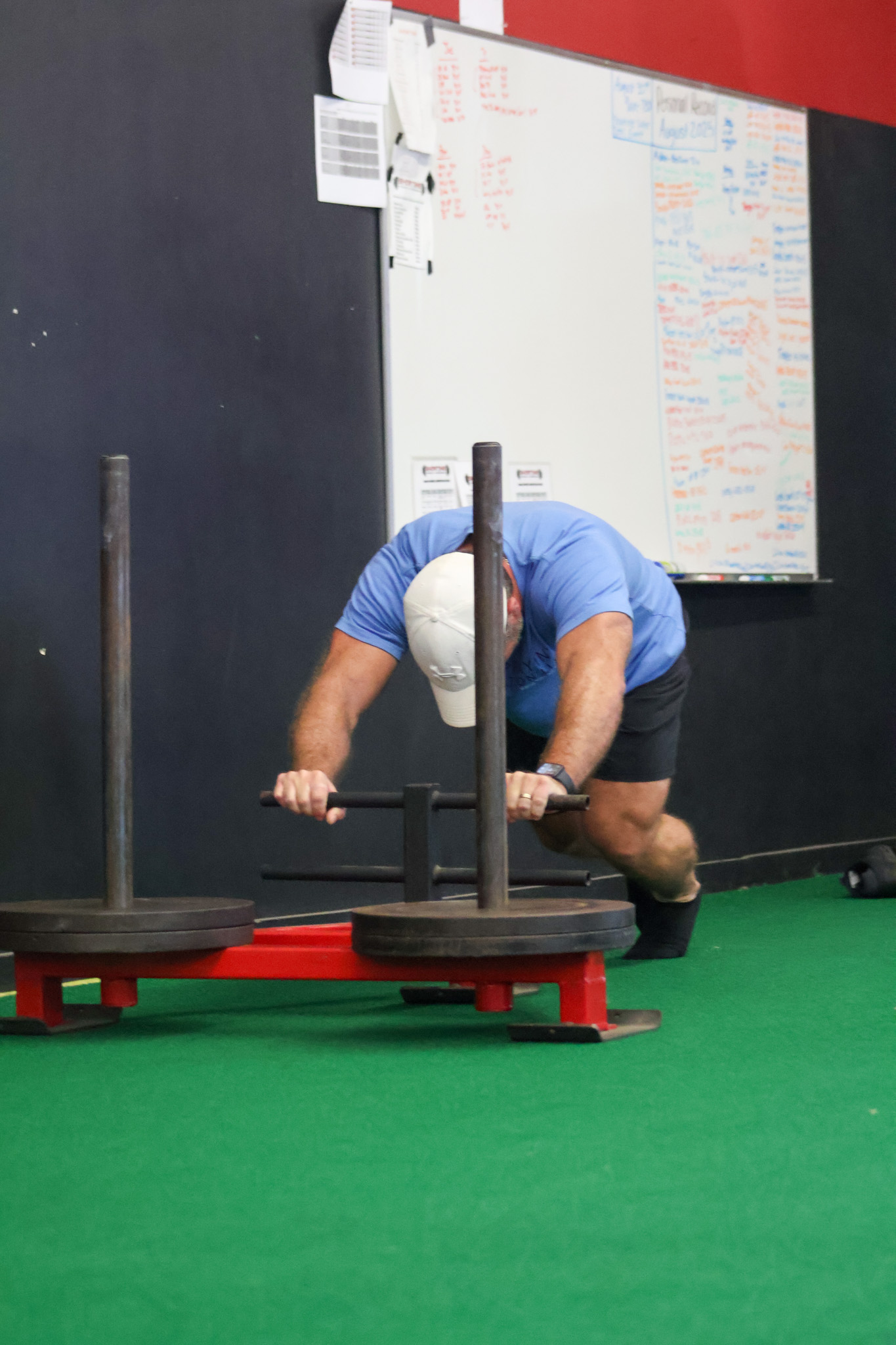
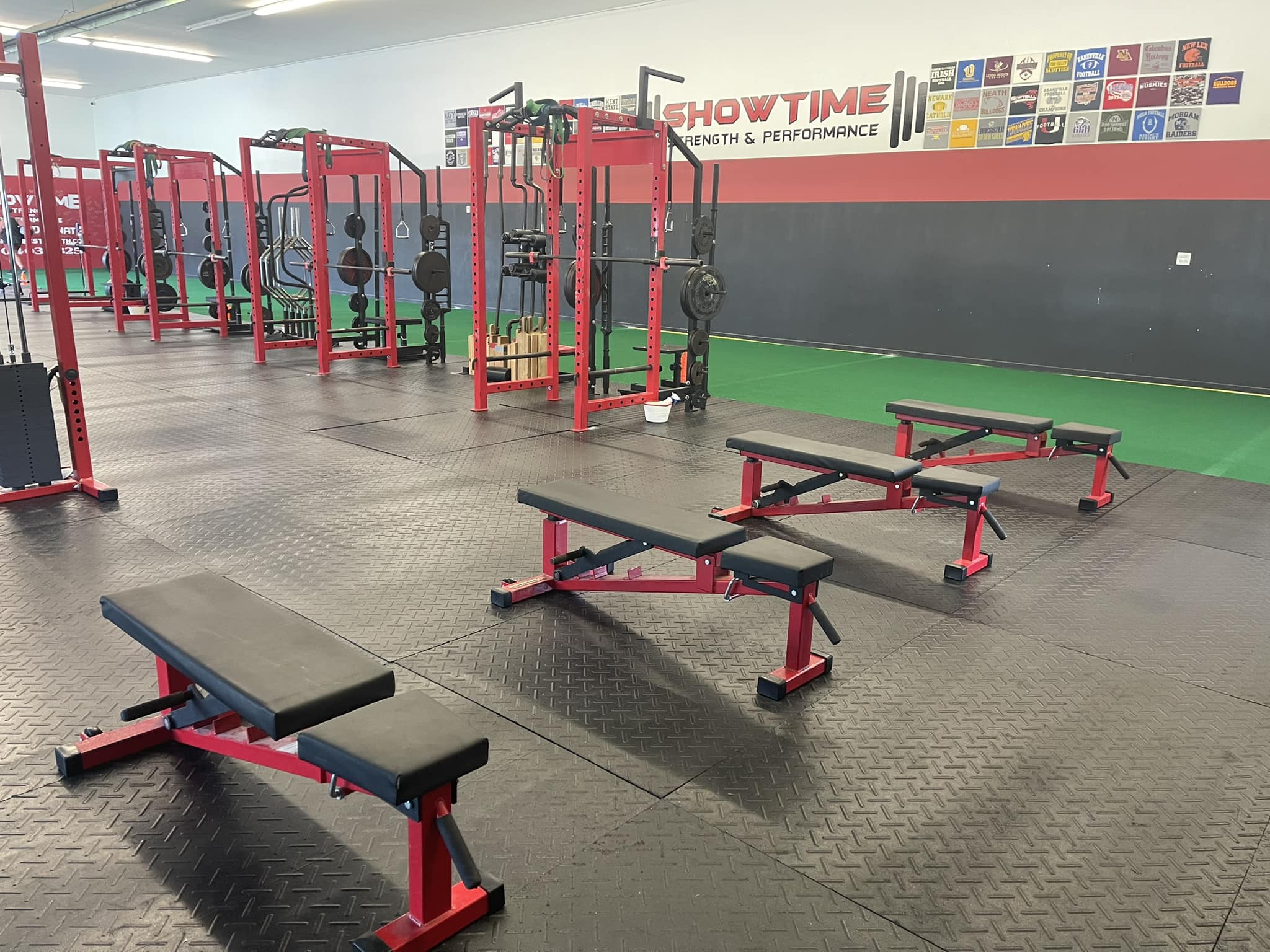
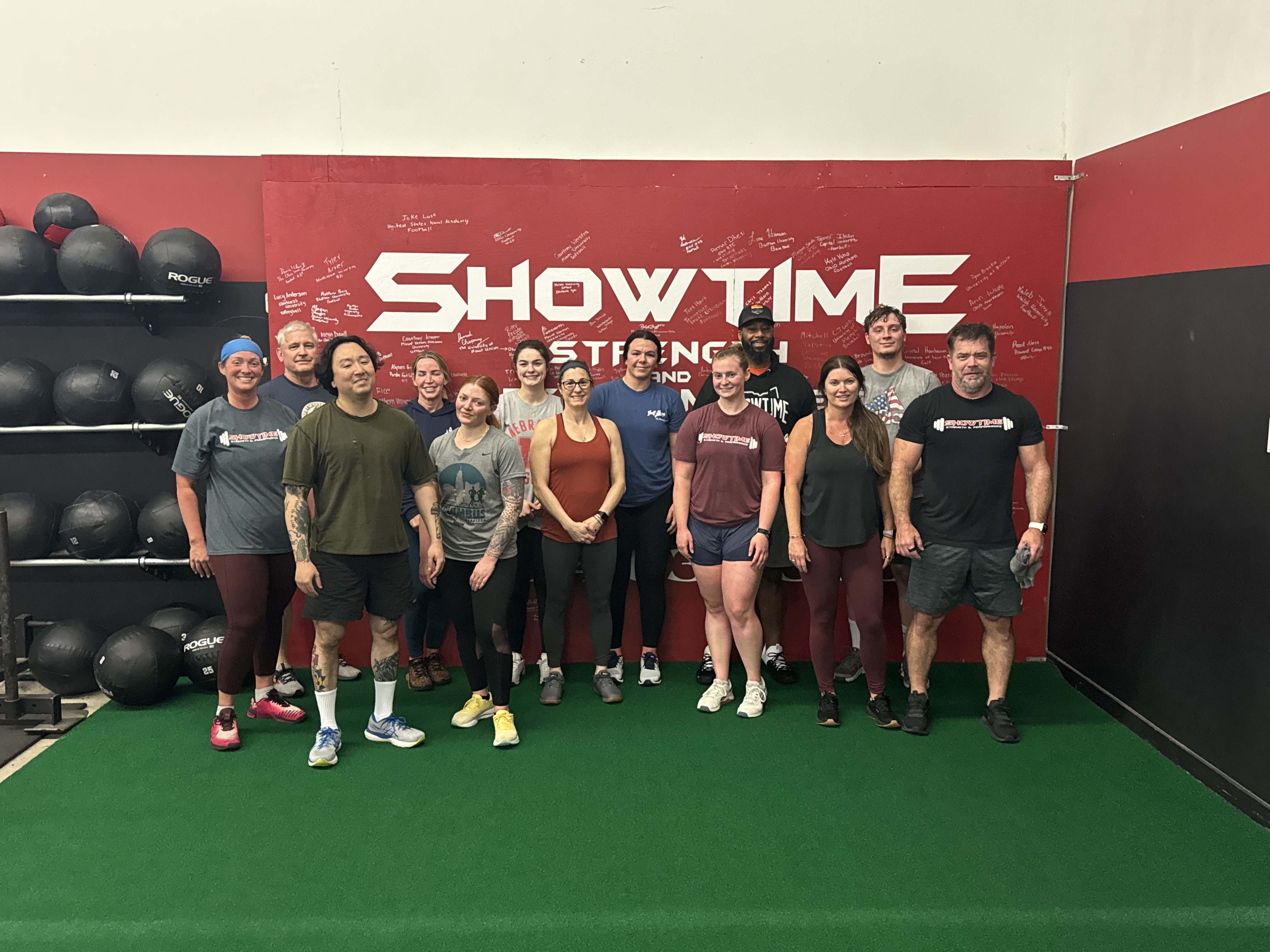
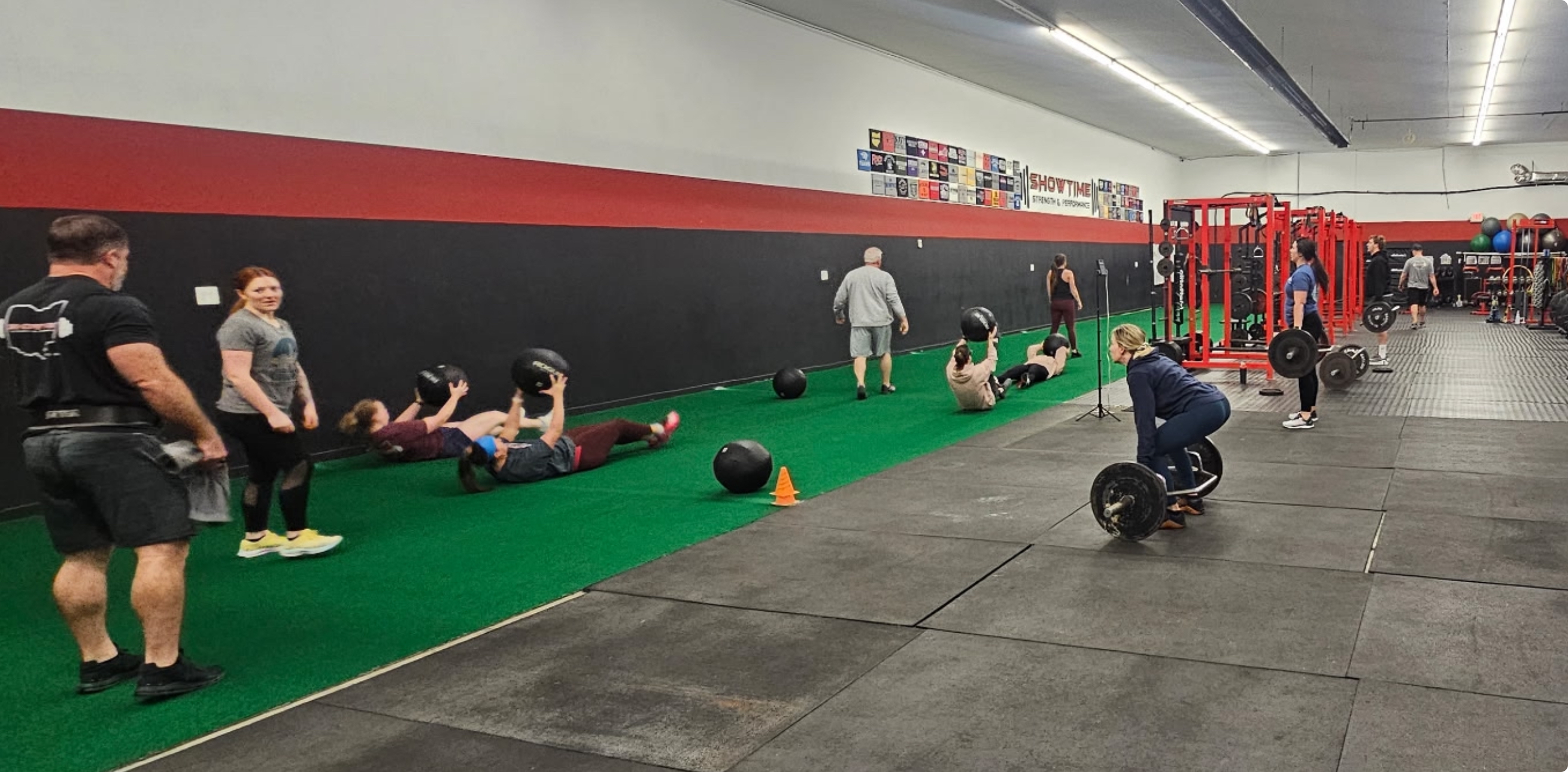
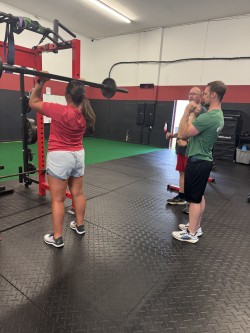
When you look at your current health and fitness routine, what’s missing? Is it the peptides? Are you eating organic? Processed foods? Or is there a cutting-edge routine that you haven’t tried yet? Maybe the people we work with at Showtime are an anomaly compared to the rest of the population, but I believe that all of those things are minimal compared to the impact that community and connection have on our health. When we first opened Showtime, I thought our equipment was what set us apart. It made sense to me because we had a lot of equipment that no other facility had. But it wasn’t that. Then I thought it was our training methods to help drive results. I was traveling the country, reading any book I could find written in the last 100 years on training ideas, and calling any coach I could find on the phone to learn from them. But it wasn’t that either. When you help people find other people that they can form real relationships with, it helps to drive everything else. We have former high school and college athletes that are now parents and business owners that bonded over workouts that happened 10 years ago. We’ve seen many of our adults go from never stepping inside a gym to their training sessions being a staple in their schedule because of the people they’ll train with. Let’s rethink how we view health and the potential downside when we neglect our connection to other people.
Here are some of the risks of having poor social connections:
There are currently several factors that have built what is known as “friendship recession”.
We know that many people are losing their third places. Our parents’ generation was involved in things like church, softball, and bowling leagues, which we have traded for convenient digital relationships from our couch. By now, you’re likely wondering what this has to do with your workout routine. The answer is a lot more than most would expect. This has been demonstrated many times throughout the history of fitness that it was never about the equipment or routine. Here are some examples of mass-marketed products and ideas that became laundry racks in many homes:
We brought the solutions into our basements, but the results were the same every time. The truth is, working out by yourself in your basement is a challenge for myself and most others. We think of things like laundry, what to cook for dinner, or that door in the hallway that needs fixing, and with no one there to see us skip exercise, it doesn’t feel difficult to pass.
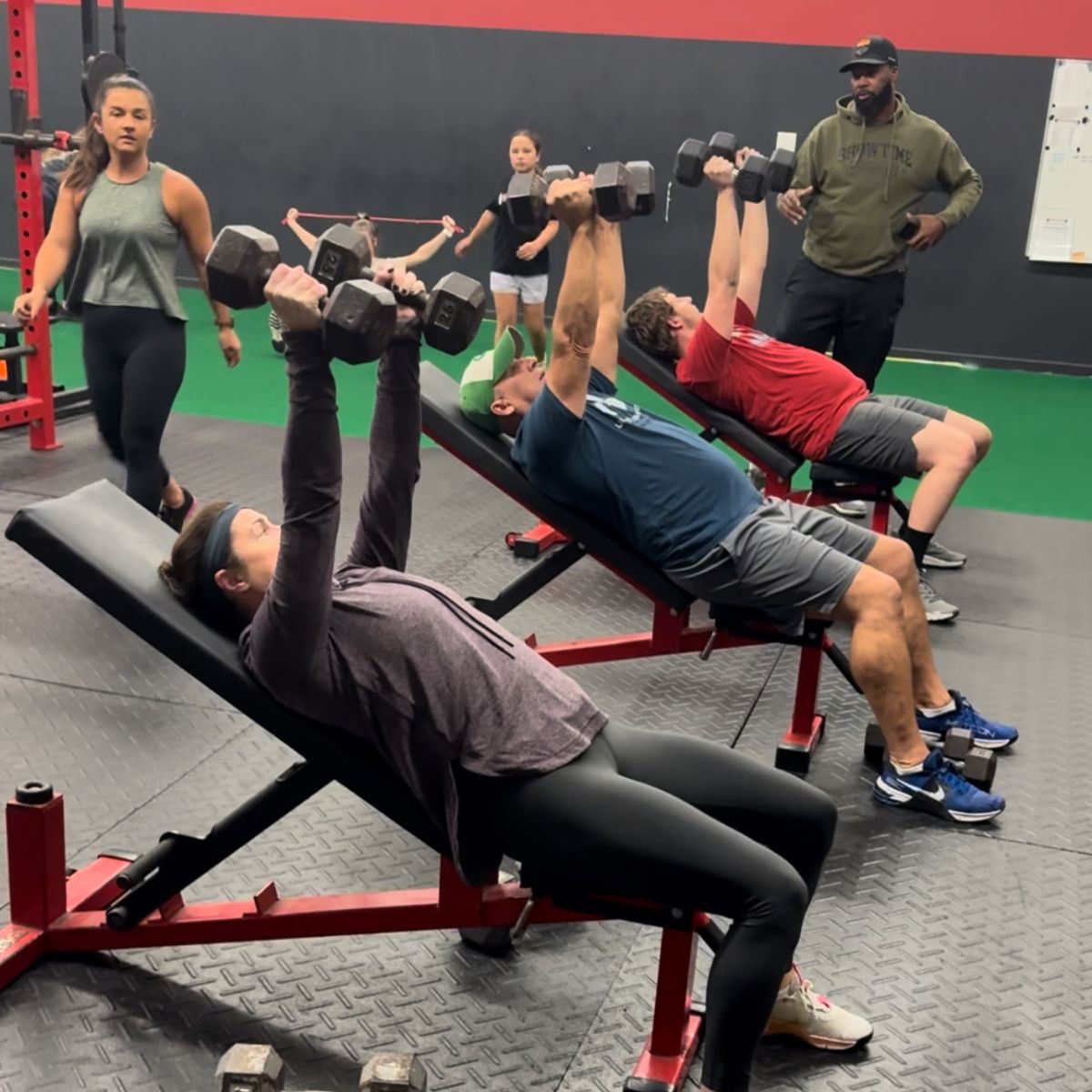
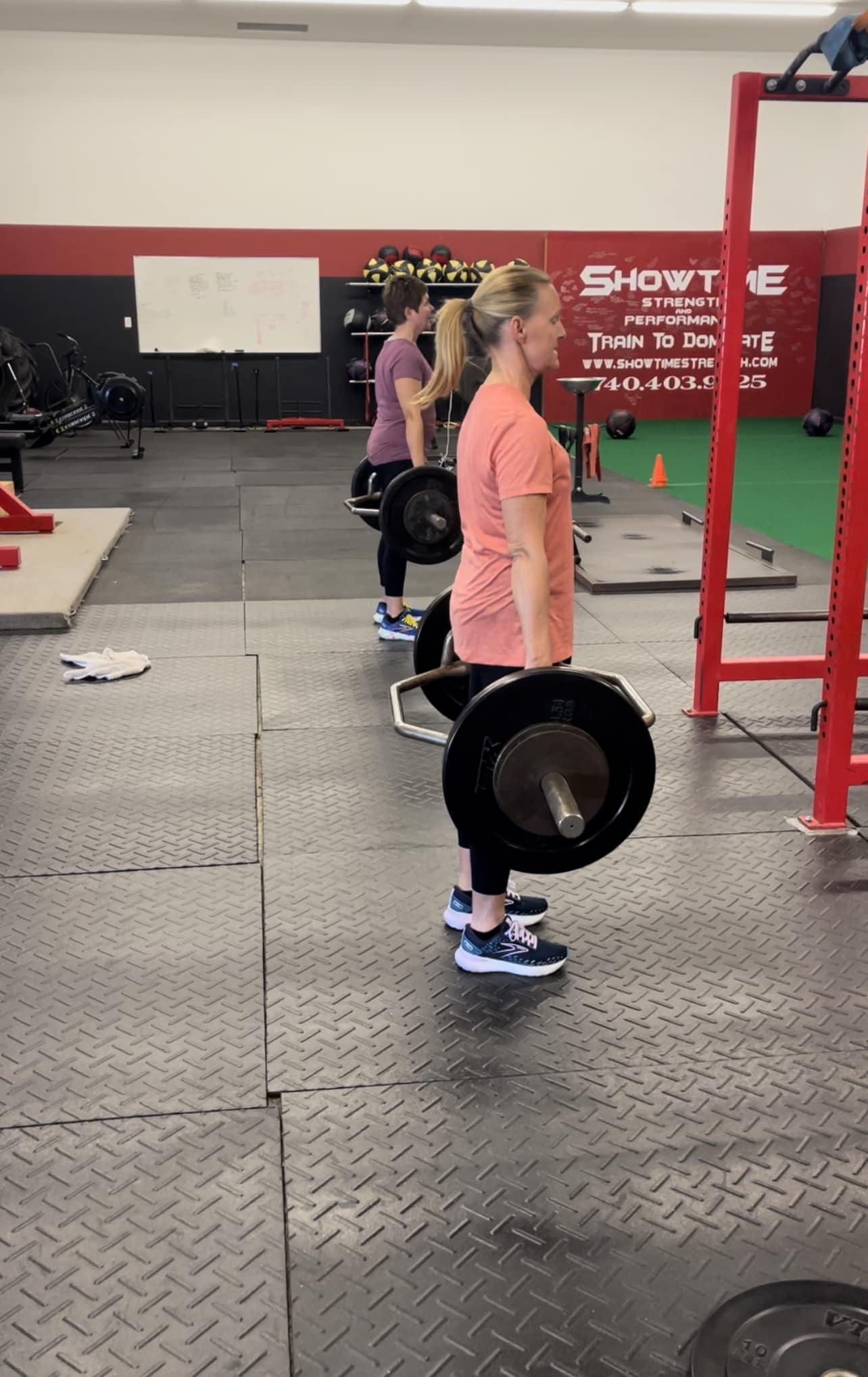
Belonging - When we’re part of a group, we feel like we belong. This helps to form the identity we give ourselves. This helps provide a feeling of safety and prompts us to want to help others. In an exercise group, you’re with like-minded people who have decided that exercise and healthier nutrition habits are important. This will lead to you making better choices over time.
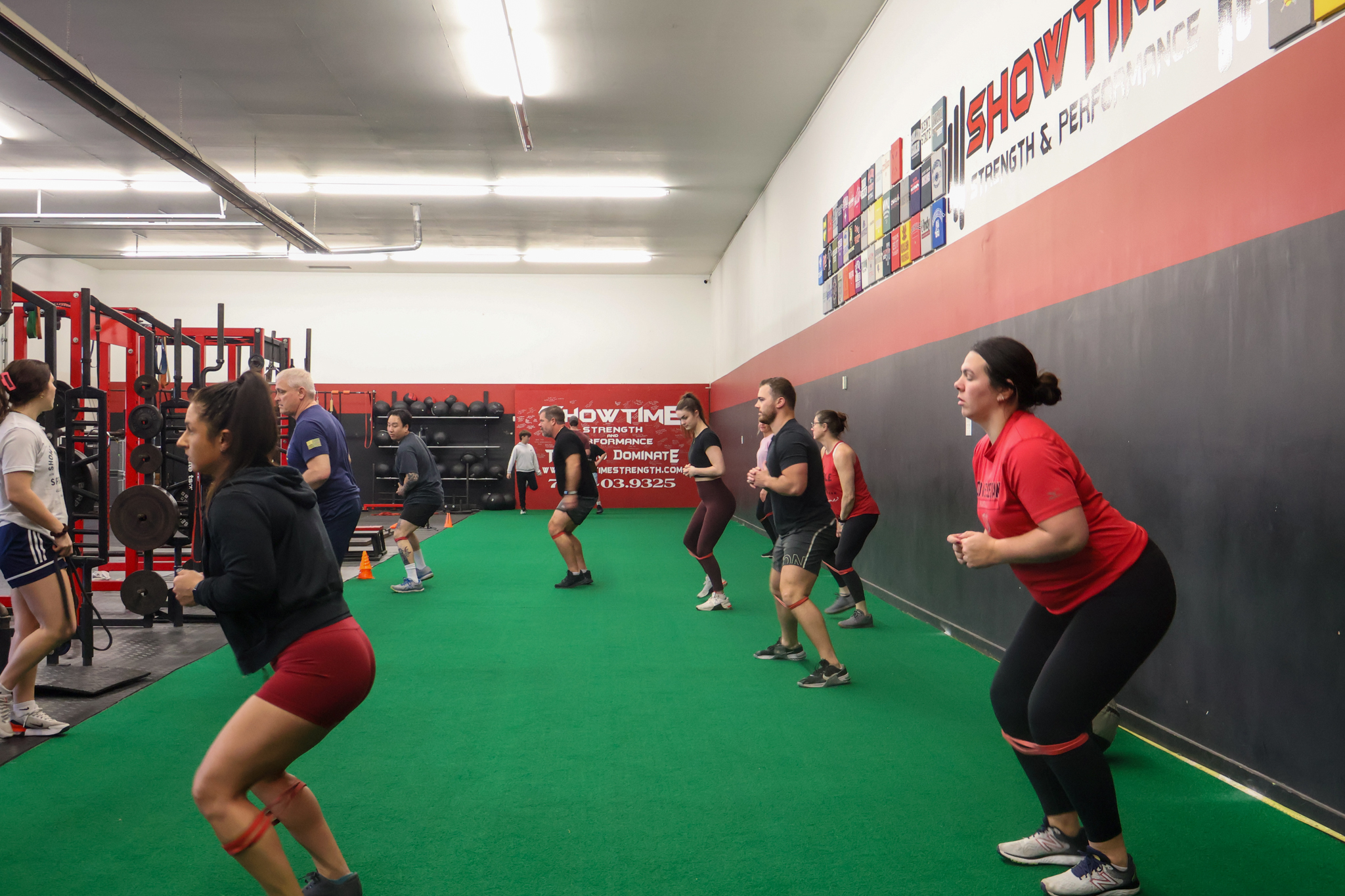
Perceived Effort - When we’re doing something very difficult with others, it doesn’t seem as unbearable. Ask anyone who has gone through a branch of military basic training. This allows you to increase your pain threshold to exert more effort. This is why many people will do 5k and 5-mile races with friends and hit their best times while having a conversation the entire time.
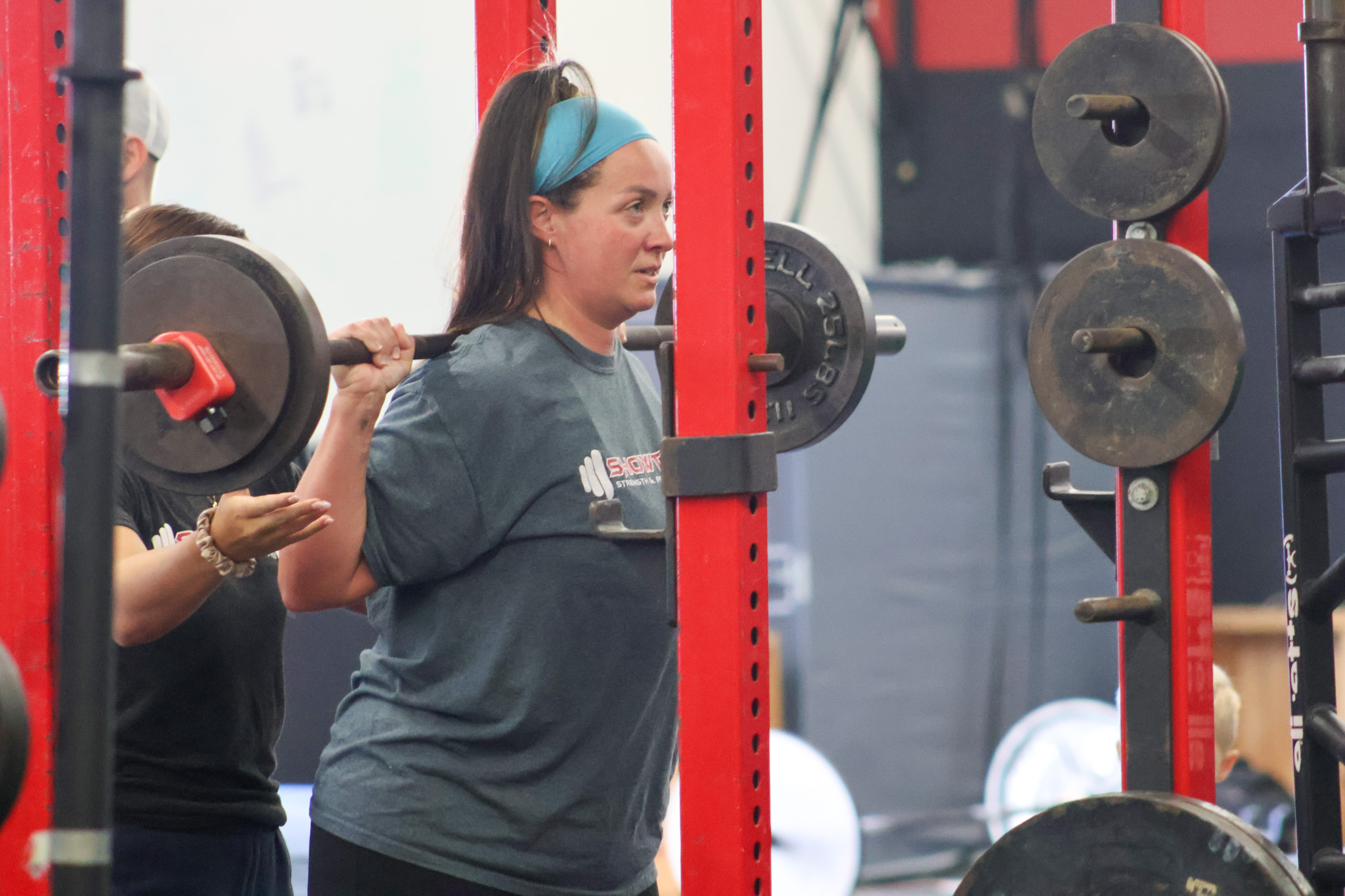
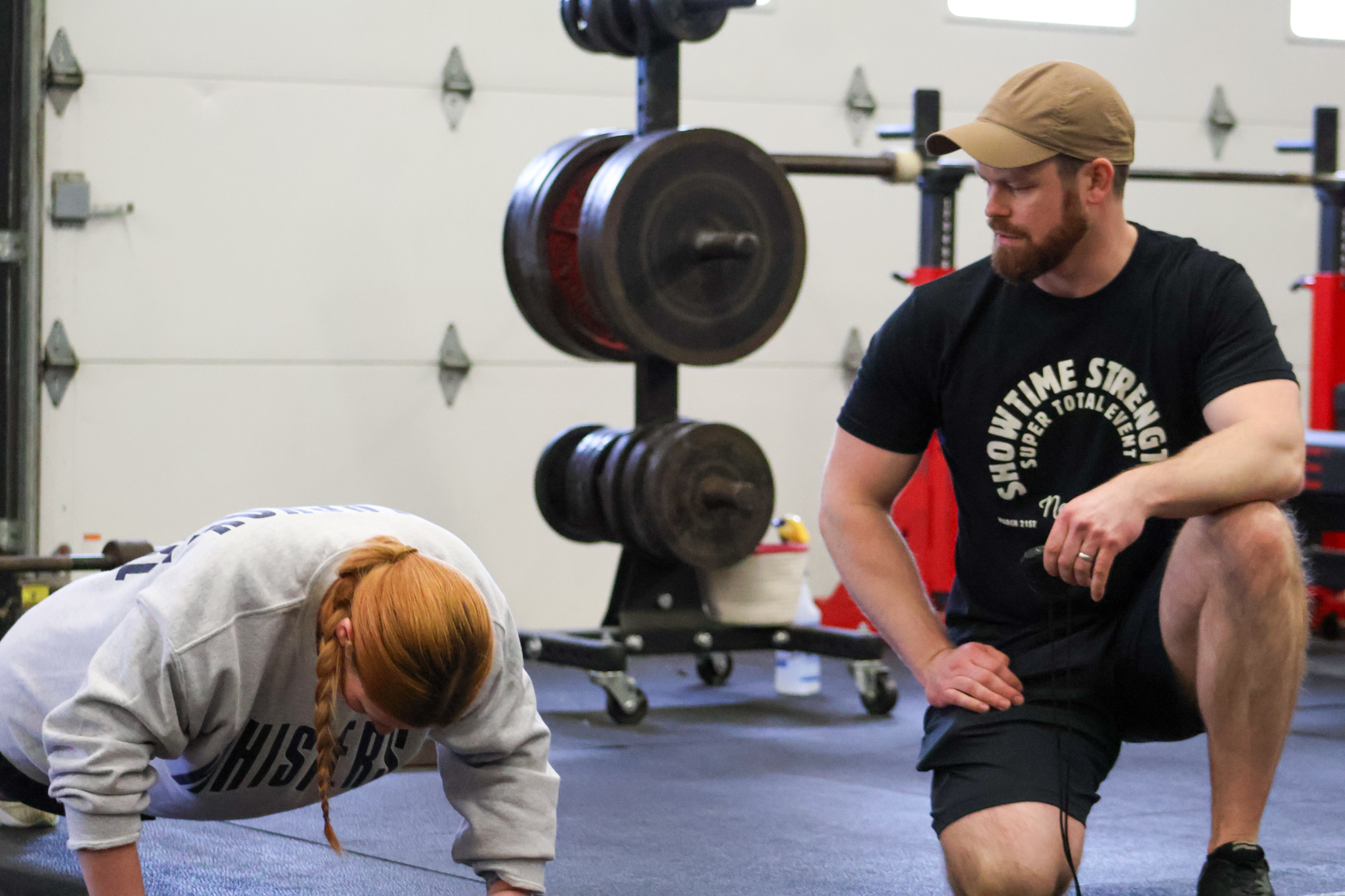
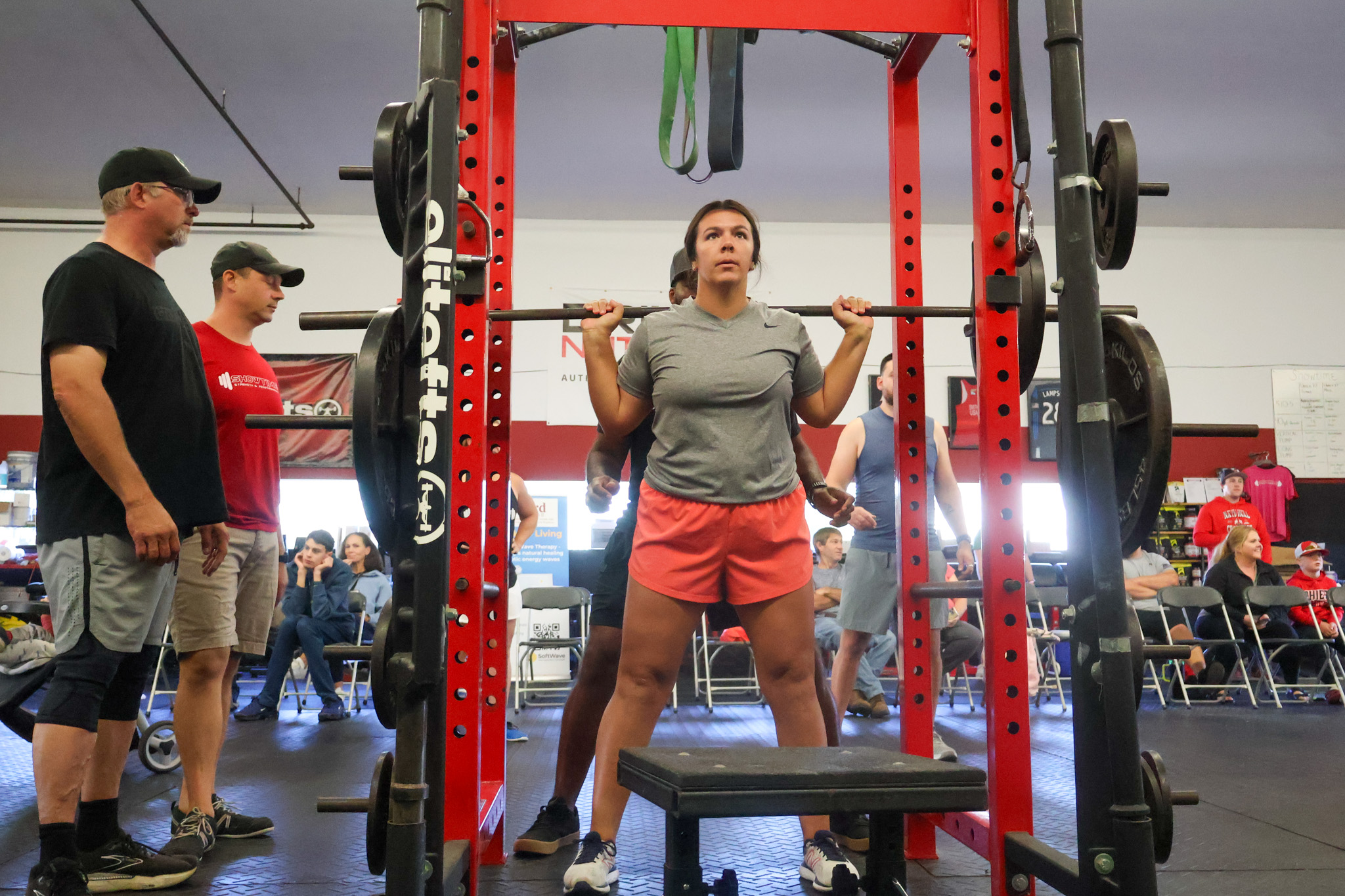
Support - We all do better when we know people are there to support us and our goals. We will try a new weight or one extra rep on an exercise because the people we trust believe in us. We can read motivational books or watch videos before we train on our own, but it won’t compare to knowing the support is right there helping you.
Accountability - One of my favorite things about seeing people interact in the gym is the accountability they give each other. They know when people are going on vacations or pick up on the small injuries or workarounds each other have. When you’re held accountable, it increases adherence leading to better long-term results.
This cycle has already started to play out in the fitness world. We’ve seen a dramatic decrease in the online fitness world when not long ago people thought physical gyms were soon to be extinct. We can automate and streamline many things in our life, but human connection will always be the piece that ties everything together. While it’s not always easy to pry yourself out of bed to hit the gym, it’s always worth the effort when we see the bigger impact on our results and our overall physical and mental health.
https://pmc.ncbi.nlm.nih.gov/articles/PMC8443045/







.png)













%20copy.jpeg)







.jpeg)


%20copy%202.jpeg)


