Strength Train Your Way Out Of Pain
Decrease Joint Pain with Strength Training
By
June 21, 2026
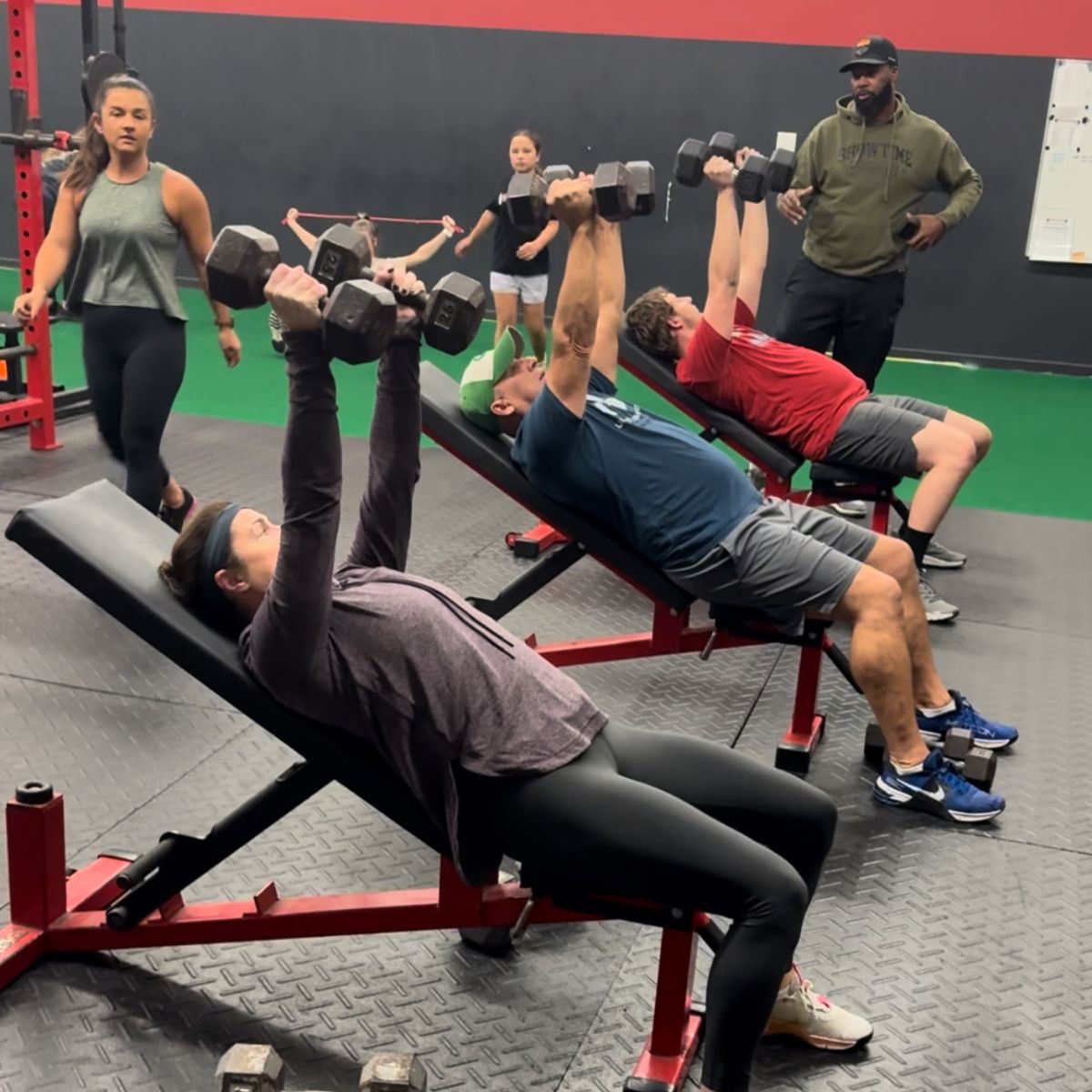

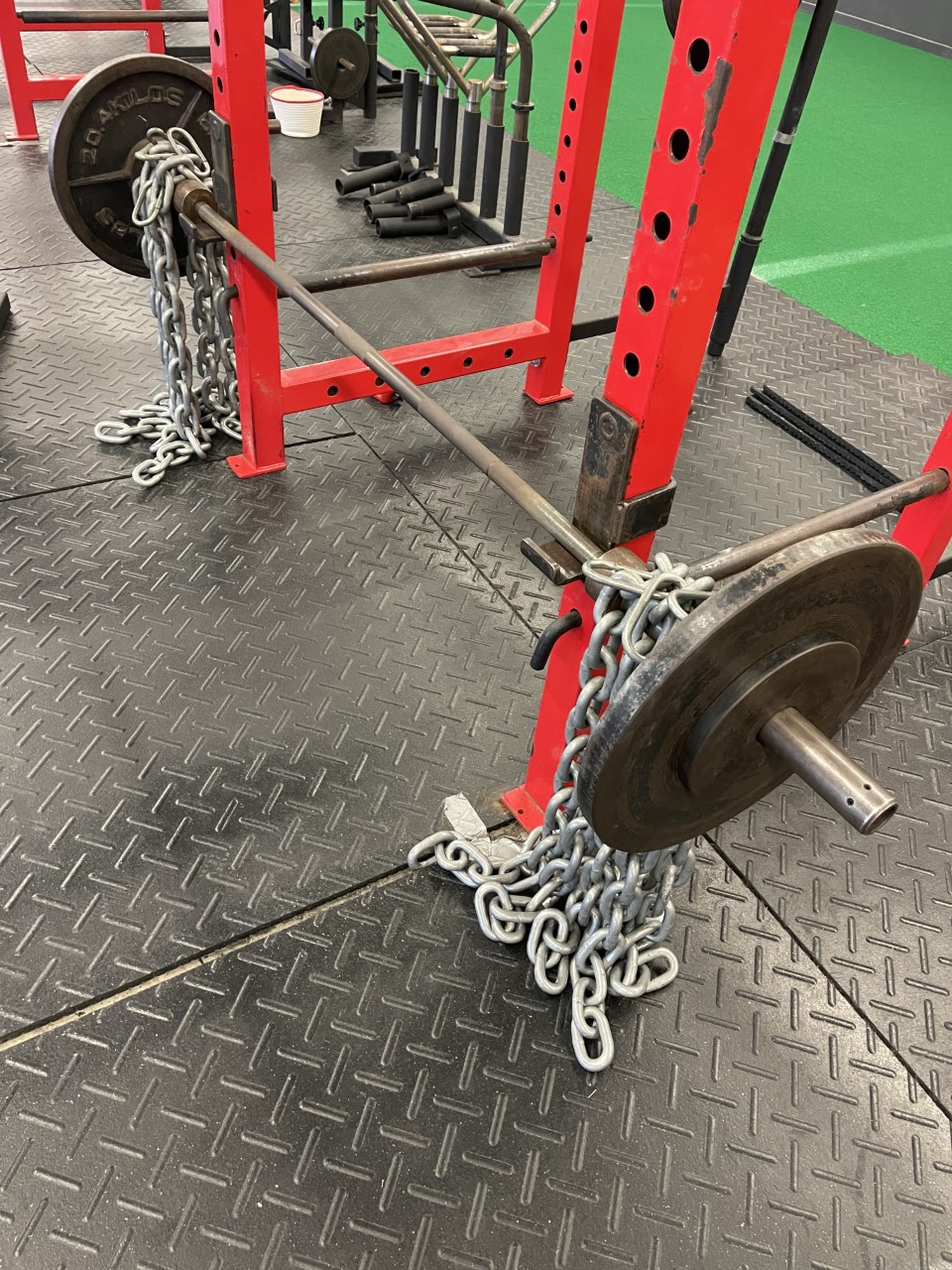
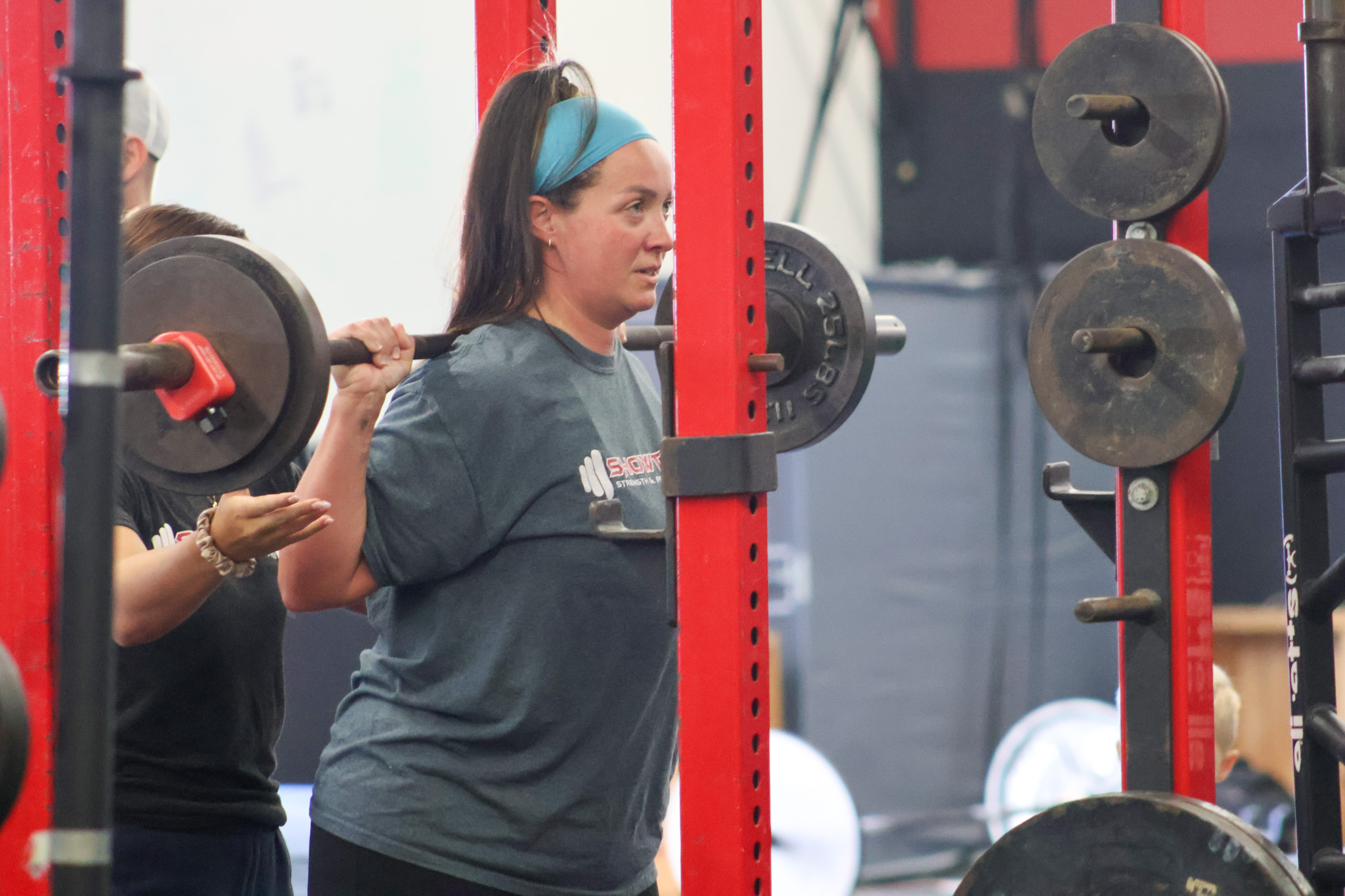
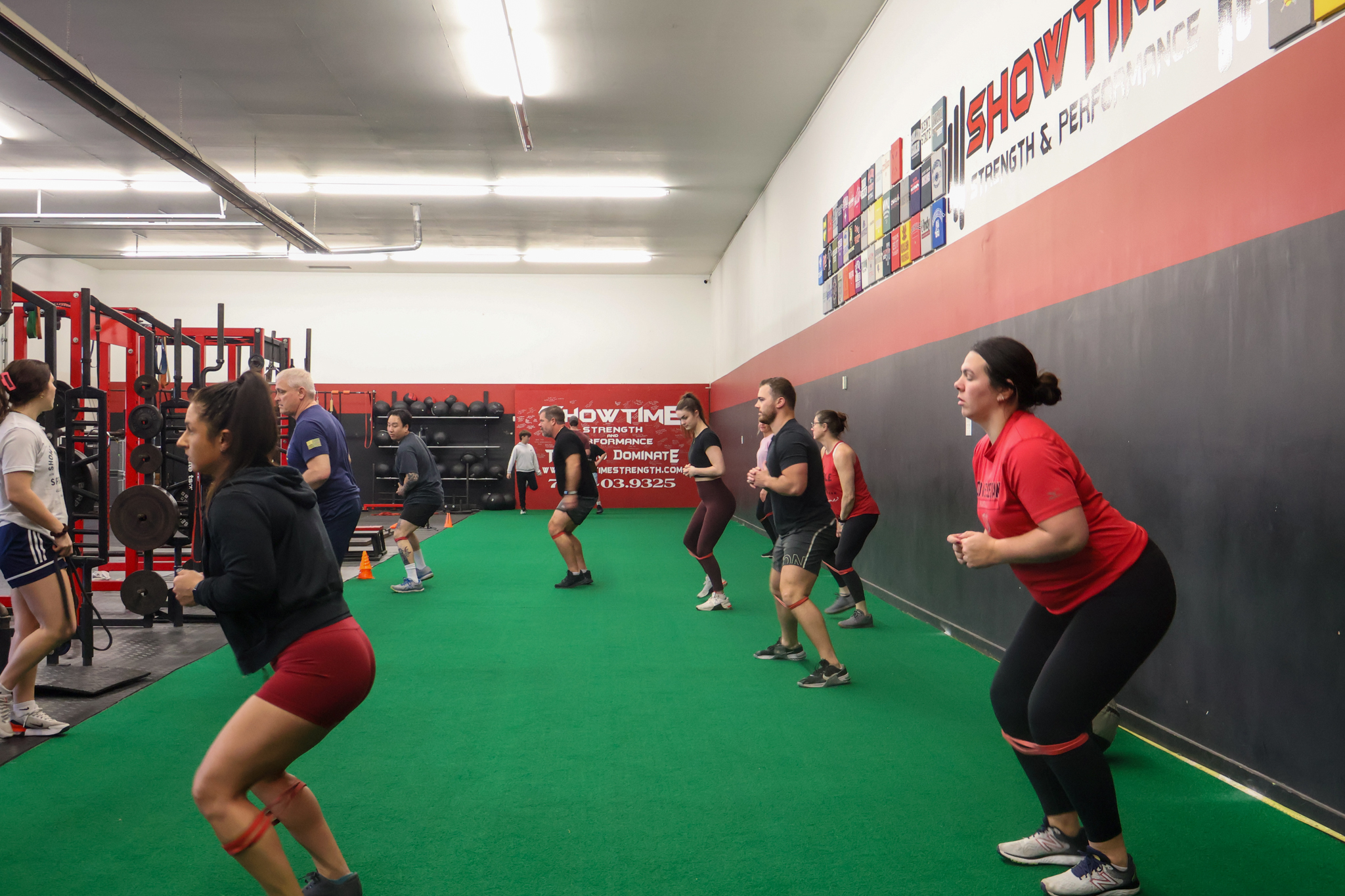
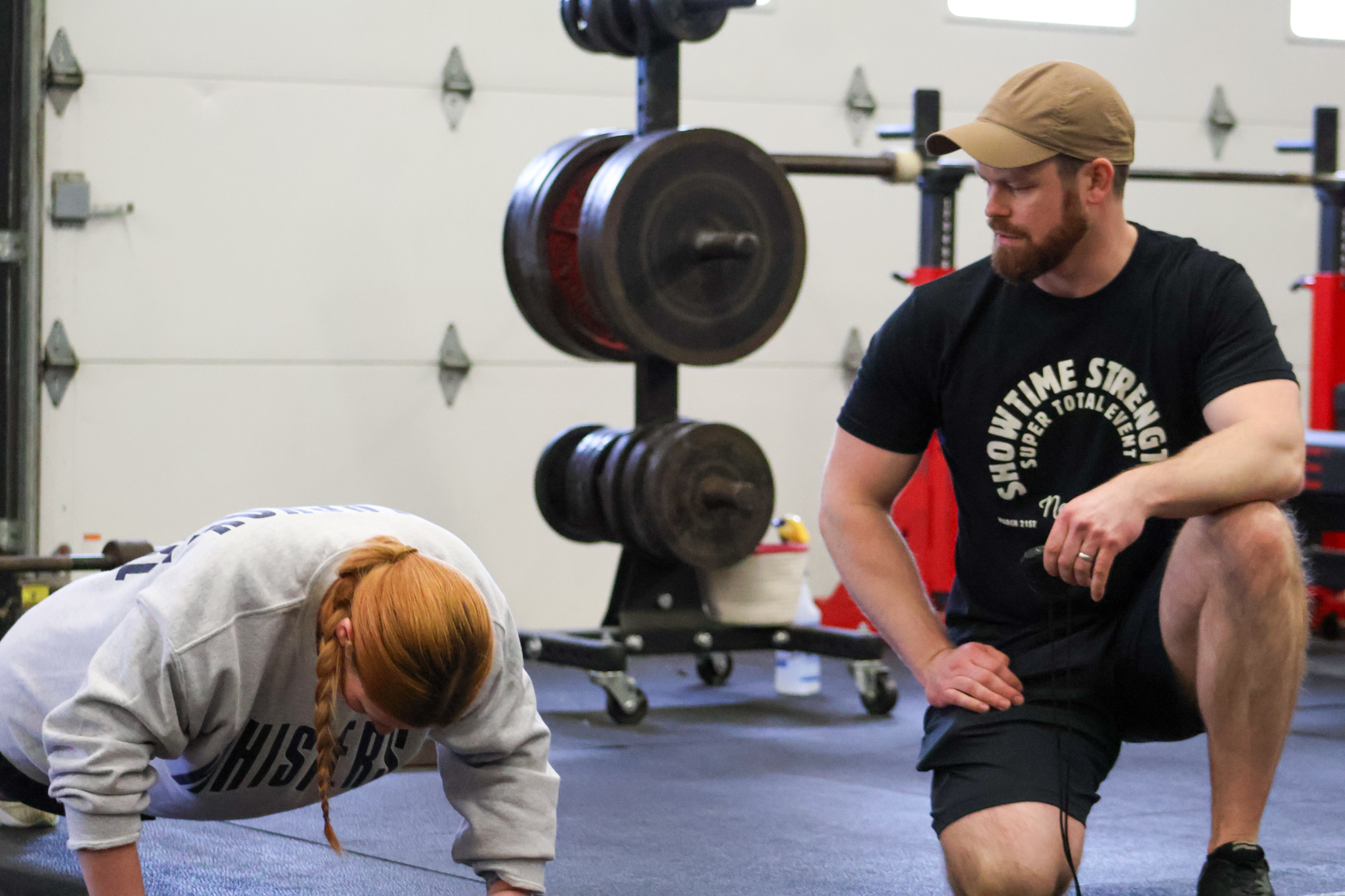
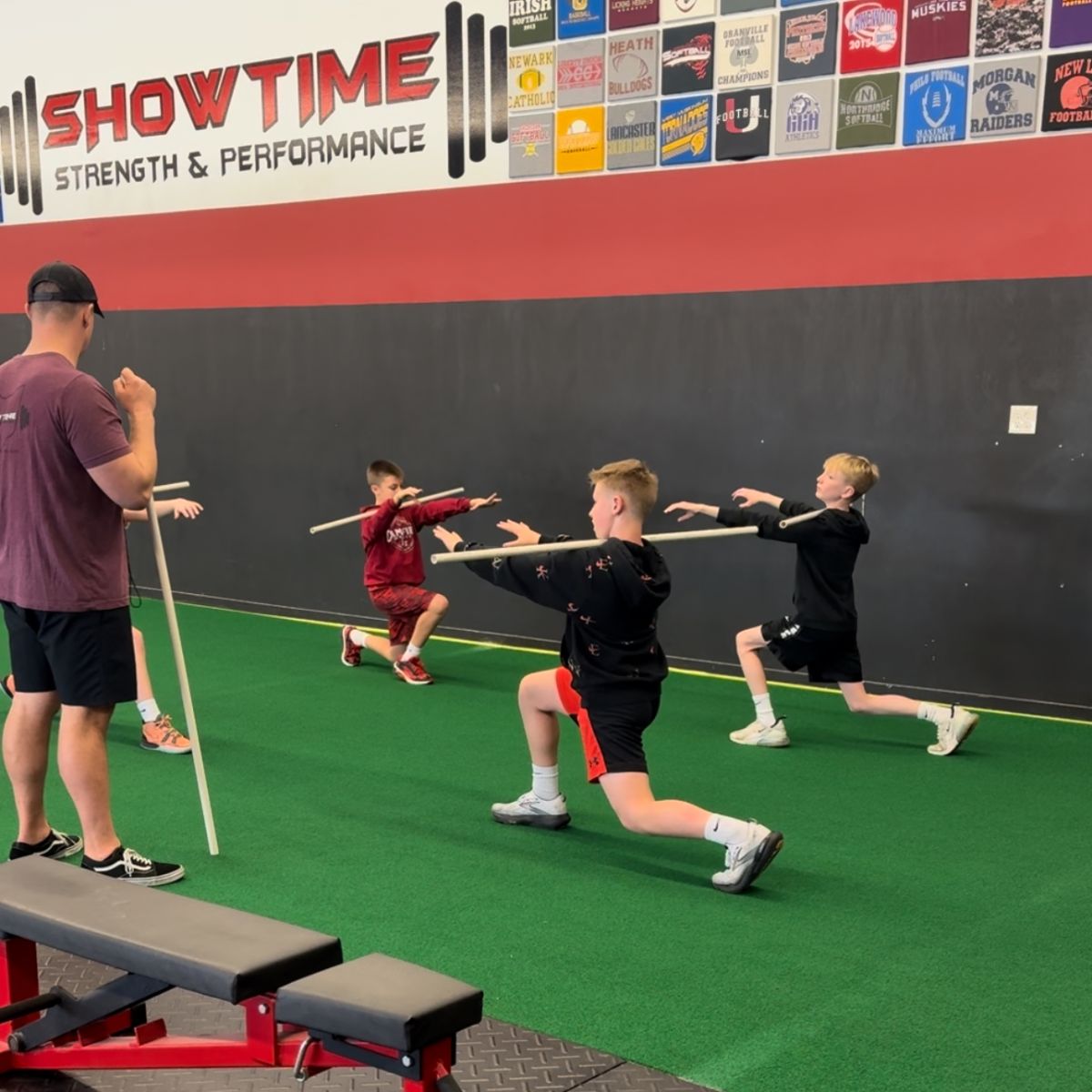
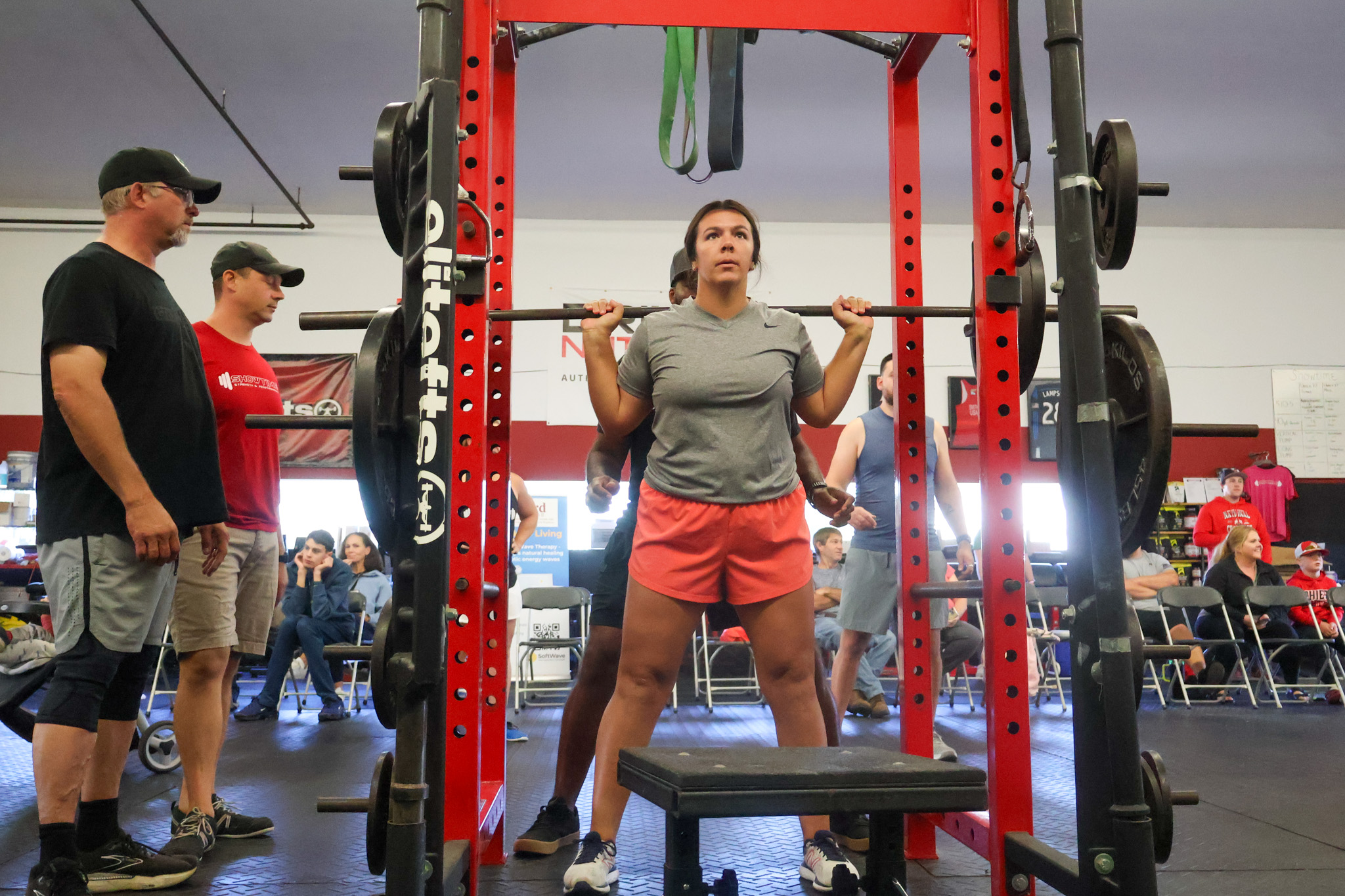
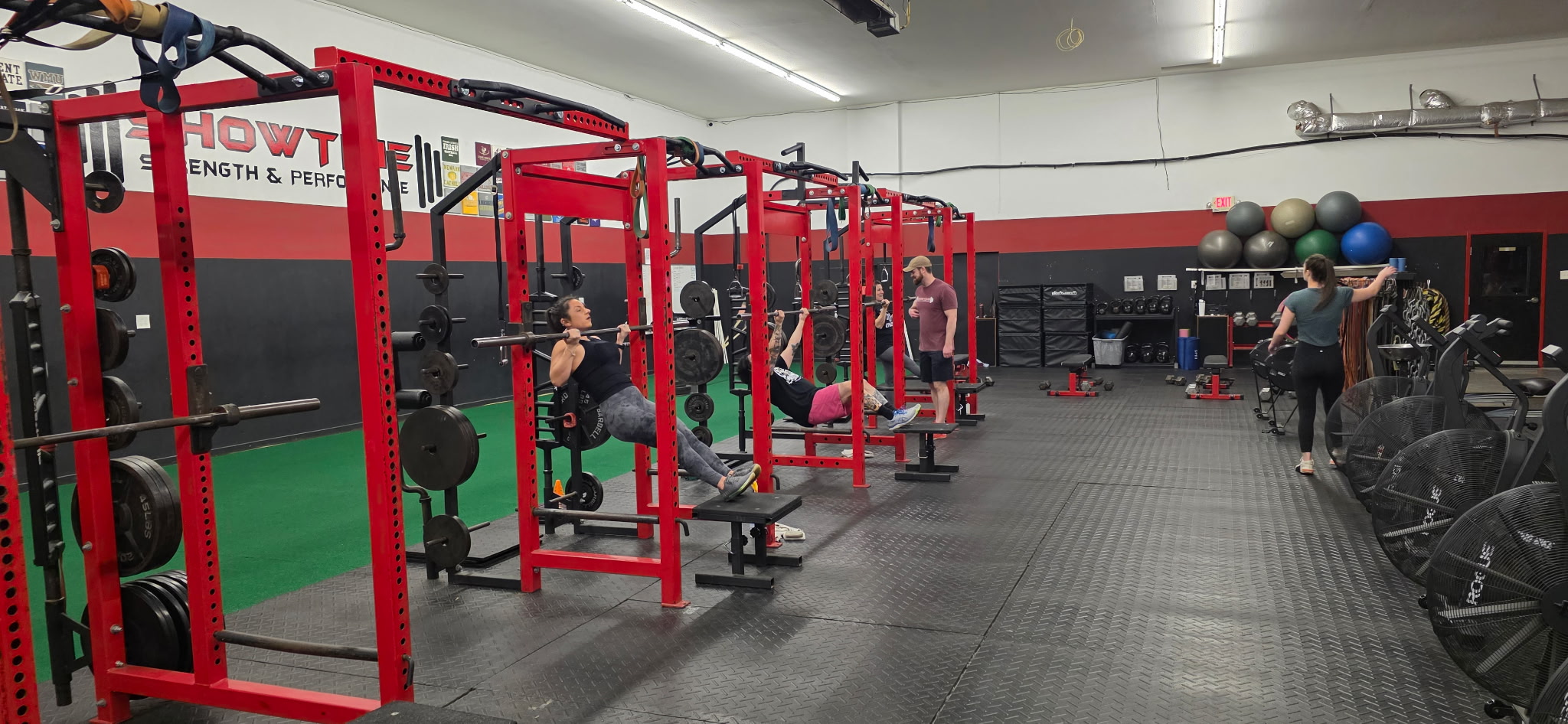
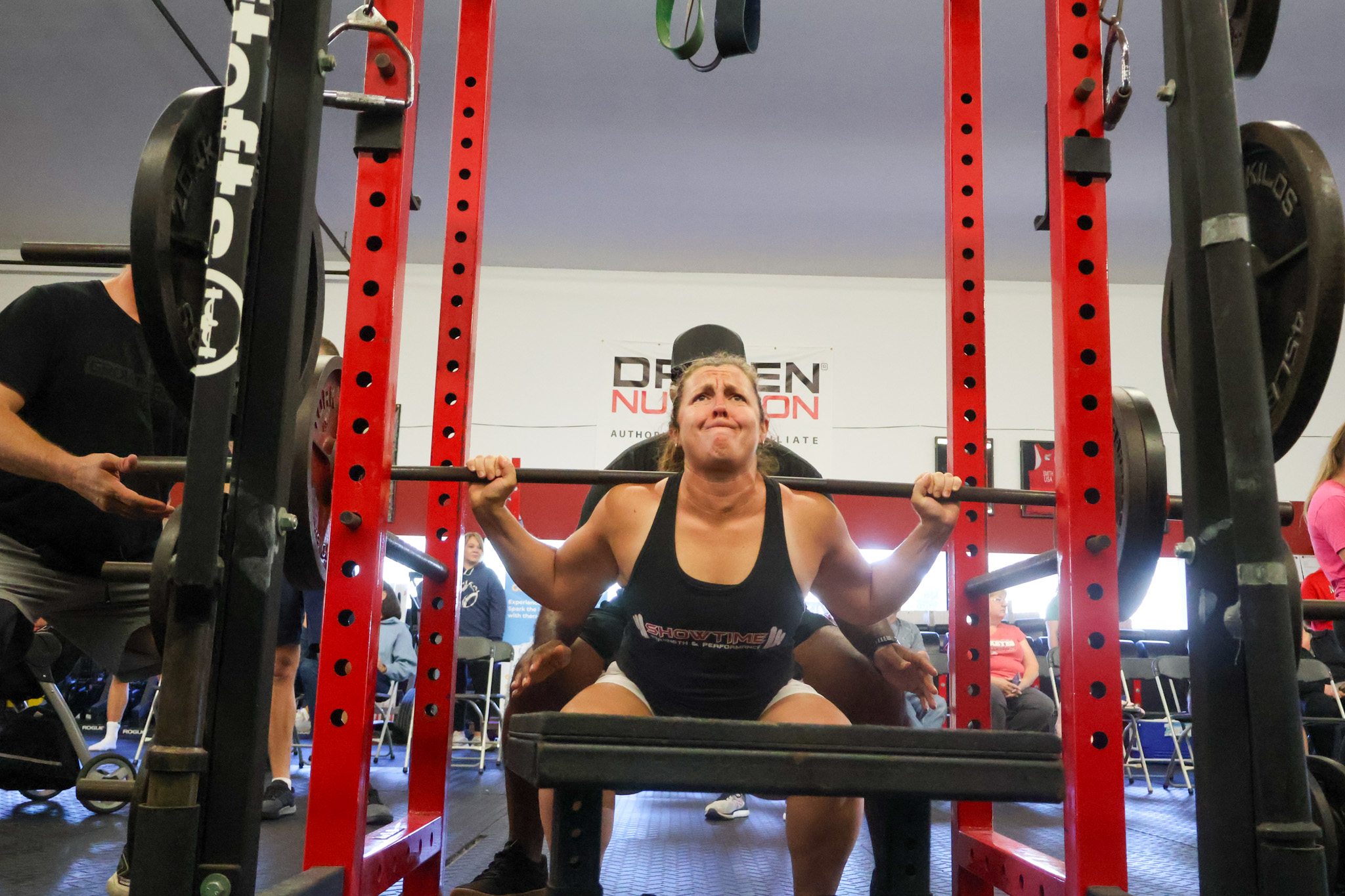
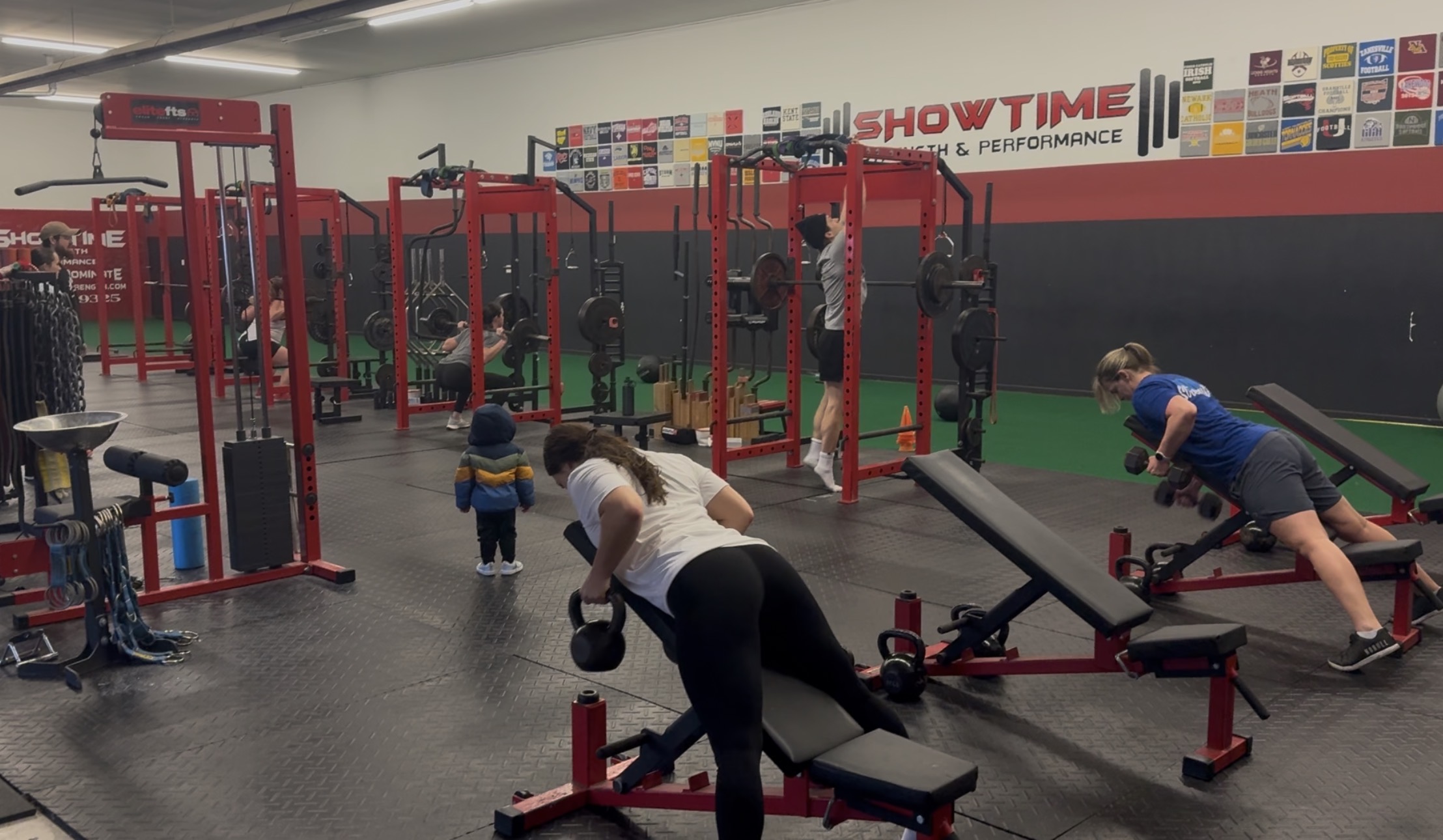
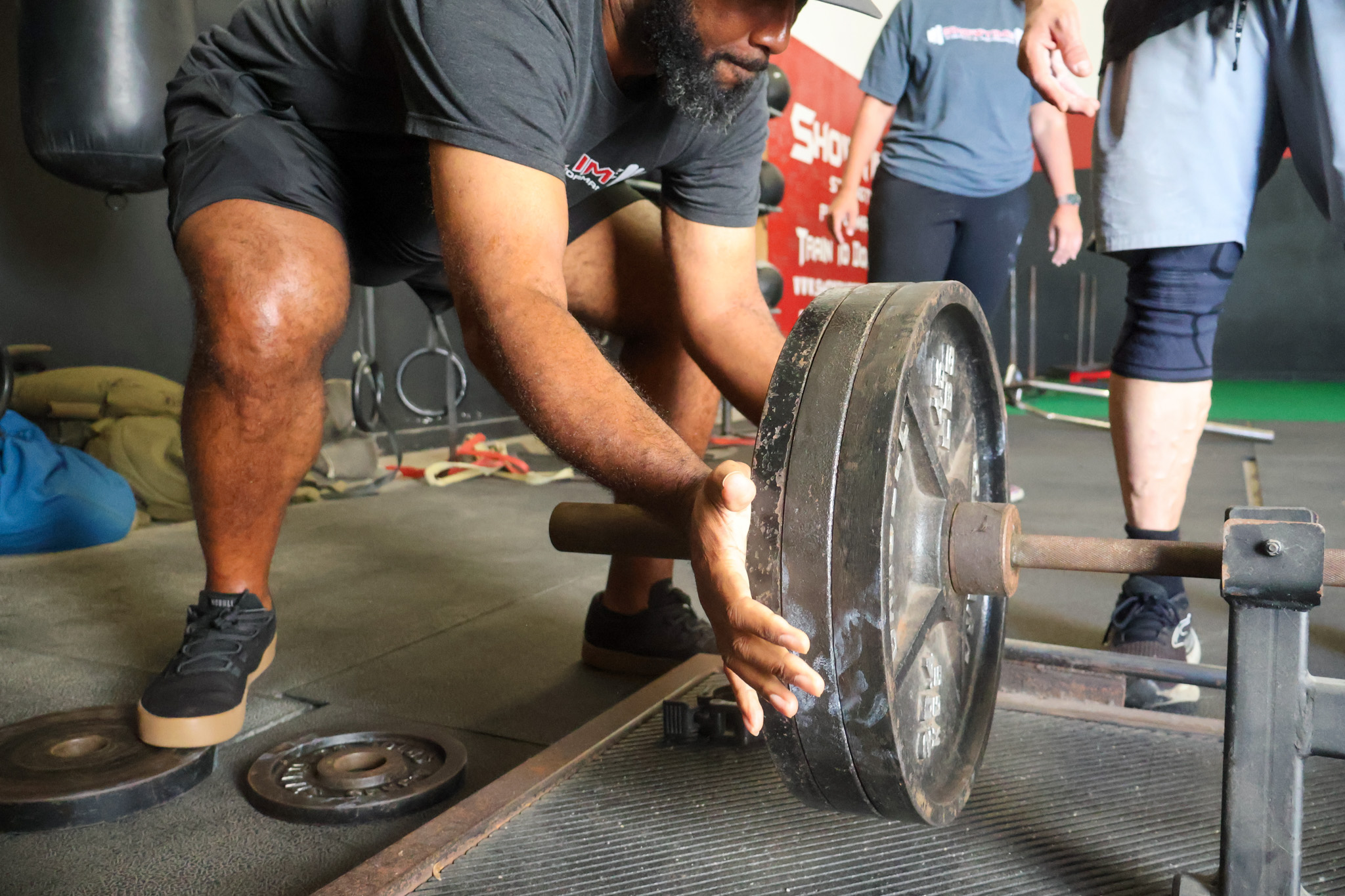
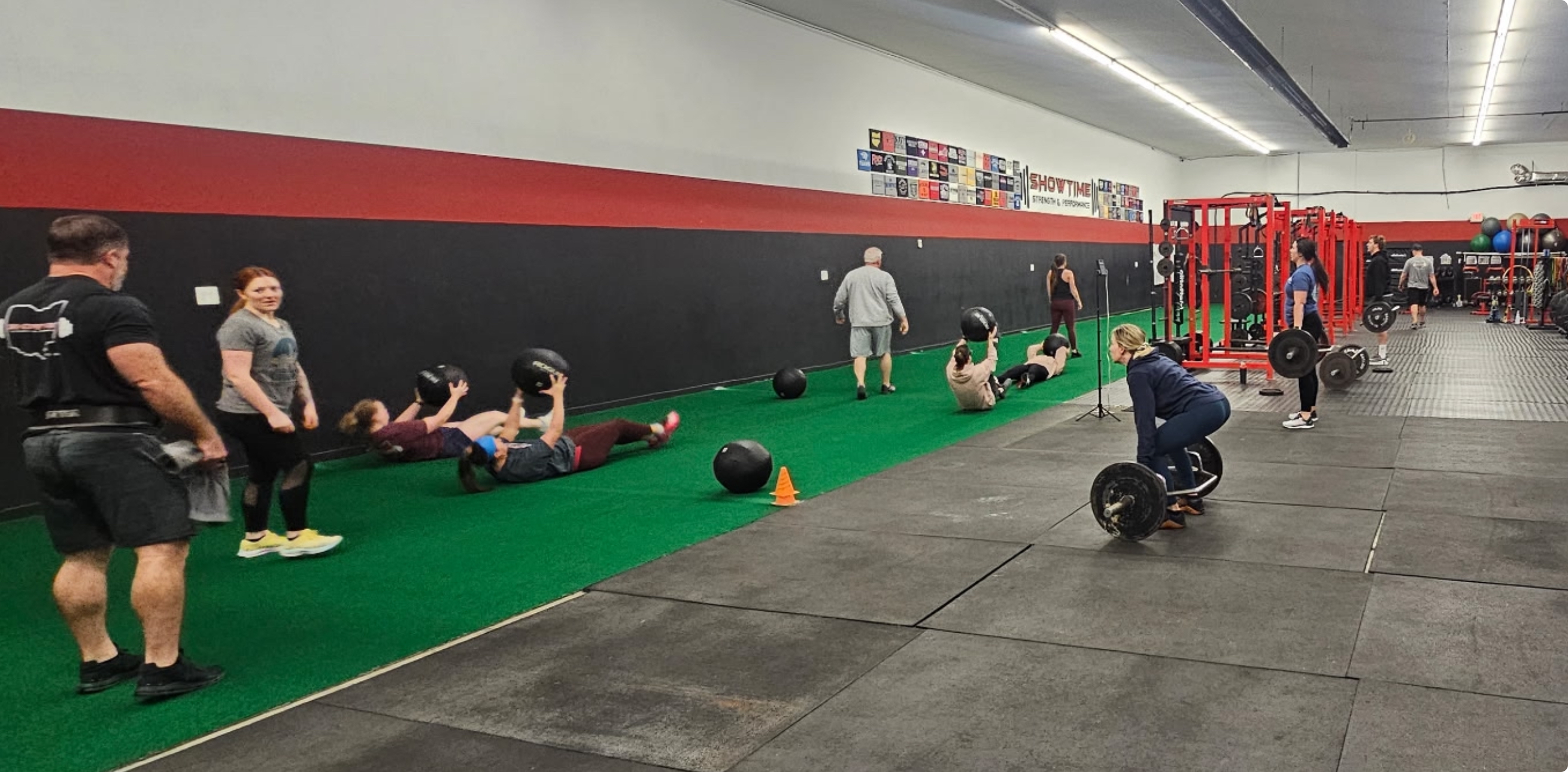
When I was growing up, it always felt like an iron barbell had more warning labels than a pack of cigarettes. Lifting will injure you, lessen mobility, alter your personality, and was a gateway to anabolic steroids. This was so serious that every gym had big signs, “NO ONE UNDER THE AGE OF 14”. This painted the picture that lifting a barbell was incredibly dangerous until a certain age. At Showtime, there’s no doubt that we place a high emphasis on strength training. One of the most common things we hear from people after their first three to six months is they can’t believe that their joints feel better and how much better they can move. I guess we can remove the warning labels on barbells now. It wasn’t until last year that I realized the biggest asset we provide as coaches. We introduce movements to people that they would never use on their own, then load them, and progress them. Most people have done a barbell squat before they see us, or at least their version of a squat; but not many people have performed reverse hypers, scarecrows, or even a band pull apart. We also use different warm-ups to target common mobility and flexibility issues that most people have. In powerlifting, we would commonly say that only 20% of our lifting efforts were barbell lift-focused. The other 80% were accessory exercises used to build up the weaker areas to help drive the main lifts. When we apply this to the regular adult looking to improve how they look and feel, we can get even more benefit because there is a more general goal in their training. Let’s look at targeting weak muscle groups to help most people reduce their pain inside and outside the gym.
Commonly Overtrained Muscle Groups
First, we need to know what is commonly overtrained in adults. Funny enough, spend about thirty minutes in a public gym, and you’ll figure it out. Every guy loves to load up on the bench press and bicep curls. But given that everything in our daily life is also done in a similar position, this quickly leads to overtraining an area. This leads to the shoulders being pulled forward, causing either tightness in the pecs or biceps.
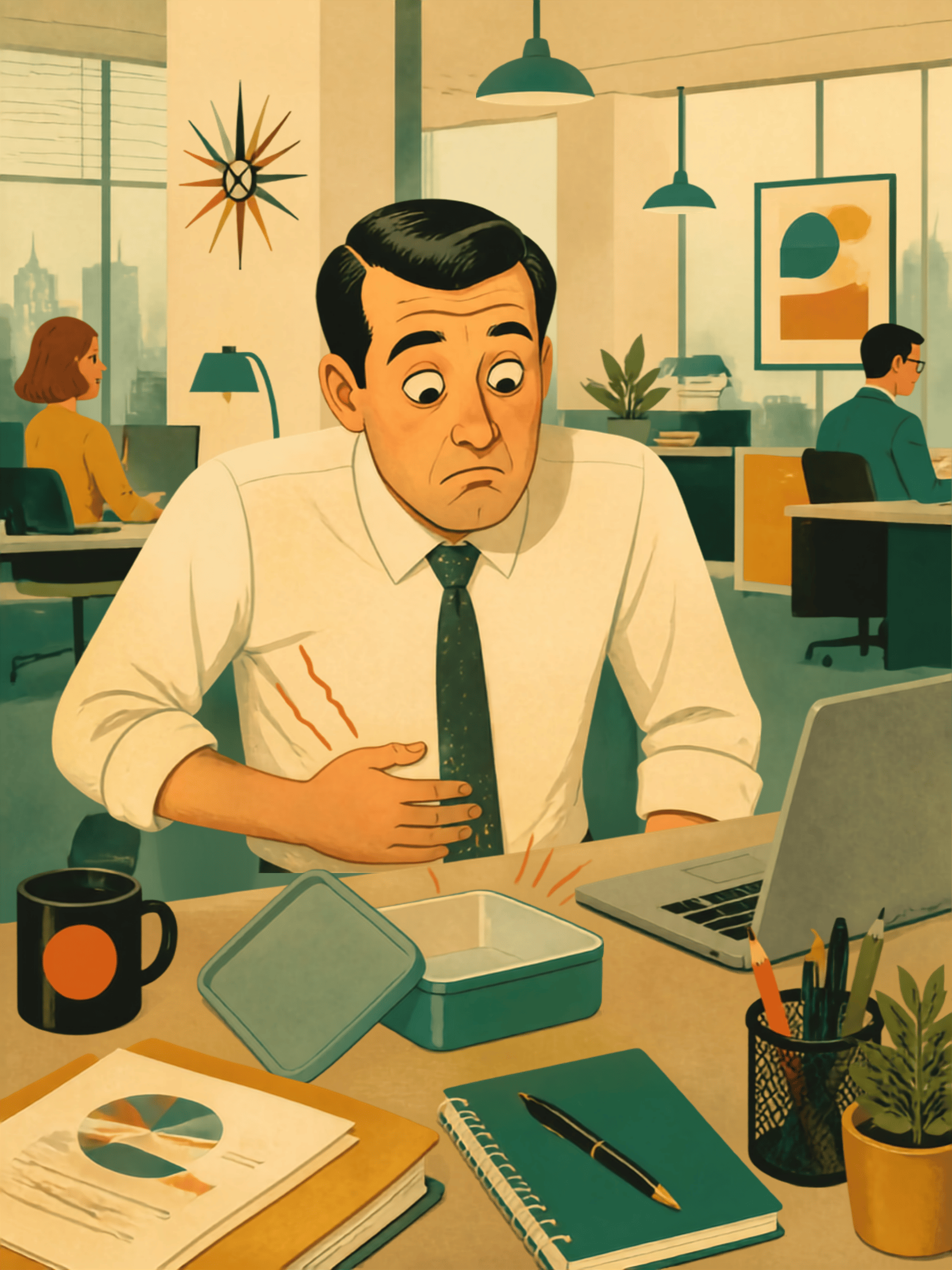
Another common trouble area for adults is tightness in the hips. As we move beyond high school, our front-end load seems to increase while our general activity decreases. Then we get our office job that allows us to sit for 8+ hours each day. This is a recipe for losing mobility of the hips, which can drive low back pain and knee pain. If we just focused on improving these two areas, we can make a ton of progress. Let’s look at where we focus our energy in training at Showtime.
Posterior Chain
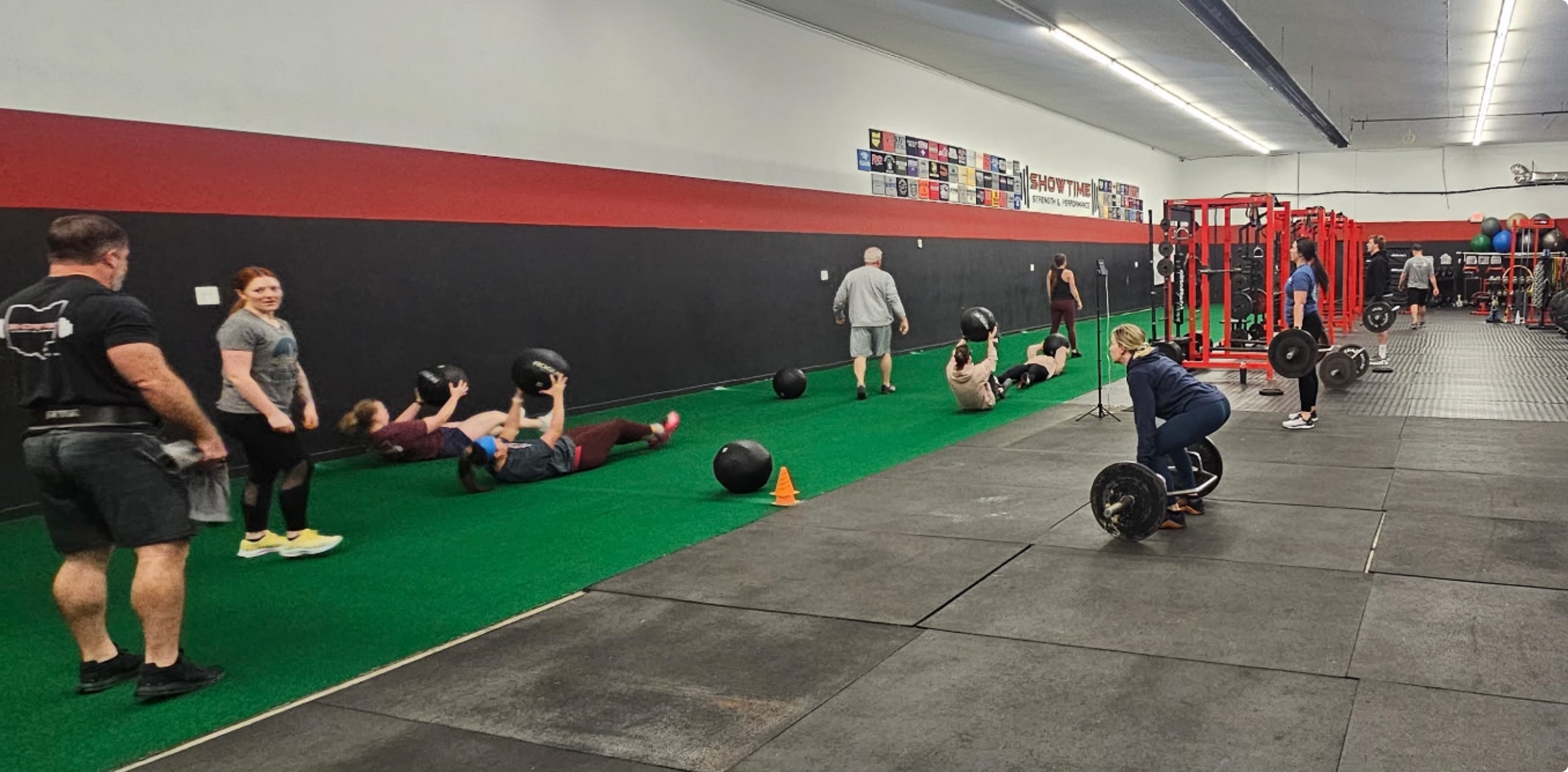
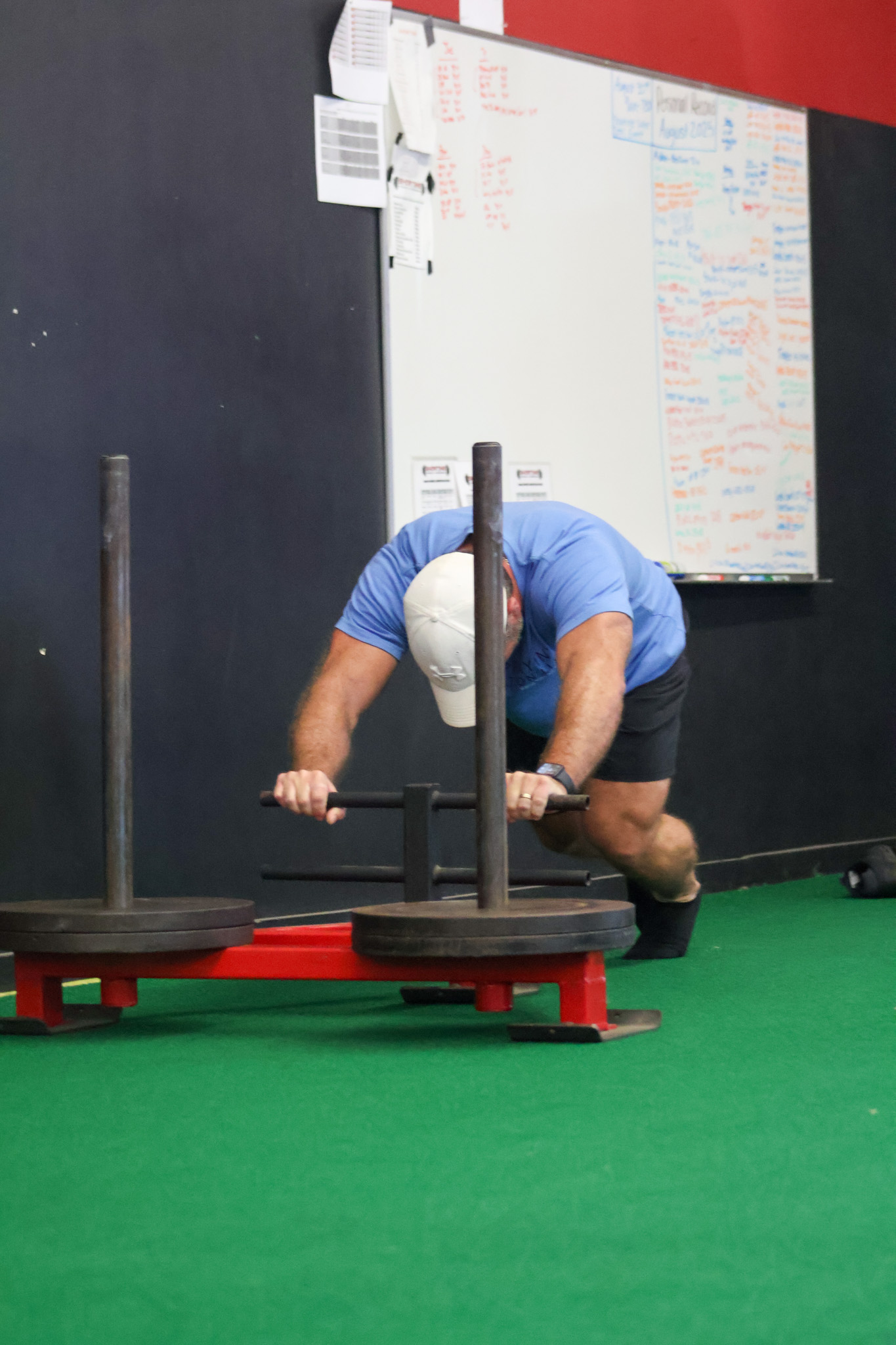
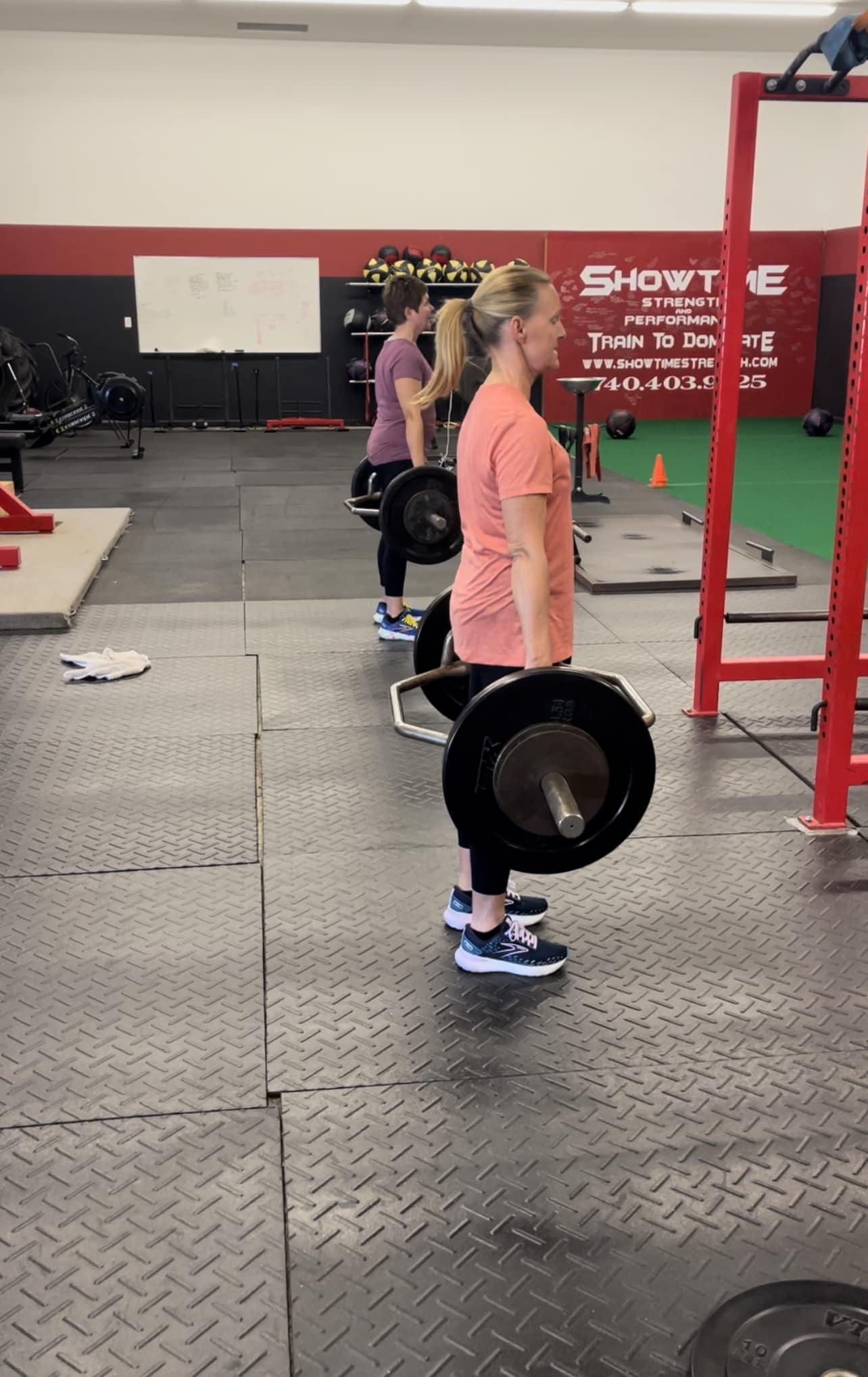
The posterior chain includes the lower back, glutes, and hamstrings. Strengthen this area, and your low back and knee pain will be reduced in a short time. The problem is if someone trains their lower body, generally, the focus is on squats in a limited range of motion, leg presses, and leg extensions. The muscles of the posterior chain are designed to be our power and support, but they don’t get as much activation in daily life like the front of the legs do. Every warm-up we use includes exercises to target the posterior chain in both a static and dynamic function.
Helpful Exercises
Posterior Shoulder
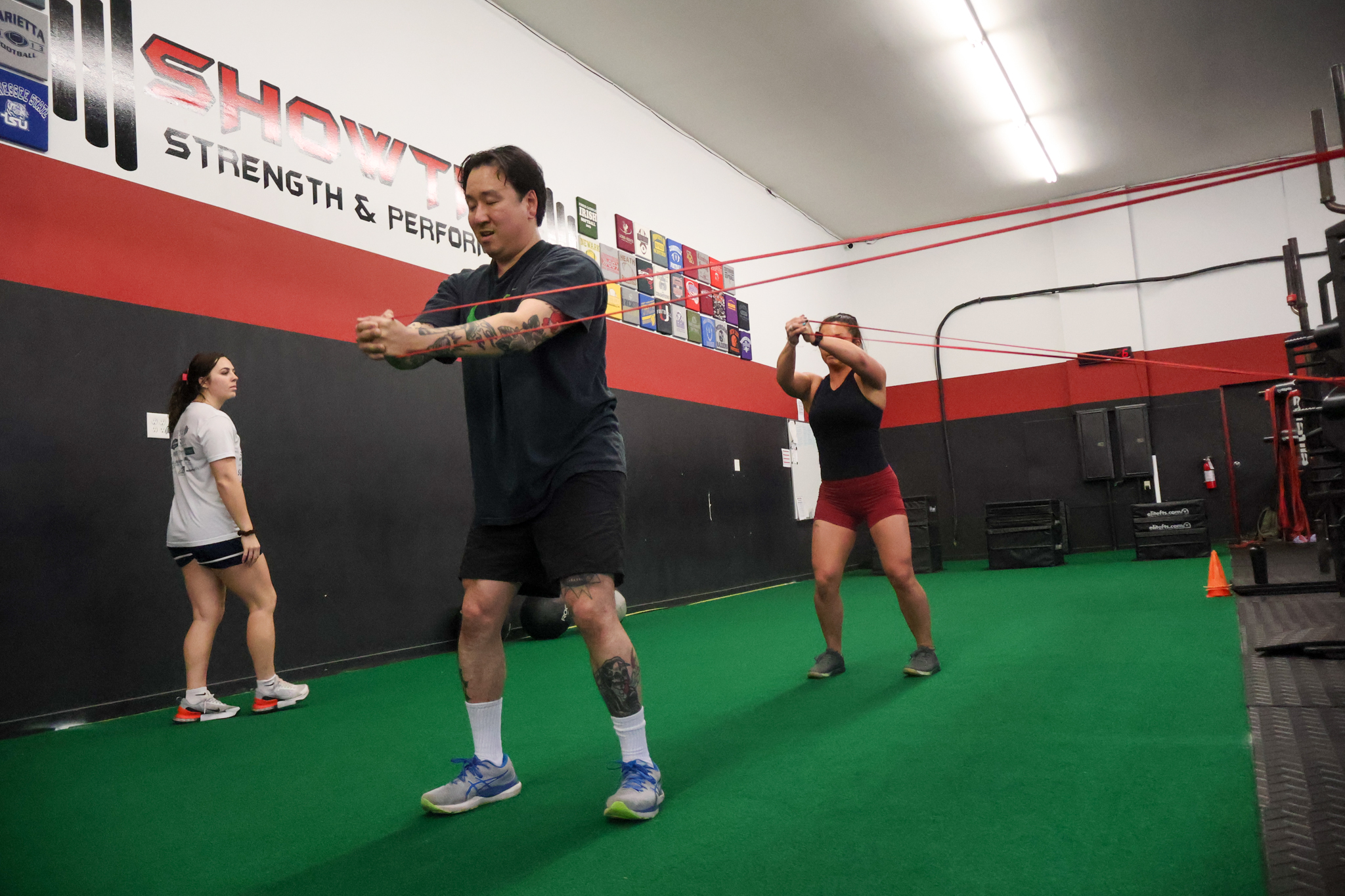
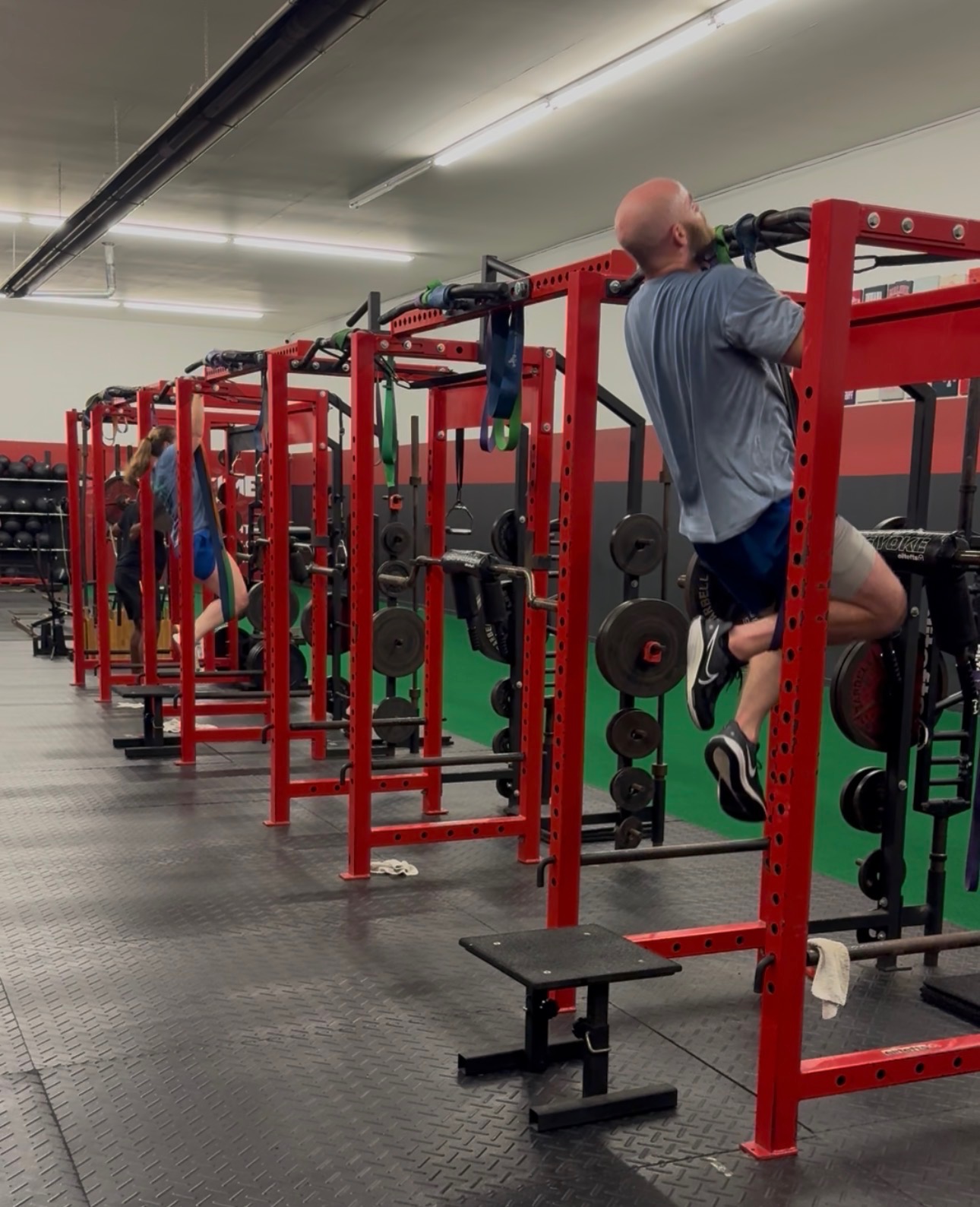
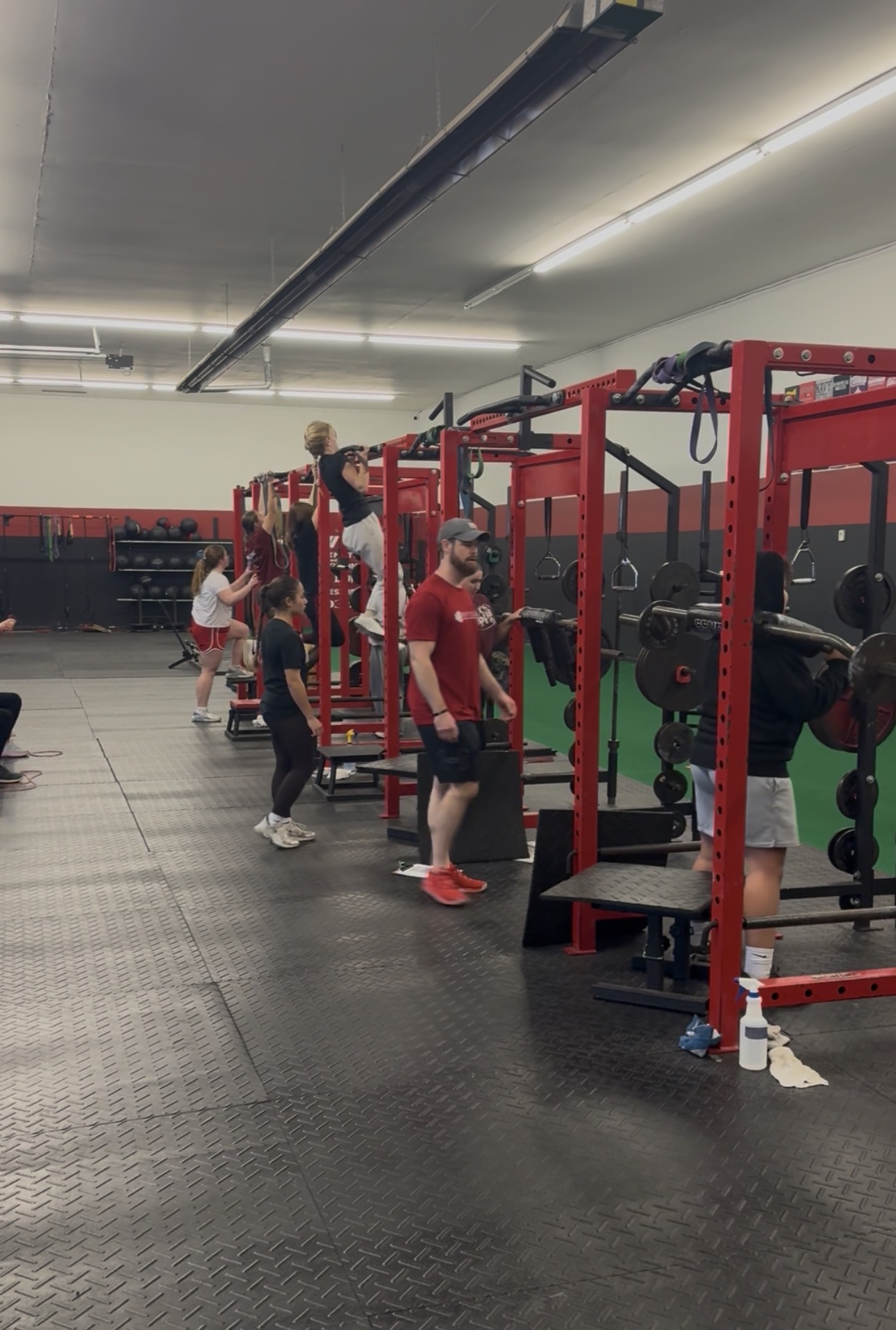
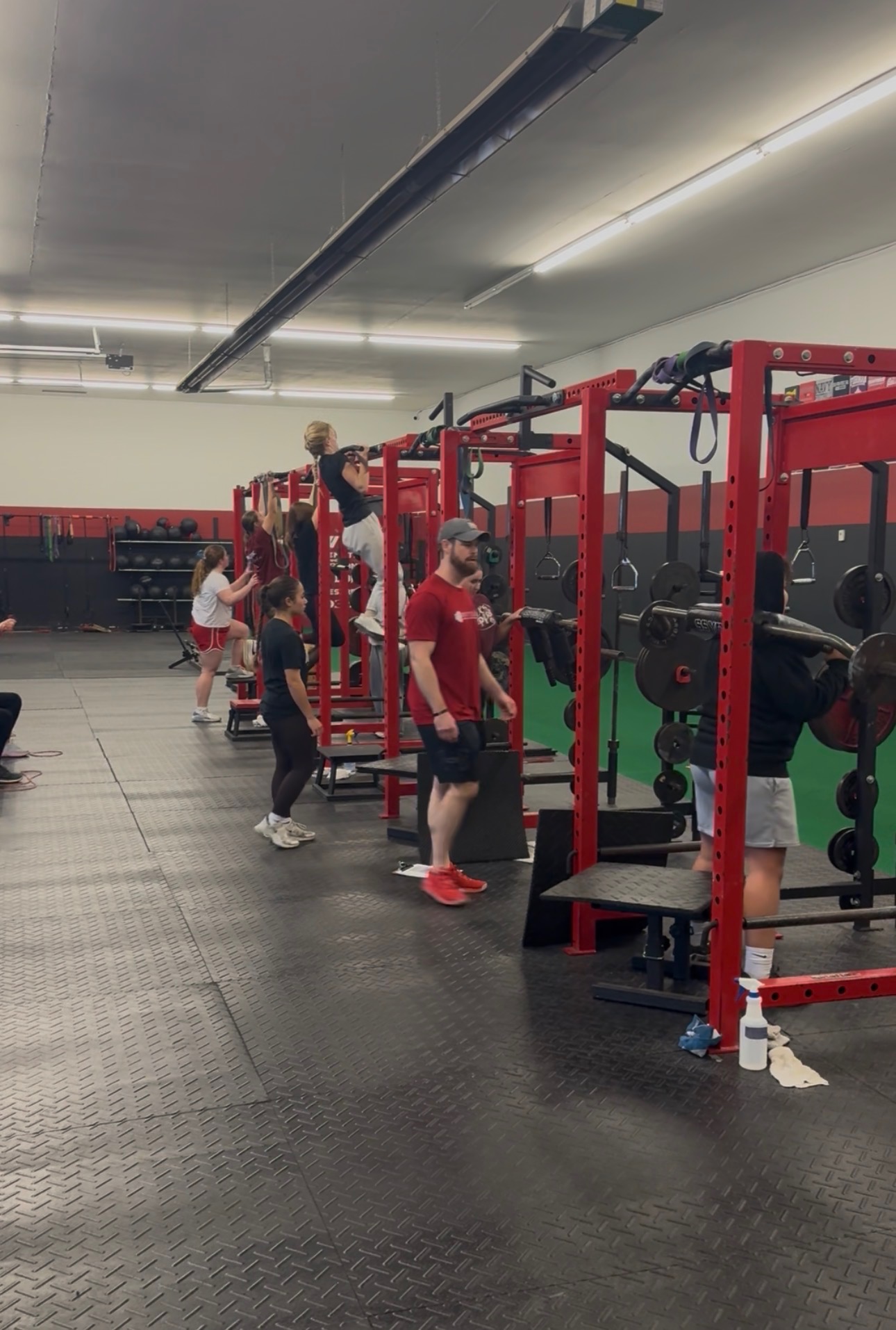
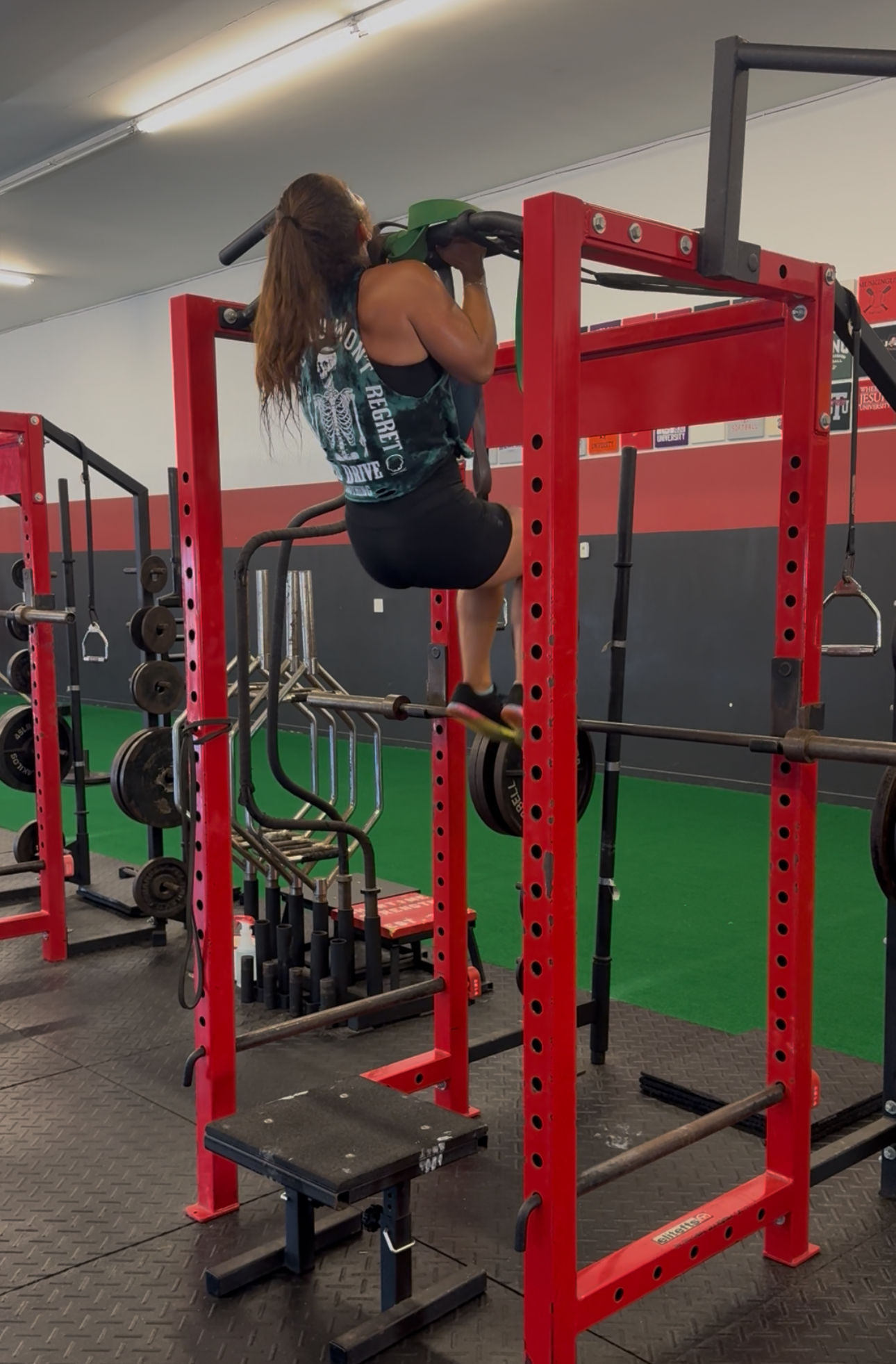
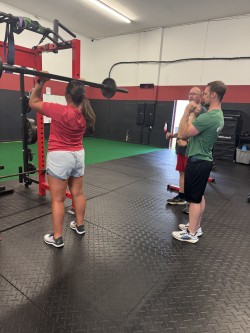
Most people stop doing things overhead with age, and then we wonder why we can’t lift our arms straight up. Every workout we program, people will perform a ton of vertical or horizontal pulling. Our goal is for everyone to do 1 bodyweight pull-up. This helps reduce pain and risk of injury. If you can’t do one, the solution is to get stronger or drop bodyweight. We also perform a ton of lighter weight band exercises for shoulders. These exercises are very beneficial, but difficult for people to perform on their own because of the specifics of the movement. The posterior shoulder muscles don’t need a lot of weight, but they do need a lot of volume to gain benefit.
Helpful Exercises
Knees
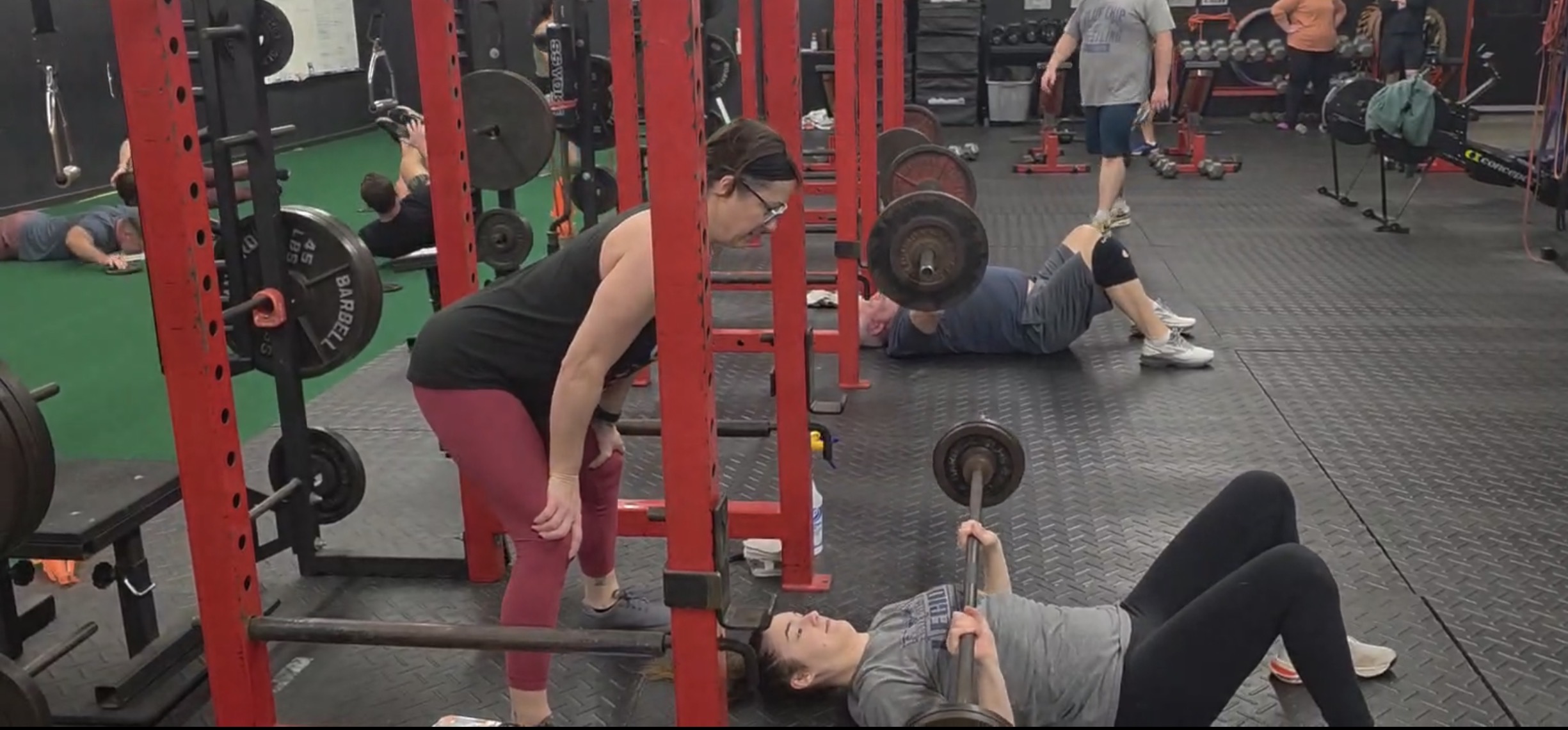
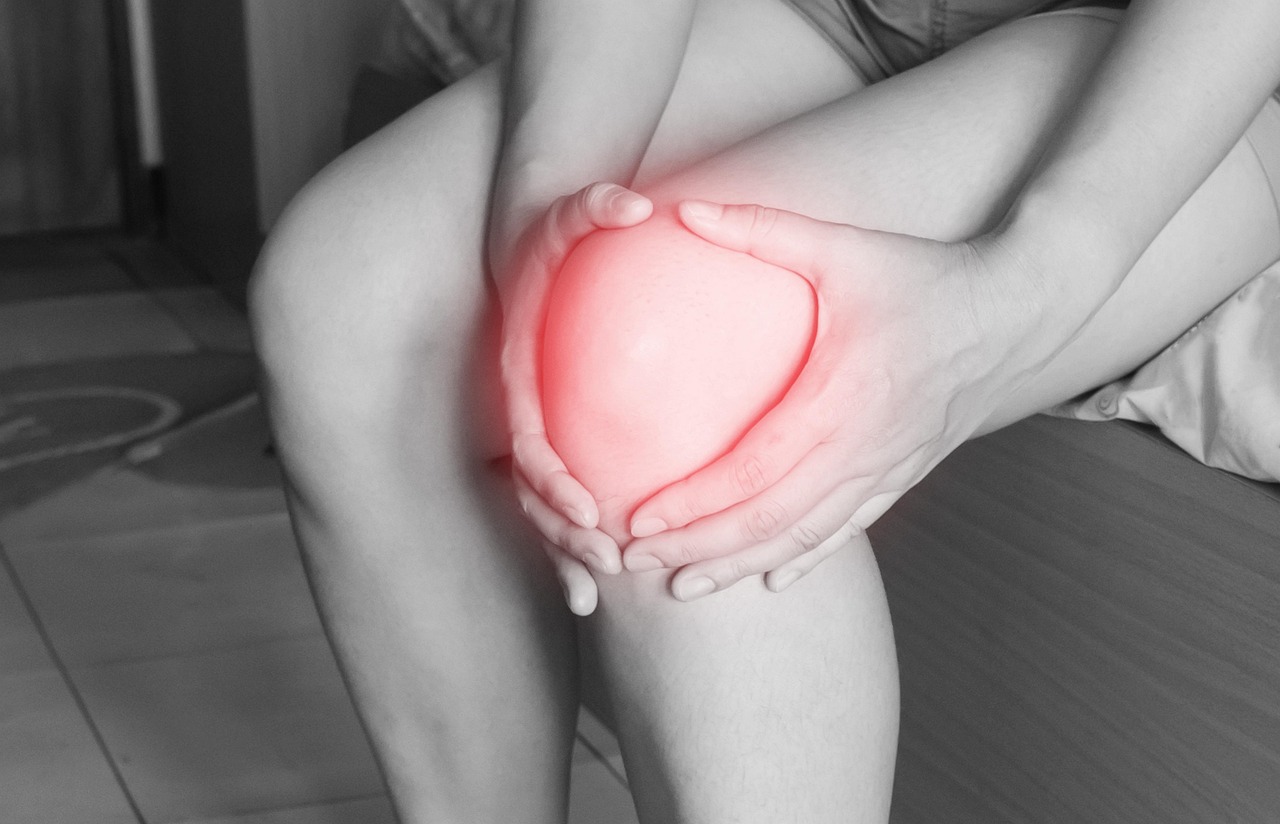
As someone who has seen their knee facing the opposite direction of their shin more than they would like to count, I understand knee pain and the fear of movement that can come along with it. When you’re dealing with knee pain, it feels like there is no helpful solution because even walking can bring pain. The good news is, generally speaking, if there is pain in the knee, it can be a signal that something around the knee is causing the issue instead of the actual joint. This could be above or below or behind the knee. Another overlooked common issue for Americans is our waistline. The extra weight we tend to carry in our midsection is having a huge impact on our knees every step we take. Simple equation: Too much weight + underdeveloped support muscles = pain. One of the worst things we can do with knee pain is follow the old tale that we shouldn’t do things like squats or lunges anywhere near or below 90 degrees of flexion. While it’s true we shouldn’t train into pain, we should strive to improve our range of motion to develop the muscles and ligaments in those ranges leading to better joint health. Motion is the lotion; and if we avoid it, it only decreases over time. If you’re experiencing knee pain, performing a hinge movement or ground-based glute exercise can be a miracle for you.
Helpful Exercises
Obviously, we are strength coaches; and if you’re dealing with something that signals injury, find a Physical Therapist. It will be one of the best investments you can make in your health and training. We write this because as strength coaches our goal is to help people gain strength and move better. Decreasing pain is a by-product of both of those. Many people have accepted pain as part of their daily life, but they haven’t looked to address their weaknesses. The research is building that surgeries generally have a lower success rate; and could in most cases be avoided, but it means we have to create a plan to success. If you’re injured, find a physical therapist. If you feel like gaining strength could benefit your life, reach out to us and let’s move more and hurt less.


.png)











%20copy.jpeg)






.jpeg)


%20copy%202.jpeg)


