Tracking Progress without Adding Stress
Tracking doesn't require apps
By
June 14, 2026

Whether it’s your financial health or your fitness, the saying “what get’s tracked get’s measured” is true. This seems like simple and common sense advice, but the information we have available has started to yell at us that everything is important and has to be tracked or progress won’t be achieved. I like to think of this as the what is old is new phenomena. Diets, special supplements, that one special exercise that will yield 22% better progress than any other. These things come and go, but each time they come back there is a new audience to absorb the information and then buy the products. We have more ways to track everything we do in our sleep, workouts, and everything in between. We’ve reached a tipping point where the amount we’re tracking is creating anxiety and taking our power away instead of equipping us to be more resilient. On a weekly basis I see at least one person have their entire body language and energy change after learning they had a bad sleep score from the Whoop or Oura ring. Simple observation ; if you had three drinks the night before you don’t need an app to say your sleep wasn’t optimal. Let’s look at some simple tools you can use to analog your health and fitness goals to learn the skills and become empowered in your decision making.
Measurement : Food
People will argue that measuring food can lead to anxiety around eating and I can agree, but we do need to have a basic understanding of how much energy we’re consuming on a daily basis. A cheap food scale will cost around $10 and using it for 2-4 weeks and tracking daily weight, energy, and mood will give you a great insight to how your body is truly responding to the actual food you’re ingesting. You can google measurement sizes for your basic foods you normally consume and stick to those foods during this period. This helps to bring awareness to serving sizes and how much total we consume in a day. This can lead to calorie counting if you want to dive further, but for many just understanding their standard serving size and total consumption of basic macro nutrients can be eye opening. Use it for 2-4 weeks and use your notes to help you make better educated choices without the scale. This will help you avoid becoming a slave to a food tracking app.
Measurement : Training
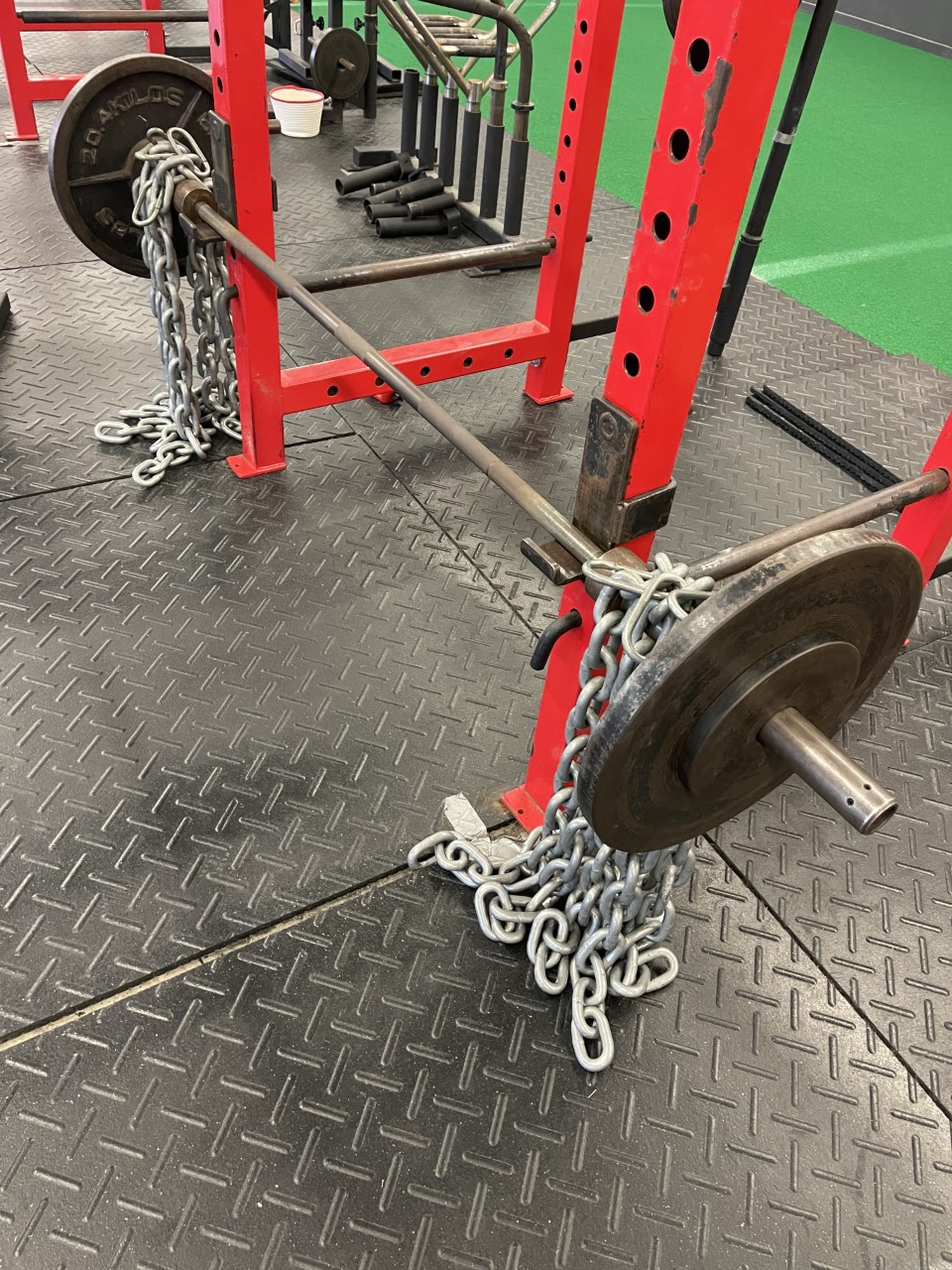
One of my favorite things is looking back through my training logs from previous decades and seeing the notes and changes made in my workouts. Sometimes they help to track where issues popped up and others they spark a light bulb to use in my training now. Tracking your workouts can help to make sure that you progressively use heavier weight or increase total training volume (sets x reps x weight). When we don’t progress our training, we adapt and don’t create a change. Even if you use an app, I strongly suggest writing everything down in a notebook separately to have it forever, make better notes, and make adjustments for the future. A composition book costs twenty five cent to one dollar and will hold about a year of training.
Measurement : Waist
We have an In Body Scanner at Showtime and I think it’s a great tool. I still find myself using the basic measuring tape as a no bullshit measuring device. Simply take a measuring tape and run it around the body at the top of the hip bones with the stomach fully relaxed. Then measure your height. Your waist line measurement should be no more than half of your height in inches. For me at six feet tall, that means my waist line needs to be 36 inches or lower. When the number is higher it shows an increased amount of visceral fat which is directly linked to increased risk of heart disease and diabetes. If you don’t want to believe a machine measurement like the In body, remove the guesswork and spend a couple dollars on a measuring tape. If the number you see is shocking, it might be time to stick to the things you said you were going to do.
Measurement : Resting Heart Rate
To measure your resting heart rate, simply press your index and middle finger against your wrist or neck and count the beat for 30 seconds and multiply the number by two. A normal resting heart rate for adults will be 60-100 beats per minute. High level and Olympic level athletes can often be in the 40-60 range. A lower resting heart rate simply implies a healthy and efficient cardiovascular system and is linked to increased longevity. If you’re looking to improve your resting heart rate, be sure to add both low and high intensity cardiovascular training into your routine, work on improving sleep routine, and create a strategy to manage chronic stress.
The tools mentioned in this writing can all be purchased for under $20 and require no apps to pay for. The app and constant tracking devices (watches, rings etc) have taken away our ability to create logical processes that make sense for us based on the season of life we’re in and match current goals. Access is a common reason people cite for not reaching their goals, but I believe that we have too much access further creating confusion and making it easier to delay actual action. Go to Wal Mart and pick up these tools and get to action now. Once these skills are learned, you have the ability to use them as you want or need to give yourself a reference point. This is invaluable because no one will know your common trends better than yourself.




.png)











%20copy.jpeg)






.jpeg)


%20copy%202.jpeg)


