Common Injuries for Softball Pitchers: Shoulder
Testing and Solutions for Shoulder Injuries
By
June 21, 2026
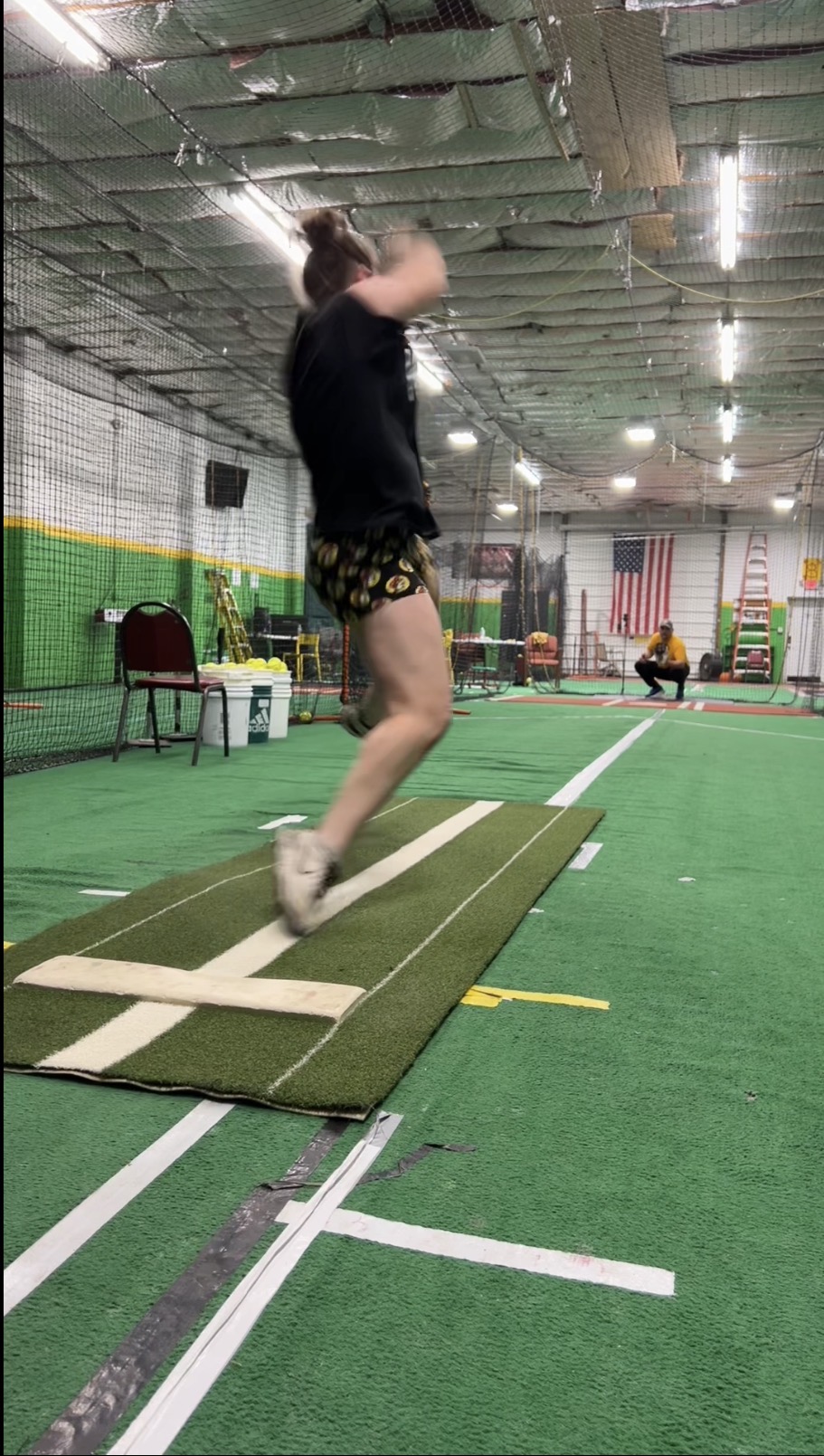

It’s not our job to fix pitching mechanics, but it is our job to create pain-free movement. Unfortunately, shoulder pain is often the first sign of a series of events. The old saying “ everything is connected” applies here. What we often see begin in the shoulder transfers to the elbow and then the bicep.
From our experience, the shoulder problem is a transfer of energy problem. The transfer of energy is poor due to the strength of the lower body creating power from the ground, which then leads the pitcher to speeding up their arm motion ending in a shrugged chest forward position to create most of the pitching power.
Testing:
Standing Lat Test
If the athlete can’t lift their arms up overhead with elbows locked without going into lumbar extension, there’s an increased risk of shoulder injury.
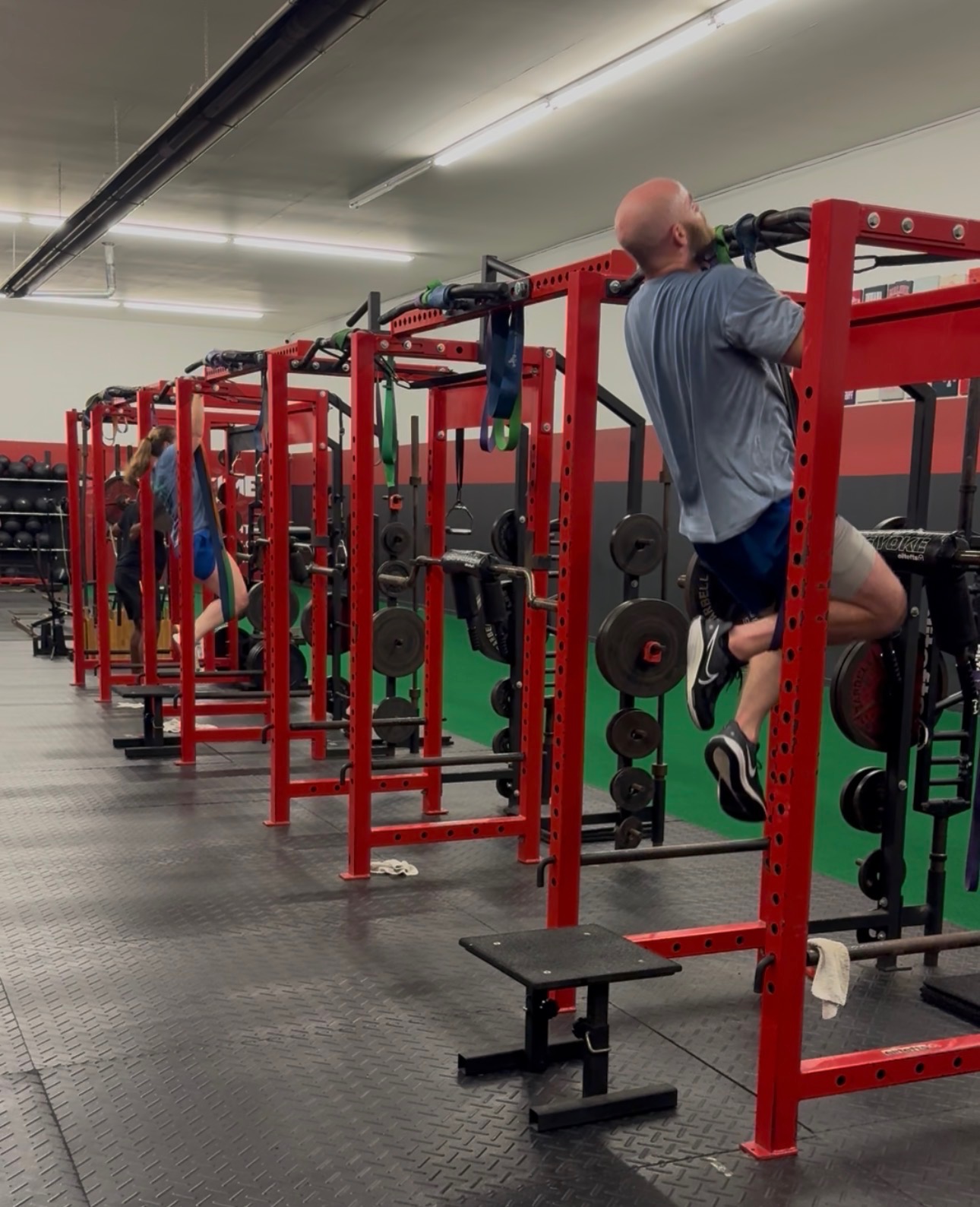
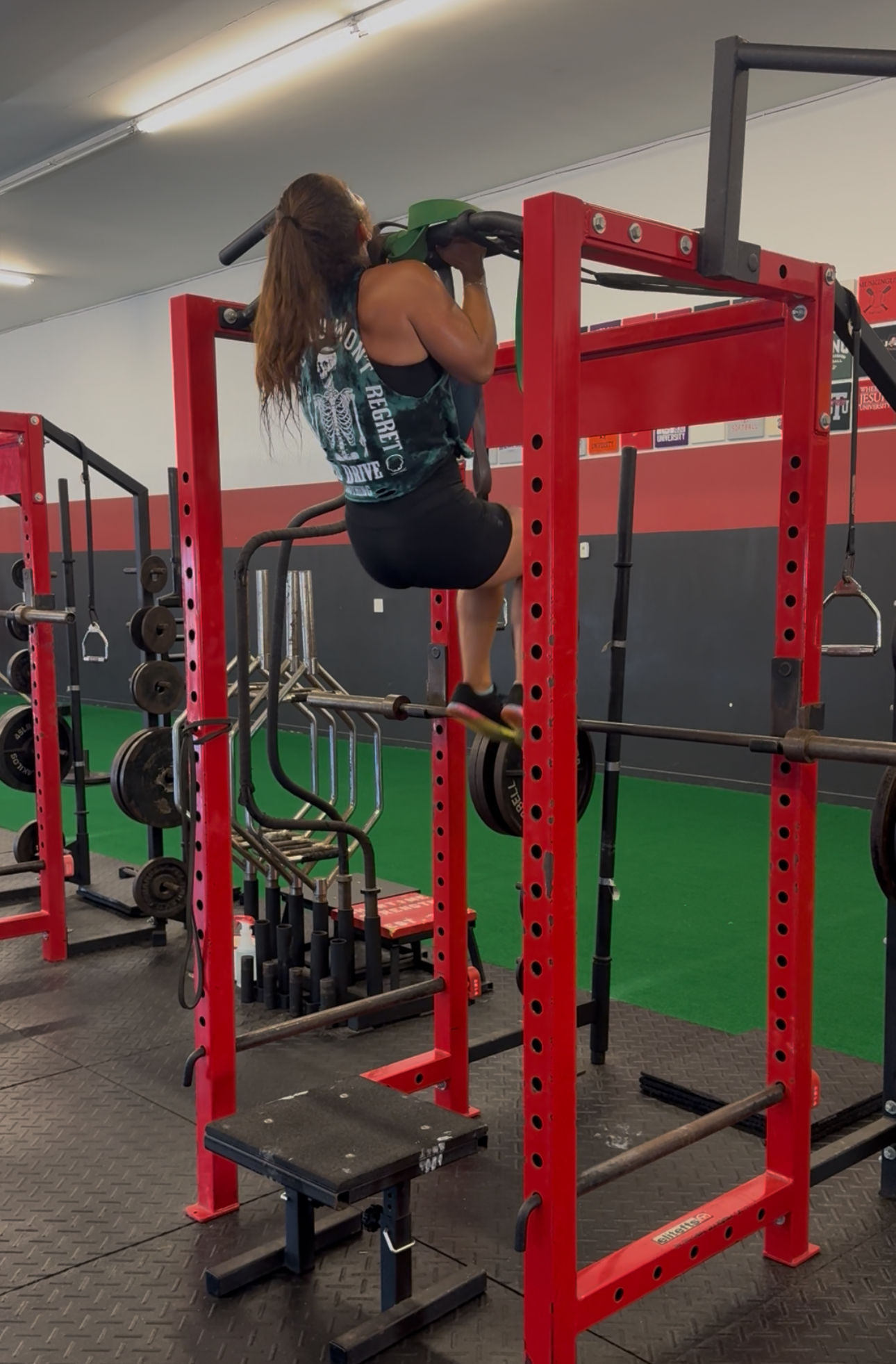
Pull Up
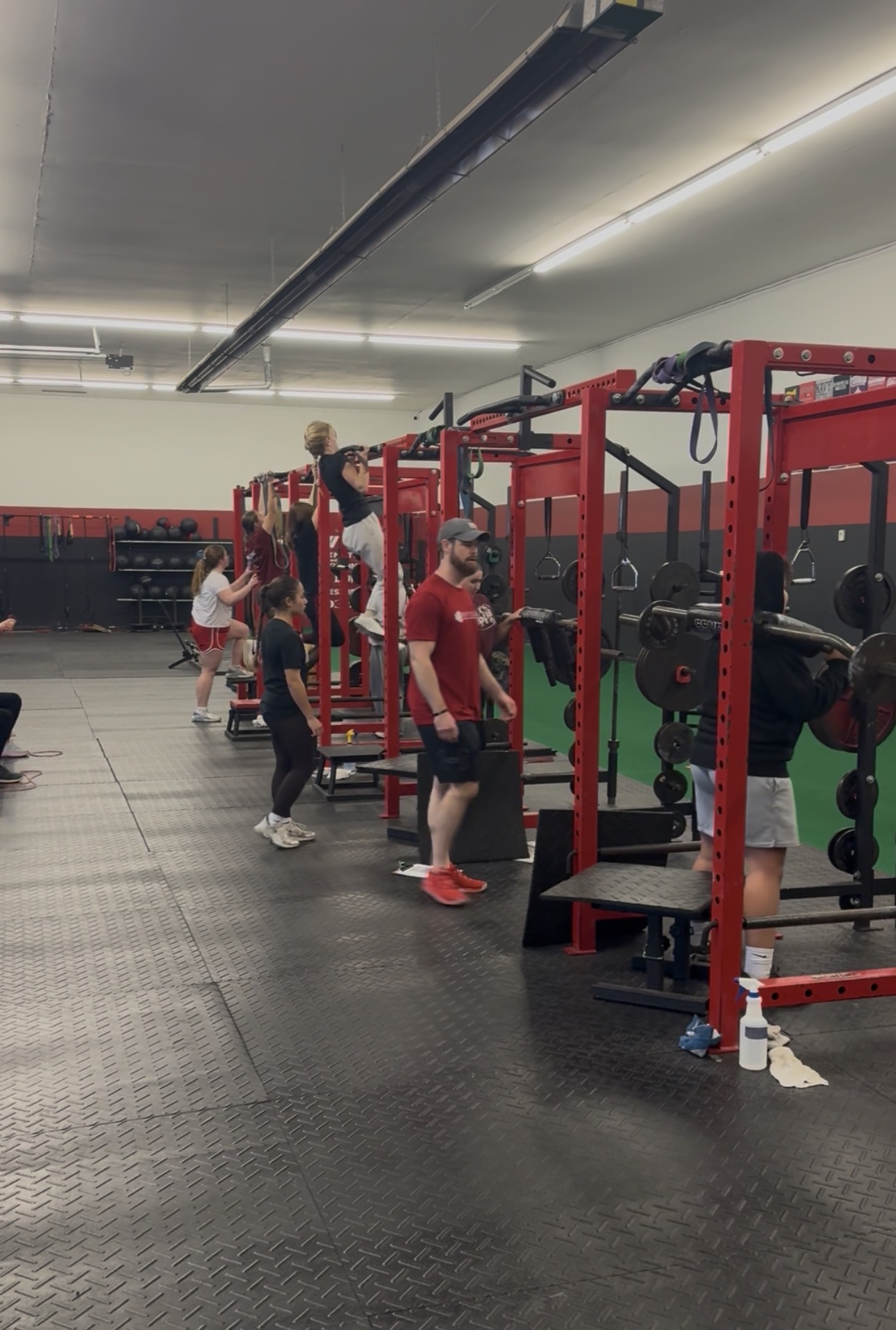
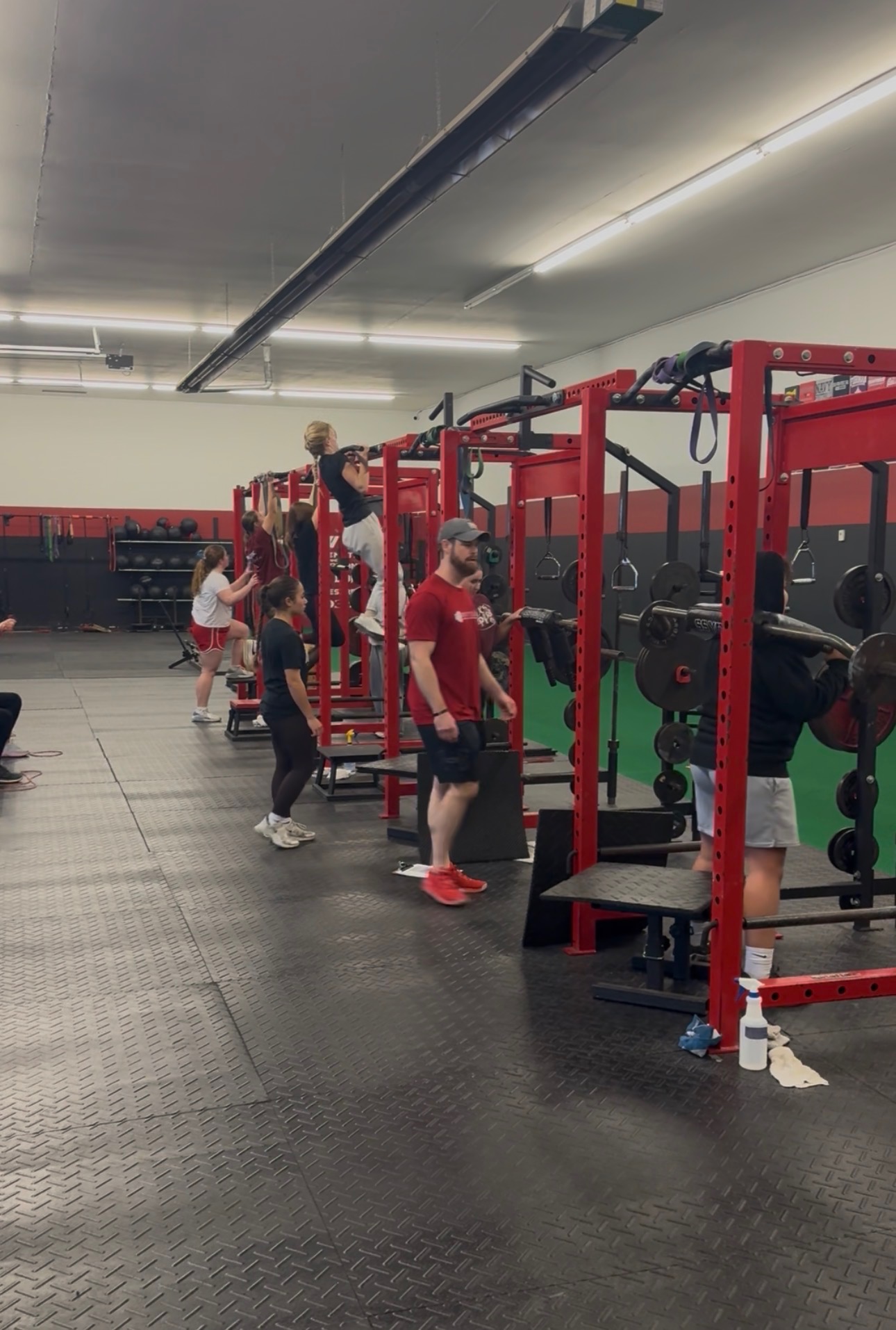
We have 15 years of data that shows athletes who can do at least 1 bodyweight pull-up have a lower risk of shoulder injury, throw harder, and run faster sprint times. If you can’t do pull-ups, the lat muscles need to be trained hard and often to gain strength.
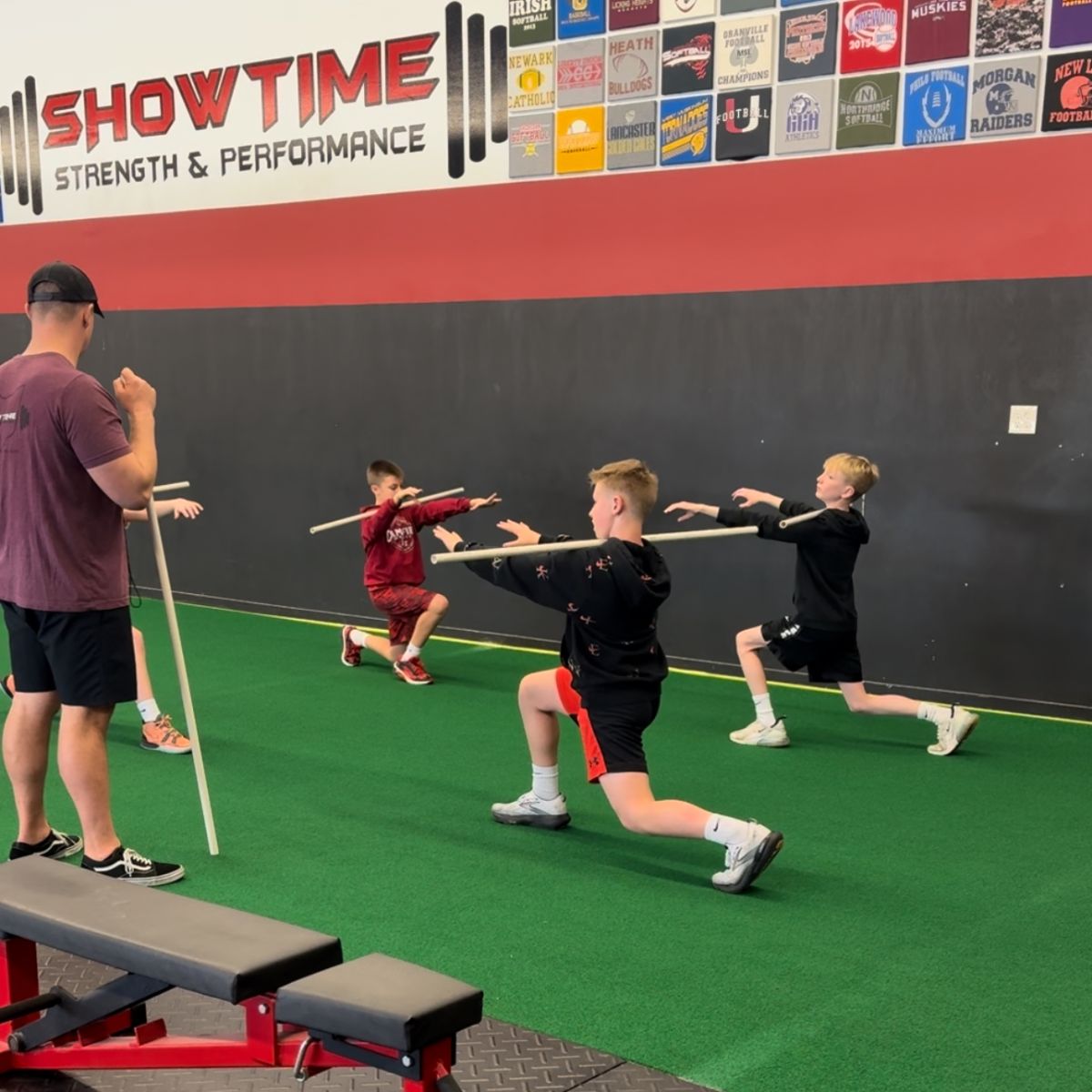
Overhead Squat Test
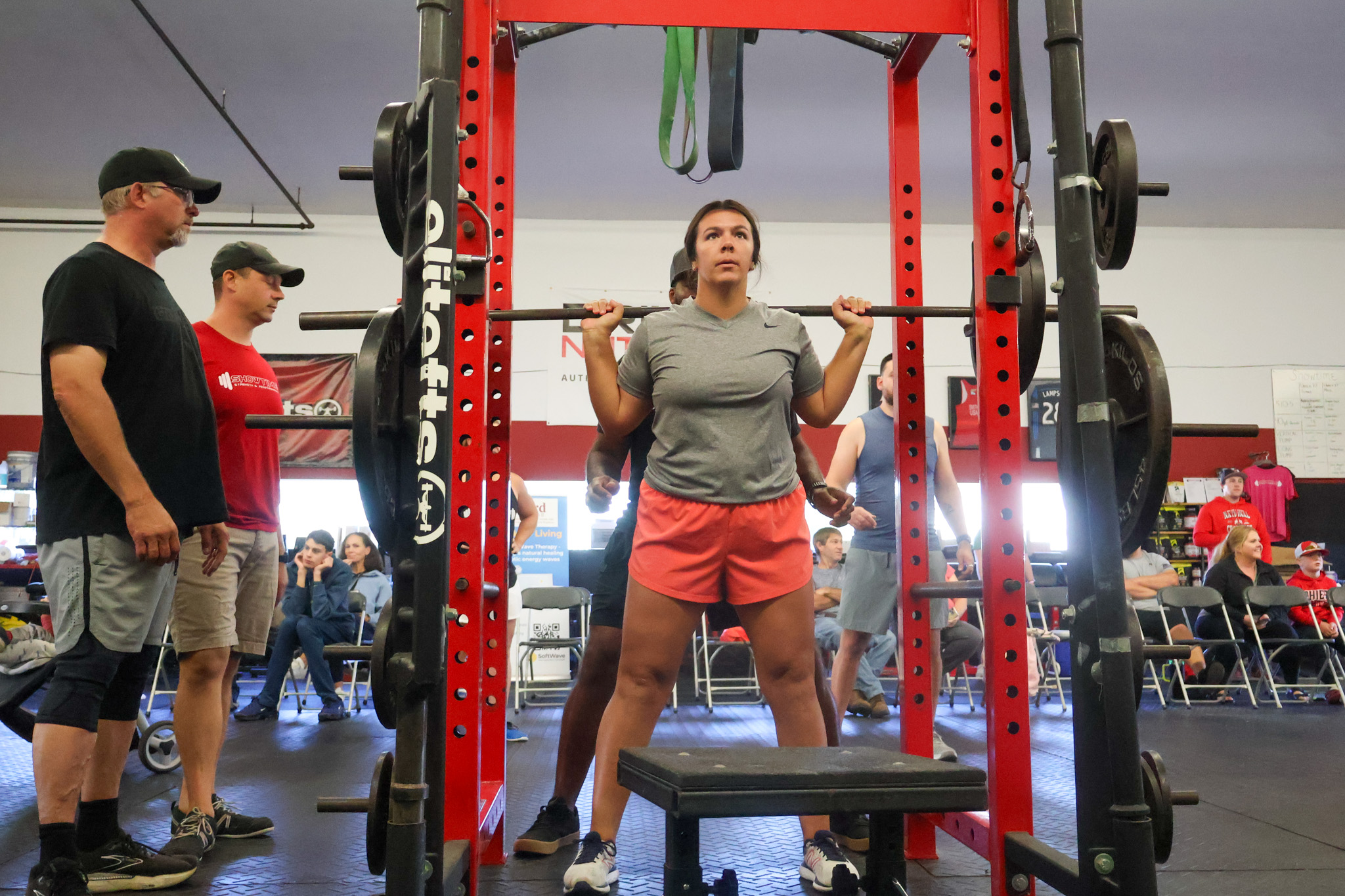
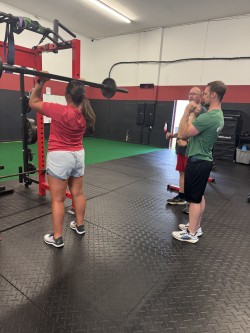
The Overhead Squat Test might be the best global assessment because you can see everything head to toe.
If the athlete can’t maintain the stick in line with their ears, the pecs or biceps are tight. If the stick is way beyond their ears, then they have a lack of stability and need strength to help maintain arm position.
Seated Thoracic Rotation
When thoracic rotation is limited, power output is limited and the risk of injury is higher. If the athlete can’t rotate to at least 45 degrees without lumbar extension, there is a restriction that is hindering performance.
Shoulder Solutions:
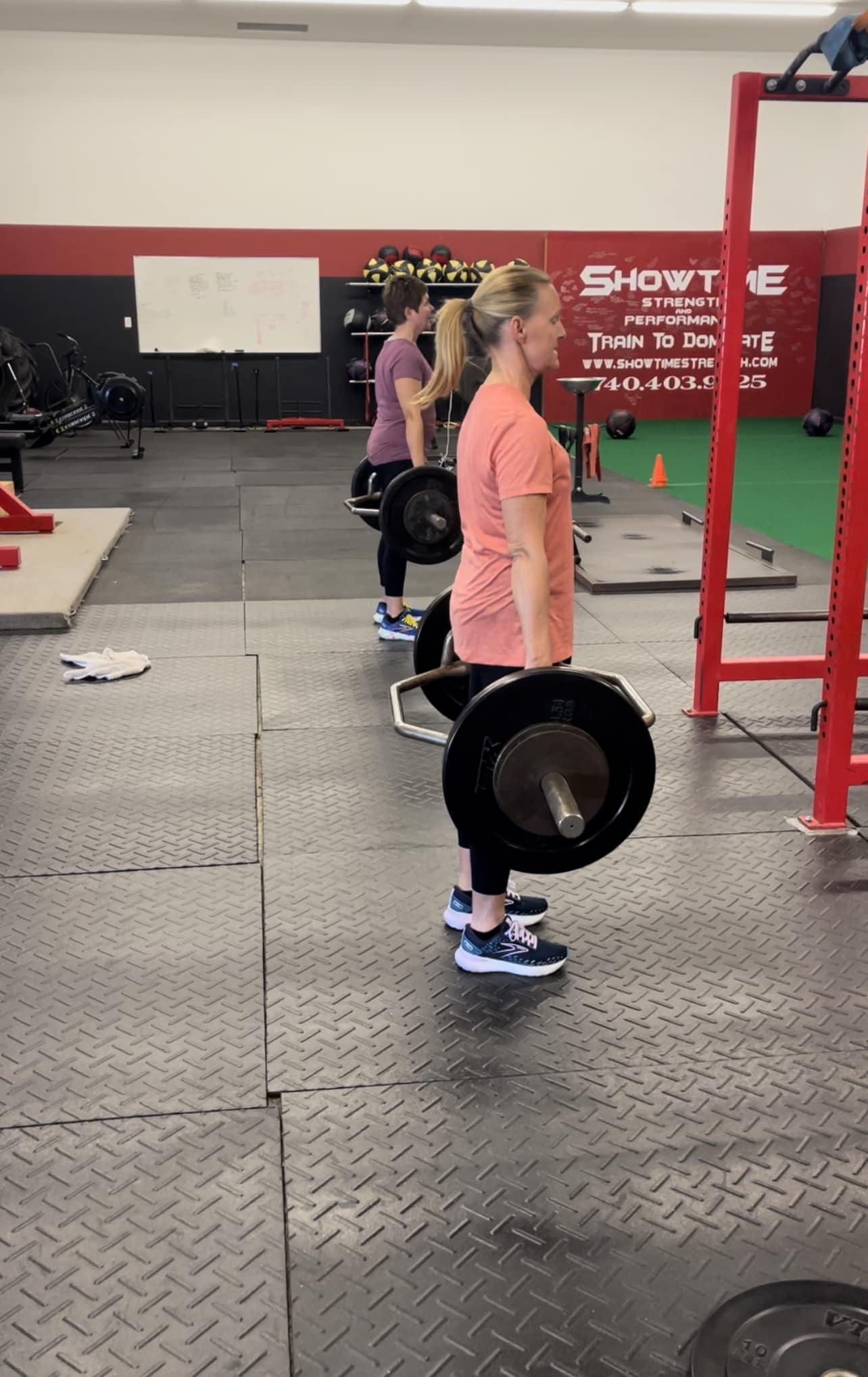
Rowing/Pulling Movements
If the athlete can’t do a controlled pull-up, they need to train their lat muscles until they can. These should be done without a shrugging movement to begin.
Kneeling High Position External Rotation
Most pitchers have weak external rotation because the pitching motion lives on internal rotation. Again, we need to build better brakes.
Suspension Reverse Flys
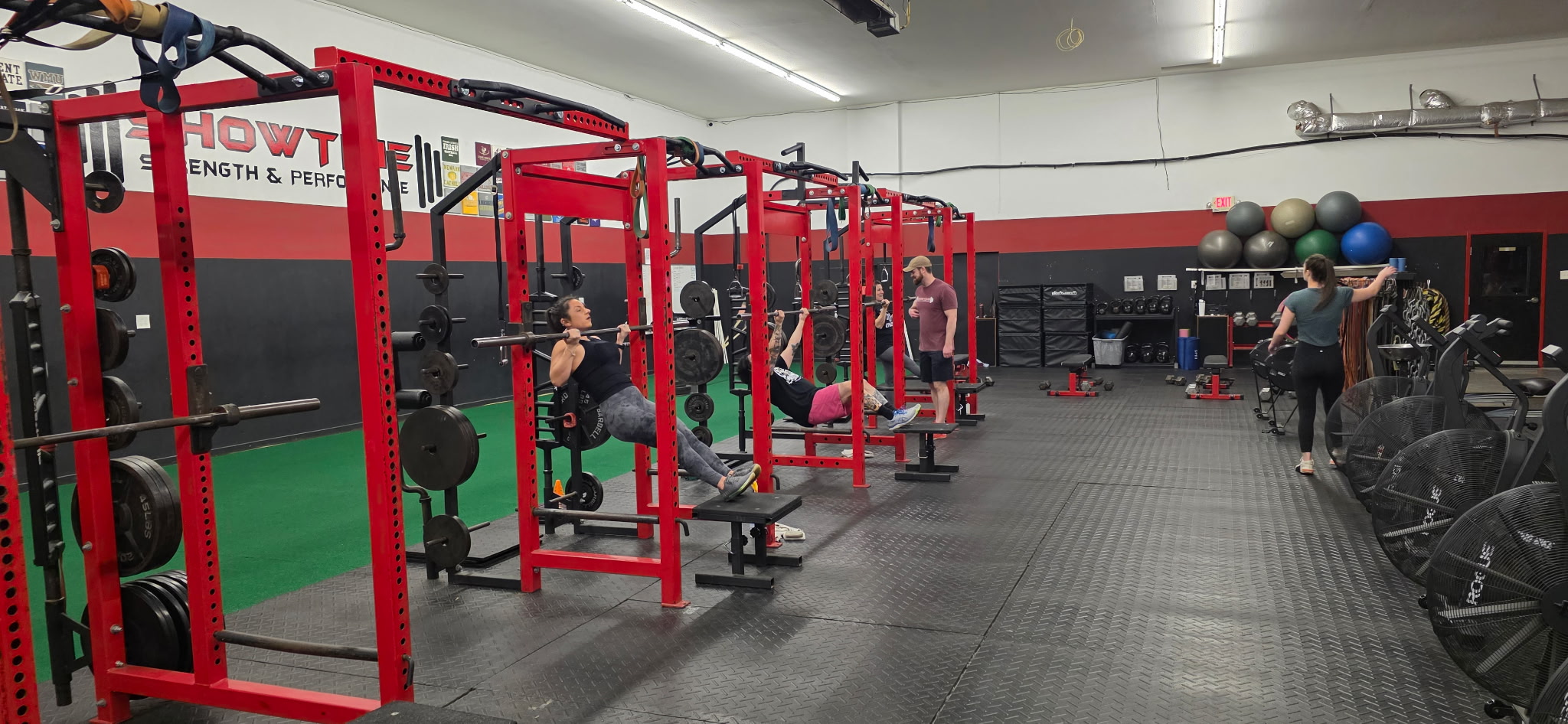
This is great for posterior shoulder and your core. Squeeze the mid-upper back while keeping the shoulders pulled down and back.
Push Ups and Pressing (Done Correctly)
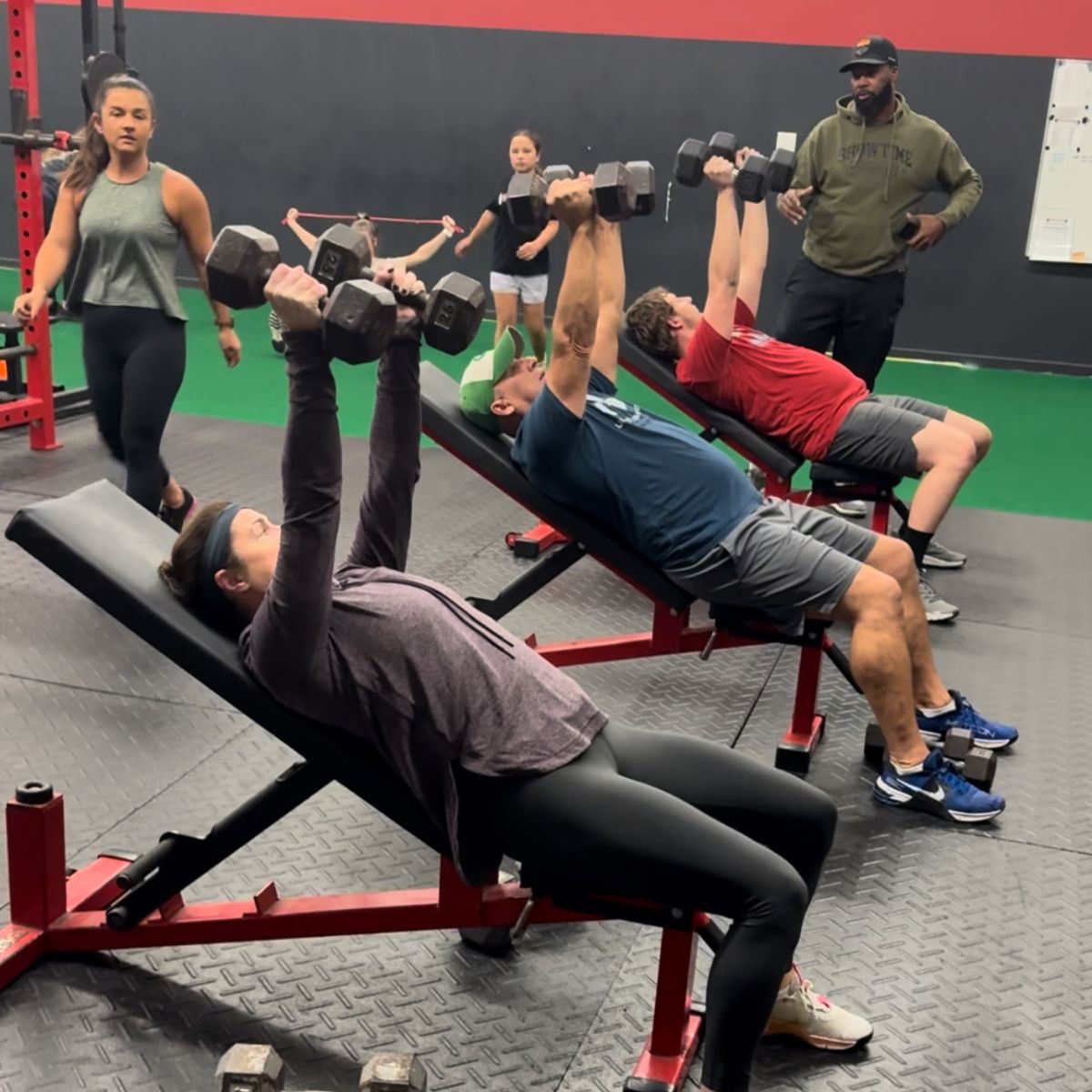
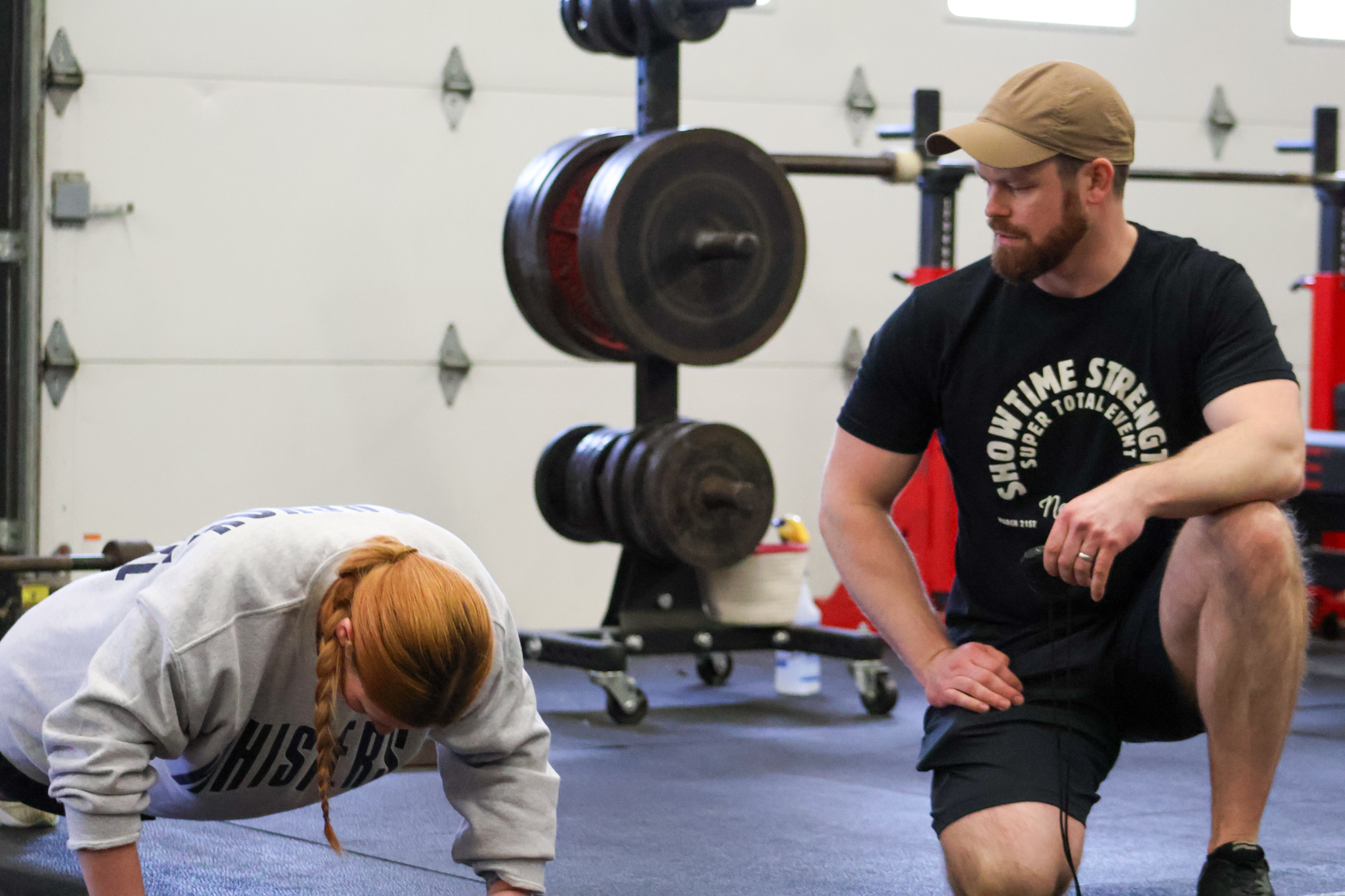
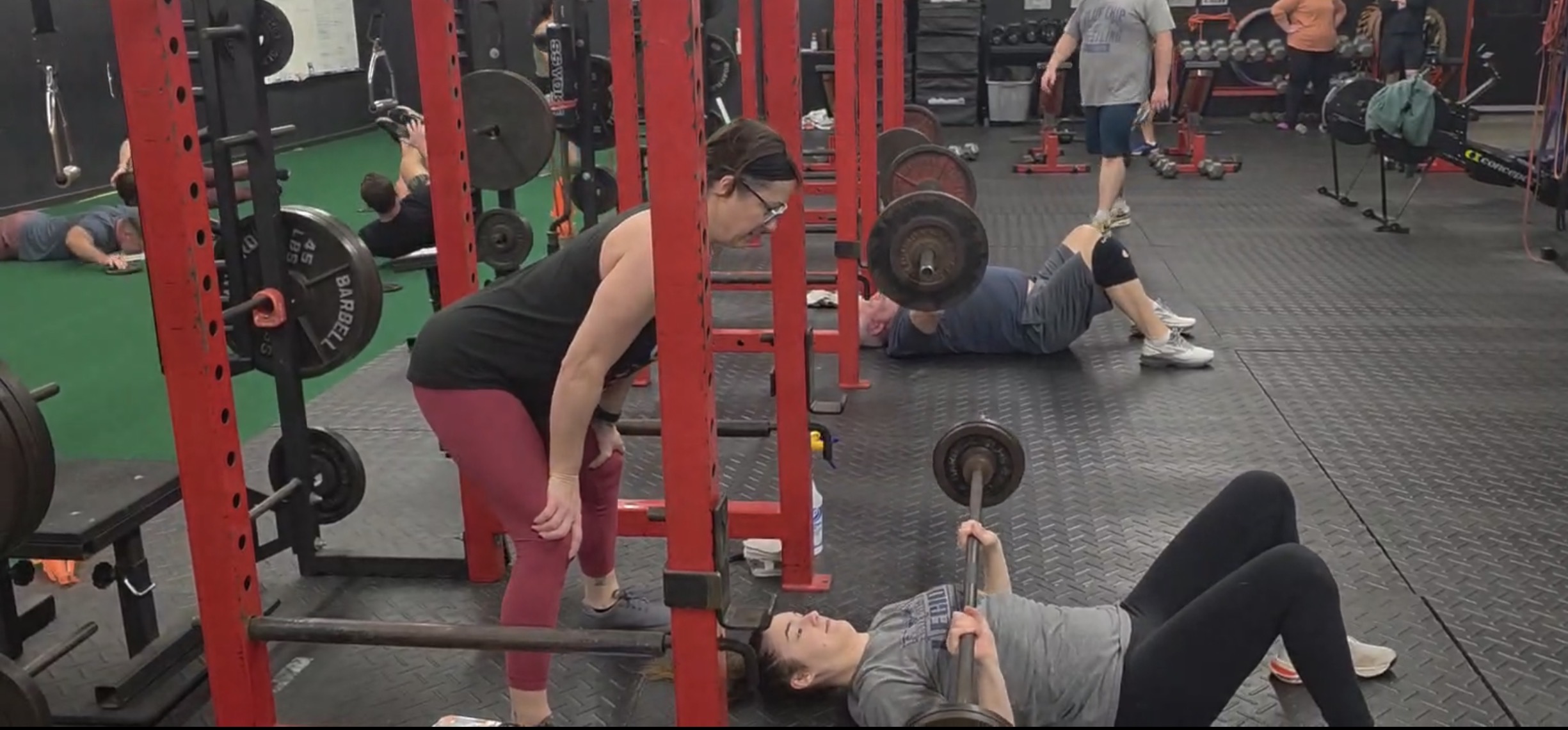
Push Ups get a bad reputation for being dangerous for shoulders. When I see most people teach them, I agree. Do push ups with control, keeping the body stacked and solid with elbows in at the side, and it strengthens everything in the upper body. If you see the head forward or hips dropping, regressions are needed. If anyone says pressing movements are bad for throwing athletes, walk away.
While many are still living in the Stone Age and think that the windmill pitching is safe and natural in comparison to the overhand baseball pitching motion, we have enough data to show that’s not the case. Add in the number of games played on an annual basis and factor in fatigue, and we have a serious issue with injury risk. The best approach we can take is to look at what the athletes need in their sport and also look at what is most commonly not being addressed. When we look at softball pitchers, here is what we know:
When we look at what’s not addressed in sport, we can address in training:
Using this reverse engineering approach helps us not only avoid overuse injuries, but we can address building the entire structure stronger. Sometimes in a sport like softball, we seek so much specificity that we forget to build a solid foundation so specificity can shine when the time is right. It’s important to note that once an athlete decides to specialize as a pitcher, they have a limited amount of time to develop the entire system to become a better overall athlete. If your softball athlete is dealing with shoulder pain, strength is the solution. Not more specific drills or games. Doing more of the same and expecting different results only works in movies. If you have a struggling athlete, get ahold of us to learn more about our training approach for softball pitchers.







.png)
















%20copy.jpeg)








.jpeg)


%20copy%202.jpeg)


