3 Mistakes Former Athletes Make With Strength Training
Don't make these former athlete mistakes with training
By
August 9, 2026
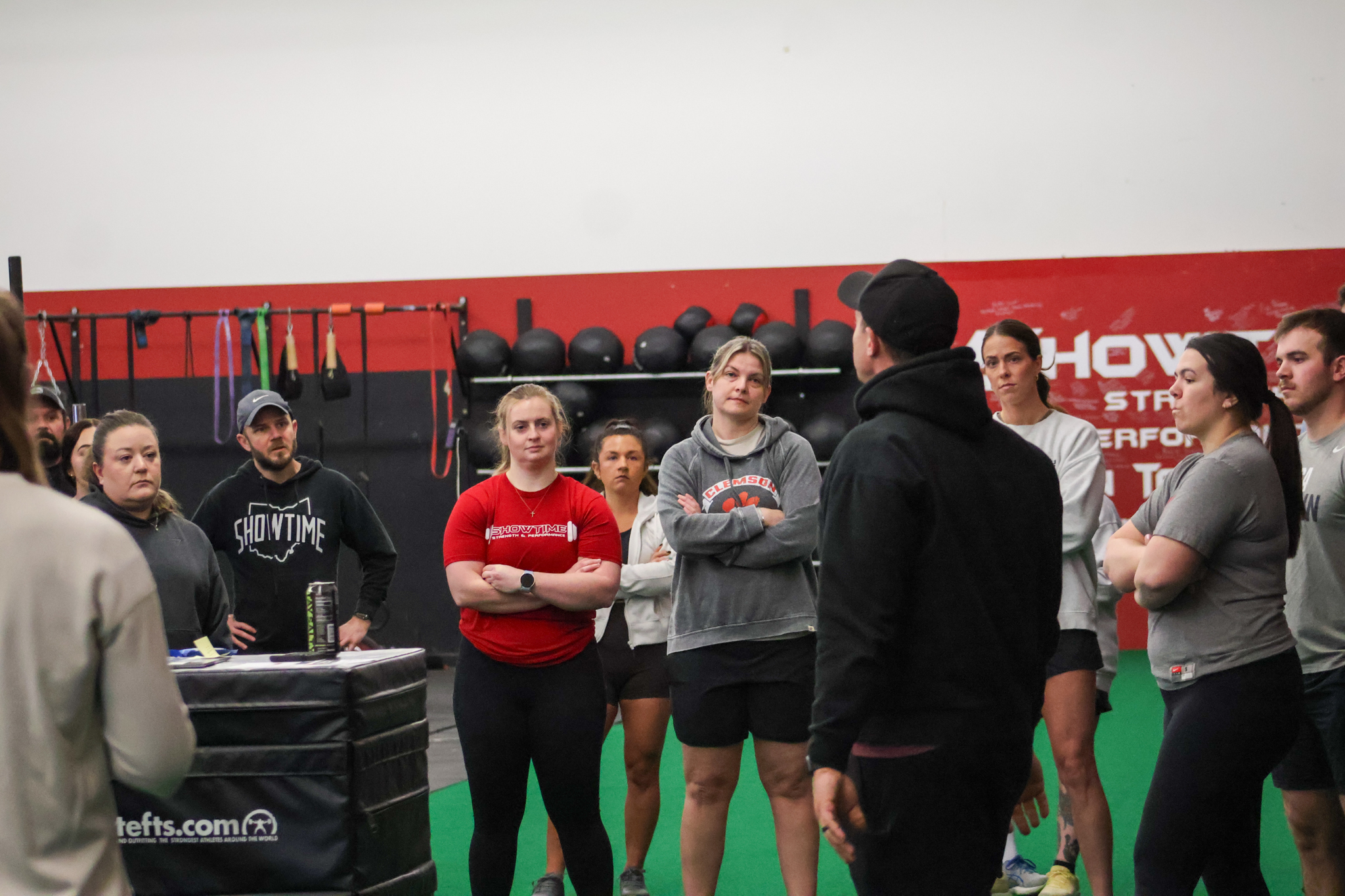

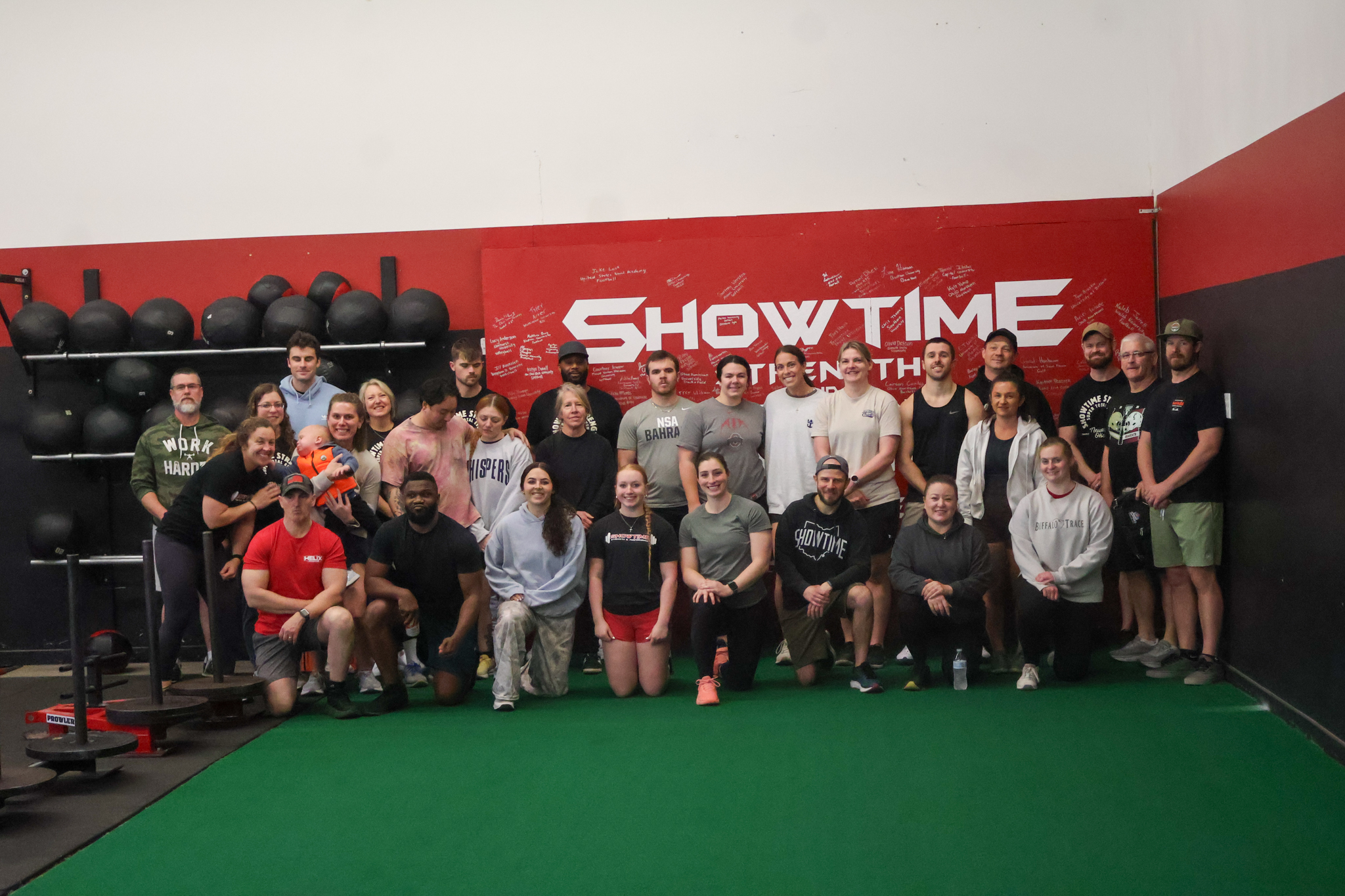
One of my favorite things that has developed over time is the youth athletes we trained 13 years ago when we first opened are now adults with real responsibilities. Careers, kids, spouses, big things to think about. When I met most of them, the biggest struggle in their day was seeing me for one hour. Athletes are great to work with because they thrive on structure of their routine. The goals are simple because we can track input to output in a variety of different ways. When we remove the competitive sports from their routine, things can get sticky. This didn’t hit me until about age 34 which was a few years after I stopped competing in powerlifting. My entire life, exercise and nutrition had been goal dependent for football, bodybuilding, and powerlifting. The good in this was I could stop force feeding to keep body weight up, but the negative was it left me without direction. These traps can happen to athletes at any level ; high school, college, or professional. We’ve seen it in all of them and helped them all out. Some people remove training from their life because the only reason they trained was for sports while others keep pushing in the same direction. The discipline athletes develop over time is unmatched, but we see repeating struggles that they have transitioning strength training to a long term positive for their life. Once navigated, these former athletes tend to have a huge jump in their progress and less frustration when it comes to training.
Problem 1 - Same Exercises, Same Prescription
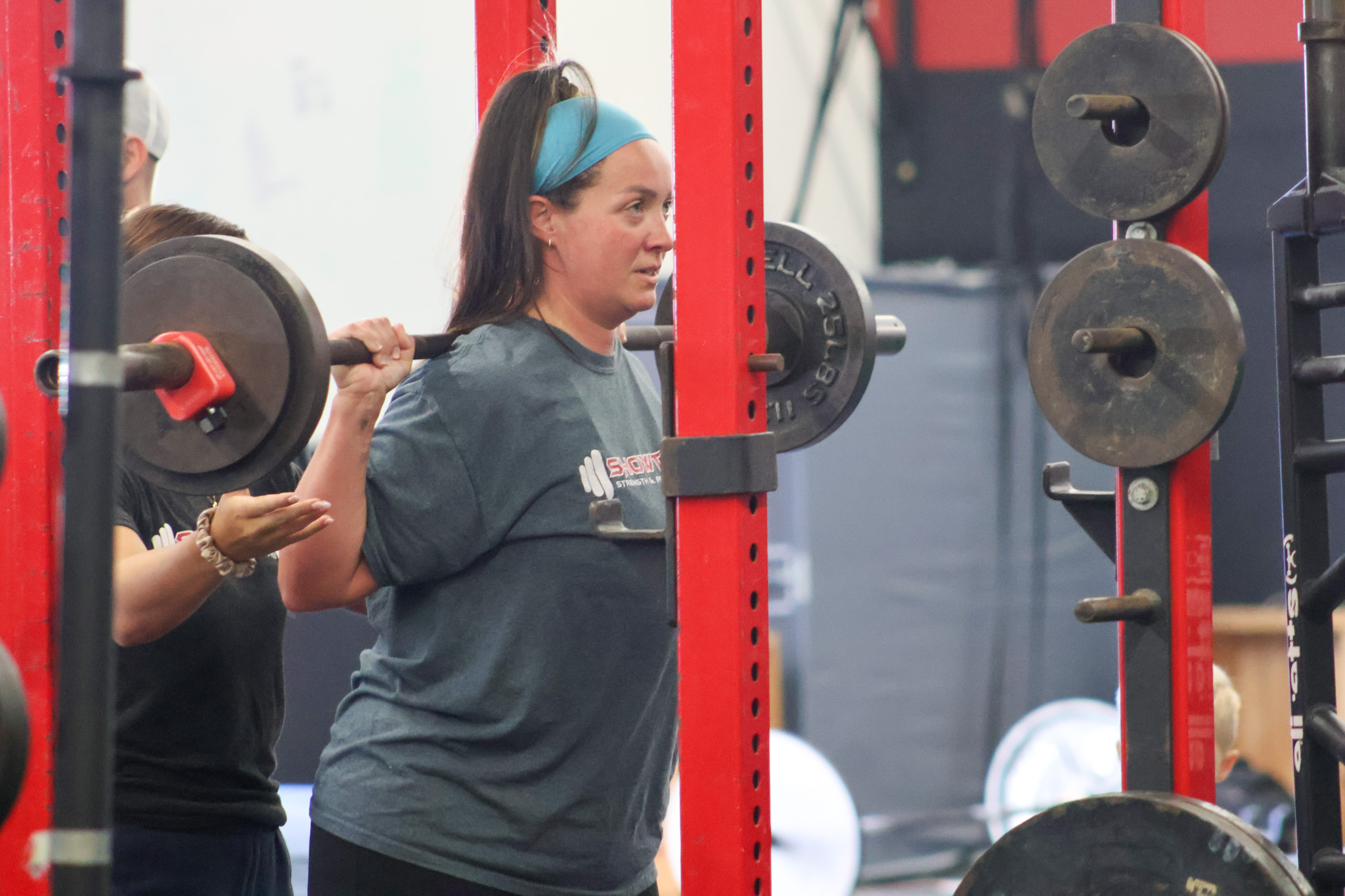
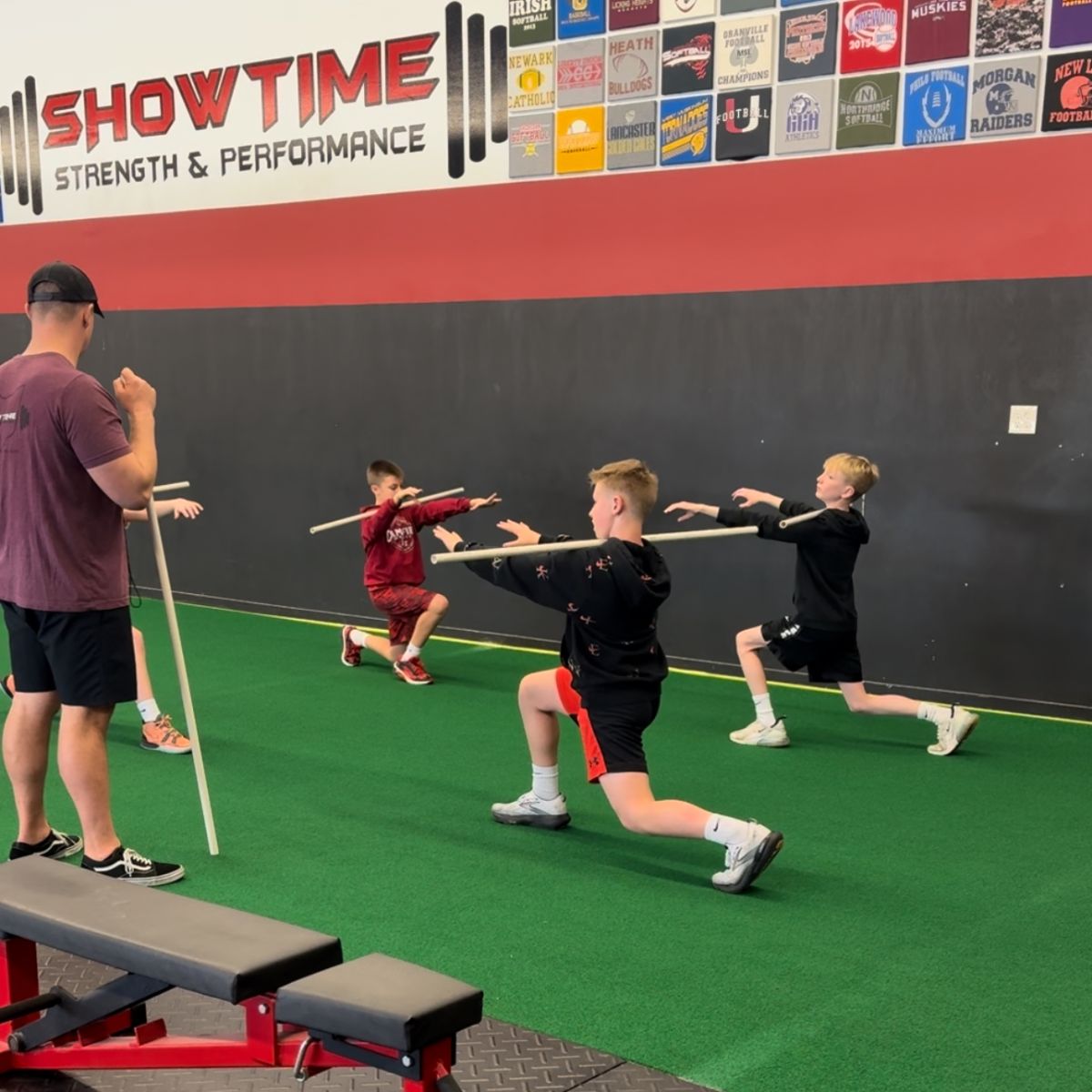
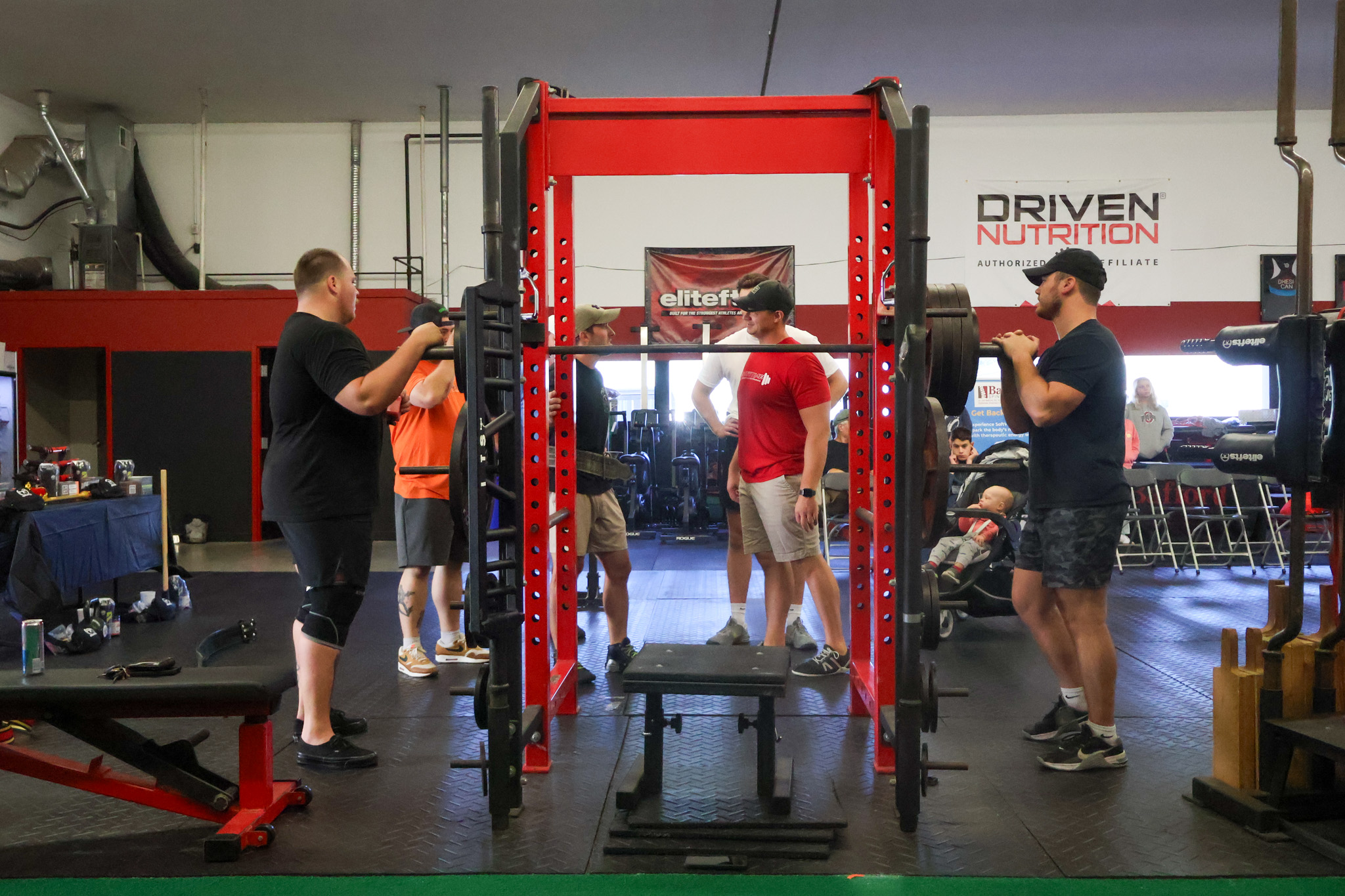
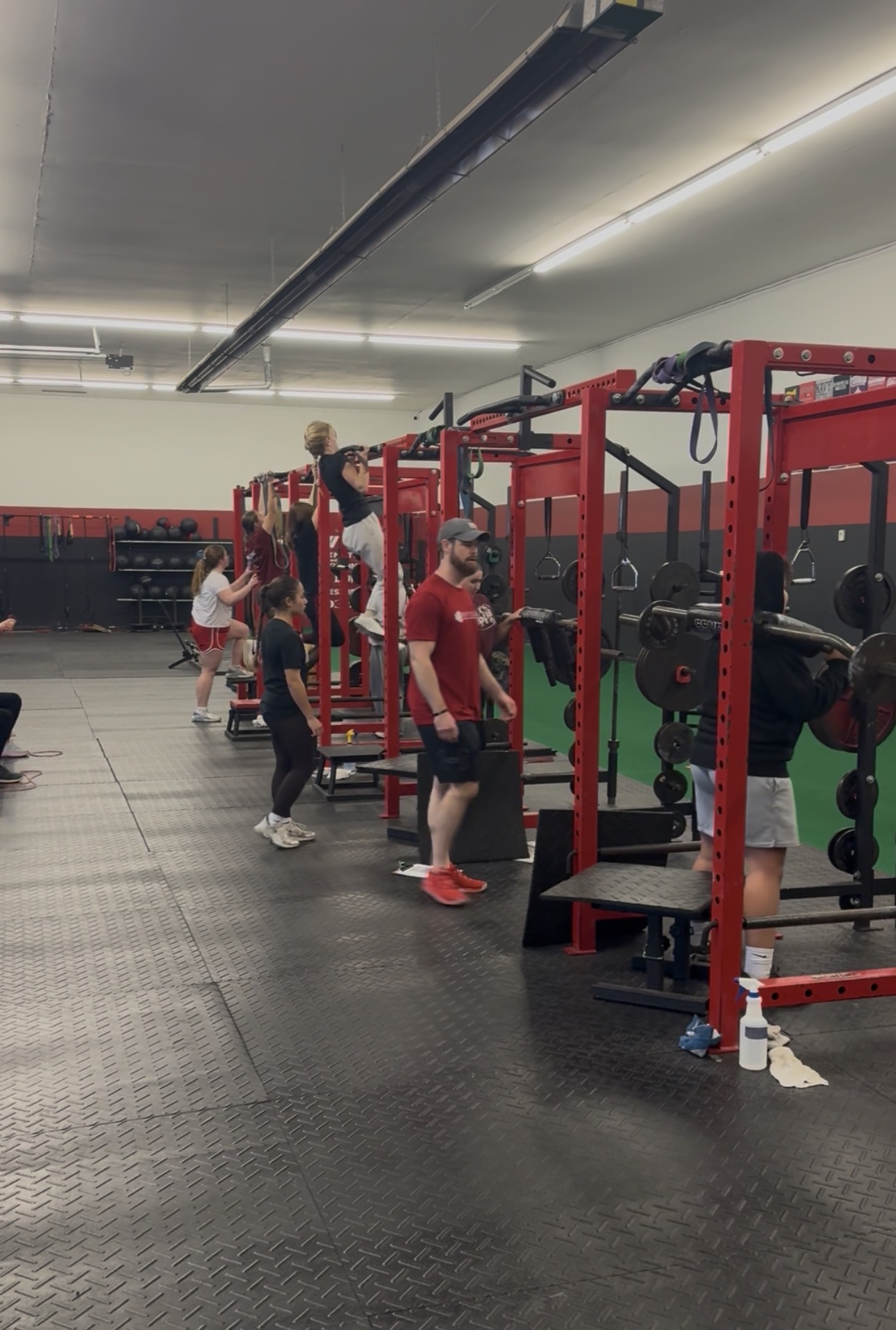
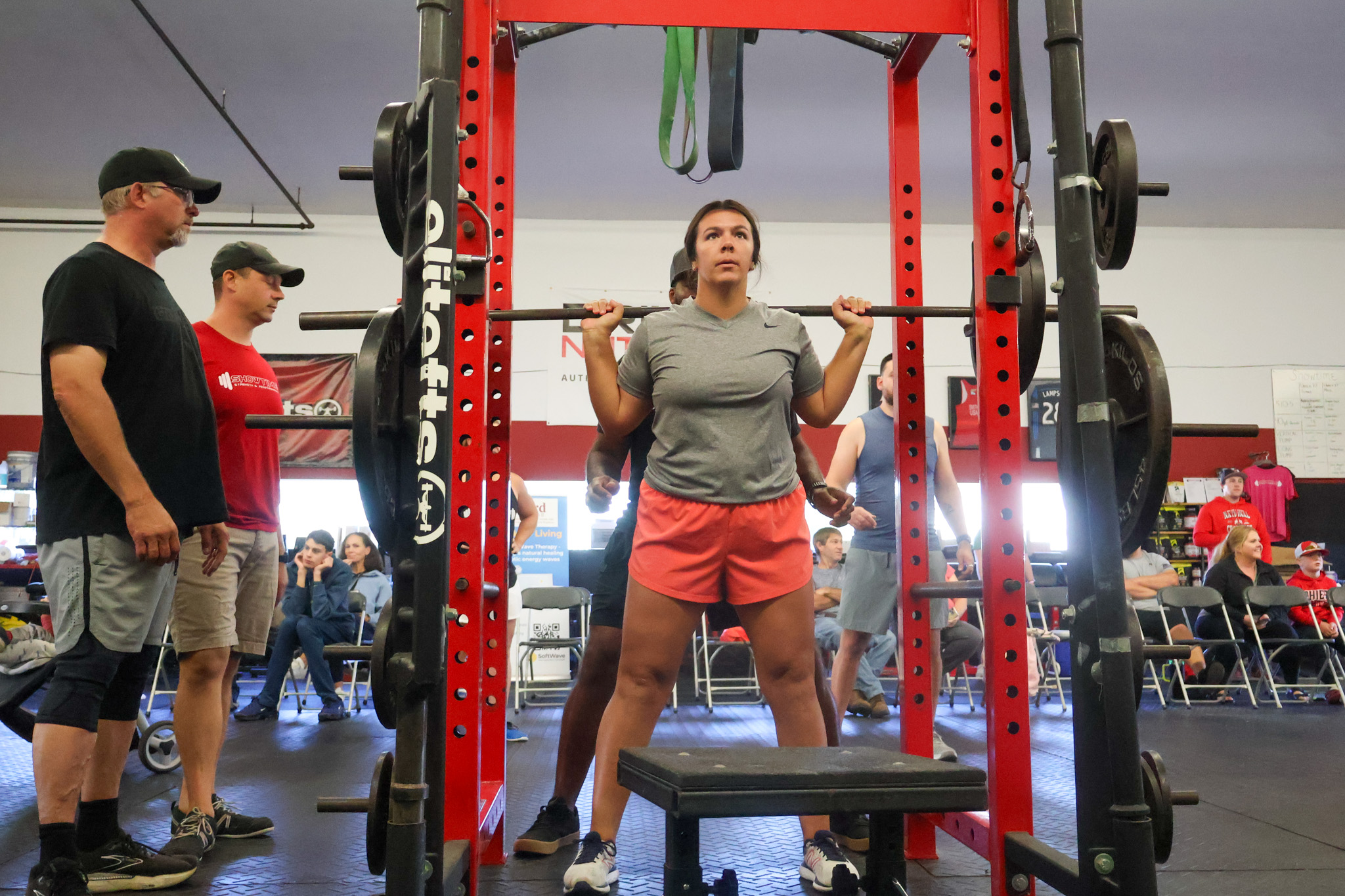
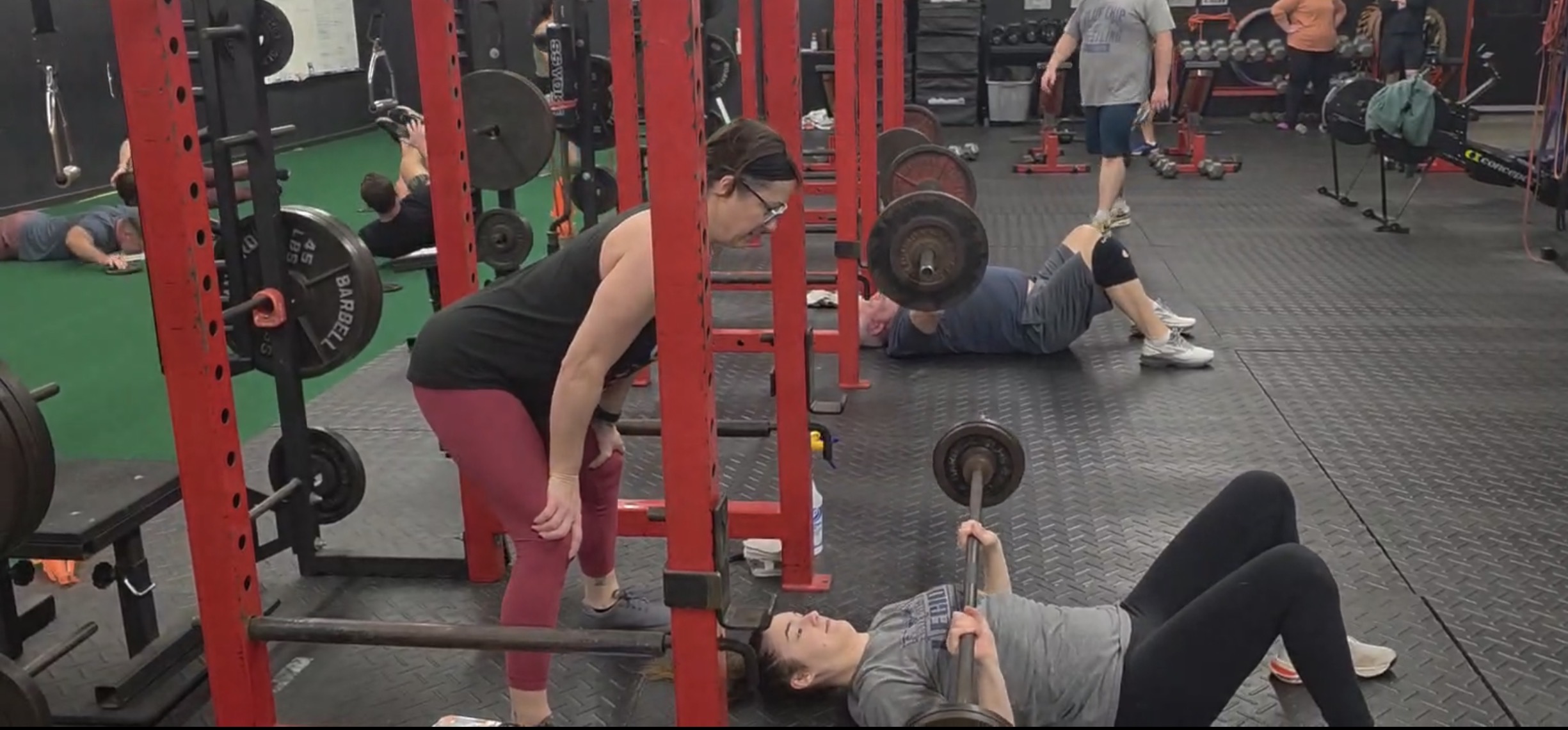
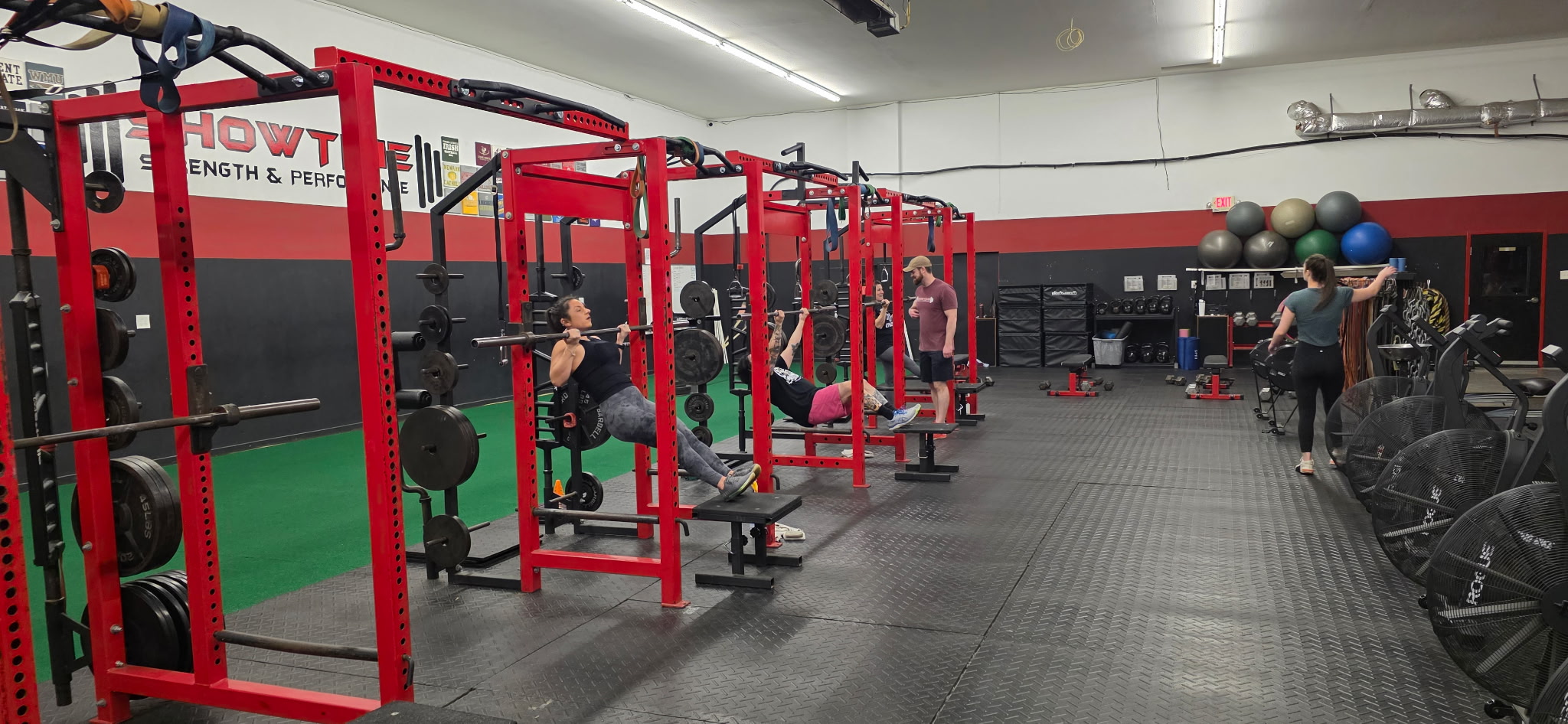
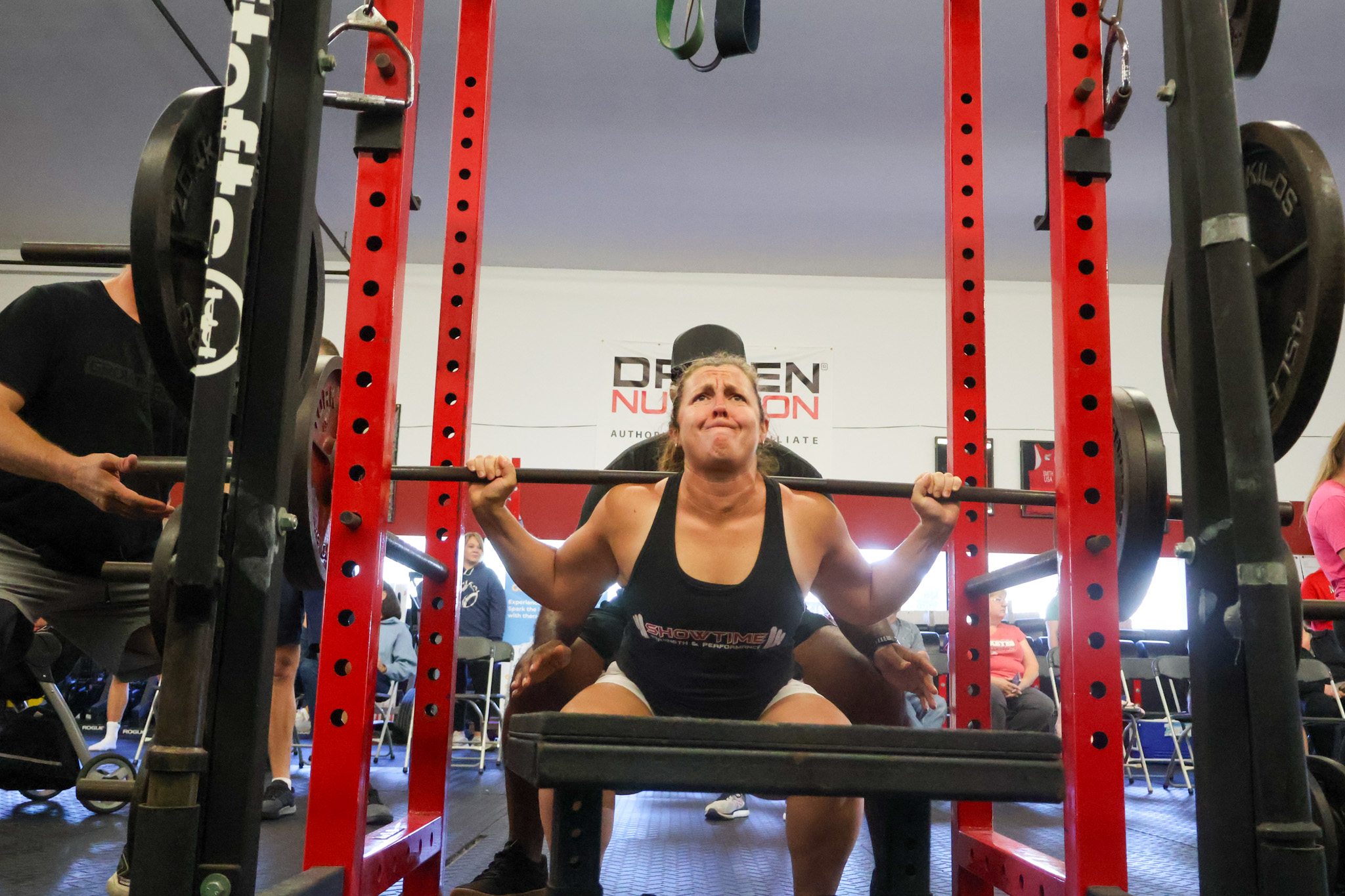
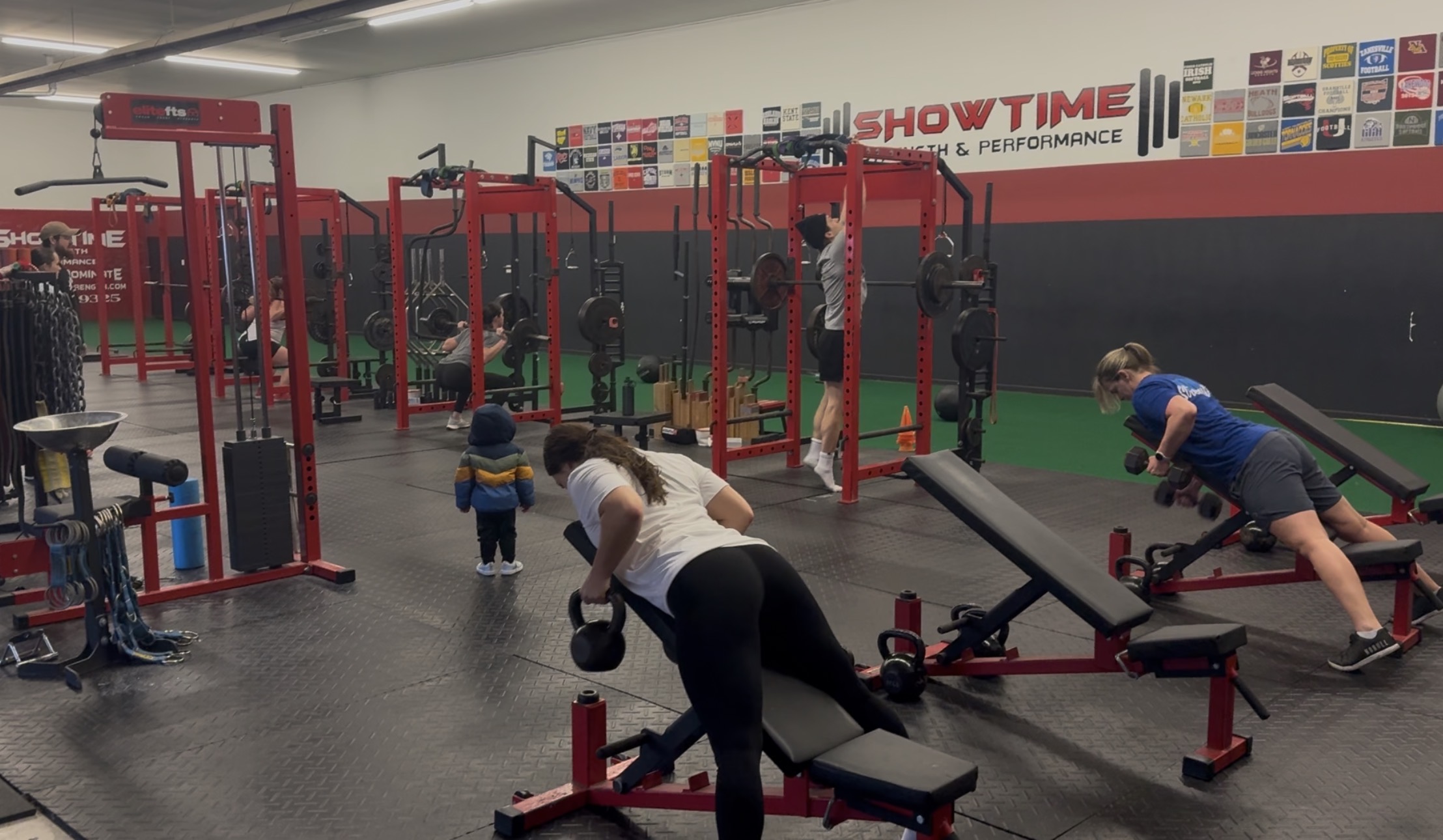
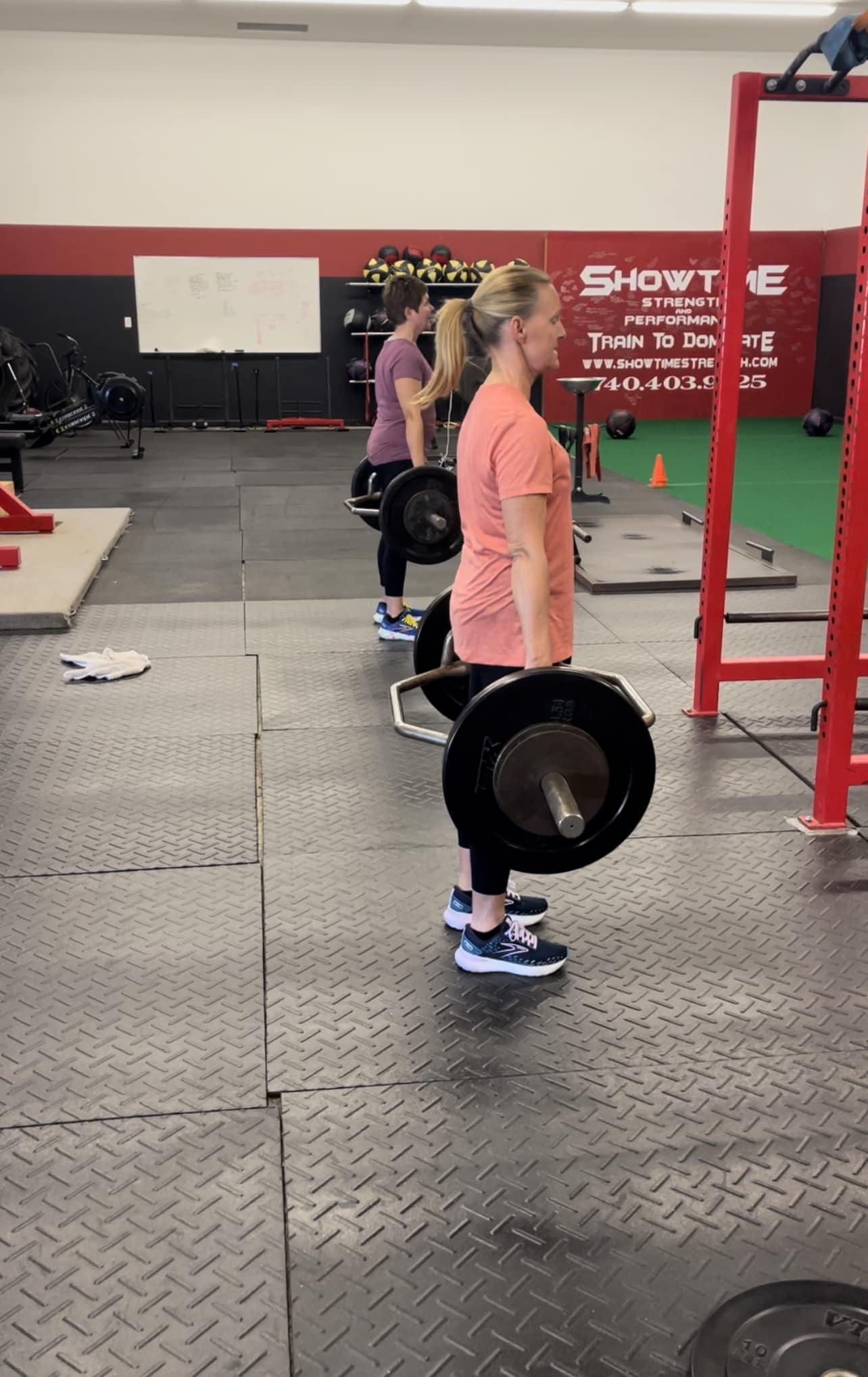
Our adults at Showtime use a lot of exercises you would commonly see in a high school or college weight room, but we don’t force anyone into an exercise that causes pain. This means we try to work the movement patterns (squat, hinge, push, pull, carry) without loading it in a way that causes pain or discomfort. If squatting with a bar on your back causes lower back or should issues, we create alternative exercise to elicit the responses without the stress. There’s an old saying “what got you here won’t get you there” and it applies here. If benching with a barbell caused shoulder pain, we either need alternative exercises or overhaul technique. The truth is it’s usually a combination of both. Then there comes to the loading of each exercise. Not every lift should be max effort and as we get older, the risks from missing a lift far exceed the benefit of maybe making a lift. A missed lift is harder for your body to recover from and when technique goes out the window we use the path of the least resistance to complete the rep. This tactic isn’t always joint friendly. If you’re questioning whether you should add weight or not, the answer is no.
Problem 2 - Swapping Intensity for Consistency
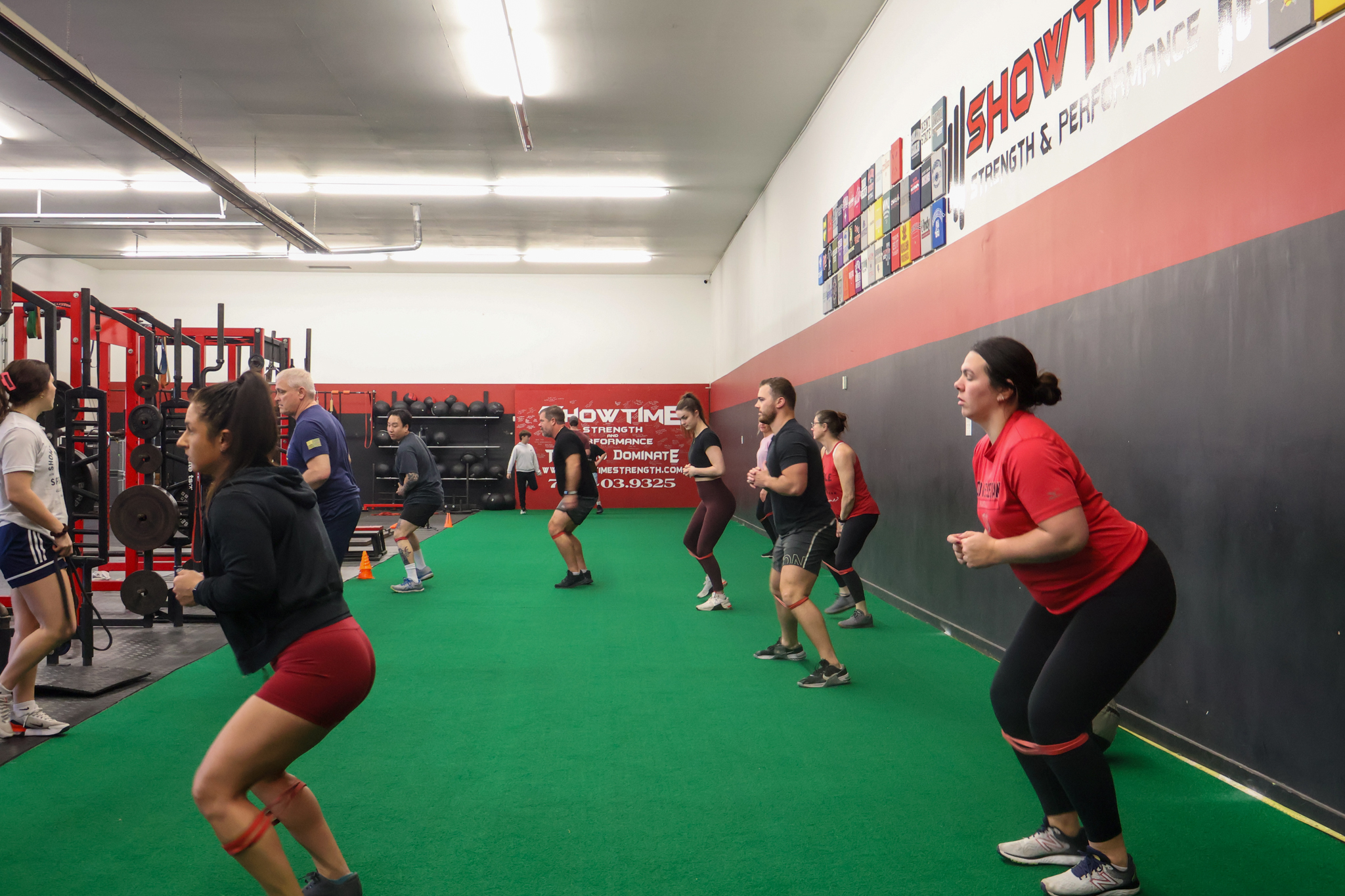
Most sports have periods of increased intensity to help prepare for the season or a big tournament run. This works in sports where the sport is front and center on the priority list. It doesn’t work when your newborn was up every 45 minutes and you have a 10 hour work day ahead of you. Your training plan should vary intensity at different times, but we can’t run redline at all times. Being smart about how and when we raise intensity will give us better results, lower our frustrations, and reduce risk of injury in the weight room. This is similar to the appeal with things like 75 Hard or Carnivore diet, it raises intensity and focus but we don’t establish balance habits that are sustainable for the long term. We run our main lifts on a four week rotation and I like to see our adults push their intensity one to 2 two weeks out of every eight weeks.This gives us room to build a base and doesn’t place extra stress on the training. Intensity is an amazing lever to pull when the time is right, but consistency is a super power for the long haul.
Problem 3 - Adjusting for Seasons of Life
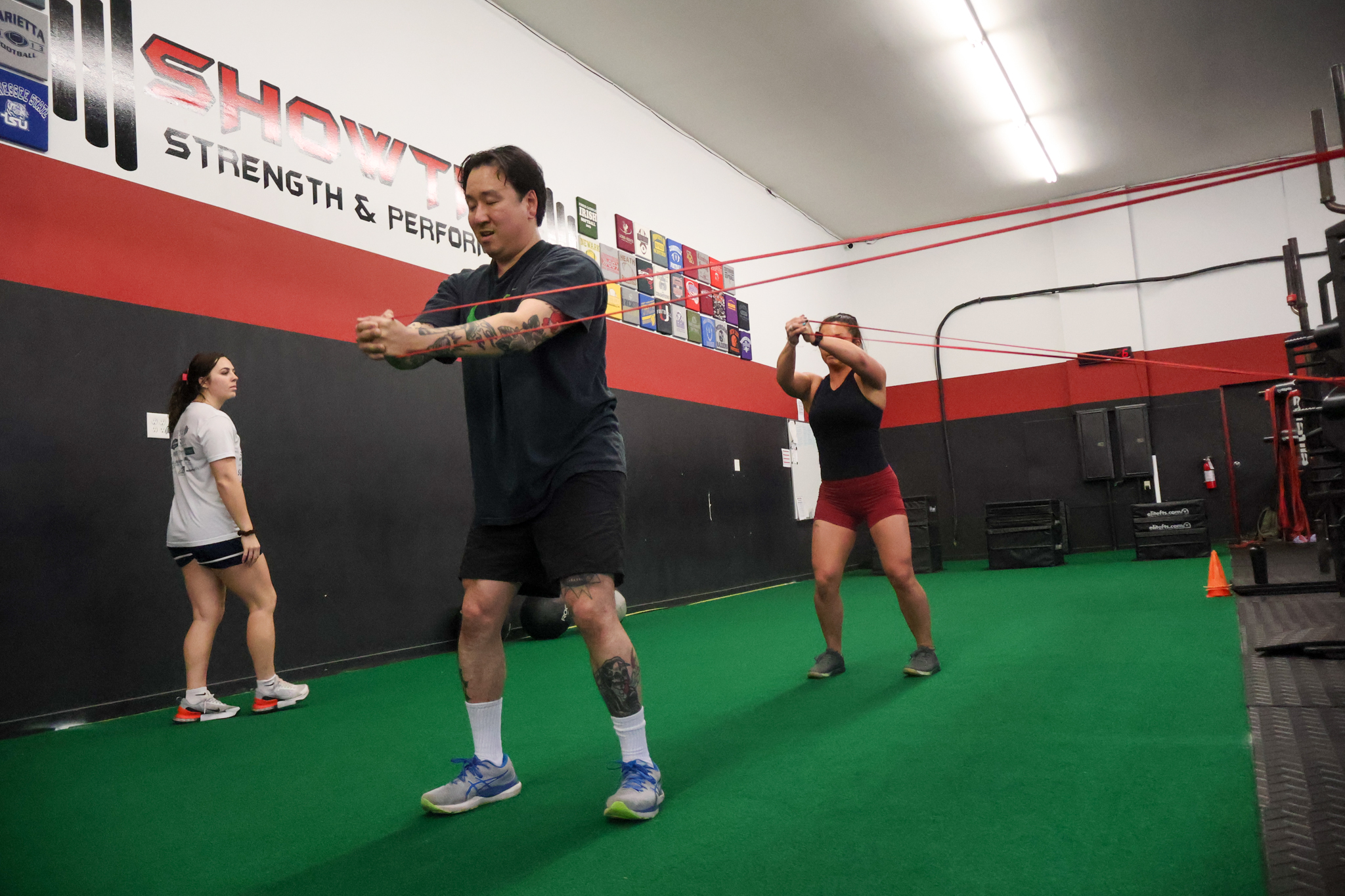
Tommy Kono was an American weightlifter winning gold in the 1952 and 1956 Olympics. He was also a bodybuilder with many titles. He was a big proponent of having a different focus with your training at each season of the year. This meant part of the year would be spent building muscle, part of the year building strength using the power lifts, part of the year focused on the olympic lifts, then part of the year for having fun or trying new things. This is how you build mental and physical longevity for training. We can’t be focused on the same goal year round and we need to match our training and nutrition efforts to the reality of our life. If you think peak performance will come at the same time you have a new born.. well good luck. That time might be better for 30 minute bodyweight and resistance band workouts that max effort training. On the flip side, if you spend 5 years doing easy body weight workouts and wonder where your muscles went.. you spent too long in one season.
Athletes have all the tools to create healthy lifelong habits if they understand how to shift them into other phases of life. For many this is difficult when the structure around sports goes away. Working with our athletes into their adult life has been the best part of opening Showtime that I never expected. The former athletes don’t have to be washed up or feel beat up because of a sport they stopped playing 10 years ago, they just need some coaching to help shift their focus and see the long term progress they want.






.png)













%20copy.jpeg)







.jpeg)


%20copy%202.jpeg)


