Core Training Beyond Crunches: What Adults Actually Need
Upgrade From The Crunch-And-Burn Mindset
By
August 22, 2026
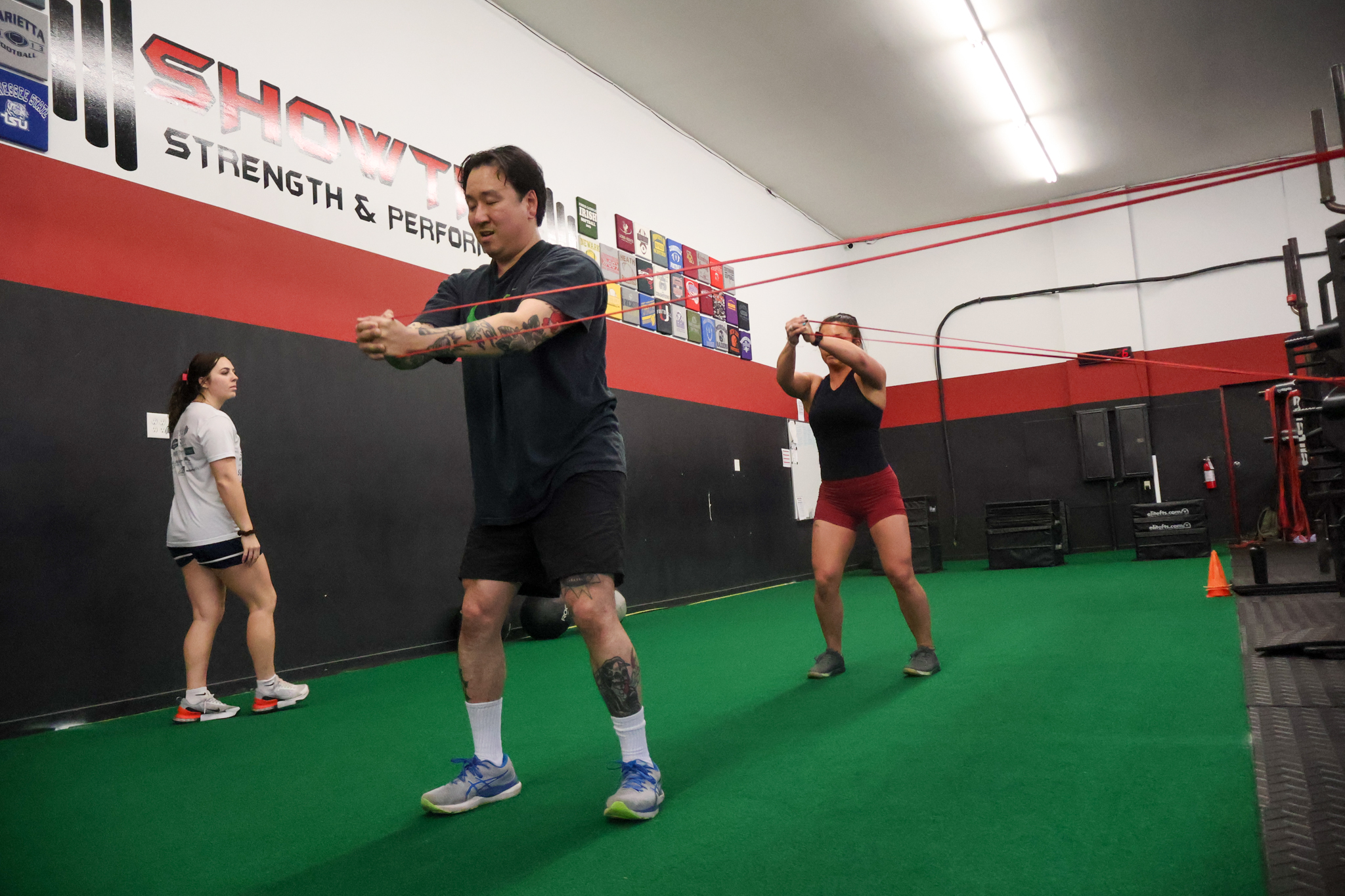

When most people hear “core training,” they still think of crunches, sit-ups, and maybe some planks if they’ve been around the fitness world long enough. If you’re an adult trying to get stronger, move better, and feel better, that’s not the full picture.
Your core does a lot more than help you do ab exercises.
It helps you:
• Stand tall
• Brace under load
• Protect your spine
• Carry groceries
• Lift kids
• Rotate safely
• Transfer force between your upper and lower body
• Stay stable during real-life movement
In other words, your core is not just for the gym mirror. It’s for life.
What the core actually does:
The core is about more than just the front of your stomach.
It includes:
• Abs
• Obliques
• Lower back
• Deep stabilizers
• Hips and pelvis working together
The main job of your core is not to bend over and over again. It is designed to stabilize and transfer. That means resisting movement when needed, controlling movement when needed, and creating force when needed.
Why crunches alone aren’t enough:
Crunches aren’t evil. But they’re limited.
Most adults need core training that teaches the body to do real-world jobs:
• Resist extension
• Resist rotation
• Resist side-bending
• Transfer force from the ground up
• Hold position under load
If your only core training is flexion-based work like crunches, you’re missing a big part of what the core is supposed to do.
What adults should focus on instead:
A smarter core training approach includes exercises like:
• Planks and side planks
• Dead bugs
• Bird dogs
• Pallof presses
• Carries
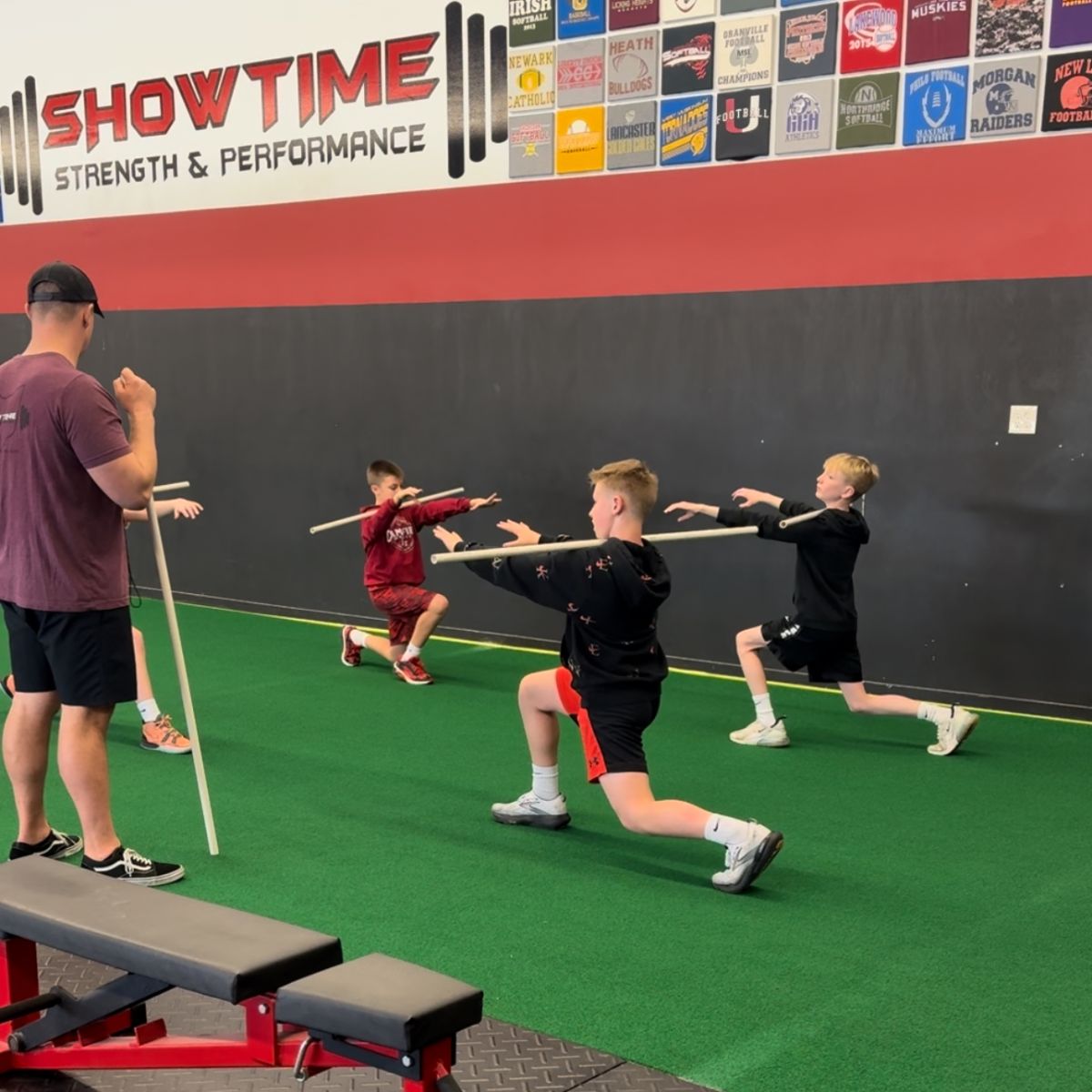
• Split stance holds
• Loaded goblet squats
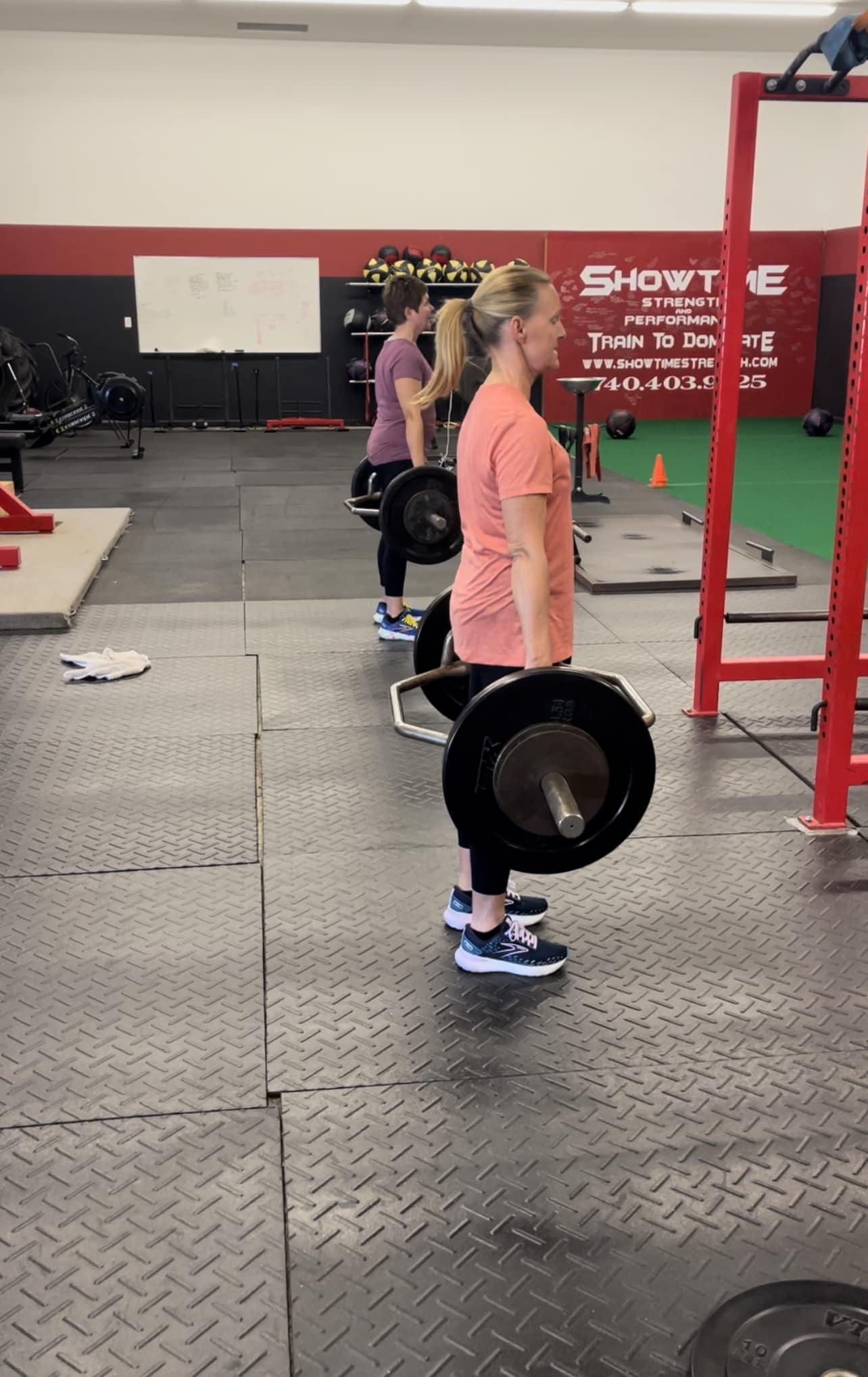
• RDLs and hinges done with good bracing
• Rotational control work
These exercises train the core the way it’s actually used: to keep you strong, stable, and controlled.
Core strength shows up outside the gym:
A strong core helps in places most people don’t think about.
It helps when you:
• Pick something up off the floor
• Reach overhead
• Carry a heavy bag
• Twist without feeling cranked up
• Stay balanced on uneven ground
• Protect your back during everyday tasks
That’s why we care about it so much.
Not because it sounds good in a workout plan, but because it helps people move through life better.
Common mistakes people make with core training:
Here are a few things I see all the time:
1. Doing too much to much too soon
People think core work has to burn to be effective. It doesn’t.
2. Losing position
If you can’t control your ribs, pelvis, and breathing, the exercise isn’t helping as much as it could.
3. Only training abs, not stability
A strong core is more than just visible abs.
4. Ignoring breathing
Breathing and bracing matter more than most people realize.
The goal: a core that works
The goal is not just to “feel” your abs.
The goal is to build a core that:
• Holds position
• Supports movement
• Protects your back
• Improves strength
• Makes daily life easier
That’s the kind of training that carries over.
Final thought
If your core training is still stuck in the crunch-and-burn mindset, it’s time to upgrade it. Train your core to stabilize, support, and transfer force. That’s what adults and athletes actually need.





.png)













%20copy.jpeg)







.jpeg)


%20copy%202.jpeg)


