Tips To Stop Feeling Hungry
Simple Strategies to Override Hunger Signals
By
September 6, 2026


Our bodies are really intelligent at sending us signals to let us know when something is going on. When we feel pain, there are different levels from “I bumped my knee on something” all the way to “Something just tore off the bone”. These have appropriate pain responses attached to them. Our body does similar signaling when we don’t get enough sleep, adequate nutrition, or when we’re carrying too much stress. Whether or not we listen, might be a different story. Many of us have heard someone say they feel “in tune” with their body. This is usually after years of trial, error, and adjustment. Ah, how great of a process that as Americans we want to gloss over in our search for the perfect answer for us right now. Trial is simply taking a hypothesis and applying it for a period of time. Error is when we notice what about each trial didn’t work for us. Then the important part that people love to skip; adjustment. If something doesn’t work, we tend to discard it completely and try something completely new, but best practice is to change one variable at a time so we can properly evaluate effectiveness. When making nutrition changes, one of the most common issues we hear is people feel terribly hungry in between meals leading to them snacking on junk food to fill the void. Here are practical solutions that have helped our clients make big changes over the last few years.
Eat Whole Food Breakfast
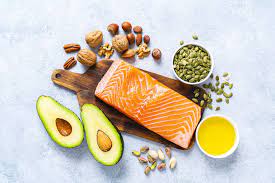
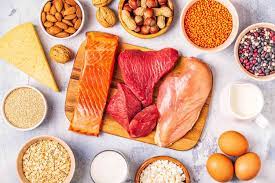
Fasting was all the rage a few years ago, and there is definitely value in fasting at times. What came with it was people wanting to skip meals all the time to avoid having to make nutritional decisions. For many people, skipping breakfast can make it nearly impossible to hit a daily protein target to support body composition or strength training goals. Here is why a whole food breakfast is great for avoiding the hunger pangs throughout the day. After sleeping 7-9 hours, your body naturally wants nutrition to replenish and fuel for the upcoming tasks. By having 1-2 palm-size servings of protein, we help with satiety and, according to the Protein Theory, reduce our chances of snacking to try to meet our protein needs for the day. It’s been my experience that whole foods are superior to a shake to start the day because no shake can match the full nutritional spectrum of a whole food meal with ample protein, carbohydrates, and healthy fat.
Increase Fiber
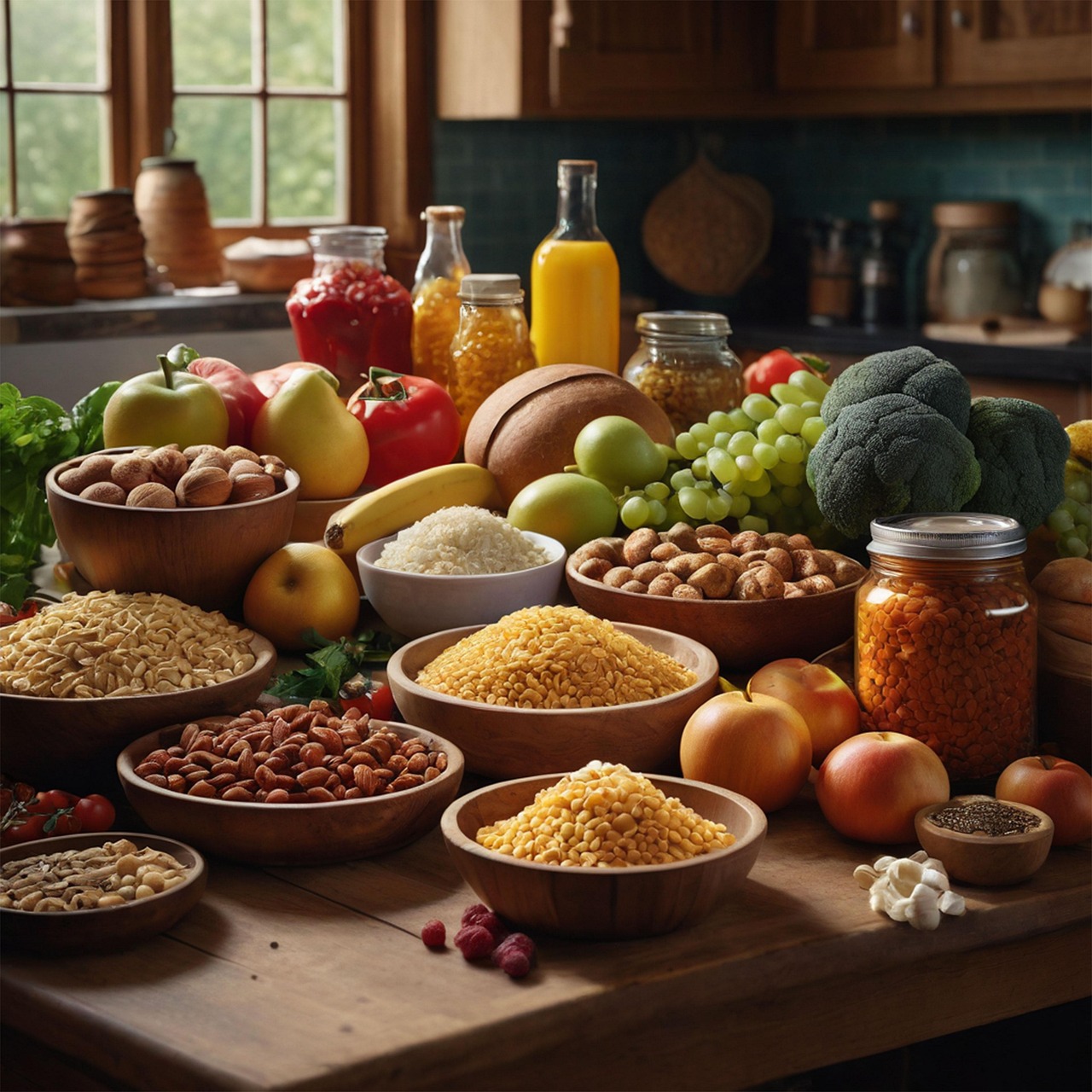
Approximately 95% of Americans fail to meet recommended fiber intake guidelines. Fiber is important because it lowers the risk of heart disease, type 2 diabetes, and certain cancers, feeds beneficial gut microbiome bacteria, and slows digestion to help regulate blood sugar and enhance feelings of fullness. Here are the recommended amounts for daily fiber intake:
Women under 50: 25 grams per day
Women over 50: 21 grams per day
Men under 50: 38 grams per day
Men over 50: 30 grams per day
Fiber-packed foods:
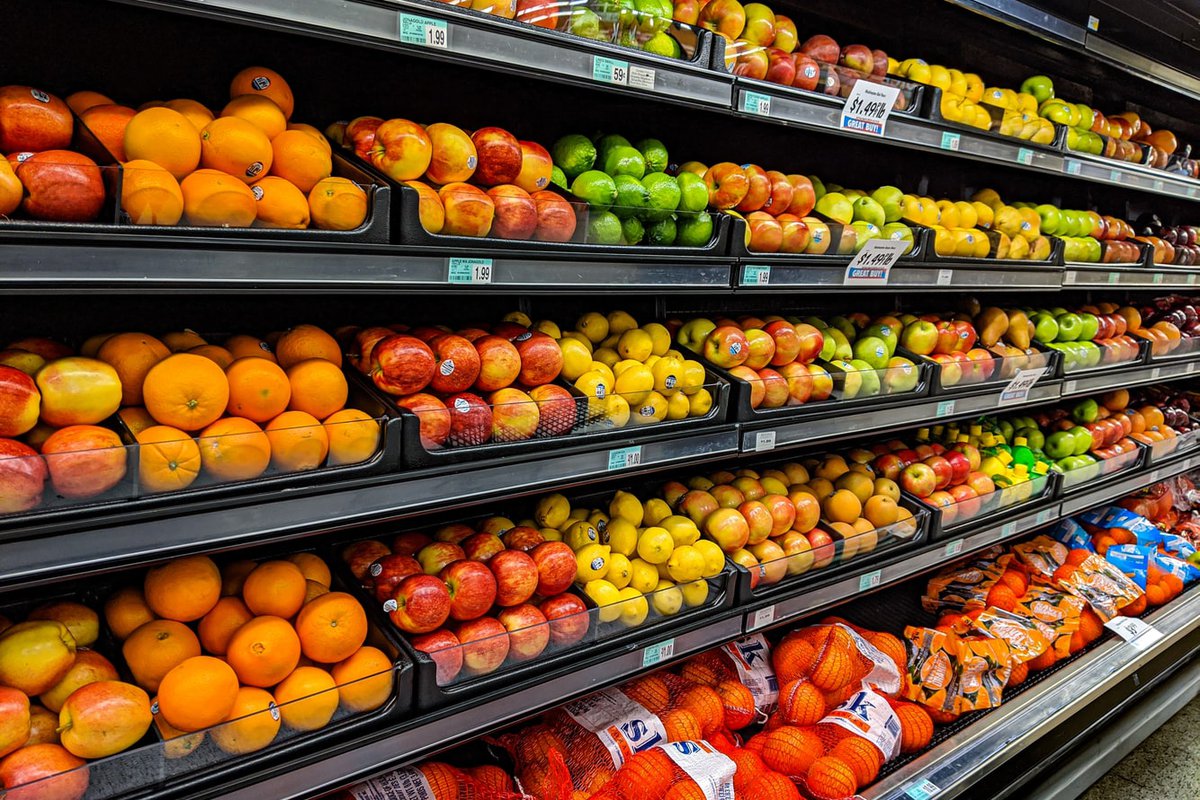
Raspberries and Blackberries
Oats
Leafy green vegetables
Beans
Whole grain pasta and brown rice
Lentils
Increasing fiber will help you feel fuller for a longer period of time while helping with digestion. This has been one of the biggest missing links we’ve seen in nutritional logs, and when the change is made, its impact is similar to when people increase protein intake.
Schedule Eating
The more scheduled our eating can become, the more our body can develop a rhythm for digestion, rest, and intake. When we use a grazing eating schedule, our body becomes used to having food always available. There’s no demand to eat a full meal because it’s expected to always be available. This leads to our digestive system never getting a chance to relax, which can stress our entire system. As adults, if we can stick to a fairly scheduled rest and feeding schedule, our body will create a rhythm which will help to alleviate things like in-between snack desires and energy dumps. This isn’t an exciting tactic, but carries a high effectiveness rate.
Less “Health” Food
Protein bars, health snacks, and on-the-go health foods can be a better last resort, but many fail to provide the real nutrition we need. Even if something has a decent amount of protein, it probably lacks other macro and micronutrients needed to make it an optimal nutrition choice. One of the most common problems we see in nutrition is people loading up on “healthy snacks” but failing to eat things like vegetables and fruits. No packaged food item will compare to the benefits of a lean protein, complex carbohydrate, and healthy fat meal.
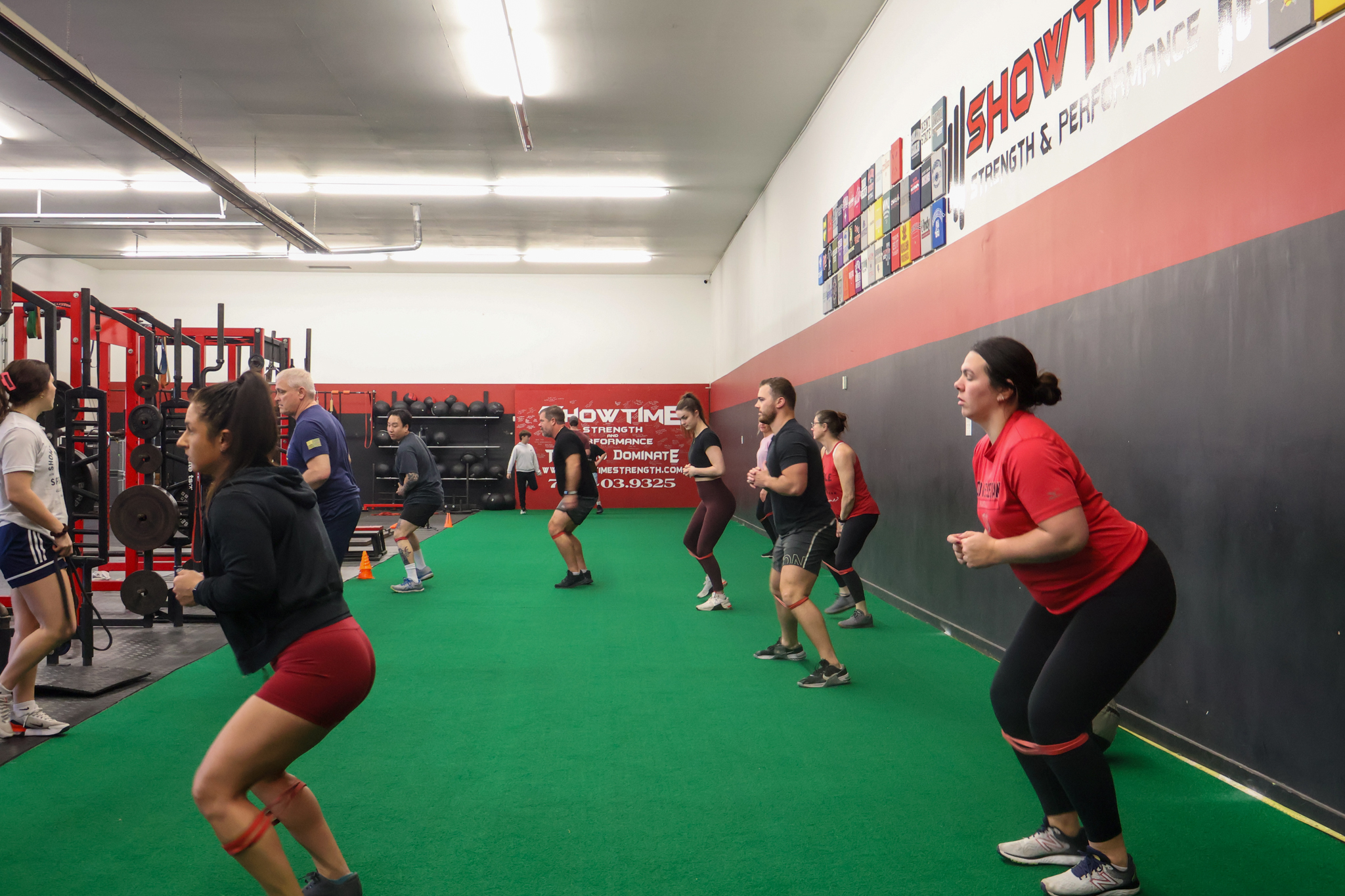
It’s important to note that we should also note if our hunger signal is actual hunger or boredom. In the last decade, working from home has risen dramatically, and many people have noted that they gained weight once starting because food is always nearby. Sometimes we can override hunger signals with doing low-intensity exercise like a walk or bodyweight squats or simply drinking a glass of water. For many people, it is very easy to consume an extra 500 calories from just casual snacking between meals. If done over the span of a week, this can account for a pound of bodyweight not lost. If you need help figuring how to improve body composition, but struggle with feeling hungry all the time, book a no-sweat intro to meet with one of our coaches to establish a nutrition plan that is better suited for your life and your goals.






.png)











%20copy.jpeg)







.jpeg)


%20copy%202.jpeg)


