Why You’re Eating In a Caloric Deficit But The Scale Is Not Moving
Fat Loss And Scale Weight Are Not Always The Same Thing.
By
October 3, 2026


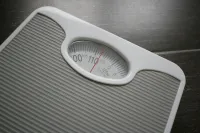
You’ve reduced your food intake, chosen healthier meals, and stayed consistent, but the number on the scale refuses to change. It can feel confusing and discouraging, especially when you believe you’re eating in a calorie deficit. The truth is that fat loss and scale weight are not always the same thing. Your body weight can fluctuate for many reasons, and sometimes fat loss is temporarily hidden by changes in water, digestion, hormones, or muscle.
Here’s why the scale may not be moving—and what you can do about it.
1. The calorie deficit may be smaller than you think.
A calorie deficit occurs when you consume fewer calories than your body uses. However, estimating both sides of that equation can be difficult. Research has shown that people underestimate their caloric intake by 12-40%.
Common sources of underestimating calories include:
Even a few untracked items each day can reduce or eliminate the expected deficit. This does not mean you are dishonest or careless. Calorie tracking is simply an imperfect process. Food labels can also be inaccurate, and portion sizes are often larger than expected.
What to do:
Try weighing calorie-dense foods for a few weeks, including:
You do not have to track perfectly forever. A short period of greater accuracy can help you understand your actual intake.
2. Water retention can hide fat loss.
The scale measures more than body fat. It also reflects:
Water weight can change significantly from day to day. You may be losing fat while retaining enough water to keep your scale weight stable.
Water retention can increase because of:
For example, starting a new strength-training program can cause temporary inflammation and water retention as your muscles recover. The scale might stay the same or even rise despite progress.
3. Inconsistent Weigh-In Times
Your body weight naturally changes throughout the day. It can be several pounds higher after eating and drinking than it is first thing in the morning.
For more reliable measurements, weigh yourself:
One weigh-in tells you very little. A trend across several weeks is much more useful.
Use weekly averages
Instead of focusing on a single number, weigh yourself regularly and calculate your weekly average. Then compare that average with previous weeks. This helps separate genuine changes in body weight from normal daily fluctuations.
4. Your body may be burning fewer calories than expected
As you lose weight, your body generally requires fewer calories to maintain itself. A smaller body uses less energy for movement and basic functions.
You may also unconsciously move less when dieting. This can include:
This decrease in daily activity is sometimes called adaptive thermogenesis or reduced non-exercise activity. It does not mean your metabolism is “broken,” but it can make your original calorie target less effective over time.
What to do
Rather than immediately cutting food very low, consider:
Small adjustments are usually more sustainable than drastic changes.
5. You may be gaining muscle while losing fat.
If you are strength training, especially if you are new to it, you may gain muscle while losing body fat. Muscle gain can offset some of the weight lost from fat.
In this situation, the scale may not change much, but you might notice:
This is known as body recomposition. It can be slower than traditional weight loss, but it may produce meaningful changes in how you look and feel. For this reason, do not rely on the scale alone. Track waist and hip measurements, progress photos, clothing fit, and gym performance as well.
6. You may have recently increased carbohydrates.
Carbohydrates are stored in the body as glycogen, primarily in the muscles and liver. Glycogen holds water, so eating more carbohydrates can temporarily increase body weight even when calorie intake remains appropriate.
This is not fat gain.
Similarly, a sudden reduction in carbohydrates can cause rapid initial weight loss because glycogen and associated water decrease. Later, weight loss may appear to slow down even though fat loss is continuing at a more realistic pace.
7. Hormonal changes can affect the scale.
Hormonal fluctuations can cause temporary changes in water retention, appetite, digestion, and body weight.
Many people notice weight increases or plateaus:
These changes may last several days or longer. It is often more useful to compare body weight during similar phases of your cycle rather than comparing random days.
8. Constipation and digestive contents matter.
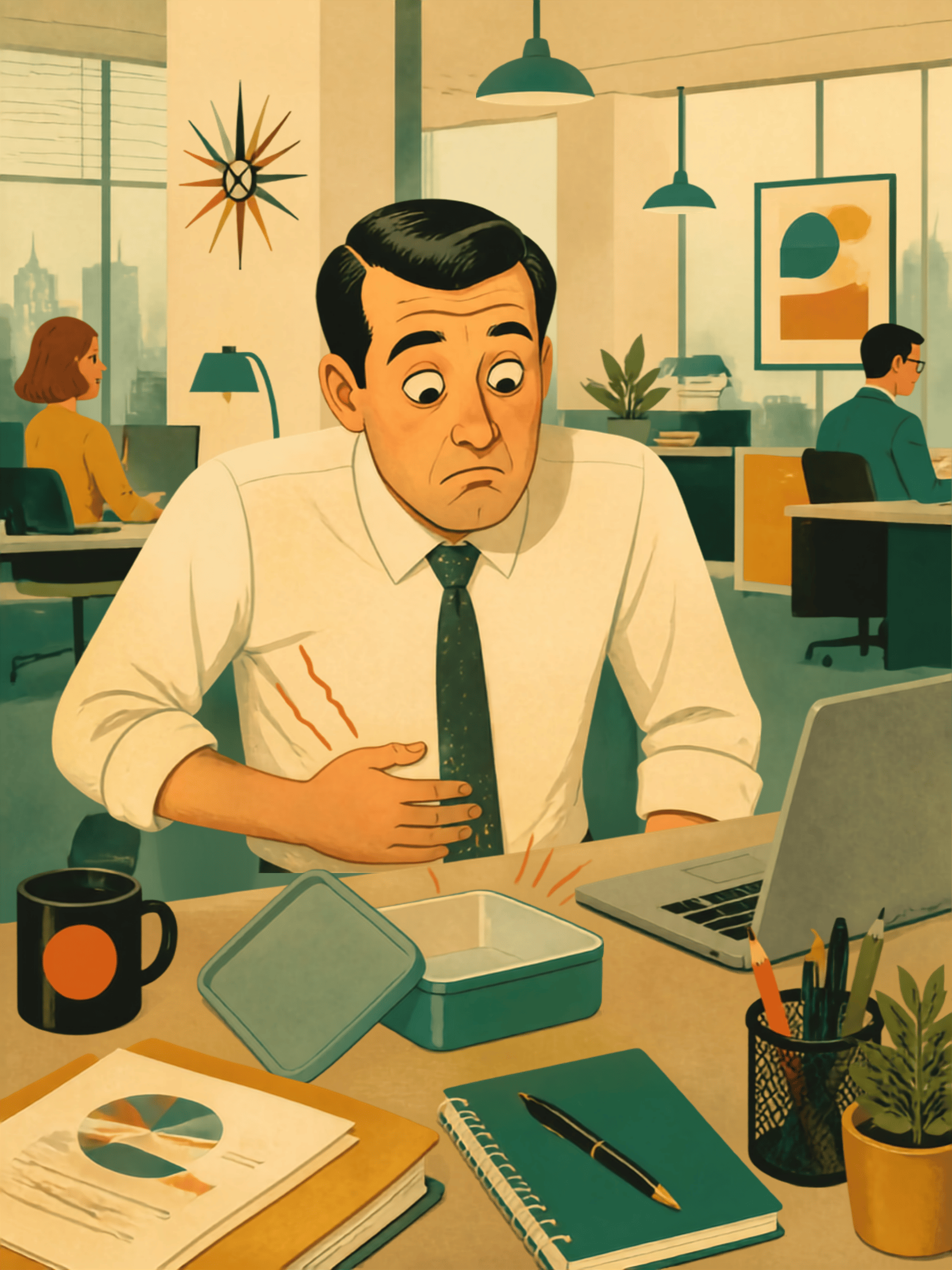
The scale includes everything currently inside your digestive system. If you are constipated or eating more fiber than usual, your body may temporarily hold more food waste and water.
Factors that can contribute include:
Gradually increase fiber, drink enough water, and maintain regular movement. If constipation is persistent, painful, or accompanied by other symptoms, seek medical advice.
9. You may not have waited long enough.
Fat loss rarely happens in a perfectly straight line. You may lose weight one week, maintain it the next, and then see a larger drop later.
A short plateau of one or two weeks is usually not a true problem. It may simply reflect normal water fluctuations.
Before changing your plan, ask:
A true plateau is generally better assessed over several weeks, not a handful of weigh-ins.
10. “Eating less” does not always mean eating below maintenance.
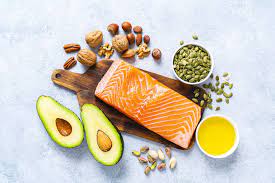
A diet can feel restrictive and still not create a consistent calorie deficit. Foods that are nutritious can also be calorie-dense. For example:
Healthy eating and calorie reduction are related, but they are not identical. Weight loss depends primarily on sustained energy balance, while food quality affects health, fullness, nutrition, and performance. The goal is not to avoid nutritious foods. Instead, pay attention to portions and choose meals that provide plenty of protein, fiber, and volume.
11. Medical conditions and medications may play a role.
Sometimes a lack of weight change is not simply a tracking issue. Certain medical conditions and medications can affect body weight, appetite, fluid retention, or metabolism.
Examples may include:
If your weight has changed unexpectedly, or you are experiencing symptoms such as unusual fatigue, significant hair loss, irregular periods, excessive thirst, or rapid unexplained gain, speak with a qualified healthcare professional.
How to respond when the scale is stuck
Before making major changes, use this practical checklist:
In Closing
If you are eating in a genuine calorie deficit, your body will eventually use stored energy, but the scale may not show that progress immediately. Temporary water retention, digestion, hormonal fluctuations, muscle gain, tracking errors, and changes in daily activity can all disguise fat loss. Instead of judging your progress by one weigh-in, look at trends over time and use multiple measurements of success. A plateau does not automatically mean your effort is failing. Often, it means you need more time, more consistent data, or a small adjustment, but not a drastic restriction.










.png)




















%20copy.jpeg)









.jpeg)


%20copy%202.jpeg)


