Training vs. Testing
Time and Consistency Will Reward Your Efforts
By
September 19, 2026
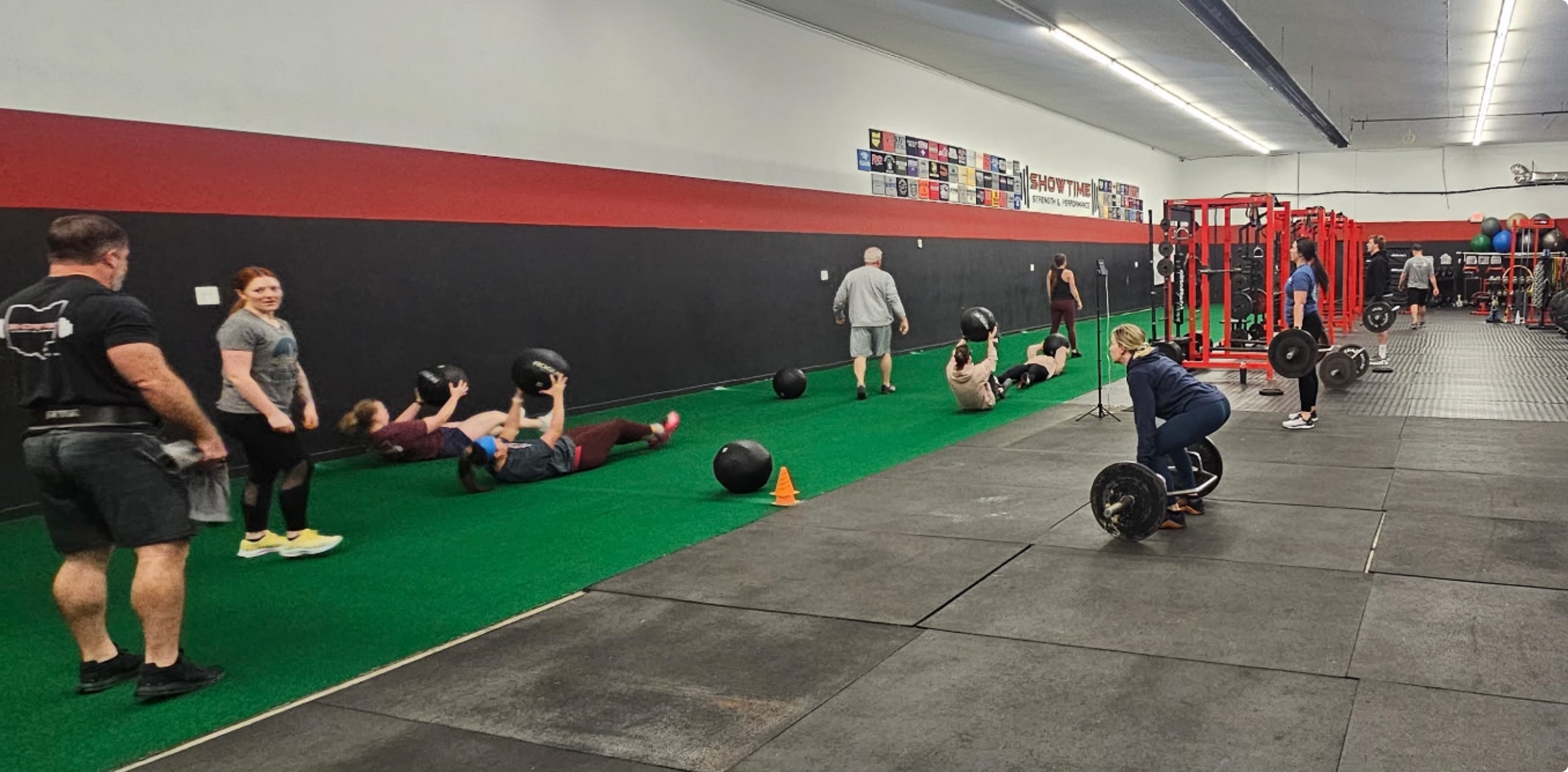

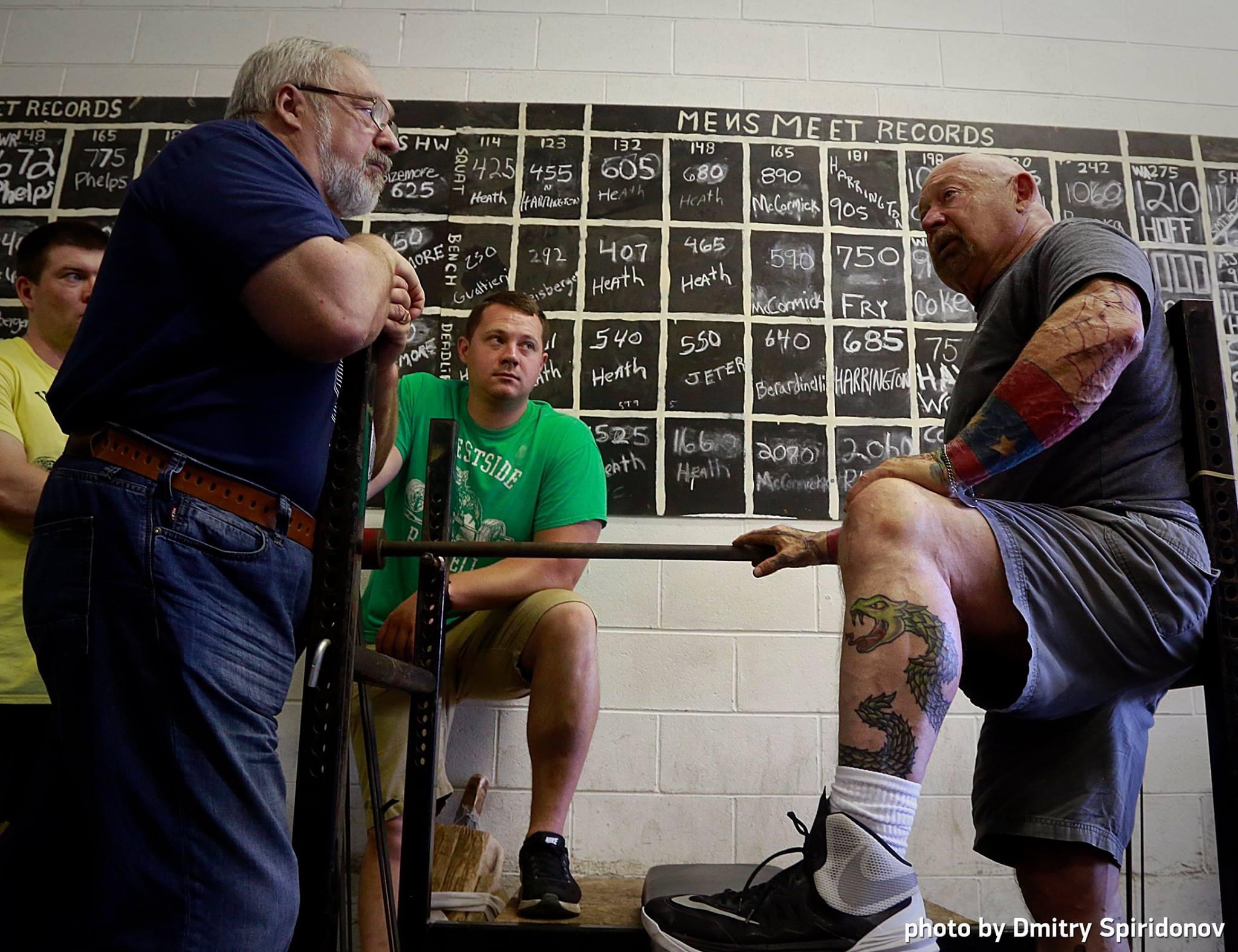
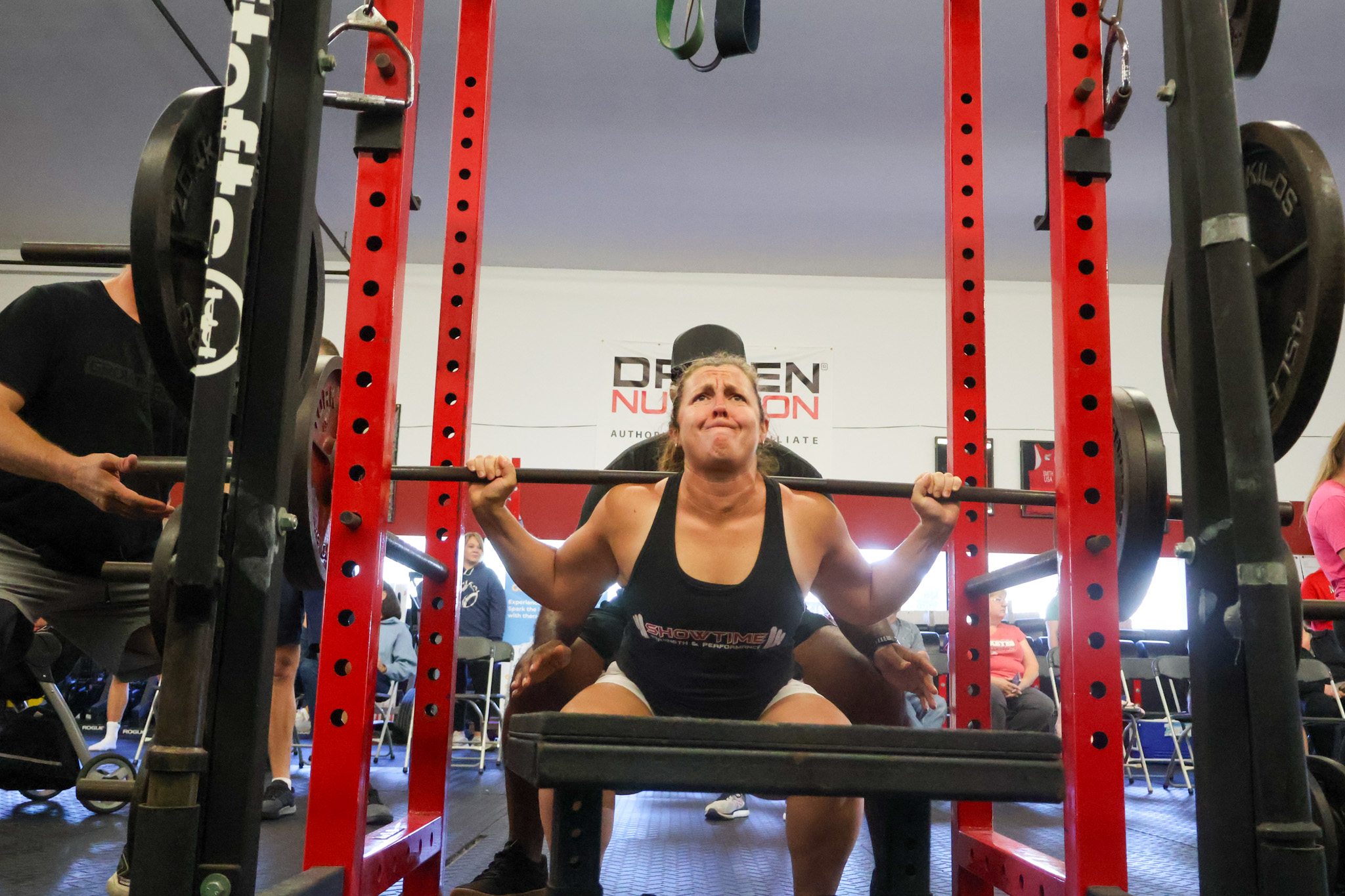
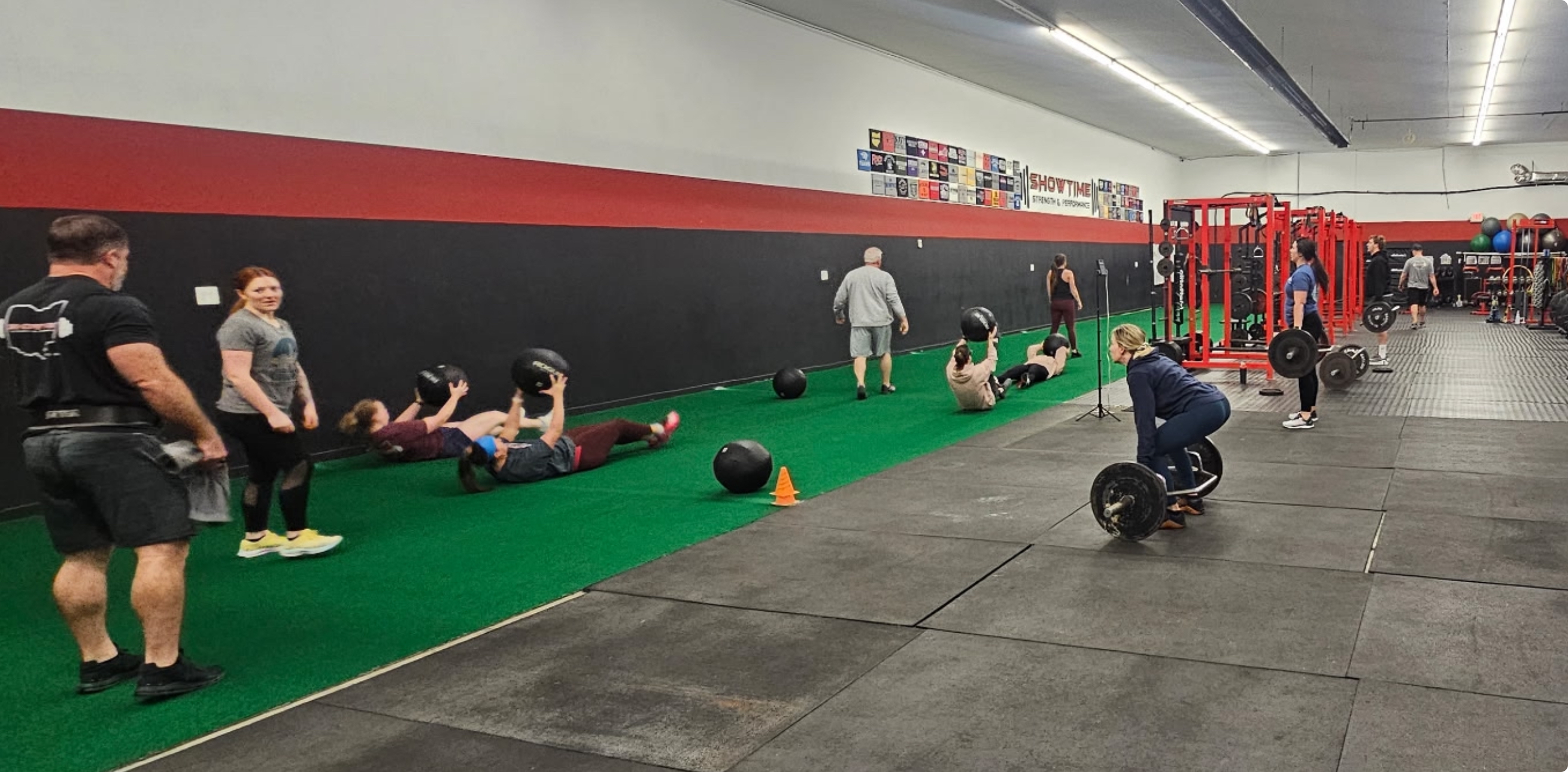
The college football season is only a few weeks, which means if you’re a strength coach, you’ve probably seen most major college programs’ strength training highlight reels from the summer. The big lifts, complex movements, and competitive environments that leave most of us in awe while we descend into the bottom of the bag of potato chips. These videos are nice because they do shine light on the role of strength and conditioning in sports performance, but they often blur what most training should actually look like. This leaves the average 40-year-old guy feeling like if he’s not crawling out of the weight room each session, what’s the point? When I was competing in powerlifting, Louie Simmons of Westside Barbell would frequently remind me that training should be hard, and the competitions should be easy. Luckily for me, it only took me around 5 years to begin to grasp what he meant. This didn’t mean we needed to lift heavier in training (practice); it meant we needed to have a faster pace or train less favorable movements so that when we went to the competition (game), we were able to lift the heaviest weights possible because we removed all of the difficulties we had in training. This is something we’ve really brought into play at Showtime the last couple of years, and it has shocked both our youth athletes and adults. Let’s look at how a subtle difference can compound into drastically different results for your efforts.
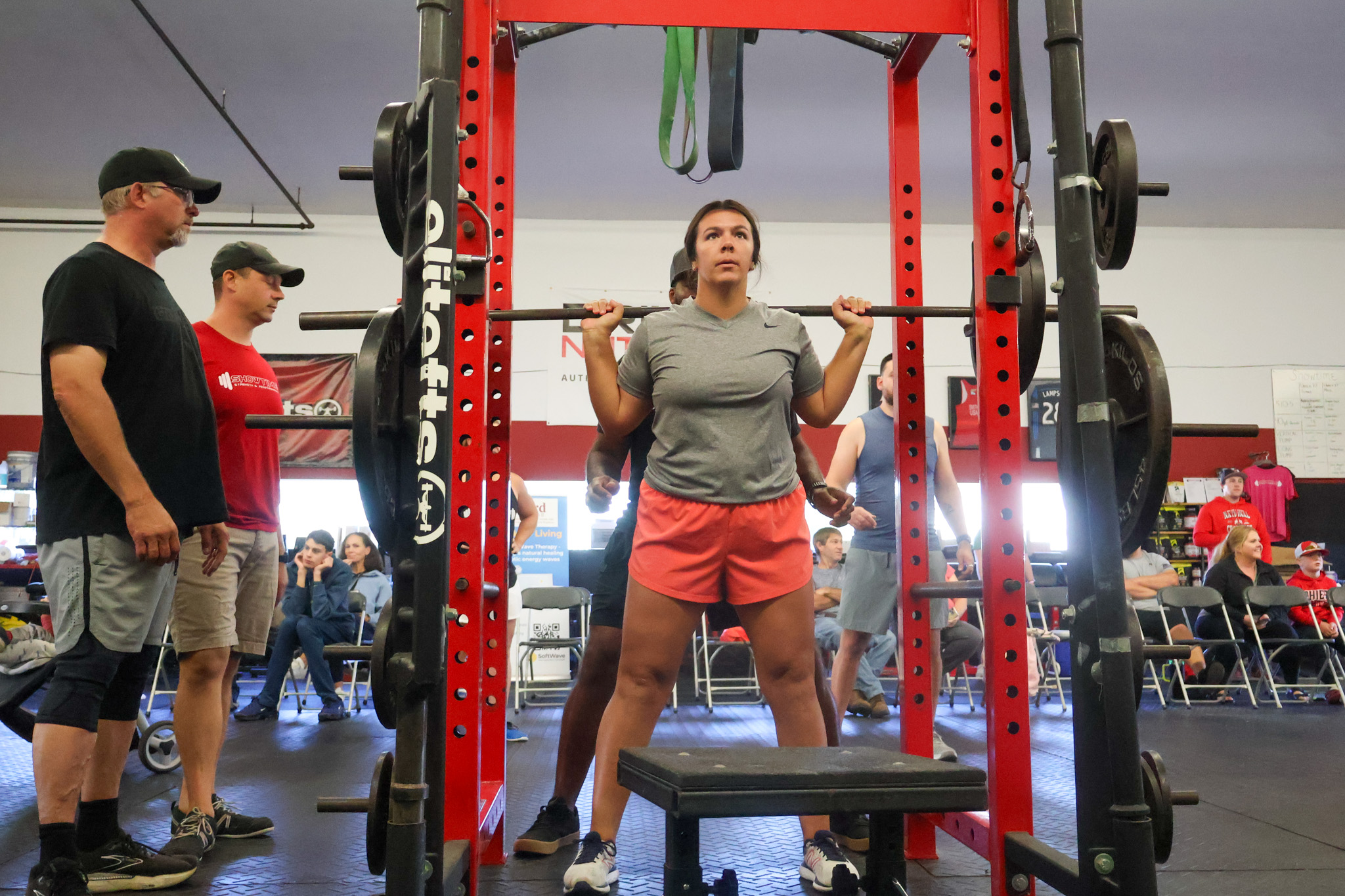
As referenced earlier, training is like a practice. You’re building on skill sets, and by using time and consistency, we can see the reward of our efforts. Most training shouldn’t be highlight reel material. In fact, like many endeavors in life, it’s the really boring stuff that everyone knows they should do, but many don’t because it doesn’t seem novel enough for them specifically. Testing is like the games. This is when you want to hit a new record on a lift, run a faster time in your 5k race, whatever it might be. This is where we’re able to see if the ideas we had for training worked or not. I still believe that even for regular people that work normal jobs, there should be a couple of times each year where you test yourself physically. This should be calculated and probably with someone else to give an outside opinion. This allows us to spend most of the year training to build our capacity to test ourselves safely. If we spend too much time testing (maxing out or very hard conditioning challenges), then that is time we’re not building and also time that we have to allot for recovery.
Balance
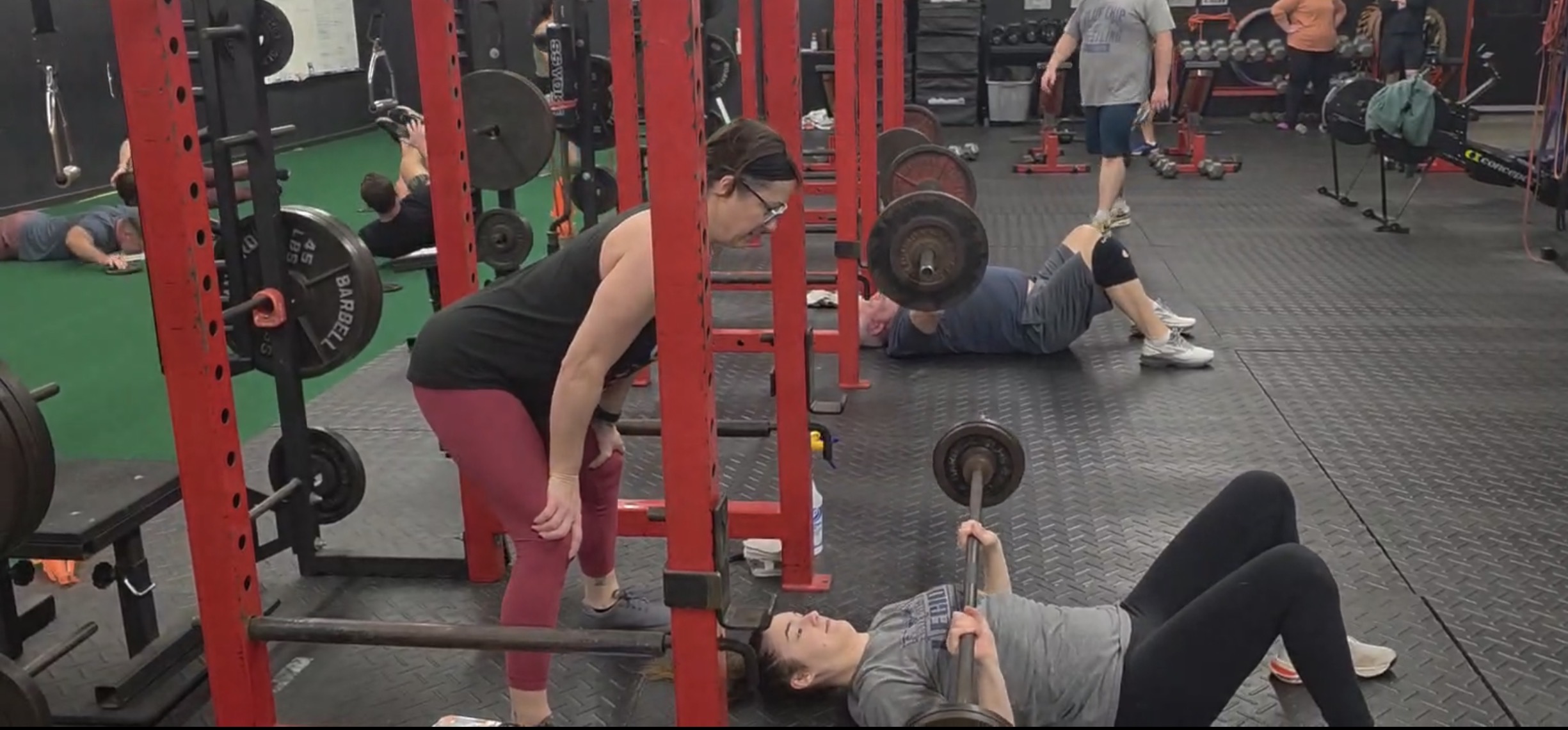
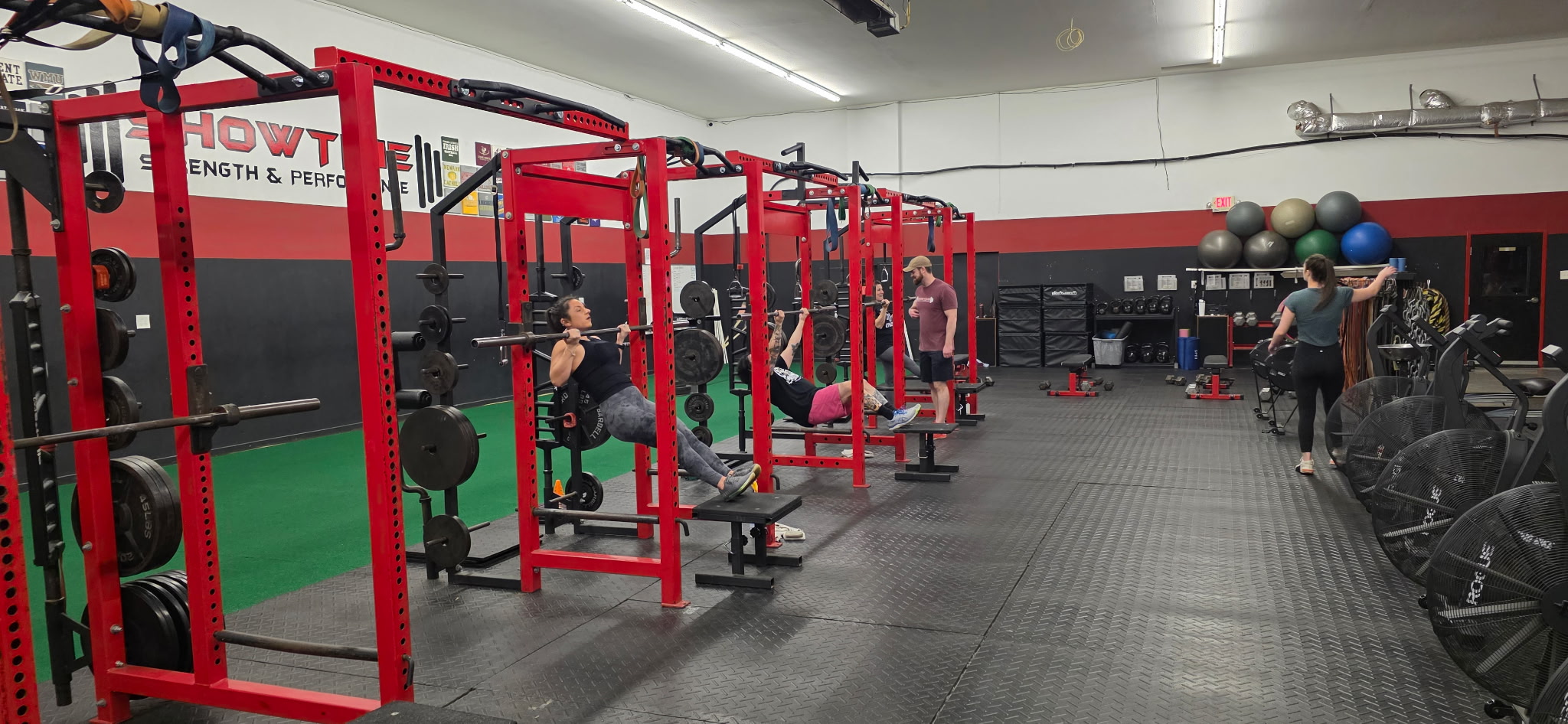
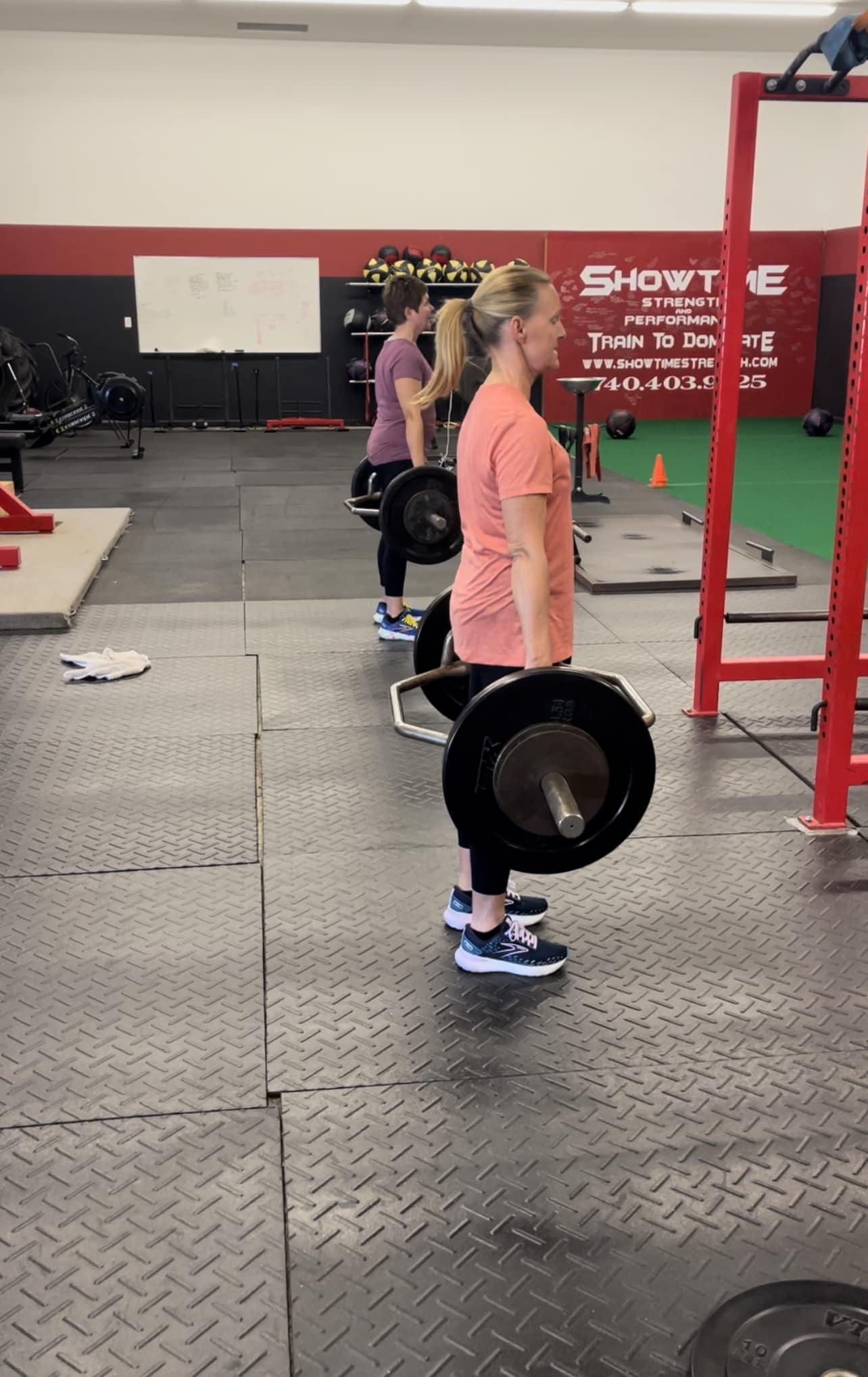
We need to find a balance in our training that allows us to build our general physical preparedness (capacity), so that when we challenge our body (test), it can be done without negative consequences. Balance isn’t a pass to train half-ass. This balance will constantly adjust based on where we are with our goals and what season of life we’re in. If you’re younger and training is a high priority while responsibilities are lower, you’ll likely be able to have more testing and less focus on training. As we age, responsibilities outside the gym are more demanding physically and mentally. We can’t afford time to feel like shit or be injured. At Showtime, we see people all the time hit personal records without realizing it because they’ve been consistently stacking solid training days together and building their capacity. The PR might not have been the goal of the day, but with consistent effort done long enough, it happens.
Training isn’t linear.
It always amazes me that people become upset and discouraged when they have one lift go down for a bit while 5+ other lifts or abilities are improving. If everything went up consistently in a linear path, then people would bench press one million pounds and it would just be normal. A training plateau is by definition at least four weeks of consistent effort without progress. Here’s the catch, the four weeks of consistent effort includes things like nutrition and hydration, sleep, stress management, and active recovery. This is why the compounding effects of training are more important than a singular testing day. By focusing on good-quality training sessions, we can focus on lower intensity ranges which lowers the stress of training leading to a higher rate of success when we feel good and decide to push the limits a little. In the training world, this is known as autoregulation. This is maybe one of the most valuable tools someone can pick up in training.
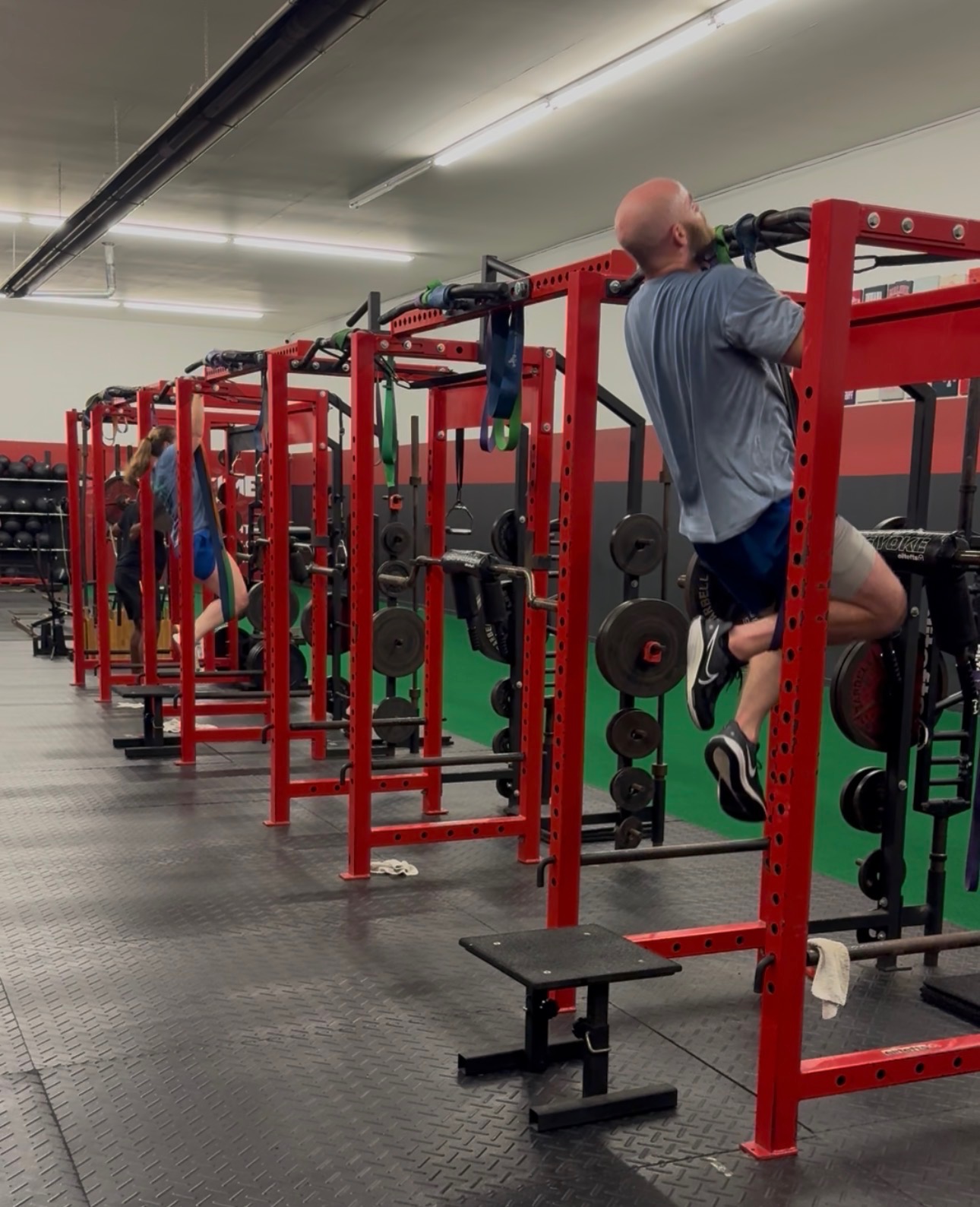
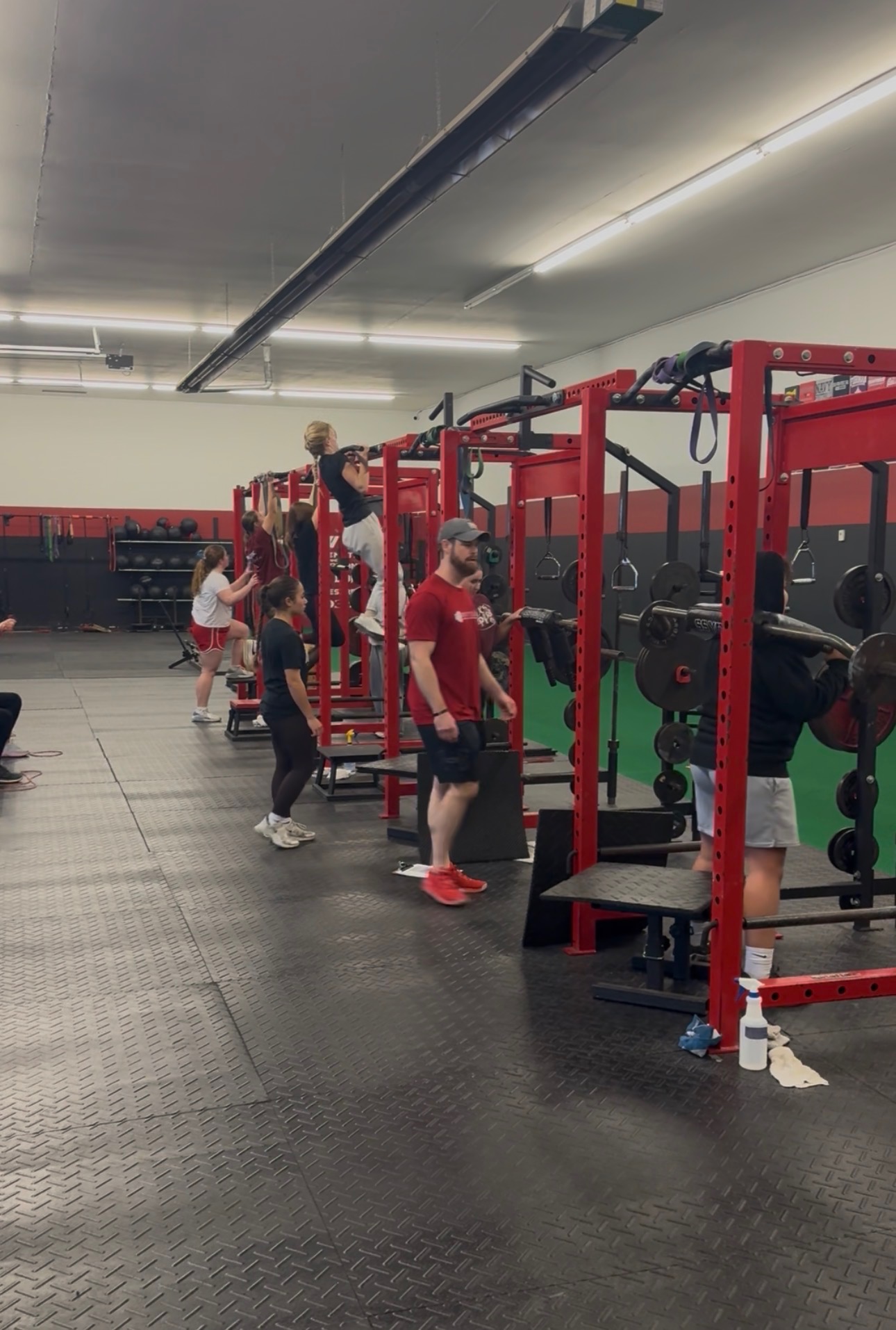
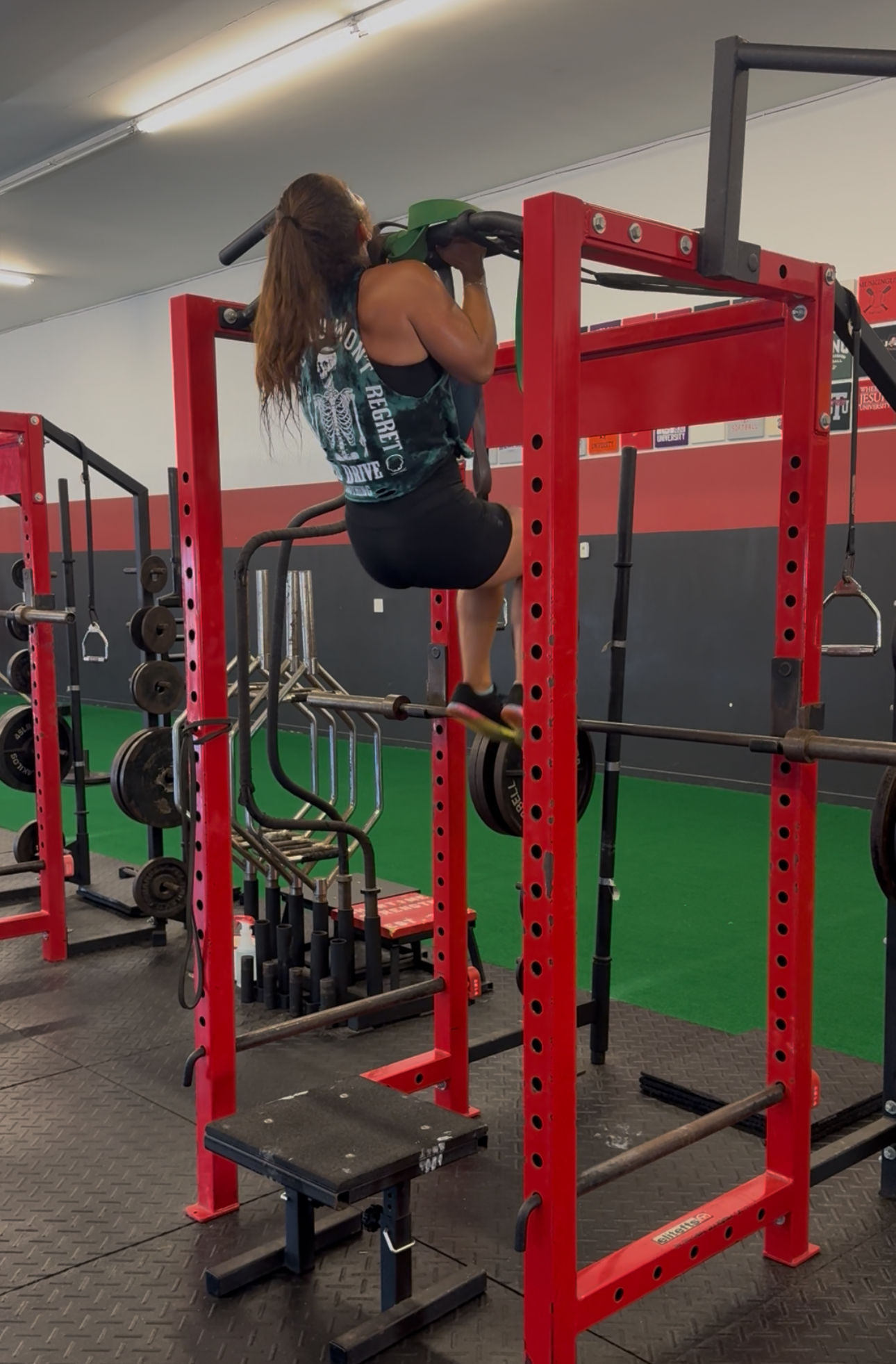
With this information, you can decide if you care more about long-term progress or posting flashy videos on social media. You doing sets of 5-8 reps on pull-ups won’t get as many likes as a grueling deadlift video, but when you do 50+ sets of those pull-ups every week you’ll develop a strong back, healthy shoulders, and great grip strength. The benefit of testing is it keeps up training for a goal to be better in some capacity. Even if you’re 85 years old, you can have goals such as a walk test, sit-to-stand, or balance. Be a slave to the training process to reap the rewards when you decide to test.







.png)













%20copy.jpeg)







.jpeg)


%20copy%202.jpeg)


