Health Is More Than Exercise: Factors That Make a Difference
Health and Fitness goes beyond the weight room
By
August 30, 2026


Exercise is one of the most powerful levers we can pull in making a real change in our health. In my experience, it’s not an understatement to say that exercise amplifies all other efforts such as nutrition, supplements, recovery modalities etc. With that being said, we need to look at the lifestyle factors that help us to make our exercise even more beneficial. While it’s tempting to debate about the best workout clothes, shoes, or fitness podcast, none of these are the real supporters of improving your health and fitness. That is unless a certain shirt is the motivating factor for you to make it to the gym. Most of these areas I have ignored at some point and it has always made a painful appearance for me to create a change. As humans, we tend to let these areas slide because they’re not that exciting and the decline is generally slower so we continue to push them off until it feels like the train has left the tracks. I don’t think you should tackle all of them at once, but should have intense periods of focus in each area and then create a coast plan that is automated and needs minimal input from you.
Financial Stress
Between 77-83% of Americans live with financial stress. Financial health is a long game and the biggest thing you can do is have a plan. We tend to make financial decisions based on emotions and over time it creates a trouble cycle leading to increased debt. I’m not a financial advisor or an expert on the economy, but here are things I have seen help people reduce their financial stress once they have their plan.
1- Eliminate Debt. There are people who are smart with debt, but more people get into trouble with debt than without it. Use either the snowball method (pay lowest debts off first to create small wins) or avalanche method (pay off highest interest rates first to save money overall). It’s hard to think clearly about finances when debt payments are taking a large chunk of each pay check.
2- Emergency Fund. Three months of living expenses is a great start point and I would suggest increasing as the number of responsibilities increase (kids, home ownership, job specificity or risk).
3- Protect the Future. Have a retirement plan in place and take time to research any accounts that will provide benefit for the future like health savings account. Once these are taken care of you can invest into other avenues with left over money.
4- Give. Being able to give money to causes or people that are important to you without guilt or stress is a great act of generosity. This is highly under appreciated.
When people remove financial stress, they walk and breath differently. Financial stress is crippling to all other areas of life.
Dental Health
This is one I neglected horribly for most of my life and I paid for it in my 30s both in physical and financial pain. Your oral health has a huge impact on your overall health. Germs from infected gums can be easily passed into blood vessels while chewing or brushing. Chronic swelling in the gums can lead to a immune response affecting all other systems. All of this can contribute to heart disease, respiratory infections, and diabetes. Neglecting dental care also becomes incredibly expensive so when we’re preventive instead of reactive it saves us a lot of financial headaches. Here are some basic tips to improve dental health.
1- Two dentist appointments each year. Keep up on basic cleanings and imaging.
2- Brush twice daily
3- Floss daily
4- Eat more whole foods and less ultra processed foods.
Social Health
We’re in a loneliness epidemic in the U.S. where 1 in ever 2 adults experience measurable loneliness. This issue was amplified with COVID-19 lockdowns in 2020. About 16% of Americans feel like they can rely on someone beyond immediate family members. While our parents generation was involved in adult rec sport leagues and other generations were active in church groups or other common focus groups, we’ve mastered the art of “knowing” people from a distance through posts and stories. How does this affect our health? Loneliness is linked to higher rates of depression, anxiety, and cognitive decline across all age groups. Socially isolated people are more likely to experience sleep disturbances, weakened immune function, and slower recovery. Being part of a group will always give us a deeper meaning and a bigger purpose than if we were to try and shoulder everything ourselves. Having a community to lean on for support helps to provide comfort which gives us the motivation to try without being paralyzed by risk of failure. When we put ourselves into a new community, we meet new people with new ways of thinking forces us to become more interesting people.
Tips for improving your social health :
1- Join a community (church, local organization, support group)
2- Call people and schedule plans
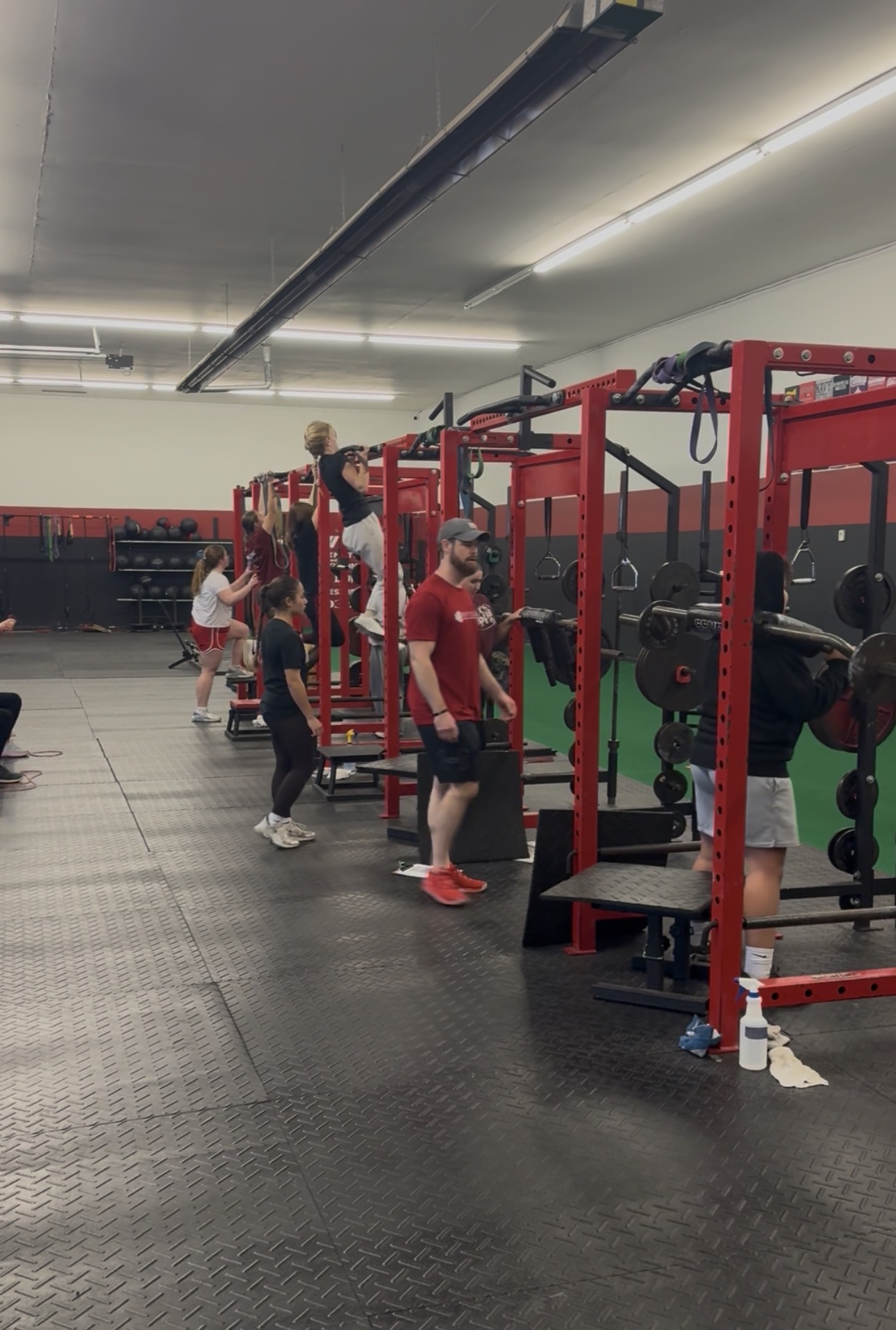
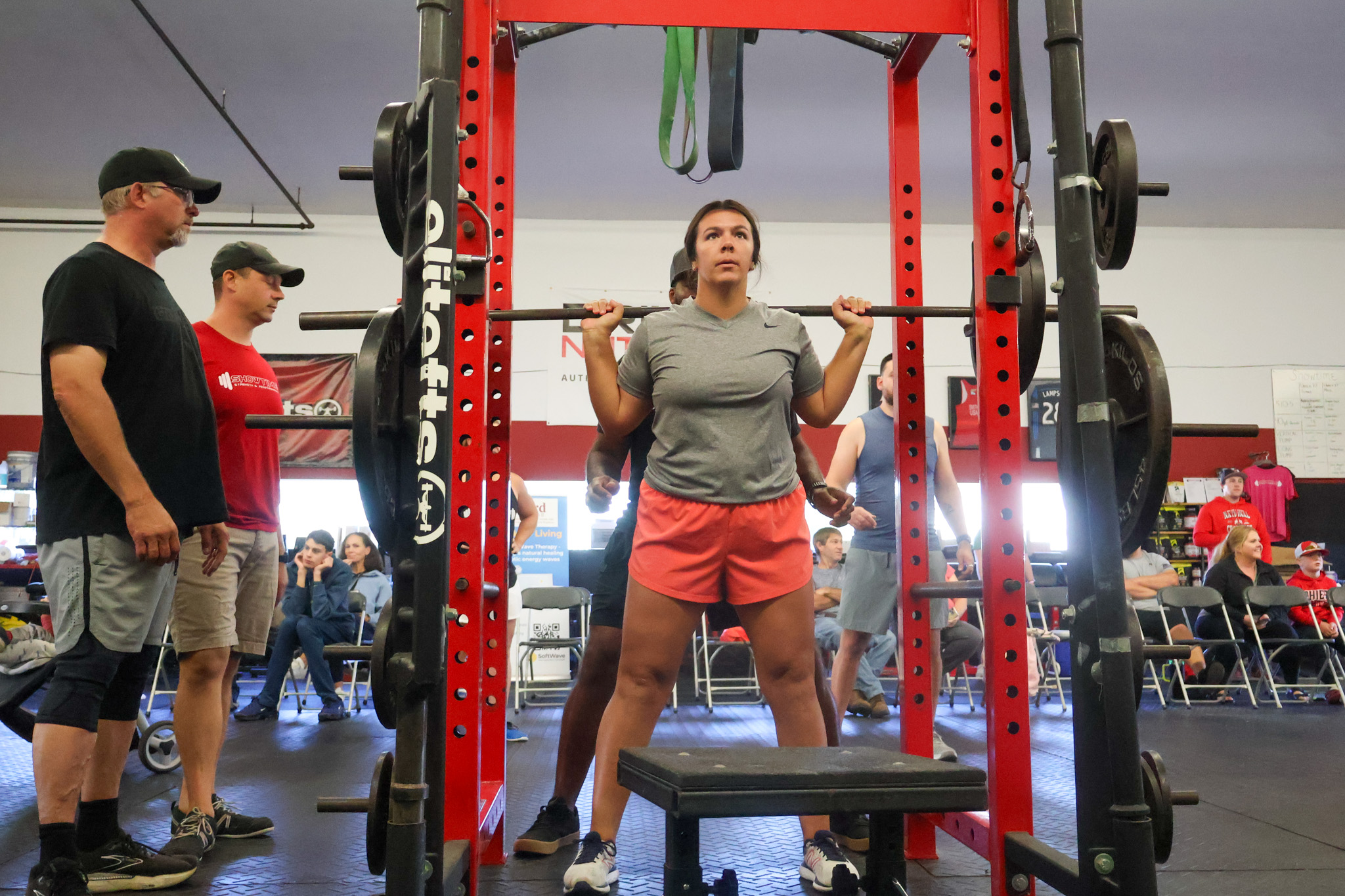
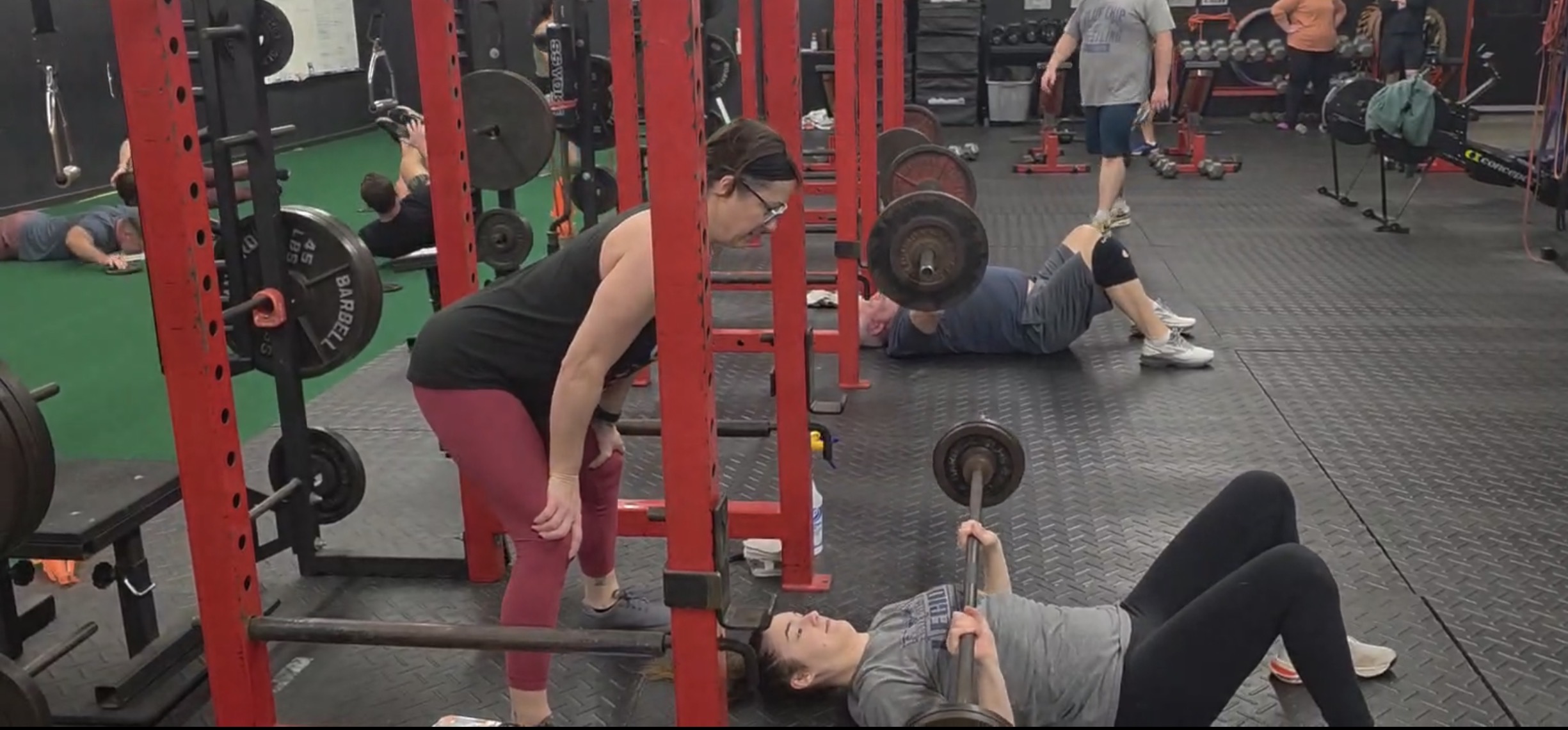
3- Find activities you can do with others (workout, hike, cooking classes)
It’s easy to think about health and fitness in how we look or how much weight we can lift, but those are just surface level. If we want to enjoy a life filled with health, strength, and happiness we need to build up the support framework. All of these might take a lot of effort to notice a difference, but just like lifting weights or following a nutrition plan will have compounding effects that will carry into other areas of life.








.png)

















%20copy.jpeg)








.jpeg)


%20copy%202.jpeg)


