Tips for Training After 35
Over Age 35 Training Adjustments—No Sitting On The Sidelines
By
August 18, 2026
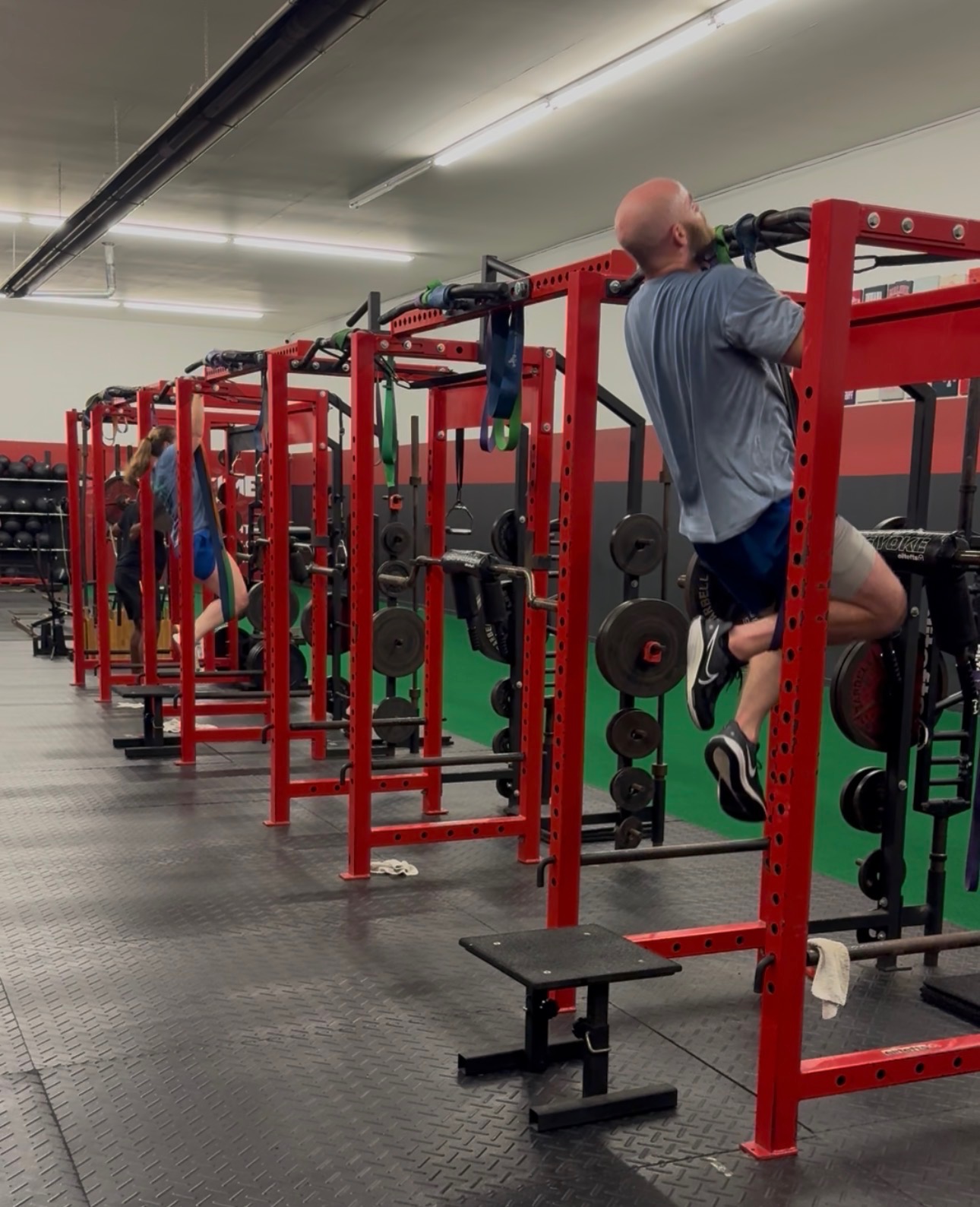

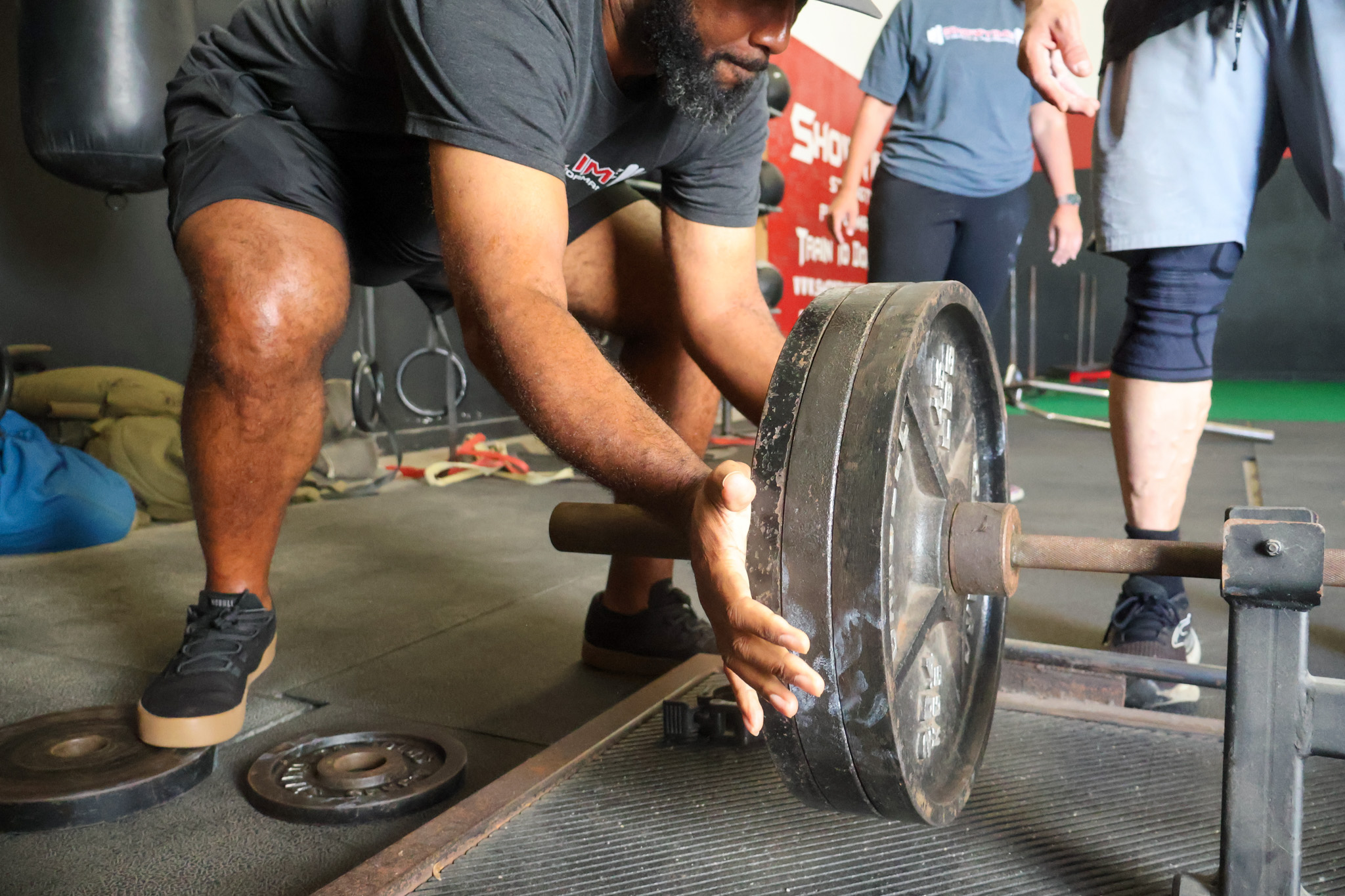
It needs to be said quickly, but being 35 or older is not a death sentence. If you talk to most people over 35, they’ll tell you that things have changed and are going downhill. By definition, 35 isn’t even mid-age yet, and some people are counting down the days to getting their AARP magazines and scouting the nursing homes. I would venture to say that most people over 35 have a bigger list of things they can’t do or things that have changed than things they can do or things they look forward to. I’m 37, and I feel like I have more pep in my step than I did at 27. Yes, I’m more aware of my training, rest, and nutrition, but I think that’s called being a responsible adult. The truth is, yes, you need to adjust your training after 35, but it has more to do with the fact that you’re probably not putting on the football pads, and the scouts of pro teams have stopped calling. Sorry, Uncle Rico, but the reason your strength training has changed. We work with people all the way into their 80s, and after watching an older gentleman train this week with the goal of an annual hunting trip in Europe, listening to someone in their 30s about how all they can do is walk and stretch is underwhelming to say the least. Below is a list of some of the most common adjustments we make to our adult members’ training so they can kick ass outside the gym and get more out of life instead of sitting on the sideline talking about the good old days.
If It Hurts…Don’t Do It
There is some nuance with this. Many people complain of knee pain when they squat, but when you watch them squat it’s not really a squat and yes what they’re doing is adding stress to the knees. With that being said, we have many clients who have had surgeries to where they shouldn’t be doing some movements. This is when a coach creates an alternative movement to elicit a similar response. In training, there is no movement you have to do and there is a variation for everyone.
Punch the Clock Workouts
These aren’t exciting workouts. Just show up and do the stuff. No frills, no PRs, and nothing you’ll brag to your friends about. These are the sessions that build a lot of momentum and when the time is right, allow for the big PRs. I would argue that routine punch-the-clock workouts are more valuable than the sessions that leave you crawling out of the gym.
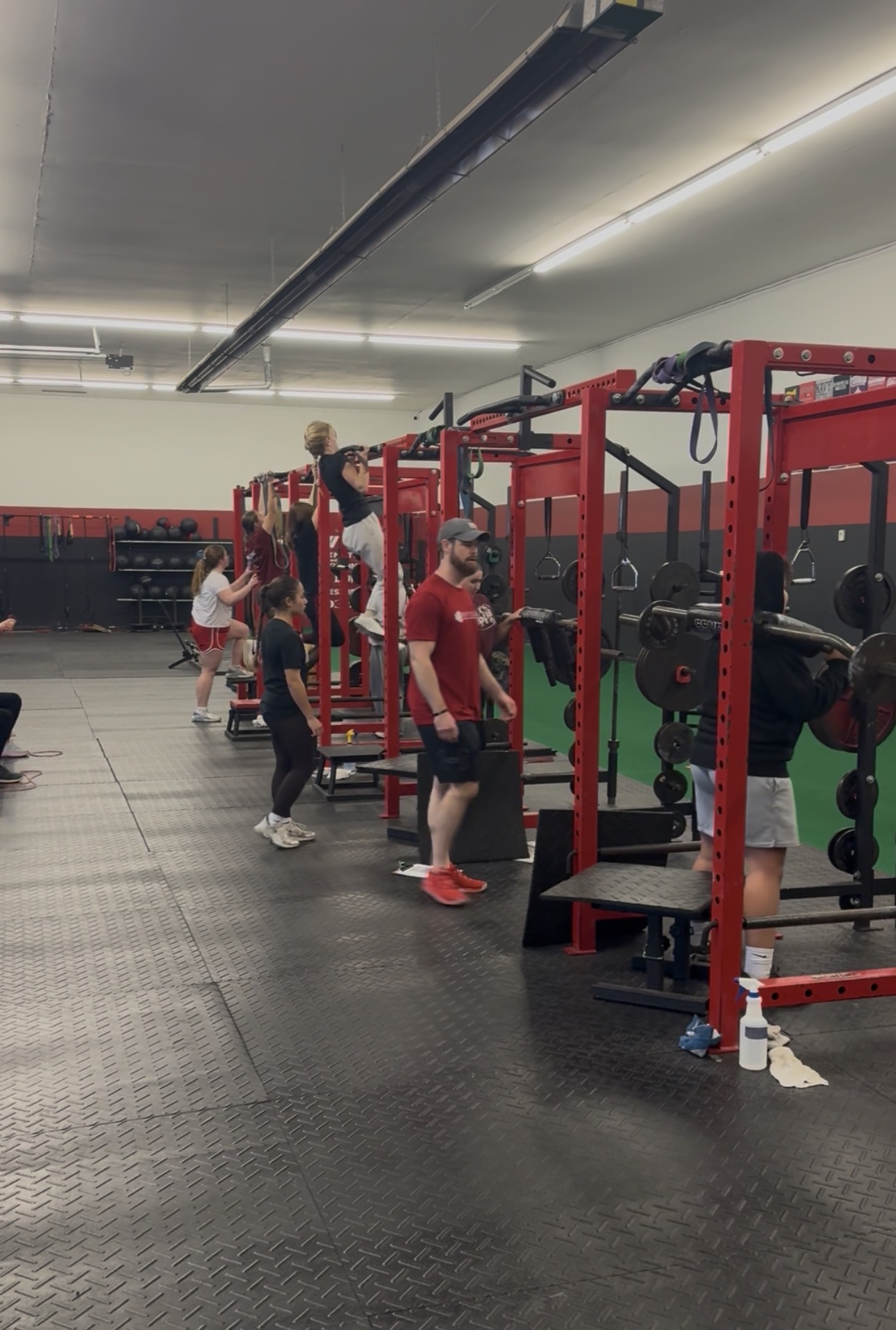
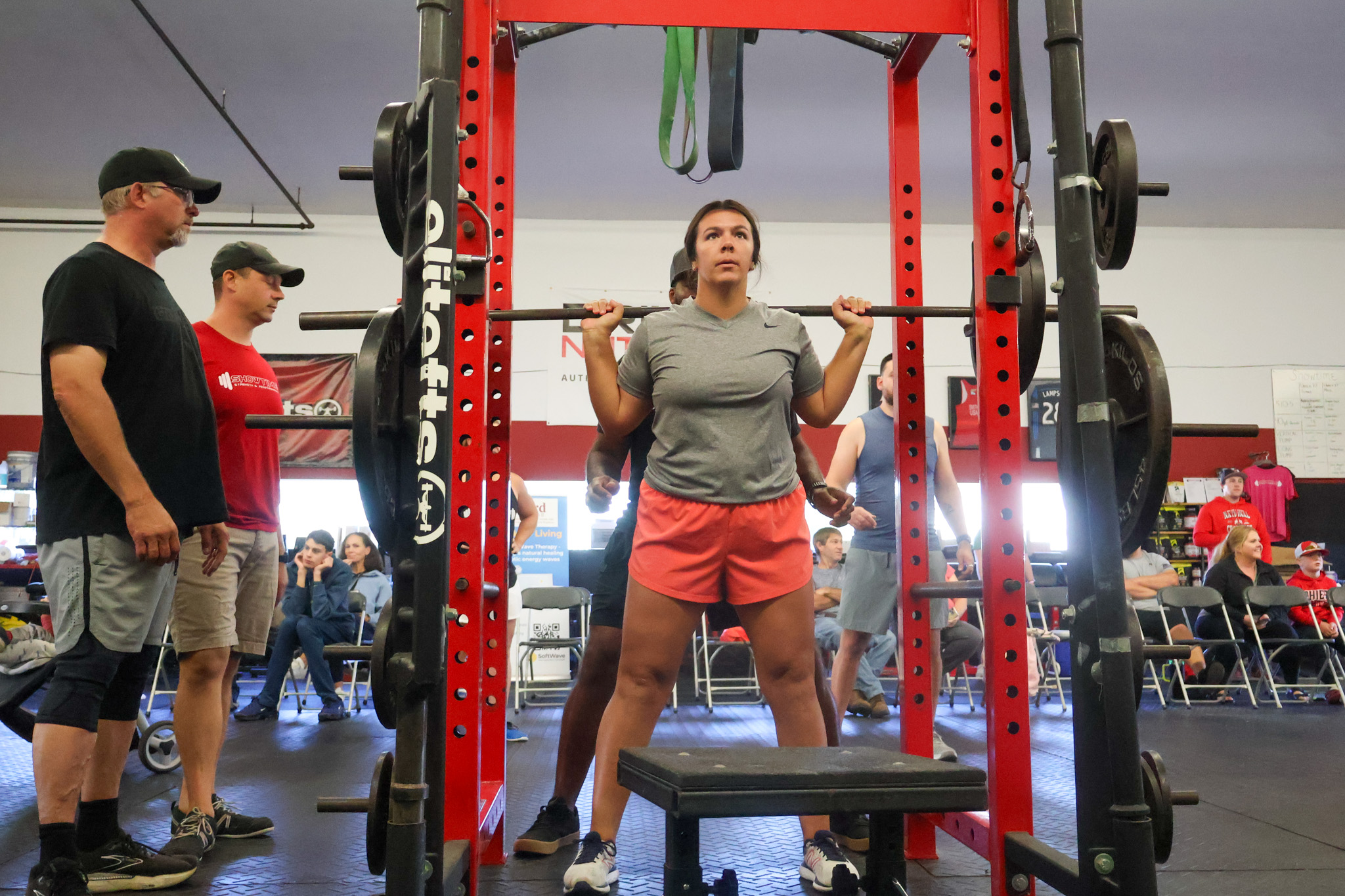
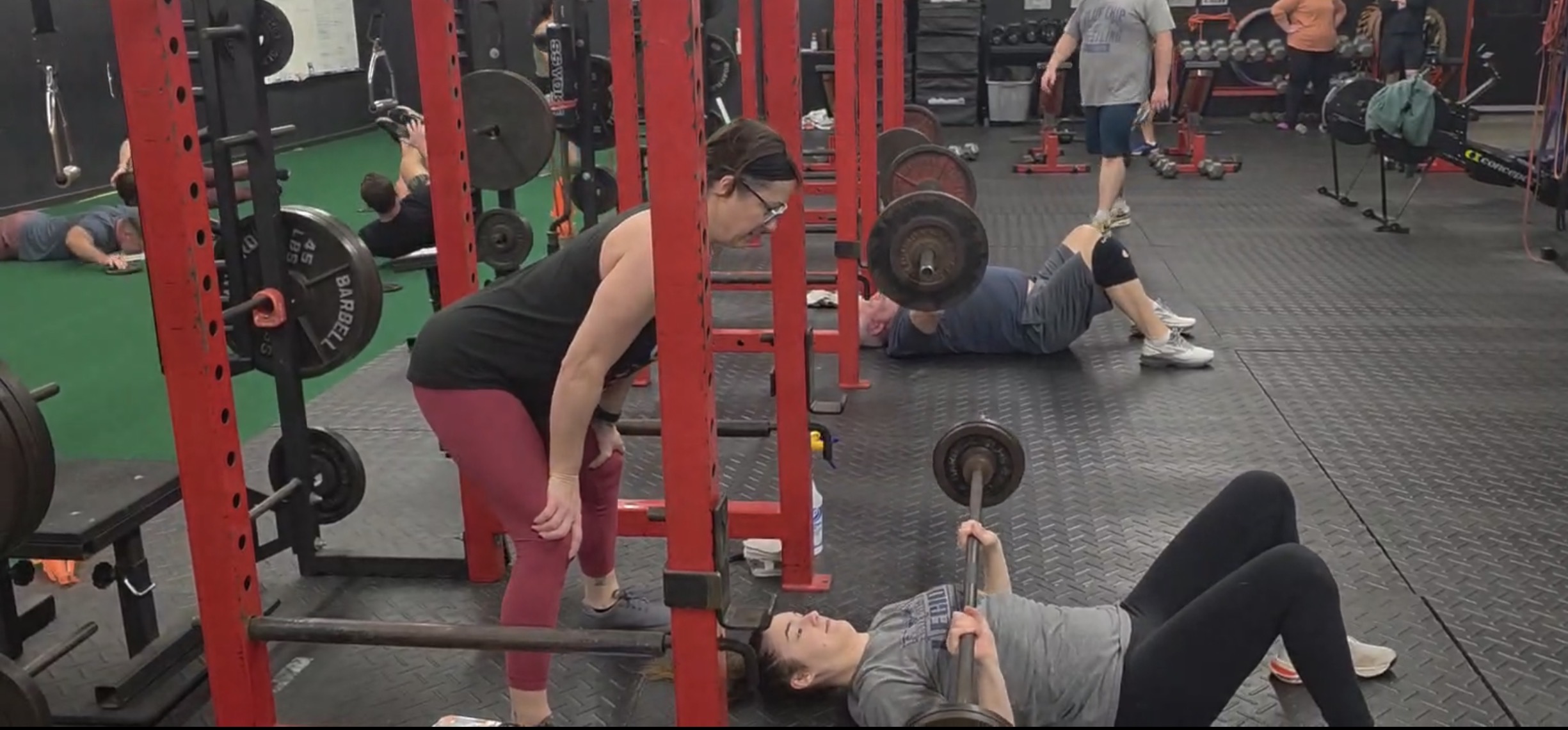
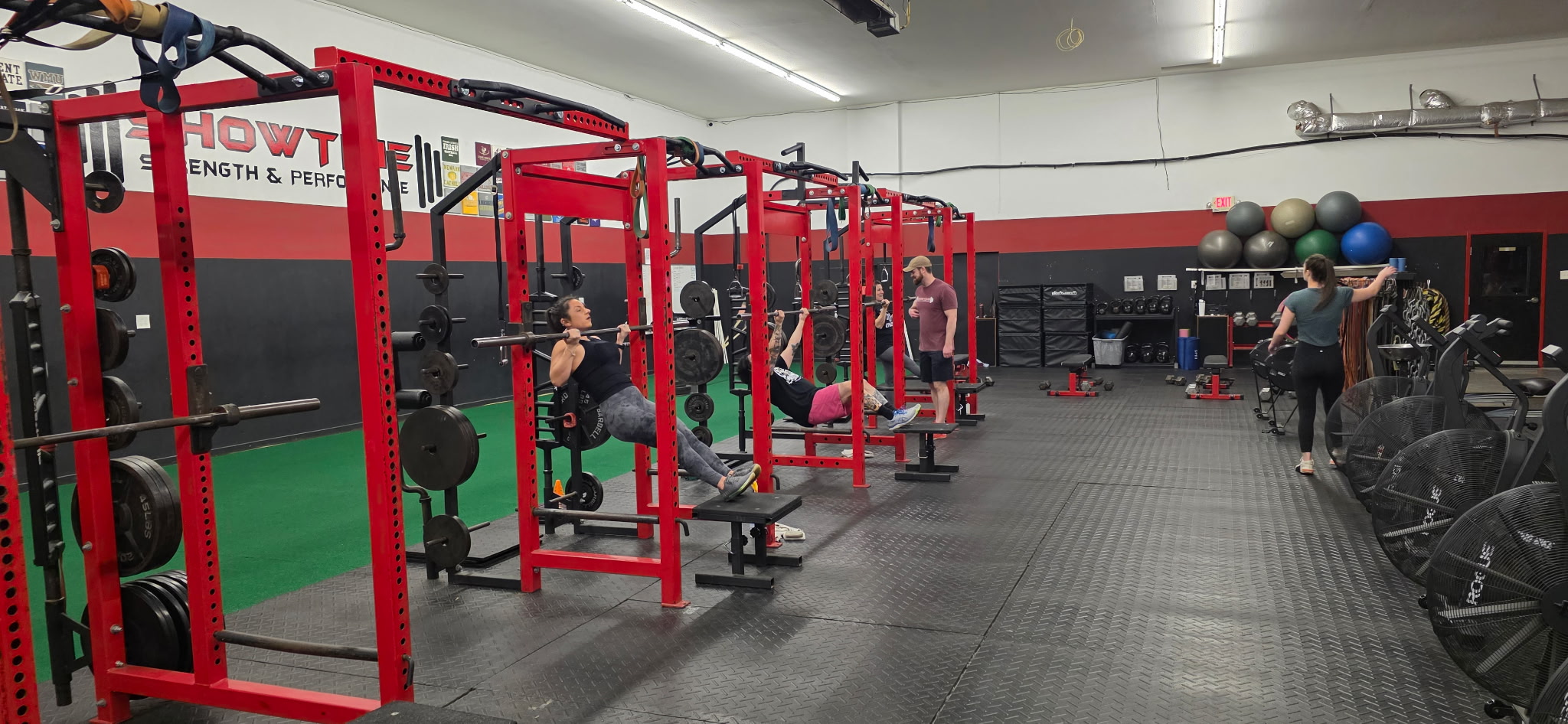
Train with People
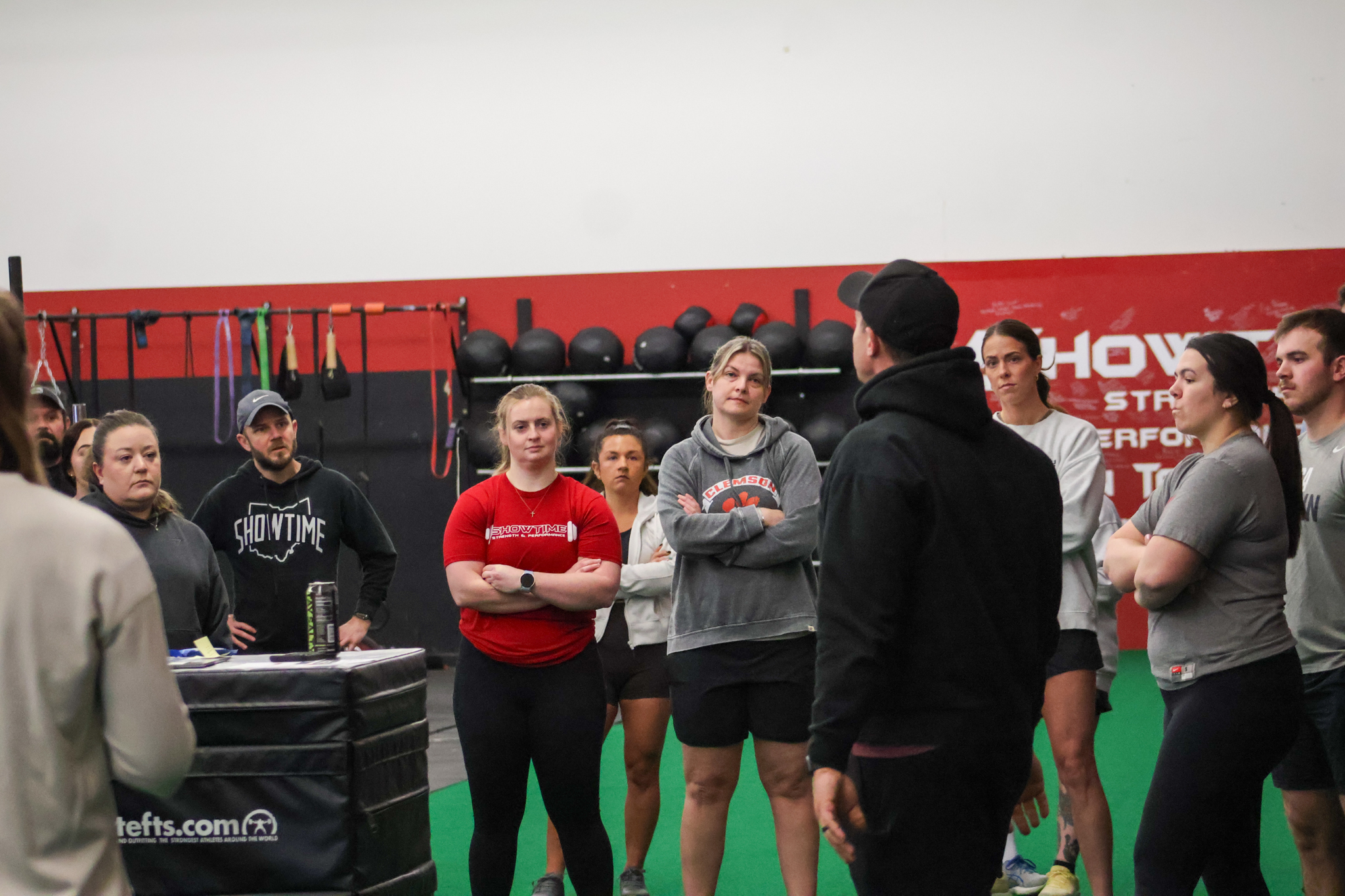
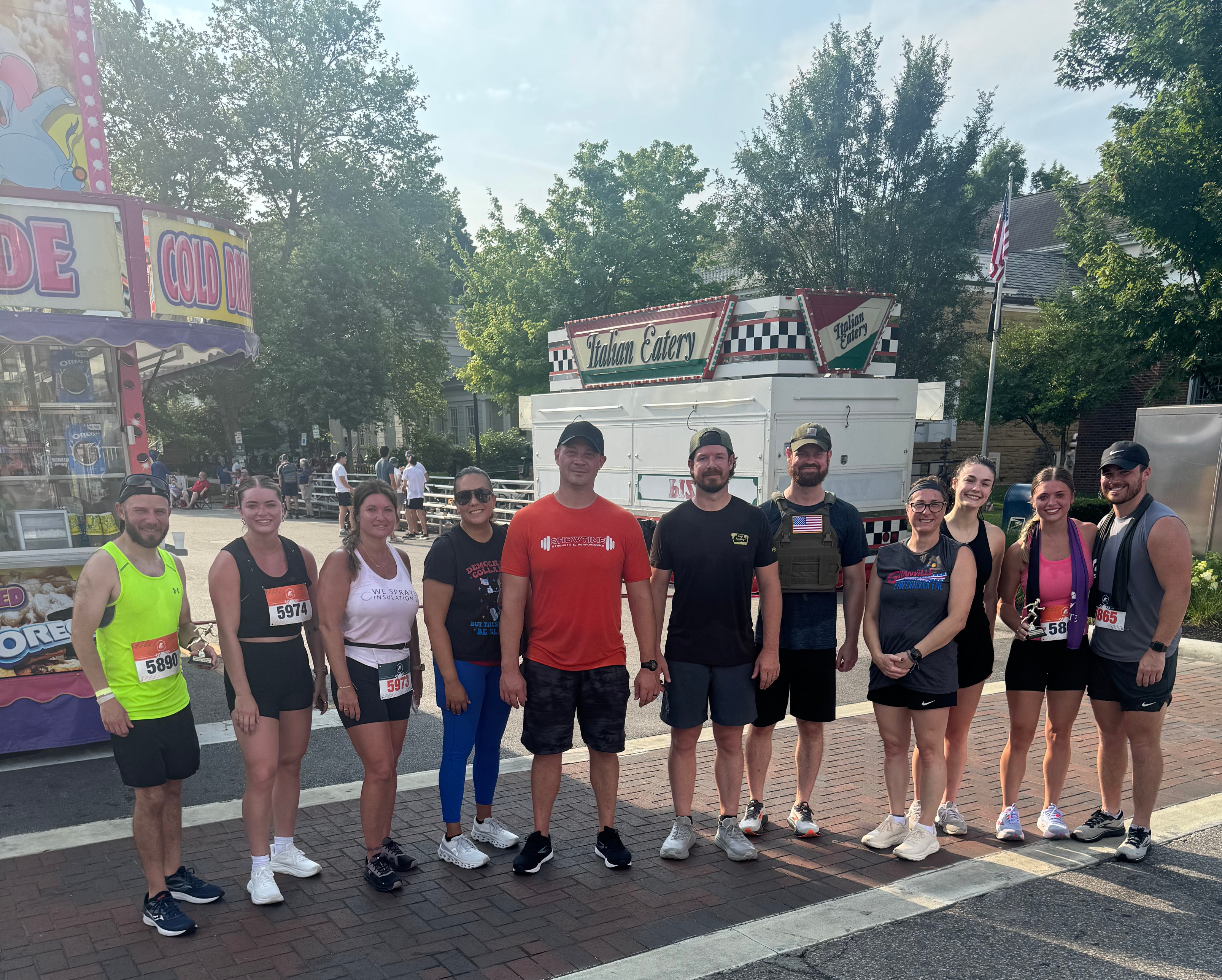
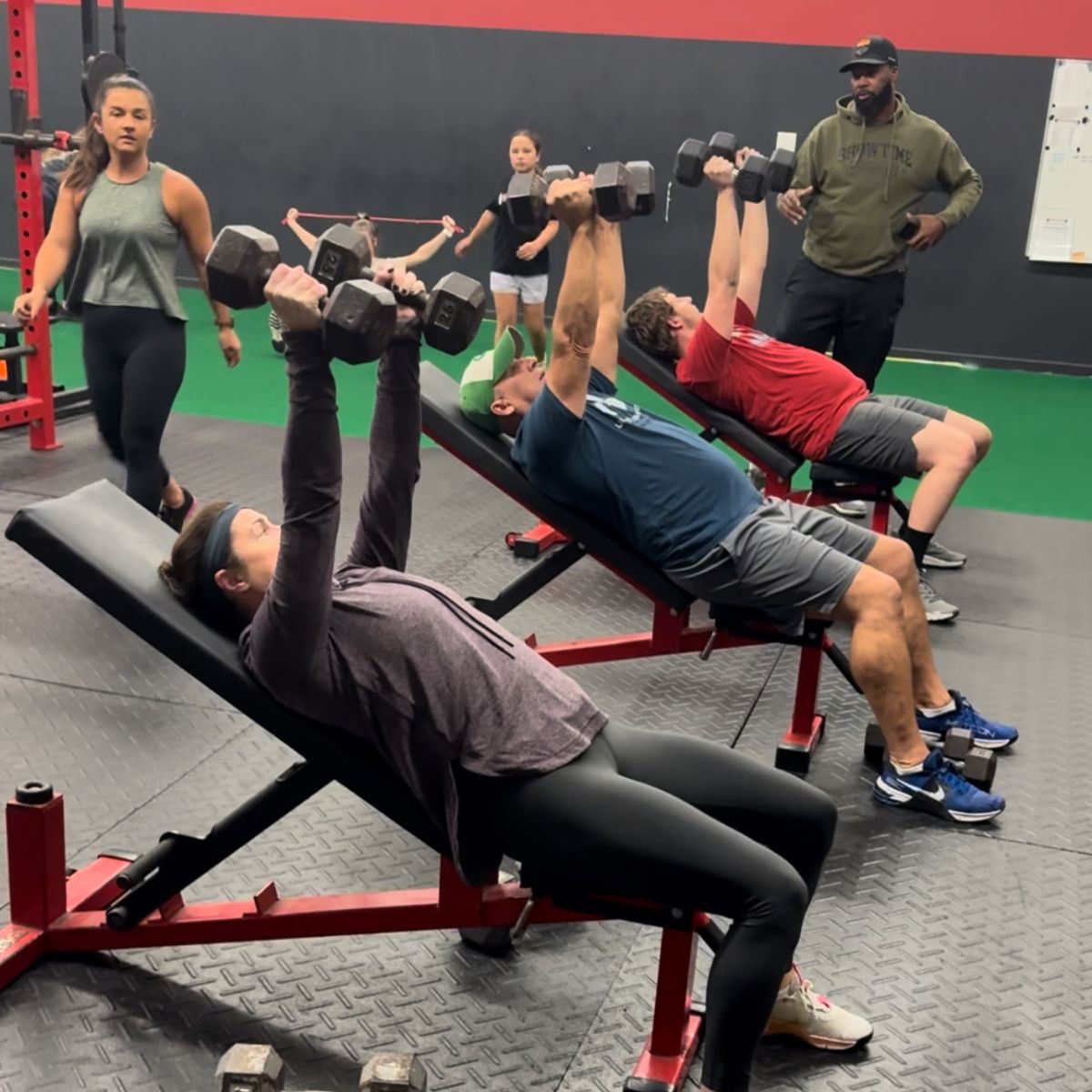
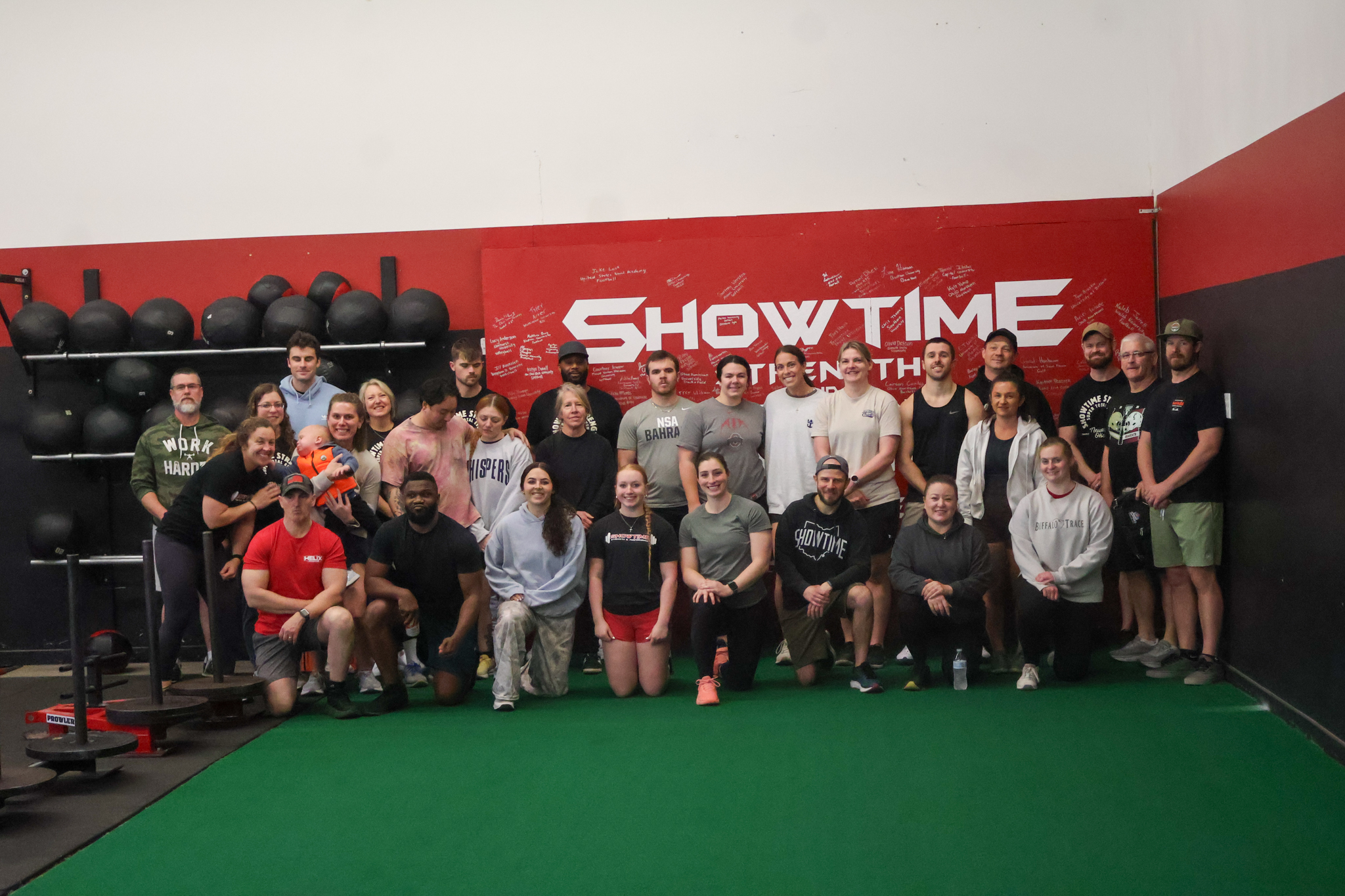
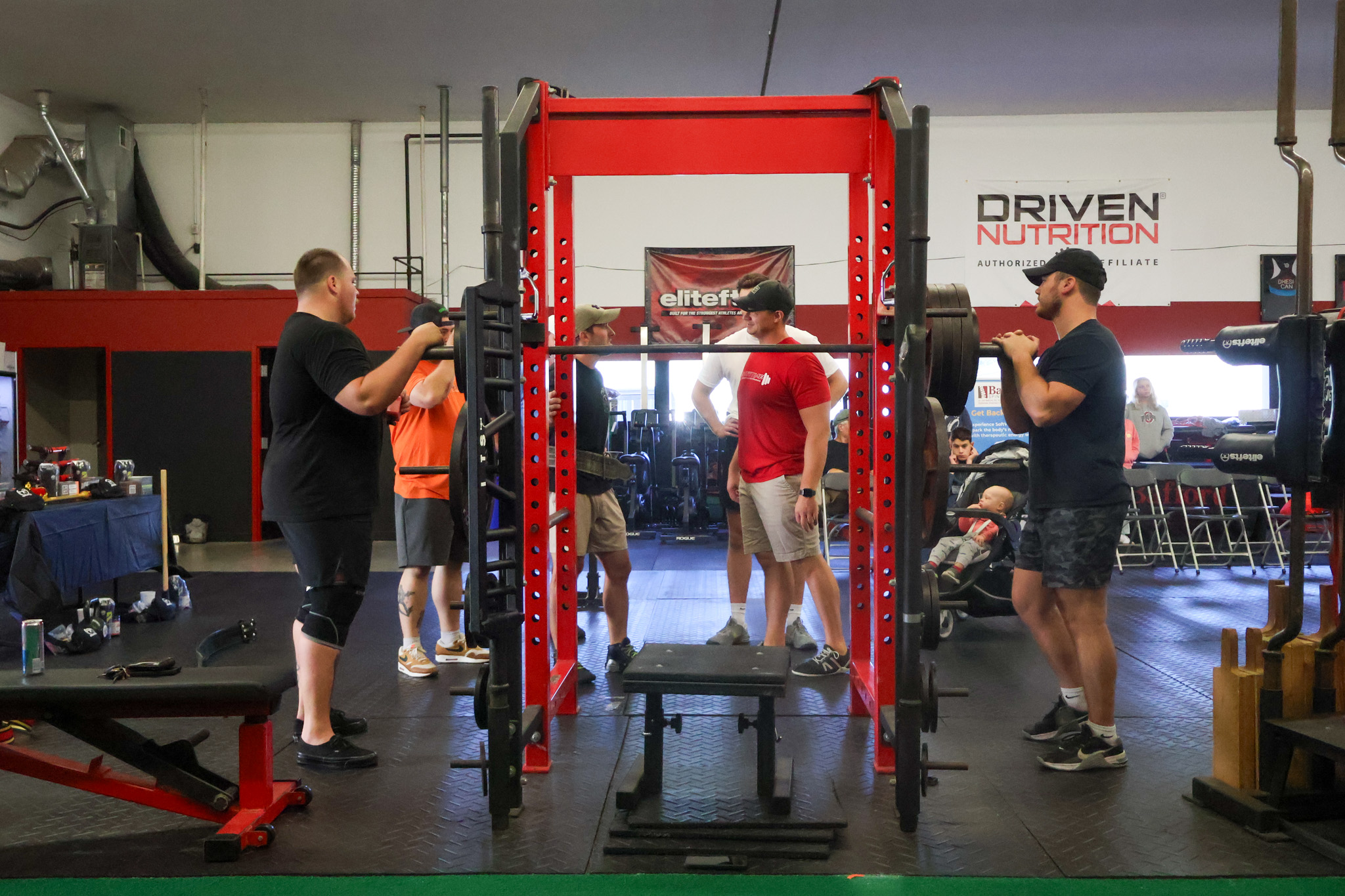
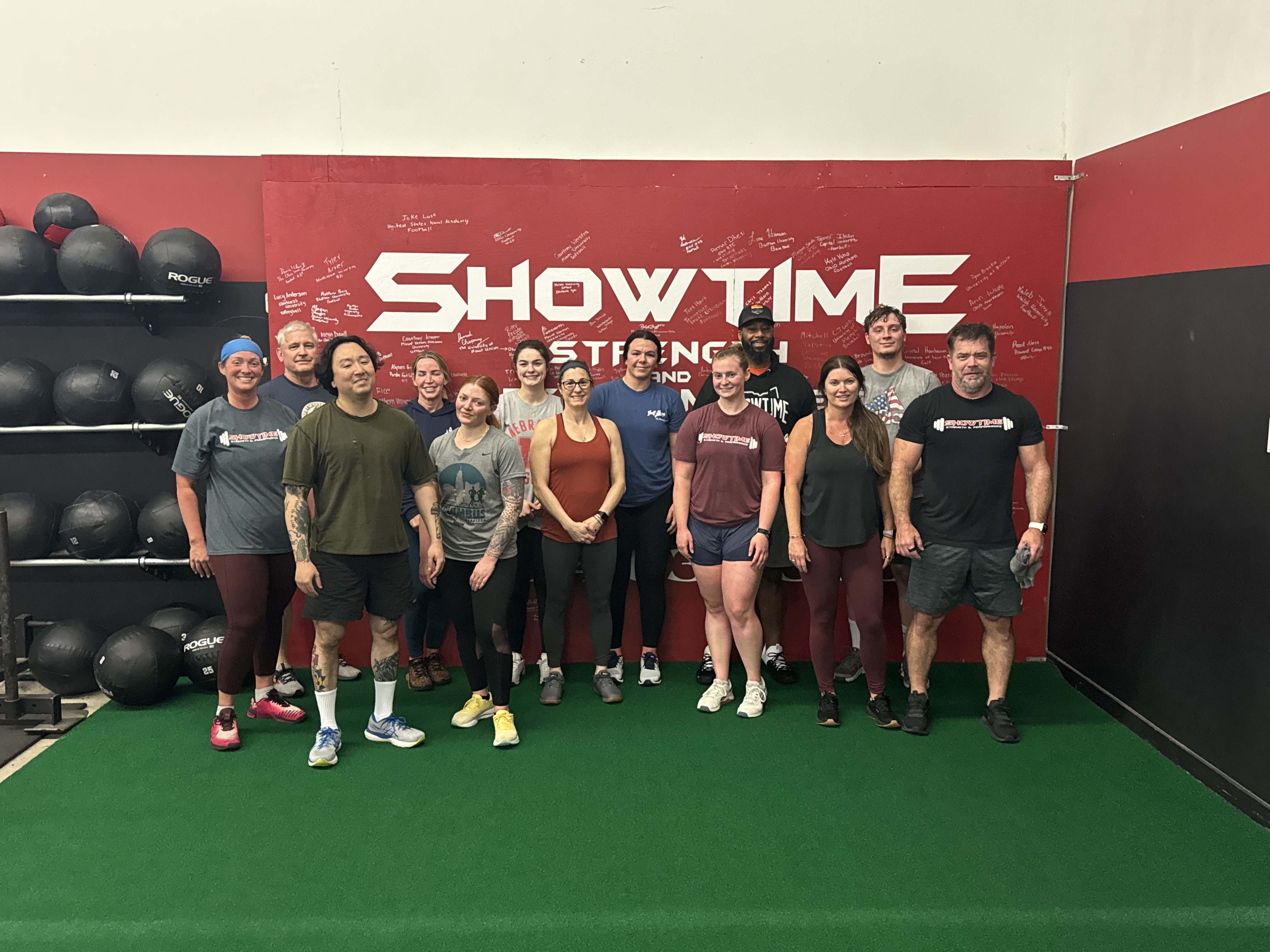
Everyone has a shortage of human interaction. Create your group that you train with. They expect you there and you expect them to push you when you’re not feeling it. If you can improve your physical and social health at the same time, that is one of the best investments of time we can make. Too often, we try to do everything ourselves but we do better with people. This has been proven time after time and the COVID lockdowns brought it to everyone’s attention.
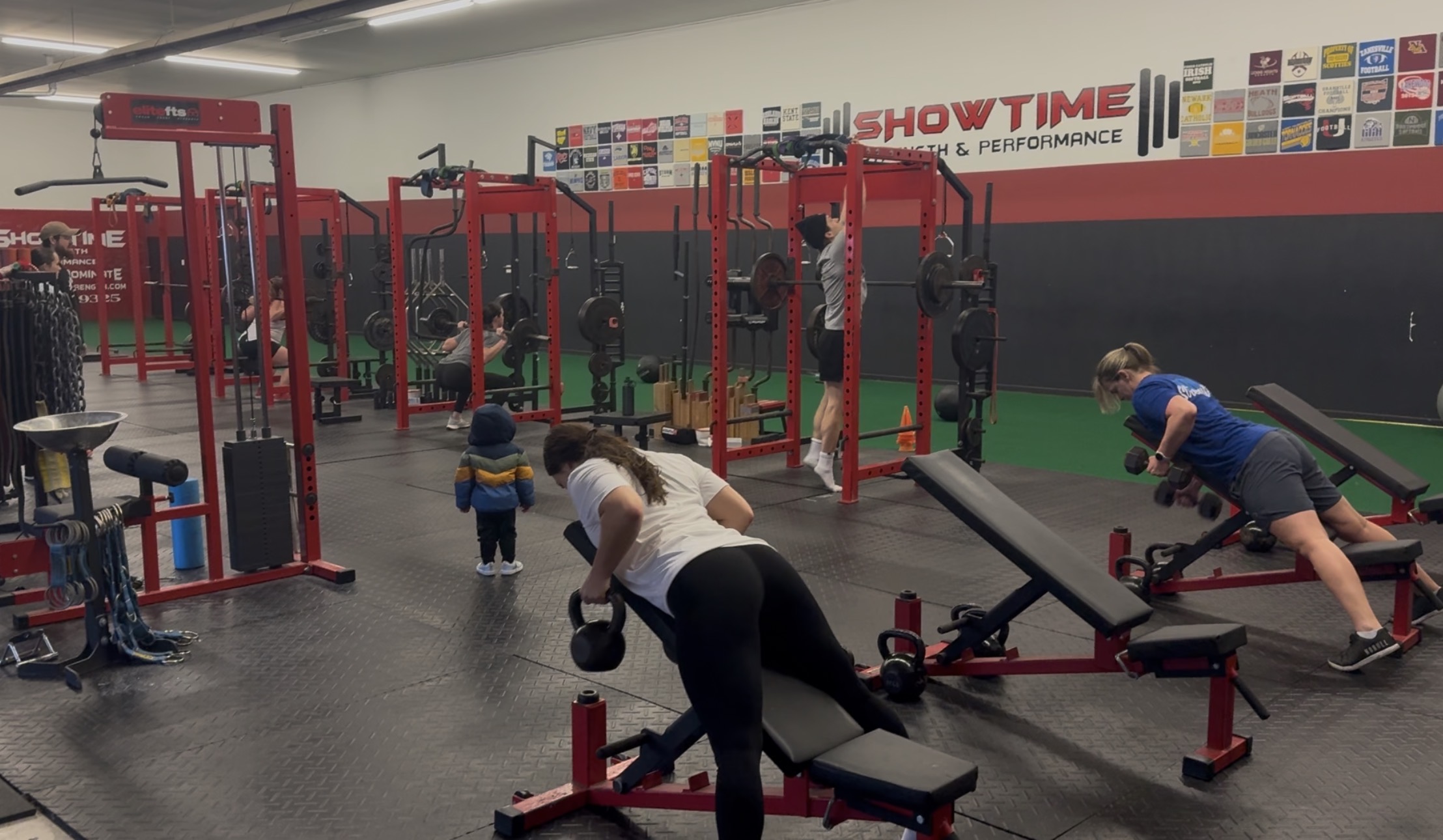
Keep Workouts Exciting
It always amazes me that people think strength training is squat, bench, and deadlift. No variations and similar sets and reps, every week. Then wonder why they’re stalling, program feels stale, and have overuse aches and pains. There are times I’ll let someone else pick the workout or we each pick different parts or we try a new challenge together. This breaks up everyone’s favorite 3 sets of 10 reps and if done right can bring some nervousness into a session.
Sleep and Nutrition Drive Training
I understand that when you were in college you could be a participant in thirsty Thursday and still perform well at the 5:30 a.m. team lift for your sport. That has changed, and we need to accept it. Your hydration begins two days before your training session and sleep is cumulative score, not an individual reading. When you can string several days and weeks of awesome hydration and sleep, your training will take off. If you skimp on sleep a few nights in a row because a few extra night caps sounded better, don’t be surprised when you either skip your training session or are upset with the results.
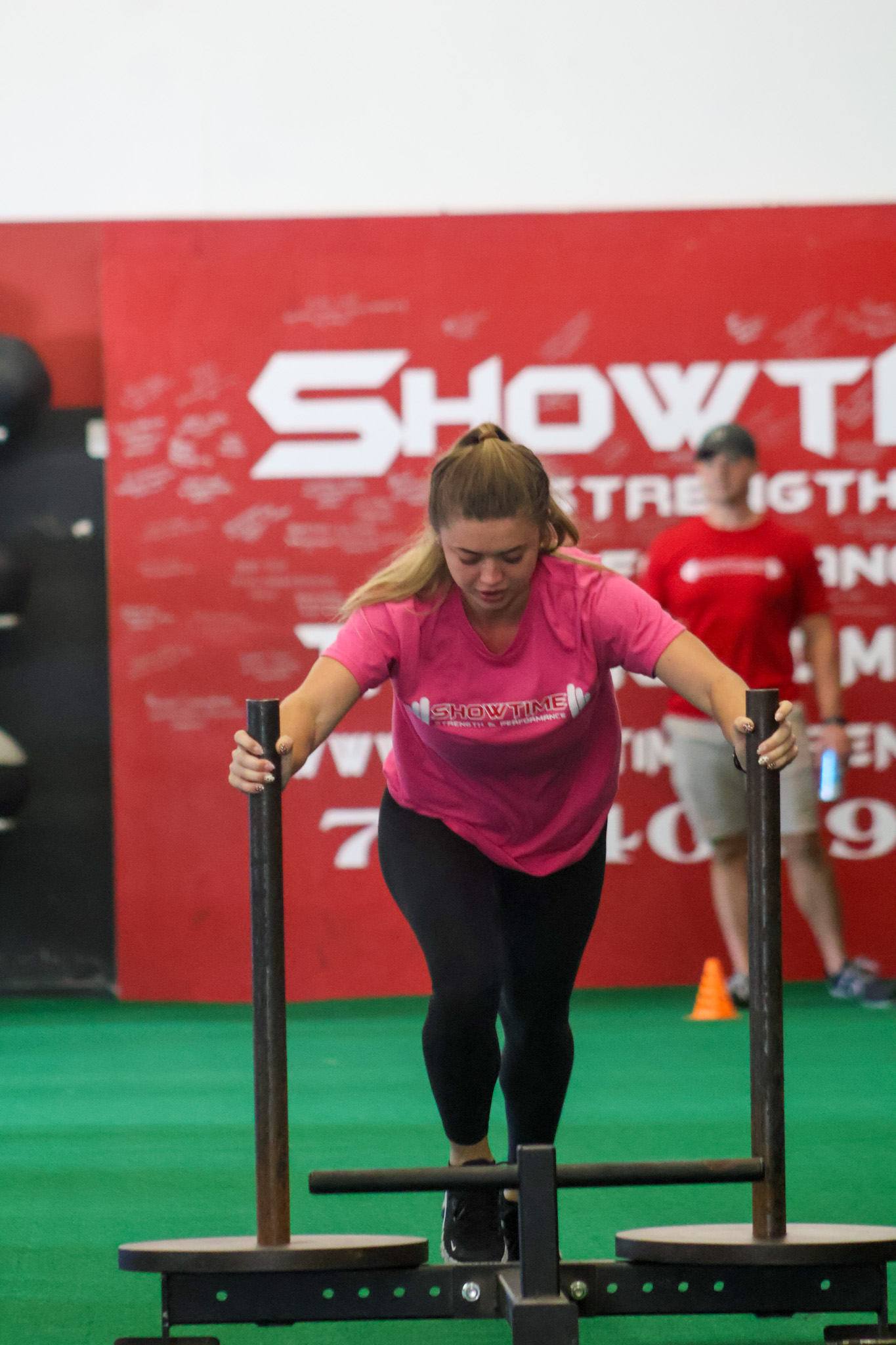
Move your Feet
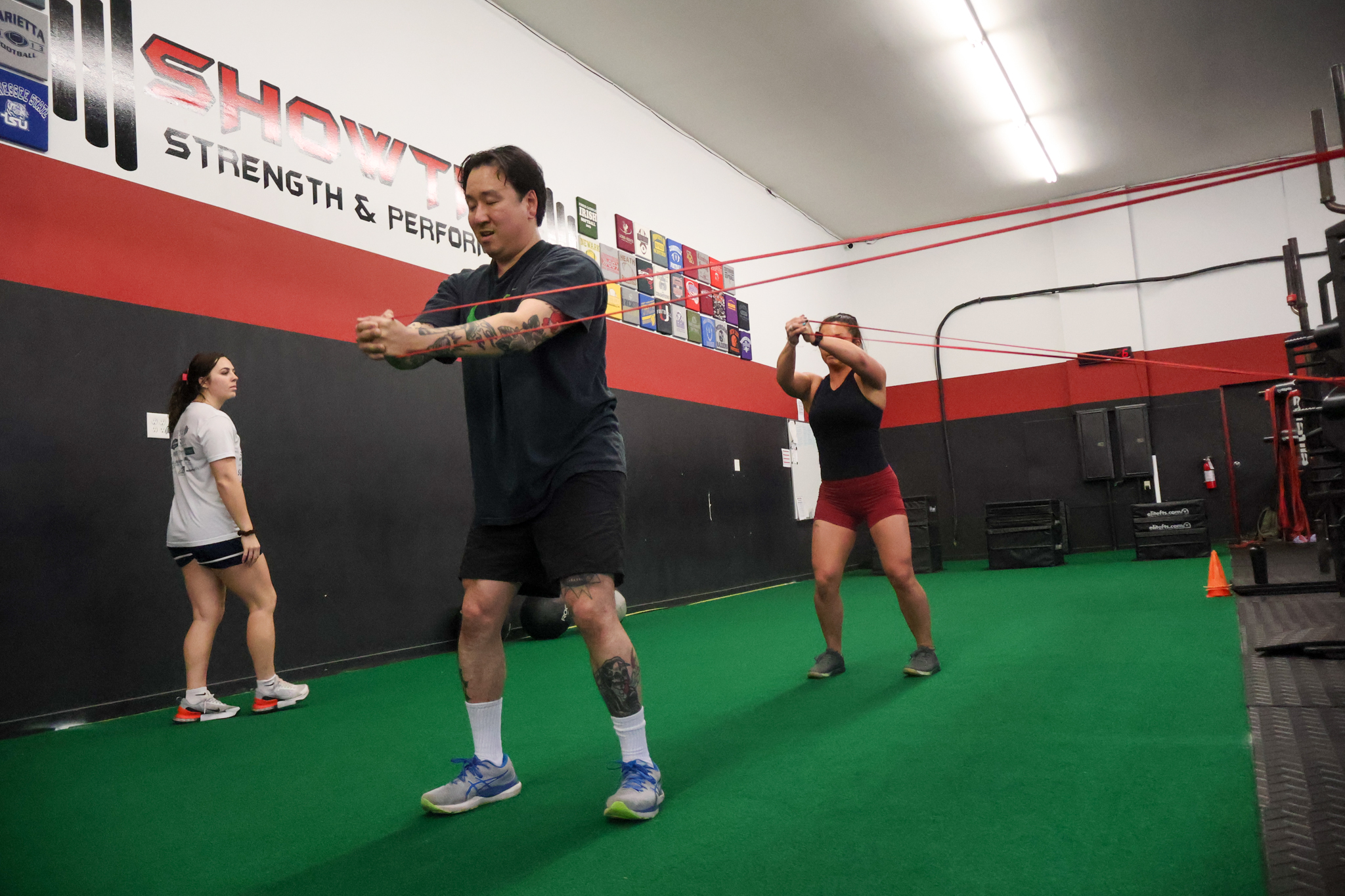
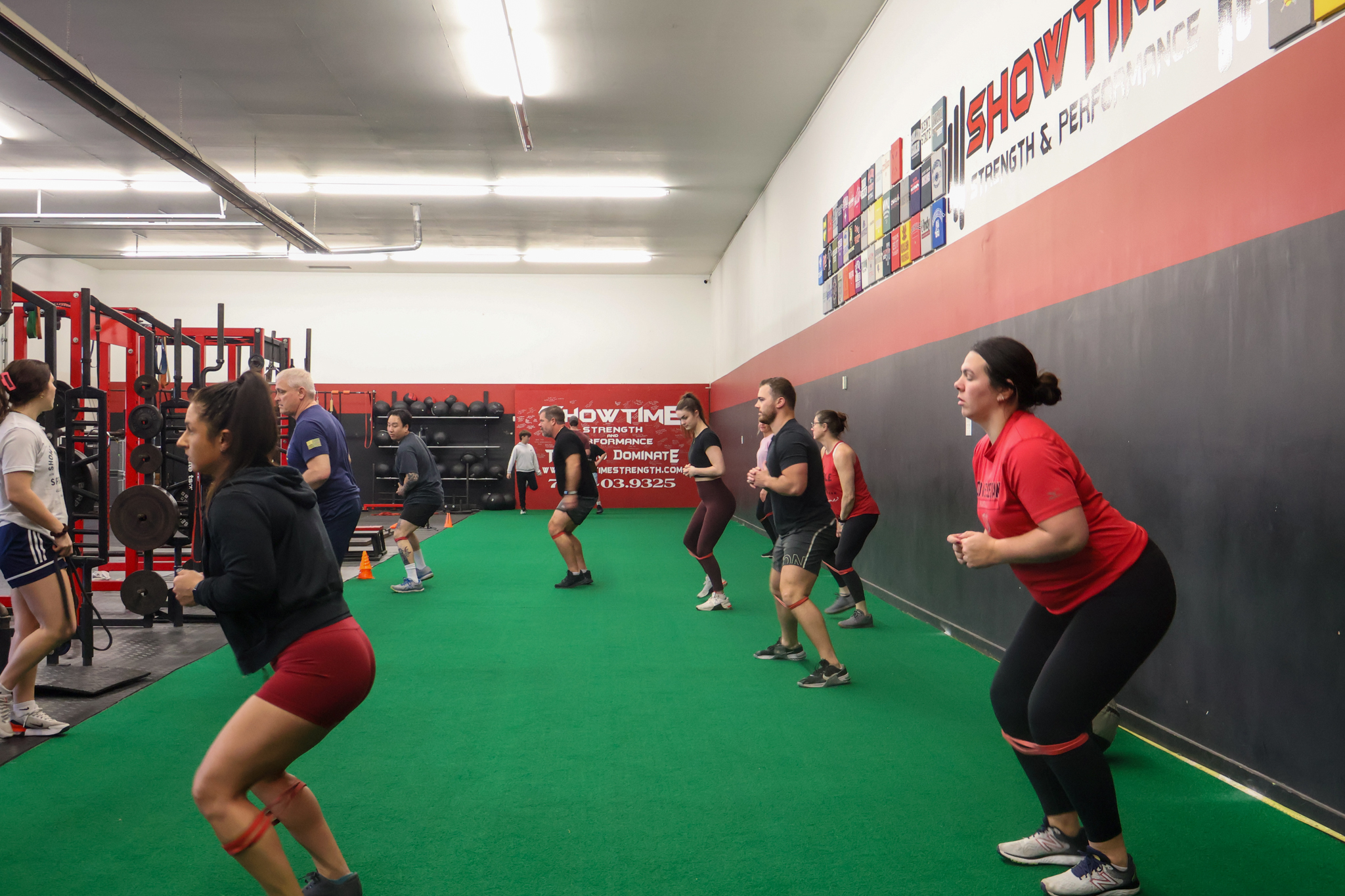
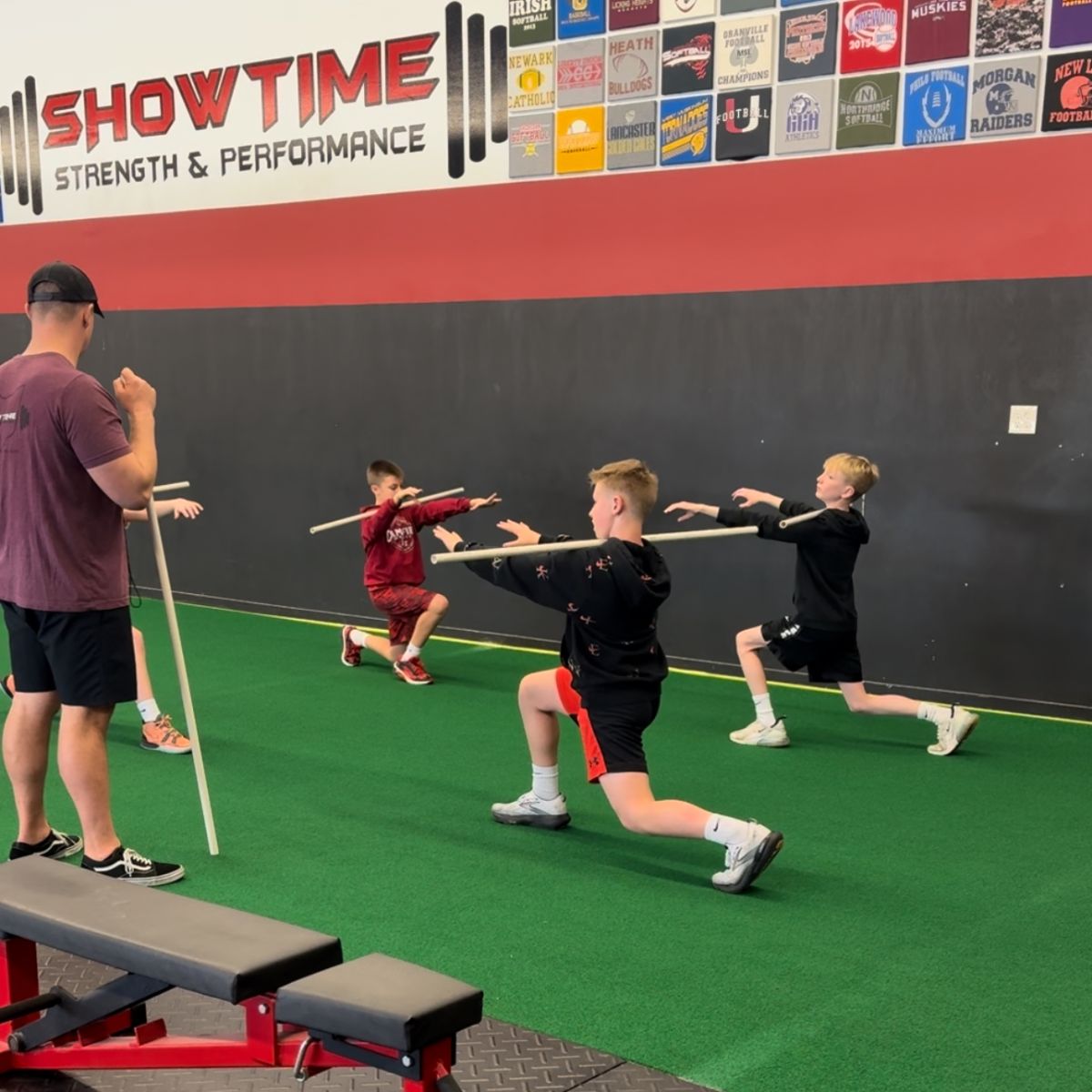
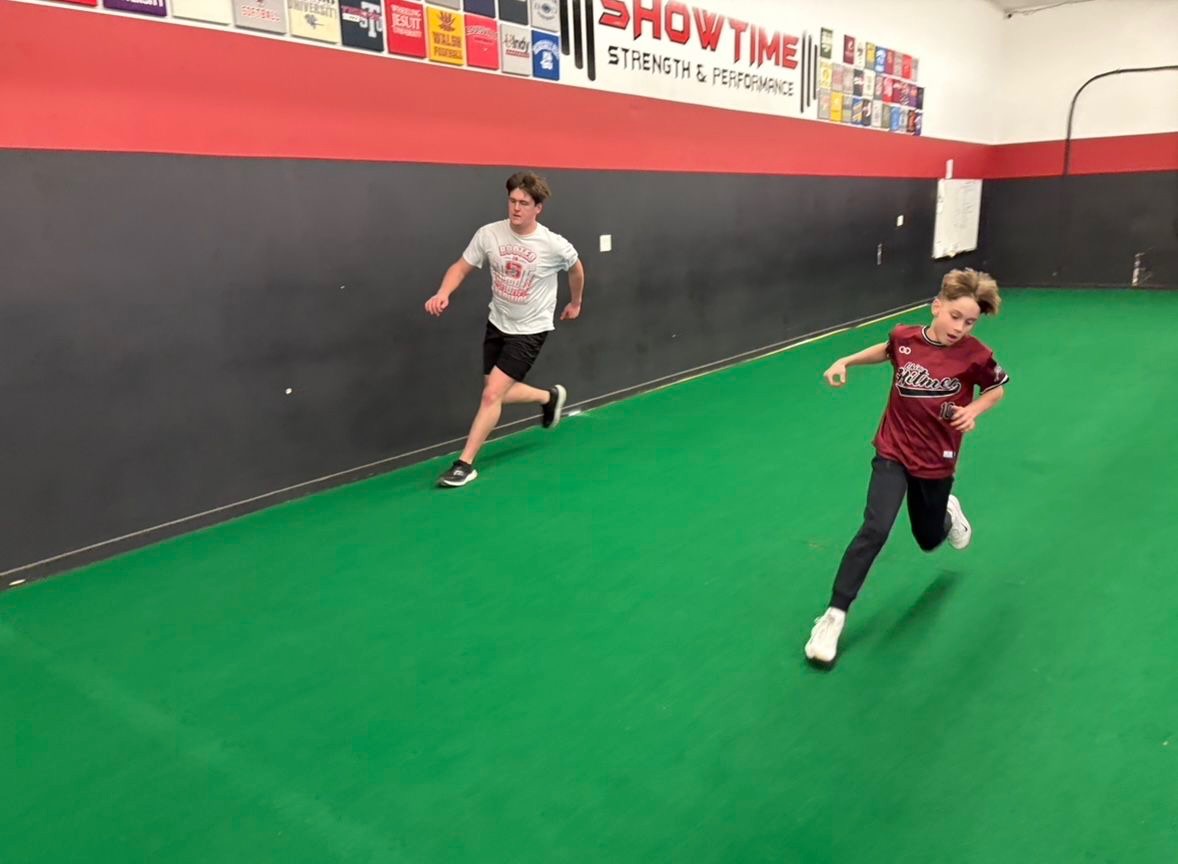
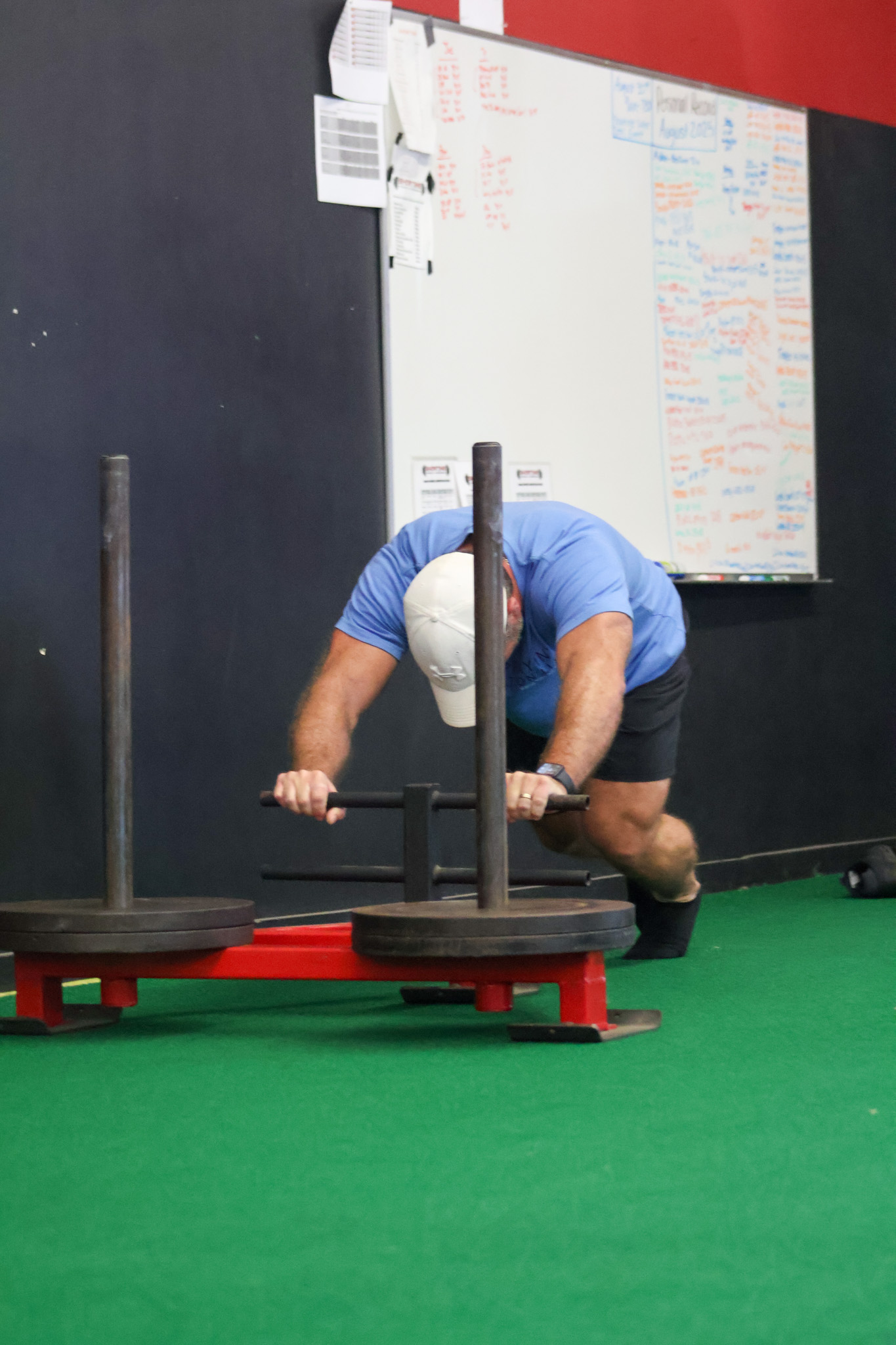
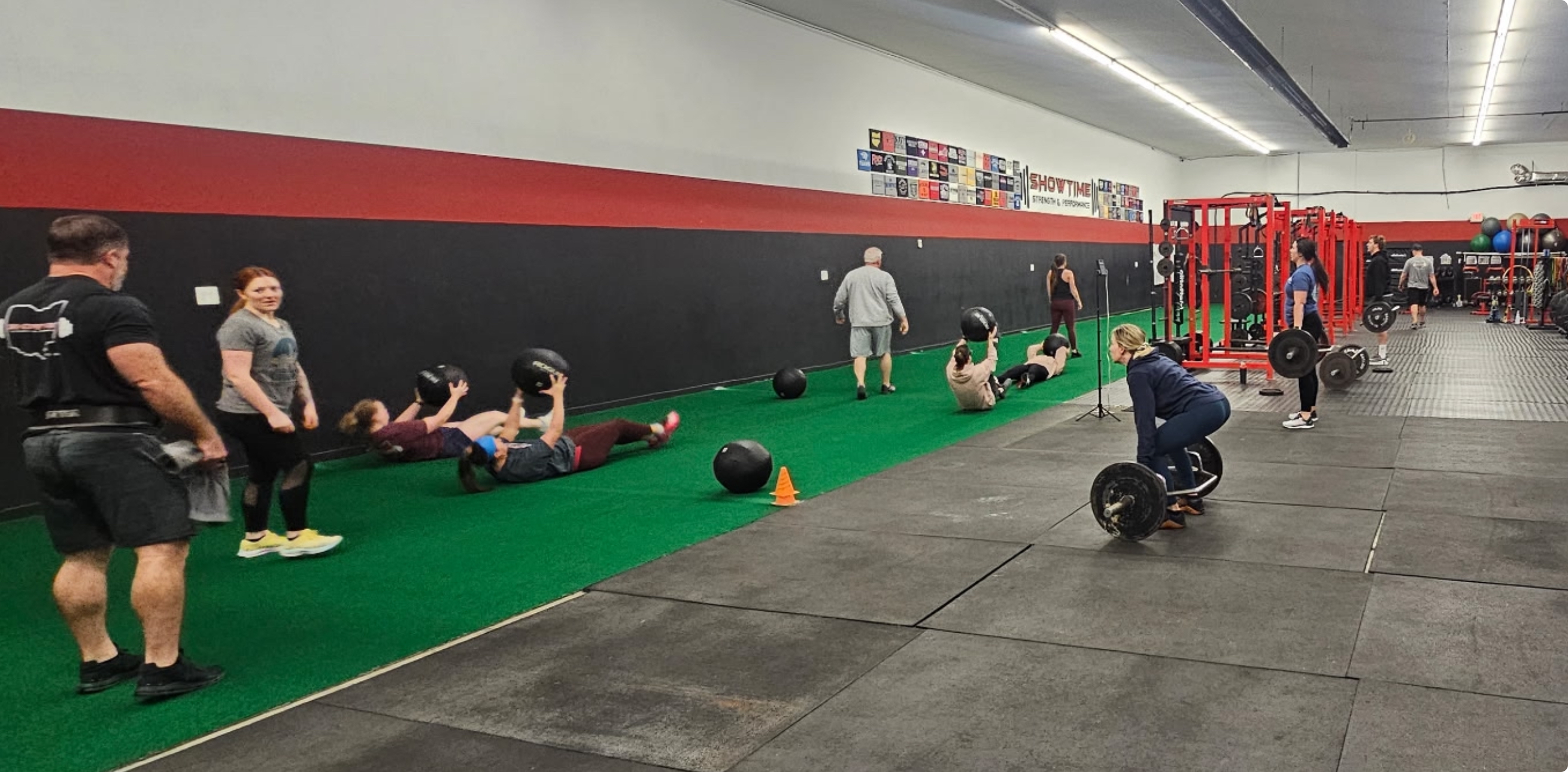
Most people lift pretty stationary and in one plane of movement. In life, we need to keep our ability to move our feet to keep our feet connected to our brain. This is why our adults do things like skips, shuffles, jumps, throws, etc. Practice moving your feet to move your body, and you’ll stay feeling younger. When we stop performing movements, that’s when we lose our ability. It won’t be noticeable day to day, but in a few years, you’ll notice your feet don’t move to the side as quickly or you turn your body to go up and down stairs instead of stepping straight.
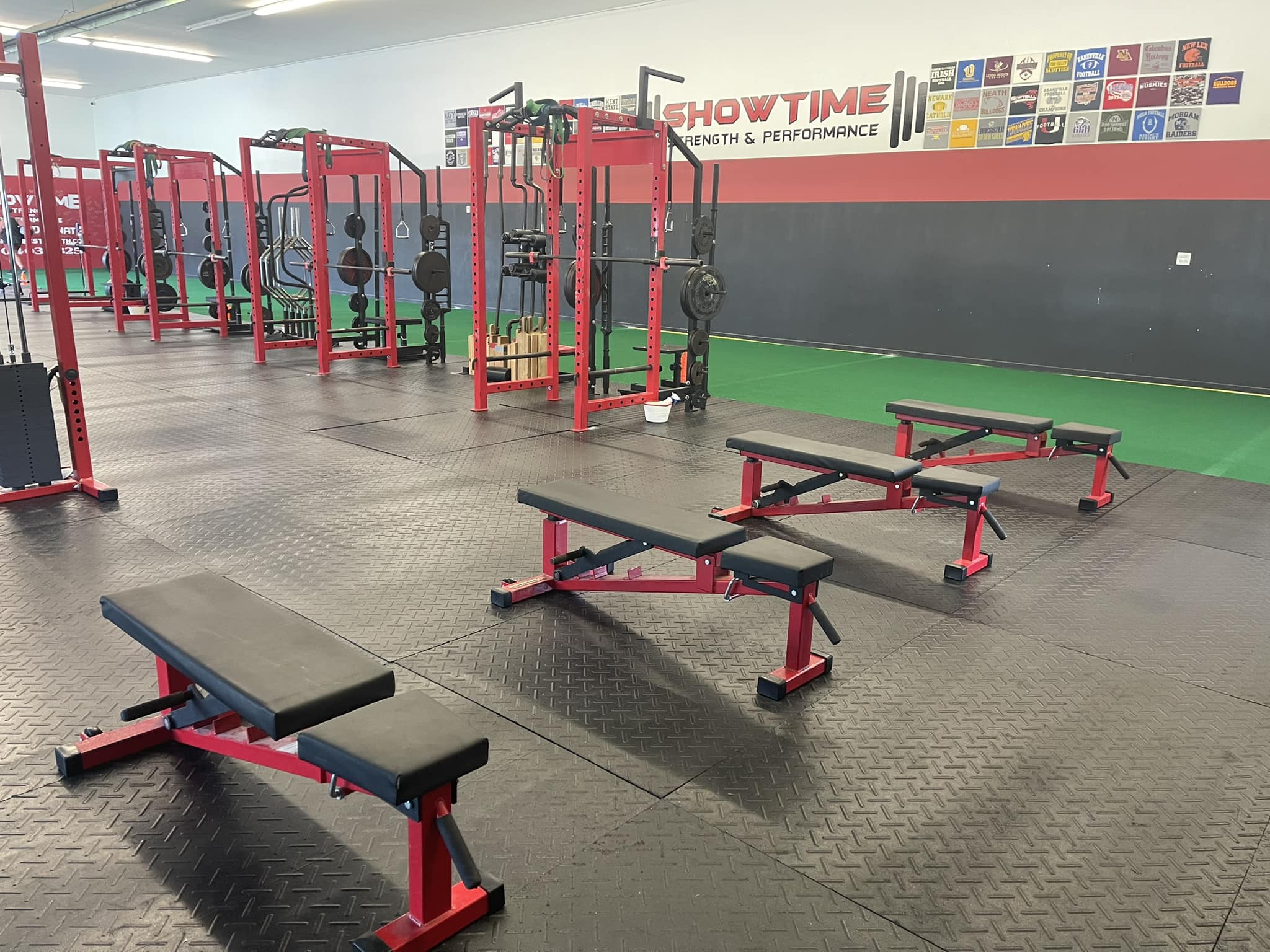
If you’ve been told you’re old at 35 or 40 years old, please understand that those people are scared of midlife. This should be the beginning of some of the best times we have. I promise your metabolism hasn’t stopped, and each year isn’t more bleak; we just need to be more aware of each decision we make. One of my favorite parts of Showtime is seeing adults have the moment they realize they can do something that they thought was in their previous life. Training should be fun and add quality to your life. If you need help feeling like you used to with training, book a No Sweat Intro so our coaches can create a plan meant for you to get the results that matter to you.




.png)












%20copy.jpeg)







.jpeg)


%20copy%202.jpeg)


