Are You Training For The Next 30 Days Or The Next 30 Years?
Fitness Plans That Work Even When Life Isn’t Perfect
By
October 10, 2026
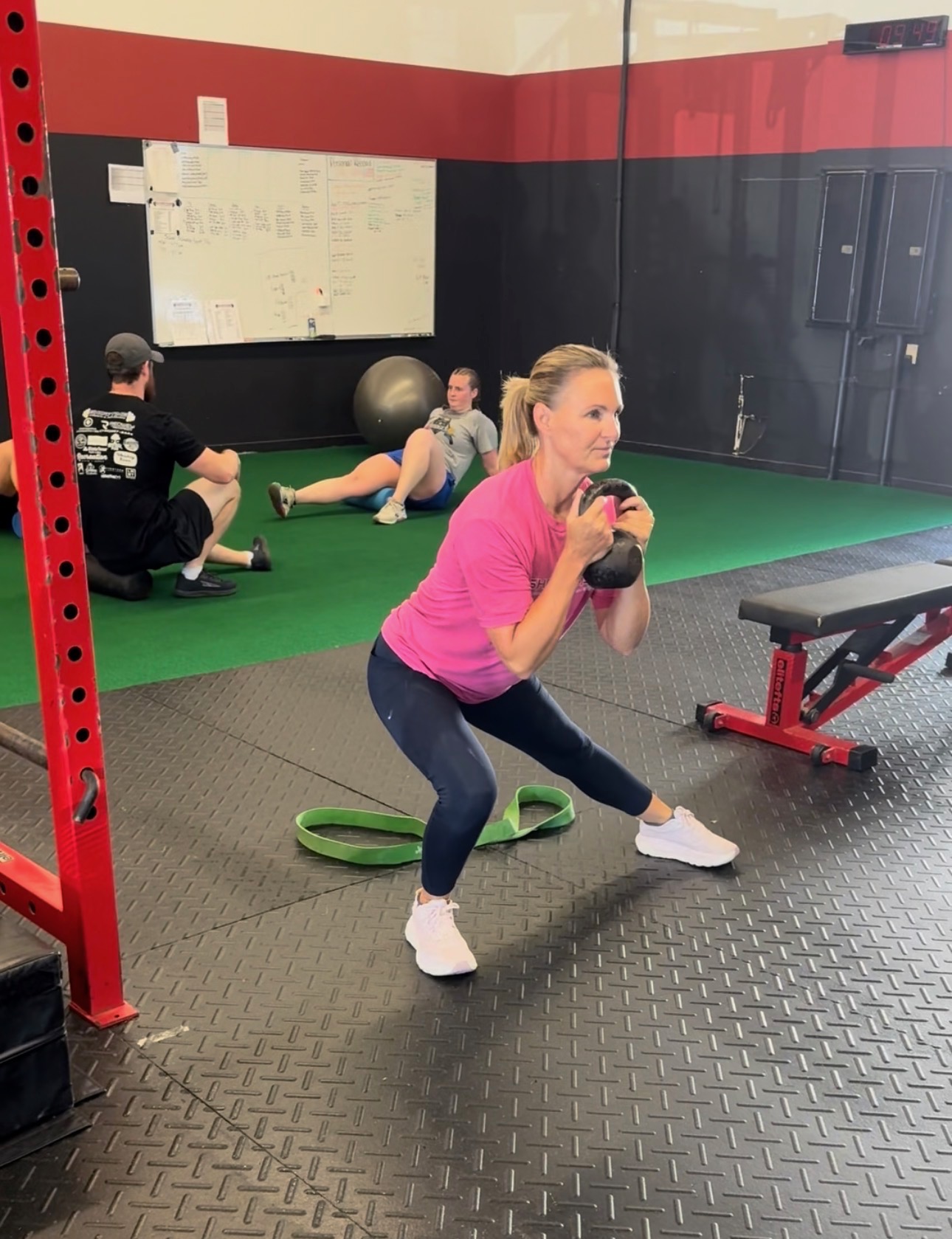

Most fitness programs are sold around what you can accomplish in the next 30 days. Lose weight fast. Burn as many calories as possible. Complete a brutal challenge. Follow a perfect meal plan. Train every day and completely overhaul your life. That approach might produce quick results, but what happens on day 31? For most people, the goal shouldn’t be to survive another short-term fitness challenge. It should be to build a stronger, healthier, and more capable body that continues serving them for decades. We don’t need a plan that works only when life is perfect. We need one that can survive vacations, busy workweeks, sick kids, injuries, holidays, and everything else life throws at you.
Before starting another program, ask yourself one question:
Am I training for the next 30 days—or the next 30 years?
1. Short-Term Results Shouldn’t Create Long-Term Problems
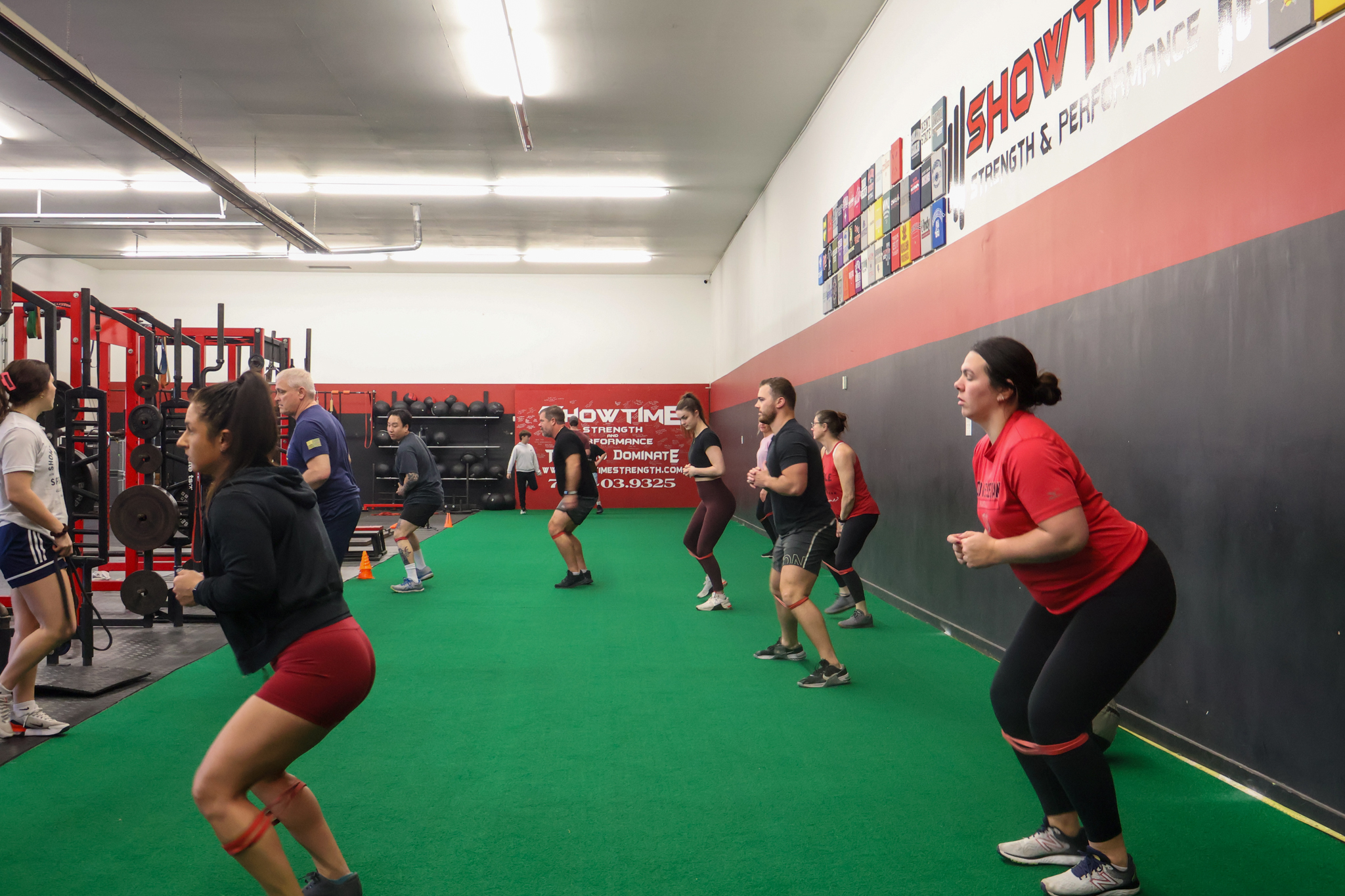
Anyone can make a workout difficult. Don’t believe me? Do 15 minutes of repeated squat jumps. You’ll probably throw up and not be able to walk the rest of the week. That doesn’t necessarily mean the workout was productive. A good training program should challenge you while still allowing you to recover, return, and train again. If every workout leaves you feeling destroyed for several days, it becomes nearly impossible to build consistency. Training for the next 30 years means understanding that soreness is not the goal. Exhaustion is not the goal. Punishment is not the goal. The goal is progress. That means gradually getting stronger, improving your conditioning, moving better, and increasing what your body can safely handle. Your training should make your life better, but not leave you too sore to enjoy it.
2. Your Program Has to Fit Your Real Life
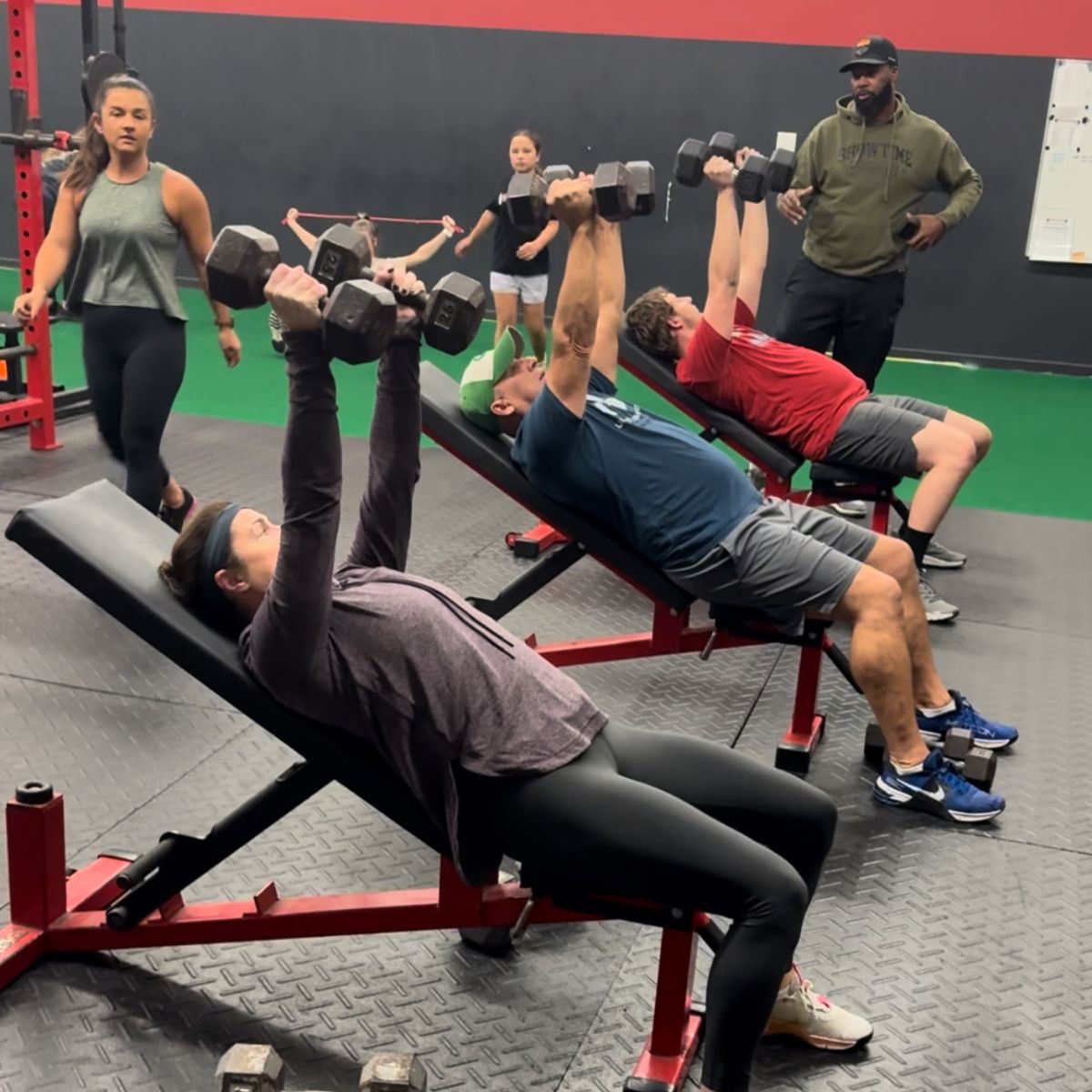
The perfect program on paper is useless if you can’t consistently follow it. Most adults don’t have unlimited time to exercise, prepare every meal, sleep nine hours, and recover like professional athletes. They have careers, children, responsibilities, stress, and unpredictable schedules. That doesn’t mean they can’t make progress. It means their plan has to match their life. For many adults, two or three well-designed workouts each week can produce tremendous results. You don’t need to live in the gym. You need to make the time you spend there count. A sustainable program should have some flexibility. During a normal week, you might train three times. During a chaotic week, you might only make it twice. That’s still progress. You don’t need perfect attendance. You need the ability to keep going.
3. Train for the Life You Want to Keep Living
Most adults aren’t training to win a powerlifting meet or play professional sports. They’re training to remain capable. They want to carry groceries without struggling, play with their children or grandchildren, work around the house, travel, participate in recreational activities, and get off the floor without needing help. Those abilities are easy to take for granted until you start losing them. That’s why long-term training should develop more than appearance. It should build strength, muscle, balance, mobility, conditioning, and confidence. The number on the scale might be part of your goal, but it shouldn’t be the only way you measure success. Can you lift more than you could six months ago? Do stairs feel easier? Do you have more energy? Are you moving with less discomfort? Can you do things now that you once avoided? Those are meaningful results. They’re also the results that can improve your quality of life for years.
Build a Plan You Can Repeat
You don’t need to ignore short-term goals. Losing weight, completing a challenge, or preparing for an event can provide direction and motivation. But your short-term goal should fit inside a much larger plan.
Here is a simple strategy you can use:
Before every major fitness decision, use the 30-year test:
Will this help me continue training and living well for the next 30 years, or am I sacrificing my future for faster results today?
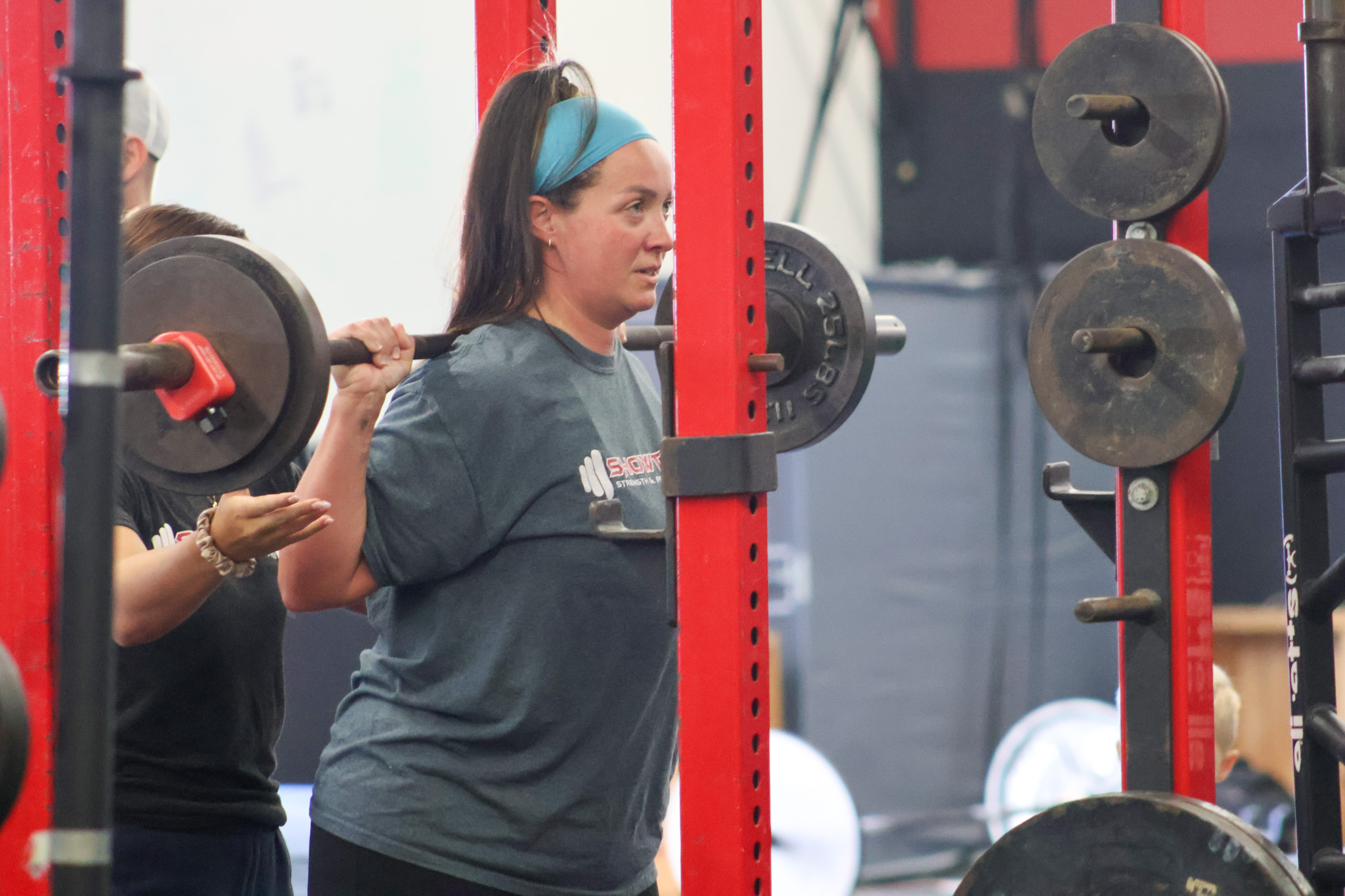
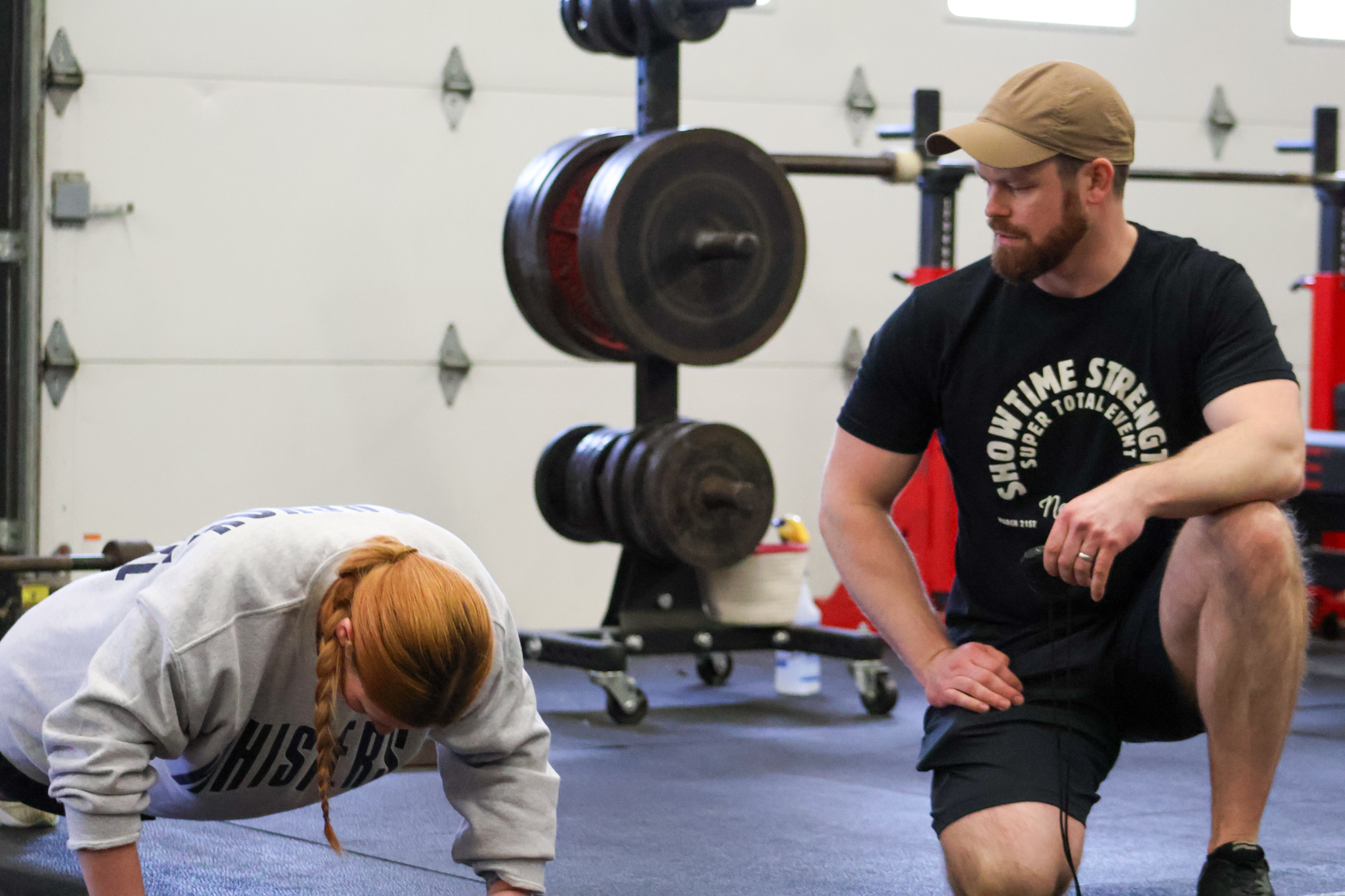
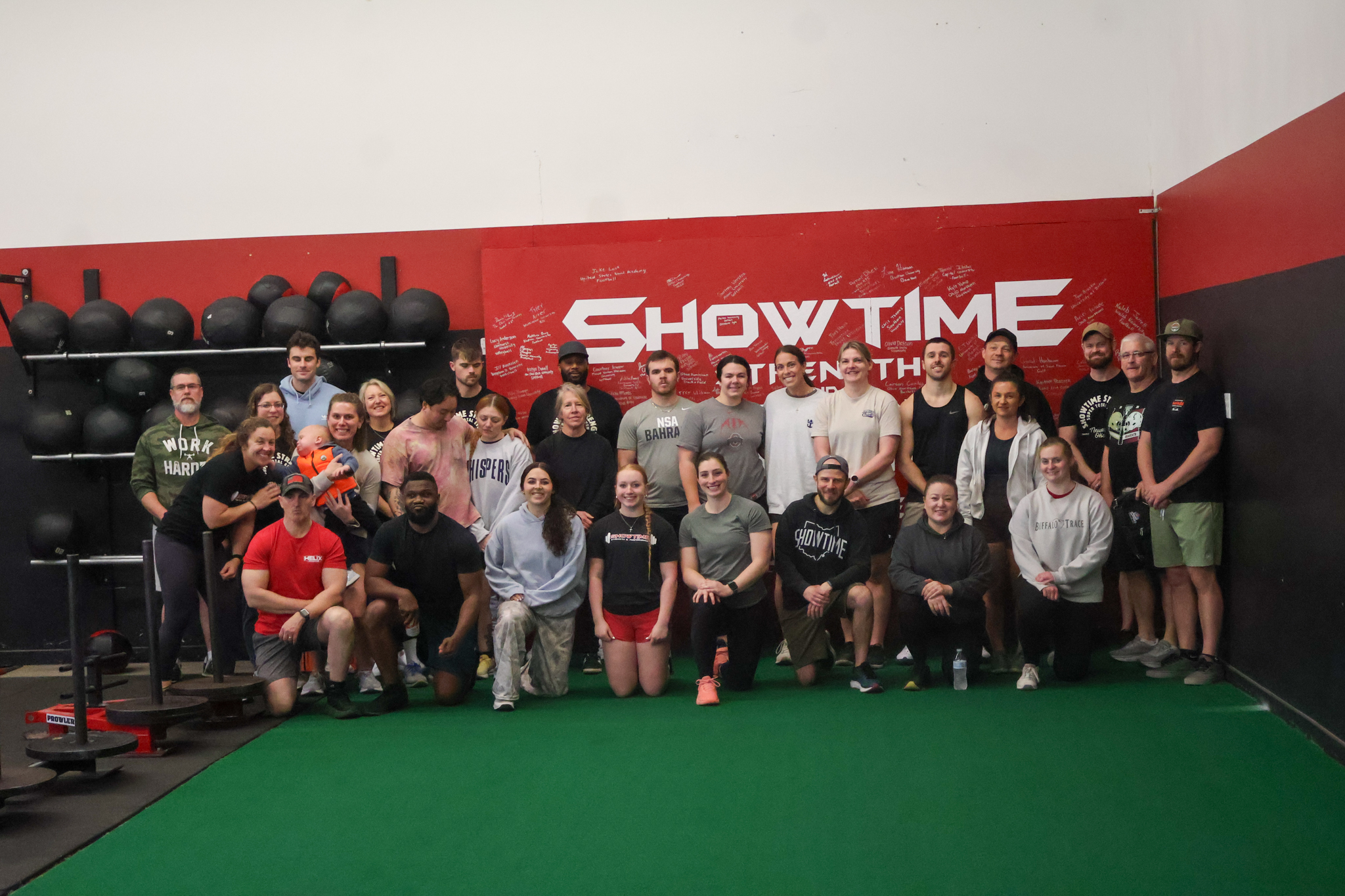
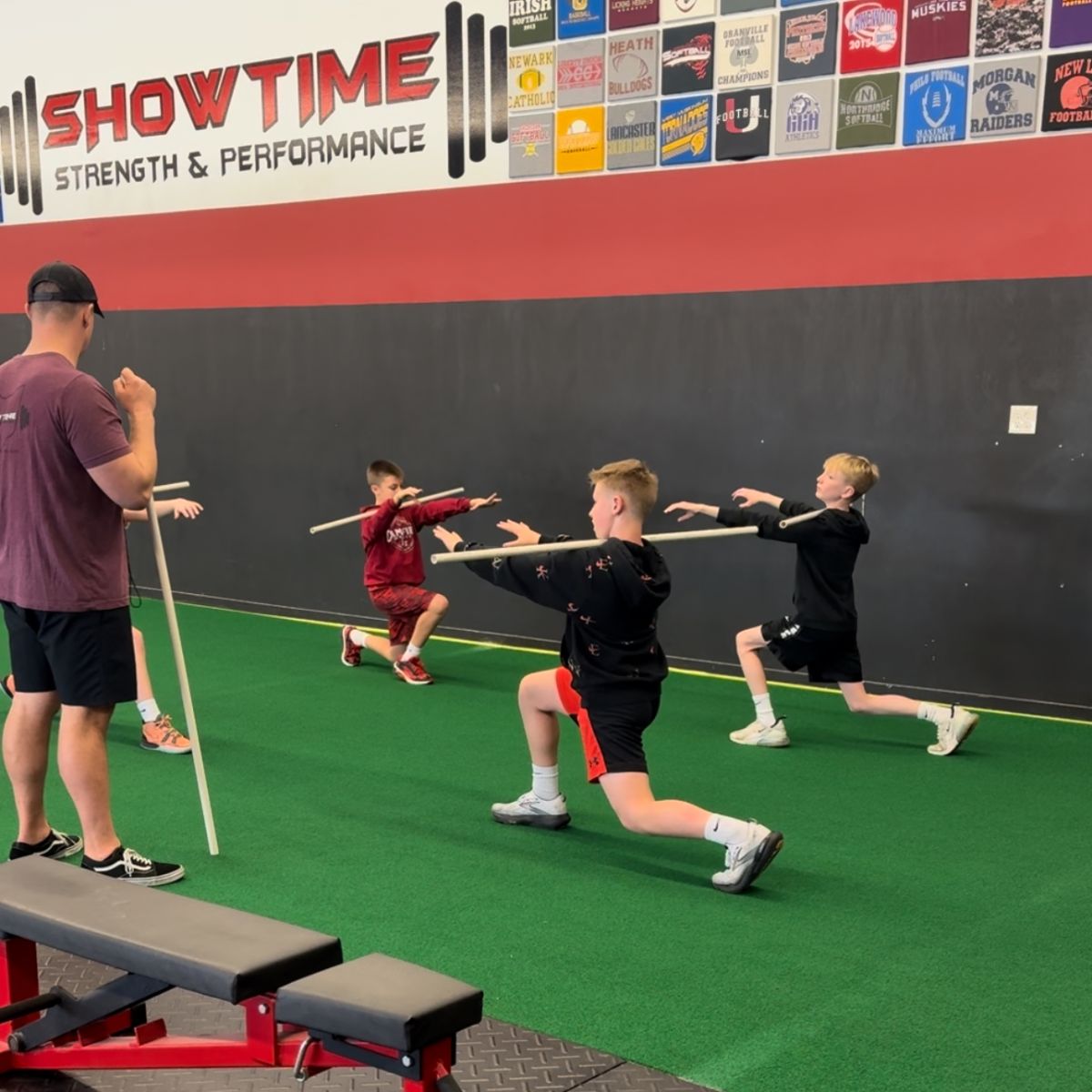
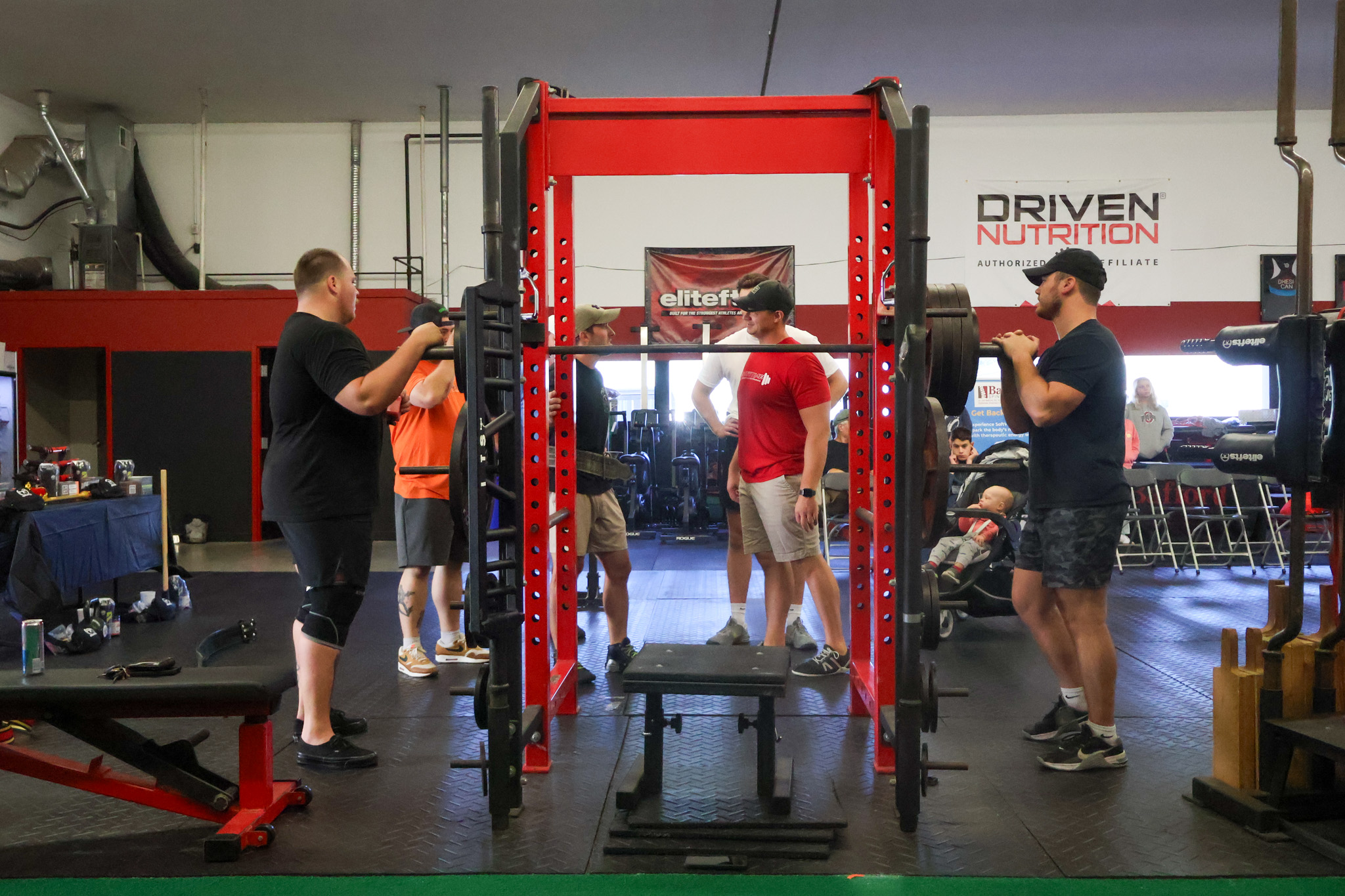
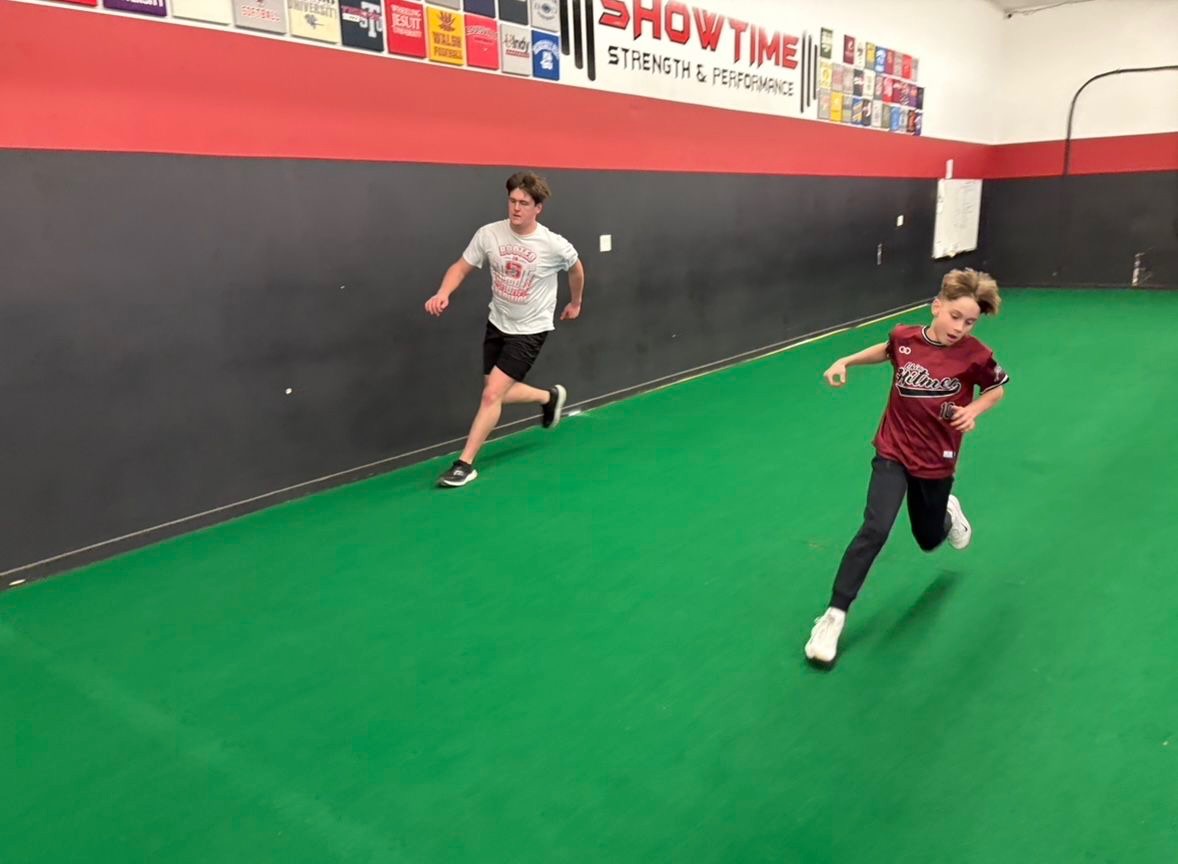
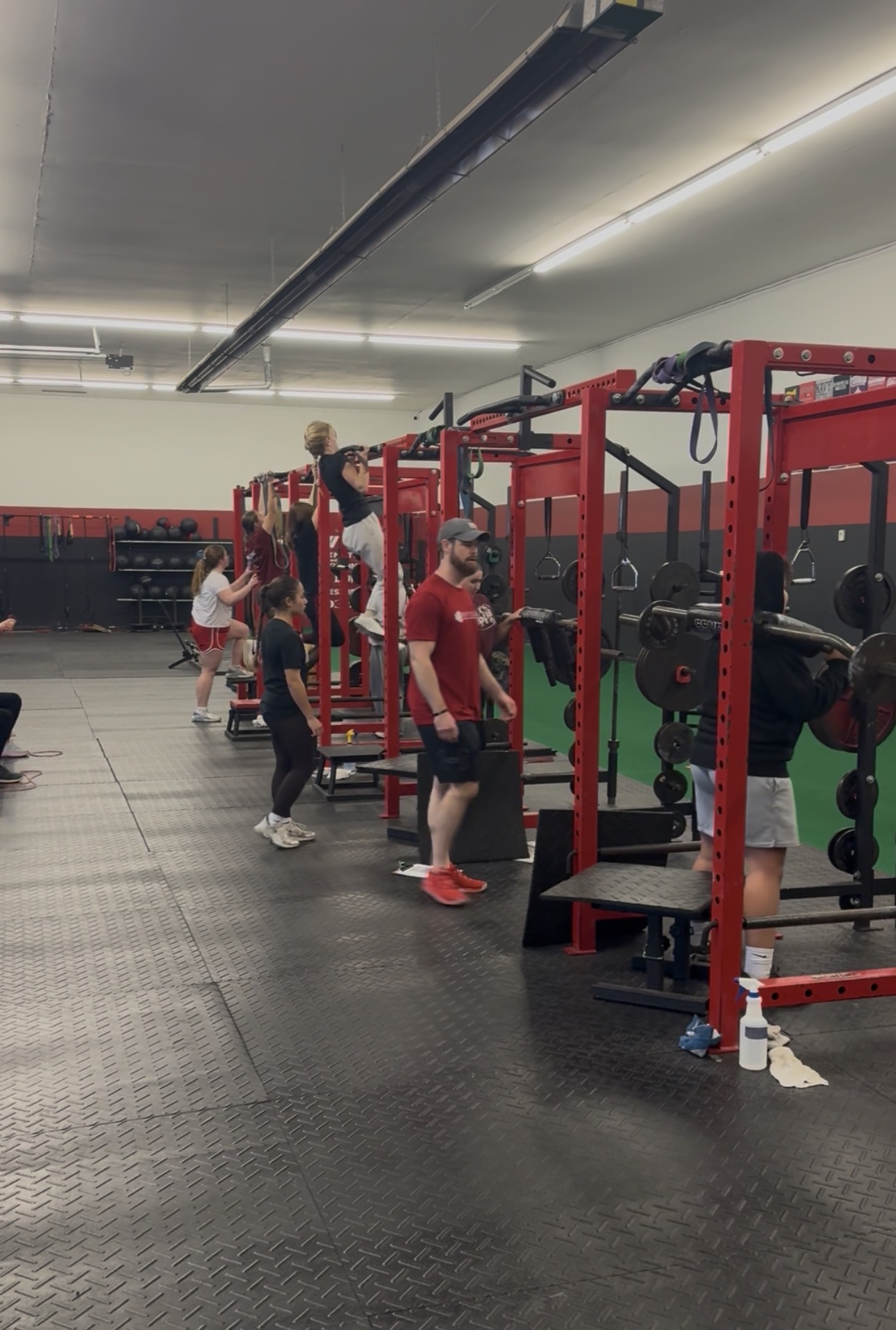
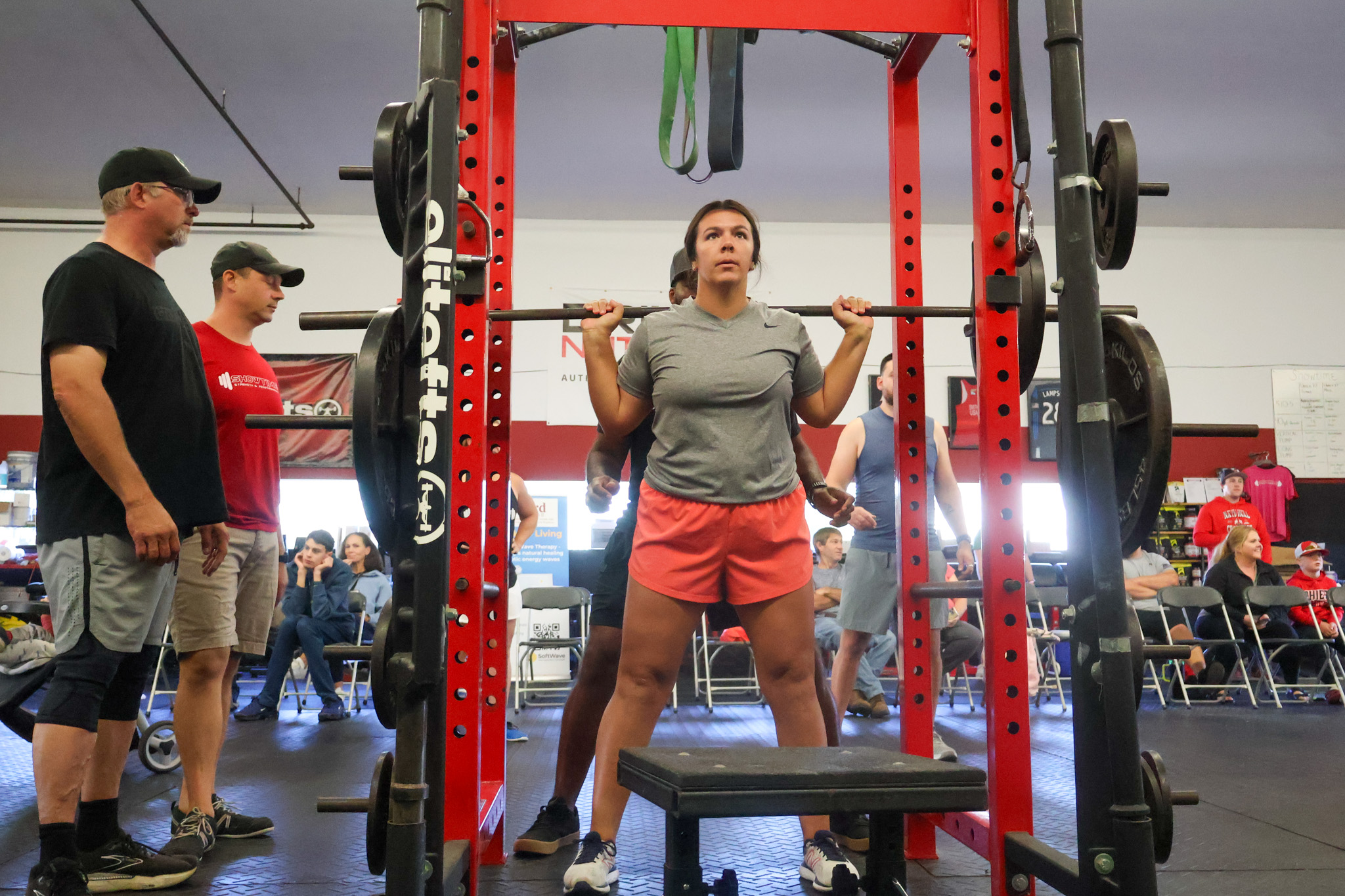
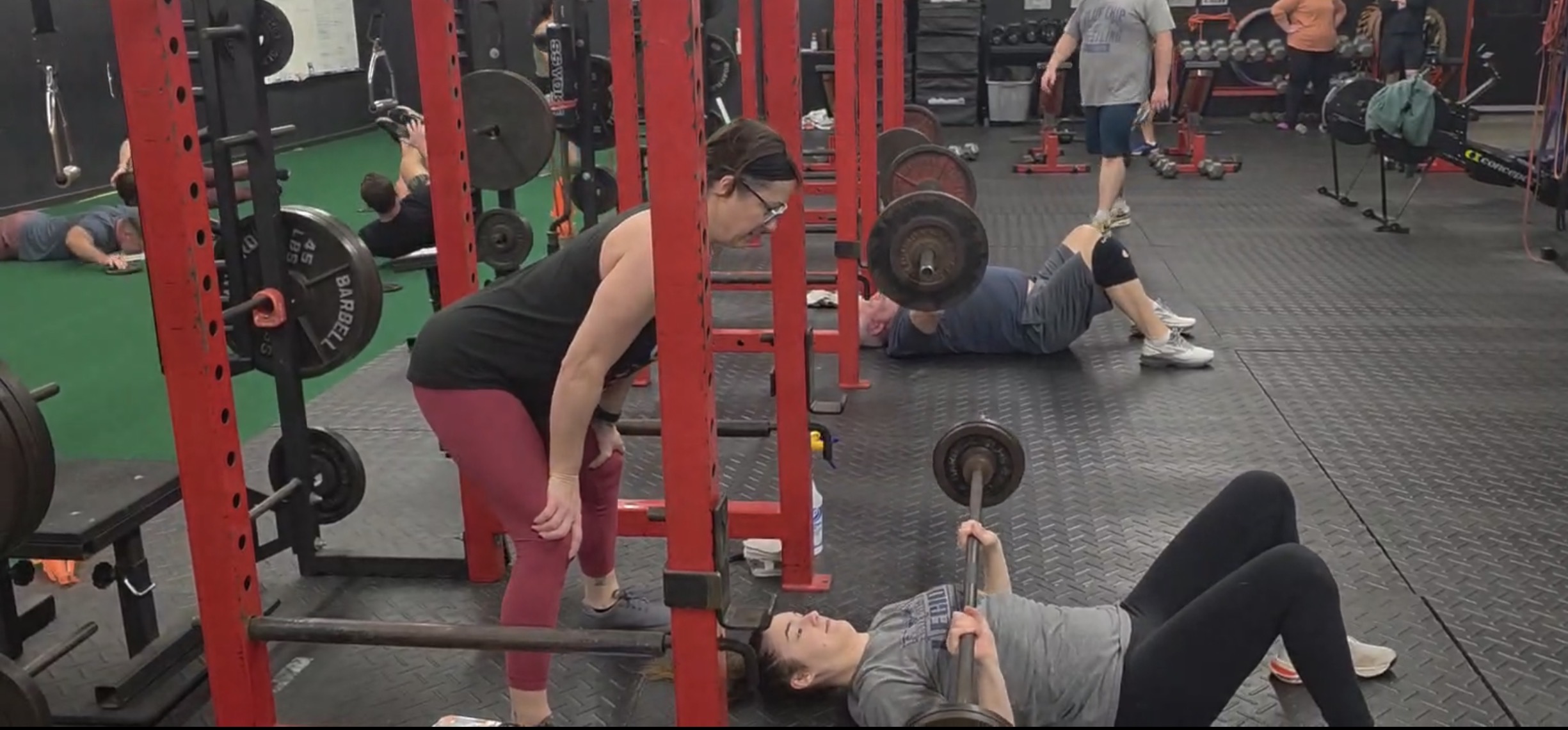
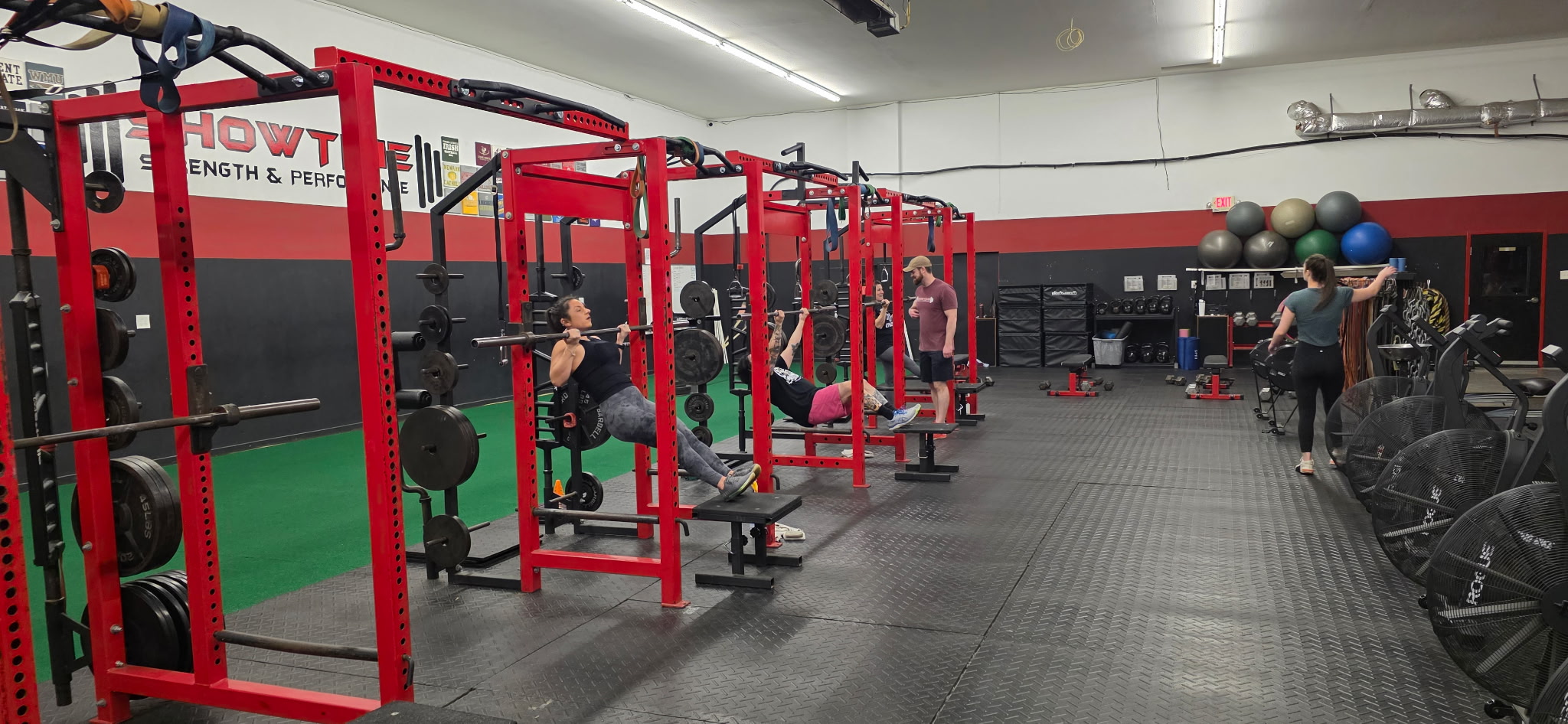
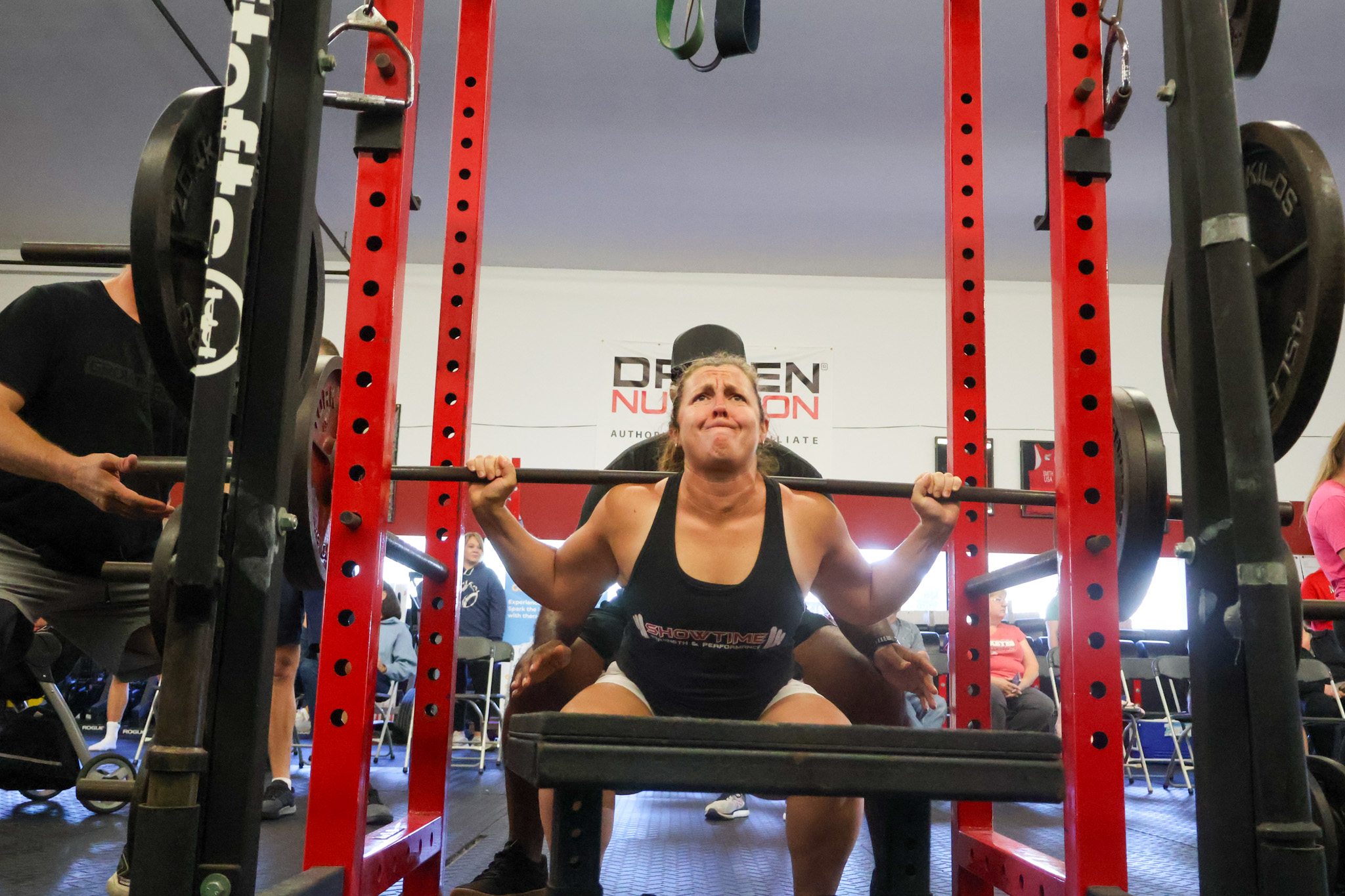
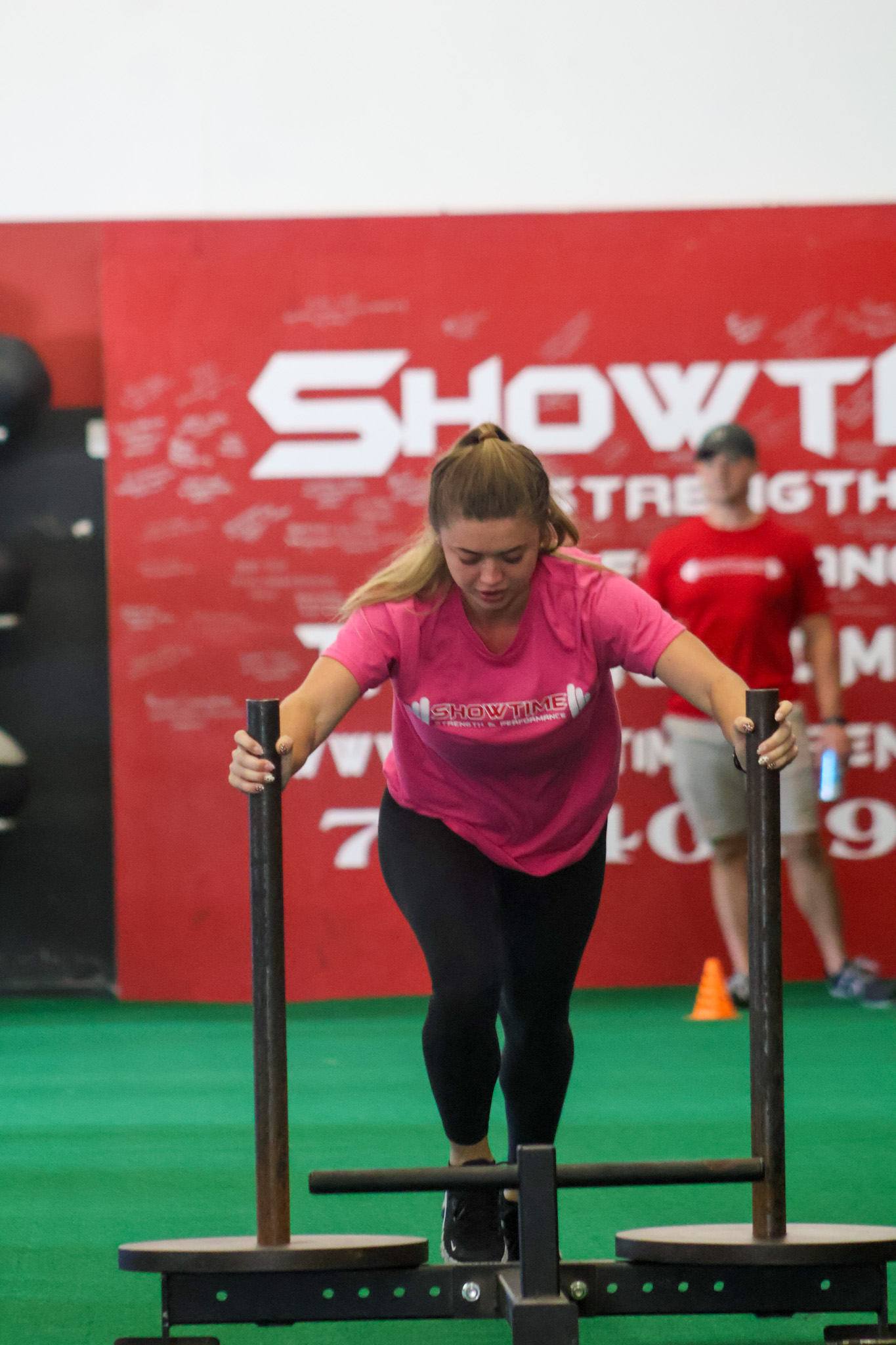
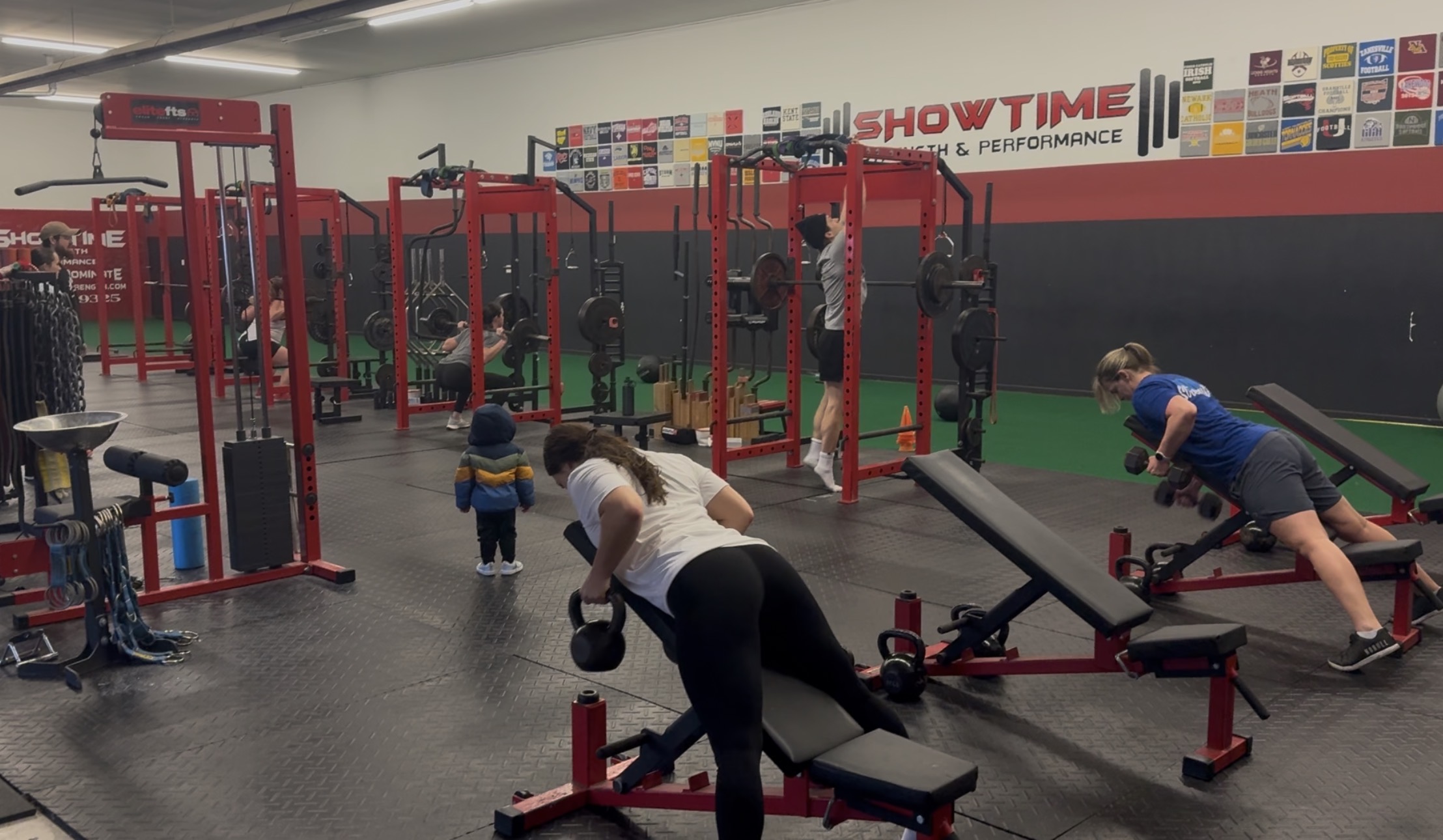
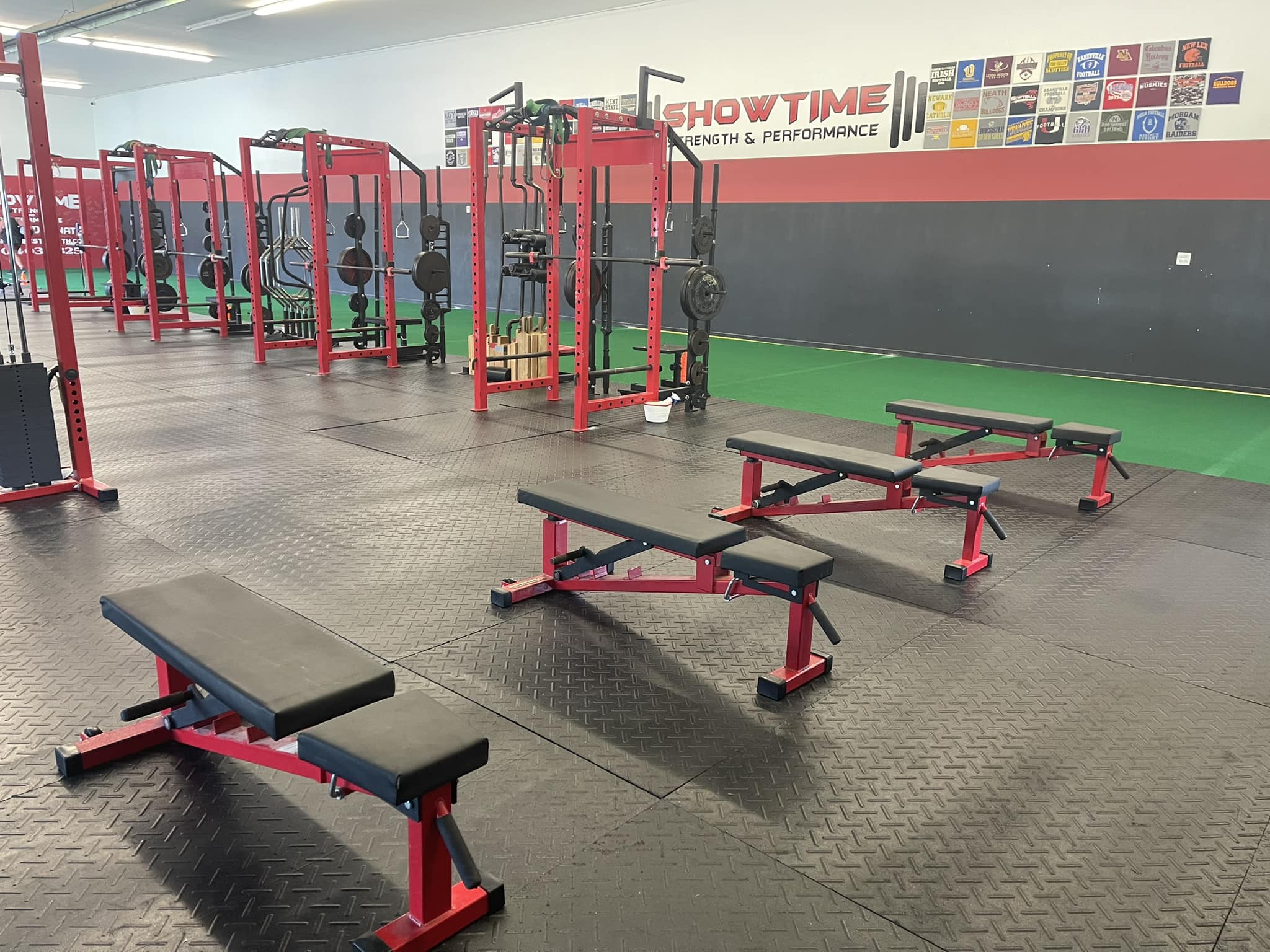
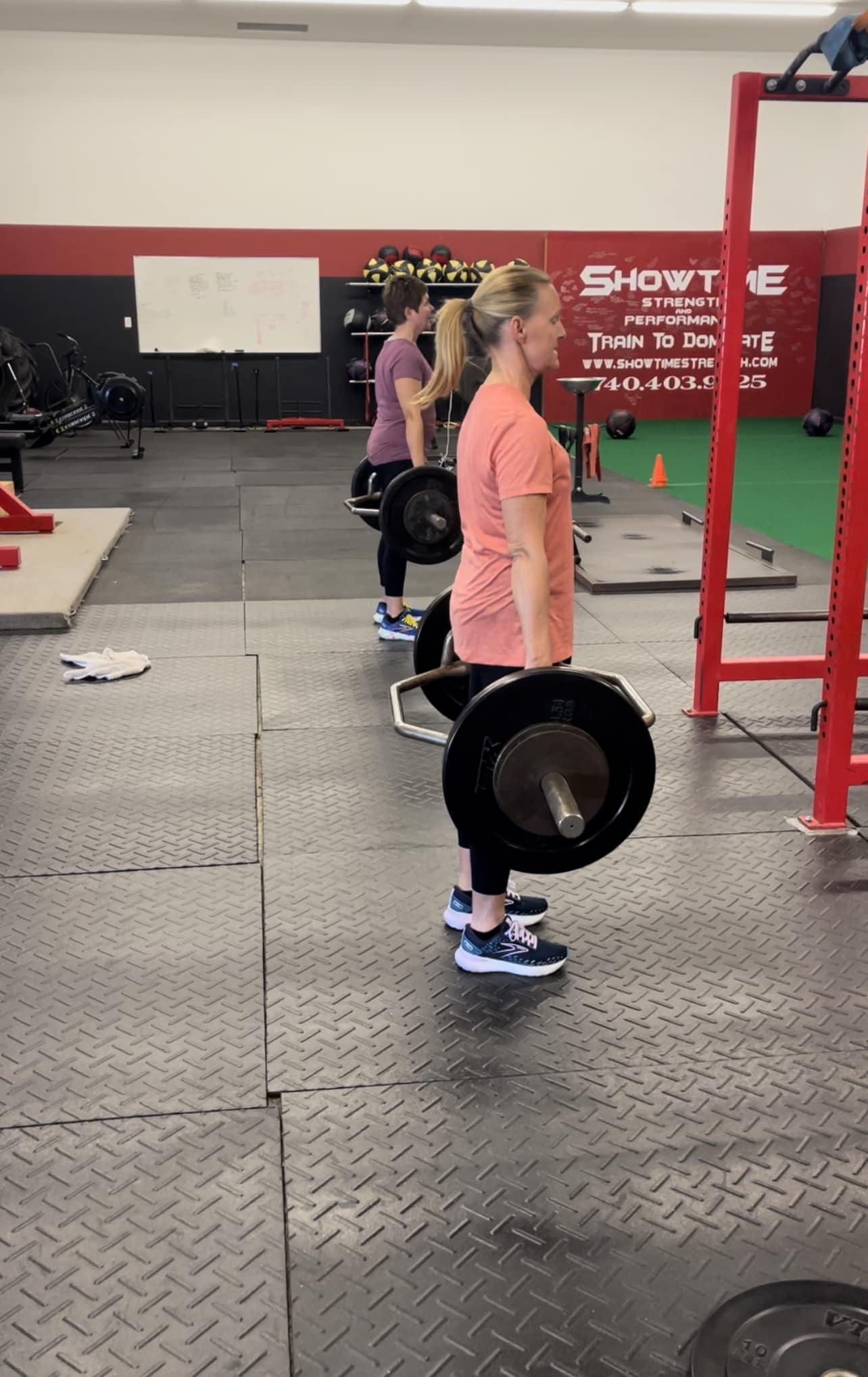
At Showtime Strength & Performance, we want to help people lift their first weights and create lifelong strength, health, and happiness.
Anyone can start an intense program.
The real victory is building one you never need to quit.





.png)












%20copy.jpeg)







.jpeg)


%20copy%202.jpeg)


