Why Everyone Can Benefit From The Deadlift
The Exercise That Mimics Real-Life Movements.
By
September 26, 2026
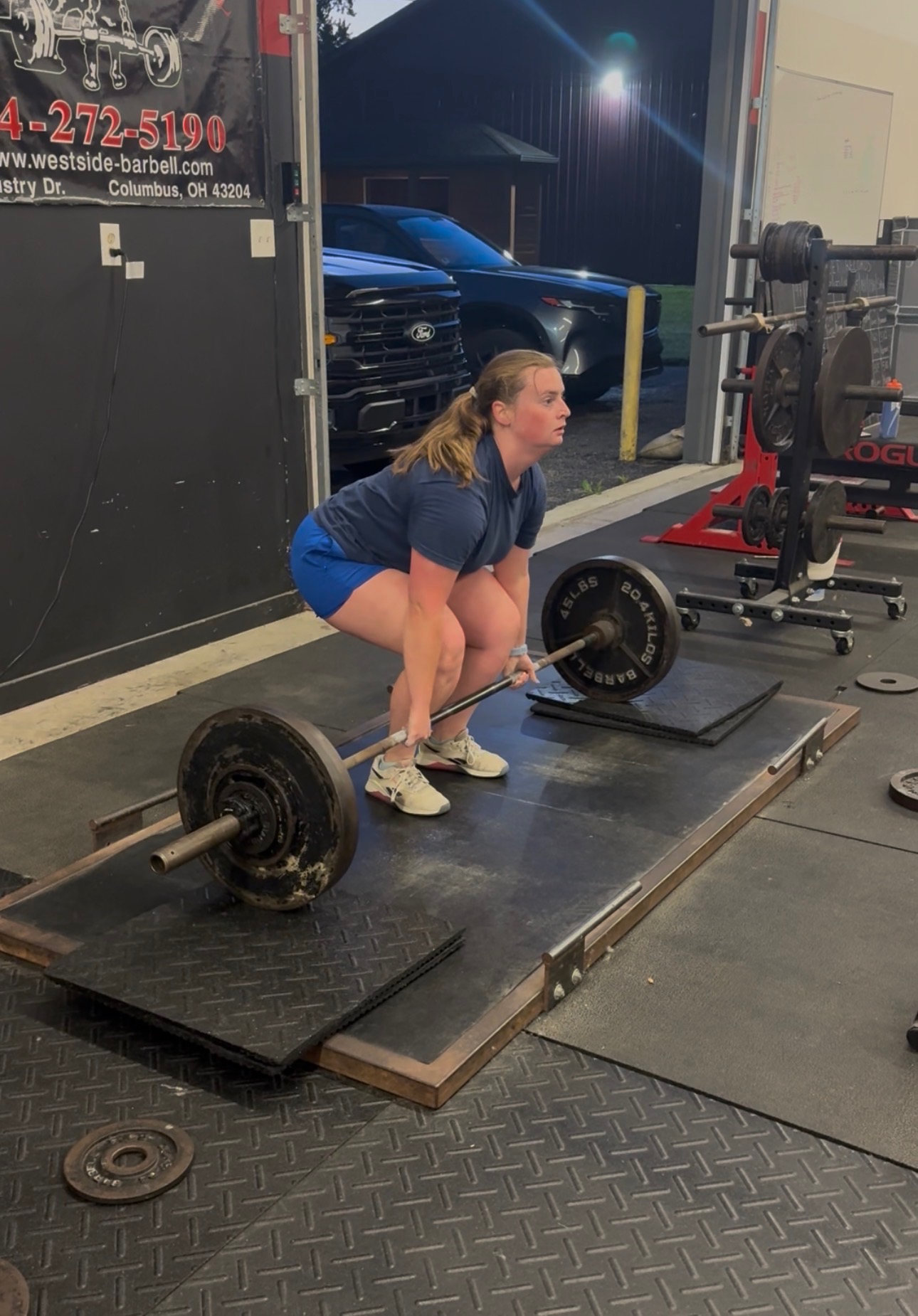

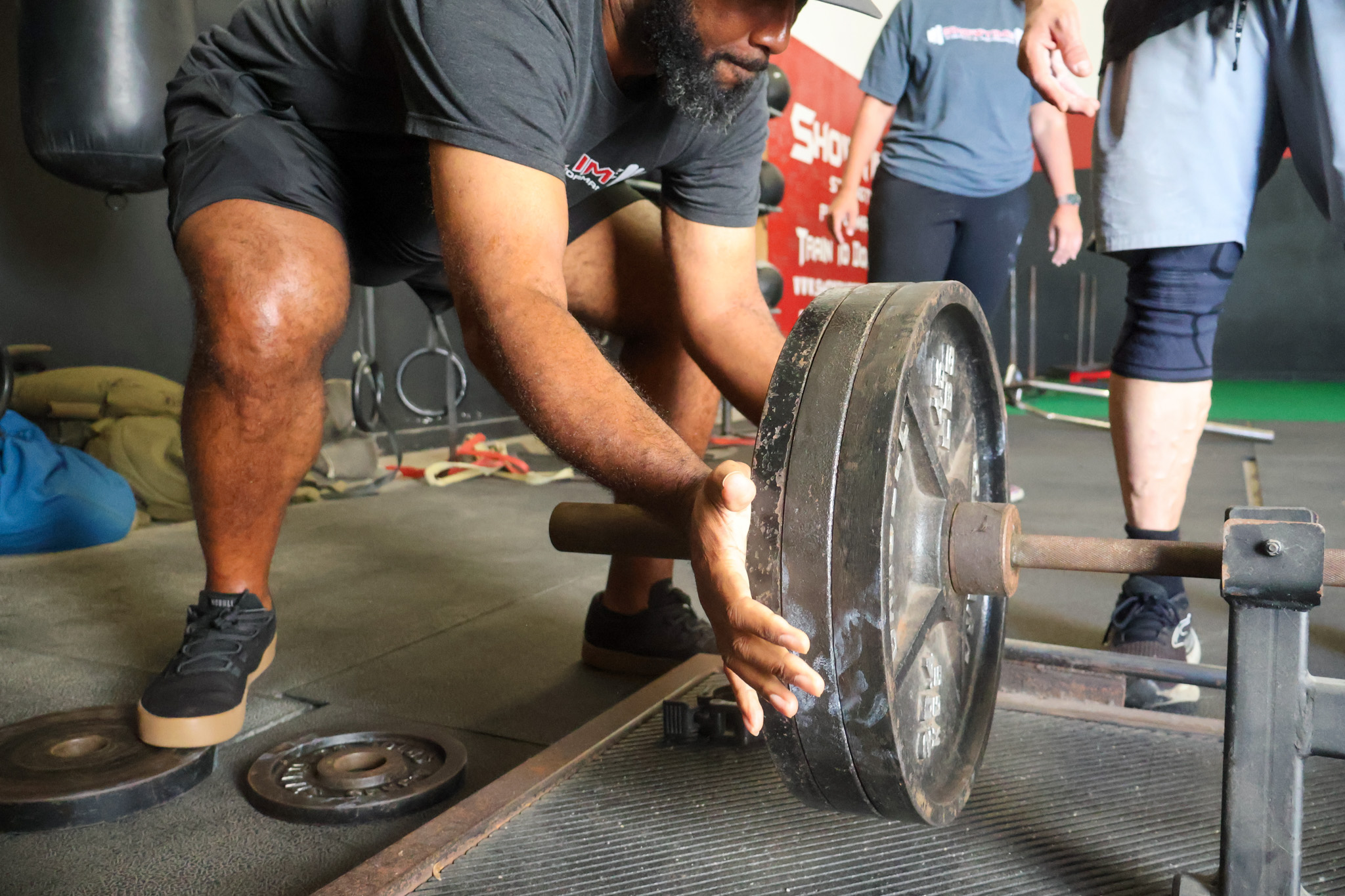
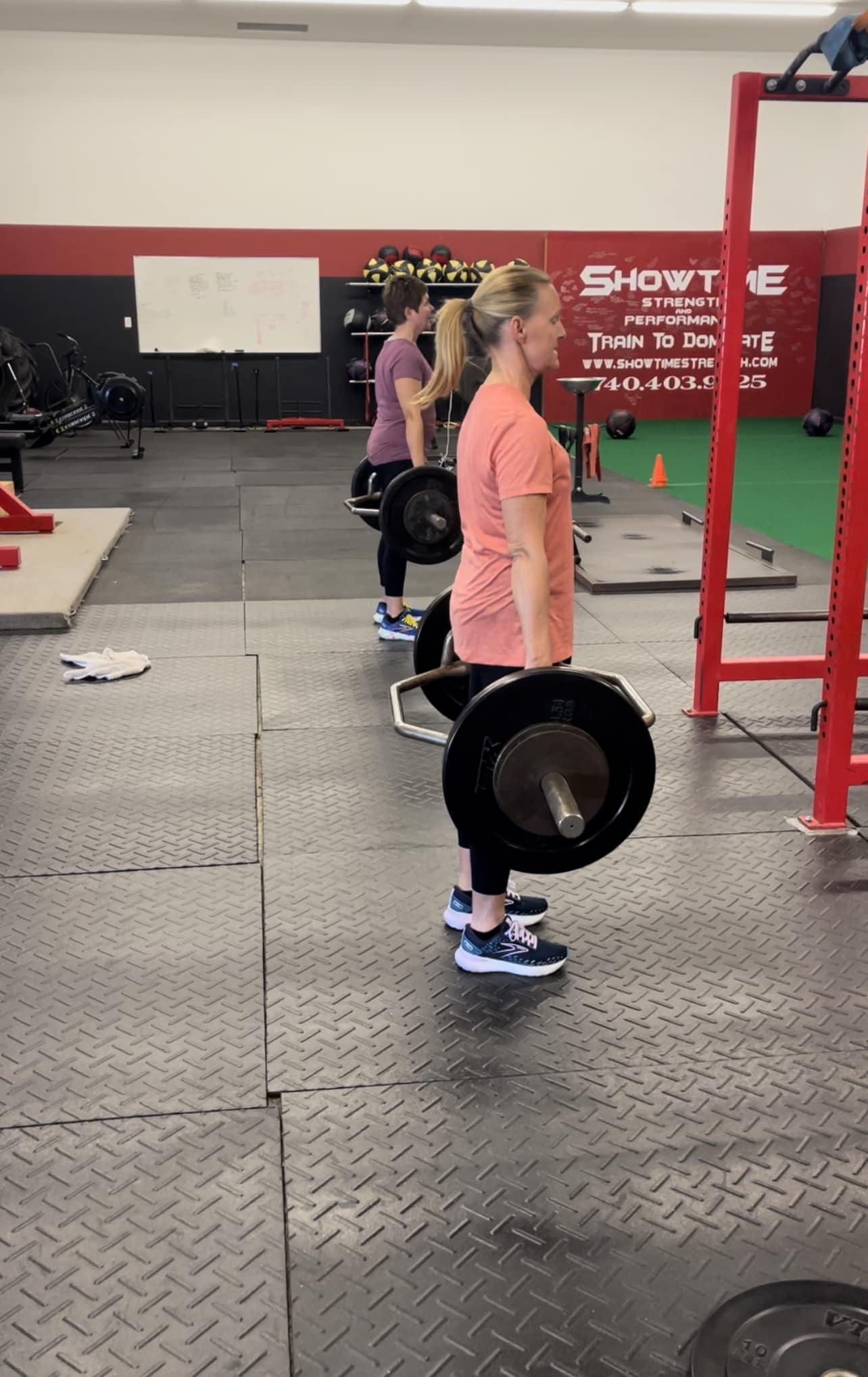
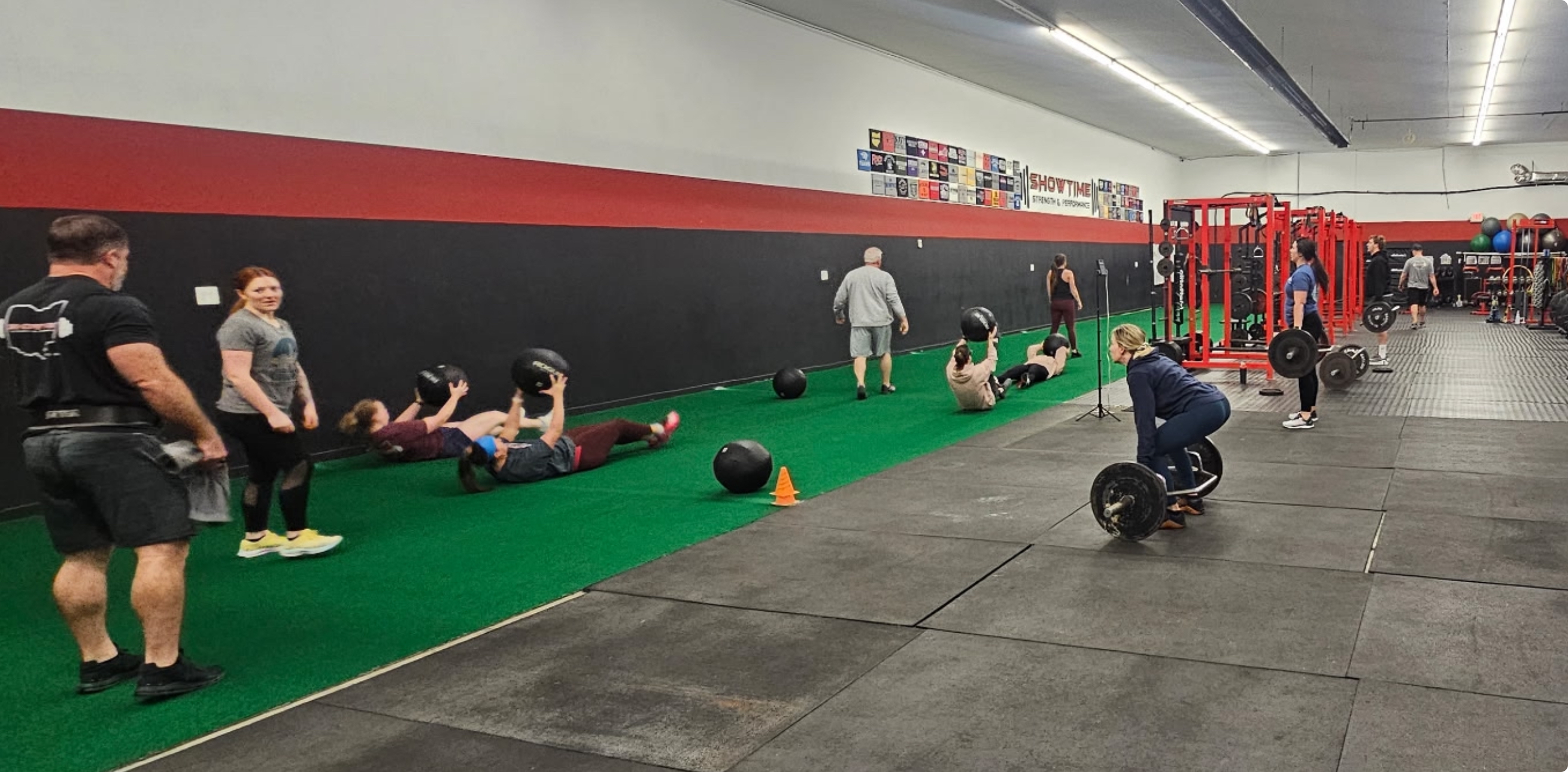
In training, a lot of things come and go in waves, but the belief that deadlifting will hurt your back is one that never seems to go away. It’s worth noting that any exercise loaded improperly or done with poor technique will lead to an increased risk of injury. If you’re afraid of doing deadlifts in the gym, you should also be very cautious of things like sex, carrying groceries, or picking up the laundry basket in real life. These are all real-life movements that mimic the pattern or loading of the deadlift. Since I don’t think many people want to remove sex or the ability to lift the laundry basket, that means we need to prepare our body for the demands. In terms of “functional fitness”, it’s hard to find an exercise that has as much transfer to real life as the deadlift. It teaches you how to pick something up from the ground by using stronger muscles like the glutes, quads, abs, upper and lower back to make one fluid motion while creating tension through the entire body. If you’re wondering what muscles the deadlift targets, the answer is all of them. This is because you’re pushing your feet through the ground while holding the weight with your hands. This is also the same reason the deadlift can be a potential issue for the central nervous system and why more weight or more frequency isn’t always the answer.
How People Get Hurt Deadlifting
Quick Technique Tips
Helpful Modifications
Benefits of the Deadlift
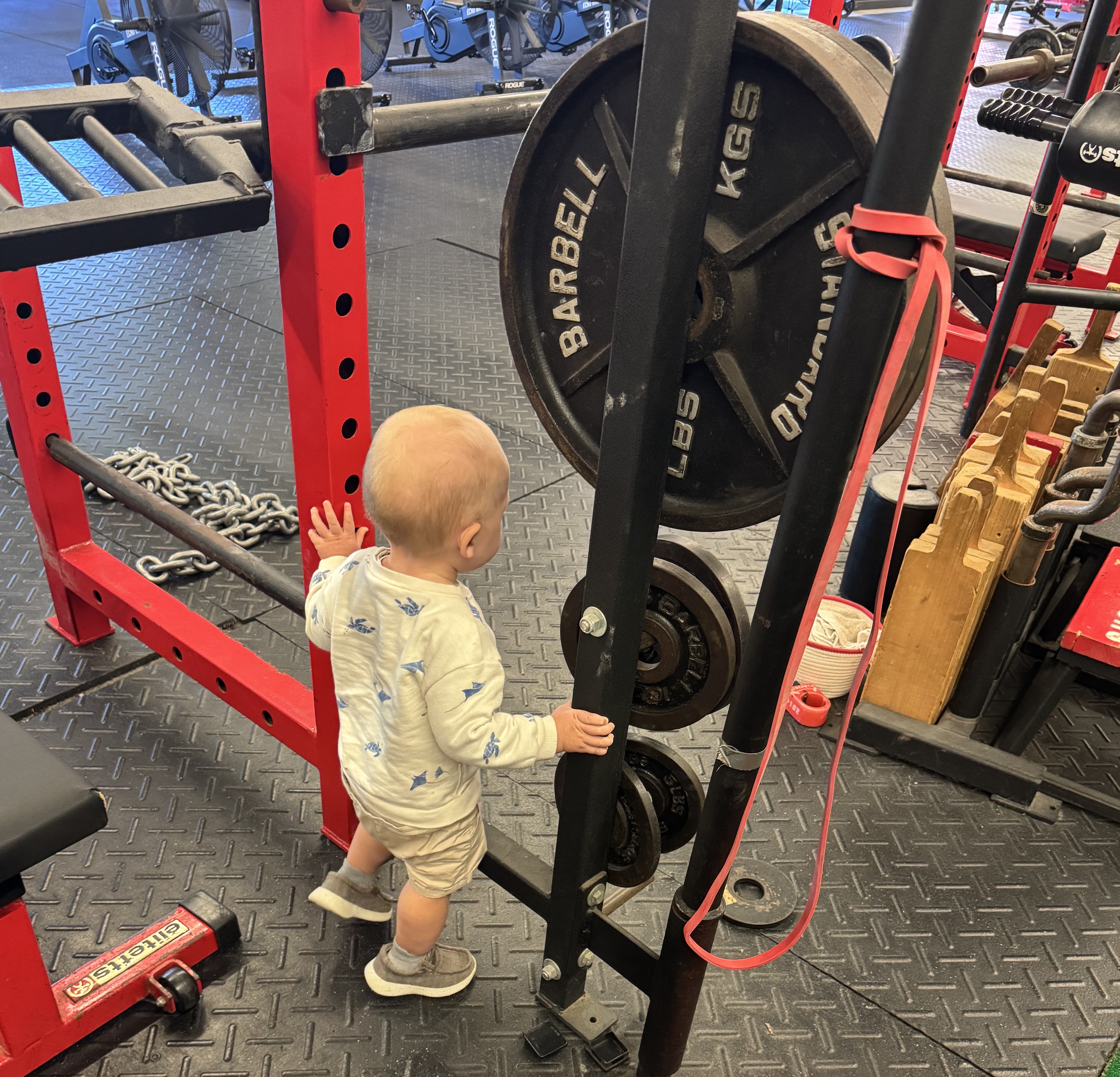
Our son is 2 years old. Between getting him in and out of his crib or getting him up from the ground, I can only think about how much my years of deadlifting have benefited me for this task. You can try to train your lower back, glutes, and hamstring muscles in isolation, but real life is a dynamic task. That means for every task, we have a specific firing pattern to help with efficiency and decrease risk of injury.
No matter what stage of life you’re in, I would spend some time focused on building the deadlift pattern to your ability with any of the tools you have available. The longer you have the ability to pick things up from the ground safely, the longer you’ll be able to enjoy more out of life and that’s the whole point of strength training in the first place.





.png)













%20copy.jpeg)






.jpeg)


%20copy%202.jpeg)


