If you’re lifting to improve energy, reduce joint pain, or improve body composition, the number on the scale shouldn’t be the loudest or only metric in the room. Weight fluctuates daily for reasons that have nothing to do with your effort. Things like water, salt, glycogen, hormones, and even gut contents all make a big difference in our number on the scale. Tracking progress in smarter, sustainable ways helps to keep you motivated and helps you make better decisions without getting trapped in a highs-and-lows cycle. We’ve seen more people ruin great progress by focusing on one number rather than seeing the big picture. Here’s a practical, no-nonsense guide to measuring progress that actually matters for most adults.
Why the scale lies (sometimes):
- Short-term fluctuations: Daily weight can swing 1–4+ pounds from water, food, sleep, and stress.
- Body composition blind spot: The scale can’t tell fat from muscle; gaining strength often comes with small weight increases that are positive. A scale just doesn’t show difference in muscle gain vs fat loss. This leads people to focus on simply reducing by any means rather than making the real improvements they want.
- Psychological volatility: Focusing on scale-only progress encourages extreme behaviors and discourages consistency.
Better things to track (and how to do it):
- Strength Metrics (primary)
- What: Key lifts (squat, deadlift, bench press, overhead press) and important assistance movements.
- How: Record working sets and reps (e.g., 5x5 @ 185 lb), track best lifts, and note estimated 1RM when appropriate. You can add strength by adding weight on the bar, doing more reps with a certain weight, or increasing total training volume in a workout. They all work and should be used at different times.
- Why: Strength gains are direct evidence your training is working. Small, consistent increases are more meaningful than weight loss numbers. Building strength means you’re increasing capacity instead lowering capacity. Increased strength and muscle helps us better use nutrition and creates a better metabolic system.
- Performance Metrics
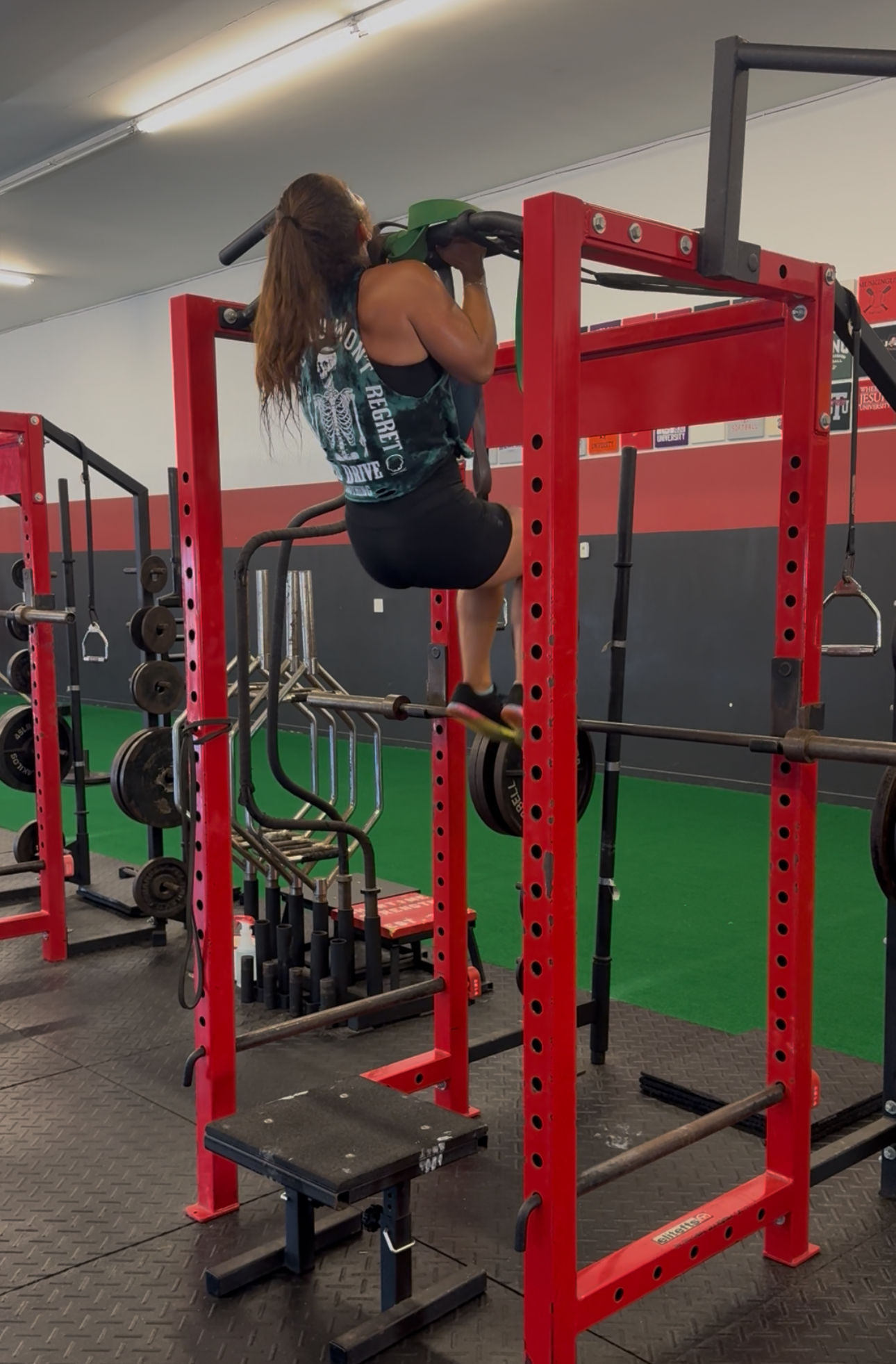
- What: Push Ups, Pull Ups, Planks, Aerobic capacity testing etc
- How: Test every 4–8 weeks under similar conditions.
- Why: Performance improvements translate to daily life and sport; they’re motivating and objective. These metrics translate to real life helping in daily activities like getting up from the ground without support, carrying heavy items, reaching overhead and more.
- Body Measurements and Photos
- What: Measure around the waist crossing the belly button while relaxed. This number should be half of your height in inches. Front/side/back photos. Same room, same lighting, same time of day.
- How: Measure weekly or biweekly at the same time of day (morning,), take photos every 2–4 weeks with consistent lighting and clothing.
- Why: Circumference changes and photos show composition shifts the scale can’t.
- Relative Strength Metrics (smart for athletes)
- What: Relative performance (e.g., deadlift 1.5x bodyweight, bodyweight bench press etc).
- How: Use for goal-setting rather than daily tracking; update monthly and establish new goals every 3-6 months. It’s always beneficial to have long term goals that will require more time and then support goals that are the habits to help hit bigger goals.
- Why: Helps balance strength goals with weight-management without obsessing over pounds lost. The strength measurement relative to our bodyweight helps to keep strength metrics relative to ourselves instead of comparing to people of different sizes.
- Training Consistency and Load
- What: Sessions completed, adherence to plan, weekly volume (sets x reps x load), and personal records.
- How: Log workouts in an app or notebook; mark completed vs missed.
- Why: Consistency predicts results. Whether it’s noticing trends in training sessions made or increasing training volume too much, what we track helps us understand what’s going on with our results.
6. Recovery and Wellbeing Metrics
- What: Sleep hours/quality, resting heart rate, morning readiness score, mood, energy, joint pain.
- How: Quick daily check-in (1–2 minutes) via an app or habit log.
- Why: These indicators guide adjustments and prevent overtraining. I prefer people not use apps for things like sleep scores long term as I have seen them become dependent and change everything based on that score. Use the apps and tools to establish trends and then use your judgement and daily actions to work without them.
- How Clothes Fit
- What: How clothes feel, ease of movements (e.g., tying shoes, climbing stairs).
- How: Subjective check weekly.
- Why: Everyone has some shirts they love to wear because of how they fit on them and others they don’t wear as much because they’re a little too tight for comfort. When your body weight is maintaining, but your pant and shirt size is dropping, you’re on the right road.
How to structure a simple, low-stress tracking system:
- Keep it weekly/biweekly: Daily obsessing creates noise. Track key metrics weekly (workout logs, adherence) and do deeper checks every 2–4 weeks (photos, measurements, performance tests).
- Use a minimal toolset: A training notebook or simple app (Google Sheet, Train Heroic) is enough—avoid tracking 20 metrics.
- Choose 3 primary KPIs: Pick one strength metric, one body composition indicator (measurements/photos), and one wellbeing/performance metric. Focus on these for 8–12 weeks.
- Rate progress on trends, not daily points: Look at 8–12 week trends. Is your squat weight trending up? Are pants looser? That matters more than one-day changes.
Sample 8-week tracking plan (example):
- Weekly: Workout adherence (sessions completed), main lift numbers (top working set), sleep average, energy score.
- Every 2 weeks: Waist and hip circumferences.
- Every 4 weeks: Progress photos and a simple performance test (30-second max push-ups or a 10-m sprint).
- Review: At 8 weeks, assess trends and set the next 8-week plan.
Mindset tips to avoid scale obsession:
- Reframe success: Define wins in performance and habit terms (e.g., “added 10 lb to my squat” or “trained 3x per week for 6 weeks”).
- Practice patience: Meaningful body composition changes often take 8–12 weeks of consistent effort.
- Expect fluctuation: Know that short-term noise is normal; trends over weeks matter.
- Celebrate non-scale victories: Better sleep, improved mood, fewer aches, and easier daily tasks are big wins.
When to check the scale (if you want):
- Do it weekly, same time, same conditions (morning after bathroom, before food). Use it as one data point, not the sole verdict.
Final Word
Tracking progress should empower you, not punish you. Use a small set of meaningful metrics—strength, performance, measurements, and wellbeing then review trends over weeks. That approach gets you stronger, healthier, and more consistent, without the emotional roller coaster of daily weigh-ins.








.png)













%20copy.jpeg)






.jpeg)


%20copy%202.jpeg)


