How To Avoid The Wellness Trap
Is It Too Good To Be True? The Shortcut Is The Long Way.
By
November 7, 2026
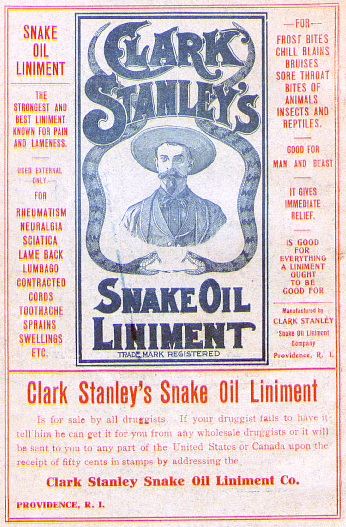

The wellness industry has exploded over the last six years. Some of this is beneficial because it shows that people are generally more interested in improving their health. The downside is that more people are looking for ways to monetize from fear that many people are carrying. This usually comes in the form of a product. This isn’t new and in fact has been around since approximately the 1860s with Chinese laborers. In the 1890s, Clark Stanley was doing theatrical pitch shows selling a rattlesnake liniment. In 1917, the product was found to have no actual snake oil and he was prosecuted and became the poster child for snake oil salesman. As someone that’s been around the fitness world for over 20 years, I’ve seen things come and go with the same patterns and verbiage but usually a different product. For the consumer, this can become very frustrating and expensive. Here are things to look for to keep money in your pocket, keep your health, and keep frustration down.
Sounds too good to be true
Much like investments that promote a get-rich-quick with little to no effort, the same is true in health and wellness. I remember growing up with things like vibrating ab-belts and body spray that would “enhance a chiseled look“. These were all the rage. I’m not sure if these products are still around, but the frustration was much greater than the results. By working with a true professional and establishing SMART goals, you create a realistic framework to achieve your goals. The good thing to know when looking to make a change to health and fitness is that the shortcut is the long way.
Secret information THEY don’t want you to know
This might be my favorite red flag to spot. This is usually designed as a special ingredient that amazingly happens to be in a supplement the person is selling. This was really played out in the 2010s with powder forms of different fruits mainly found on the other side of the world. The only problem was for almost all of these, our bodies weren’t able to actually use these fruits in powdered form, and all of them fell short of the benefits of blueberries. Doctors have taken a lot of heat in the last decade, but I’ve yet to meet a doctor that told the average American they needed to gain weight, move less, and eat more processed food. A good doctor is much more reliable than someone you found on social media with a discount code for supplements.
Fear
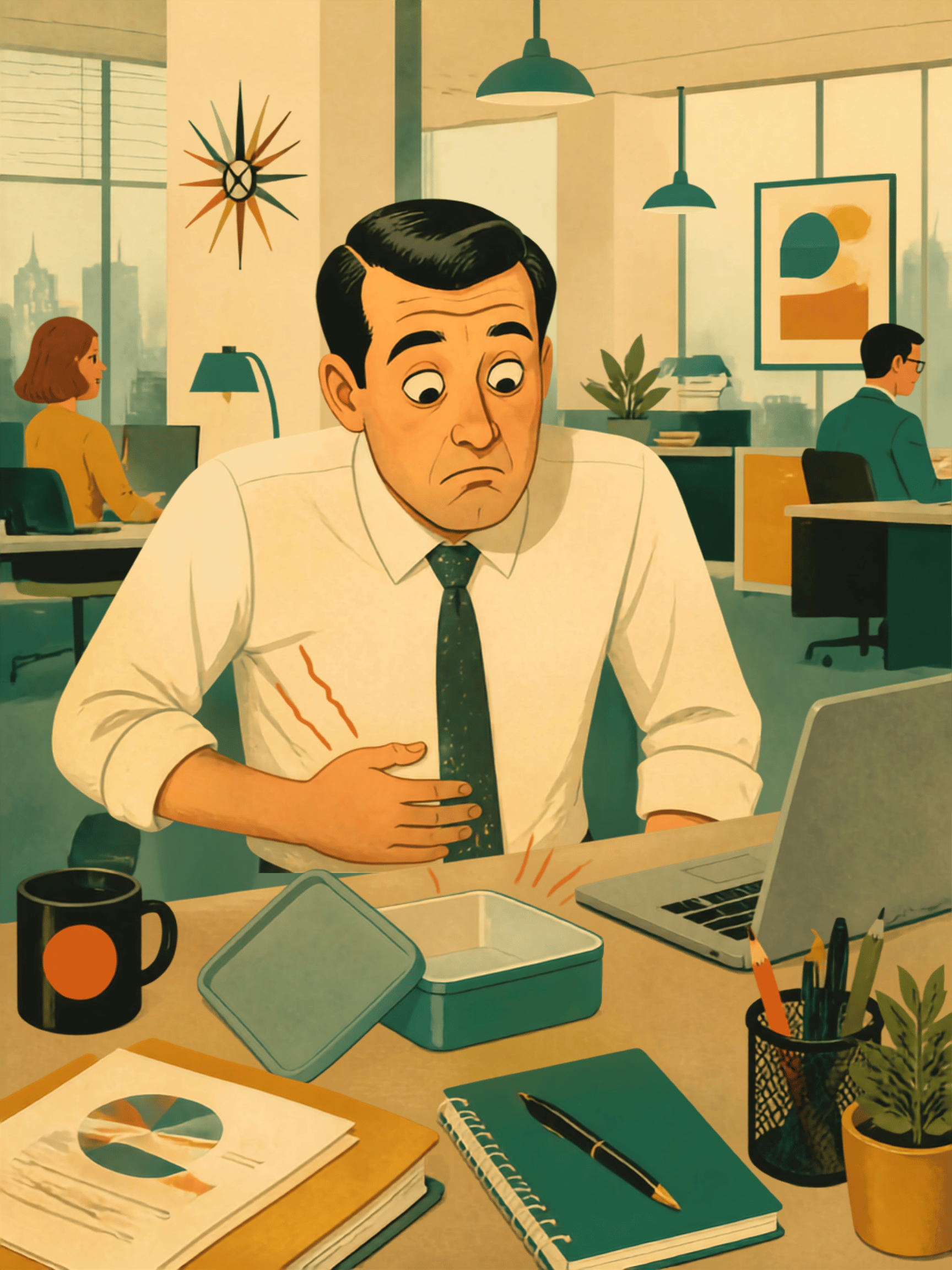
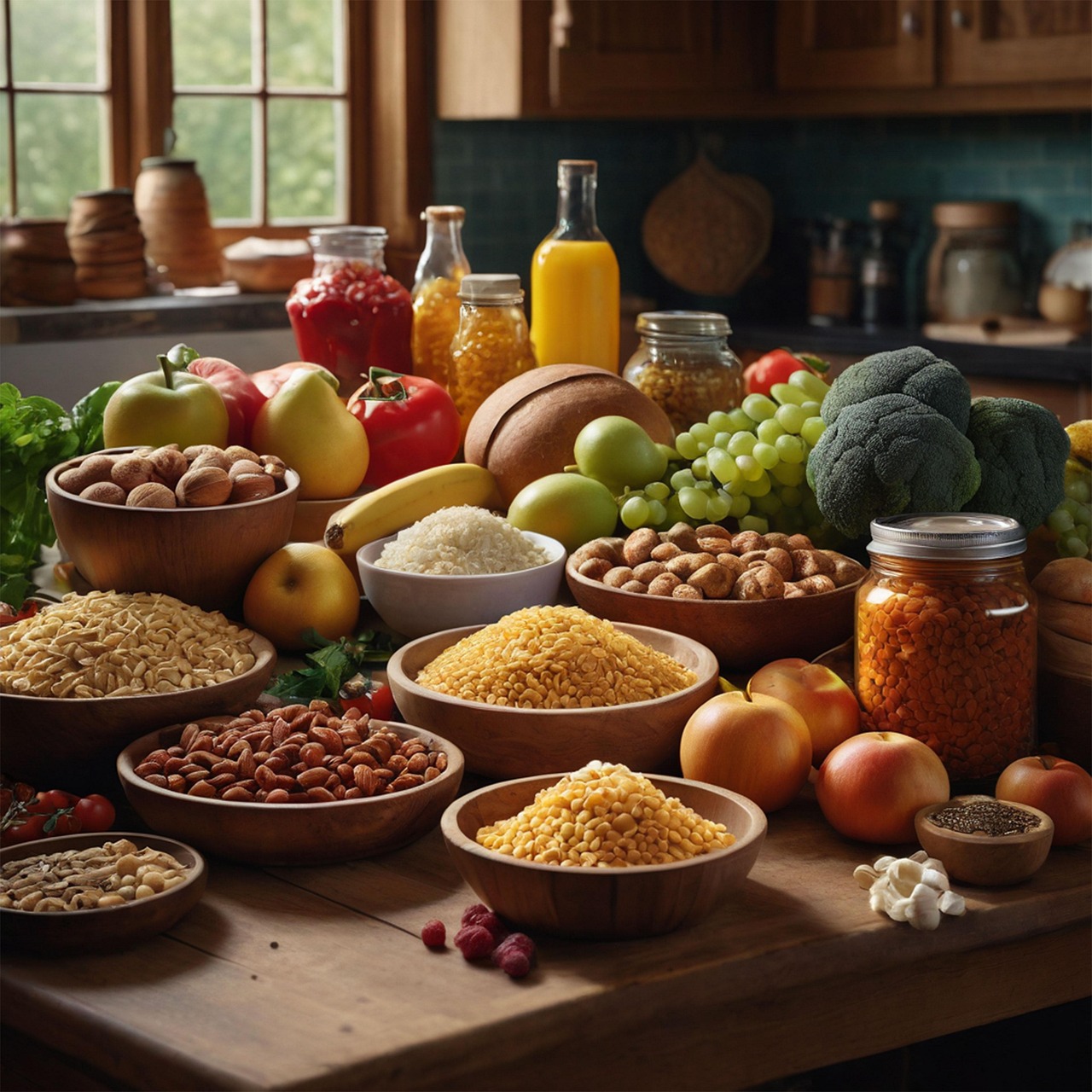
Fear is a great tool to create change. This is especially true if there is a product that’s able to alleviate the fear. Don’t think fear is powerful? Look at how many people are now afraid of seed oils, touching receipts, or a poor sleep score from their device. Gut health was all the rage for two years with several different pro and prebiotics being sold by wellness people with no mention of free tools like sleep, managing chronic stress, eating fermented foods, and eating fruits and vegetables. Gut health is important to your overall health, but adding a supplement isn’t addressing the unstable foundation. The more people use fear, the more we should take caution.
Tactical Approach: Pause - Check - Decide
When meeting with a professional, you should feel more informed and not afraid, confused, or pressured.