There’s no doubt that the Bench Press is a staple in most gyms across America and most people whether they admit it or not would like to add a few pounds onto the lift. This leads to a lot hip thrusting off the bench with a spotter that has sore biceps after the lift is done. On a long enough time line this leads people down the path of believing that the bench press wrecks your shoulders. For myself, a major injury helped me learn more about bench press than I had ever imagined and I was able to hit new levels of strength post injury. I’ve helped people bench press an empty barbell for the first time in their life all the way up to a 1,000lb bench press and there are clues that helped people on both ends of this spectrum. Many people stall on bench press over time due to using the same training and expecting different results. Everything works for a while, but nothing works forever.
- Gain weight. The crazy thing about people who bench press 405lbs is they have enough muscle that they look like they bench 405. Too often people think they’re the outlier and on the verge of world record numbers and they’ll bench double bodyweight in no time. Weight is support and leverage. You don’t have to become a slob, but you have to pack on some muscle which is a long and grueling process.
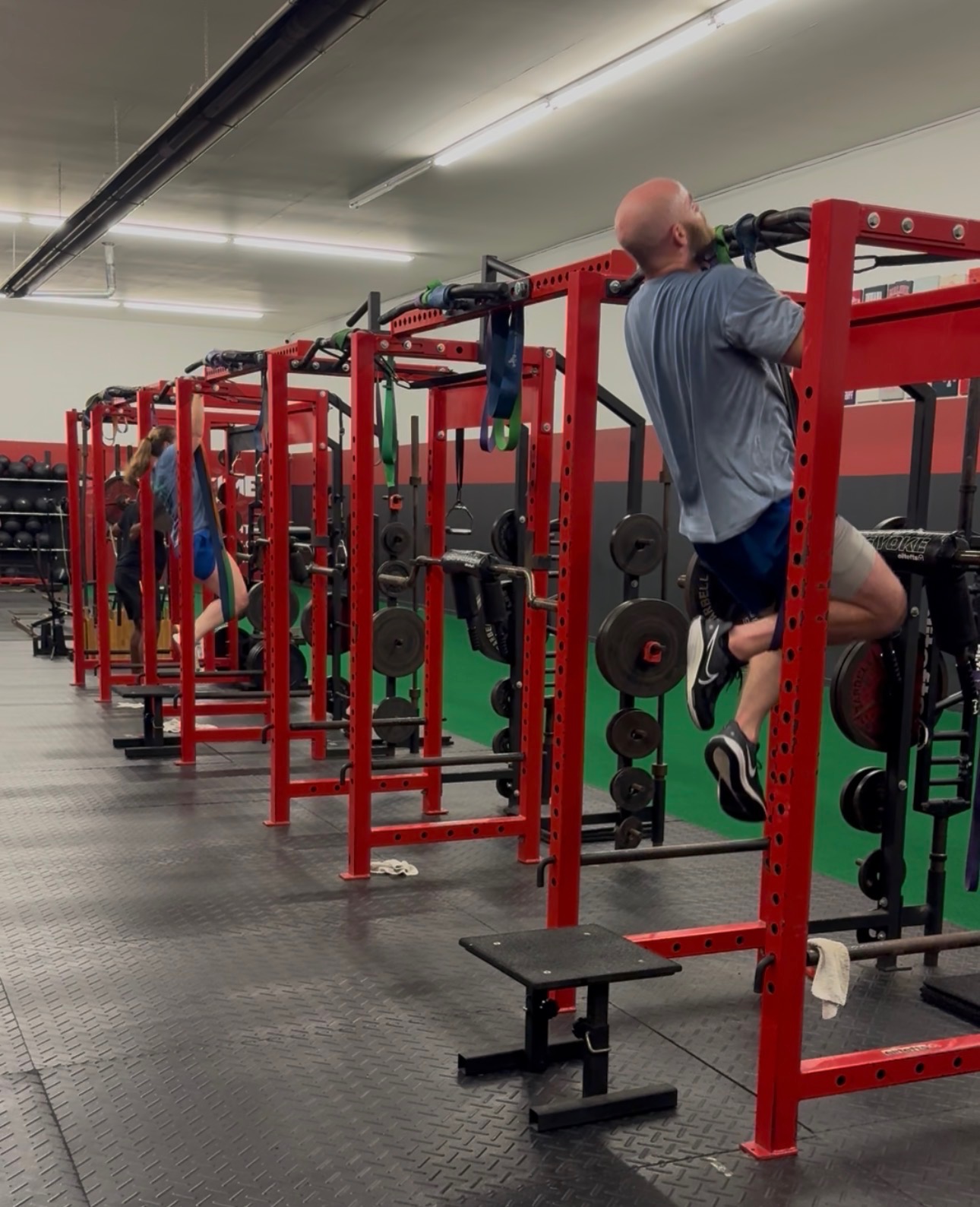
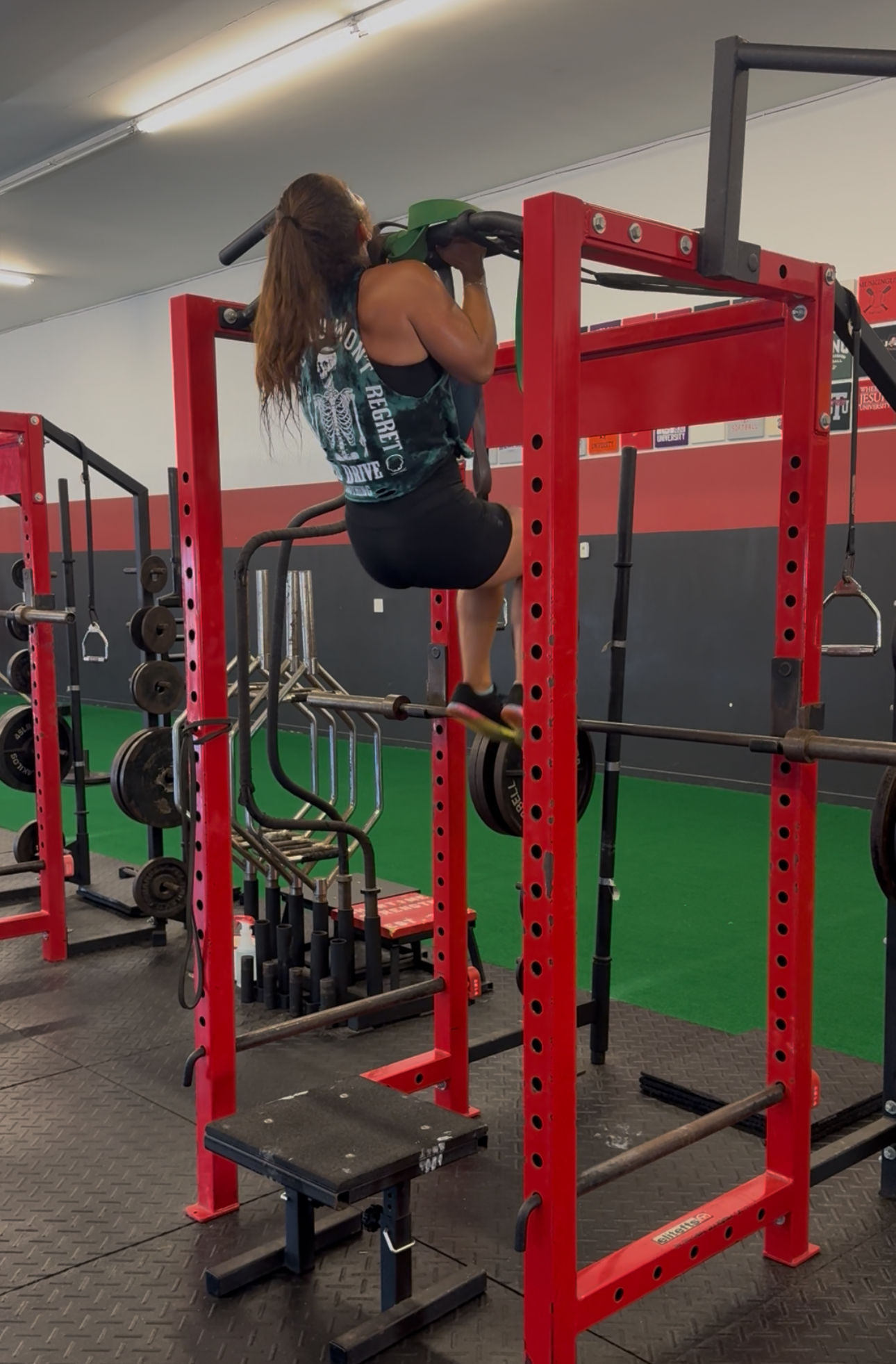
- Train the Upper Back. As the weights become heavier, the lat and rhomboid muscles become more important in helping to create a base of support when lowering the weight. This allows for a more advantageous position to press from and keeps shoulders healthier. It’s always amazing to see people frustrated with their press stalling that can’t do a bodyweight pull up. I like Jim Wendler’s basic standards for pulling strength. 1/2 bodyweight on 1 arm dumbbell rows for a minimum of 30 reps without straps and 10 bodyweight pull ups.
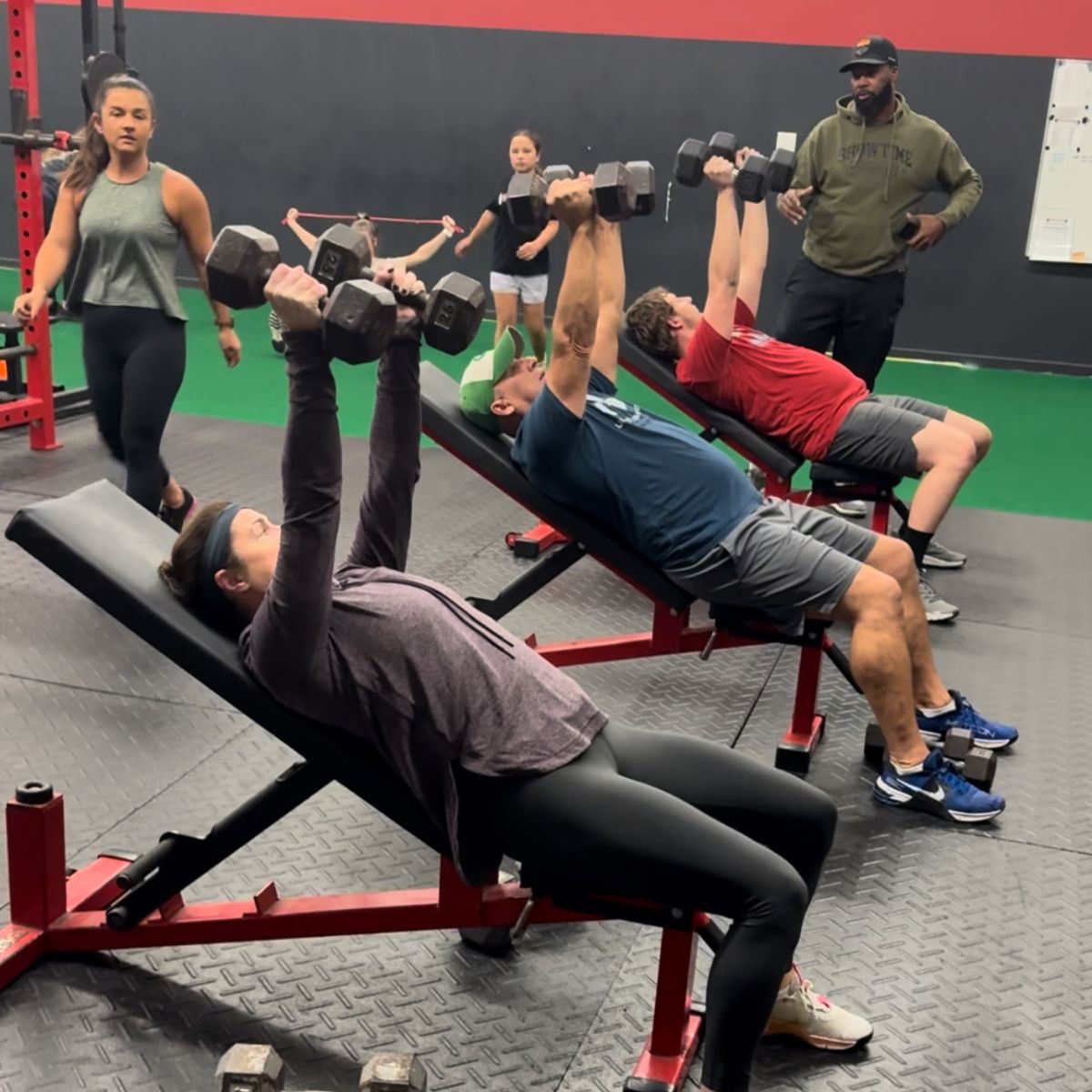
- Master Basics. This plays into the pull ups, but don’t forget about things like push ups, dips, dumbbell benches and so on. You don’t need special exercises, you need relative strength. My bench press was stuck at 600lbs for almost a year when my wife pointed out that I had let my basics drop and I struggled to do 10 push ups. My excuse was I was 308lbs, but that was a cop out. I added push ups to every workout and was able to do sets of 30 reps with a monster band around back. This added 50lbs to my bench press in around 6 months. Sometimes as we progress we forget what built our foundation.
- Increase training density. Most people will follow a progression where they really only use one, three, or five reps each set up to a top set then they’re done and move on to fluff work. The upper body responds to higher training volume than lower body. Finding a weight that you can do repeated sets and building more volume that way helps to build the arms, shoulders, and pecs while practicing perfect reps. Most of our members hit new PRs every training cycle with ease because they’re gradually increasing their training density through an entire cycle of training, not one session.
- Lower the weight. This might sound obvious, but when they weight is too heavy, bar speed drops too much to produce force and technique goes to shit. Remove your ego and do better in your training instead of more.
- Speed. Most people have no regard for the speed of their movement. You only have so much time to finish a lift before you run out of power. For most people, I still like to hear the plates click on the last rep of their top set. If you have to ask if it was fast, the answer is no.
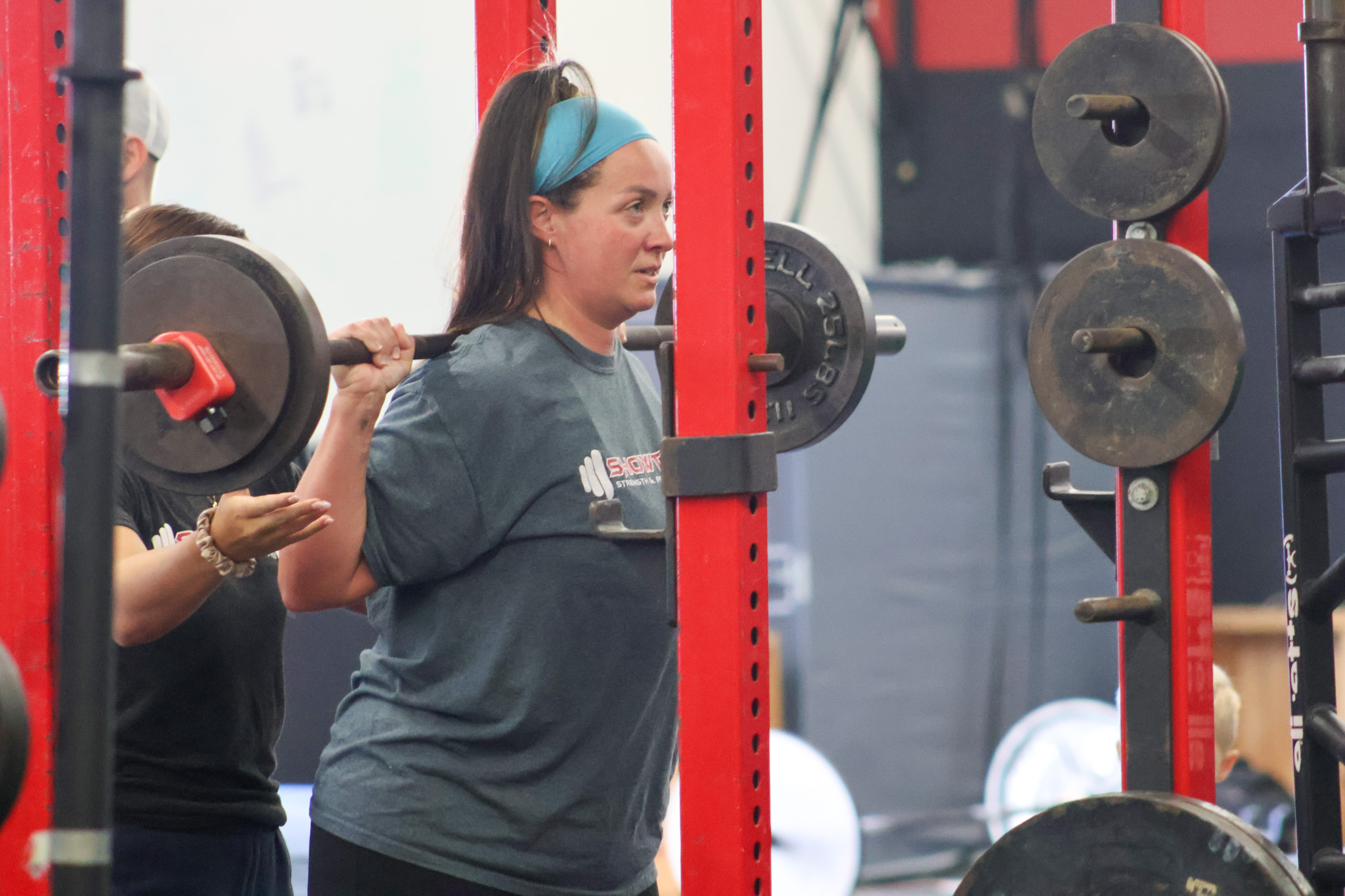
- Improve Technique. Josh Gutridge helped me go from a 330lb Bench Press with much struggle and injury to a 700lb Bench Press. With his help I quickly learned that technique was the difference maker. He made the press a full body exercise and improved my efficiency. Hire a coach to help at least a few sessions and you’ll be amazed.
- Different Grips. We kept records on close, medium, and wide grip along with neutral grip bars. What this does is to help you develop more muscles of the upper body and avoid overtraining certain muscles. This helps to identify if the weak area is your triceps, shoulders, or lats.
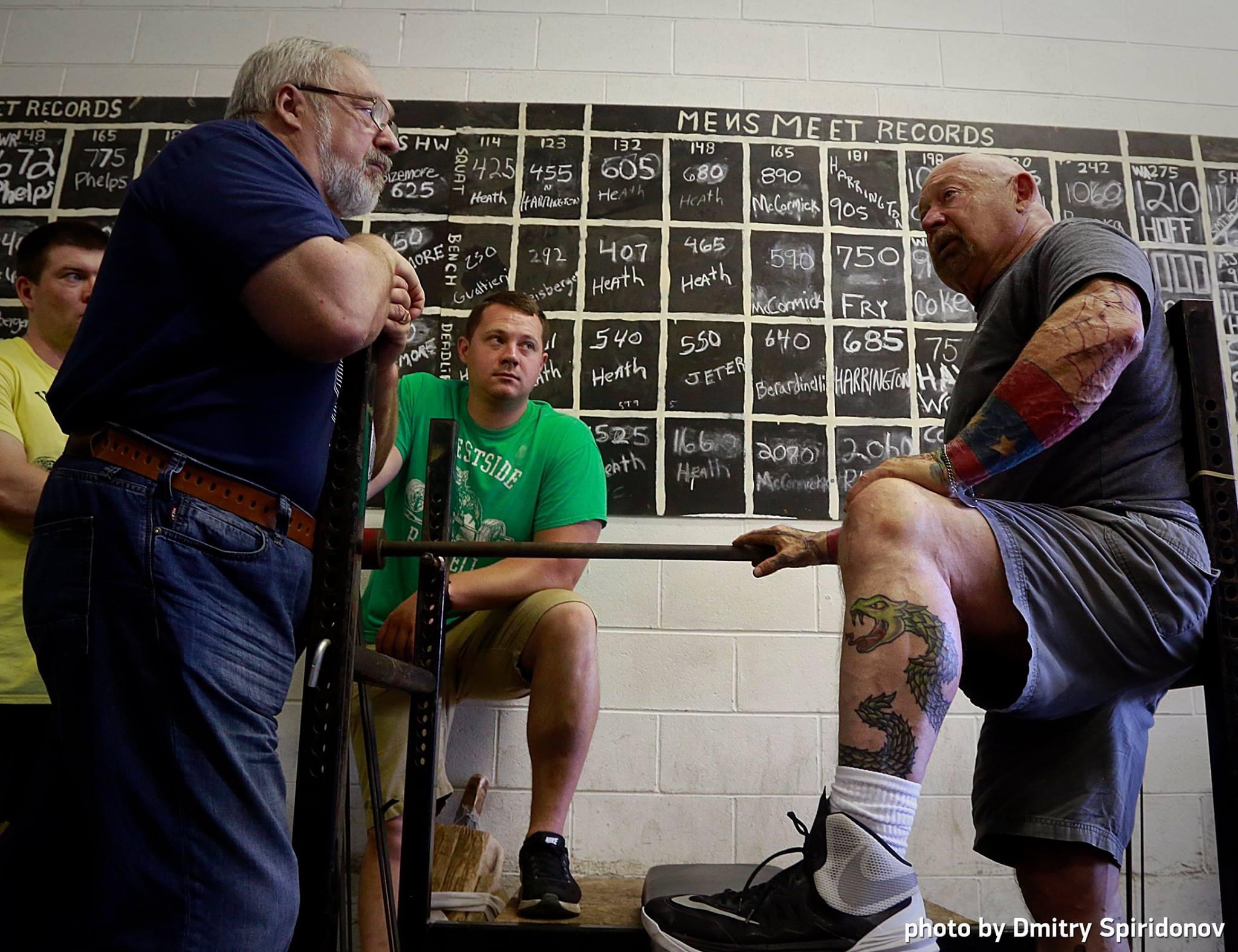
- Stop Testing all the Time. People test their 1 rep max too often. There is a difference in testing and training. When you test, you’re not building strength and it takes longer to recover from. Most training should just be building so that when you decide to test, you have success with ease. If you’re testing more often than every 12 weeks (minimum), then you’re testing too often.
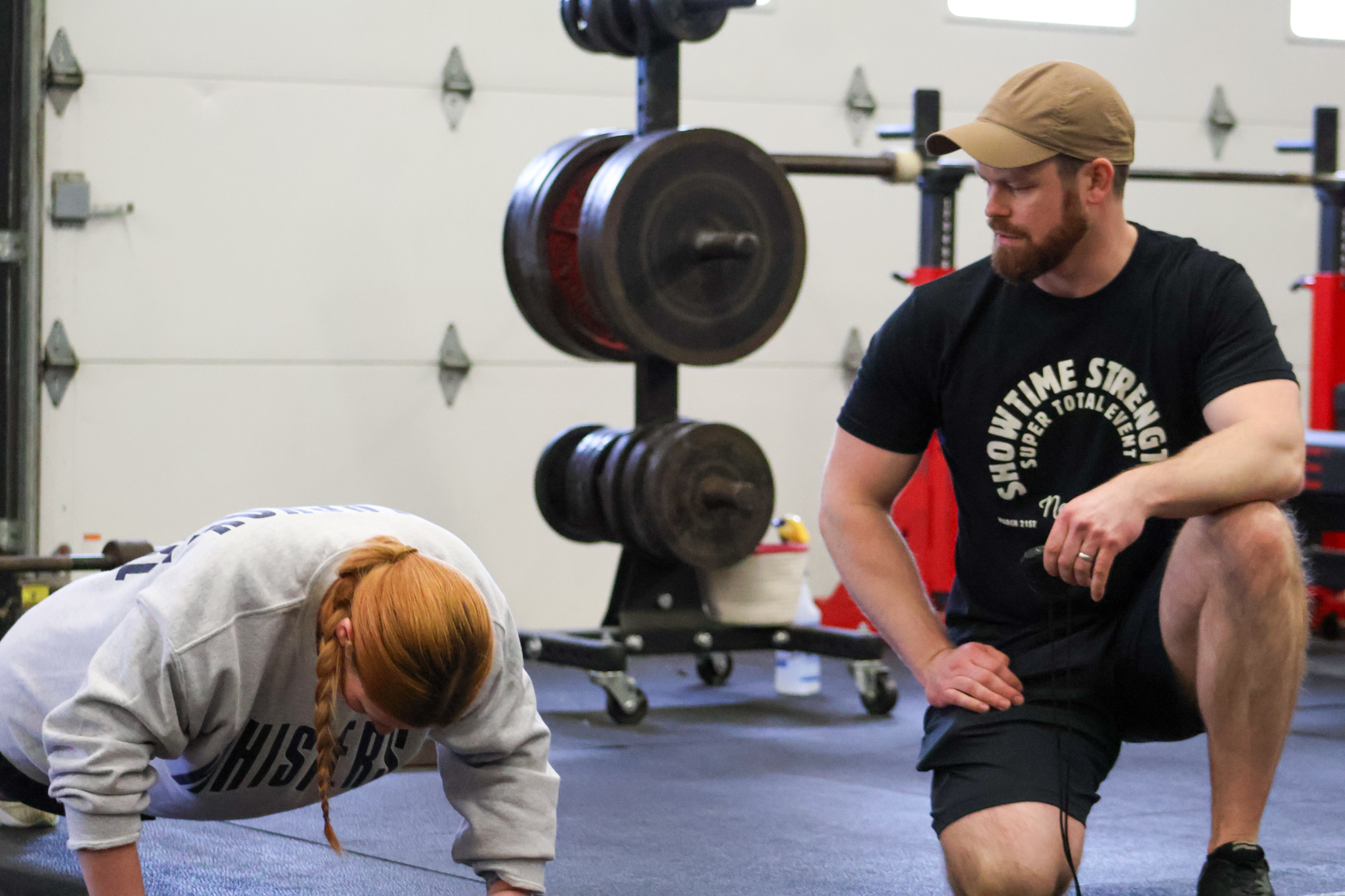
- Pause First Rep. This has been amazing for beginners. It removes ego from the lift and forces better technique. It teaches you to raise the chest up to the bar and to keep the lat muscles engaged. You will also learn to press straight up from the chest and not let the chest drop in an effort to heave the weight which can cause pec and shoulder injuries.
I love having basic standards to shoot for, so here are some solid standards for the bench press.
Men
Base - Bodyweight Bench Press
Intermediate - Bodyweight Bench Press x 5 Reps
Advanced - Bodyweight Bench Press x 10 Reps
Women
Base - .75x Bodyweight Bench Press
Intermediate - 75x Bodyweight Bench Press x 5 Reps
Advanced - 75x Bodyweight Bench Press x 10 Reps













.png)


















%20copy.jpeg)









.jpeg)


%20copy%202.jpeg)


