Can I Overtrain?
How Much Rest Is Needed Between Training Sessions?
By
October 31, 2026


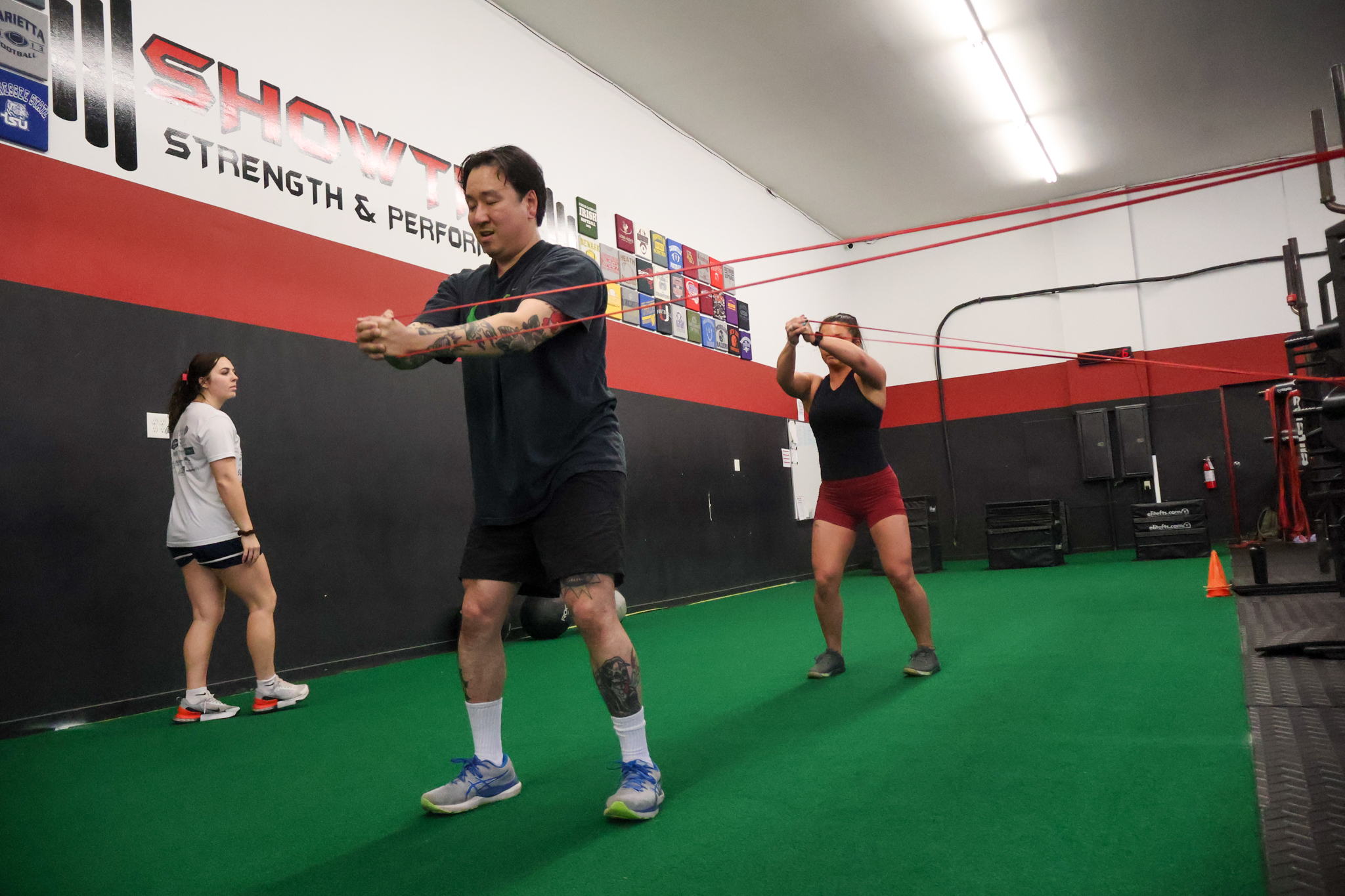
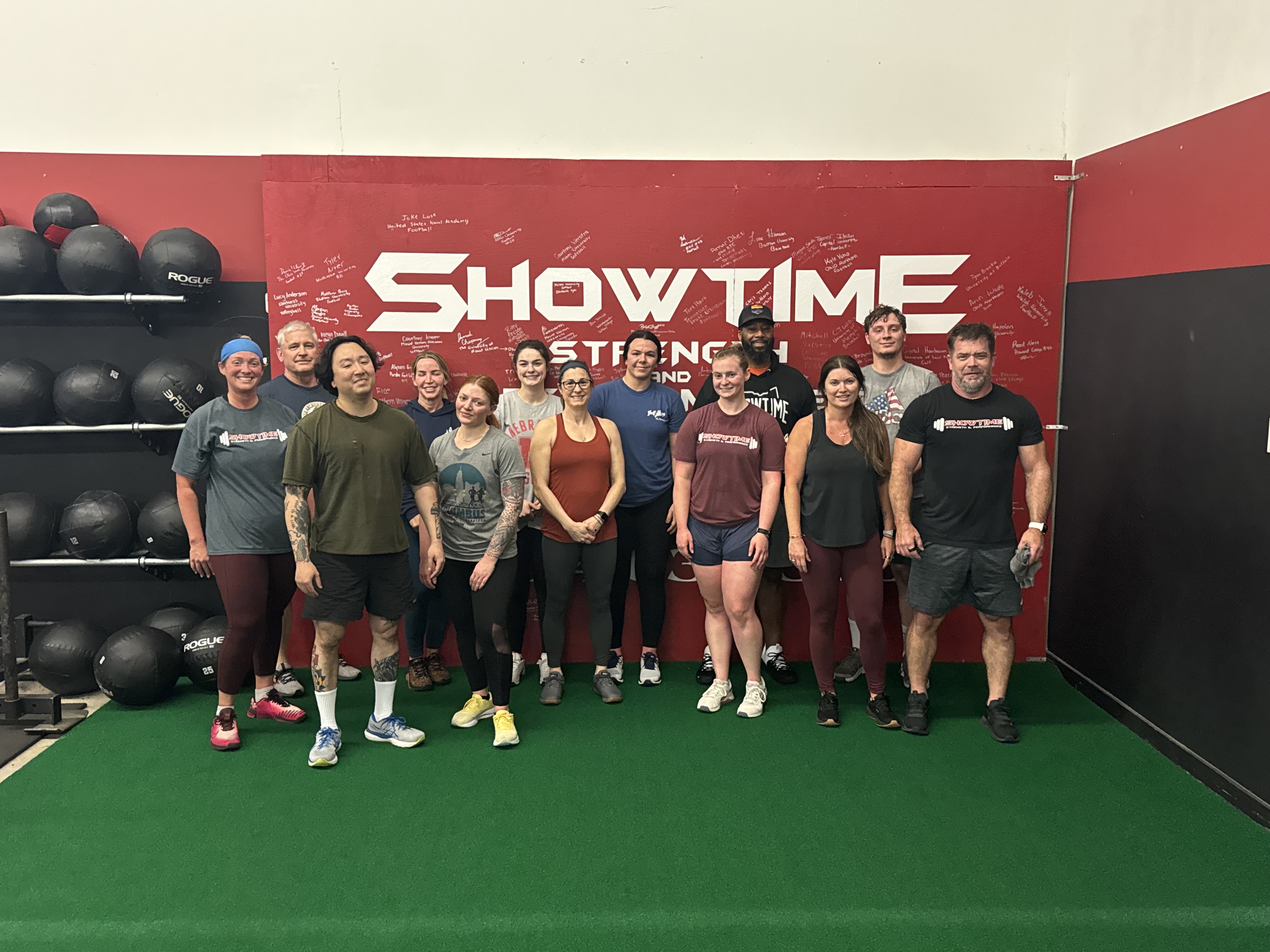
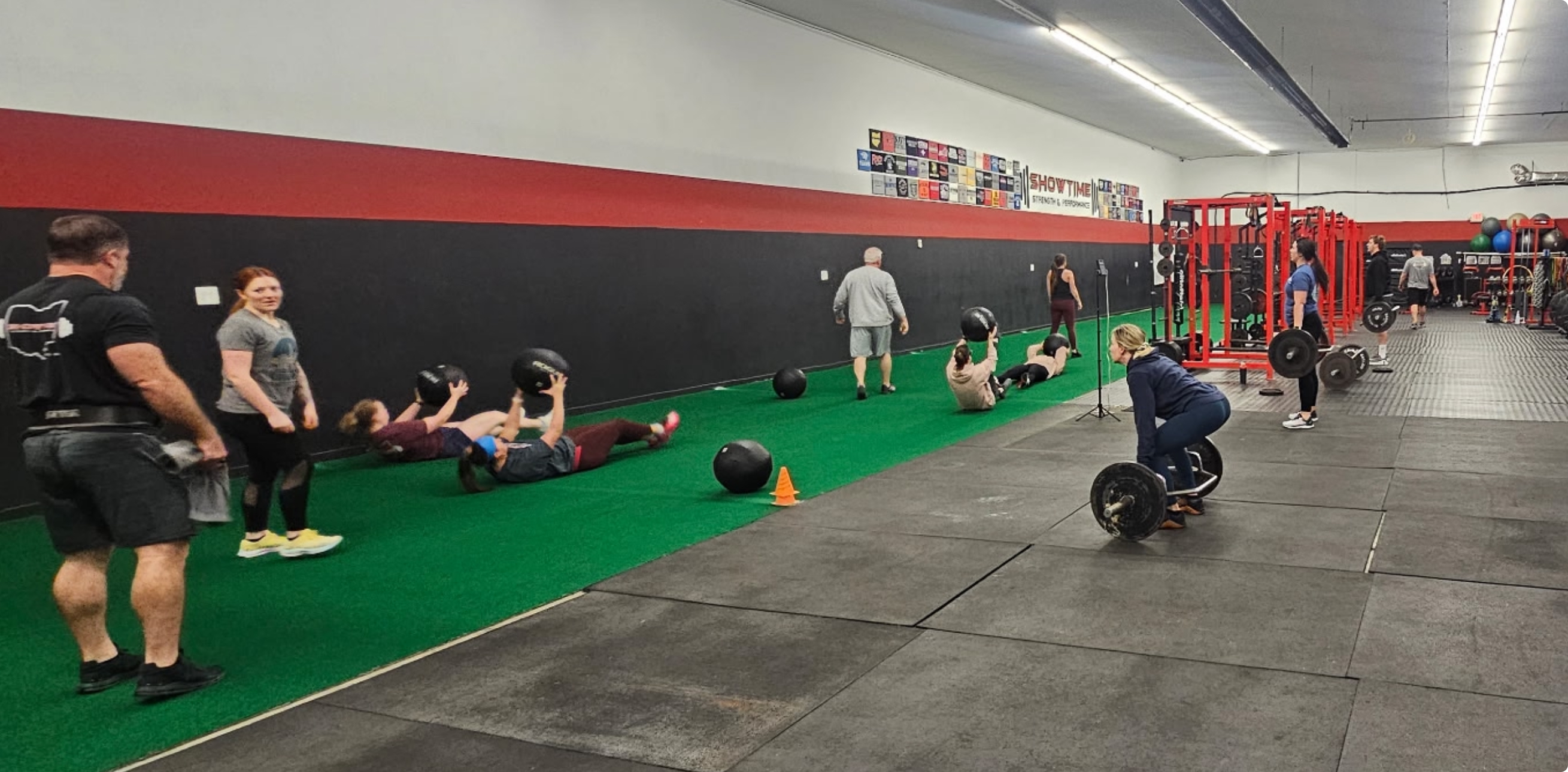
Recovery has become a big topic the last few years with the explosion of passive modalities like massage guns, cold plunges, and saunas. This leads many to ask a very real question of if they are training too much and how much rest should be given each body part between training sessions. This is really a loaded question that should be looked into with a lot of nuance to the specific individual and their goals. If you’re following what we teach at Showtime, which is little and often over the long haul, it’s easy to design a plan that allows you to periodize your training and nutrition efforts to get maximum benefit without risk of doing too much. If you’re trying to lose 20 lbs before your class reunion next month, your chances of overtraining are high, and there’s not much that can be done to avoid it because of the parameters you have set. To fully understand overtraining and the risks, we need to know what factors are involved and how to work around them.
What is Overtraining?
A physical and mental state where stress outpaces your body’s ability to recover and adapt.
Symptoms of Overtraining
Constant fatigue
Performance decline
Frequent sickness
Increased soreness
Mood changes
Loss of drive
Poor sleep
Trouble focusing
Factors
Training
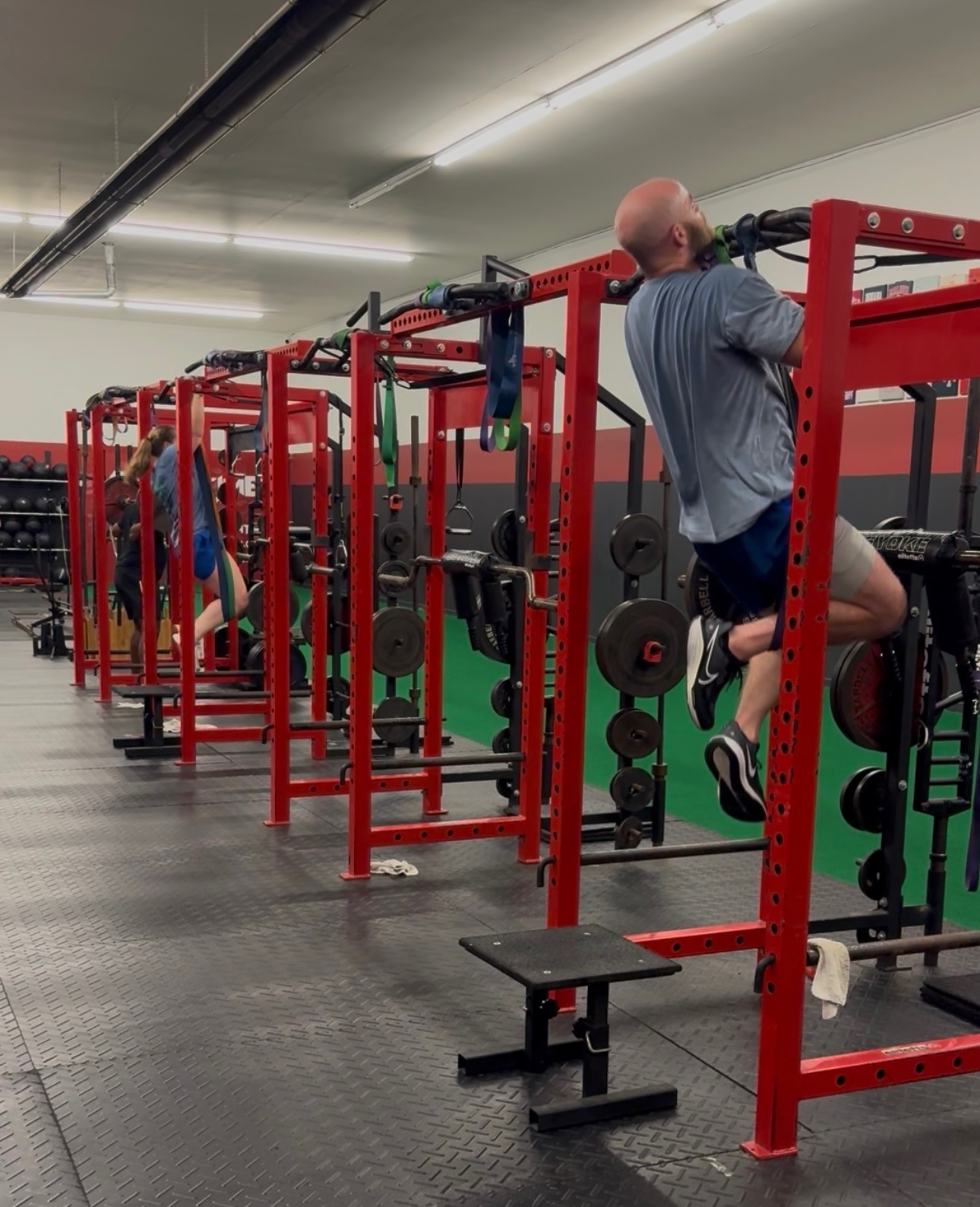
Let’s talk about how training affects your recovery rate. Due to the SAID Principle, we can throw out the idea of only training a body part 1-2x a week. Of course, for hypertrophy or physique-based competitors, this doesn’t apply. Kids carry 40lb backpacks every day, no problem because they’ve adapted to the load in their backs, hips, and abs. Your training should be the same way. The benefit of full-body training routines is you get a higher frequency rate for each muscle group. The reason people overtrain in the weight room is simple: they progress too quickly and can’t adapt. A golden rule I’ve lived by in my adult life is if I want to add something into my training, I have to remove something from my training. We can’t simply continue to add stress into our workouts and expect progress forever.
Seasons of Life - If you’re chasing the same goal 12 months a year, you need to get more serious about your goals for a shorter period of time. Many people chase the same goal with half ass intent. Instead, become focused seasonally on different goals. Here is how I lay out my training and nutrition focus based on weather and my activities:
Winter - Lift heavy, higher protein and carbohydrates.
Spring - Begin to add some endurance training like climbing stairs or interval runs, increase fruit for carbohydrates.
Summer - Full-body training to support biking efforts, lower protein, more fruits and vegetables, and healthy fats.
Fall - Back to compound lifts focused on increasing training volume, start to increase carbohydrates.
This keeps me interested and engaged and reminds me that seasons aren’t that long. I can adjust based on life events or competition events as needed. This is one of the biggest levers people can pull and they never use.
In my experience, the idea of being underprepared is more likely to happen than overtrain. We should pause the David Goggins videos and have a hard conversation with ourselves about where we’re truly at in this moment. It’s always better to train a little bit more often than a lot sporadically. Your training should blend with your life and goals to create a holistic approach to reaching goals.
The best training plan is the one you can recover from.
The best nutrition plan is the one you can follow forever.
By following these two rules, most people will avoid overtraining almost all of the time.