Stay Capable: Physical Skills To Maintain As You Age
Routine Strength And Mobility Training
By
November 14, 2026

Aging well isn’t about trying to move exactly as you did at 20. It’s about holding on to the physical skills that help you stay independent, enjoy the things you love, and handle the unexpected. Think beyond exercise. Can you jog to catch a bus? Step over a low obstacle? Get up from the ground? Carry a heavy bag? These are practical skills, and many can be maintained or rebuilt with gradual, appropriate practice. If we practice these skills often, then they’re more likely to be with us for a longer period of time. The saying of “use it or lose it” applies to what we can physically do. Being able to perform physical tasks as we age is a great benefit for our physical and also cognitive health as we age. If you’ve lost some of the physical abilities you used to have, you can certainly work on them to improve and likely even get them back. We often become discouraged thinking about what we used to do and lose sight of what we will be able to do with effort and time.
1. Get down to the ground and back up without support
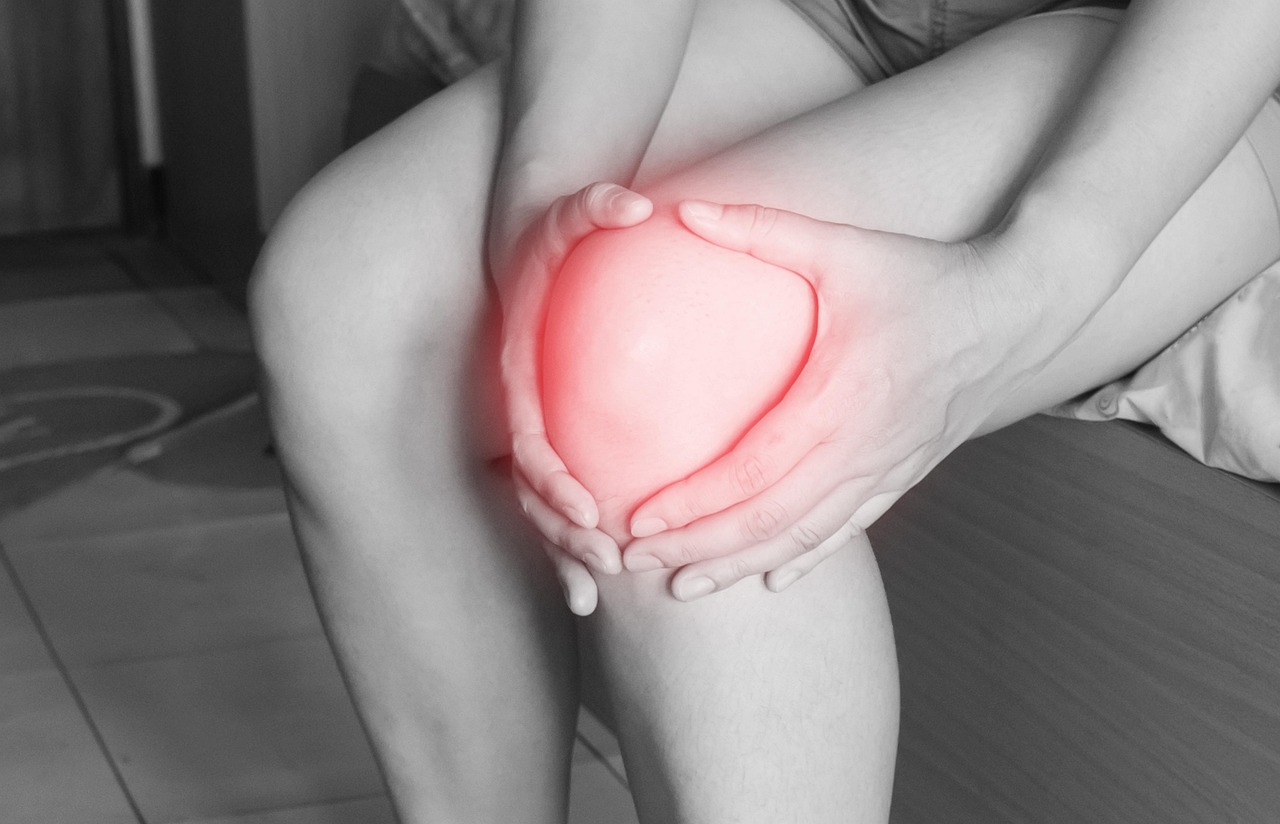
Getting up from the floor uses leg and hip strength, mobility, balance, and coordination. It can help with everyday tasks, playing with children, gardening, and responding if you find yourself on the ground. When we don’t practice getting up from the ground without support, we’re missing out on training our lower back and ab muscles, which compounds over time, leading to pain that makes us want to move less and less. This is a common issue as we age.
Practice: Start by lowering to one knee beside a stable chair, then return to standing with the chair for support. Progress to kneeling on a padded surface, and eventually practice getting down to and up from the floor in a controlled way. Use support whenever needed and take away as the task becomes easier.
2. Run, accelerate, and change direction
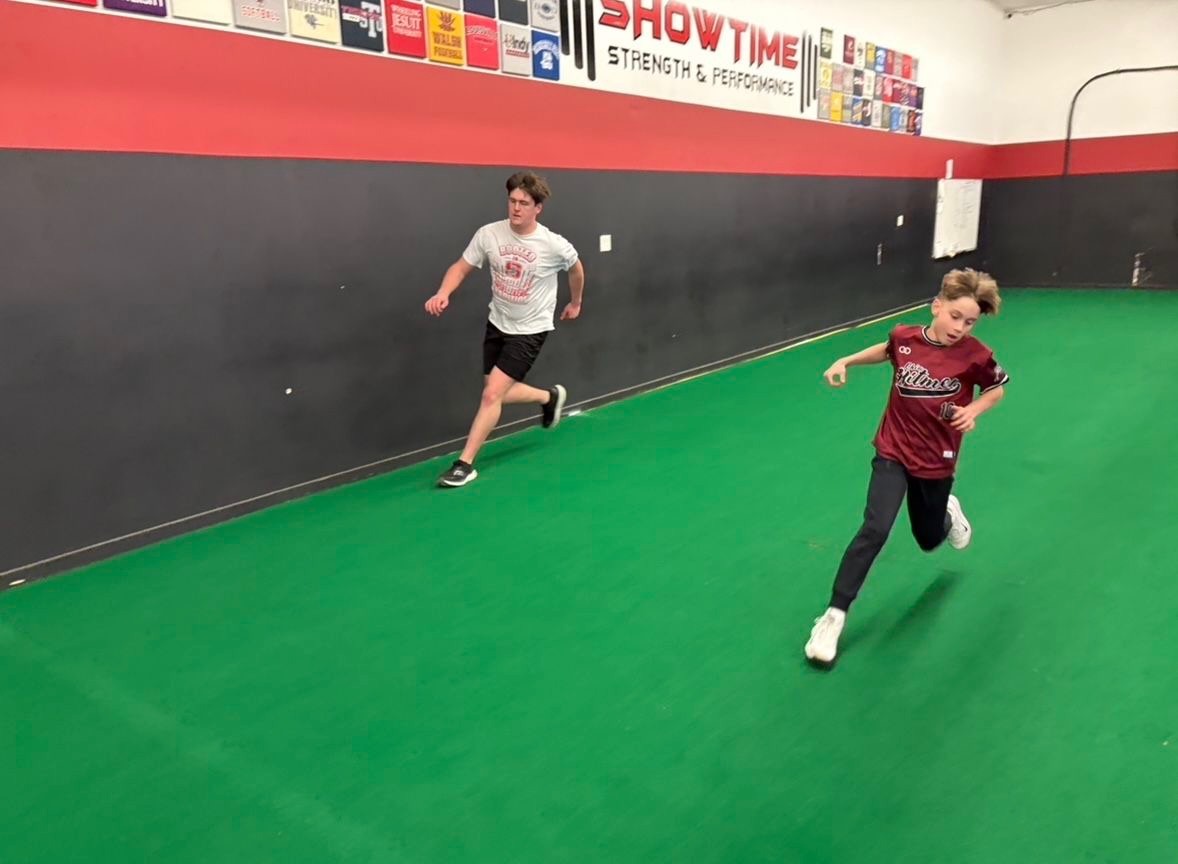
Running is more than a sport skill. It involves coordination, leg strength, balance, and the ability to produce force quickly. Being able to speed up or change direction may also help you react to everyday situations. For adults, I’ve seen tremendous benefits of doing cone drills or agility ladders as part of the warm-up. This helps with the accelerating, change of direction, and spatial awareness. These can be performed at a low intensity until comfort is increased performing the drills. Running isn’t essential for everyone, and walking briskly is a valuable alternative when starting out.
Practice: Build a base with comfortable walking. If running is suitable, introduce short, easy intervals on a level surface. An example could be alternating a 1-minute jog with 1-minute walk. Add gentle changes of direction only when you feel steady and pain-free. If you haven’t run in many years, start with less and progress slower than you would think.
3. Jump and land with control
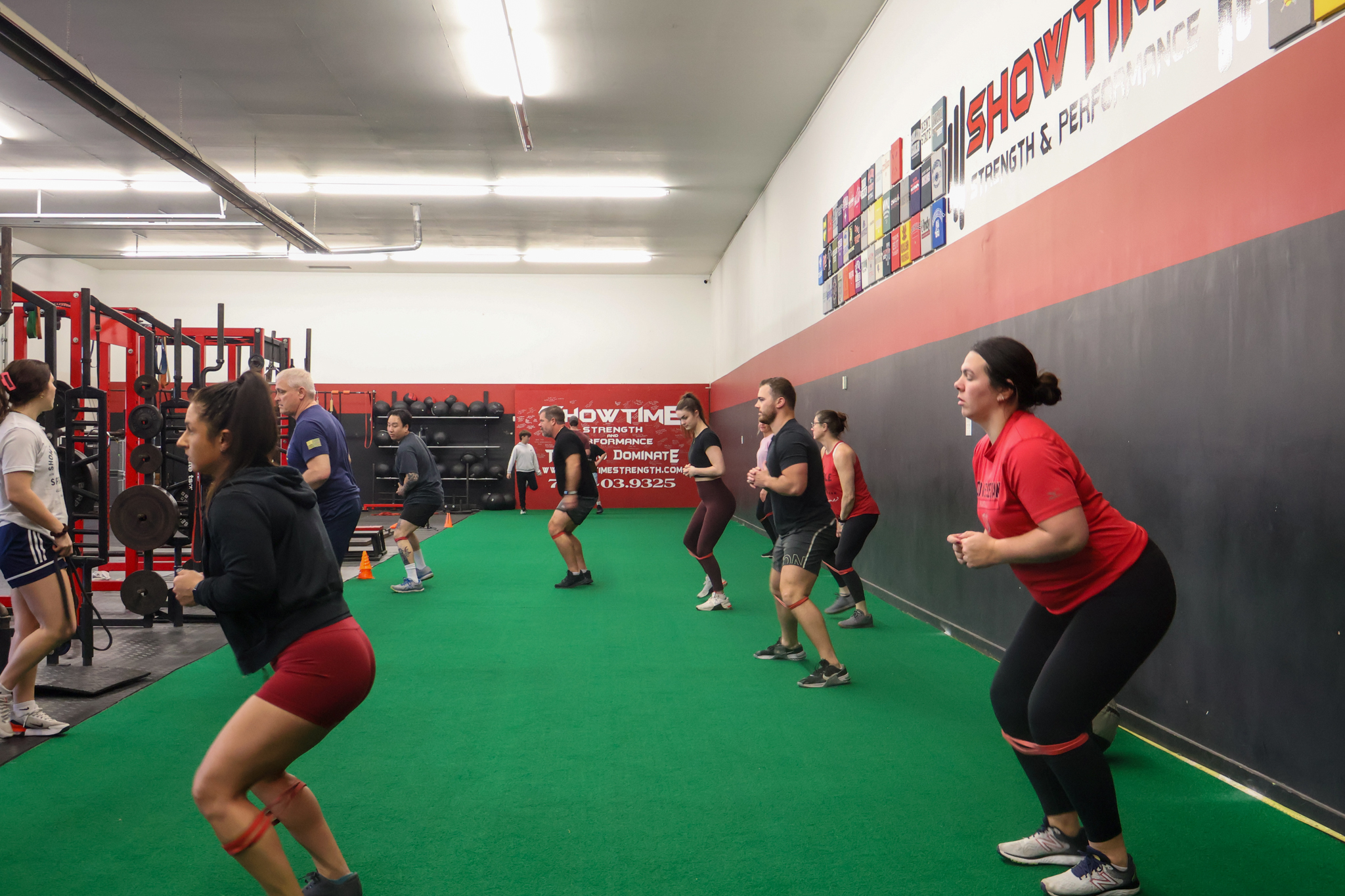
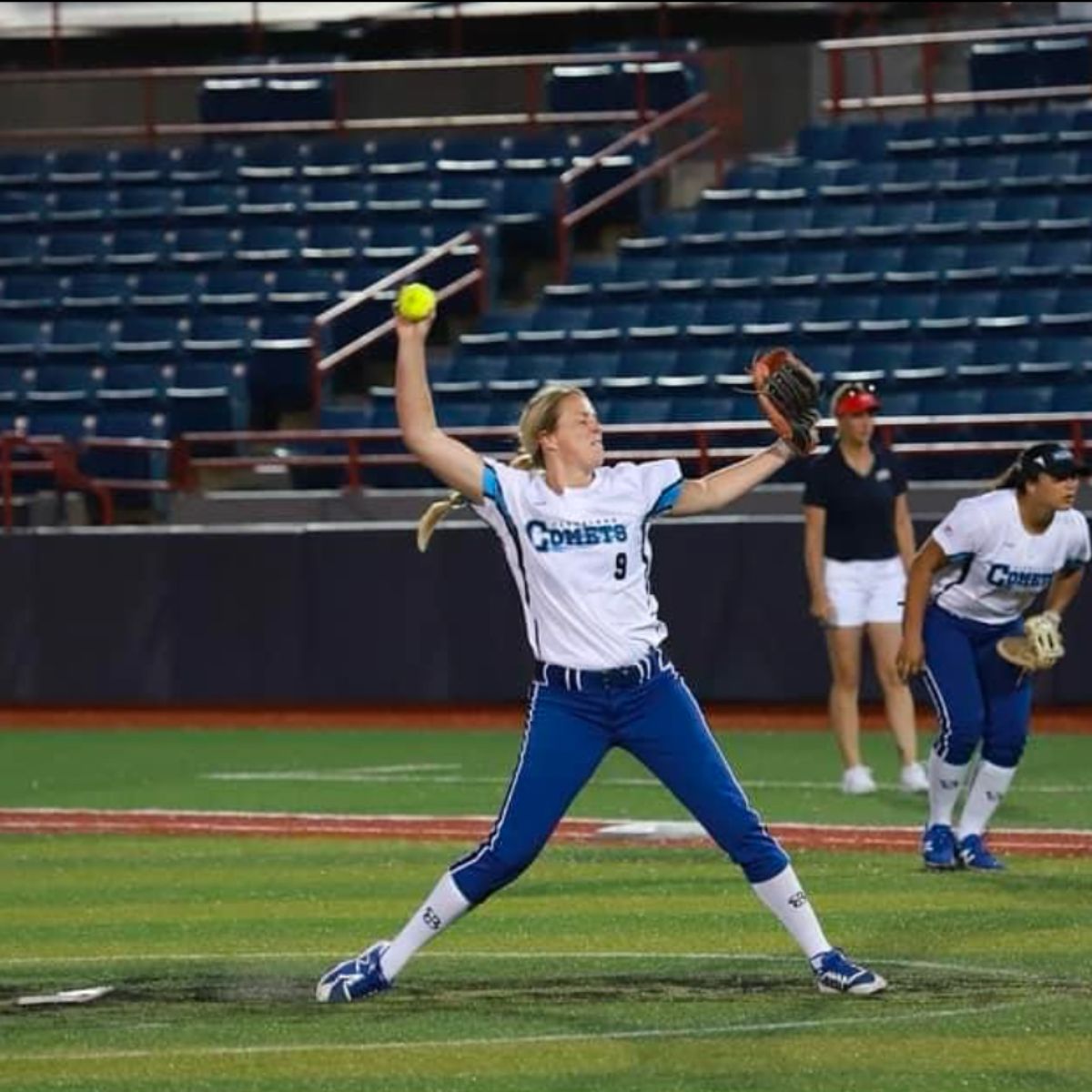
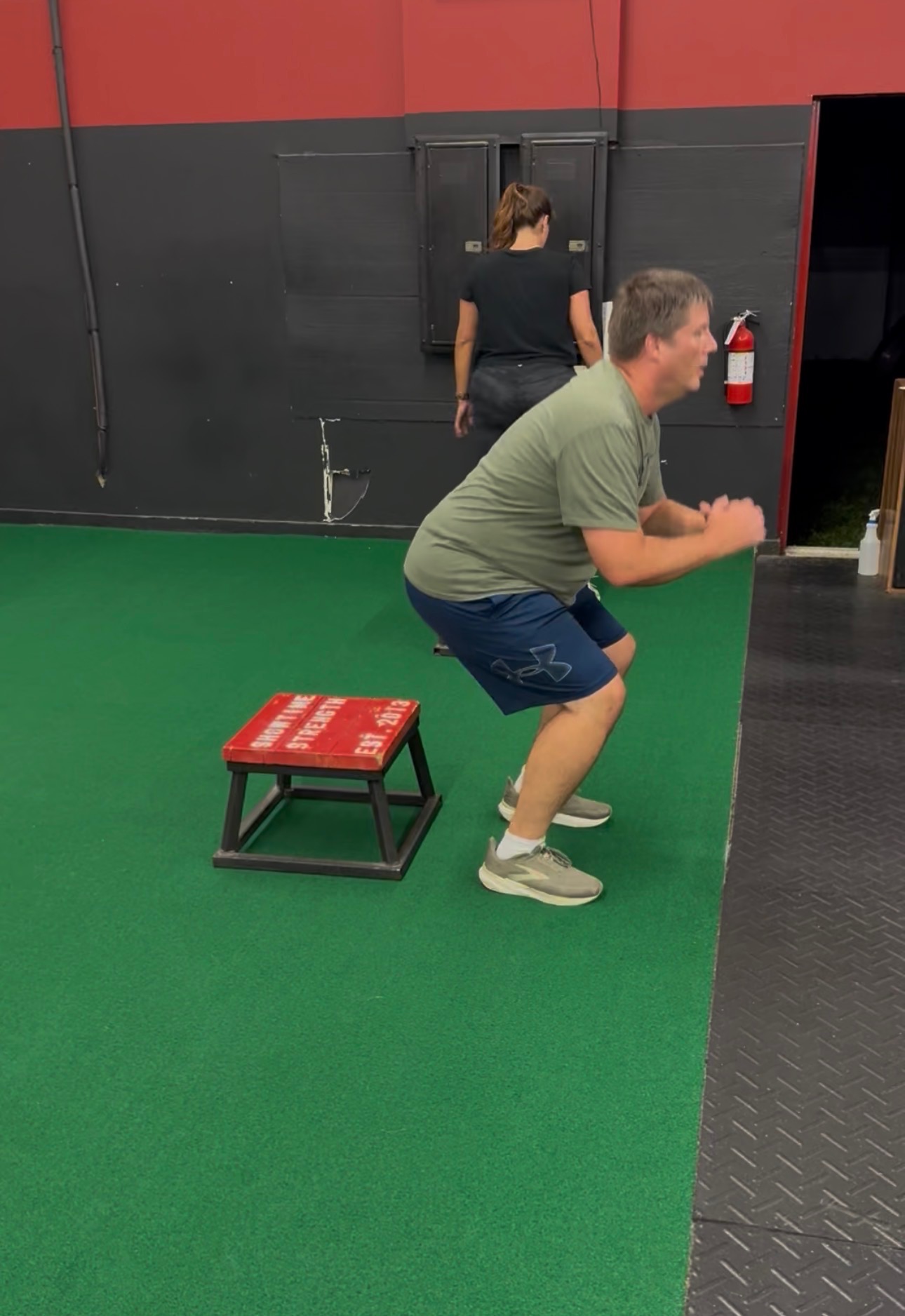
Jumping trains the ability to produce force and absorb it on landing. It may be useful for activities such as recreational sports or stepping quickly over an obstacle. But jumping is high-impact and isn’t the right choice for everyone. Jumping and landing is great for bone density, increasing strength in muscles and connective tissue. We practice landing because most injuries come from the deceleration phase (lowering), whether it’s coming down from a rebound in basketball or walking down your steps.
Practice: First build strength with sit-to-stands, calf raises, and step-ups. You can then progress to snap downs to practice landing softly. From there, you can do low depth drops of 2-5 inches. Then we will progress to low box jumps focused on becoming comfortable picking feet up and landing softly. Stop if you experience pain, dizziness, or unusual shortness of breath.
4. Climb stairs and step over obstacles
Stairs and uneven paths challenge leg strength, balance, and coordination. Maintaining these skills can make homes and outdoor spaces easier to navigate. When going up and down stairs, work to keep the hips and feet moving forward and not turning to the side to navigate.
Practice: Use a handrail and climb a comfortable flight of stairs at a steady pace. Practice stepping over a low object, such as a line on the floor, before trying anything higher. Prioritize control over speed.
5. Carry, lift, push, and pull
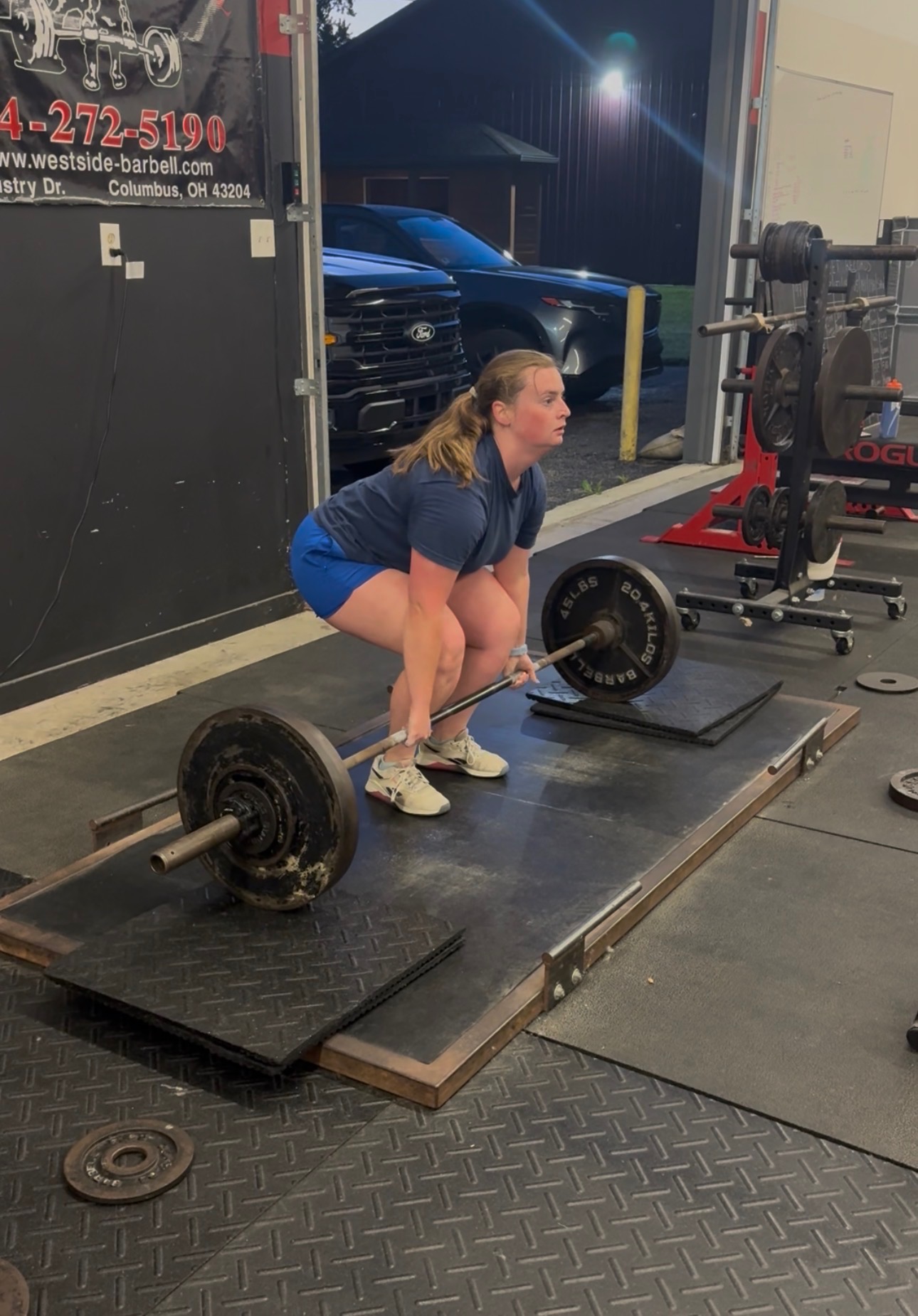
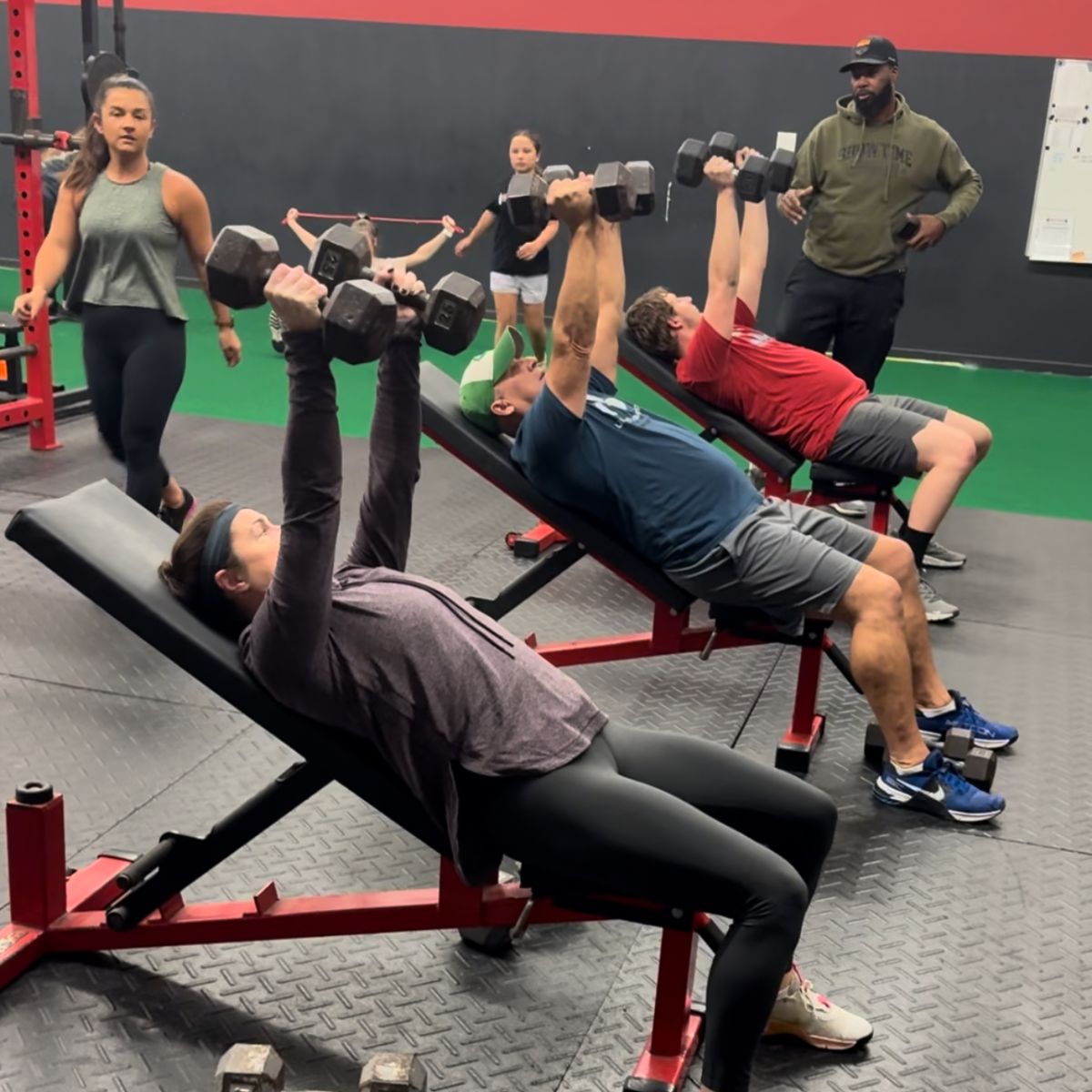
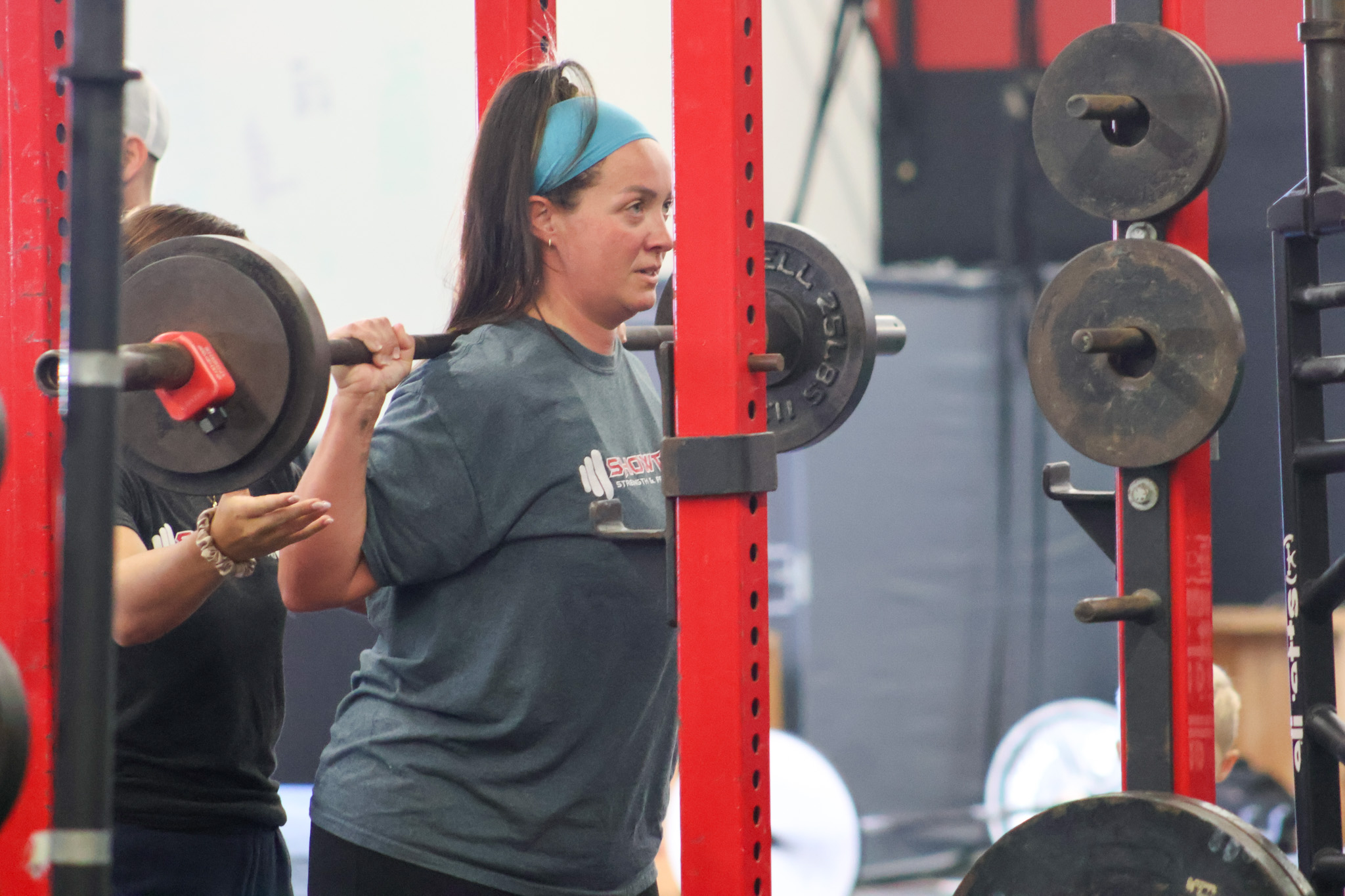
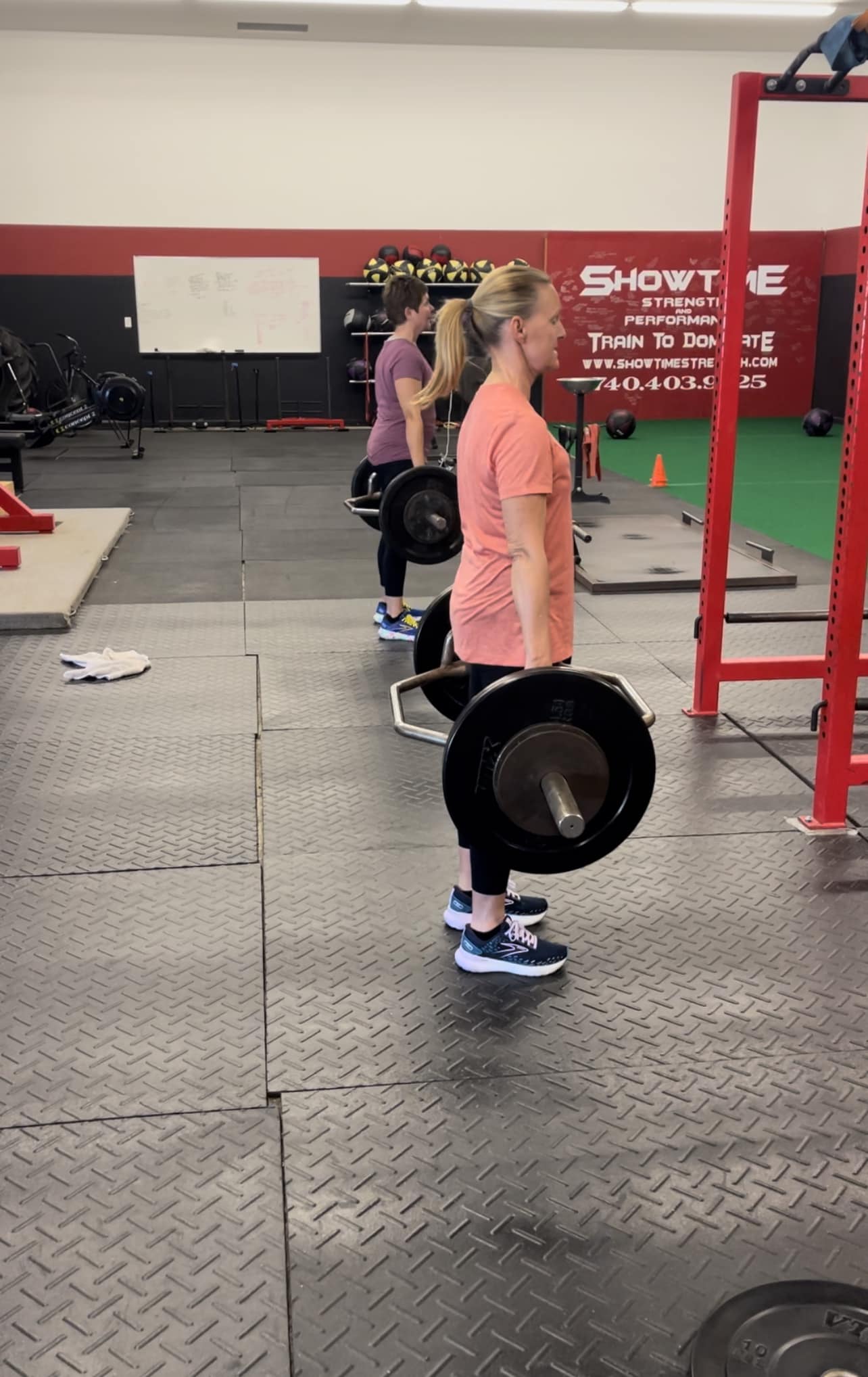
Daily life asks you to carry shopping, lift luggage, move furniture, open heavy doors, and reach overhead. These tasks rely on strength and coordination throughout the body, not just the arms.
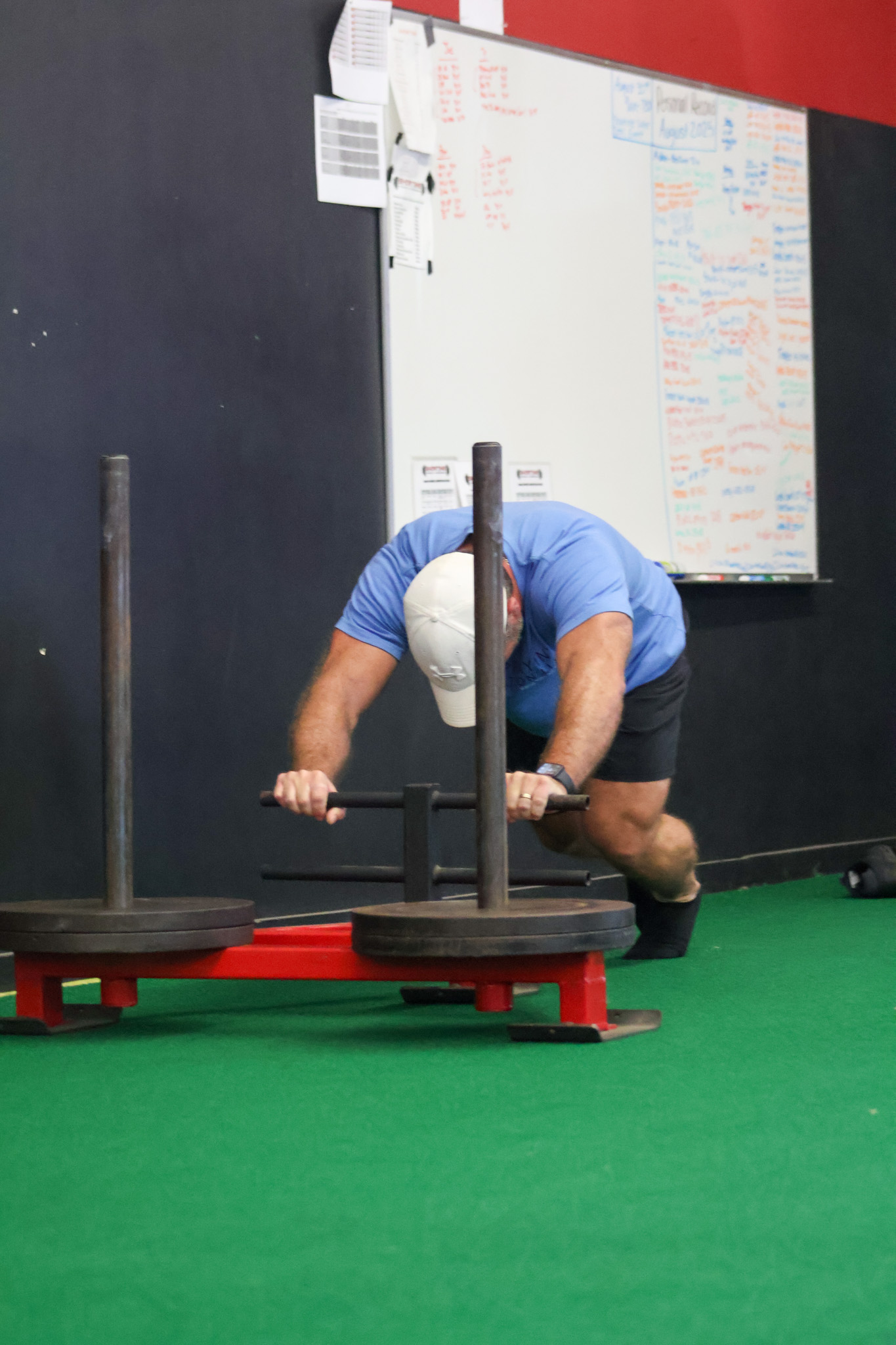
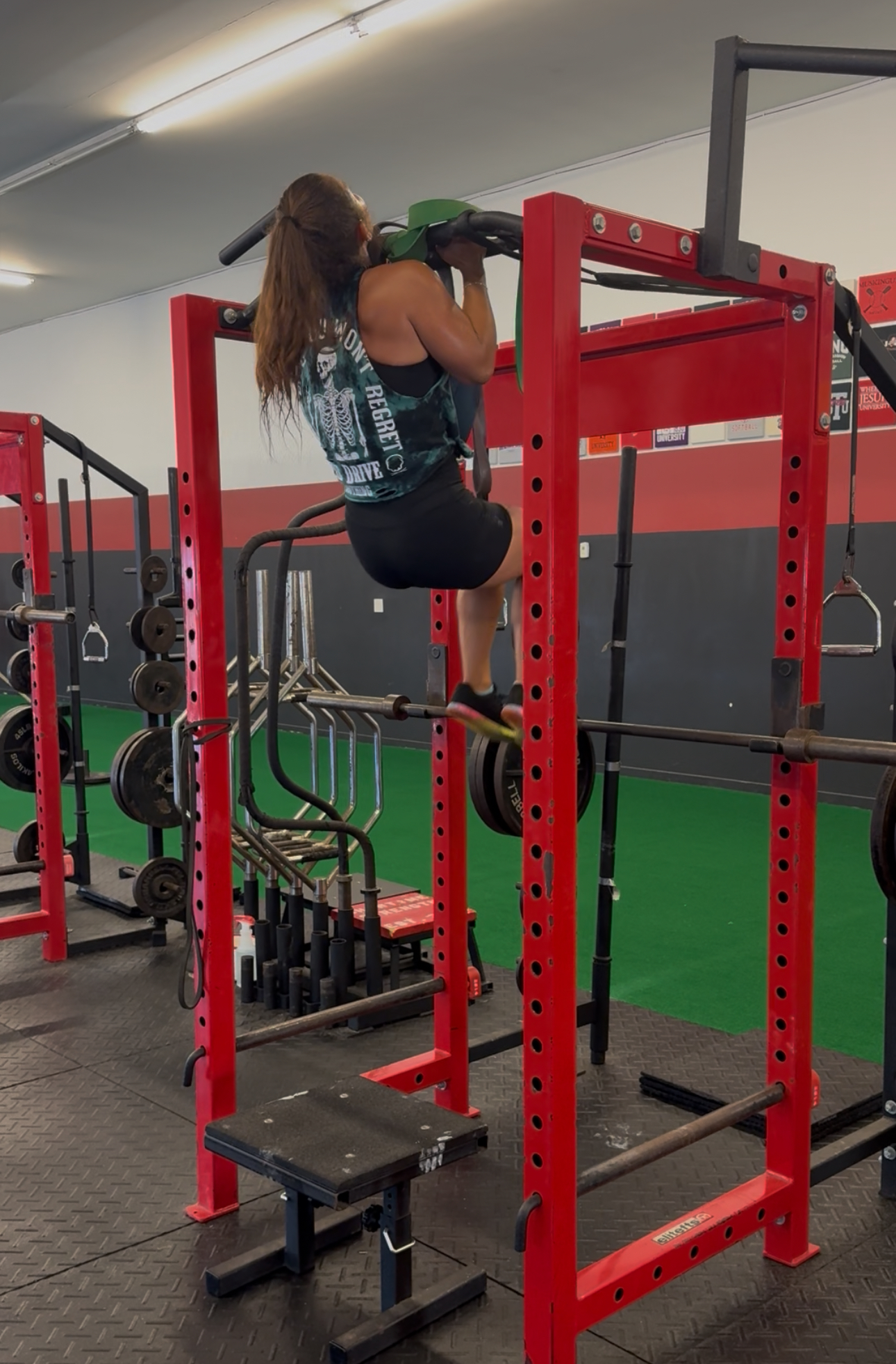
Practice: Carry light bags evenly in both hands or one side, lift objects from a raised surface before progressing to lower ones, and use resistance bands or weights for pushing and pulling. Increase the load gradually while maintaining good control.
Tactical Application
Choose a few skills that matter to your life and practice them consistently:
The CDC recommends that older adults include aerobic, muscle-strengthening, and balance activities in their weekly routine. The National Institute on Aging also highlights endurance, strength, balance, and flexibility as important components of exercise. The goal is to keep as many useful options as possible: getting up from the ground, climbing stairs, carrying what you need, running when appropriate, and jumping and landing safely if your body is ready for it. Start with the version you can perform confidently today, then build gradually. Progress is not about proving what you can do, it’s about preserving the skills that help you live the way you want. If you have pain, a history of falls, a health condition, or concerns about running or jumping, consult a healthcare professional or qualified exercise specialist for guidance.